一 .What Does IEC 60068-2-14 Test?
IEC 60068-2-14 evaluates how products respond to thermal shock conditions, where temperature changes occur rapidly between extreme highs and lows.
It simulates:
Sudden transfer from hot to cold environments
Rapid climatic changes during transportation
Thermal stress in electronic components
Expansion and contraction of materials
Typical failure modes include:
PCB cracking
Solder joint fatigue
Material deformation
Seal failure and leakage
二 .Test Methods Defined in IEC 60068-2-14:
The standard defines multiple test methods, but the most commonly used are:
Method Na: Rapid Change of Temperature (Air-to-Air)
Specimens are transferred between hot and cold chambers
Transfer time must be strictly controlled
Widely used for electronics and components
Method Nb: Gradual Change (Thermal Cycling)
Temperature changes occur within a single chamber
Slower ramp rates compared to thermal shock
Suitable for less severe testing conditions
Method Nc: Liquid-to-Liquid Thermal Shock
Samples are immersed in liquid baths
Extremely fast heat transfer
Used for specialized applications
三. Key Test Parameters (Critical for Compliance)
To meet IEC 60068-2-14 requirements, the following parameters must be carefully controlled:
| Parameter | Typical Requirement |
|---|---|
| High Temperature | +60°C to +200°C |
| Low Temperature | 0°C to -70°C |
| Transfer Time | ≤3sec |
Temperature Recovery Time | ≤0.5 to 3min |
| Number of Cycles | 50 – 1000+ |
| Temperature Tolerance | ±2°C |
四. Chamber Requirements for IEC 60068-2-14:
To perform compliant testing, a thermal shock chamber must meet the following capabilities:
1. Ultra-Fast Transfer System
≤10 seconds transfer time between zones
Vertical or horizontal basket system
2. Stable Temperature Zones
Independent hot and cold chambers
High uniformity (±2°C or better)
3. Rapid Recovery Performance
Chamber must return to set temperature quickly after load transfer
Critical for maintaining test accuracy
4. Load Handling Capability
Must compensate for DUT thermal mass
Ensures consistent temperature exposure
5. Advanced Control System
Programmable cycles
Real-time data logging
Alarm and safety protection
Recommended Equipment:
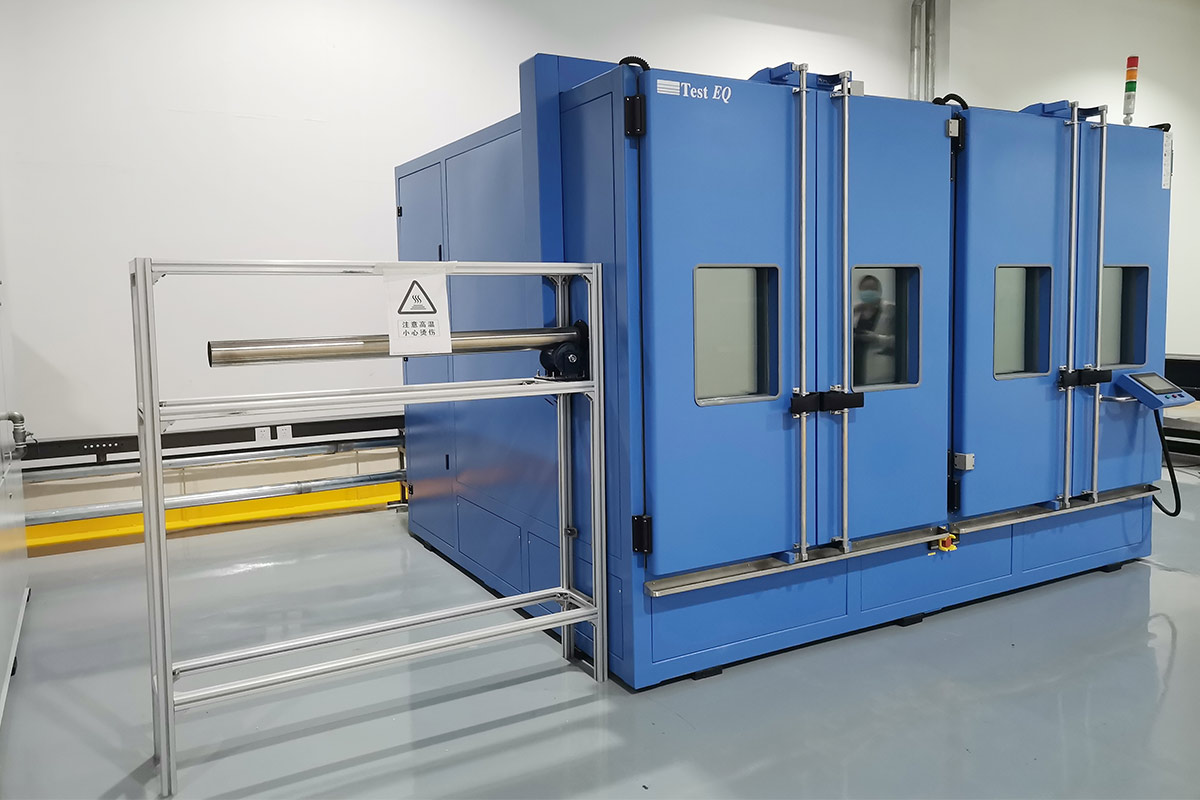
For reliable IEC 60068-2-14 testing, a three-zone thermal shock chamber is strongly recommended due to its stability and testing accuracy.
thermal-shock-test-chamber
五. Common Failures & Testing Mistakes:
1. Incorrect Thermocouple Placement
Leads to inaccurate temperature readings and invalid results.
2. Oversized Test Load
Large DUT mass reduces effective temperature change rate.
3. Ignoring Transfer Time
If transfer exceeds 10 seconds, test may not comply with the standard.
4. Poor Chamber Recovery
Failure to validate recovery time results in inconsistent test conditions.
5. Fixture Design Issues
Improper fixtures can absorb heat and distort test results.
六. How to Select the Right Thermal Shock Chamber
Key selection criteria:
Meets IEC 60068-2-14 transfer time requirements
Verified temperature uniformity
Adequate chamber size for DUT
Proven reliability in continuous cycling
Compliance documentation available
Pro Tip:
Always request:
Temperature uniformity reports
Calibration certificates
Real test data (not just specifications)
七. Applications Across Industries
IEC 60068-2-14 testing is widely used in:
Automotive electronics
Aerospace components
Consumer electronics
LED and semiconductor devices
Military and defense systems
八. FAQ
What is the difference between thermal shock and thermal cycling?
Thermal shock involves rapid temperature transfer between zones, while thermal cycling uses gradual temperature changes within a single chamber.
What chamber is required for IEC 60068-2-14?
A thermal shock chamber with fast transfer time, stable temperature zones, and precise control is required.
How fast should transfer time be?
Typically less than 10 seconds to comply with the standard.
How many cycles are required?
Depends on product requirements, typically 50 to 1000 cycles.
九. Conclusion:
IEC 60068-2-14 thermal shock testing is essential for identifying reliability risks caused by rapid temperature changes.
Choosing the right testing method and equipment is critical to ensuring accurate, repeatable, and compliant results.
If you are selecting a thermal shock chamber or setting up a new test lab, working with an experienced (testEQ) ensures your testing meets international standards and delivers reliable data.