What Is an Explosive Atmosphere?
An explosive atmosphere is a mixture of:
Flammable gas, vapor, mist, or combustible dust
Oxygen from the surrounding environment
An ignition source or energy capable of causing combustion
When the concentration reaches a specific explosive range, ignition may result in combustion or explosion.
Common application environments include:
Lithium battery production and testing facilities
Hydrogen energy systems
Automotive fuel systems
Aerospace equipment
Chemical processing equipment
Industrial electrical components
Explosive atmosphere testing helps manufacturers confirm that products can safely operate without creating ignition hazards.
What Is Explosive Atmosphere Testing Used For?
Explosive atmosphere testing is commonly applied to evaluate:
1. Electrical Equipment Safety
Testing verifies whether electrical components can prevent ignition caused by:
Electrical sparks
Overheating
Short circuits
Component failure
Applications include:
Motors
Sensors
Controllers
Industrial instruments
Battery management systems
2. Battery Safety and Energy Storage Testing
With the rapid development of electric vehicles and energy storage systems, battery safety testing has become increasingly important.
Explosive atmosphere testing can evaluate:
Thermal runaway risks
Gas release behavior
High-temperature operation
Safety performance under abnormal conditions
This is especially important for:
EV battery packs
Charging systems
Energy storage equipment
3. Industrial Reliability Testing
Manufacturers use explosive atmosphere simulation to validate products used in hazardous locations.
Typical industries include:
Oil and gas
Mining
Chemical plants
Aerospace
Defense
Main Explosive Atmosphere Testing Standards
International testing requirements are mainly based on safety standards and hazardous area classification systems.
IEC 60079 Series – Explosive Atmospheres Standard
The IEC 60079 standard series defines requirements for equipment used in explosive atmospheres.
It covers:
Equipment protection methods
Gas explosion environments
Dust explosion environments
Electrical equipment safety requirements
Common applications include:
Explosion-proof electrical equipment
Industrial sensors
Automation systems
ATEX Directive (European Market)
ATEX is a European regulatory framework controlling equipment used in explosive atmospheres.
It focuses on:
Equipment safety
Hazardous area classification
Explosion prevention
Products entering European markets often require ATEX compliance evaluation.
IECEx Certification System
IECEx provides an international certification framework for explosive atmosphere equipment.
It helps manufacturers demonstrate compliance for global markets.
MIL-STD and Aerospace Environmental Testing
For aerospace and defense applications, explosive atmosphere testing may be combined with environmental simulation requirements, including:
Temperature cycling
Altitude simulation
Pressure variation
Vibration testing
How Does Explosive Atmosphere Testing Work?
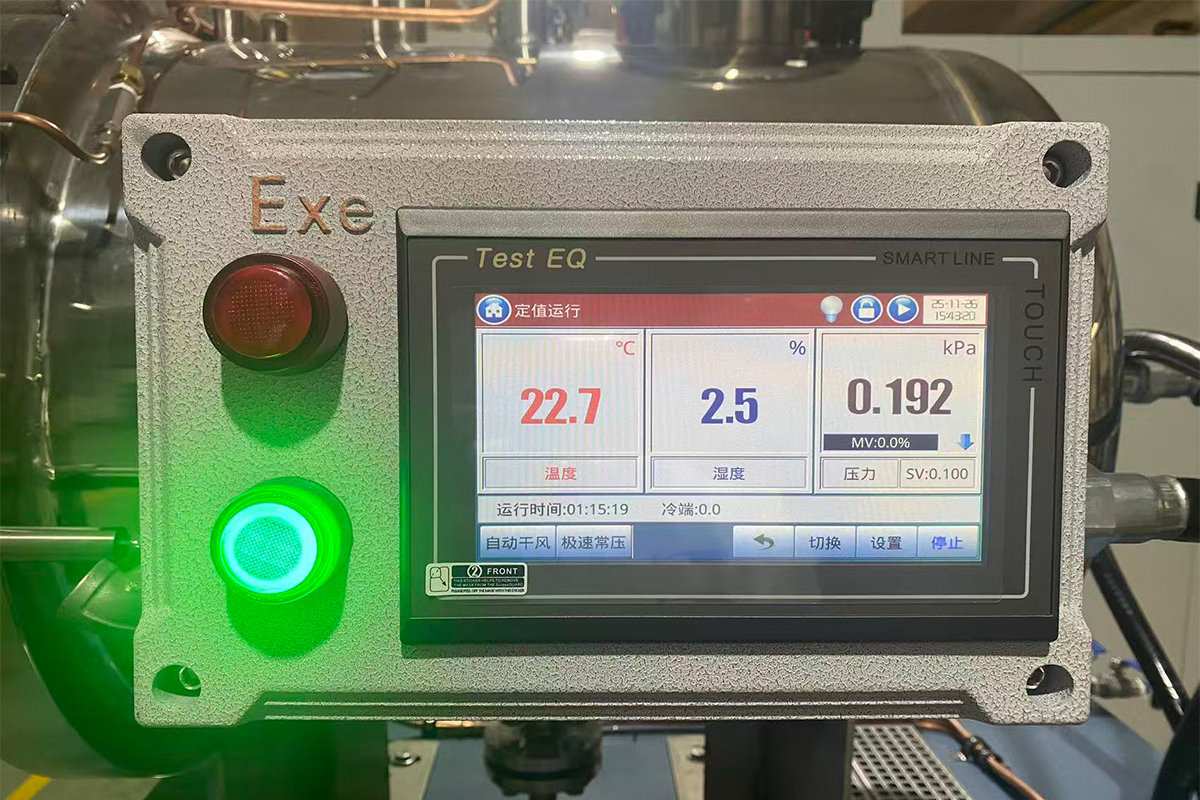
A typical explosive atmosphere test system includes:
1. Controlled Test Environment
The chamber creates a controlled atmosphere with:
Specific gas concentration
Controlled temperature
Humidity conditions
Pressure parameters
2. Safety Monitoring System
Advanced systems monitor:
Gas concentration
Temperature changes
Pressure variation
Abnormal conditions
Automatic safety protection prevents uncontrolled hazards during testing.
3. Environmental Simulation Capability
Depending on application requirements, the system may integrate:
Temperature cycling
Thermal shock testing
Humidity testing
Vacuum simulation
Altitude testing
This allows manufacturers to evaluate products under realistic operating conditions.
How to Select an Explosive Atmosphere Test Chamber?
When selecting a testing system, engineers and purchasing teams should consider:
1. Applicable Testing Standards
Confirm whether the chamber supports required standards:
IEC 60079
ATEX
IECEx
Customer-specific qualification requirements
2. Safety Protection Design
Important features include:
Explosion-proof structure
Pressure relief system
Gas monitoring
Emergency shutdown system
Safety interlocks
3. Environmental Performance
Key technical parameters:
Temperature range
Heating and cooling rate
Humidity control accuracy
Chamber volume
Control stability
4. Manufacturer Engineering Capability
A reliable supplier should provide:
Customized chamber design
Safety engineering experience
Testing application support
Global technical service
TestEQ Explosive Atmosphere Testing Solution
As an environmental test chamber manufacturer, TestEQ develops advanced reliability testing systems for industries requiring strict environmental and safety validation.
TestEQ solutions support applications including:
Automotive reliability testing
EV battery safety testing
Aerospace environmental simulation
Semiconductor reliability evaluation
Industrial equipment qualification
Key advantages:
✓ Customized explosive atmosphere test chamber solutions
✓ Advanced temperature and environmental control technology
✓ Integration with thermal cycling and reliability testing systems
✓ Engineering support for global laboratories and manufacturers
By combining environmental simulation technology with safety testing requirements, TestEQ helps customers improve product reliability and accelerate certification processes.
Frequently Asked Questions (FAQ)
1.What is explosive atmosphere testing?
Explosive atmosphere testing evaluates whether products can safely operate in environments containing flammable gases, vapors, or combustible dust.
2.What standards are used for explosive atmosphere testing?
Common standards include IEC 60079, ATEX, and IECEx, depending on application and market requirements.
3.What industries require explosive atmosphere testing?
Industries include EV batteries, aerospace, oil and gas, chemical processing, industrial electronics, and energy storage.
4.What is an explosive atmosphere test chamber?
An explosive atmosphere test chamber is specialized equipment designed to simulate hazardous atmospheric conditions while safely evaluating product performance.
5.Can explosive atmosphere testing be combined with temperature testing?
Yes. Advanced systems can combine explosive atmosphere simulation with temperature cycling, humidity, altitude, and other environmental reliability tests.
6.What is the difference between explosive atmosphere testing and standard environmental testing?
Explosive atmosphere testing focuses on evaluating product safety and reliability under hazardous conditions where flammable gases, vapors, or combustible dust may exist. Standard environmental testing mainly evaluates temperature, humidity, vibration, or other environmental stresses without explosive risk simulation.
For products used in hazardous locations, explosive atmosphere testing provides additional safety verification beyond conventional environmental qualification.
7.What products require explosive atmosphere testing?
Products that may require explosive atmosphere testing include:
EV battery systems and energy storage equipment
Explosion-proof electrical components
Industrial sensors and control systems
Aerospace and defense equipment
Oil and gas equipment
Chemical processing devices
Testing requirements depend on the operating environment, hazardous area classification, and applicable safety standards.
8.How can manufacturers prepare for explosive atmosphere certification testing?
Manufacturers should prepare by:
Identifying applicable standards such as IEC 60079, ATEX, or IECEx
Defining hazardous environment conditions and testing parameters
Selecting a qualified explosive atmosphere test chamber supplier
Performing reliability validation before certification testing
Early environmental simulation testing can help reduce certification risks, improve product safety, and accelerate time to market.
Recommended Internal Link Modules
Related Test Chamber Solutions
TestEQ explosive atmosphere test chambers simulate hazardous environments containing flammable gases and dust for automotive, battery, aerospace, and industrial safety validation.
Advanced temperature and humidity chambers for automotive, electronics, semiconductor, and aerospace reliability testing.
High-performance thermal shock chambers designed for rapid temperature transition and reliability qualification.
Related Standards
Explore international standards related to explosive atmosphere testing, hazardous environment qualification, and reliability verification.
IEC 60079 Standard Requirements for Explosive Atmosphere Testing
IEC 60079 defines international requirements for equipment used in explosive atmospheres. This guide explains protection methods, hazardous area classification, and how manufacturers evaluate explosion safety compliance.
ATEX Testing Requirements for Explosive Atmosphere Equipment
ATEX certification is essential for products used in potentially explosive environments within European markets. This guide explains ATEX requirements, equipment categories, and compliance considerations for manufacturers.
IECEx Certification Requirements for Hazardous Area Equipment
IECEx provides an international certification framework for equipment operating in explosive atmospheres. Learn how IECEx supports global product safety verification and market access.
Technical Resources
Learn more about environmental simulation technologies, reliability testing methods, and equipment selection strategies.
This guide helps engineers and purchasing teams select suitable environmental test chambers based on temperature range, humidity control, testing standards, chamber size, and application requirements.
Battery safety testing evaluates thermal runaway risks, temperature performance, and reliability under extreme conditions. This resource explains testing methods and chamber requirements for EV battery manufacturers.
This article explains the differences between thermal cycling and temperature shock testing, helping engineers select the correct environmental test method for electronic components, automotive systems, and aerospace products.
CTA:
Discuss Your Explosive Atmosphere Testing Requirements with TestEQ.
From product qualification to reliability verification, TestEQ supports engineers with customized environmental simulation systems designed for demanding industrial applications.
Tell us your:
Product type
Required testing standards
Temperature and environmental conditions
Chamber size requirements
Our engineering team will help evaluate the most suitable testing approach.