Product Introduction
Reliable Explosion Atmosphere Testing for Safety-Critical Products
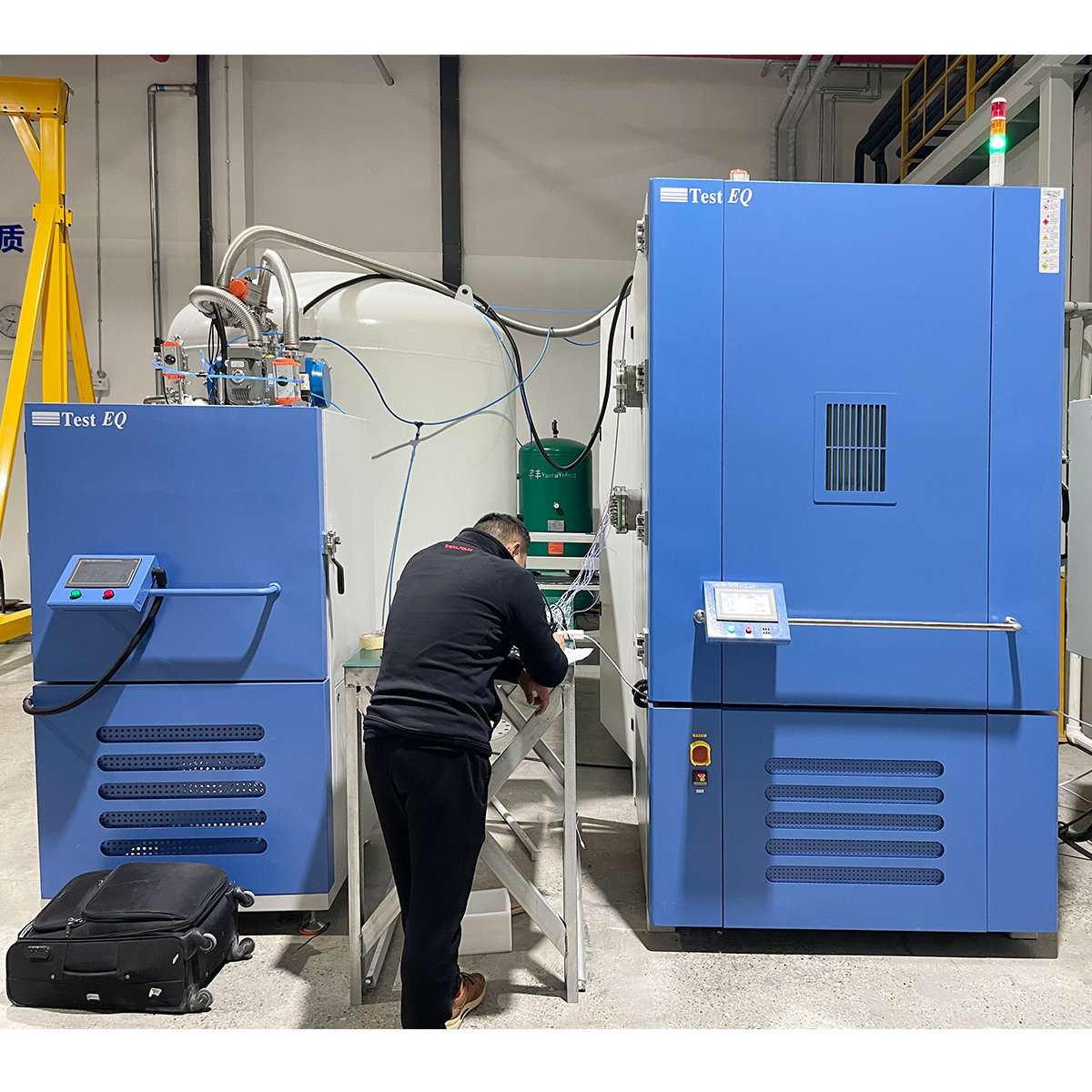
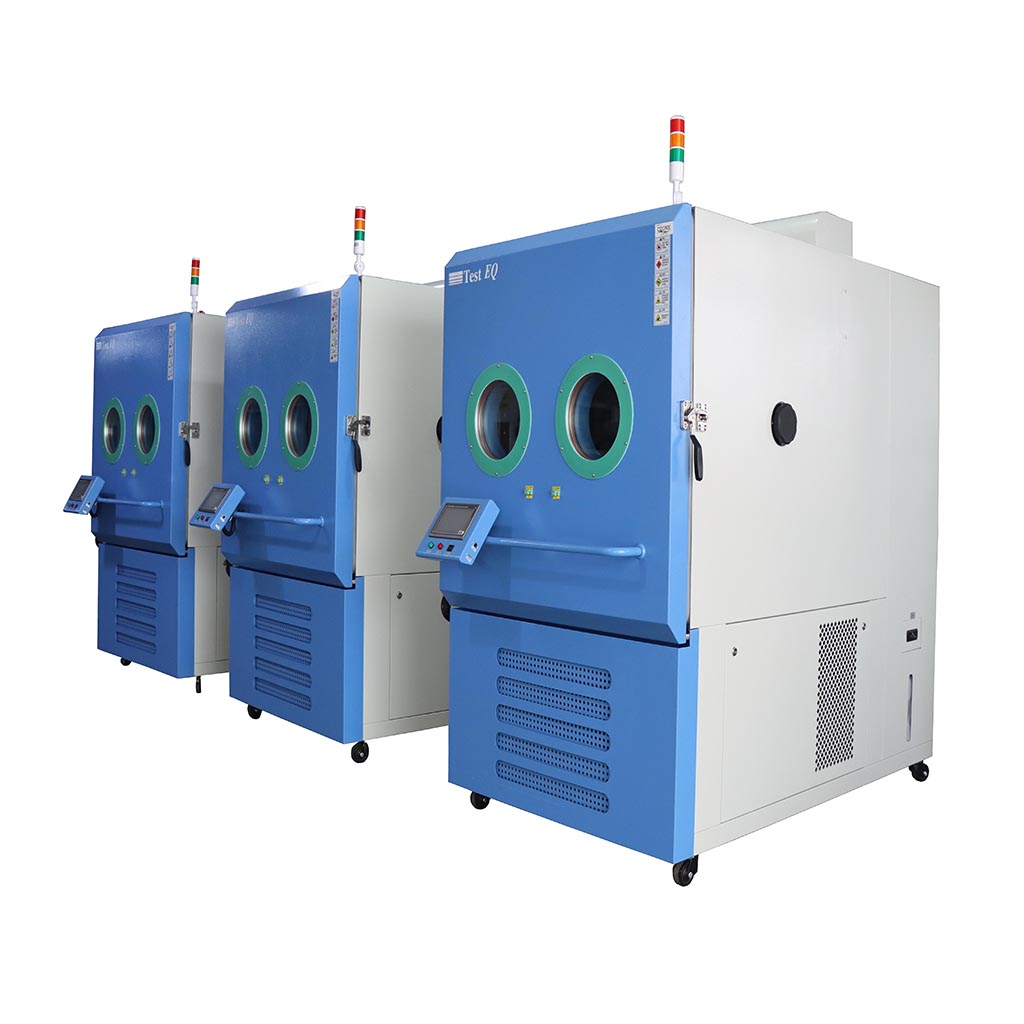
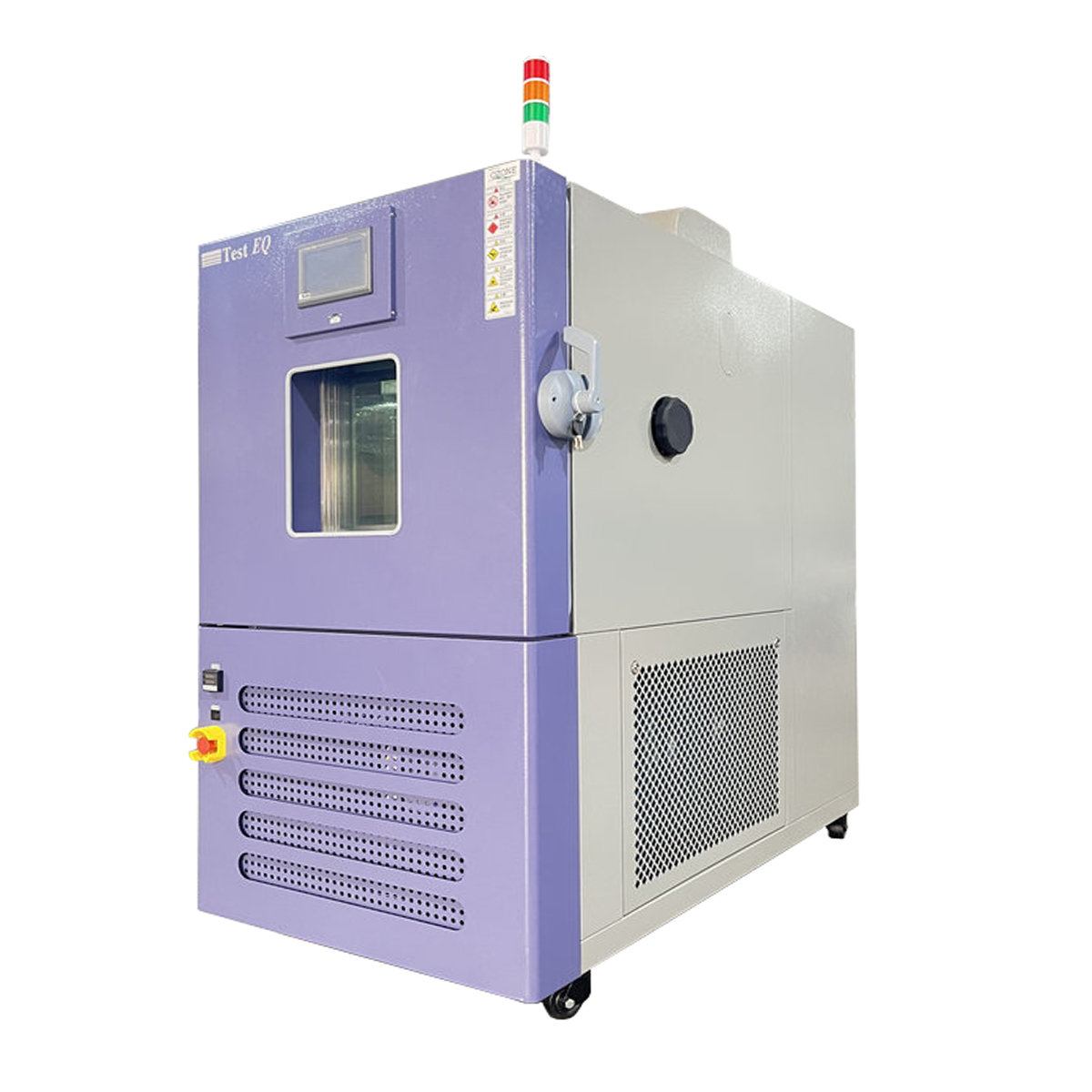
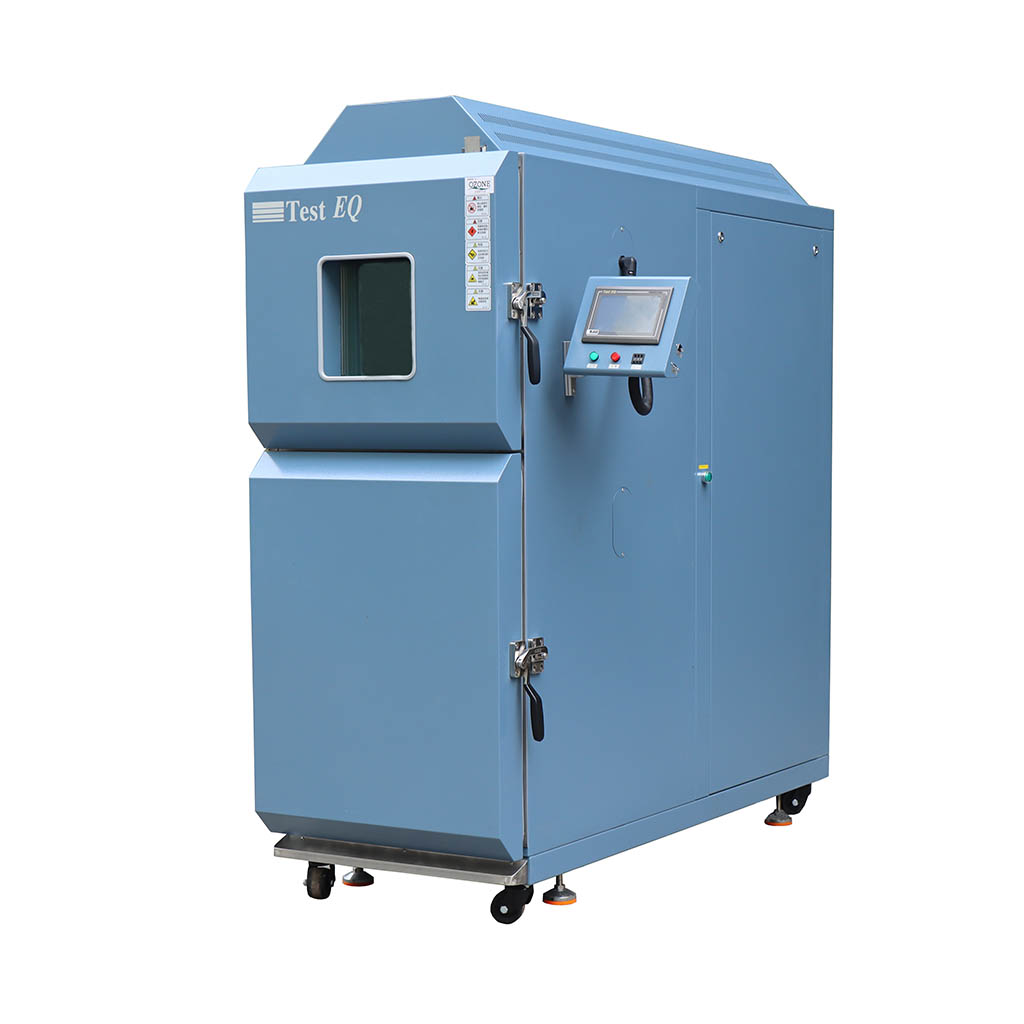
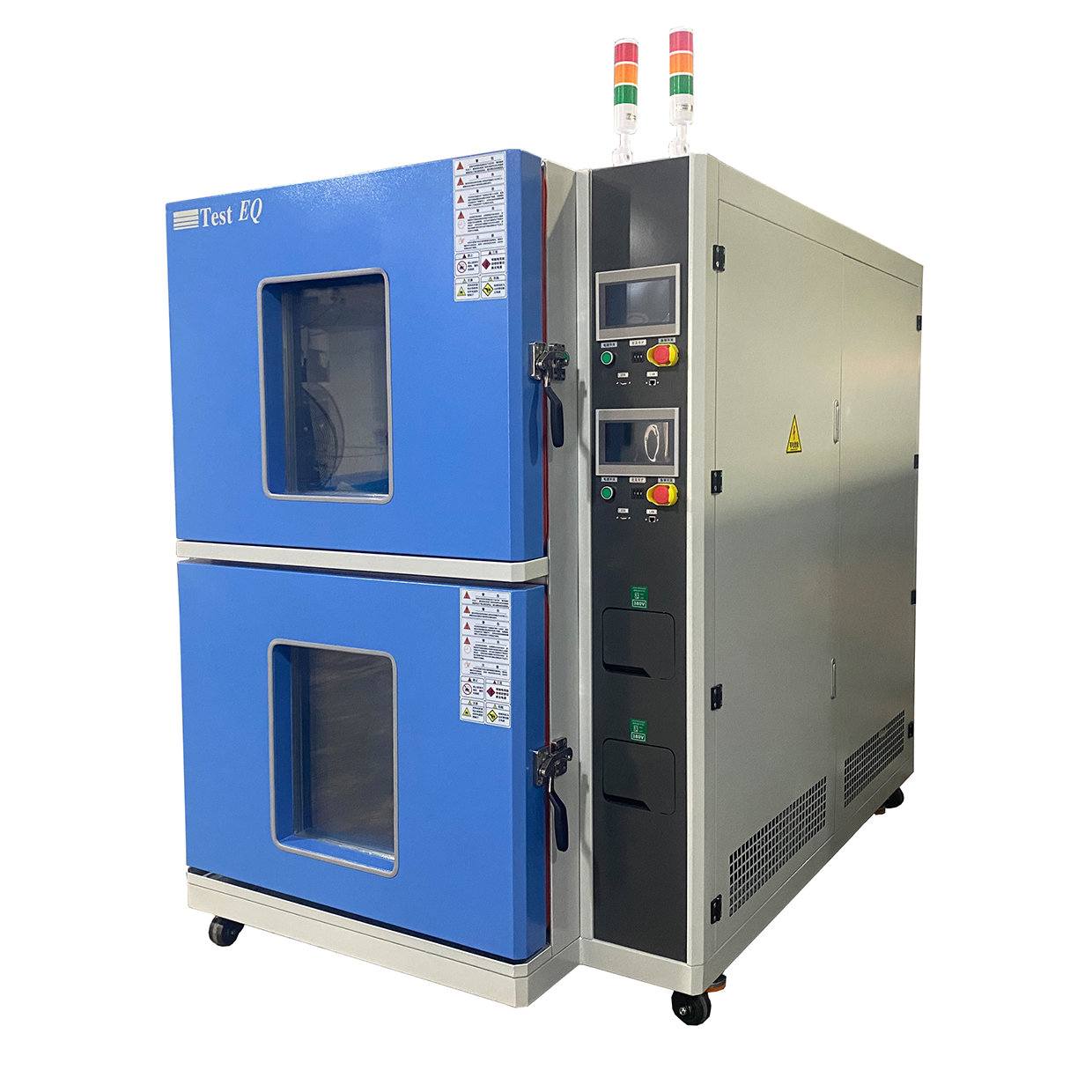
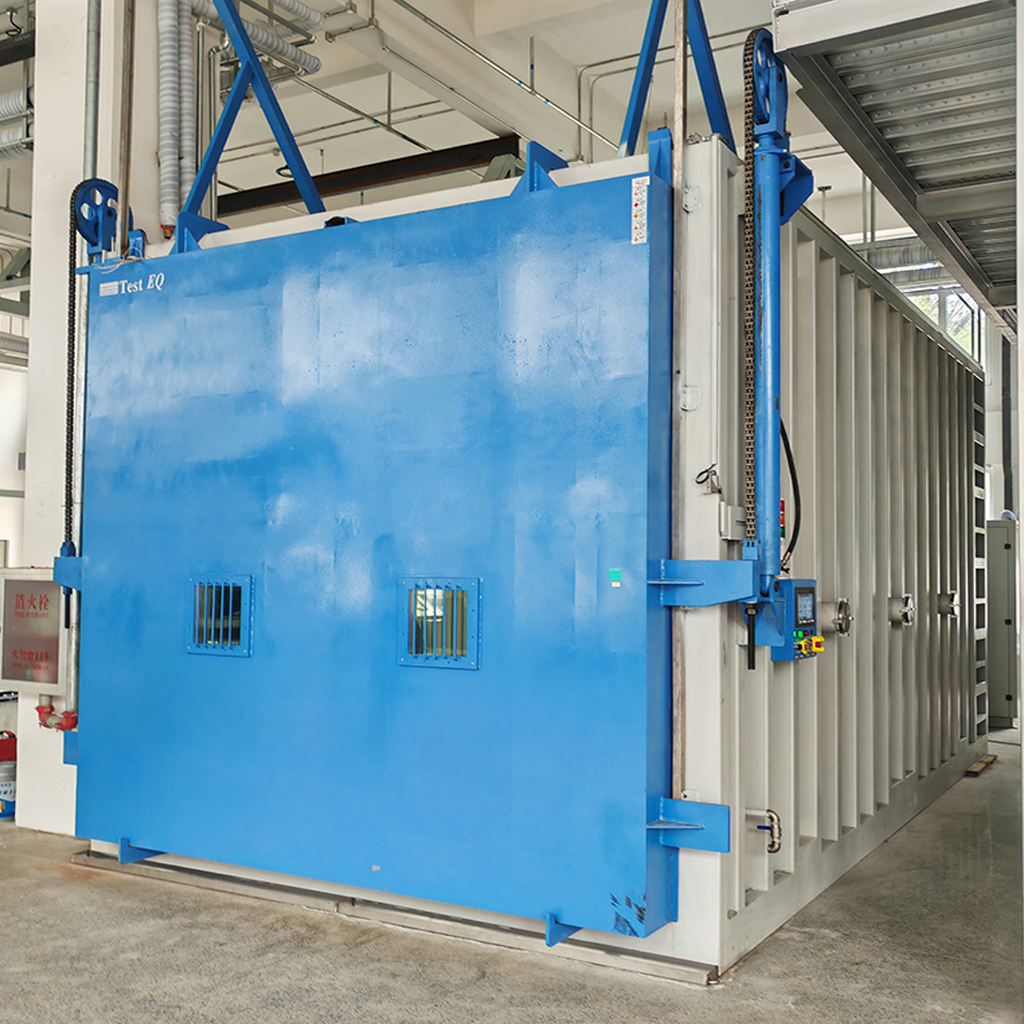
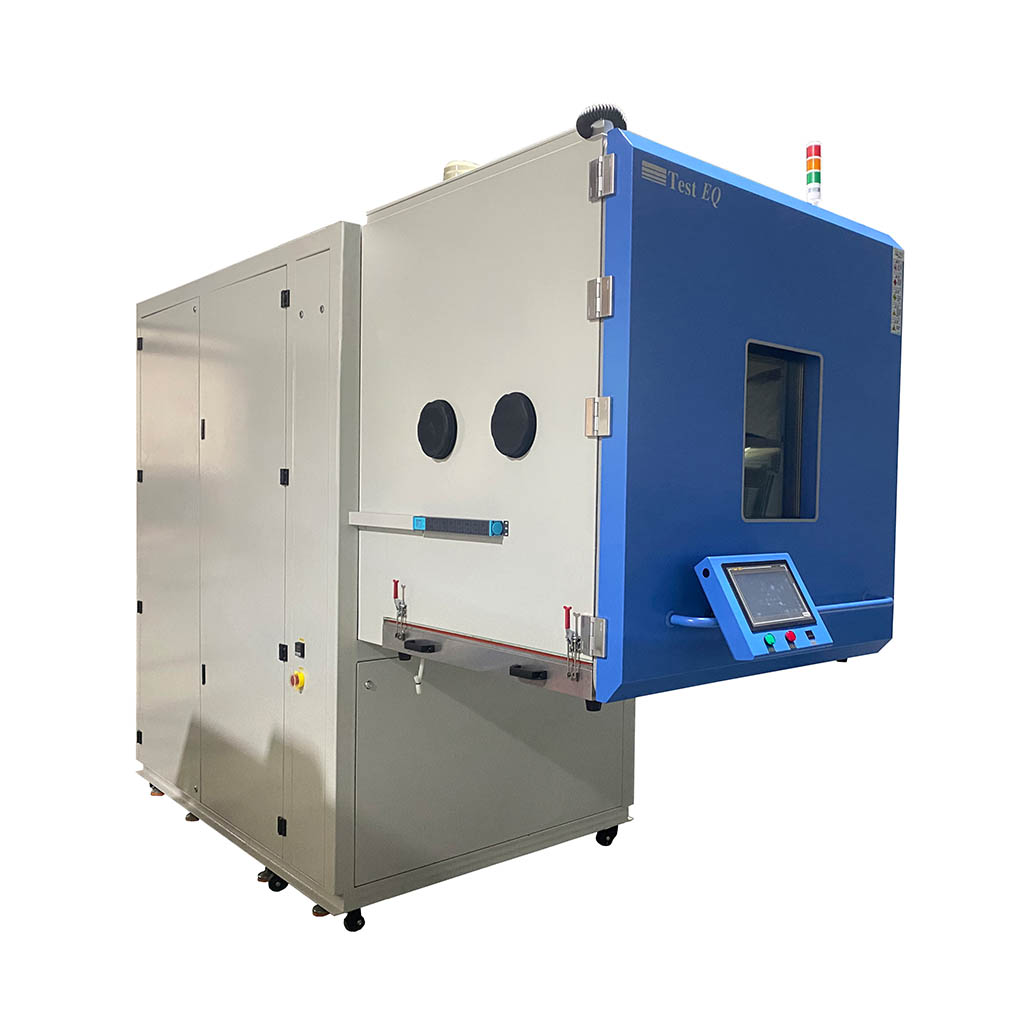
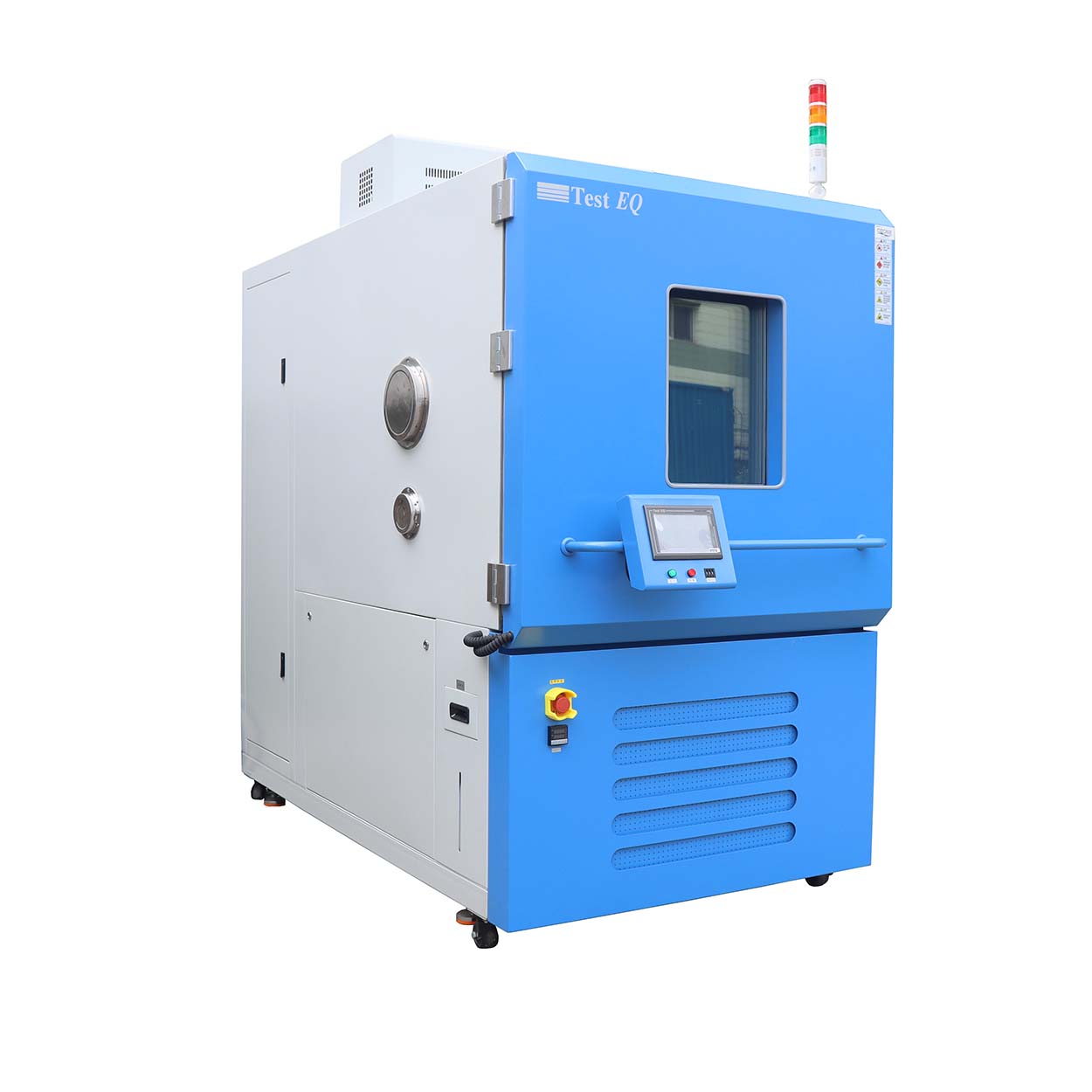
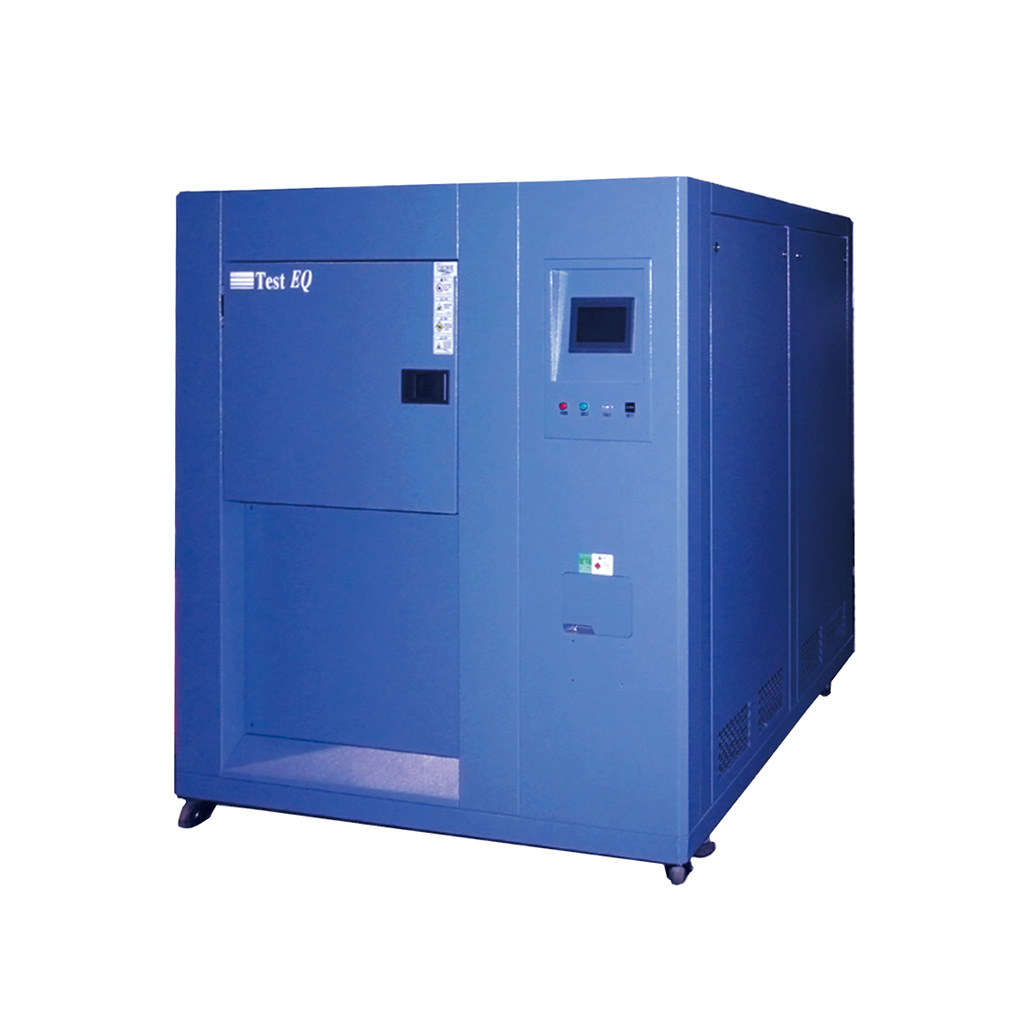
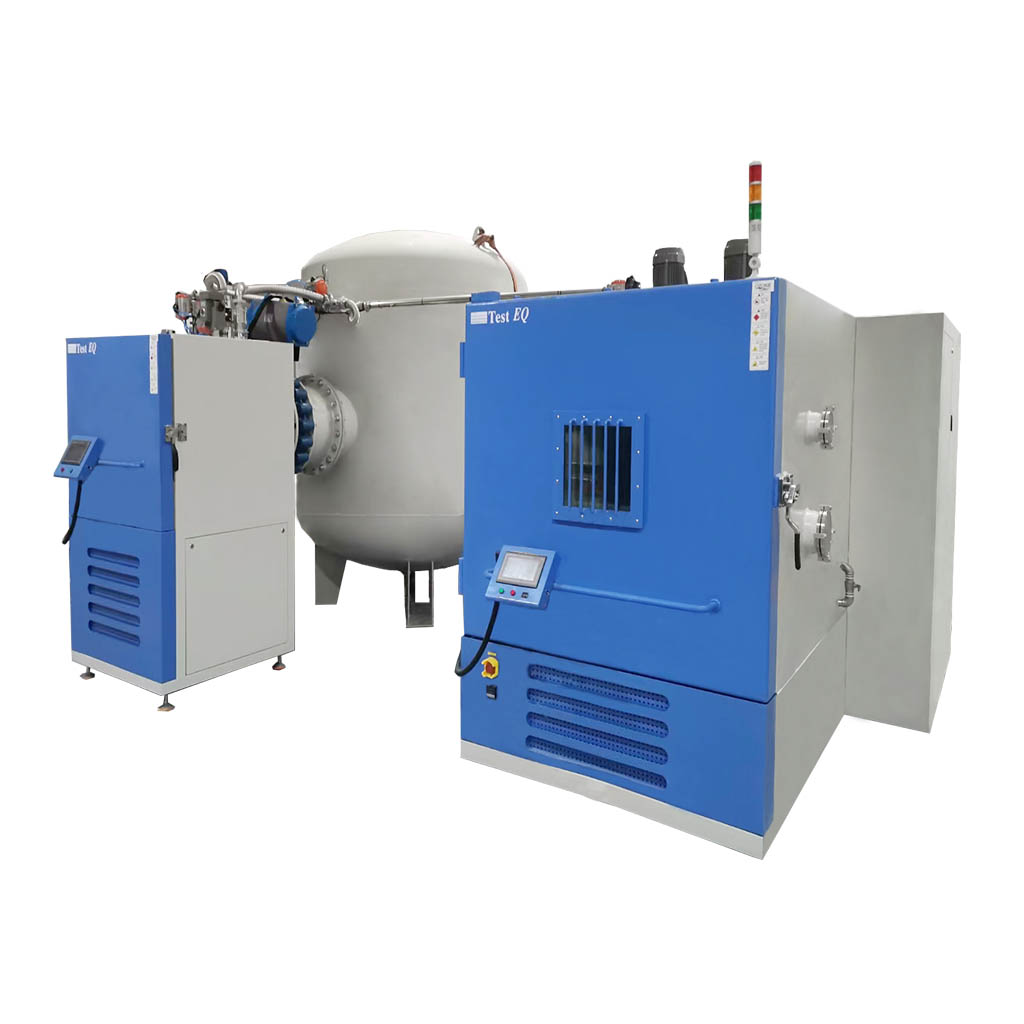
The TestEQ Explosive Atmosphere Test Chamber is engineered to evaluate whether products can safely operate or survive in environments containing flammable gases, fuel vapors, or explosive atmospheres.
The chamber simulates hazardous conditions encountered in aerospace, defense, automotive, electronics, energy storage, and industrial equipment, helping manufacturers verify ignition safety, explosion resistance, and operational reliability before deployment.
Designed for demanding laboratory applications, the system supports customized explosive gas concentrations, temperature control, pressure monitoring, ventilation management, and comprehensive safety protection in accordance with internationally recognized testing standards.
What Is an Explosive Atmosphere Test Chamber?
An Explosive Atmosphere Test Chamber is a specialized environmental testing system designed to simulate hazardous environments containing flammable gases, vapors, or combustible mixtures. It is used to evaluate whether products, components, and electronic systems can safely operate under explosive atmosphere conditions without ignition, malfunction, or safety risks.
By precisely controlling explosive gas concentration, temperature, pressure, ventilation, and environmental conditions, the chamber allows engineers to perform controlled explosion hazard evaluations in a safe laboratory environment.
Explosive atmosphere testing is commonly required for aerospace equipment, defense systems, automotive components, fuel systems, electrical devices, and industrial products that may be exposed to combustible environments during operation.
How Does an Explosive Atmosphere Test Chamber Work?
An Explosive Atmosphere Test Chamber creates a controlled hazardous atmosphere by introducing a specific concentration of flammable gases or fuel vapors into the test area.
During testing, engineers monitor:
The chamber uses advanced safety systems, including gas detection, ventilation control, emergency shutdown, and explosion protection designs, to ensure reliable and repeatable testing.
Why Is Explosive Atmosphere Testing Important?
Many products operate in environments where flammable substances may exist, such as aircraft fuel areas, automotive fuel systems, hydrogen applications, and industrial processing facilities.
Explosive atmosphere testing helps manufacturers:
Verify product safety performance
Reduce explosion-related risks
Improve reliability in hazardous environments
Meet international safety requirements
Support certification and qualification processes
Why Choose TestEQ Explosive Atmosphere Test Chamber
Accurate Explosive Atmosphere Simulation
Simulates gasoline vapor, aviation fuel vapor, hydrogen, methane, propane and other combustible gas mixtures.
High Safety Protection
Precise Environmental Control
Flexible Chamber Sizes
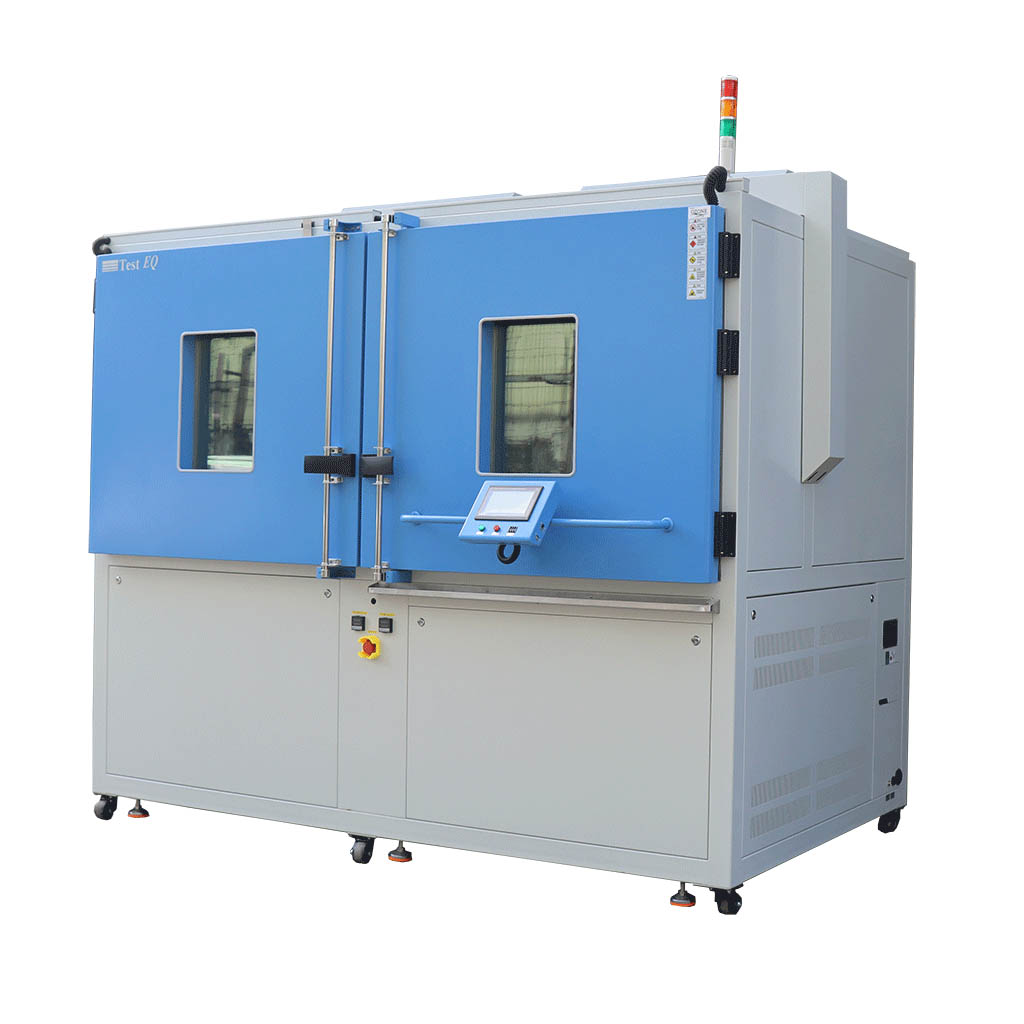
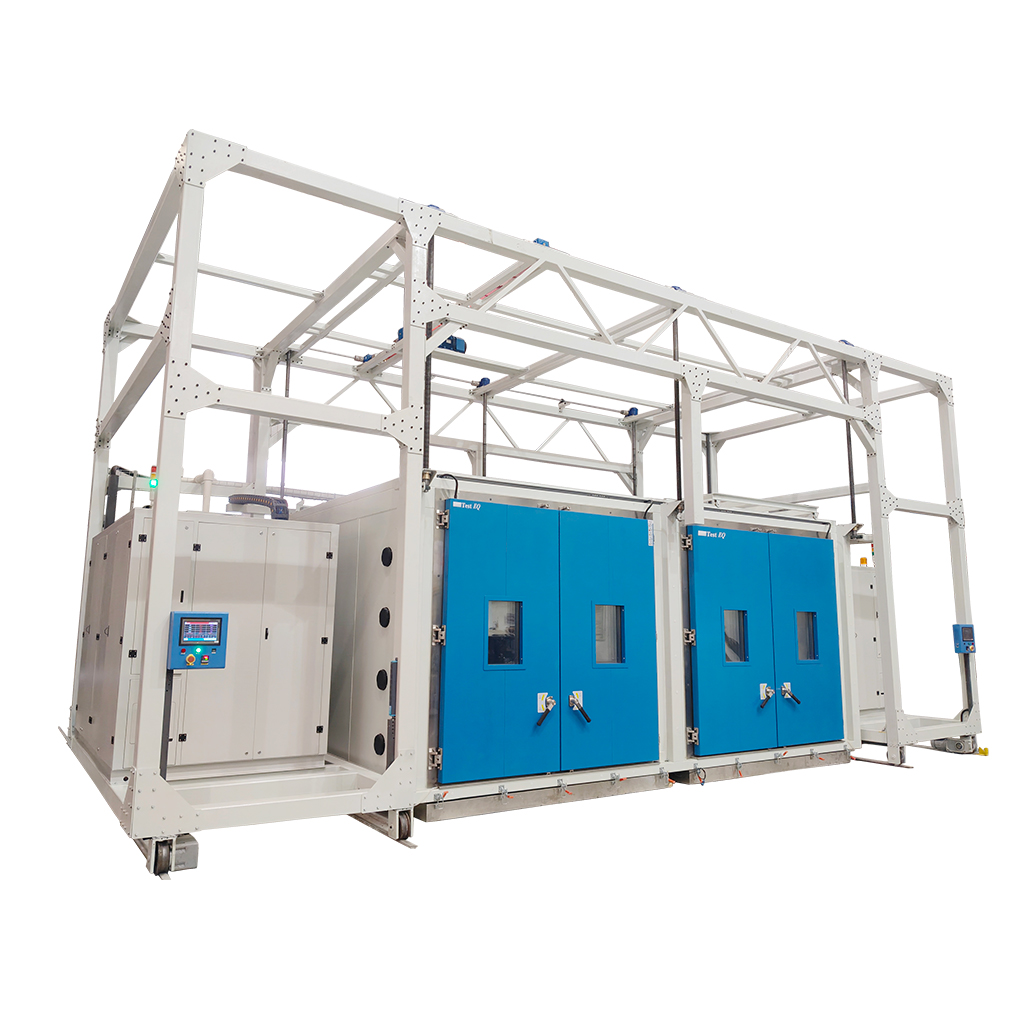
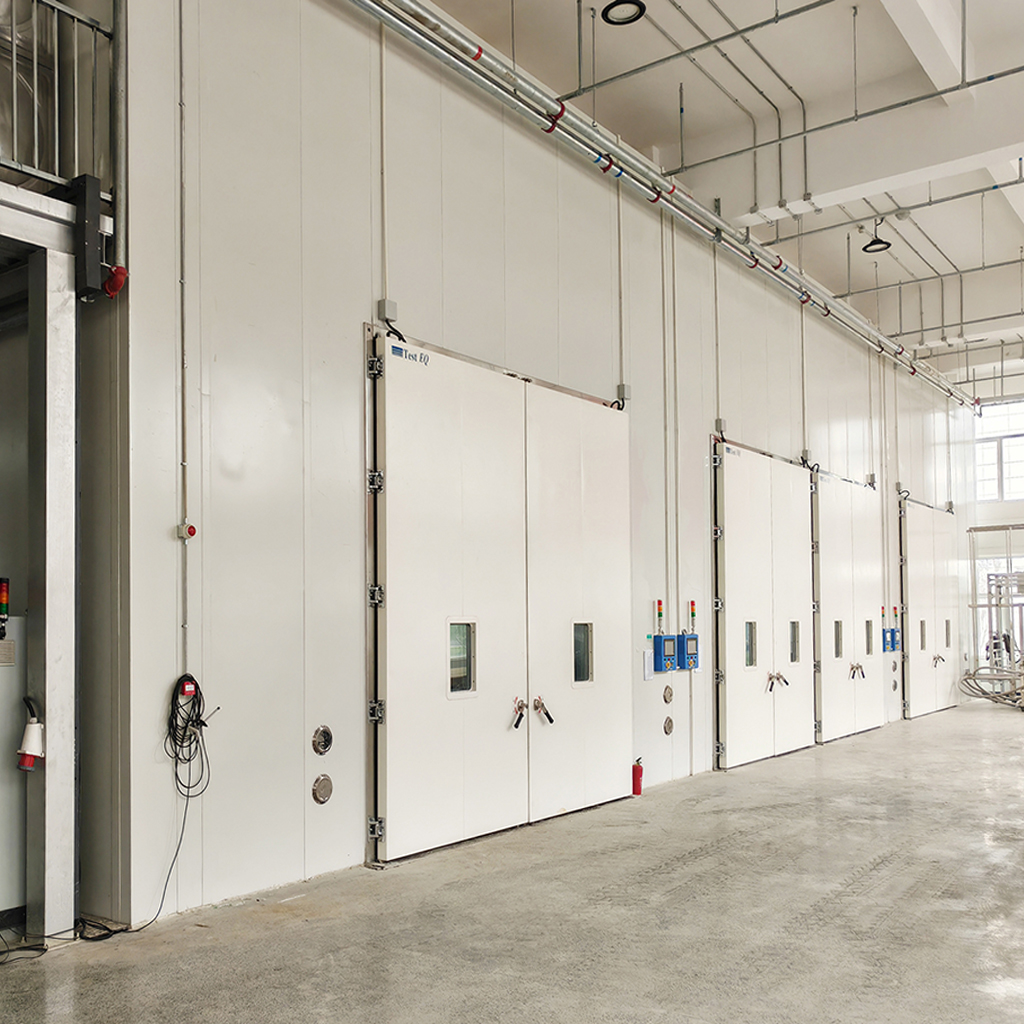
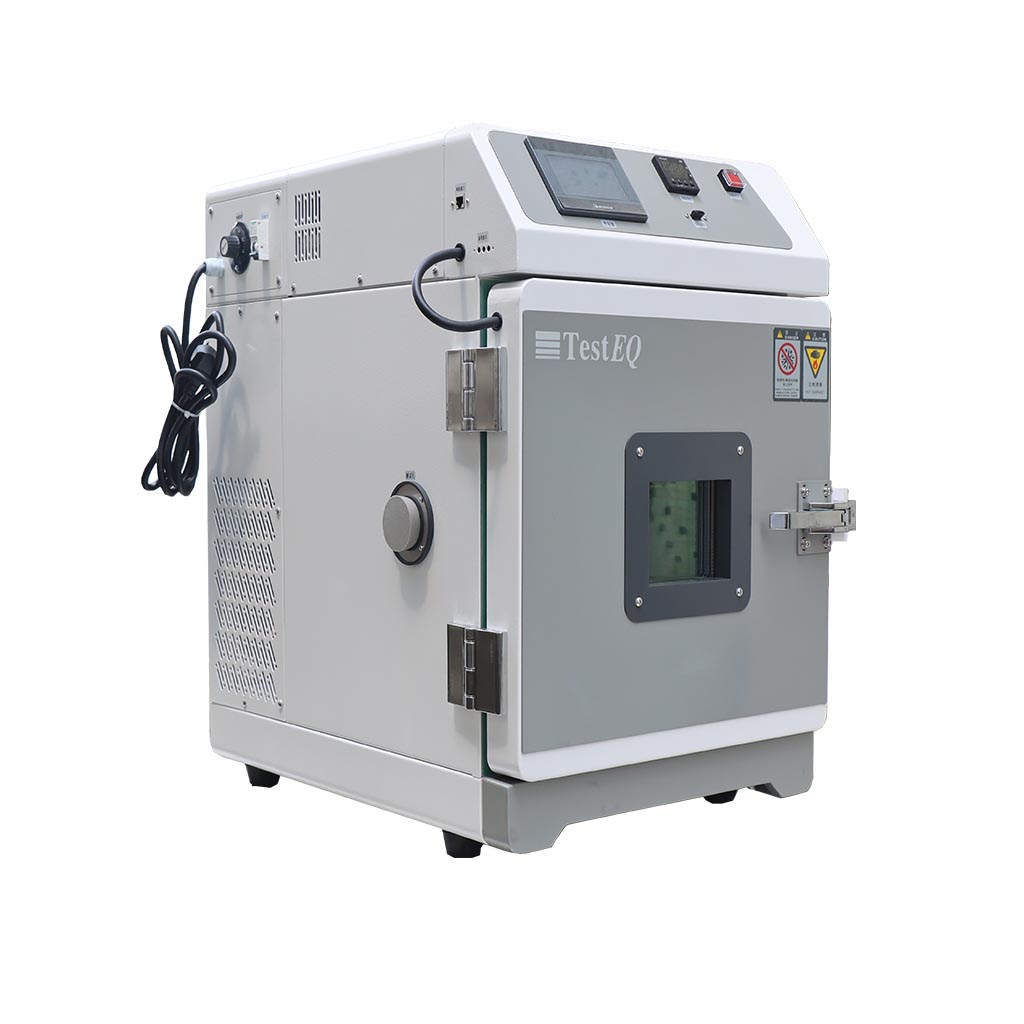
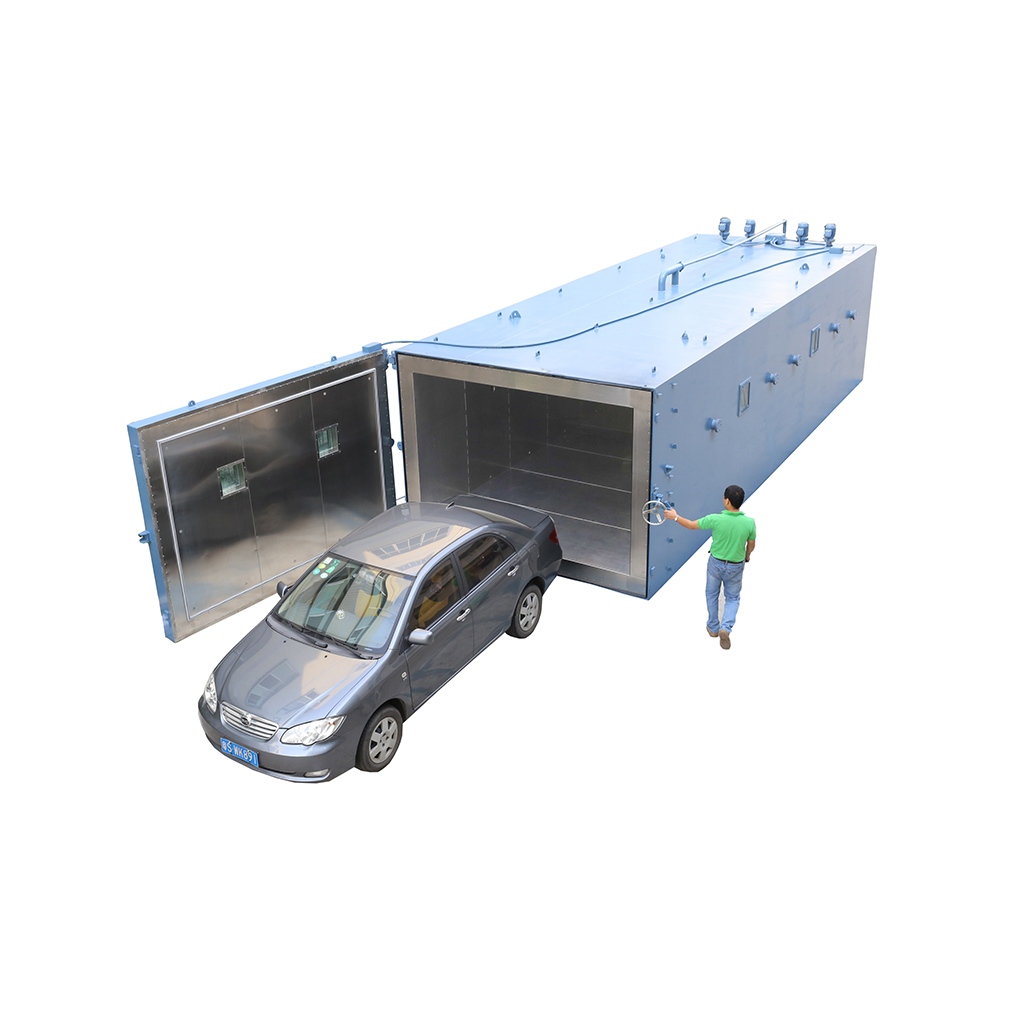
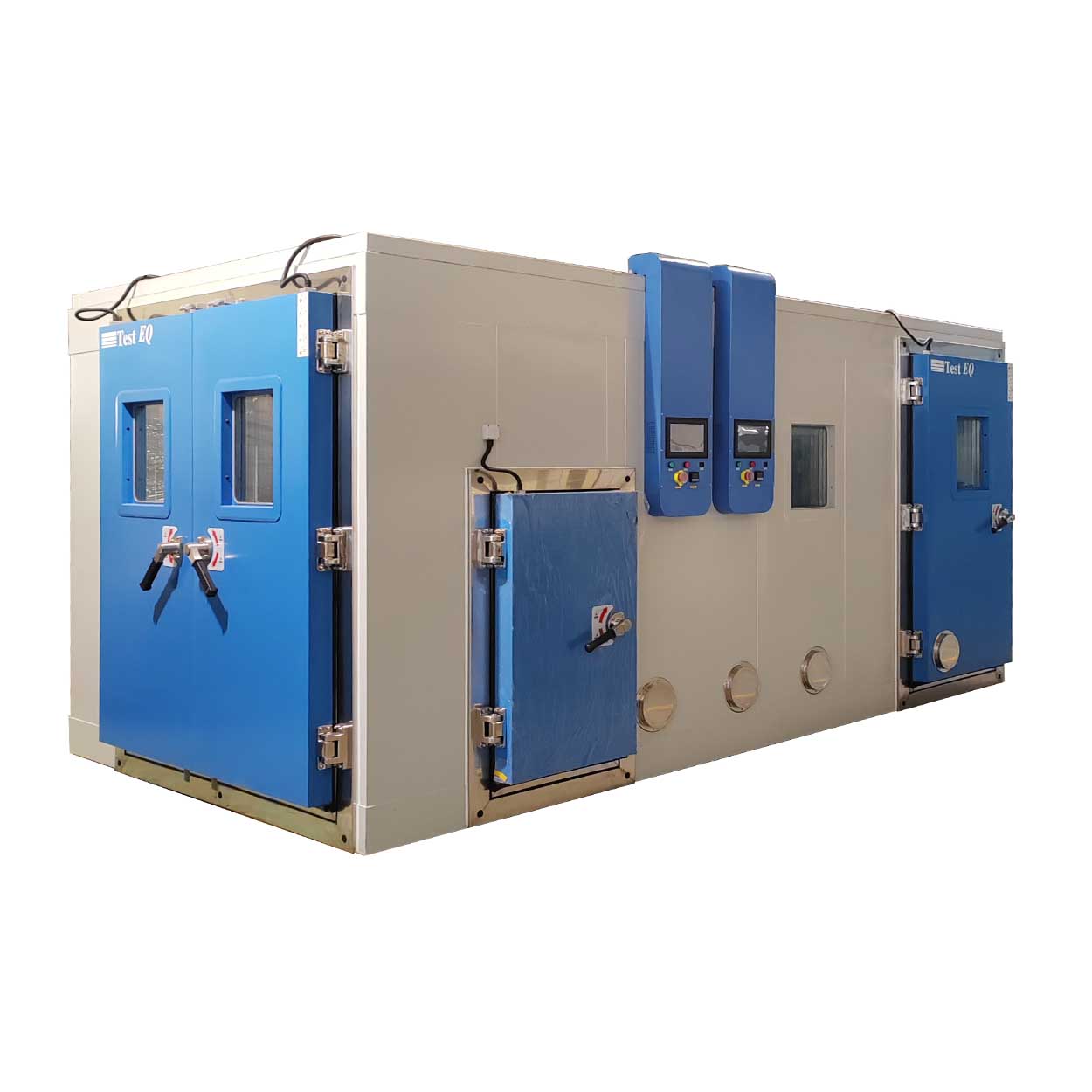
Available from small laboratory chambers to customized walk-in explosion simulation systems.
PLC Intelligent Control
Real-time monitoring of
Temperature
Gas concentration
Pressure
Alarm status
Test reports
Typical Test Items
The system supports various explosion-related evaluations including:
Ignition testing
Fuel vapor exposure
Explosion atmosphere simulation
Spark resistance evaluation
Electrical equipment safety verification
Explosion hazard assessment
Operational reliability testing
Material compatibility testing
Explosive Atmosphere Test Chamber vs Environmental Test Chamber
| Feature | Explosive Atmosphere Chamber | Environmental Test Chamber |
|---|
| Simulates Explosive Gas | ✔ | ✘ |
| Temperature Cycling | ✔ | ✔ |
| Humidity Testing | Optional | ✔ |
| Pressure Testing | Optional | Optional |
| Explosion Risk Evaluation | ✔ | ✘ |
| Ignition Testing | ✔ | ✘ |
| Fuel Vapor Testing | ✔ | ✘ |
| Hazardous Atmosphere Simulation | ✔ | ✘ |
Why Global Customers Choose TestEQ
Custom explosion atmosphere solutions
Engineering design support
Factory direct pricing
Global installation service
CE compliant manufacturing
Technical support before and after delivery
Customized chamber dimensions
OEM & ODM available
Core Advantages of TestEQ Explosive Atmosphere Test Chamber
1. Accurate Explosive Atmosphere Simulation
Simulates hazardous environments with combustible gases, fuel vapors, and explosive mixtures to evaluate product safety and reliability under real-world conditions.
2. Advanced Safety Protection System
Equipped with gas detection, emergency ventilation, safety interlocks, and explosion protection designs to ensure secure testing operations.
3. Compliance with International Standards
Designed to support MIL-STD-810H Method 511, IEC 60079, and customer-specific explosive atmosphere testing requirements.
4. Precise Environmental Control
Provides accurate control of temperature, gas concentration, pressure, and test conditions for repeatable and reliable results.
5. Customized Testing Solutions
Offers flexible chamber sizes, gas systems, control configurations, and safety features based on different industry applications.
6. Engineering Support & Global Service
TestEQ provides professional design support, installation guidance, technical consultation, and customized solutions for global customers.
Common Applications of Explosive Atmosphere Test Chambers
Explosive Atmosphere Test Chambers are widely used for:
Aerospace & Defense
Testing aircraft components, avionics, military electronics, and fuel-related systems under explosive atmosphere conditions.
Automotive & Electric Vehicles
Evaluating fuel system components, electrical modules, sensors, and battery-related products exposed to combustible environments.
Industrial Equipment
Testing motors, control systems, sensors, and electrical equipment used in hazardous locations.
Energy & Hydrogen Applications
Supporting safety verification for hydrogen systems, fuel cells, and energy storage technologies.
Related Standards
The chamber can be designed to support testing according to:
FAQ
1. What is an Explosive Atmosphere Test Chamber?
An Explosive Atmosphere Test Chamber is specialized equipment used to simulate environments containing flammable gases or fuel vapors. It helps determine whether a product can safely operate without igniting an explosive mixture.
2.Which industries require explosive atmosphere testing?
Common industries include aerospace, defense, automotive, oil & gas, industrial automation, military electronics, and explosion-proof electrical equipment manufacturing.
3.Which gases can be simulated?
Depending on project requirements, the chamber can simulate:
4.Can TestEQ customize the chamber?
Yes. TestEQ provides fully customized chamber sizes, gas systems, safety configurations, temperature ranges, and automation features based on customer specifications.
5. What is the difference between an Explosive Atmosphere Test Chamber and an Explosion-Proof Chamber?
An Explosive Atmosphere Test Chamber is used to simulate flammable gas or fuel vapor environments and evaluate whether a product can safely operate without igniting the atmosphere. An Explosion-Proof Chamber, on the other hand, is designed to contain or withstand an internal explosion and protect surrounding personnel and equipment. The two systems serve different testing objectives.
6. Which standard is commonly used for explosive atmosphere testing?
The most widely referenced standard for military and aerospace applications is MIL-STD-810H Method 511.7 (Explosive Atmosphere). Industrial and hazardous-location equipment may also reference IEC 60079, ATEX, and related explosion-protection standards depending on the target market.
7. Can the chamber test products under both temperature and explosive gas conditions?
Yes. TestEQ can provide combined environmental simulation that integrates temperature control, humidity control, and explosive gas exposure within the same chamber. This is particularly useful for aerospace electronics, automotive components, and industrial equipment that must operate safely under multiple environmental stresses.
8. How do I choose the right chamber size and gas system?
The selection depends on product dimensions, test standards, gas type, concentration requirements, safety level, and throughput. TestEQ engineers can recommend a suitable chamber configuration based on your application, whether for small electronic components, battery accessories, fuel-system parts, or large industrial assemblies.
Internal Linking Module
Related Products
Simulate constant and cyclic temperature and humidity conditions for reliability validation of electronic, automotive, aerospace, and industrial products. Ideal for environmental durability and accelerated life testing.
Perform rapid transfer between extreme hot and cold temperatures to evaluate thermal stress resistance, material durability, and electronic package reliability under sudden temperature changes.
Designed for accelerated thermal cycling with programmable temperature ramp rates, supporting reliability qualification for automotive, semiconductor, aerospace, and communication industries.
Related Resources
Learn the fundamentals of explosive atmosphere testing, including test objectives, ignition hazards, applicable industries, and common laboratory procedures.
Understand the differences between explosion-proof equipment certification and explosive atmosphere environmental testing to select the appropriate compliance strategy.
Explore the key factors for selecting the right environmental test chamber, including temperature range, chamber size, control accuracy, testing standards, and customization options.
Related Standards
Understand the explosive atmosphere testing requirements of MIL-STD-810H Method 511, including fuel vapor exposure procedures, acceptance criteria, and military application guidance.
Review the IEC 60079 series covering explosive atmosphere classification, electrical equipment requirements, and international safety practices for hazardous locations.
Learn how the ATEX Directive regulates equipment used in explosive atmospheres and how it differs from environmental explosion simulation testing for global market compliance.