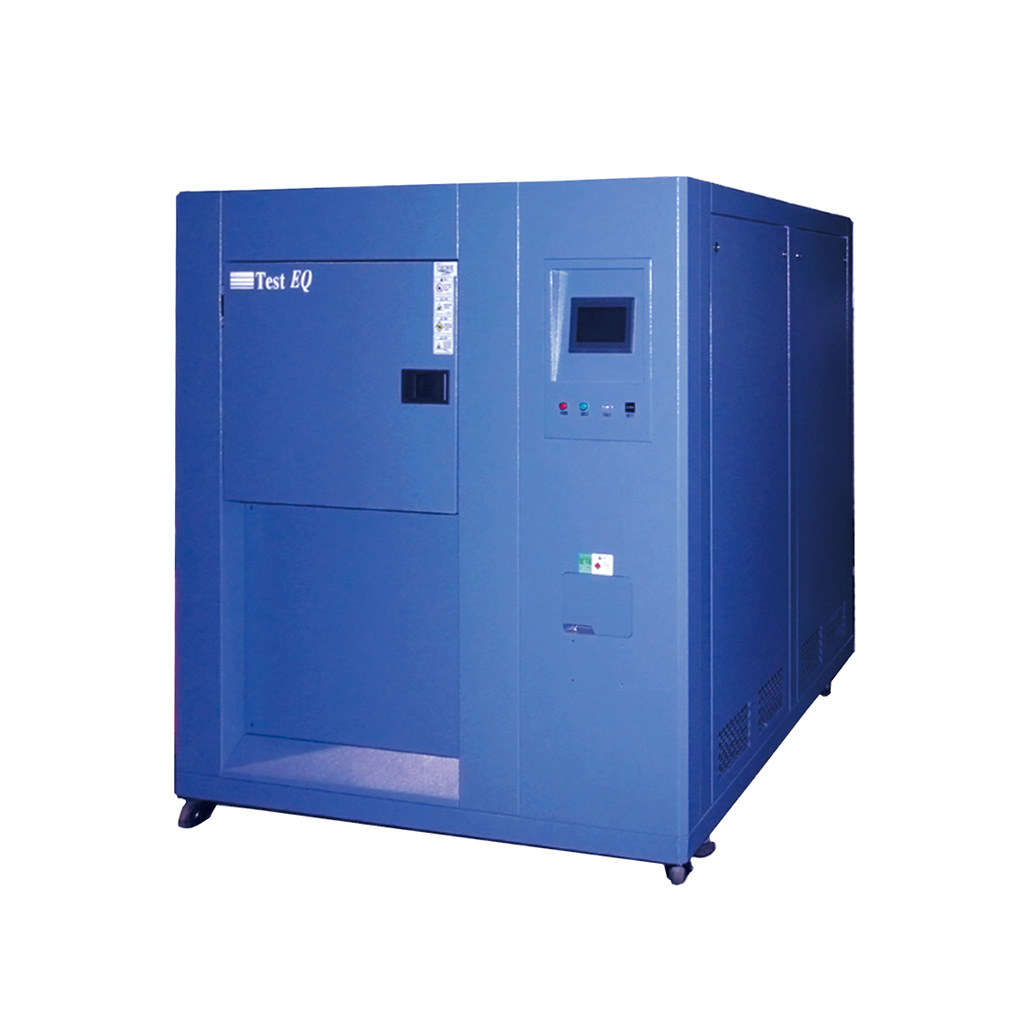
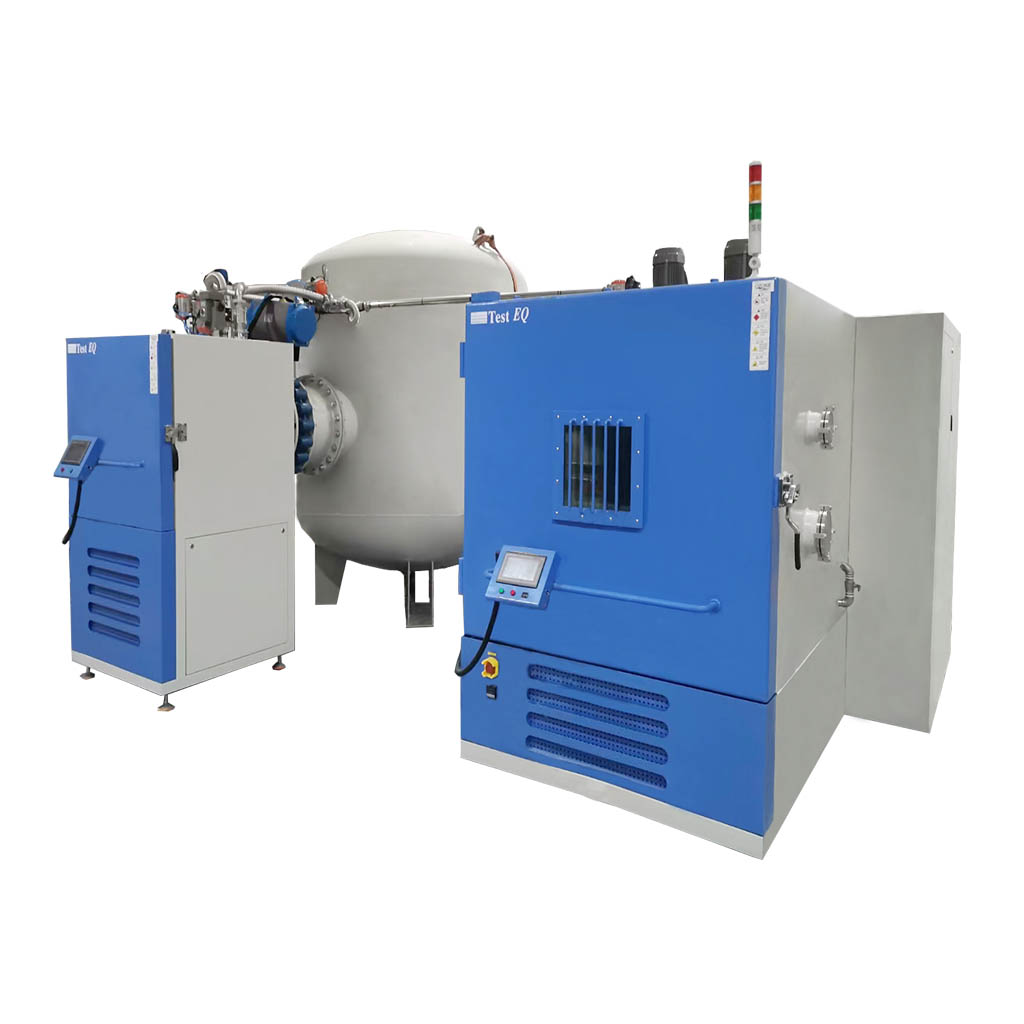
Temperature Humidity Test Chamber for Environmental Testing
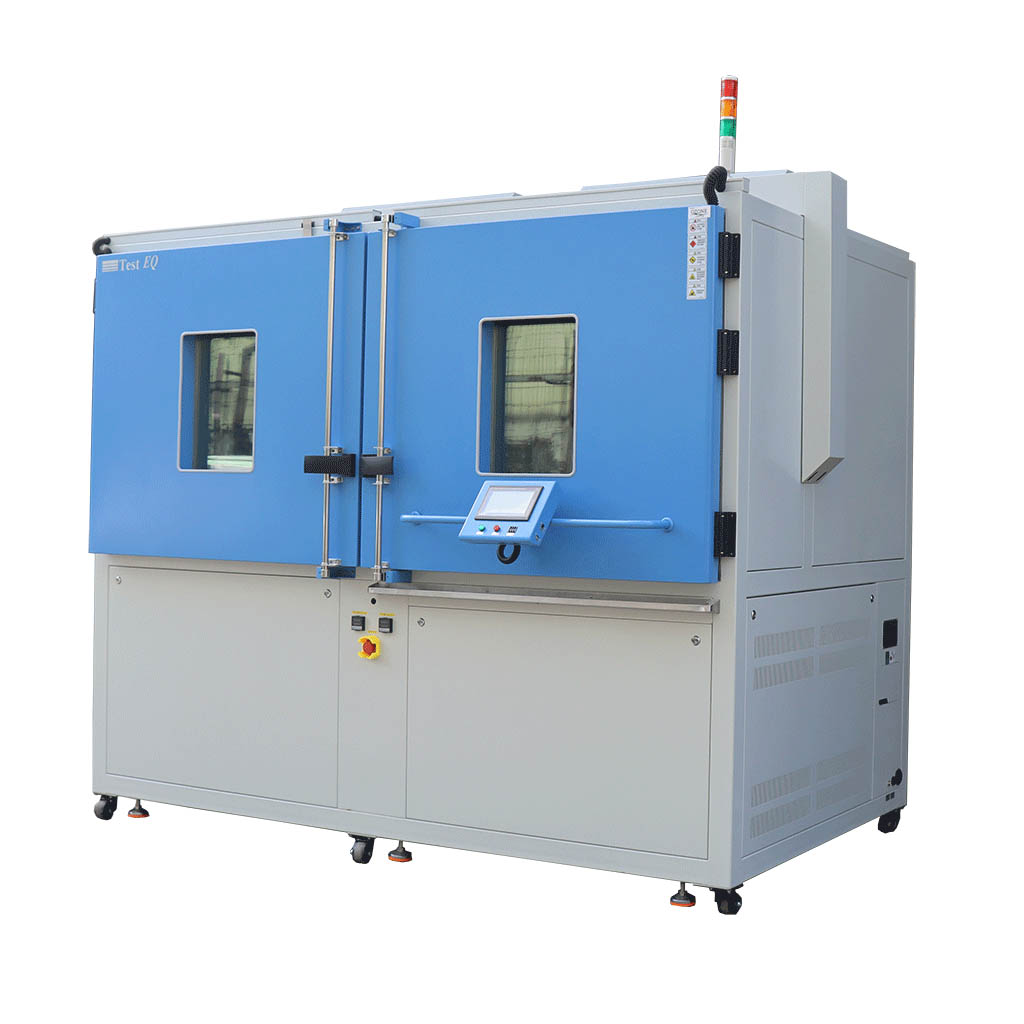
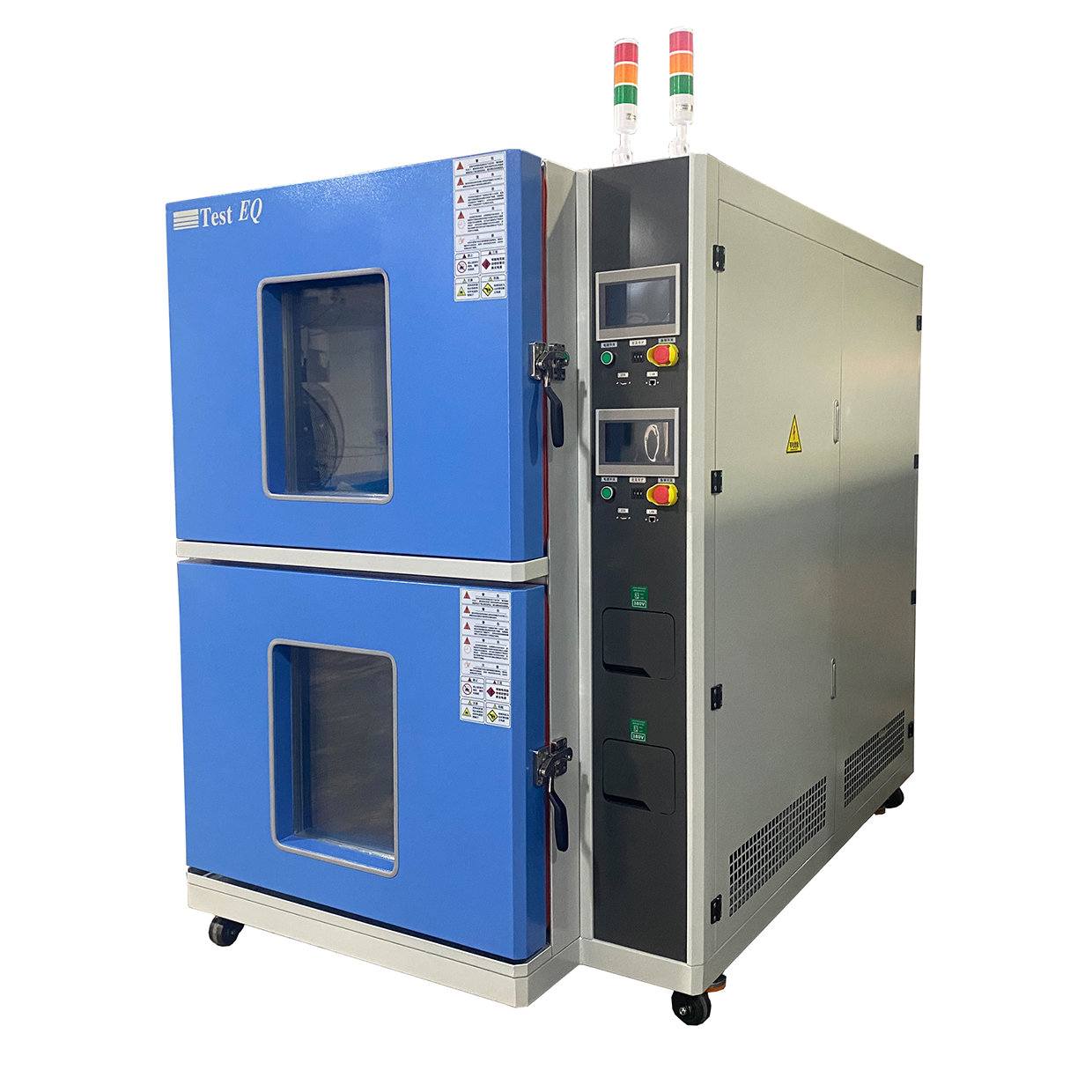
TestEQ temperature humidity test chambers are engineered to reproduce controlled temperature and relative humidity conditions for product reliability validation, environmental qualification, accelerated aging, and long-duration climatic testing.
The systems combine temperature control, humidity generation, airflow circulation, sensing, and programmable control to create stable and repeatable test conditions.
Typical applications include electronics, semiconductor components, automotive electronics, EV battery components, aerospace equipment, medical devices, materials, and industrial products.
What Is a Temperature Humidity Test Chamber?
A temperature humidity test chamber is an environmental test system that controls temperature and relative humidity around a test specimen.
Unlike a temperature-only chamber, a temperature humidity chamber simultaneously manages thermal conditions and moisture exposure. This allows engineers to evaluate how products behave when temperature and humidity act together.
The chamber typically integrates:
• Refrigeration
• Electrical heating
• Humidification
• Dehumidification
• Air circulation
• Temperature and humidity sensors
• Programmable control
• Data monitoring and recording
The objective is not simply to reach a target temperature or humidity value. For reliability testing, the chamber must maintain a stable and repeatable environment throughout the complete test profile.
What Does Temperature Humidity Testing Evaluate?
Temperature humidity testing can expose failure mechanisms that may not appear during temperature-only testing.
Typical failure risks include:
• Moisture-induced electrical leakage
• Corrosion
• Insulation degradation
• Condensation damage
• Seal and gasket deterioration
• Material aging
• Adhesive degradation
• Dimensional changes
• Connector and contact degradation
• Electronic instability
• Premature component failure
For reliability engineers, the value of temperature humidity testing is the ability to reproduce controlled environmental stress before products enter field service.
How Does a Temperature Humidity Test Chamber Work?
A temperature humidity chamber controls several environmental variables as an integrated system.
Temperature Control
The refrigeration and heating systems adjust chamber temperature according to the programmed test profile.
The controller continuously compares the measured temperature with the target value and adjusts heating or cooling output.
Humidity Control
Humidity is controlled by adding or removing moisture from the chamber air.
Temperature and humidity sensors provide continuous feedback so that the system can maintain the required relative humidity during constant, cyclic or long-duration testing.
Airflow and Uniformity
Conditioned air is circulated through the working space to reduce temperature and humidity gradients.
Uniform airflow becomes particularly important when the chamber contains multiple DUTs or products with different thermal loads.
Programmable Test Profiles
Engineers can configure:
• Temperature setpoints
• Humidity setpoints
• Dwell time
• Ramp conditions
• Repeated cycles
• Test duration
• Alarm limits
This allows the chamber to execute repeatable environmental qualification procedures with limited operator intervention.
Why Temperature Humidity Testing Matters
Failures caused by moisture, condensation, and temperature variation are among the major causes of field reliability issues in electronic and mechanical products.
Temperature humidity testing helps manufacturers detect risks such as corrosion, insulation failure, material deformation, and electronic instability during the product development stage.
For industries including EV batteries, automotive electronics, semiconductors, and aerospace systems, environmental validation is essential for reducing failure rates, improving product lifetime, and meeting global qualification requirements.
Temperature Humidity Chamber vs Temperature-Only Chamber
| Factor | Temperature Humidity Chamber | Temperature-Only Chamber |
|---|
| Main Purpose | Temperature + humidity testing | Temperature testing |
| Controls | Temperature + RH | Temperature |
| Main Stress | Thermal + moisture stress | Thermal stress |
| Typical Tests | Damp heat, humidity cycling, climatic aging | Cold, dry heat, thermal aging, temperature cycling |
| Typical Failures | Corrosion, moisture ingress, leakage, insulation degradation | Cracking, thermal expansion, material aging |
| Best For | Electronics, automotive, batteries, semiconductor reliability | Thermal qualification and temperature-related reliability |
| System Complexity | Higher; includes humidity generation and dehumidification | Lower; primarily temperature control |
| Choose When | The test specification requires controlled humidity | The test specification requires temperature only |
Engineering Takeaway: Choose a temperature humidity chamber when controlled moisture is part of the qualification requirement. Choose a temperature-only chamber when the test program evaluates temperature stress without humidity control.
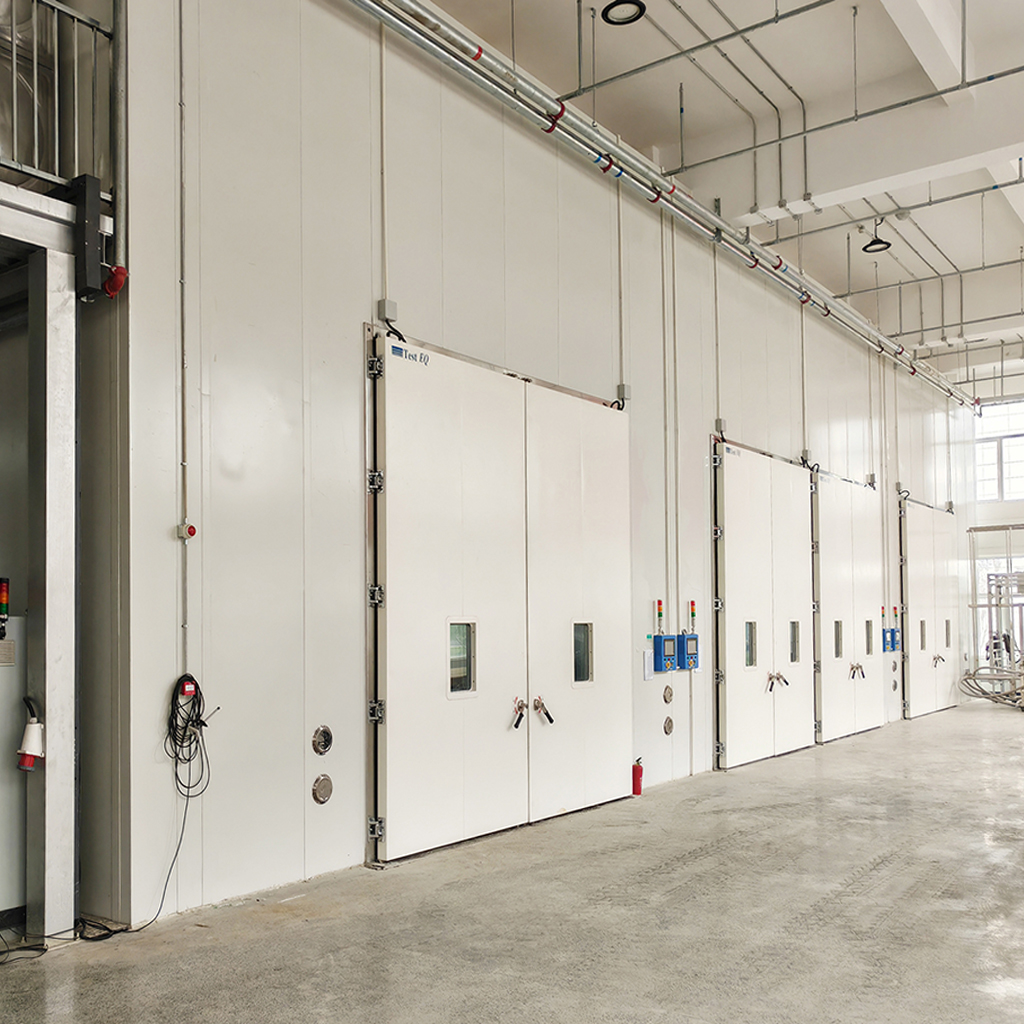
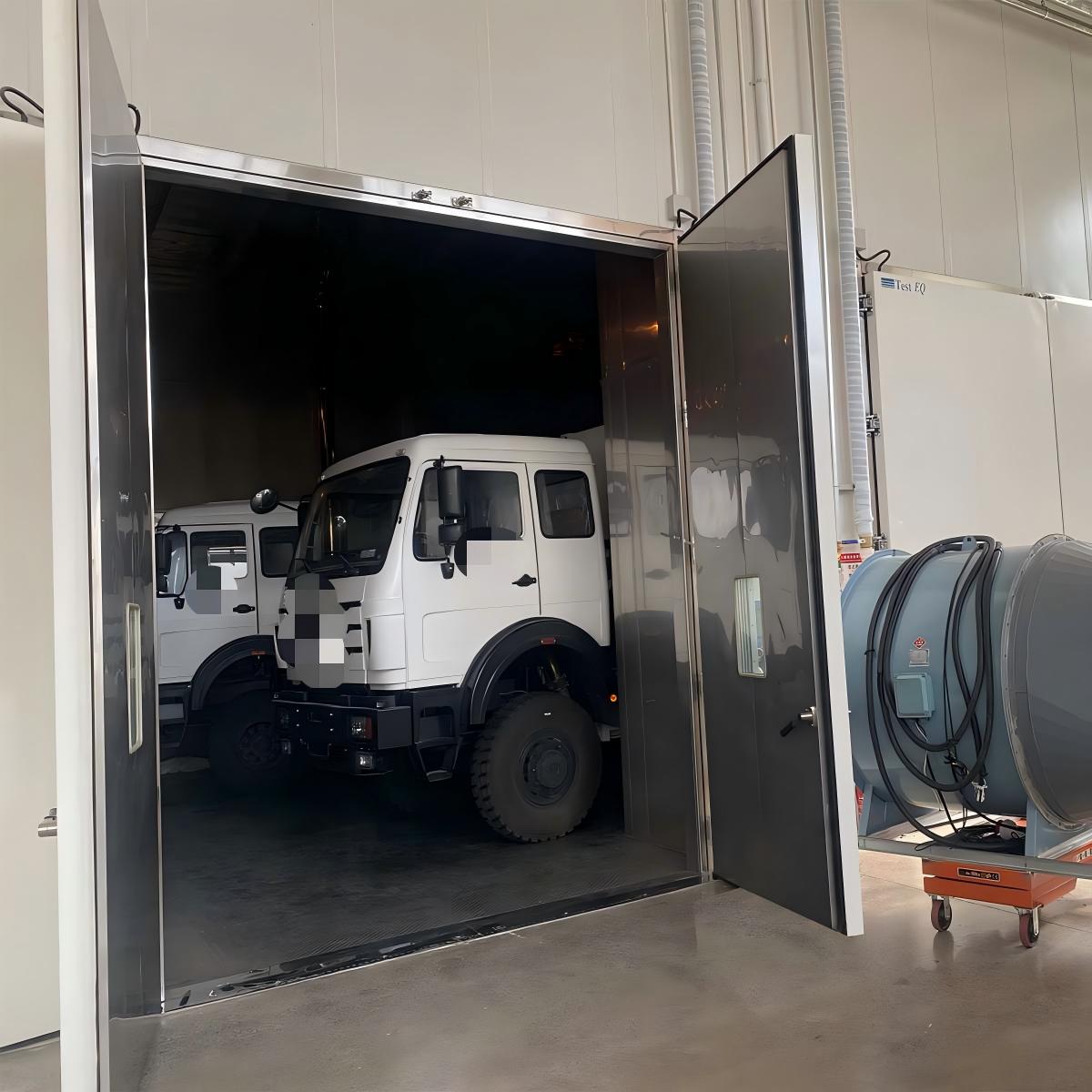
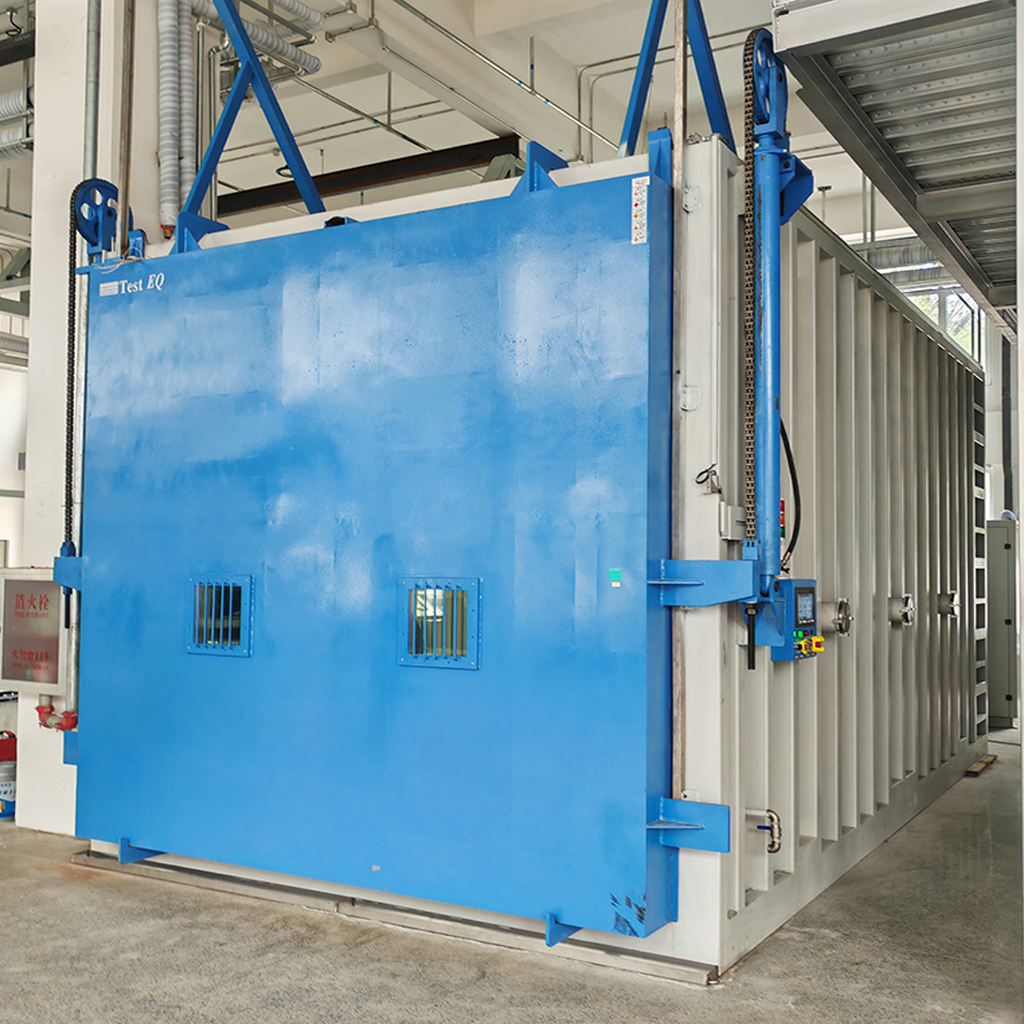
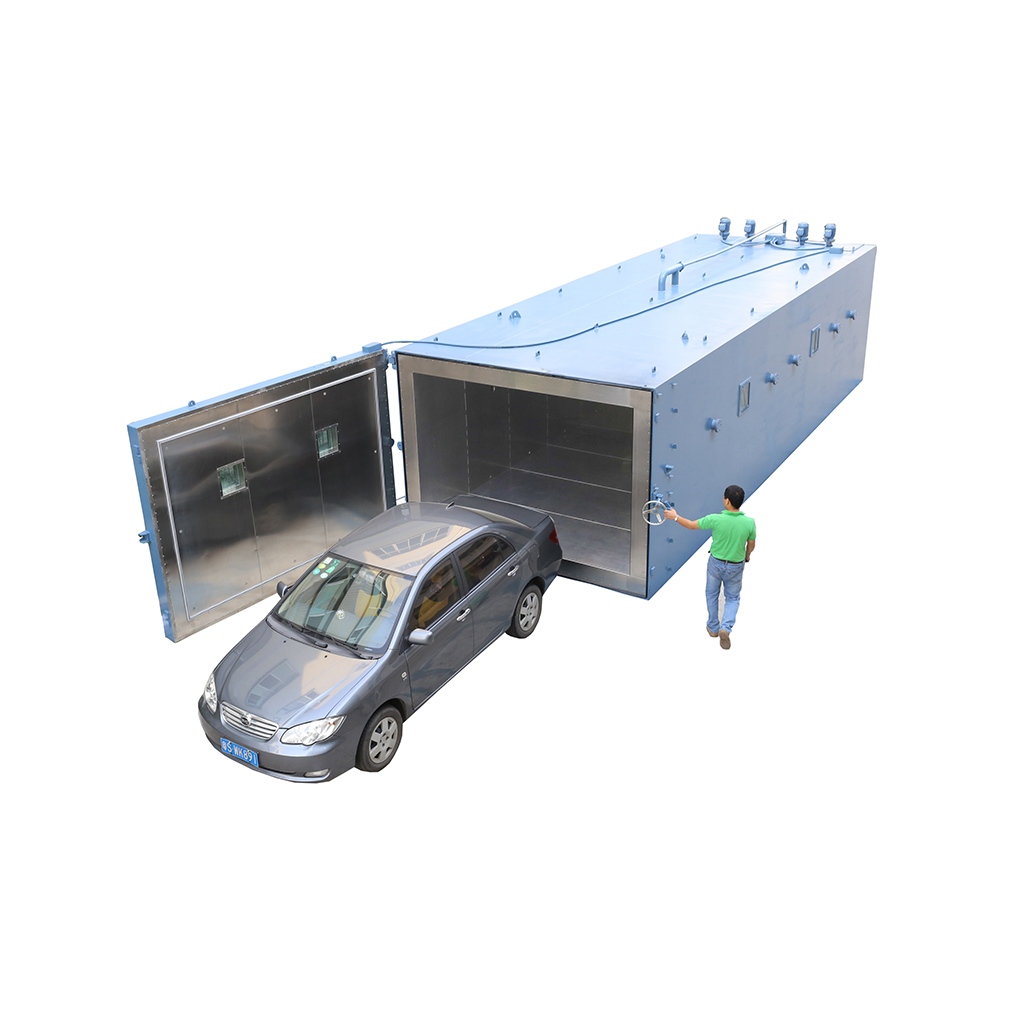
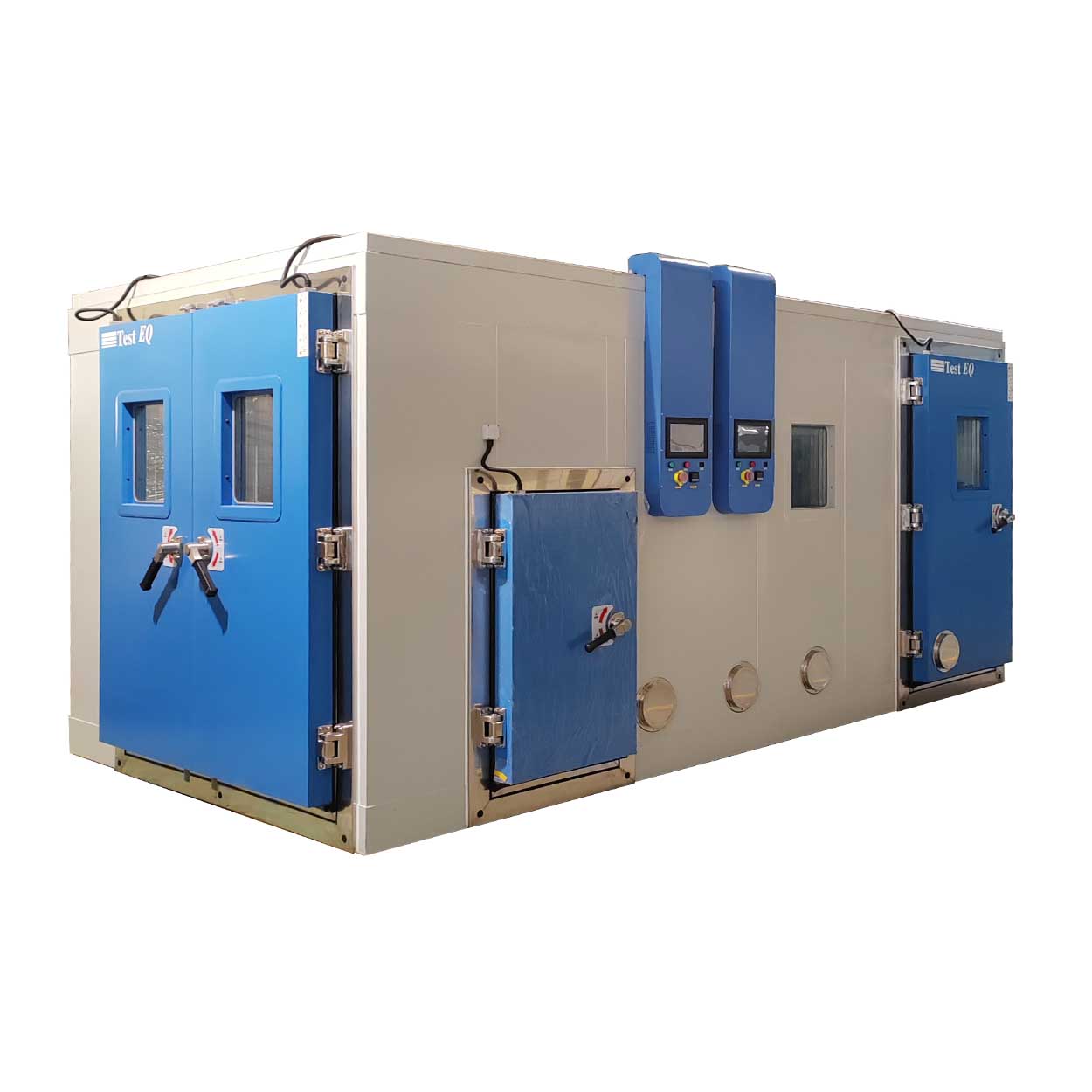
Standard Chamber vs Walk-In Chamber
| Feature | Standard Chamber | Walk-In Chamber |
|---|
| Test Volume | Small / Medium DUT | Large DUT / Batch Testing |
| Installation | Plug-and-Play | On-Site Assembly |
| Capacity | Up to 1000L | Up to 4500m³ |
| Typical Use | R&D / QC Labs | Automotive / Aerospace / Battery |
When selecting a temperature humidity test chamber, engineers should consider:
1. Temperature Range
Select according to product operating environment.
2. Humidity Range
Consider condensation, moisture resistance and corrosion requirements.
3. Chamber Volume
Match chamber size with DUT dimensions and quantity.
4. Testing Standards
Confirm compliance with IEC 60068, ISO 16750, MIL-STD-810 or JESD22.
5. Temperature Change Rate
For accelerated reliability testing, select appropriate ramp capability.
How to Select a Temperature Humidity Test Chamber
Engineers and procurement teams should evaluate the following parameters before purchasing.
1. Required Temperature Range
Define the minimum and maximum temperature required by the product specification or test standard.
Do not select a wider range simply because the chamber has a larger nominal capability. The required range should be matched with the actual test profile and DUT thermal load.
2. Required Humidity Range
Determine whether the application requires standard high-humidity testing or special low-humidity control.
High-humidity applications and low-dew-point applications may require different humidity-generation and dehumidification configurations.
3. DUT Size and Quantity
The working volume should provide sufficient space for the product, fixtures and airflow.
For multiple specimens, consider both the number of DUTs and their combined thermal load.
4. Temperature and Humidity Uniformity
Uniformity affects test repeatability.
For critical reliability programs, evaluate temperature uniformity, humidity uniformity, fluctuation, recovery performance and sensor calibration rather than looking only at the nominal operating range.
5. Test Profile and Ramp Requirement
If the test requires repeated temperature transitions, verify the actual heating and cooling performance under the expected DUT load.
For high-ramp thermal cycling or thermal shock applications, a dedicated thermal cycling or thermal shock chamber may be more appropriate.
6. Applicable Testing Standard
Confirm the exact test method before equipment selection.
Depending on the application, relevant standards may include:
• IEC 60068
• JEDEC JESD22
• MIL-STD-810
• ISO 16750
• Other customer-specific qualification specifications
The chamber should be configured around the required test method rather than selected only by nominal temperature and humidity range.
Temperature Humidity Chamber Configurations
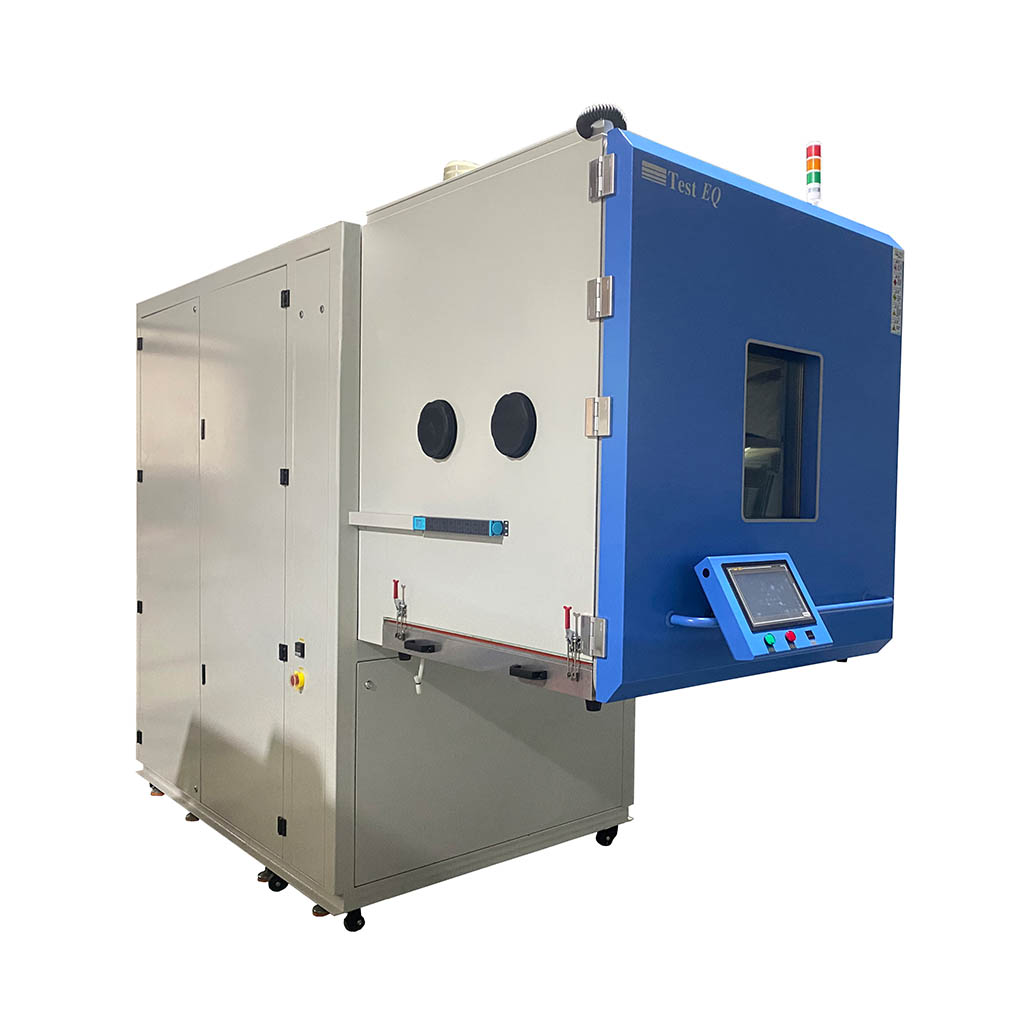
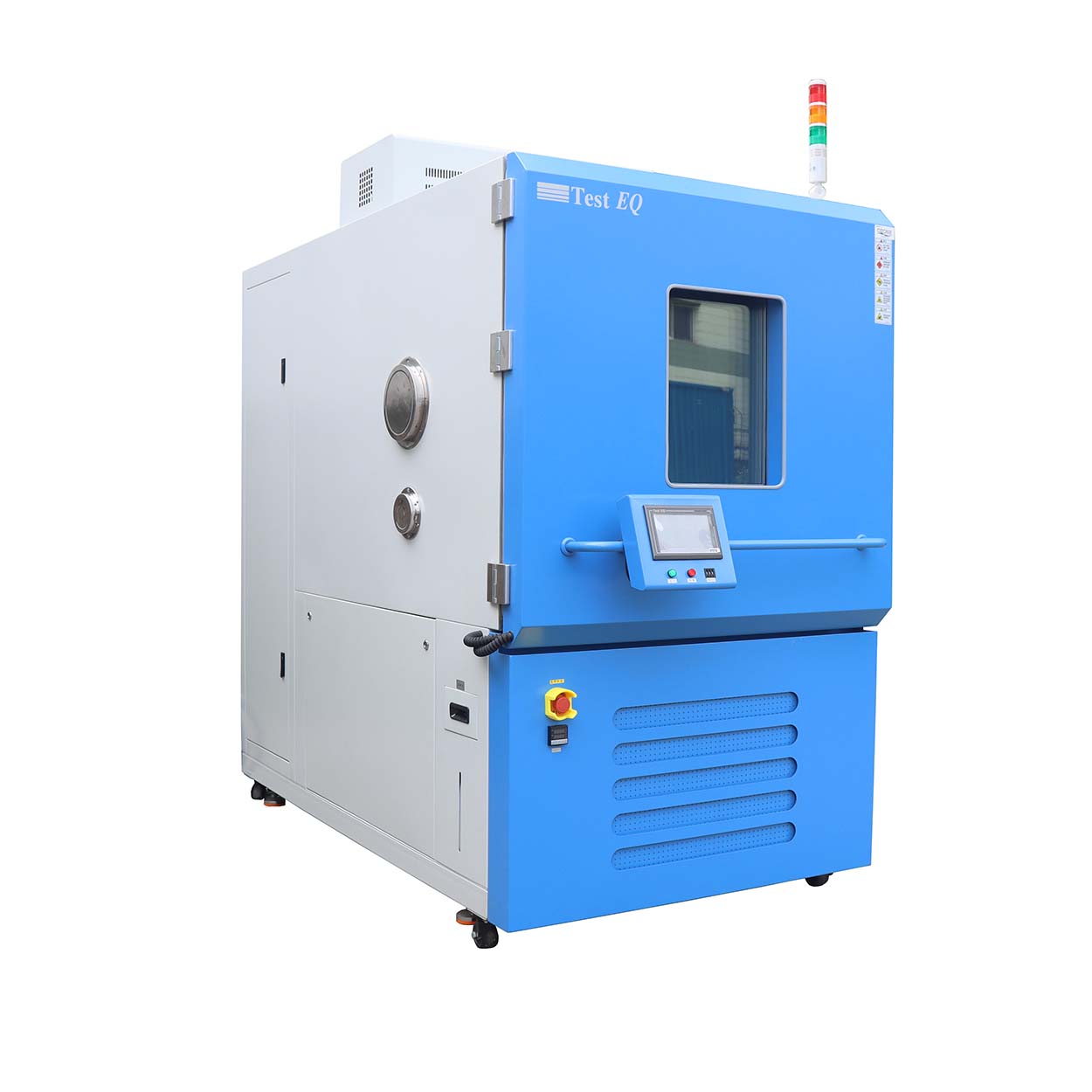
TestEQ provides temperature humidity chamber configurations for different DUT sizes and testing environments.
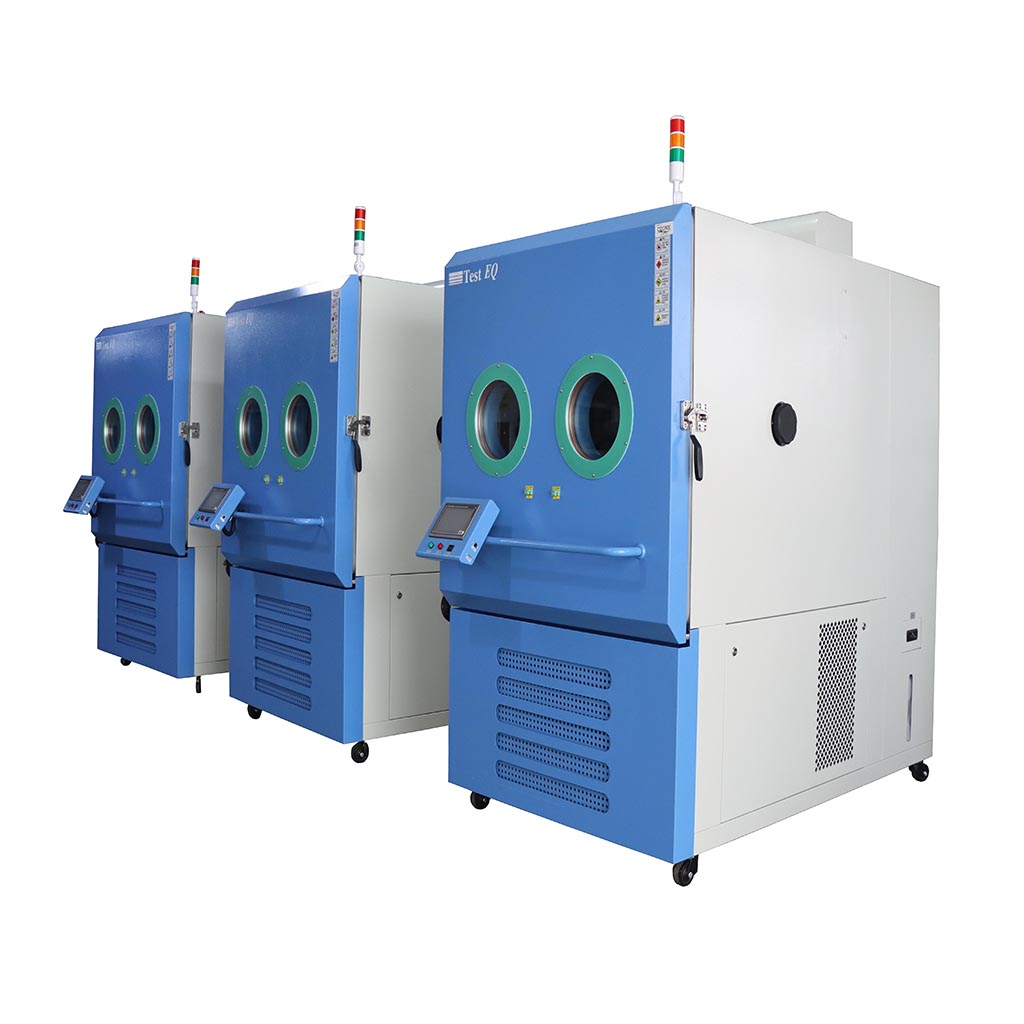
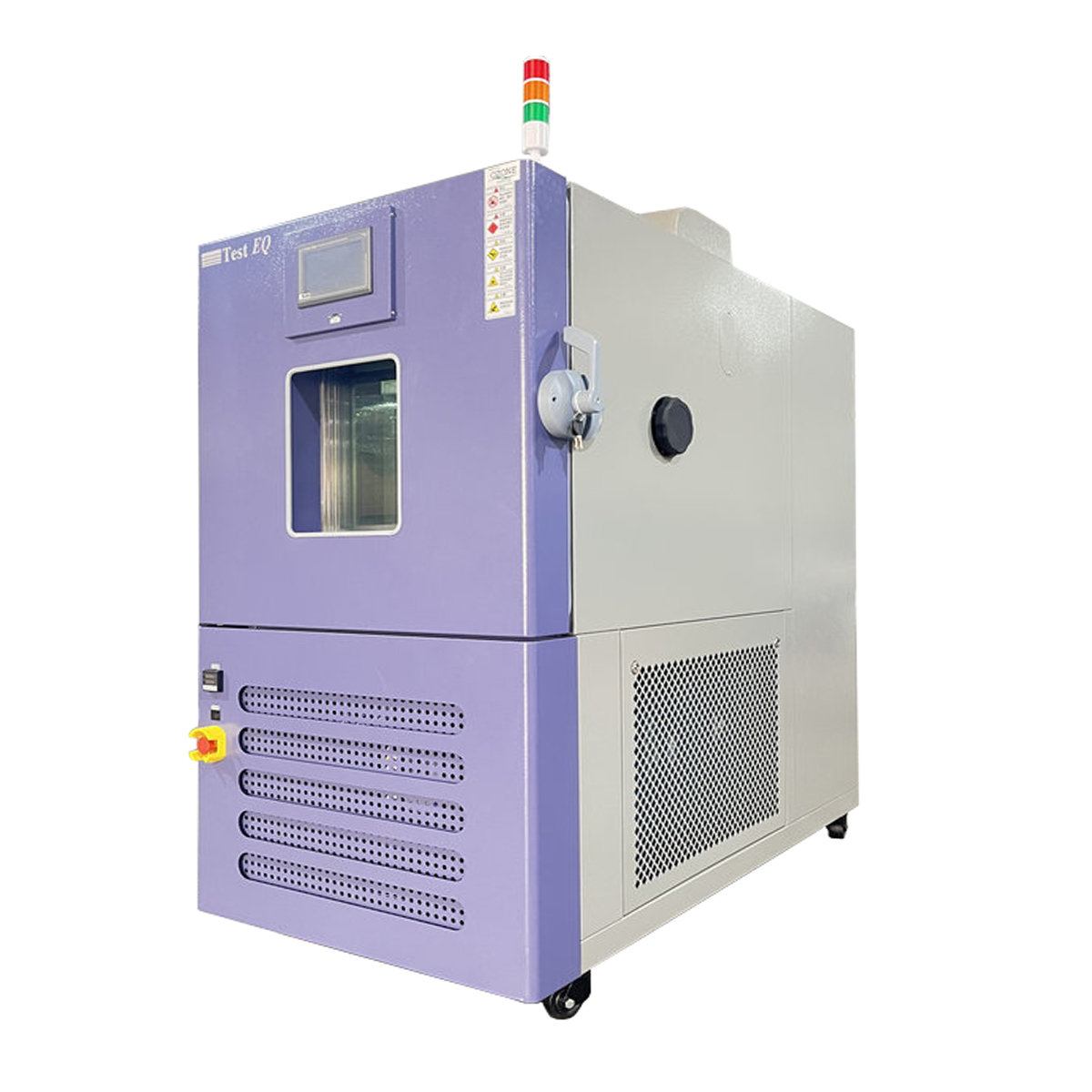
Standard Temperature Humidity Chambers
Designed for laboratory, quality control and production reliability testing of small and medium-size products.
Typical applications include electronics, PCB assemblies, automotive components, semiconductor devices and materials.
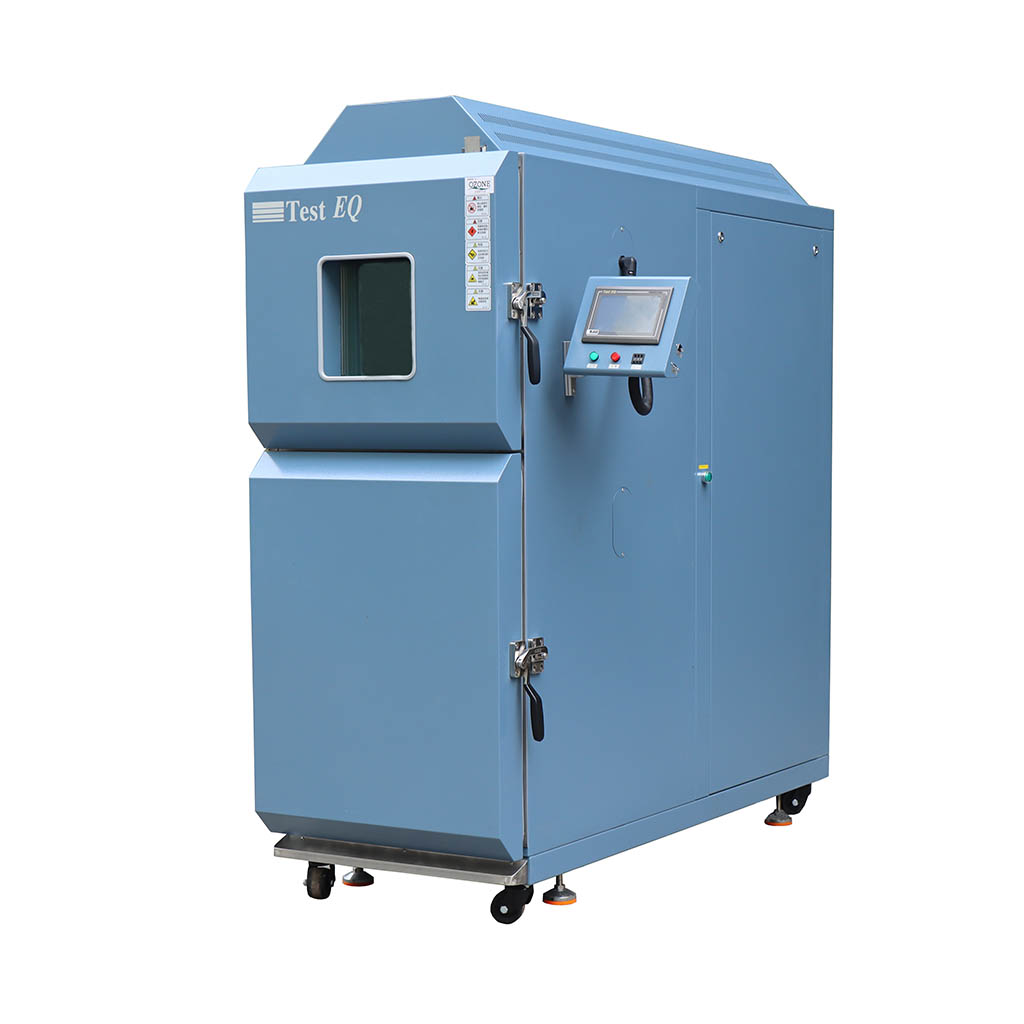
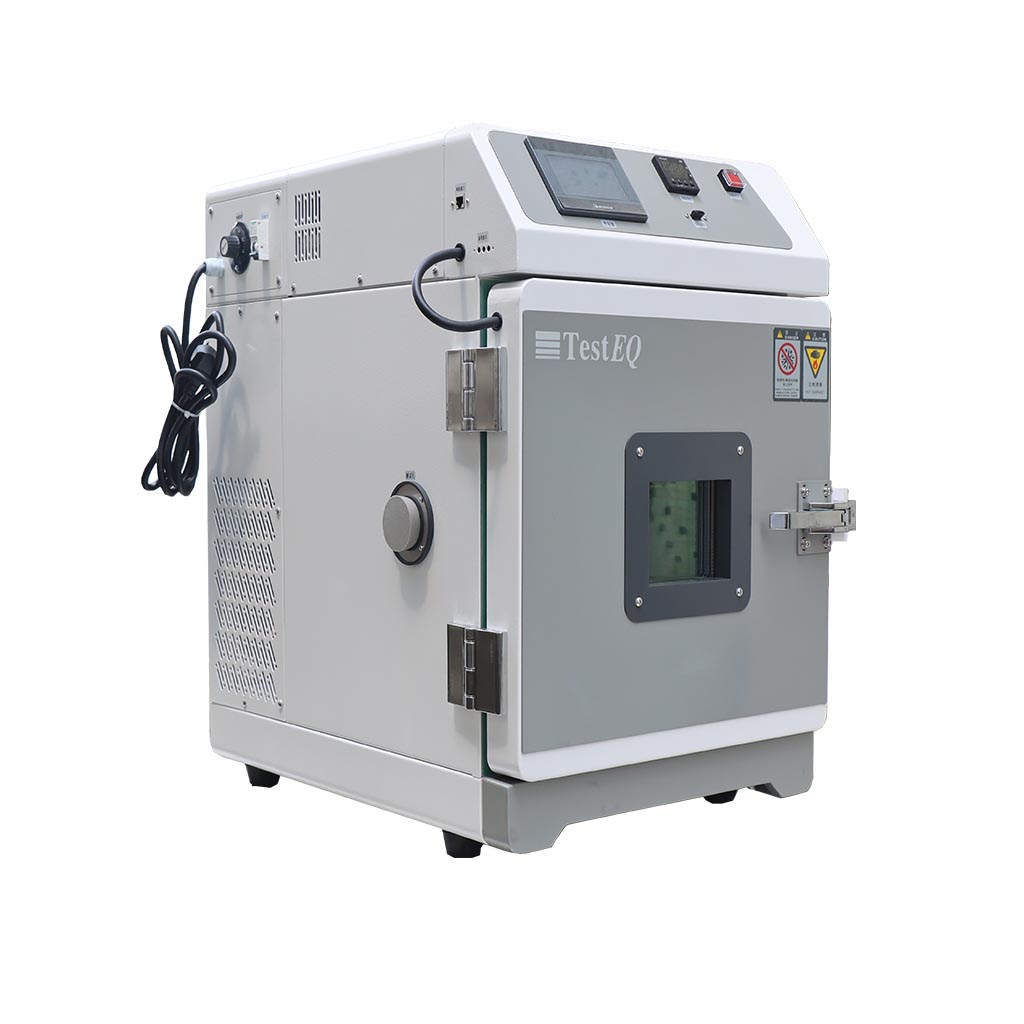
Benchtop Environmental Chambers
For compact laboratory testing and small DUTs, see the dedicated:
Benchtop Environmental Chamber
This configuration is optimized for limited laboratory space and component-level environmental testing.
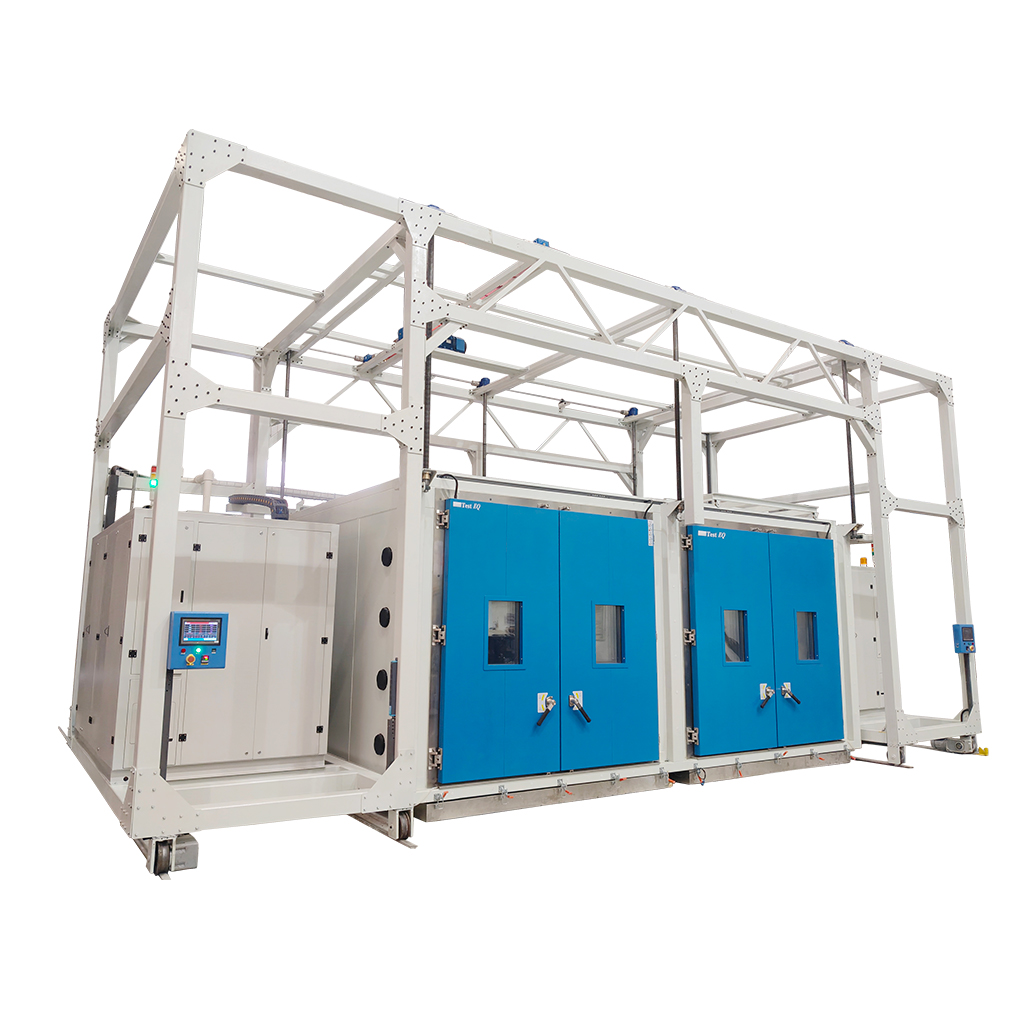
Walk-In Environmental Chambers
For large products, vehicle components, battery systems, communication cabinets or batch testing, see the dedicated:
Walk-In Environmental Chamber
Large walk-in systems are engineered according to DUT dimensions, chamber volume, environmental profile and installation requirements.
Applicable Environmental Testing Standards
TestEQ temperature humidity test chambers can be configured for testing programs based on applicable international environmental and reliability standards, including:
IEC 60068
IEC 60068 covers a broad range of environmental testing methods, including cold, dry heat, damp heat and temperature-related environmental stresses.
JEDEC JESD22
JEDEC JESD22 methods are widely used for semiconductor and electronic component reliability qualification.
The required chamber conditions depend on the specific JESD22 test method.
MIL-STD-810
MIL-STD-810 provides environmental engineering and laboratory test methods for equipment exposed to demanding service environments.
The chamber configuration should be selected according to the applicable method and test procedure.
ISO 16750
ISO 16750 addresses environmental conditions and testing for electrical and electronic equipment used in road vehicles.
The exact temperature, humidity, duration and cycling requirements depend on the relevant part and test specification.
Why Choose TestEQ Temperature Humidity Chambers
TestEQ develops and manufactures environmental reliability testing systems for industrial and research applications.
Our temperature humidity chamber solutions are supported by:
• Custom chamber engineering
• Temperature and humidity control expertise
• Standard and customized configurations
• Application-specific test profile development
• Support for international testing requirements
• Factory testing and commissioning support
• Technical assistance for reliability laboratories and production facilities
TestEQ also provides related environmental simulation systems including thermal cycling, thermal shock, vibration, altitude, thermal vacuum, HALT/HASS and walk-in environmental testing systems.
Temperature Humidity Test Chamber FAQs: Testing, Standards and Selection:
1.What is a temperature humidity test chamber used for?
A temperature humidity test chamber is used to expose products to controlled combinations of temperature and relative humidity. It helps engineers evaluate reliability, environmental durability, aging behavior, moisture resistance and potential failure mechanisms.
2.What is the difference between a standard and walk-in temperature humidity chamber?
Standard chambers are for small to medium products, while walk-in chambers are designed for large assemblies, vehicles, battery packs, or batch testing.
3.What is the difference between a temperature chamber and a temperature humidity chamber?
A temperature chamber primarily controls temperature. A temperature humidity chamber controls both temperature and relative humidity, allowing engineers to evaluate moisture-related environmental stress in addition to thermal stress.
4.How large can a walk-in chamber be?
Custom walk-in chambers can be engineered up to 1600m³ or larger, depending on project requirements.
5.Which industries use temperature humidity test chambers?
Common applications include electronics, semiconductors, automotive, EV batteries, aerospace, defense, medical devices, materials and industrial equipment.
6.Which standards can be used with a temperature humidity chamber?
Depending on the application, temperature humidity testing may be performed according to IEC 60068, JEDEC JESD22, MIL-STD-810, ISO 16750 and customer-specific qualification specifications.
7.How do you select the right temperature humidity test chamber?
Start with the required temperature range, humidity range, DUT dimensions, quantity, thermal load, test profile, uniformity requirements and applicable test standard. These parameters determine the required chamber volume and control configuration.
8.What temperature and humidity range does a temperature humidity chamber provide?
The range depends on the chamber configuration. TestEQ systems can be engineered for low-temperature operation and high-temperature conditions, with typical humidity control from approximately 20% to 98% RH. Special low-humidity configurations are also available.
9.Can TestEQ customize a temperature humidity test chamber?
Yes. TestEQ can customize chamber dimensions, temperature range, humidity range, control functions, monitoring systems, fixtures and other engineering requirements according to the DUT and qualification program.
Internal Linking Module
Recommended Equipment
Designed for accelerated reliability testing with rapid temperature transitions, ideal for automotive electronics, semiconductors, batteries, and aerospace components requiring thermal fatigue evaluation.
A 3-in-1 environmental simulation system combining temperature, humidity, and vibration stress testing to evaluate product durability under real-world operating conditions.
For large DUTs, battery systems, automotive assemblies and batch testing.
Related Standards
International environmental testing standards covering cold, dry heat, humidity, temperature cycling, and combined environmental stress testing for reliability verification. The Temperature Humidity Test Chamber supports major IEC 60068 testing requirements.
Engineered to meet MIL-STD-810H environmental testing requirements, this chamber simulates extreme temperature, humidity, altitude, thermal shock, and other harsh operating conditions. Ideal for defense, aerospace, electronics, and industrial applications requiring rigorous reliability and durability validation under demanding environments.
Semiconductor and electronic component qualification methods.
Technical Resources
Learn how temperature humidity chambers simulate climatic conditions for product qualification, accelerated aging, stability testing, and reliability validation across multiple industries.
Learn how to select the right environmental test chamber based on temperature range, humidity control, test standards, product requirements, and industry applications. This guide helps engineers and laboratory professionals improve testing accuracy, reliability, and compliance while optimizing equipment investment