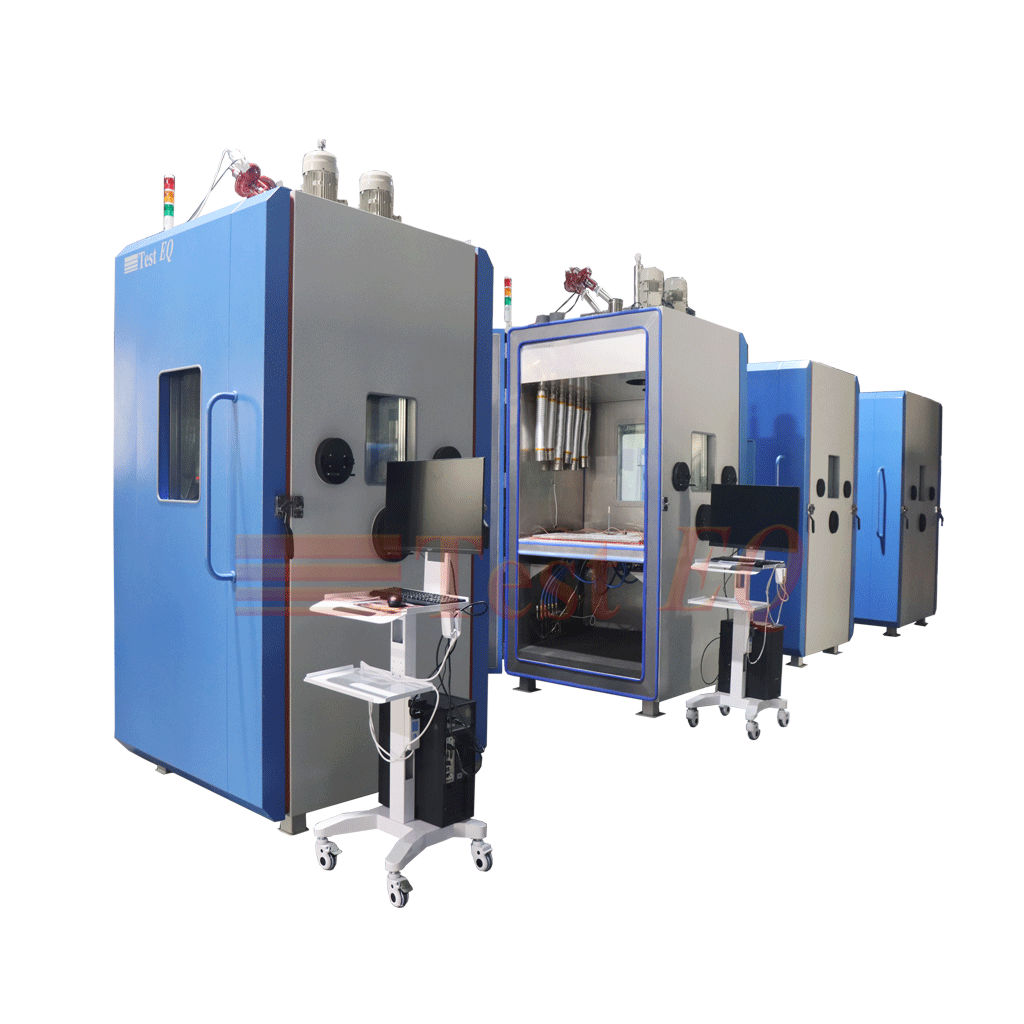
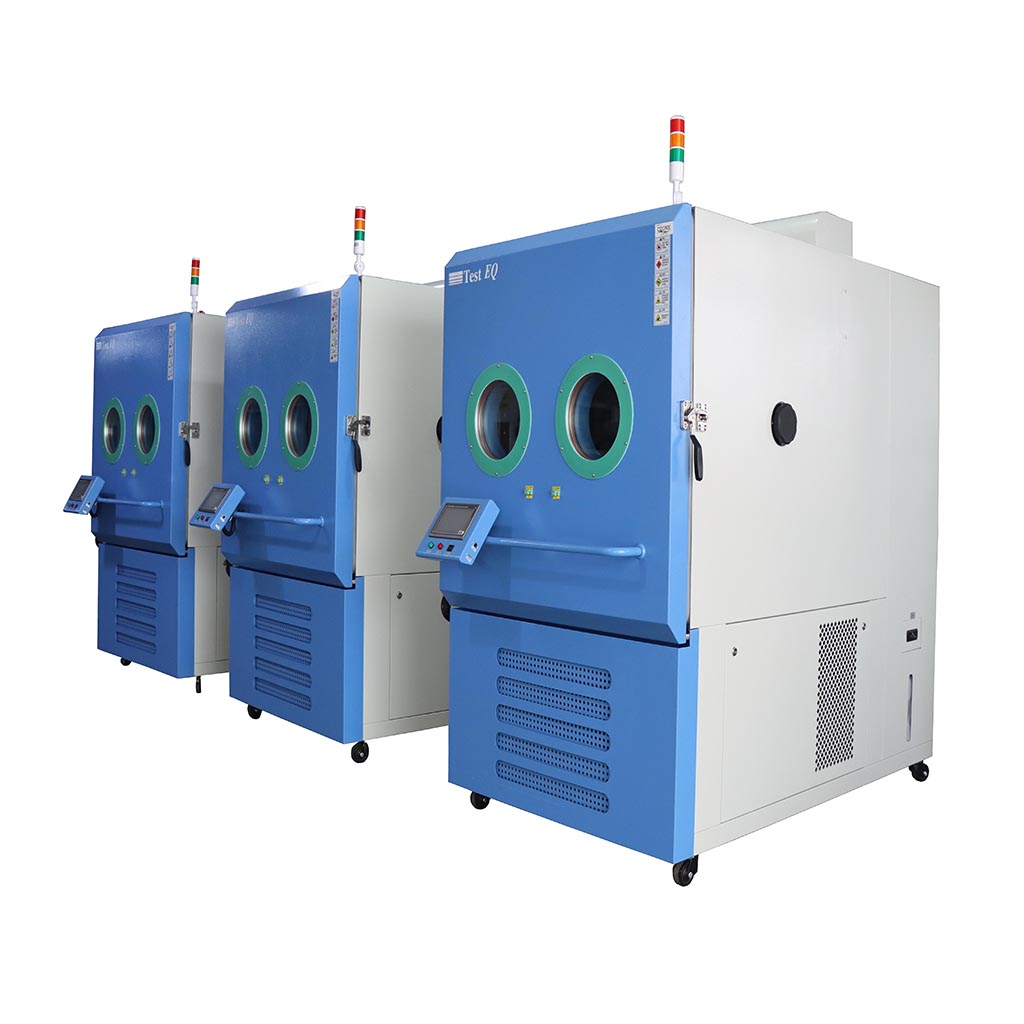
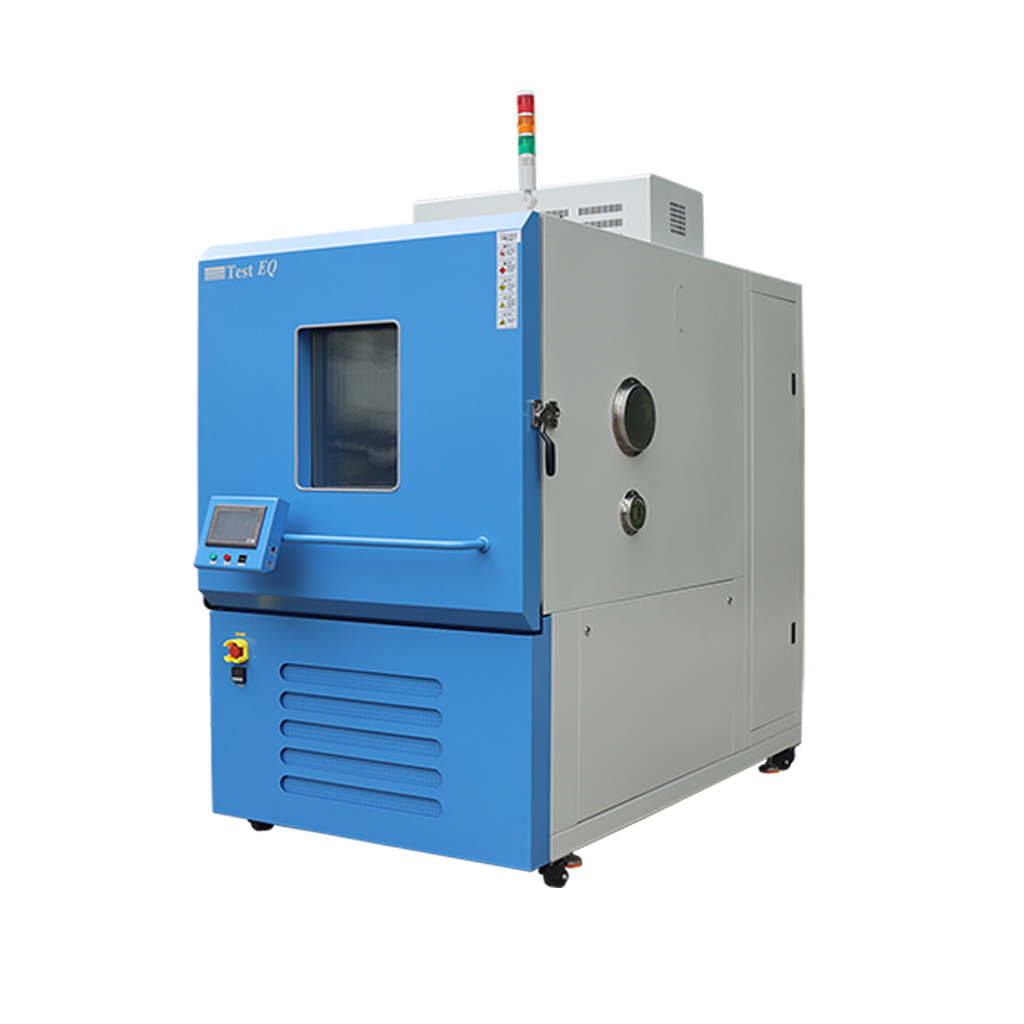
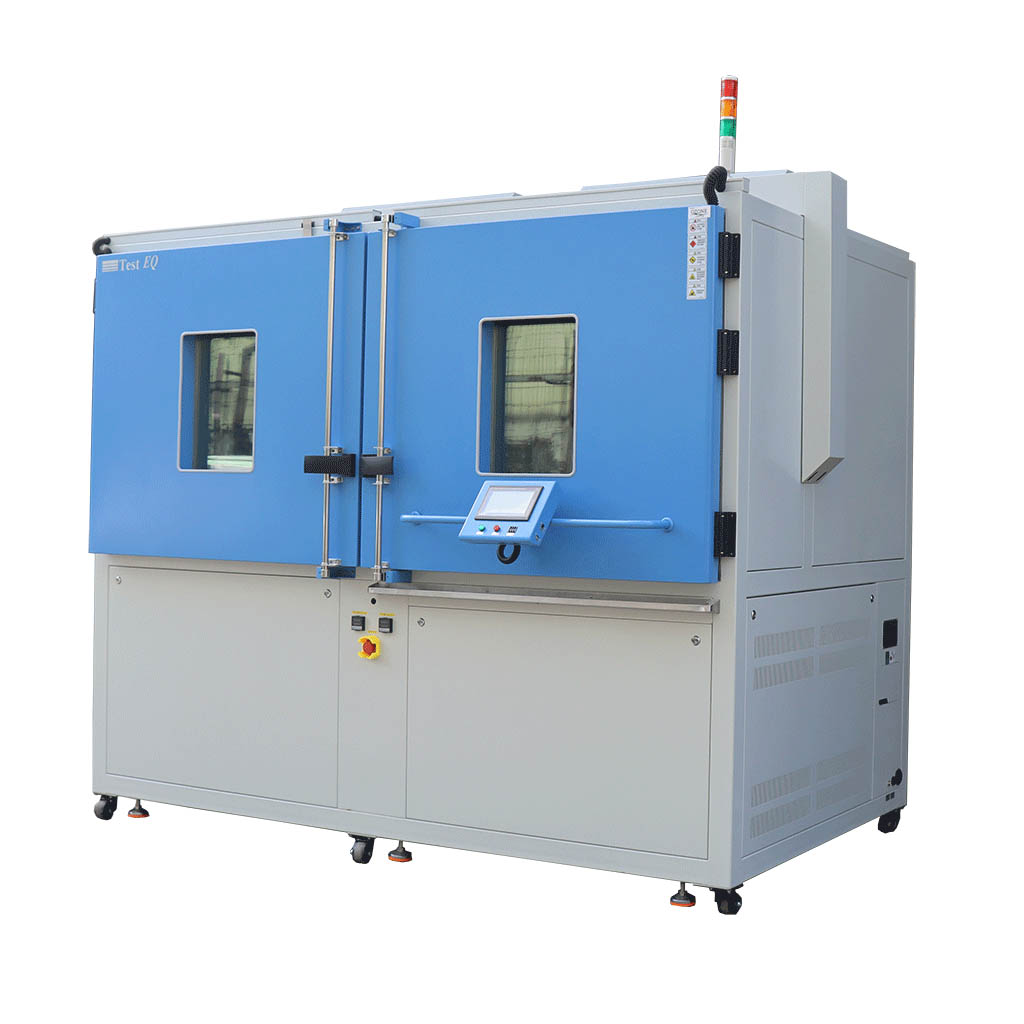
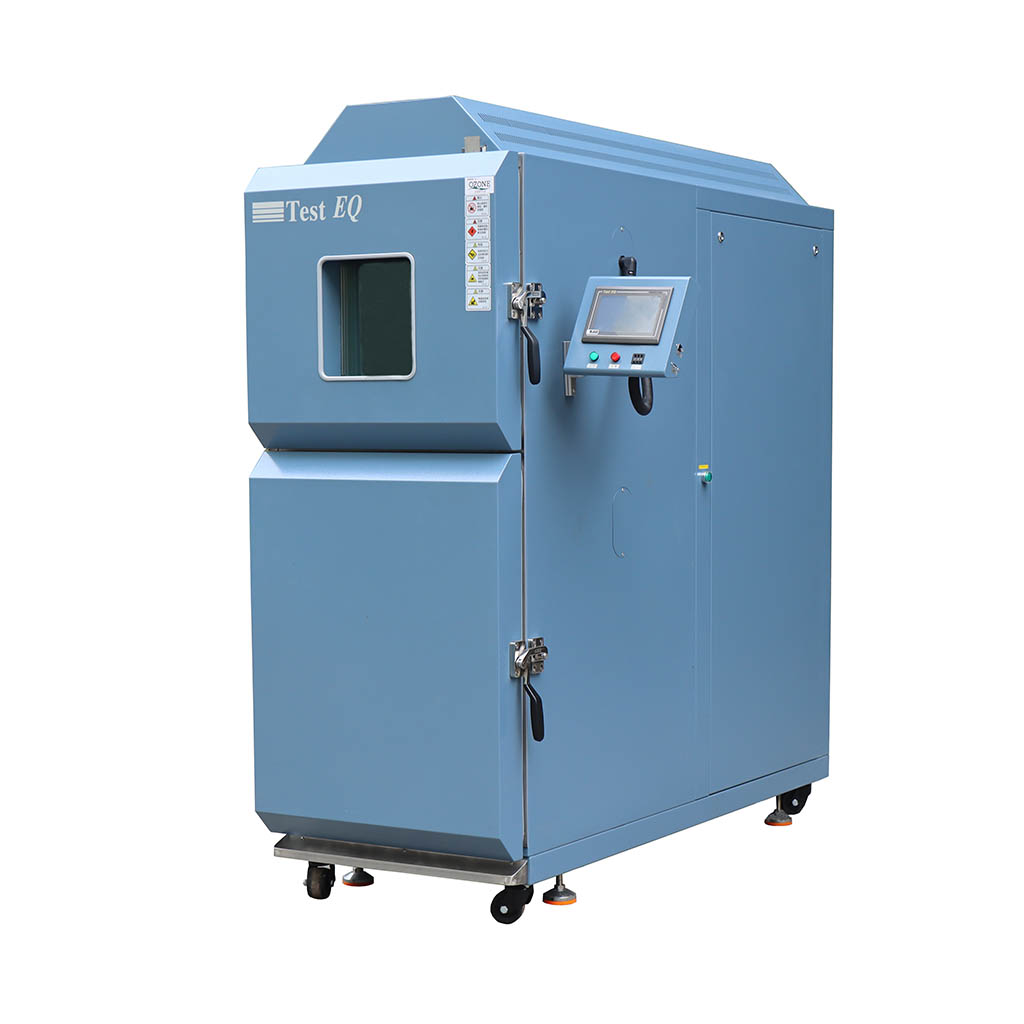
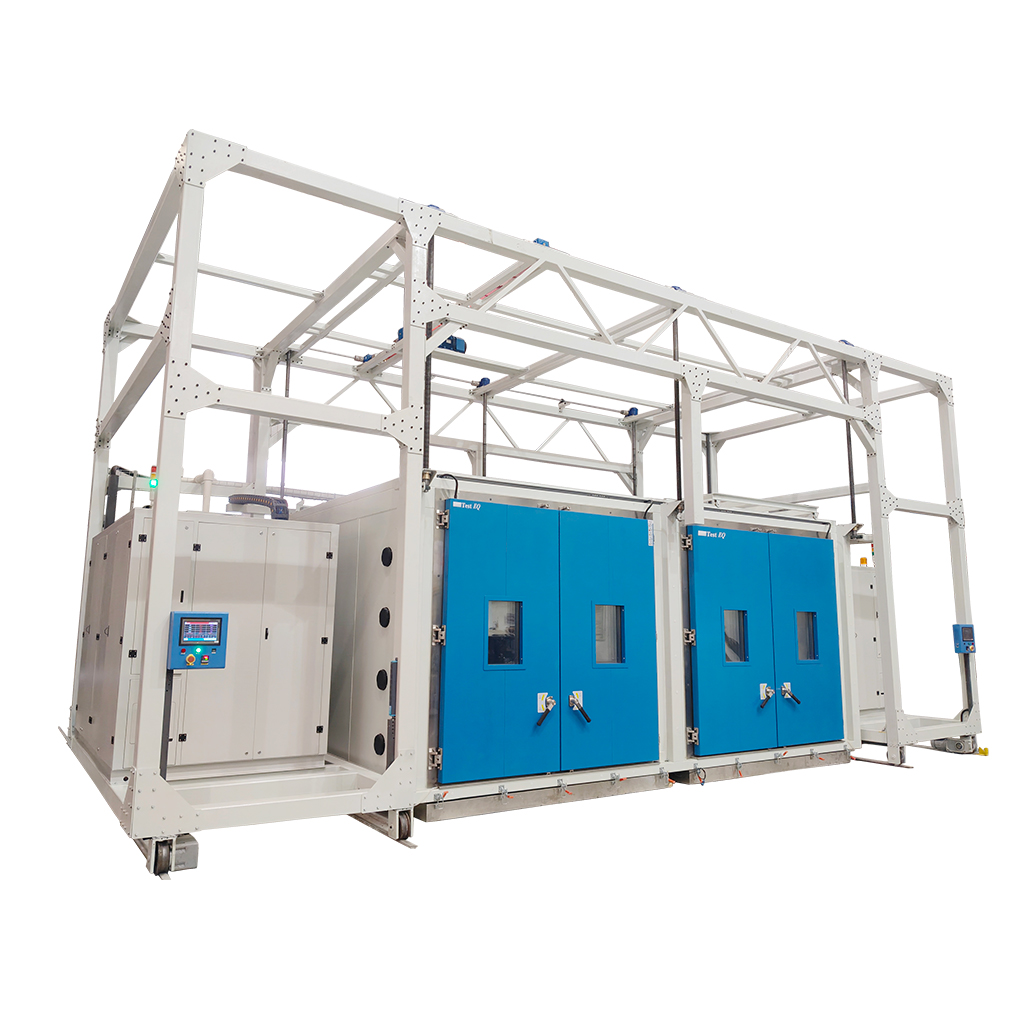
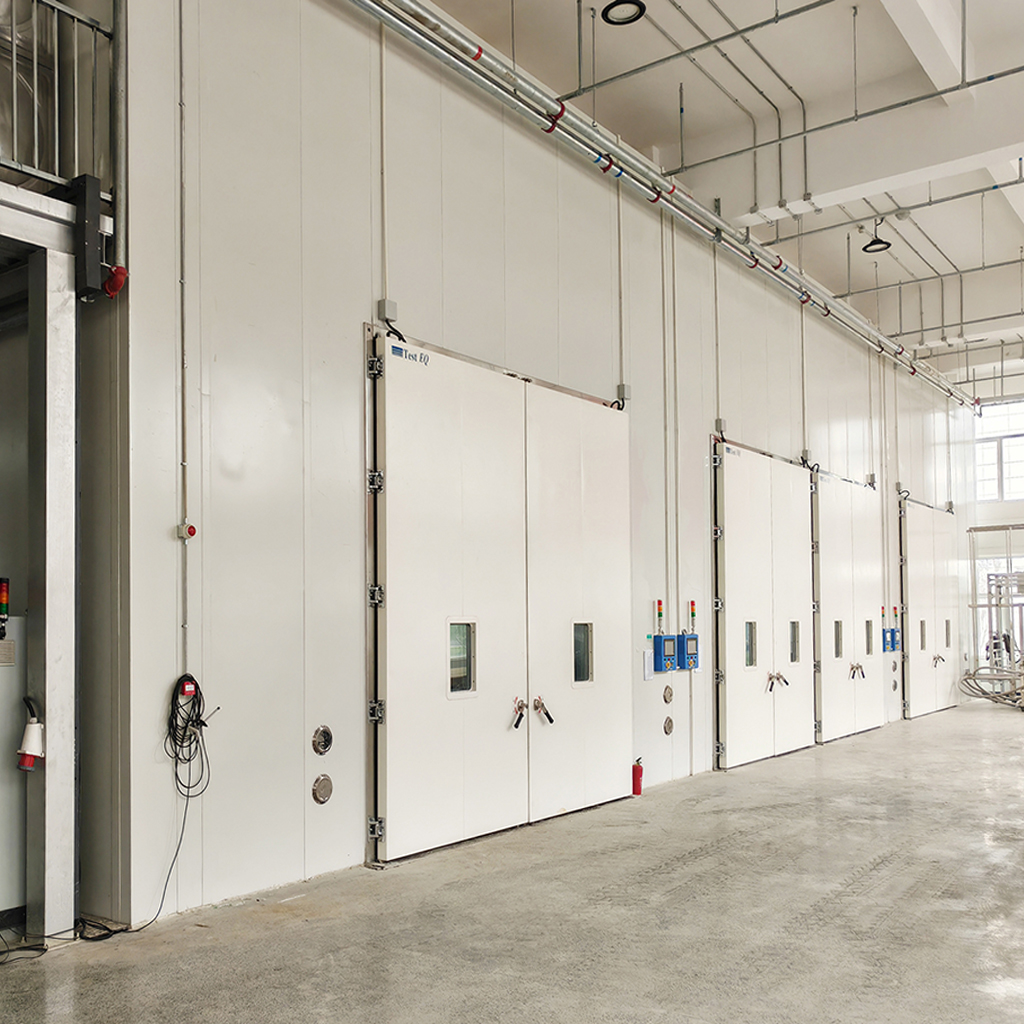
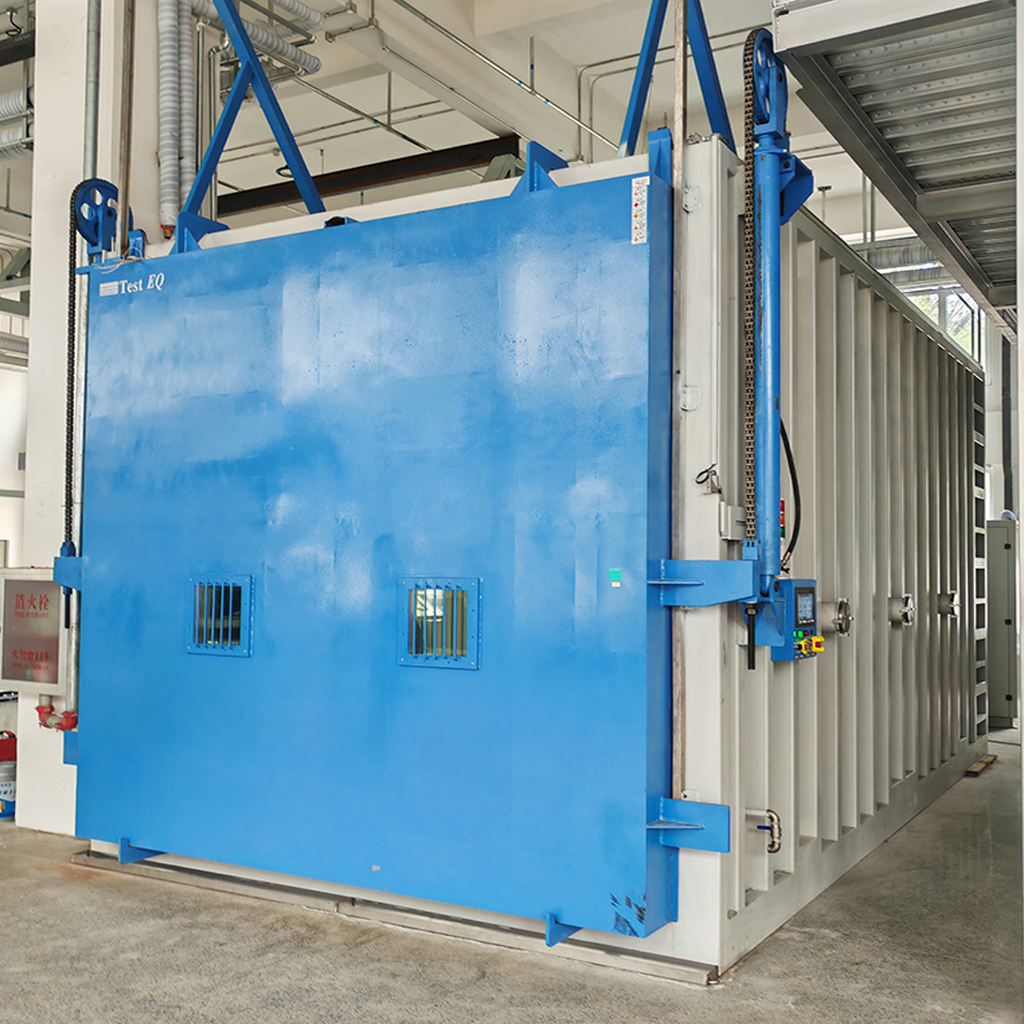
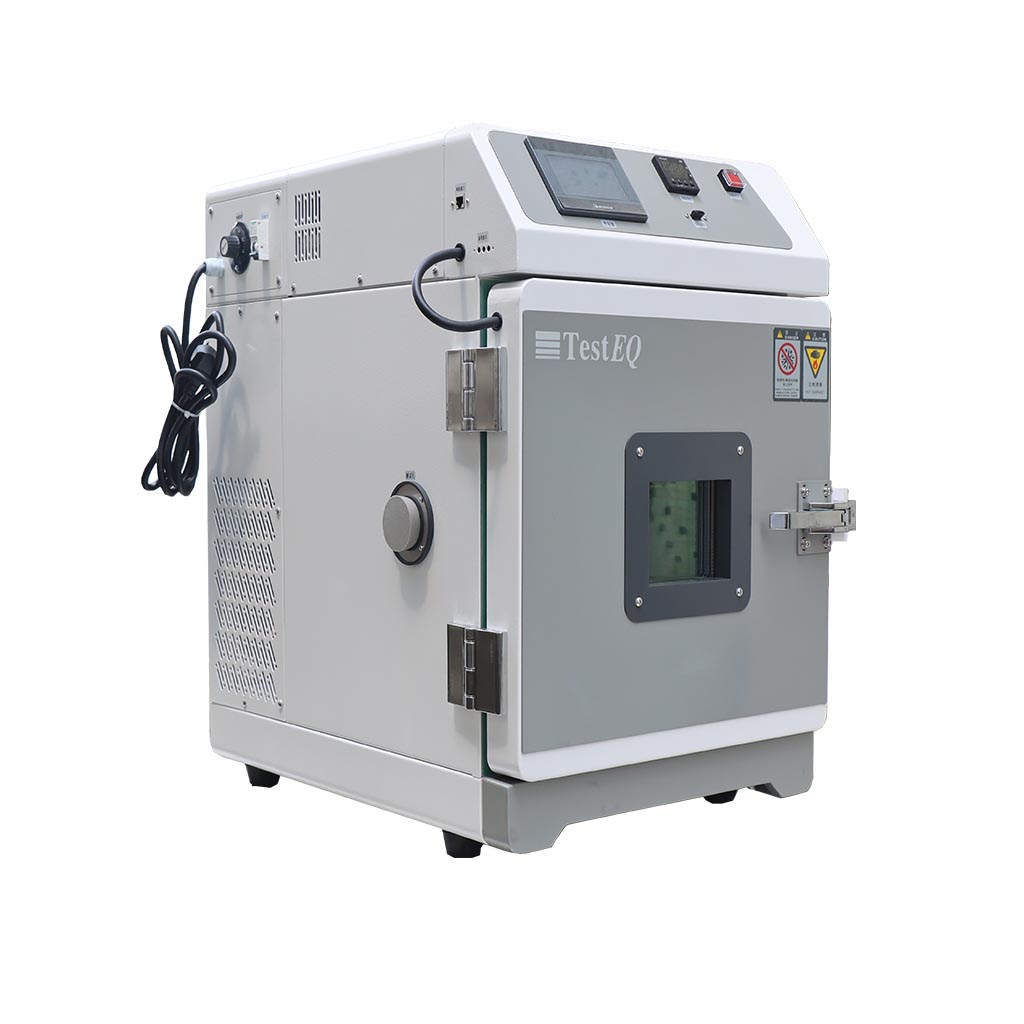
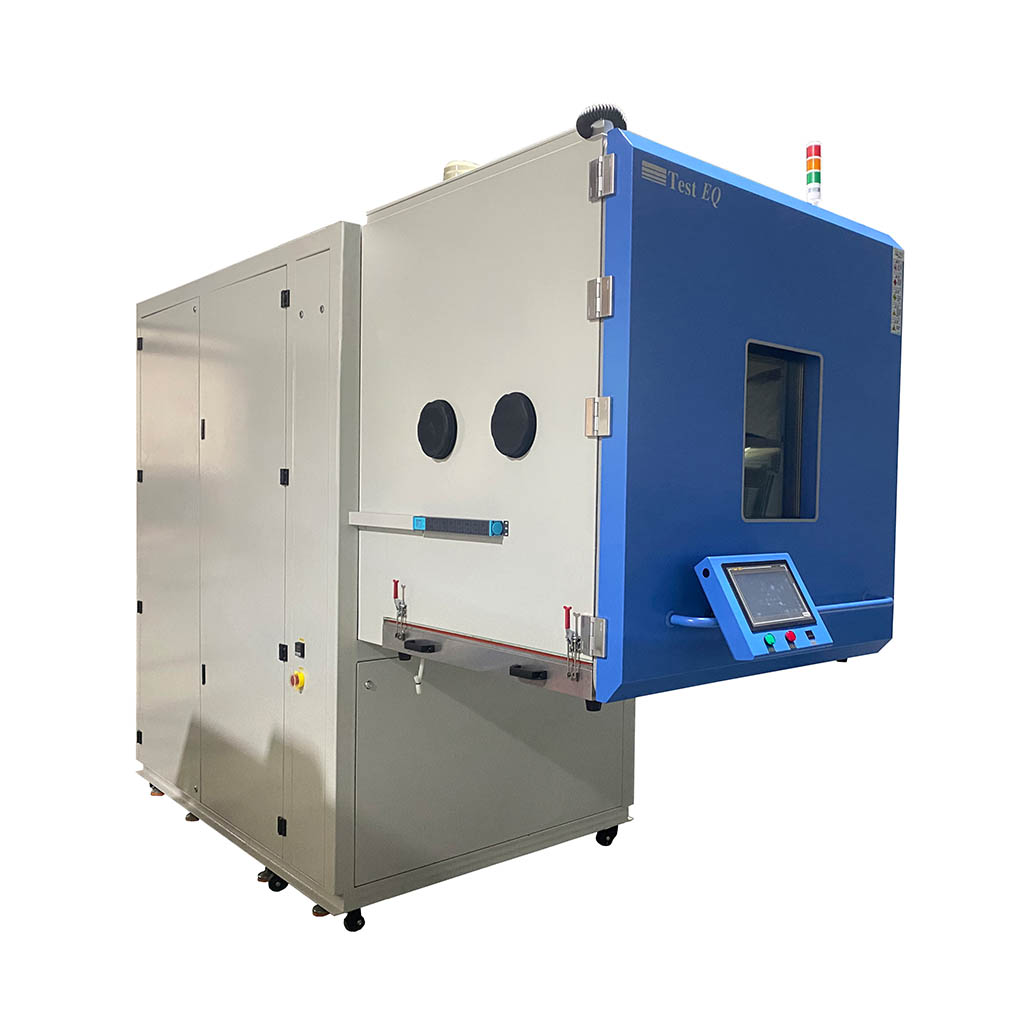
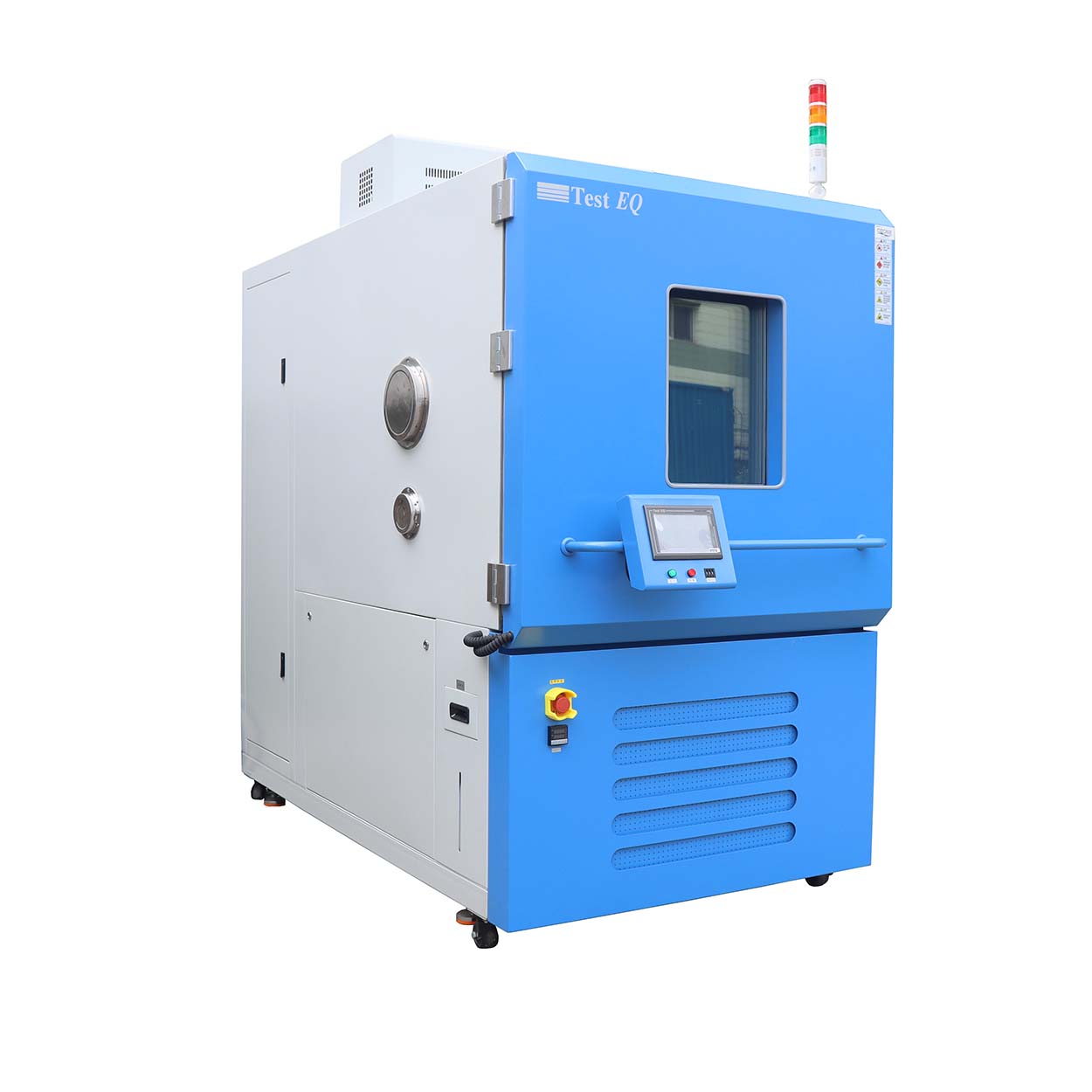
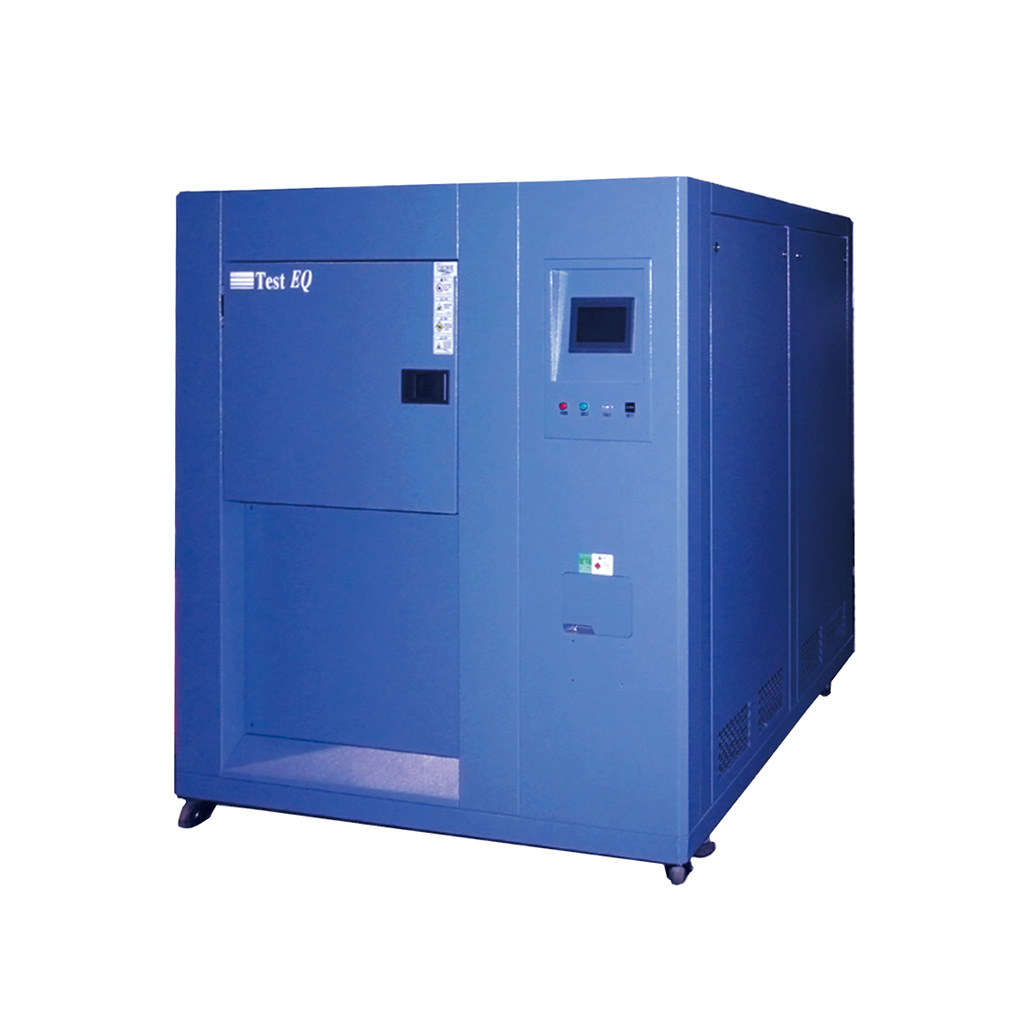
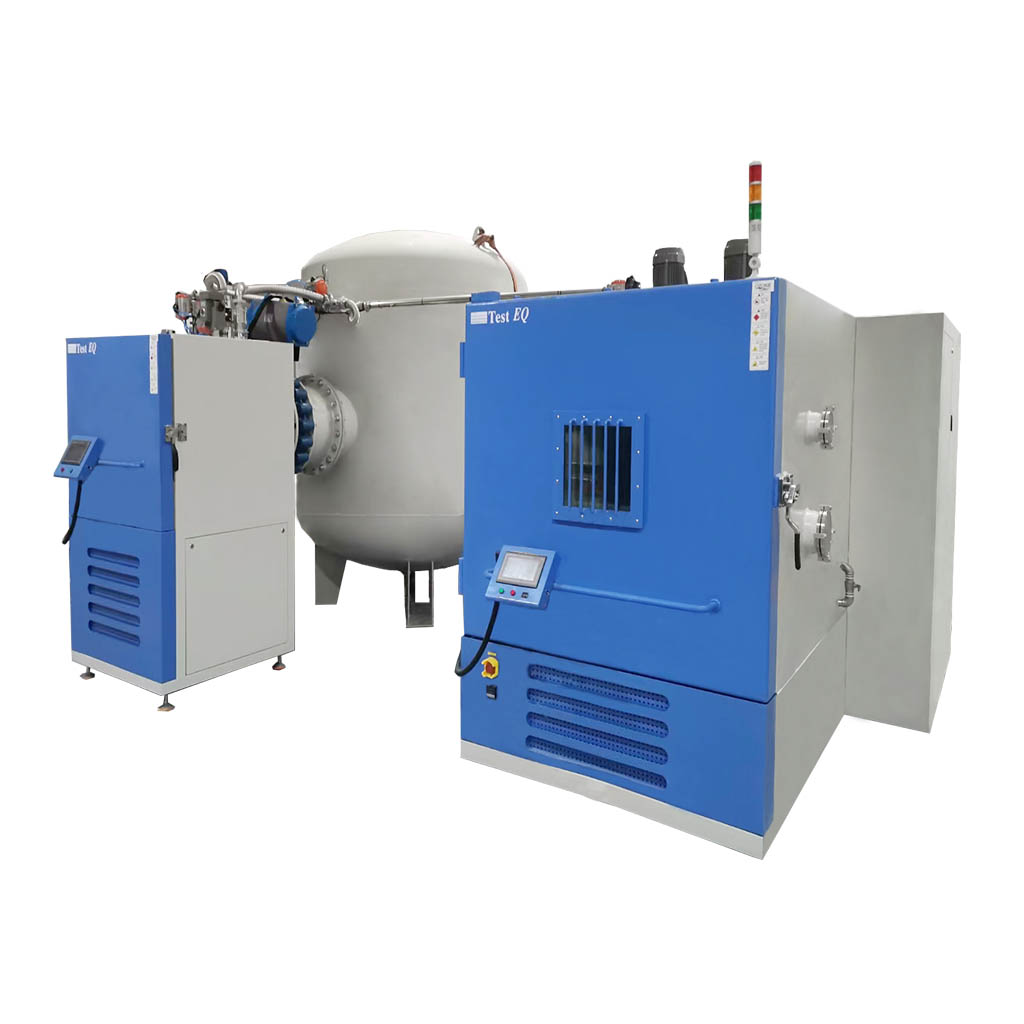
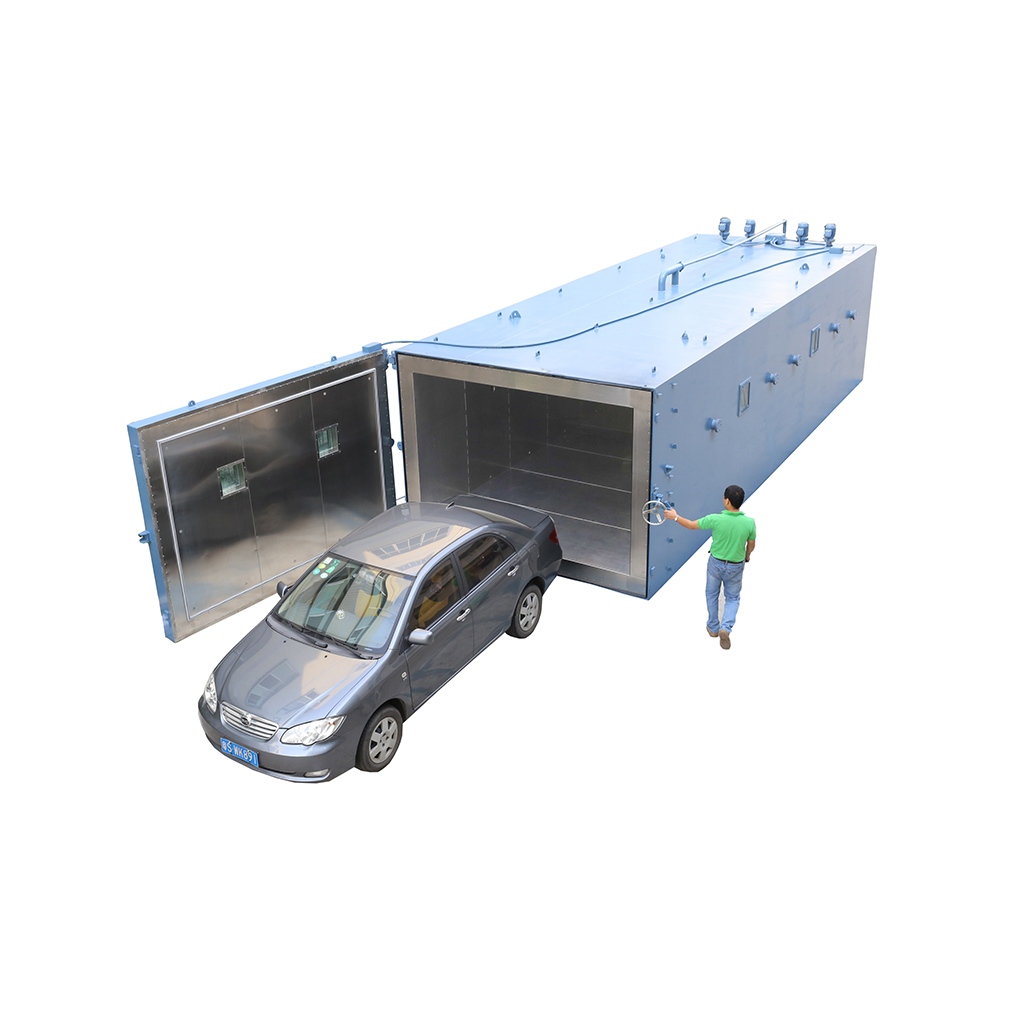
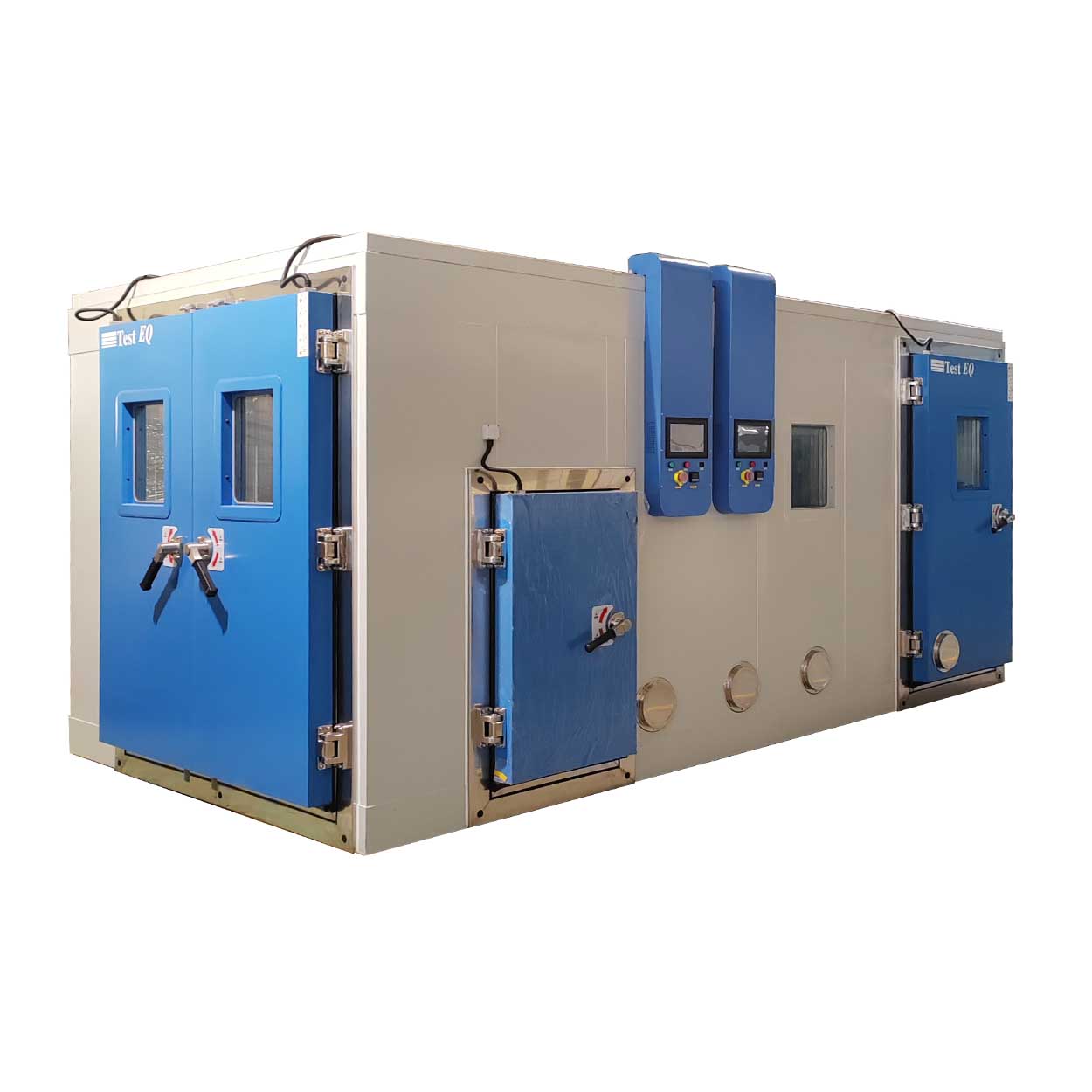
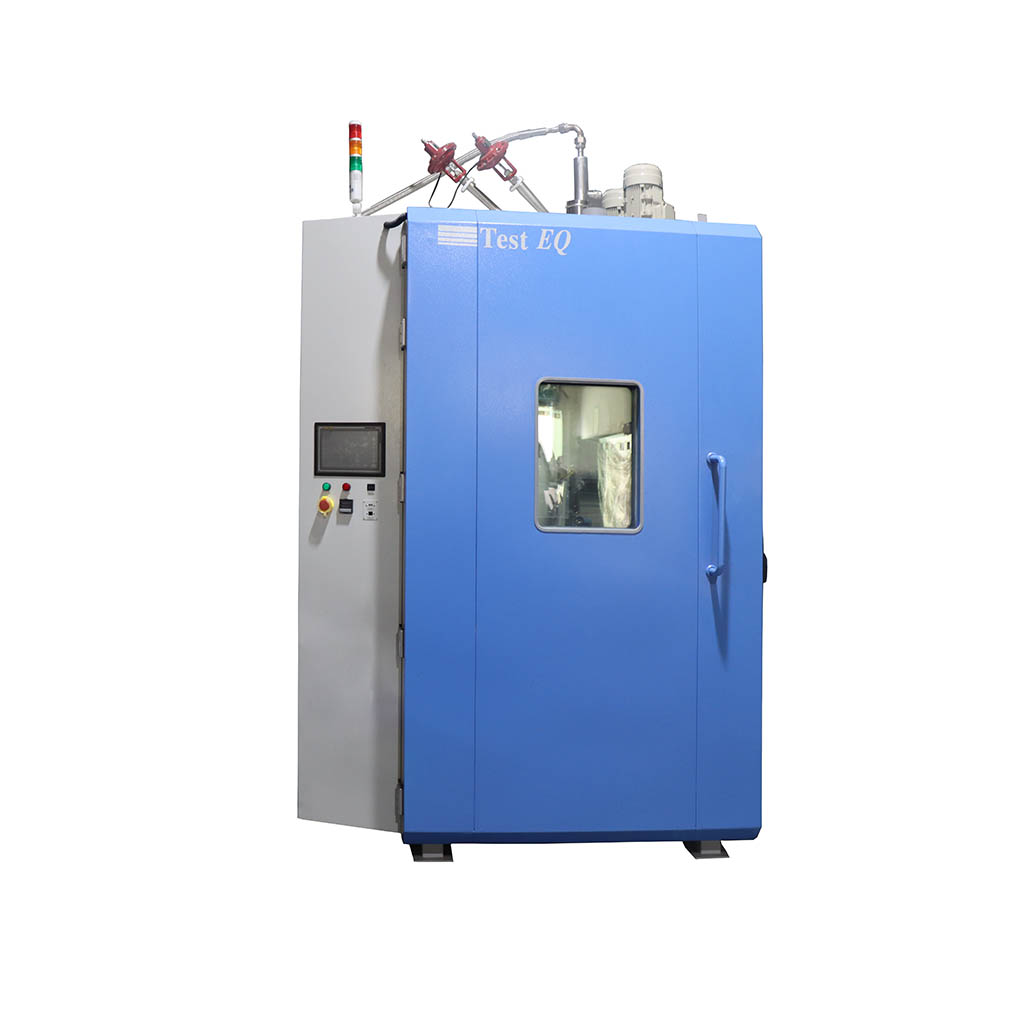
The Accelerated Stress Test Chamber is engineered to expose products to combined thermal and mechanical stress far beyond normal operating limits, enabling engineers to rapidly uncover design weaknesses, latent defects, and reliability margins during development.
By integrating ultra-fast temperature transitions with multi-axis repetitive shock vibration, this system provides a highly accelerated test environment for advanced product validation and reliability growth programs. Accelerated stress testing is widely used in electronics, aerospace, defense, automotive, and mission-critical industrial applications.
Accelerated stress testing combines multiple environmental stress factors simultaneously to force latent weaknesses to manifest faster than conventional reliability testing.
| Feature | Accelerated Stress Test Chamber | Standard Environmental Chamber |
|---|
| Stress Type | Combined Thermal + Vibration | Temperature / Humidity Only |
| Ramp Rate | Ultra-Fast | Moderate |
| Purpose | Find Design Limits | Qualification / Compliance |
| Failure Detection Speed | Hours / Days | Weeks / Months |
| Typical Stage | R&D / Validation | Verification / Production |
Why Choose TestEQ:
Specialized in high-end reliability testing systems
Deep experience in combined stress coupling technology
Proven solutions for aerospace / automotive / semiconductor sectors
Supports custom DUT fixture engineering
Advanced thermal balance and airflow optimization
Global project delivery capability
Optional Configurations:
Liquid Nitrogen Boost Cooling
Extended Vibration Table Size
DUT Power Feedthrough Integration
Real-Time Functional Monitoring Ports
Custom Safety Interlock Systems
Remote Monitoring / MES Integration
Testing Standards:
1. Automotive Industry Standards
IEC 60068 (International Electrotechnical Commission)
Series: e.g., IEC 60068-2-14 (Temperature Change Testing), referenced by some automakers for HALT.
ISO 16750
Title: Road Vehicles — Environmental Conditions and Testing for Electrical and Electronic Equipment
Applicability: Reliability testing for automotive electronics; HALT used for early-stage design validation.
SAE J1211
Title: Guidelines for Environmental Testing of Automotive Electronic Systems
Applicability: Recommends HALT/HASS to enhance reliability.
OEM-Specific Standards:
Ford (WARR), GM (GMW 3172), Volkswagen (TL 82066) require HALT/HASS during R&D.
2. Electronics Industry Standards
IPC-9592
Title: Accelerated Reliability Testing of High-Reliability Electronic Devices
Applicability: Consumer/industrial electronics; defines HALT/HASS processes.
JEDEC JESD22
Series: e.g., JESD22-A104 (Temperature Cycling), complementary to HALT/HASS.
Telcordia GR-468-CORE
Title: Generic Reliability Assurance Requirements for Optoelectronic Devices
Applicability: Recommends HALT for early failure detection in telecom equipment.
IEC 60749
Title: Semiconductor Devices — Mechanical and Climatic Test Methods
Applicability: Reliability testing for semiconductors.
3. General International Standards
IEC 60068-3-1
Title: Environmental Testing — Guidance for Temperature Testing
Applicability: Provides theoretical basis for temperature change rates (HALT/HASS equipment selection reference).
IEEE 1624
Title: Standard for Reliability Prediction for Electronic Systems
Applicability: Recommends HALT as a reliability design tool.
FAQ:
What is an accelerated stress test chamber?
An accelerated stress test chamber is a reliability testing system that applies combined environmental and mechanical stress to rapidly identify product weaknesses during development.
How is accelerated stress testing different from HALT?
Accelerated stress testing is a broader category. HALT is one specific methodology commonly performed using an accelerated stress chamber.
What industries use accelerated stress test chambers?
Industries include aerospace, automotive, defense, semiconductors, industrial controls, and advanced electronics manufacturing.
What is the purpose of combined thermal and vibration testing?
It reveals interaction failures that may not appear under single-stress environmental testing.
Can this chamber be customized?
Yes. Chamber size, ramp rate, vibration range, fixture design, and monitoring interfaces can all be customized.