| Feature | Thermal Stress | Environmental Stress Screening (ESS) |
|---|
| Stress Type | Temperature cycling | Temperature + Humidity + Optional Vibration |
| Application | Electronics, PCB | Electronics, Automotive, Aerospace |
| Objective | Accelerate failure mechanisms | Identify latent defects pre-market |
| Standard | JESD22 | JEDEC, MIL-STD, IEC 60068 |
Why Choose TestEQ:
Proven experience in high-end ESS solutions
Advanced thermal and humidity control technology
Stable performance even under continuous testing cycles
Custom engineering for aerospace, automotive, and semiconductor standards
Energy-efficient and durable design
Optional Configurations:
Combined thermal + humidity + vibration modules
Multi-zone environmental control
Remote monitoring and IoT integration
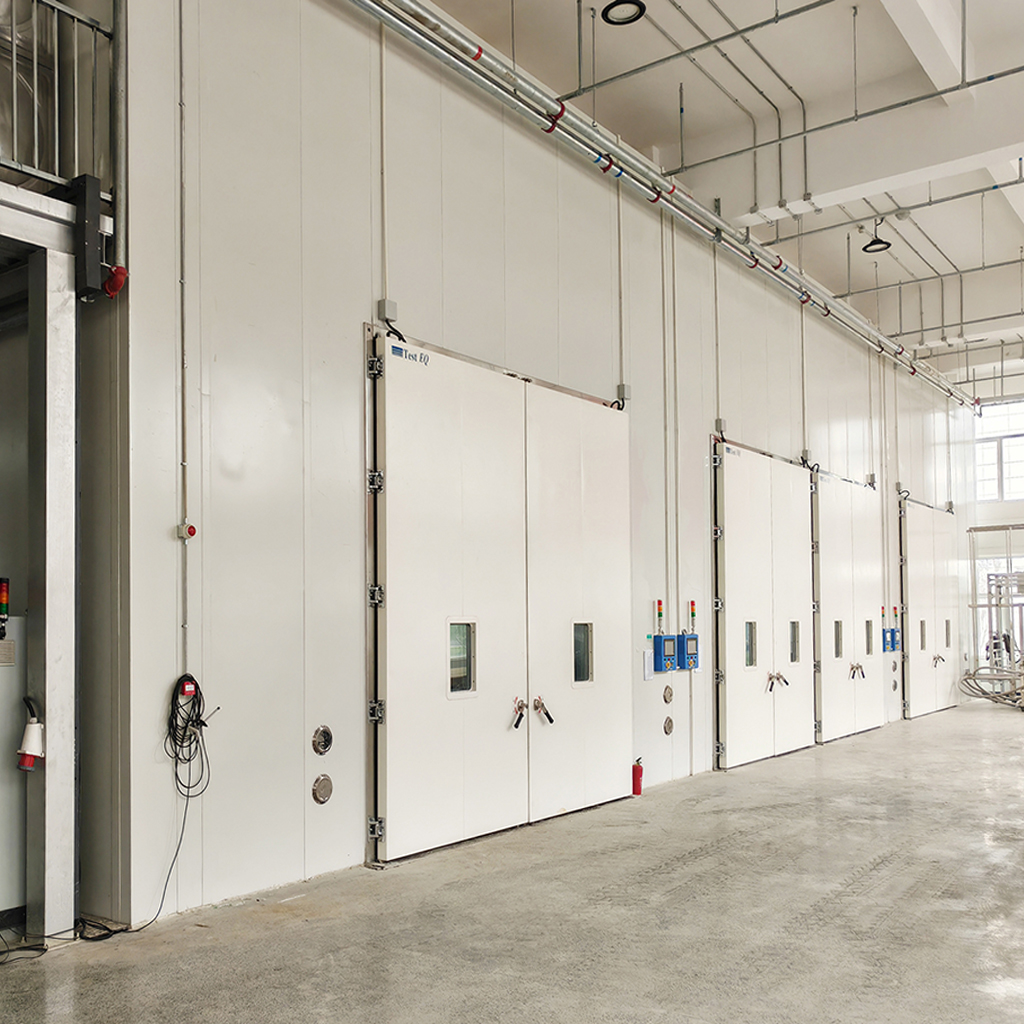
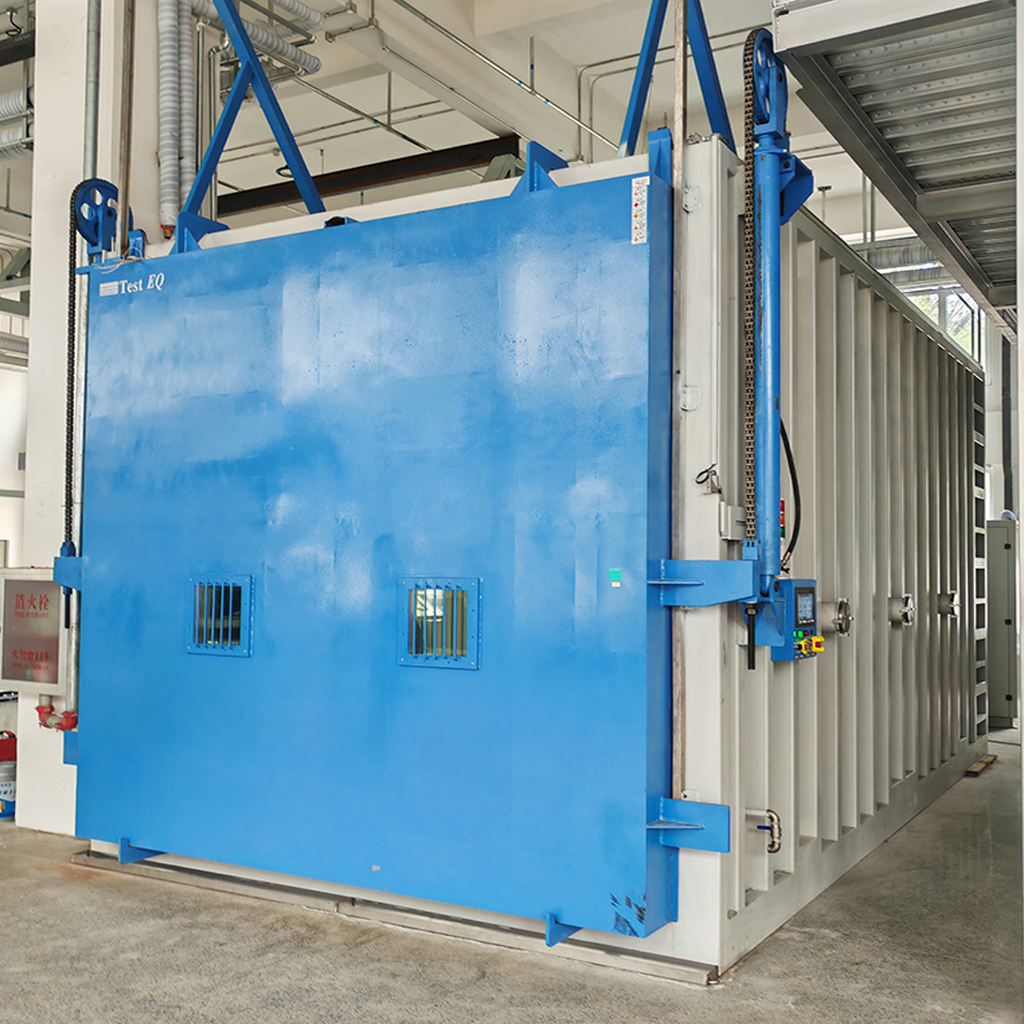
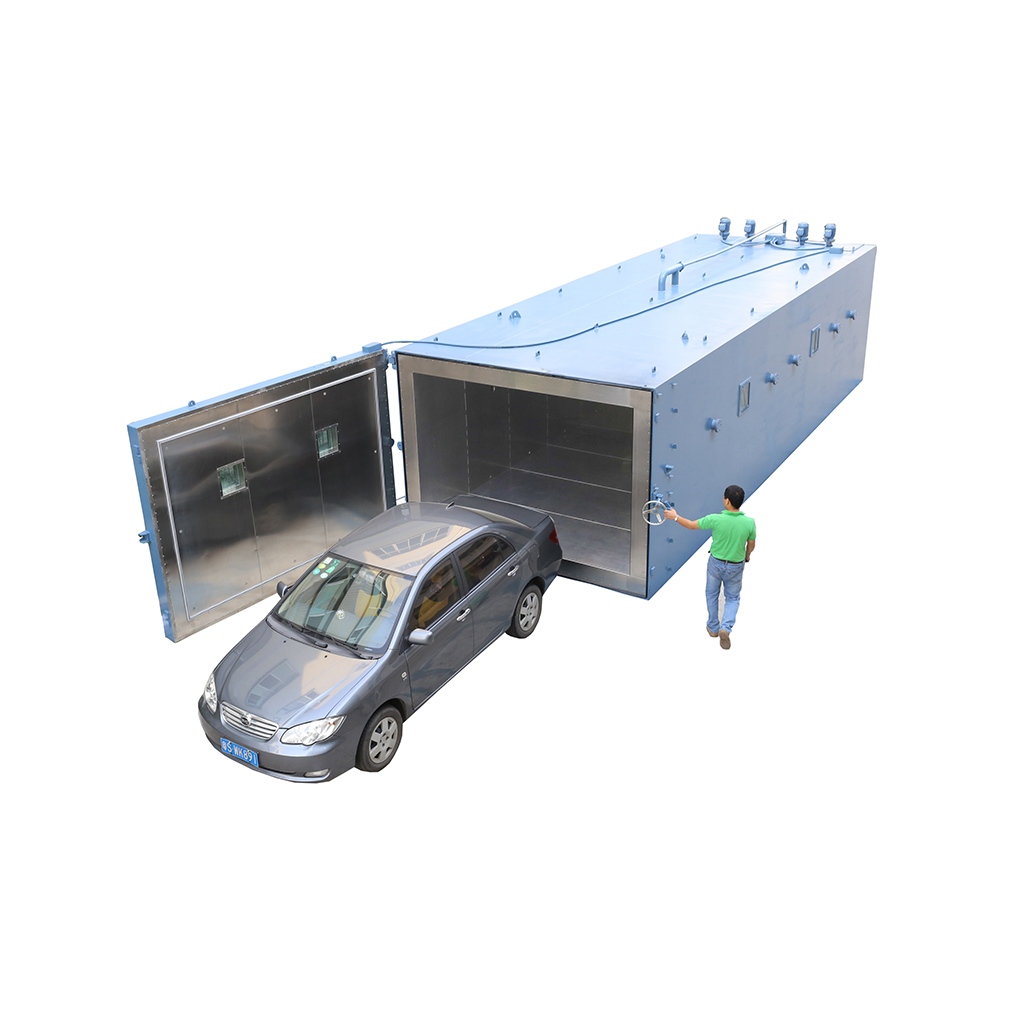
Large custom chamber volumes
JEDEC / MIL-STD optimized testing protocols
Fully Compliant with Major International Test Standards:
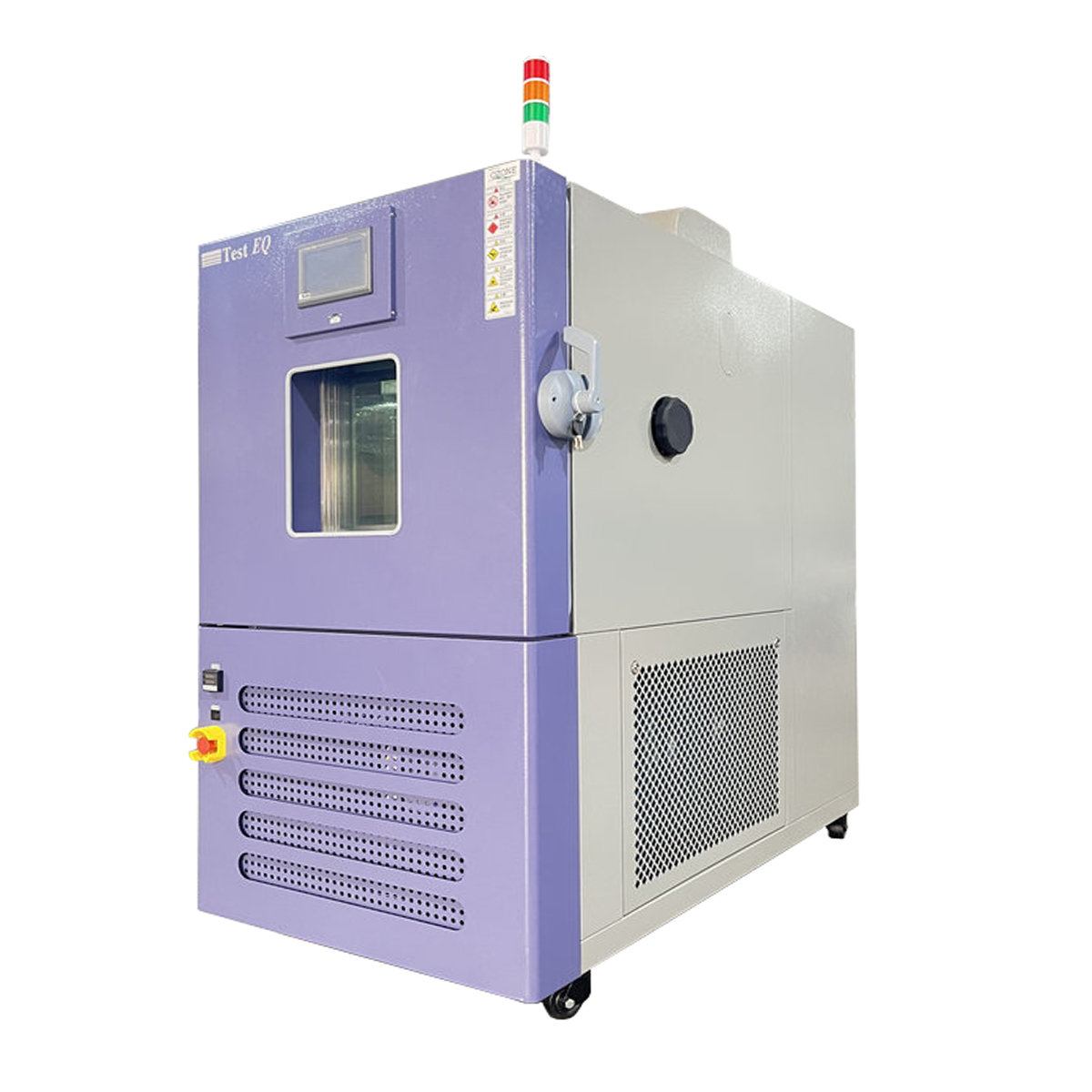
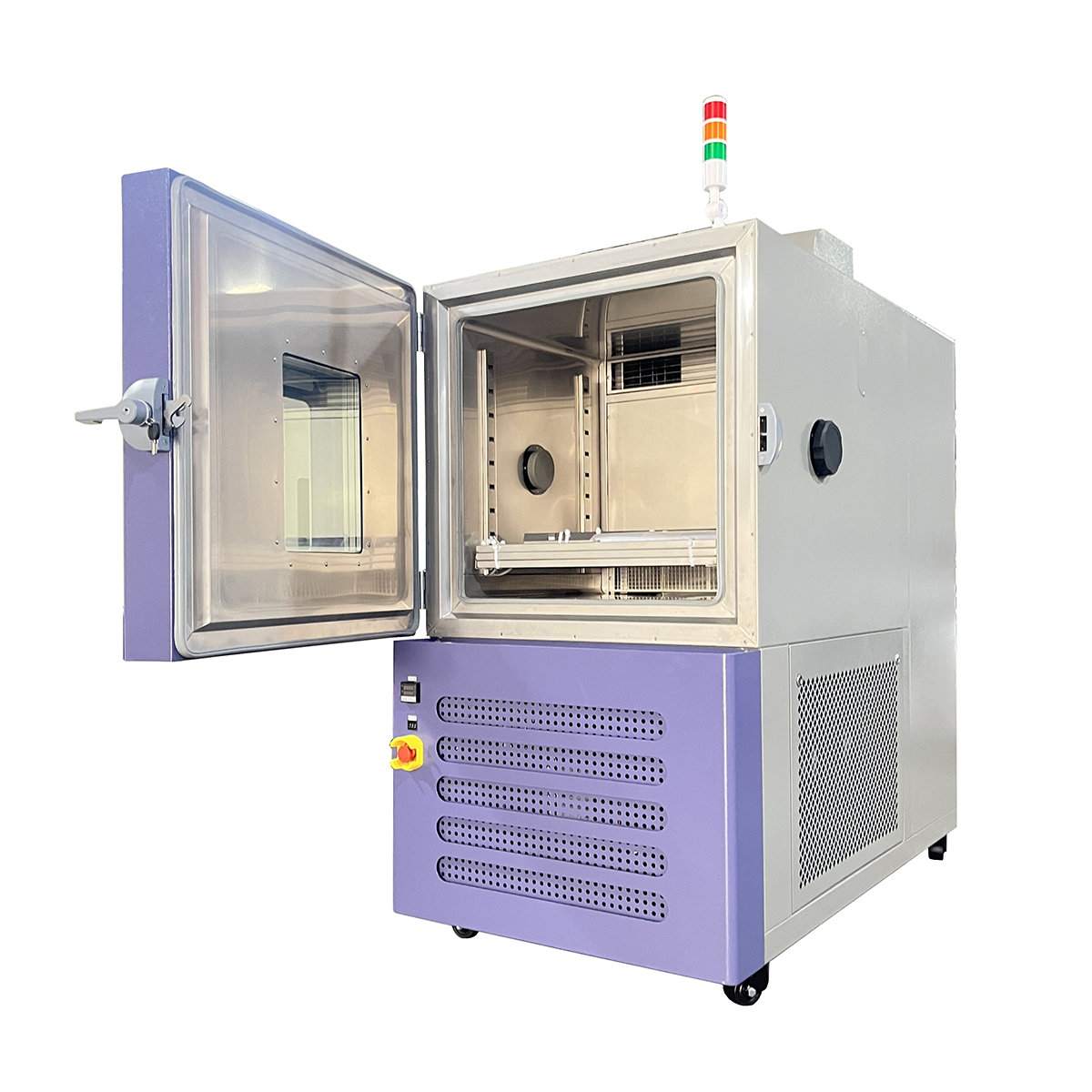
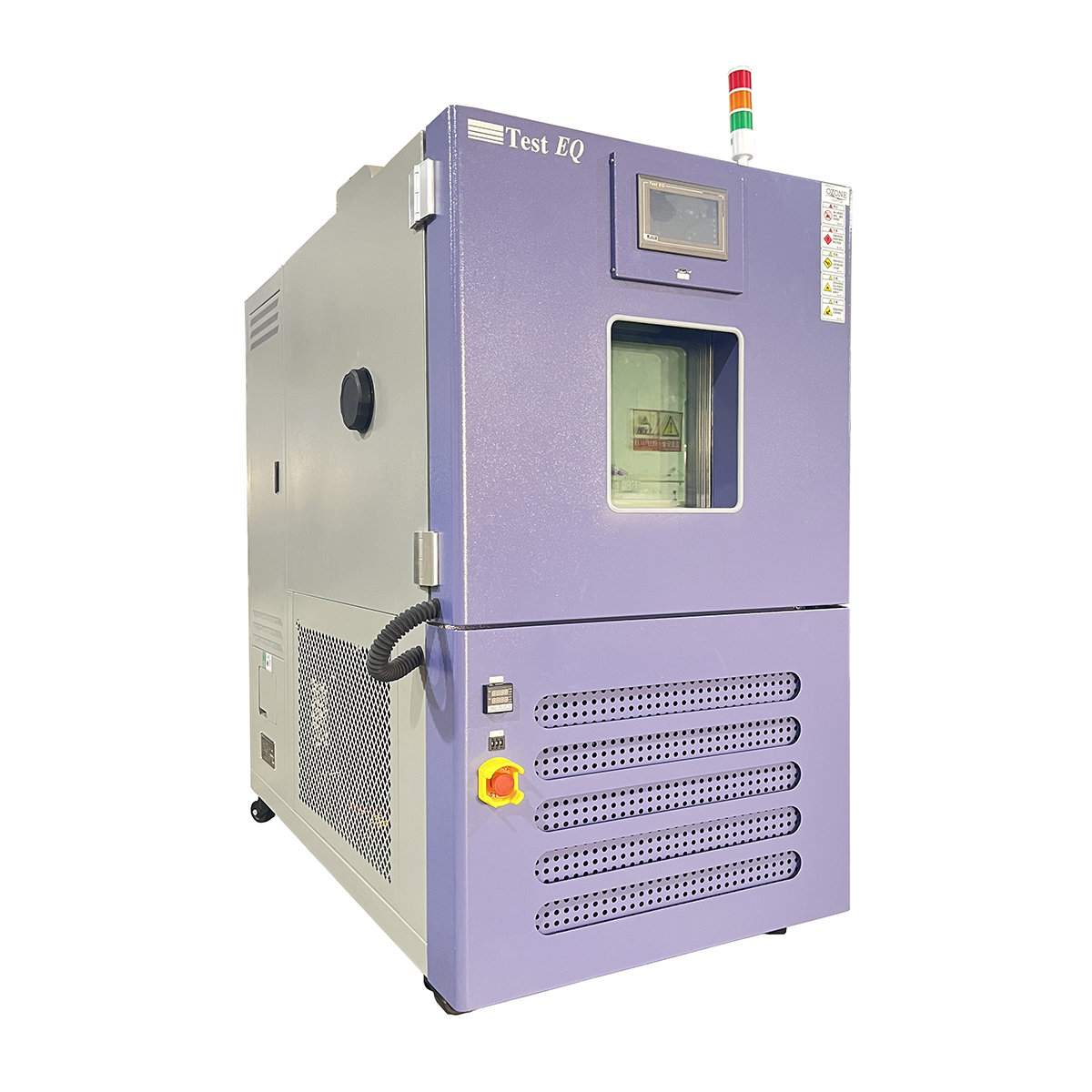
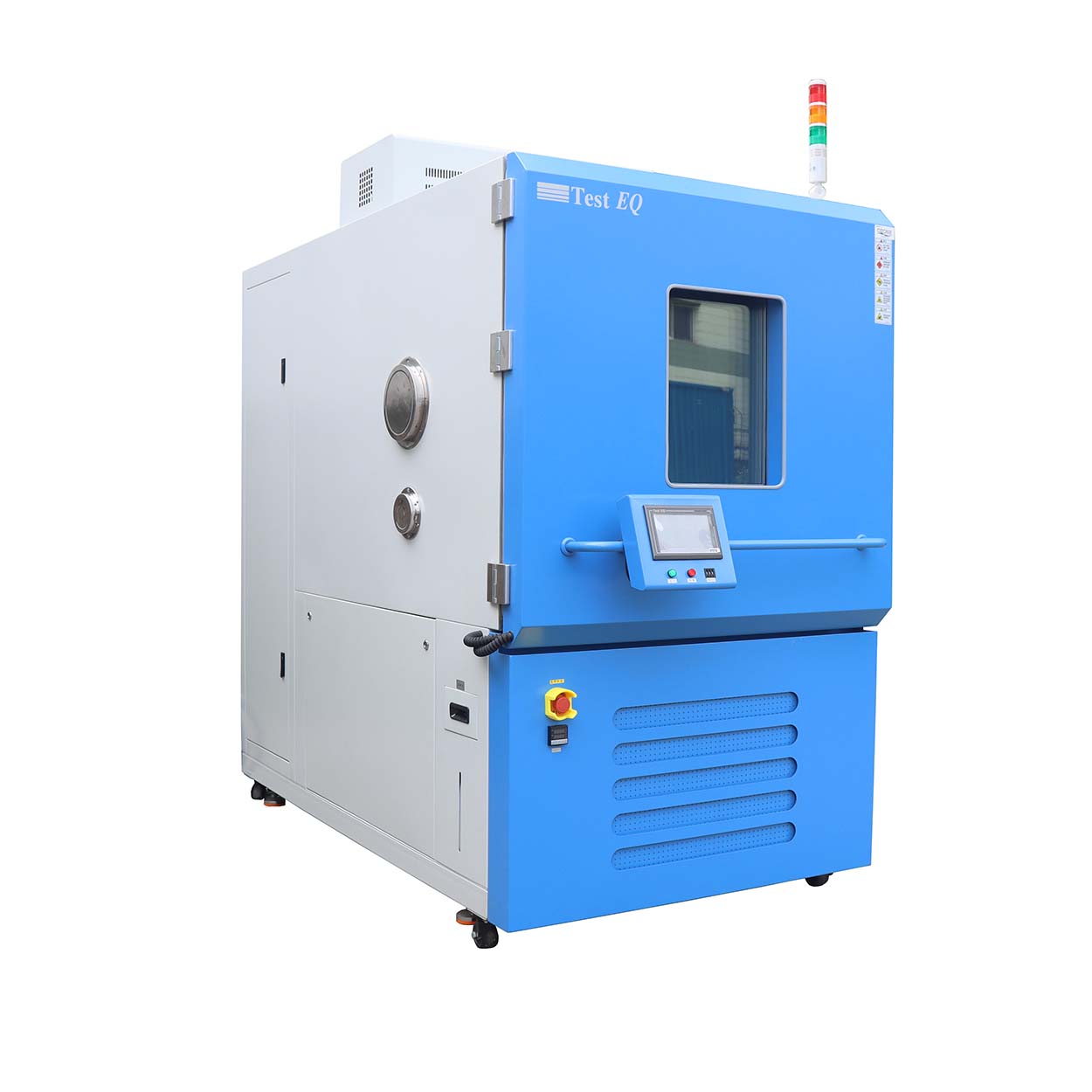
The TestEQ Rapid Temperature Change Test Chamber is engineered to meet and exceed the stringent requirements of key industry standards, including:
JEDEC Standard JESD22-A104G
(Temperature Cycling)
― Reliably performs high-speed temperature cycling tests for semiconductor and electronic components to evaluate their robustness against thermal fatigue and interconnect failures.
MIL-STD
(Military Standard Environmental Test Methods)
― Supports a wide range of defense and aerospace environmental stress screening (ESS) tests, including rapid transition thermal cycling as required by MIL-STD-810 and MIL-STD-883.
RTCA/DO-160
(Environmental Conditions and Test Procedures for Airborne Equipment)
― Ideal for validating avionics equipment under extreme temperature variations and rapid transition conditions per Sections 4.0 and 5.0.
Internal Linking Module
Related ESS Testing Equipment
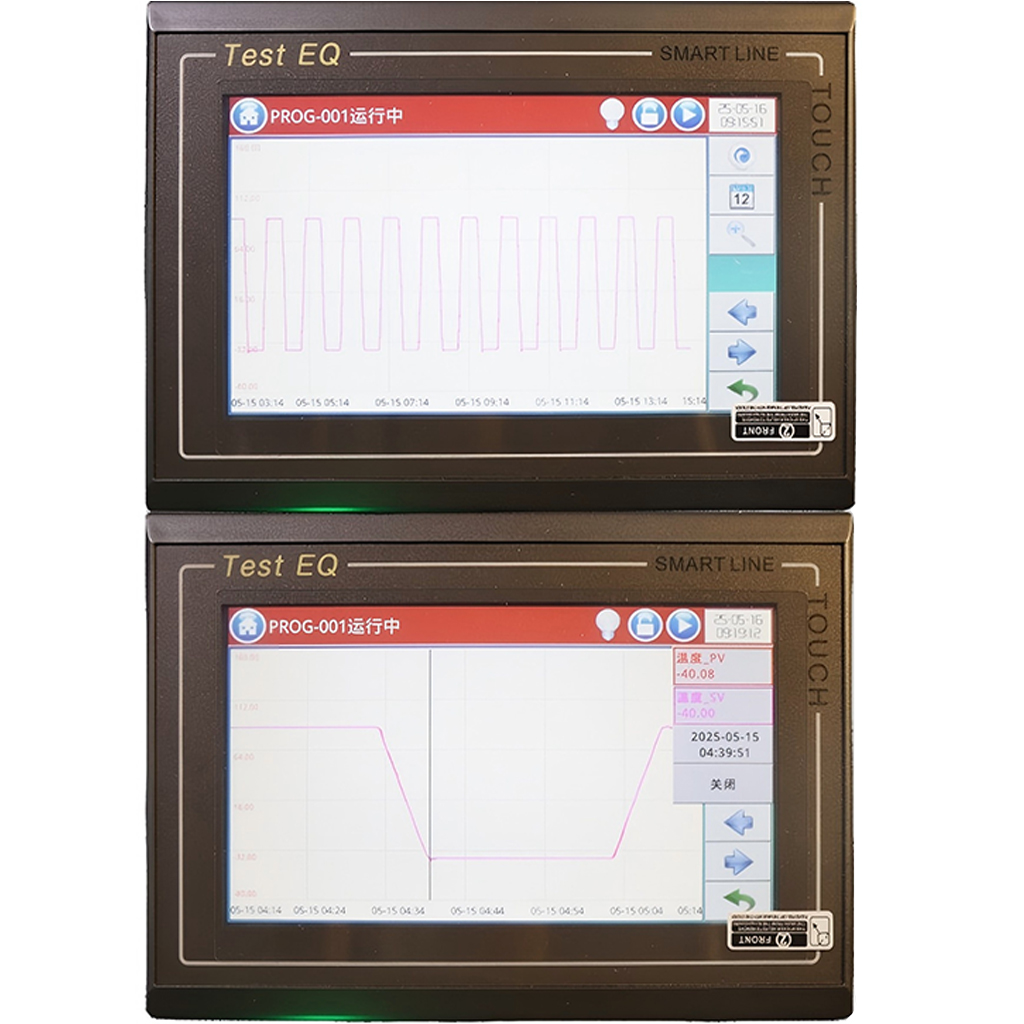
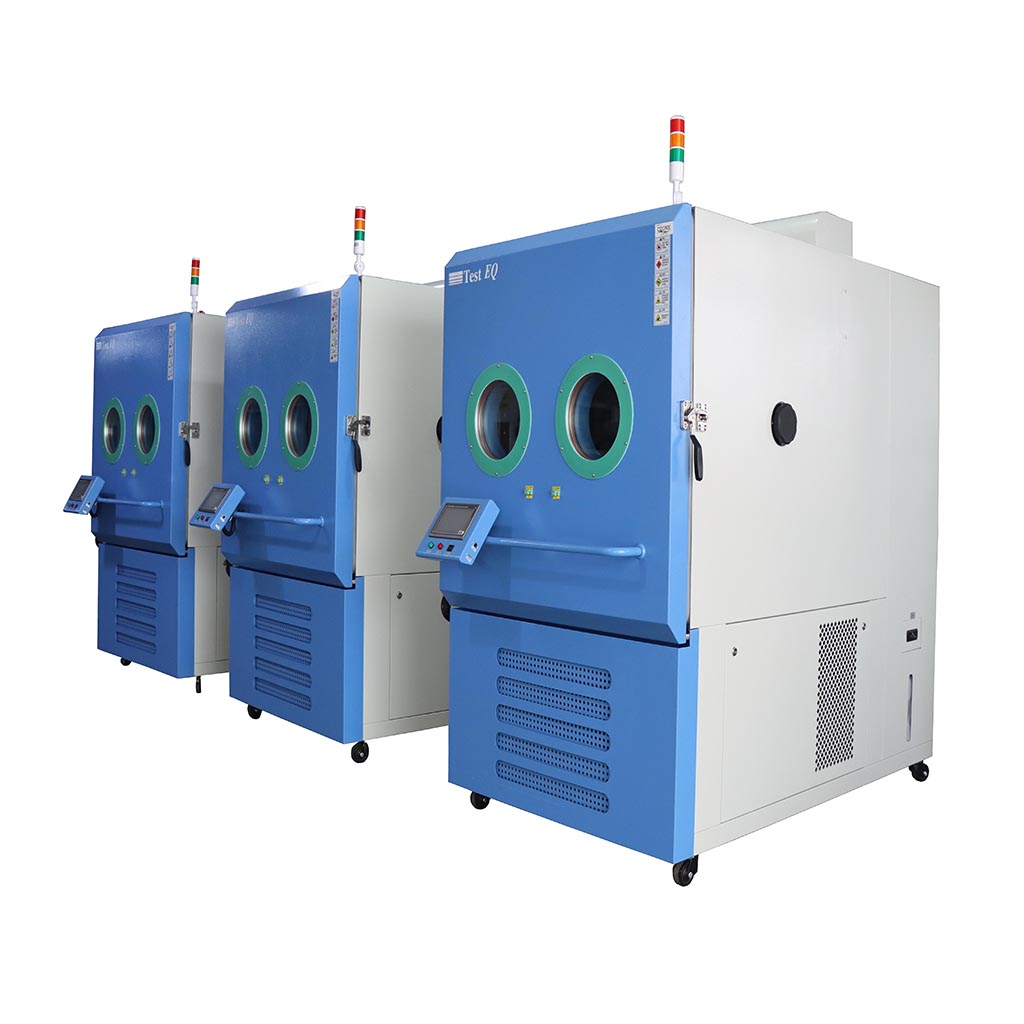
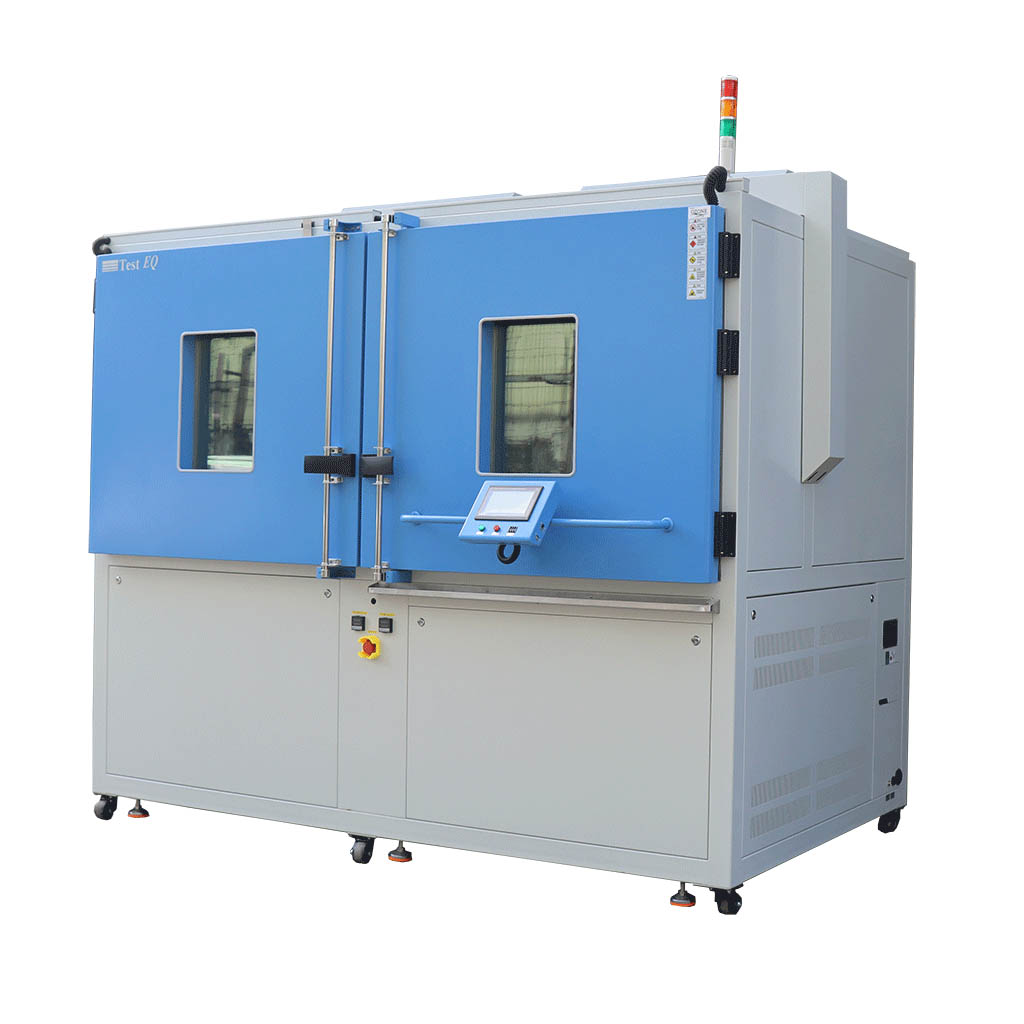
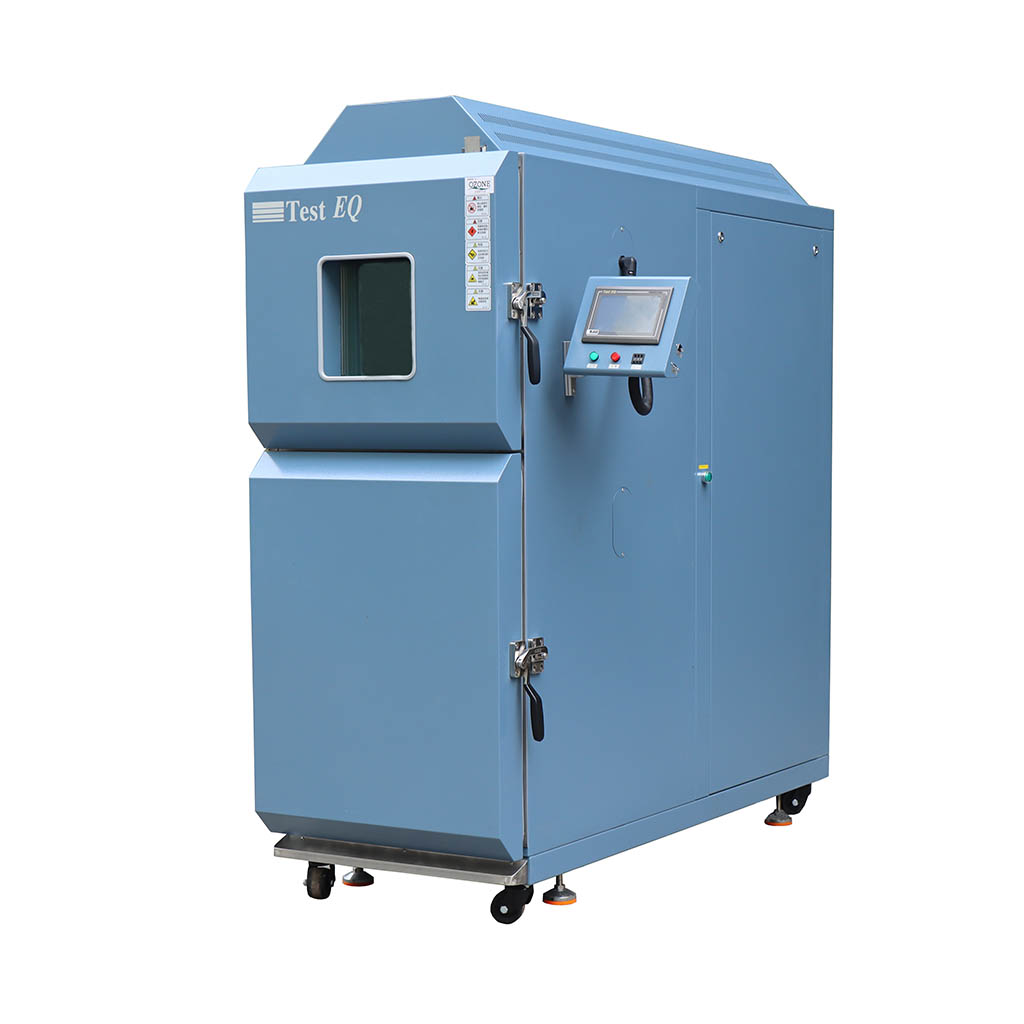
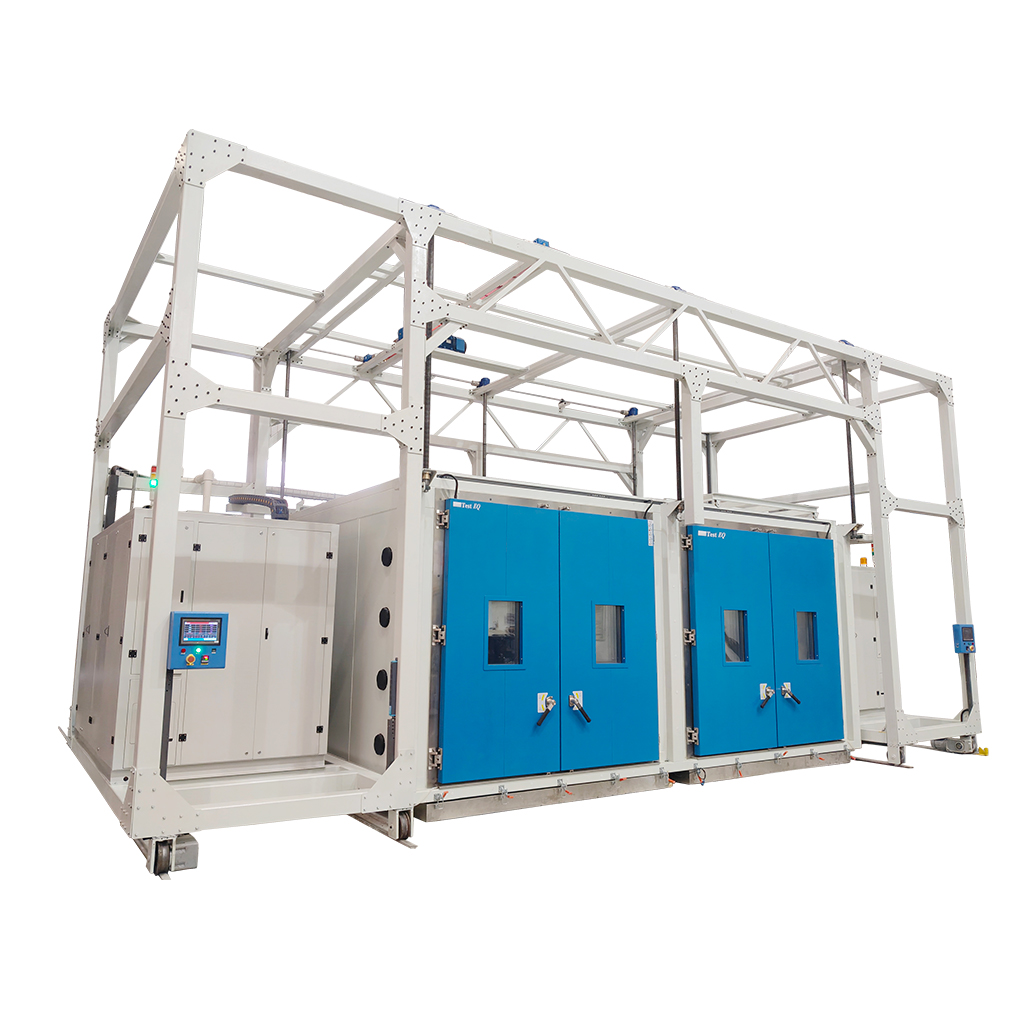
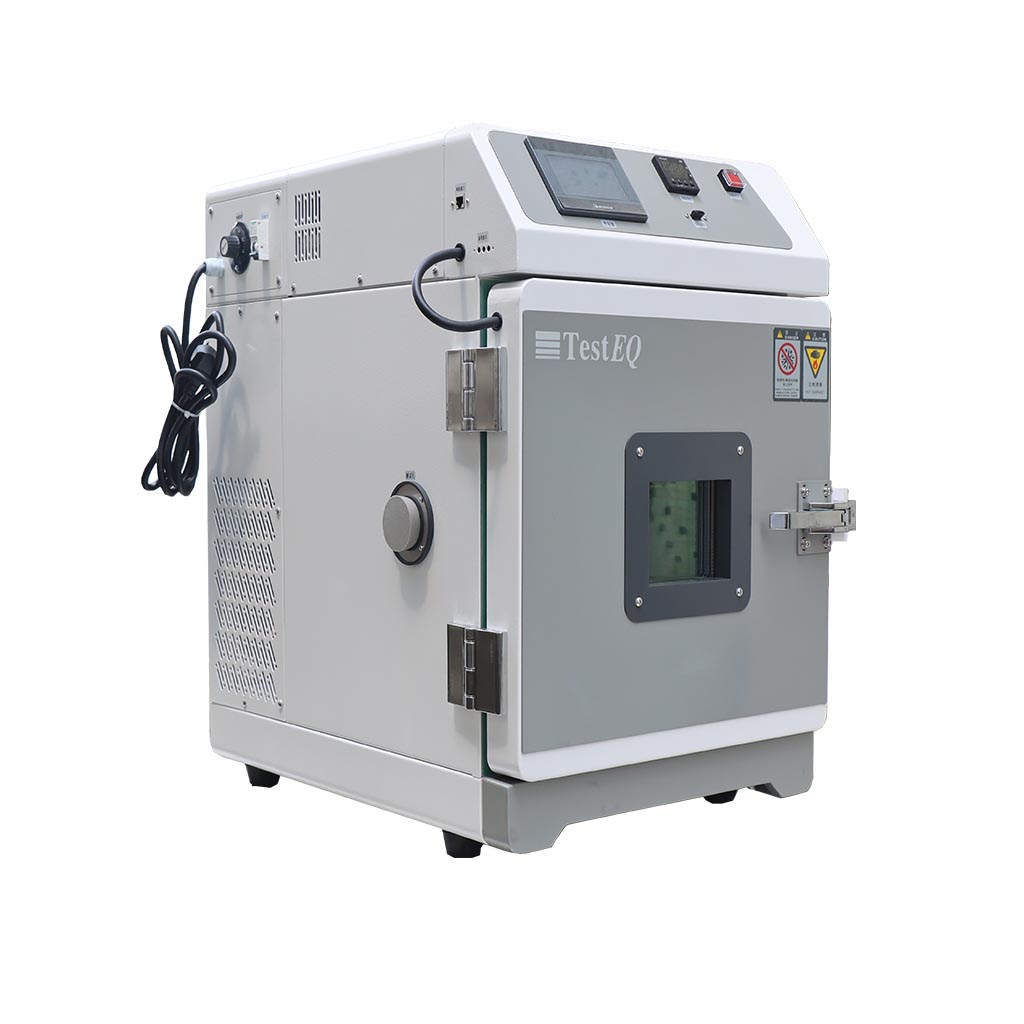
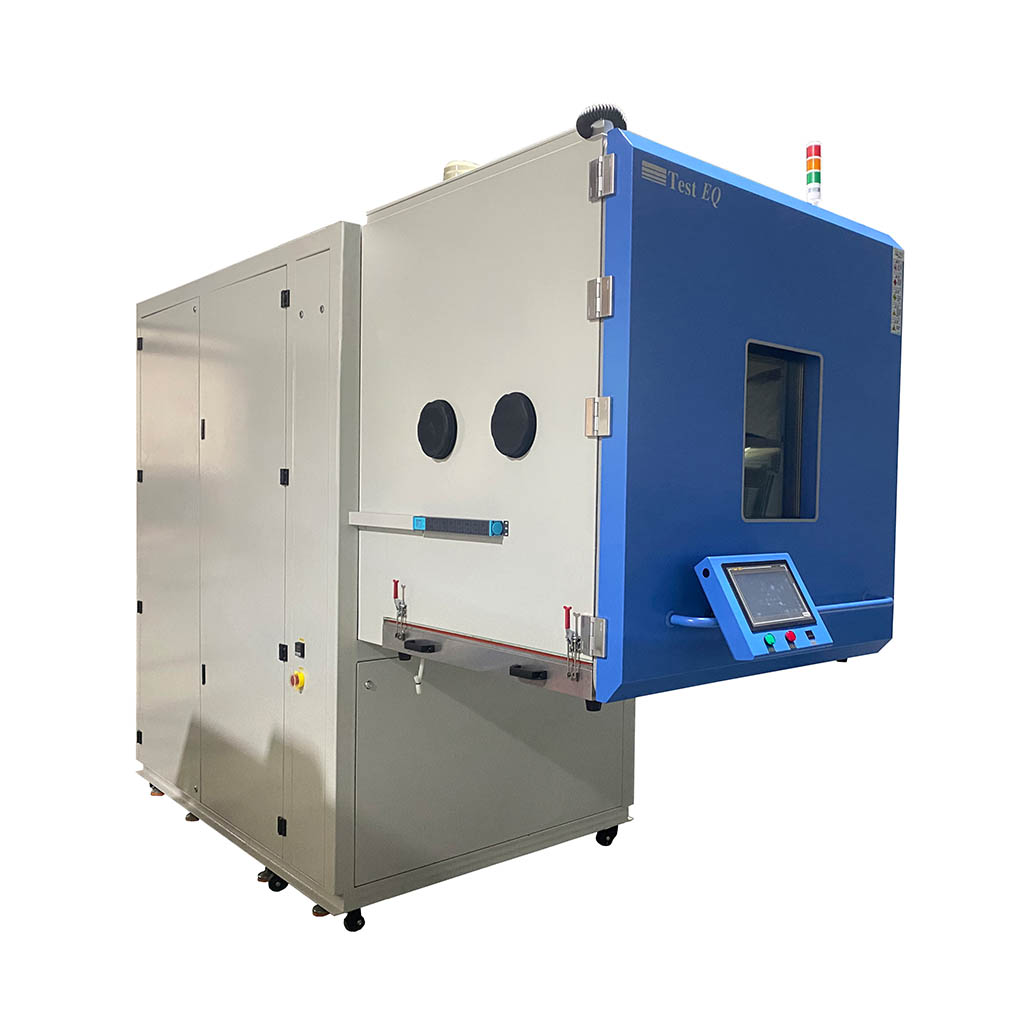
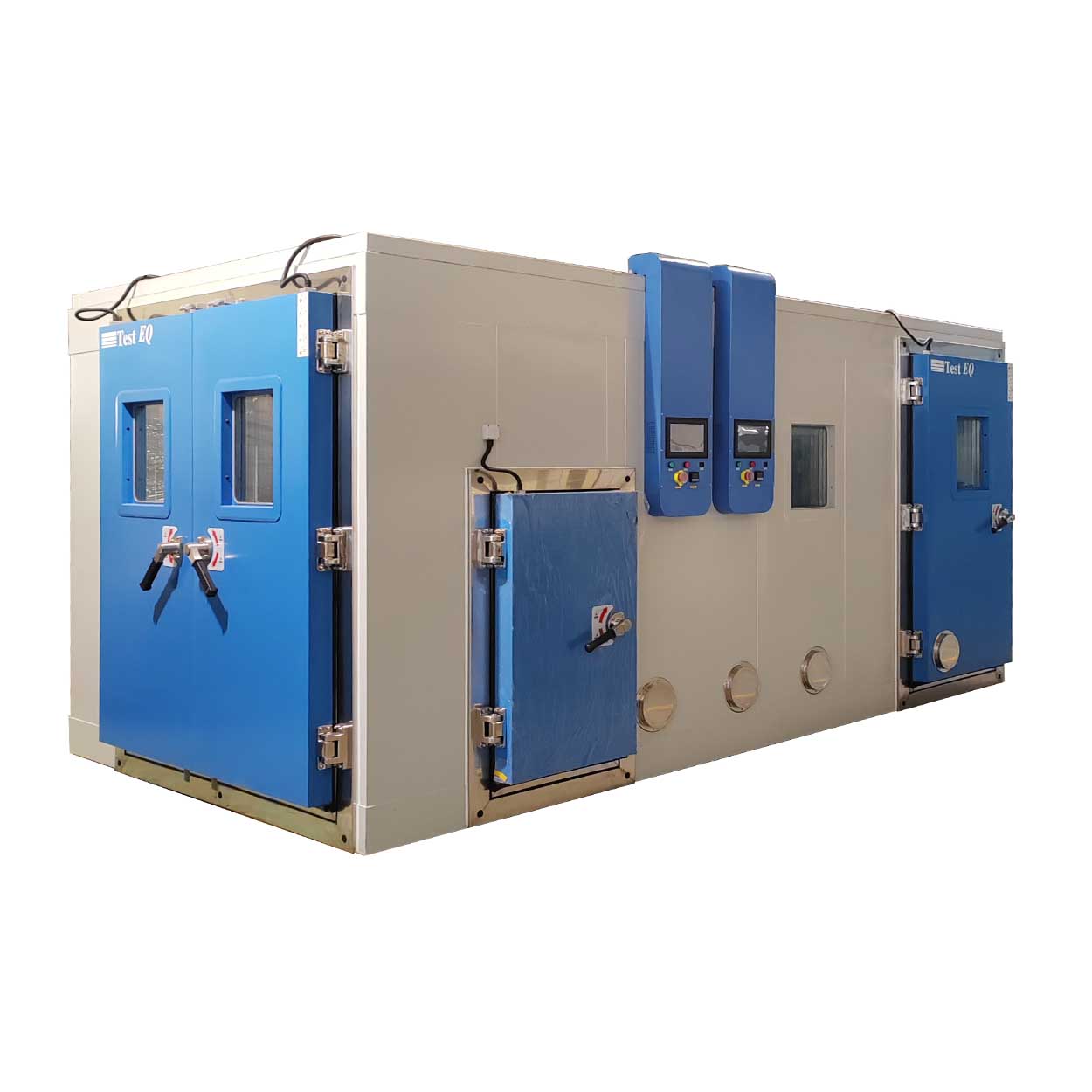
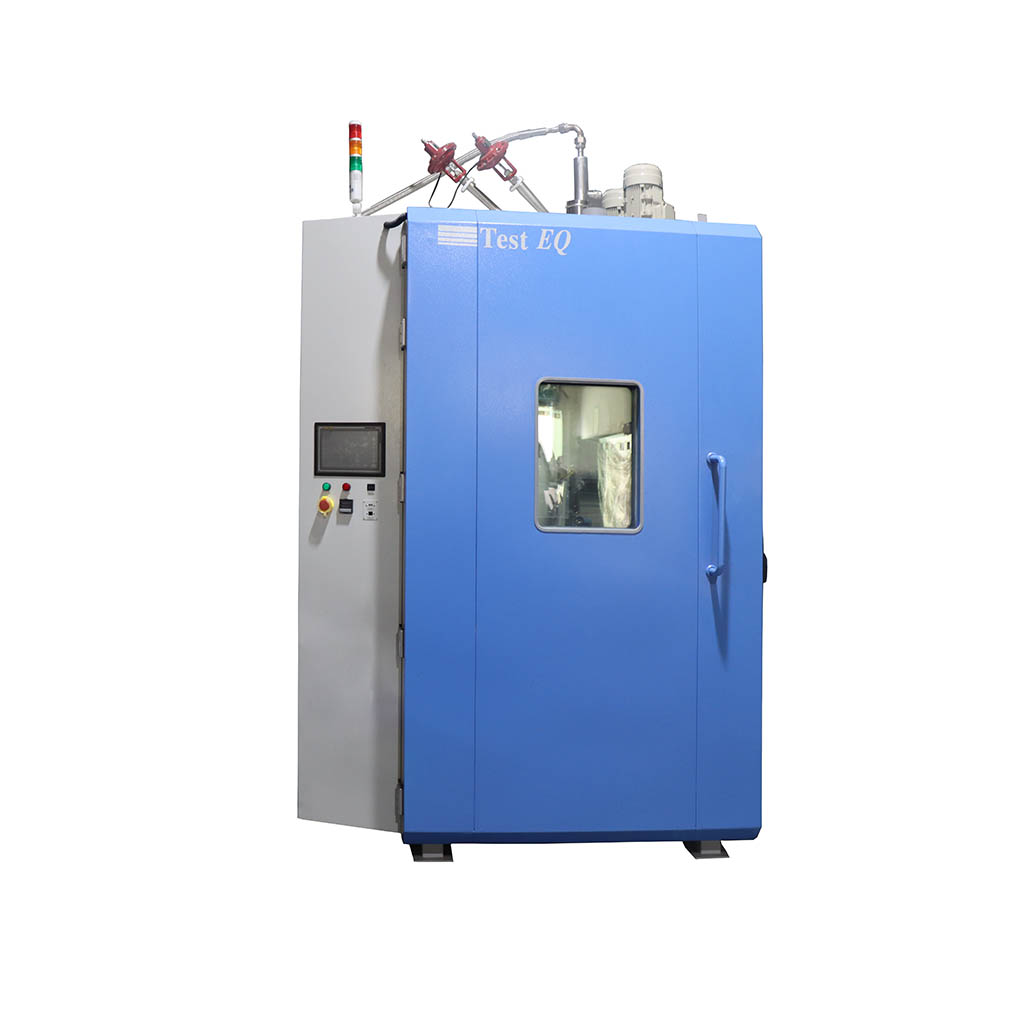
Thermal cycle testing chamber is used for ESS (Environmental Stress Screening) and reliability validation of electronic components, automotive parts, and battery systems. It simulates repeated temperature changes to detect early-life failures such as solder fatigue, material stress, and performance degradation.
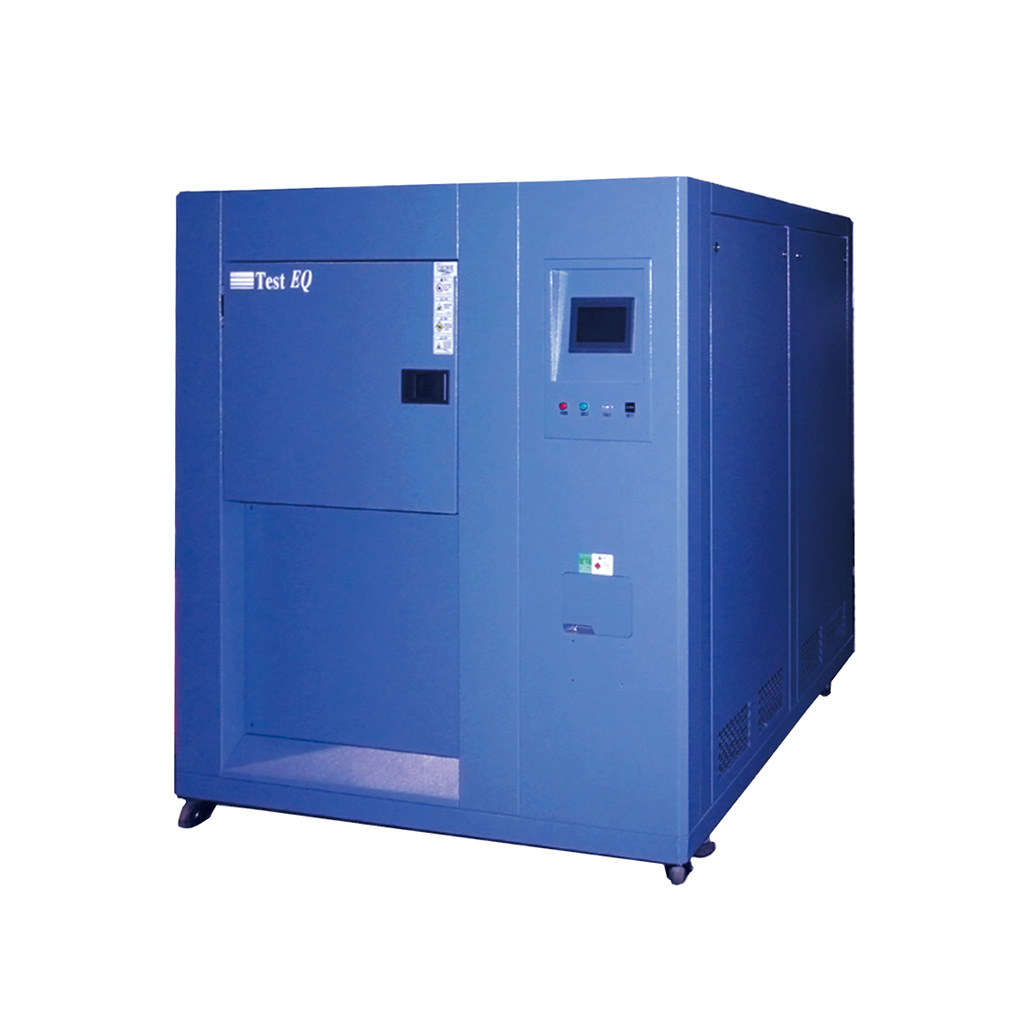
Rapid temperature change thermal cycling chamber is designed for accelerated environmental stress testing with fast ramp rates. It is widely used in semiconductor, aerospace, and EV battery testing to evaluate product stability under extreme and fast temperature transitions.
ESS Testing Standards
IEC 60068-2-14 defines thermal shock testing procedures for evaluating how products withstand sudden temperature changes. It is commonly used in electronics, automotive, and industrial applications to assess material durability and structural integrity.
JEDEC thermal cycle testing standard is widely applied in semiconductor packaging and electronic device reliability testing. It specifies temperature cycling conditions to evaluate fatigue resistance, solder joint reliability, and long-term performance stability.
Related ESS Testing Resources
This resource explains key EV battery testing standards such as UN 38.3, IEC 62660, and ISO 16750, and how environmental chambers are used to validate battery safety, performance, and lifecycle reliability under real-world conditions.
This guide helps engineers and procurement teams select the right ESS chamber based on temperature range, ramp rate, chamber size, and compliance requirements. It focuses on semiconductor reliability testing and failure screening optimization.
FAQ:
Q1: What is an ESS Test Chamber?
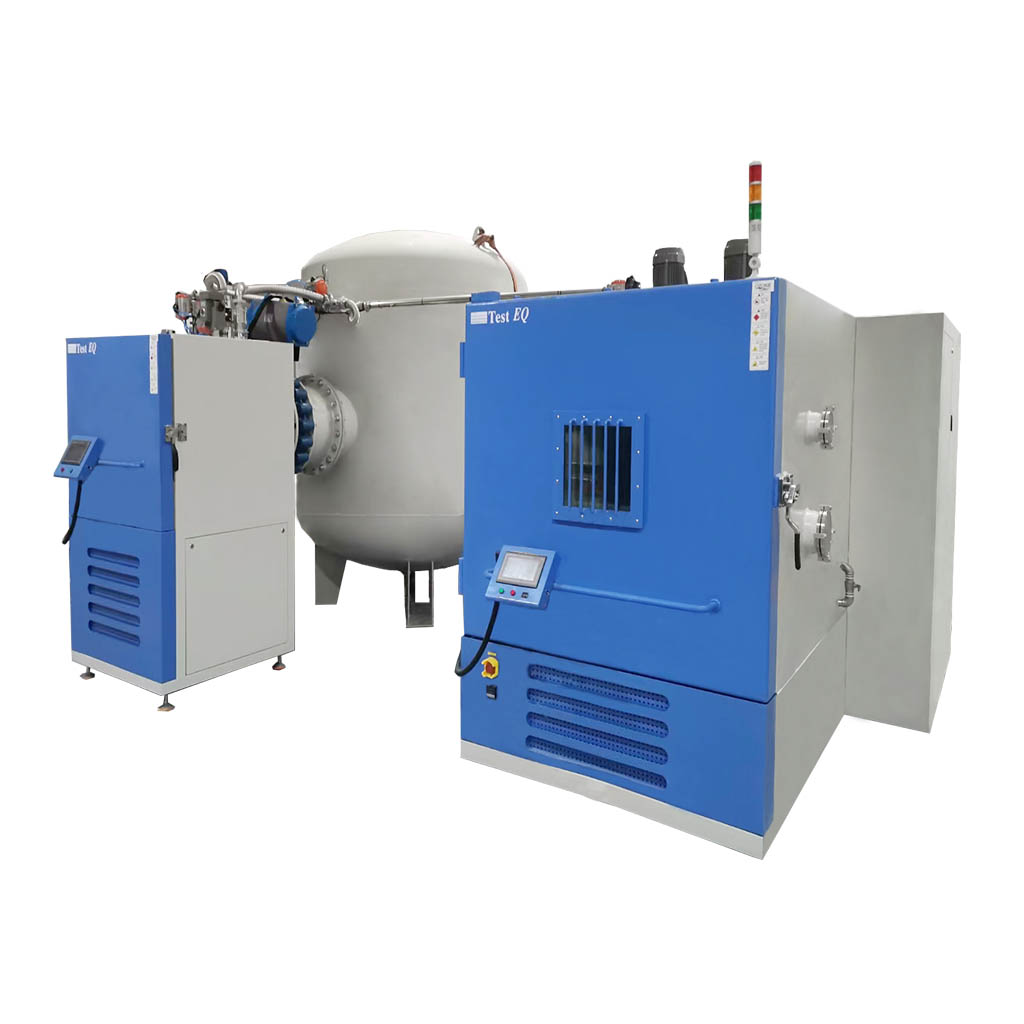
A: An ESS Test Chamber is designed to detect latent defects in electronic devices by exposing them to controlled environmental stresses such as temperature, humidity, and vibration.
Q2: How does ESS testing differ from thermal cycling?
A: ESS combines thermal cycling with humidity and sometimes vibration to simulate real-world stress conditions more comprehensively.
Q3: What industries use ESS testing?
A: Semiconductor, automotive, aerospace, defense, battery, and consumer electronics industries.
Q4: What standards does this chamber comply with?
A: JEDEC, MIL-STD-810, IEC 60068, and other global reliability standards.
Q5: How to select the right ESS Test Chamber?
A: Consider temperature/humidity ranges, ramp rates, volume, optional vibration modules, and compliance with applicable industry standards.