Opening:
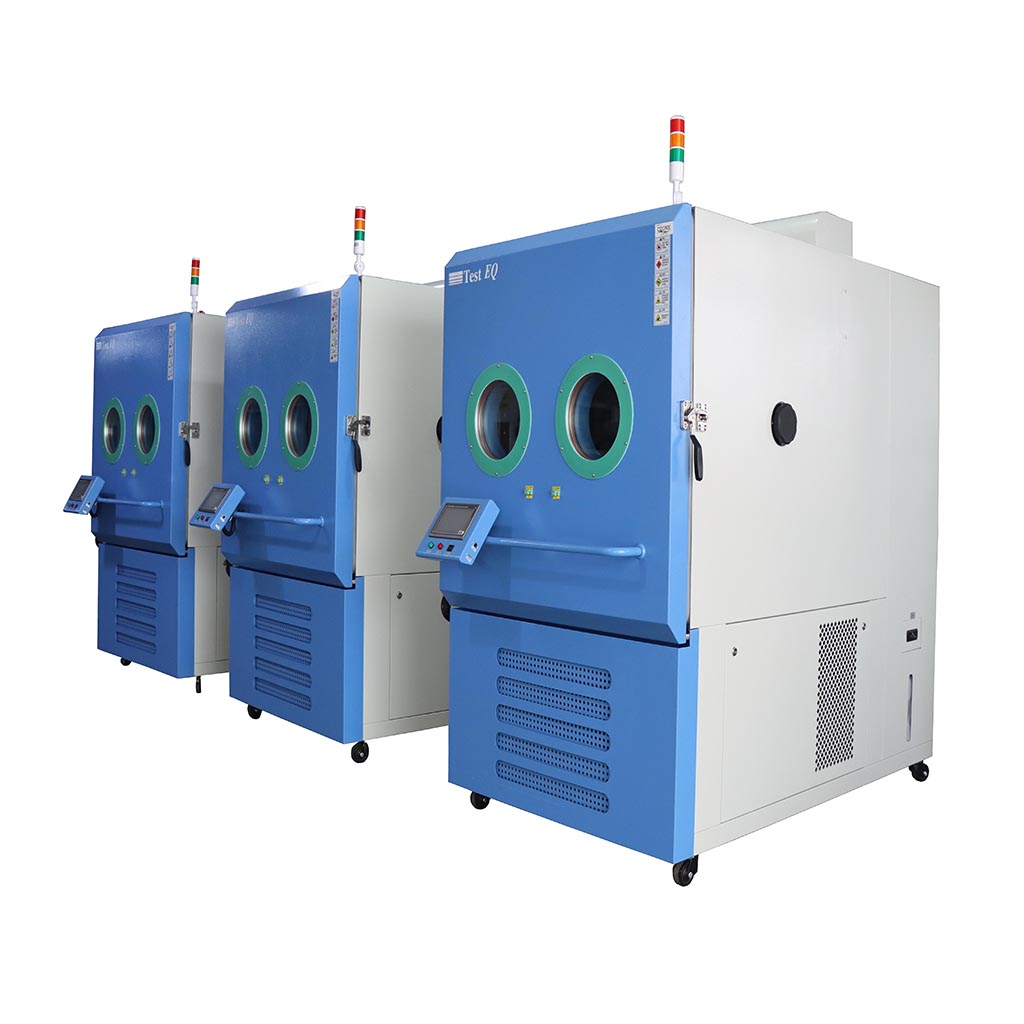
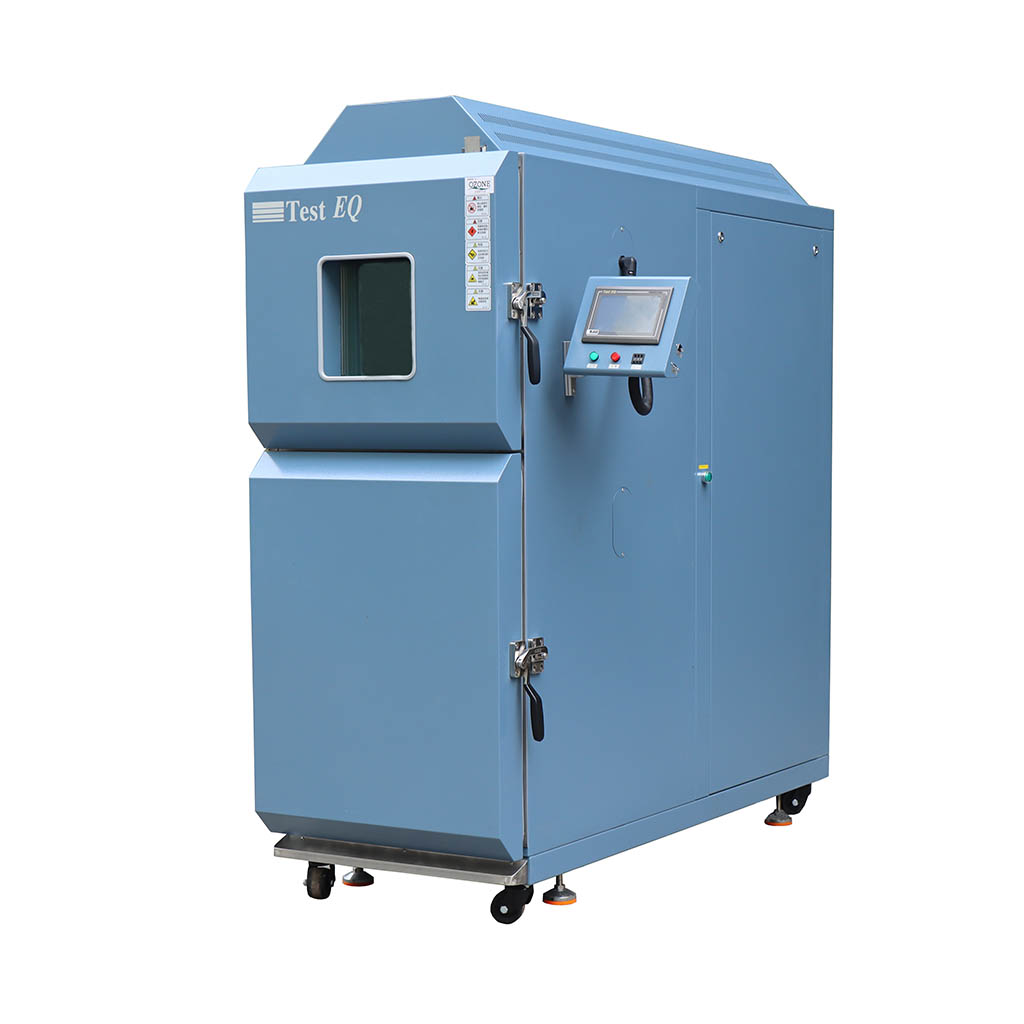
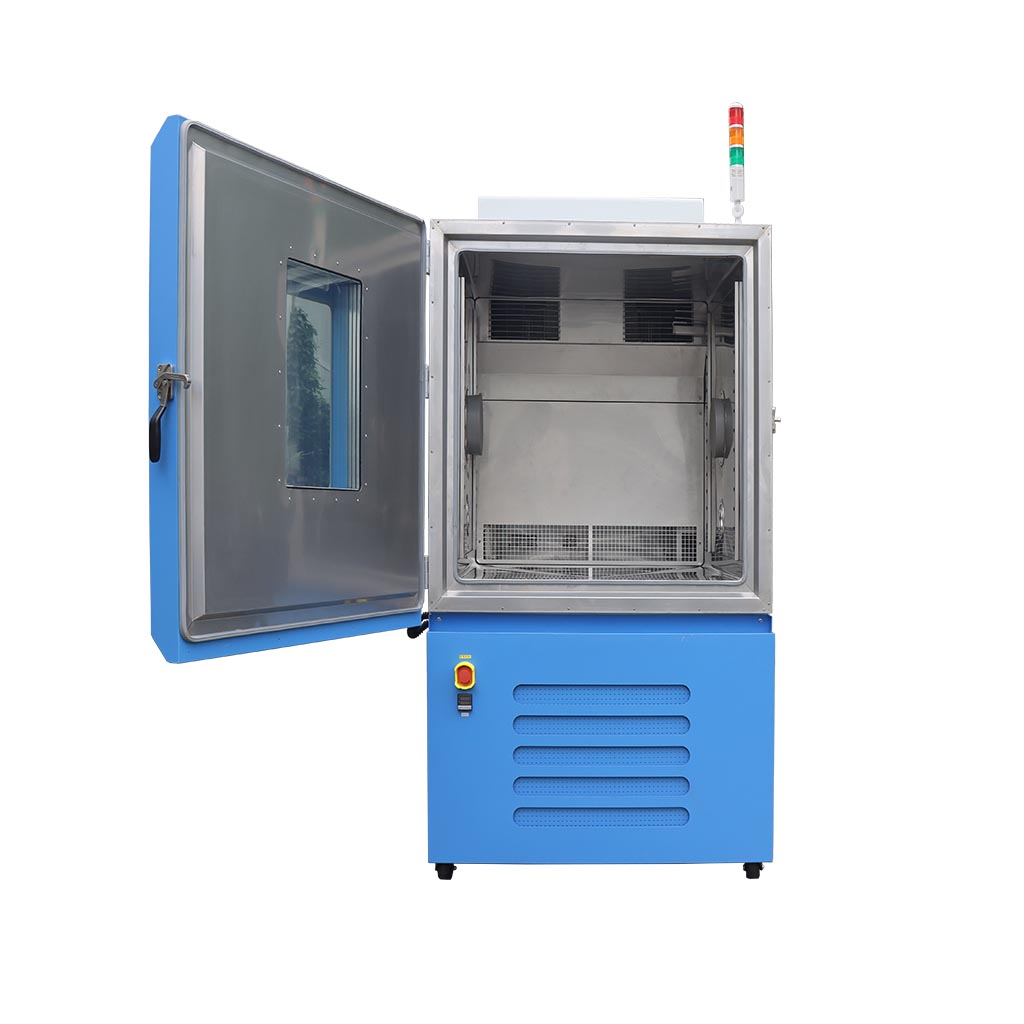
TestEQ designs and manufactures advanced environmental test chambers and reliability testing systems for validating product performance under extreme temperature, humidity, thermal shock, vibration and altitude conditions.
Our customized environmental simulation solutions support aerospace, automotive, semiconductor, EV battery and electronics industries, with compliance to international standards including IEC 60068, MIL-STD-810 and JESD22.
What Is an Environmental Test Chamber?
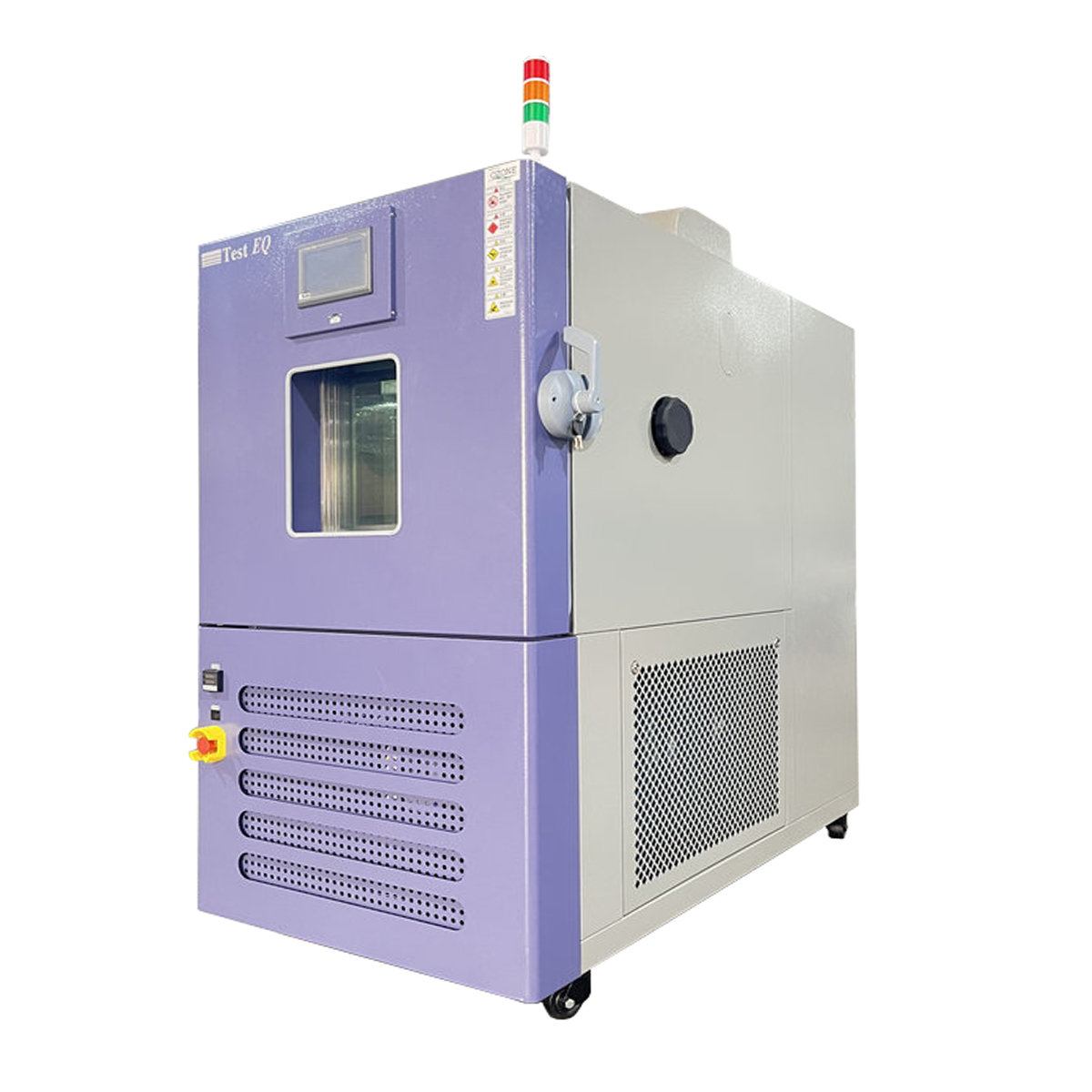
An environmental test chamber is a controlled laboratory system used to simulate specific environmental conditions and evaluate how products perform throughout their expected lifecycle.
By precisely controlling temperature, humidity, pressure and environmental cycling profiles, engineers can analyze product durability, verify design reliability and identify potential failure risks before mass production.
Precision Environmental Simulation for Reliable Product Testing:
TestEQ Environmental Chambers are engineered to simulate extreme temperature and humidity conditions with high accuracy and stability. Designed for industries requiring strict reliability validation, our systems ensure consistent testing performance while reducing operational costs.
✔ Temperature Range: -70°C to +180°C
✔ Humidity Range: 5% to 98% RH
✔ Temperature Stability: ±0.5°C
✔ Uniformity: ≤ 2.0°C
✔ Energy Saving: Up to 49% lower consumption
These chambers are essential for industries like:
• Electronics & Semiconductors
• Automotive & EV Batteries
• Aerospace & Defense
• Pharmaceuticals & Medical Devices
Environmental Test Chamber vs Climatic Chamber
| Comparison | Environmental Test Chamber | Climatic Chamber |
|---|
| Main Purpose | Simulate multiple environmental stresses for reliability validation | Simulate temperature and humidity conditions |
| Testing Parameters | Temperature, humidity, thermal cycling, altitude, pressure, combined stresses | Mainly temperature and humidity |
| Application Focus | Reliability testing, qualification testing, accelerated life testing | Climate simulation and environmental conditioning |
| Testing Complexity | Higher flexibility with customized configurations | Generally focused on climate control |
| Typical Industries | Aerospace, automotive, EV battery, semiconductor, defense | Electronics, laboratories, pharmaceuticals, material testing |
| Supported Standards | IEC 60068, MIL-STD-810H, ISO 16750, JESD22 | IEC 60068, ASTM, pharmaceutical stability standards |
| Chamber Types | Temperature chamber, humidity chamber, thermal shock chamber, altitude chamber, ESS chamber | Temperature humidity chamber / climate chamber |
| Customization | High customization for special test requirements | Usually focused on standard climate profiles |
Why Choose TestEQ Environmental Chambers?
1. Advanced Thermal Control Technology
Our proprietary Cold-Hot Balance Technology ensures precise heat management, minimizing energy waste and improving temperature accuracy.
2. High Efficiency & Energy Saving
Compared to traditional systems, TestEQ chambers reduce energy consumption by up to 49%, lowering long-term operating costs.
3. Stable & Reliable Performance
• Temperature fluctuation ≤ ±0.5°C
• Humidity deviation ≤ ±2.5% RH
• Long-term continuous operation capability
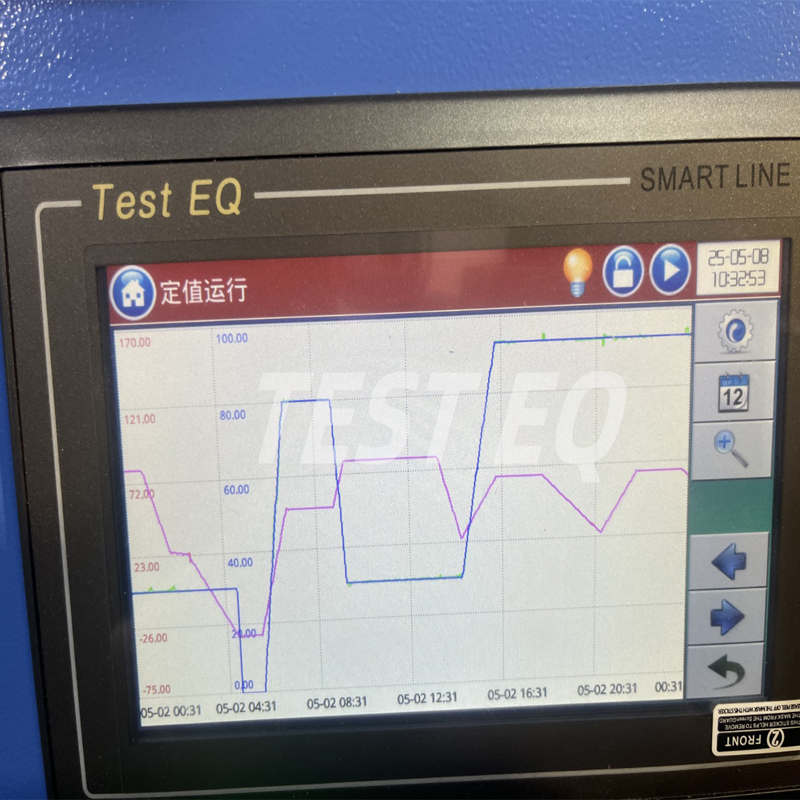
4. Intelligent Monitoring System (3.0)
• Real-time data tracking
• Remote monitoring
• Fault diagnosis & alerts
5. Custom Engineering Capability
• Low humidity chambers (down to 3% RH)
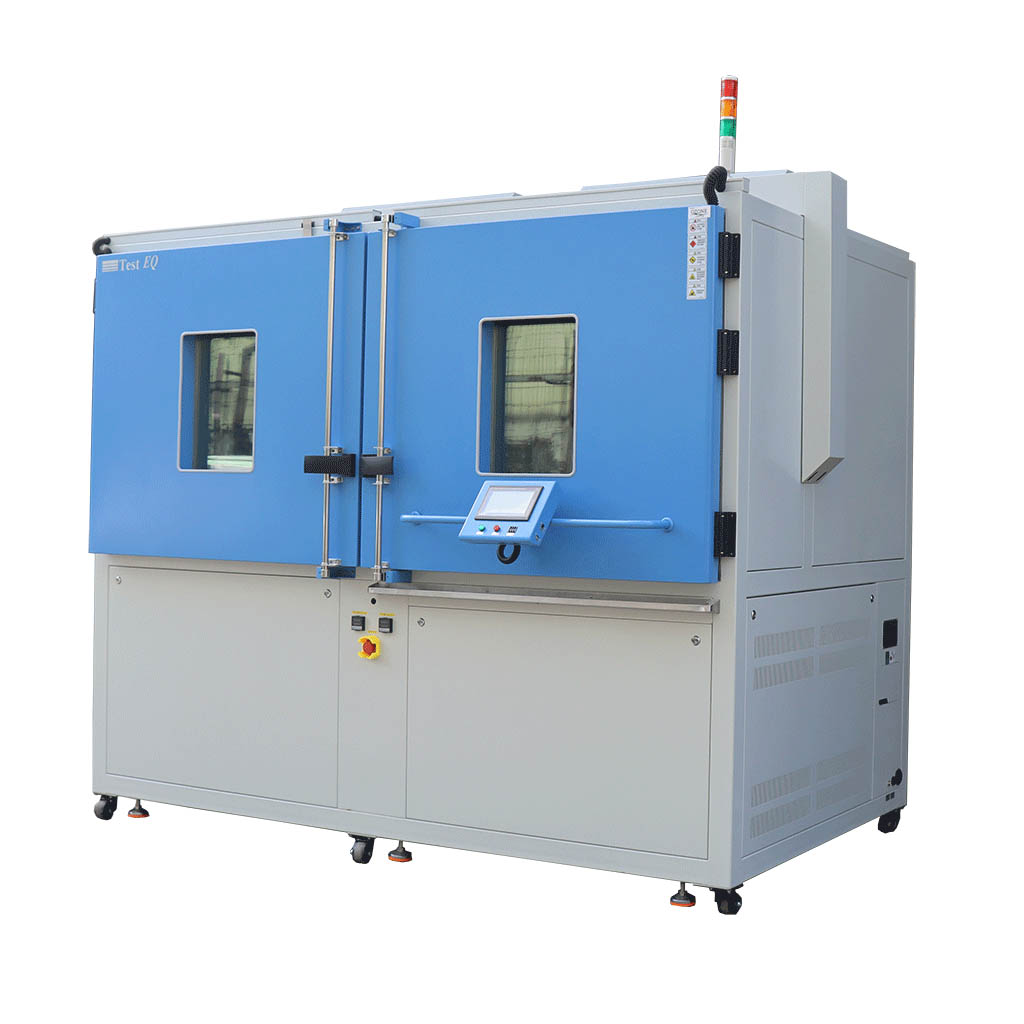
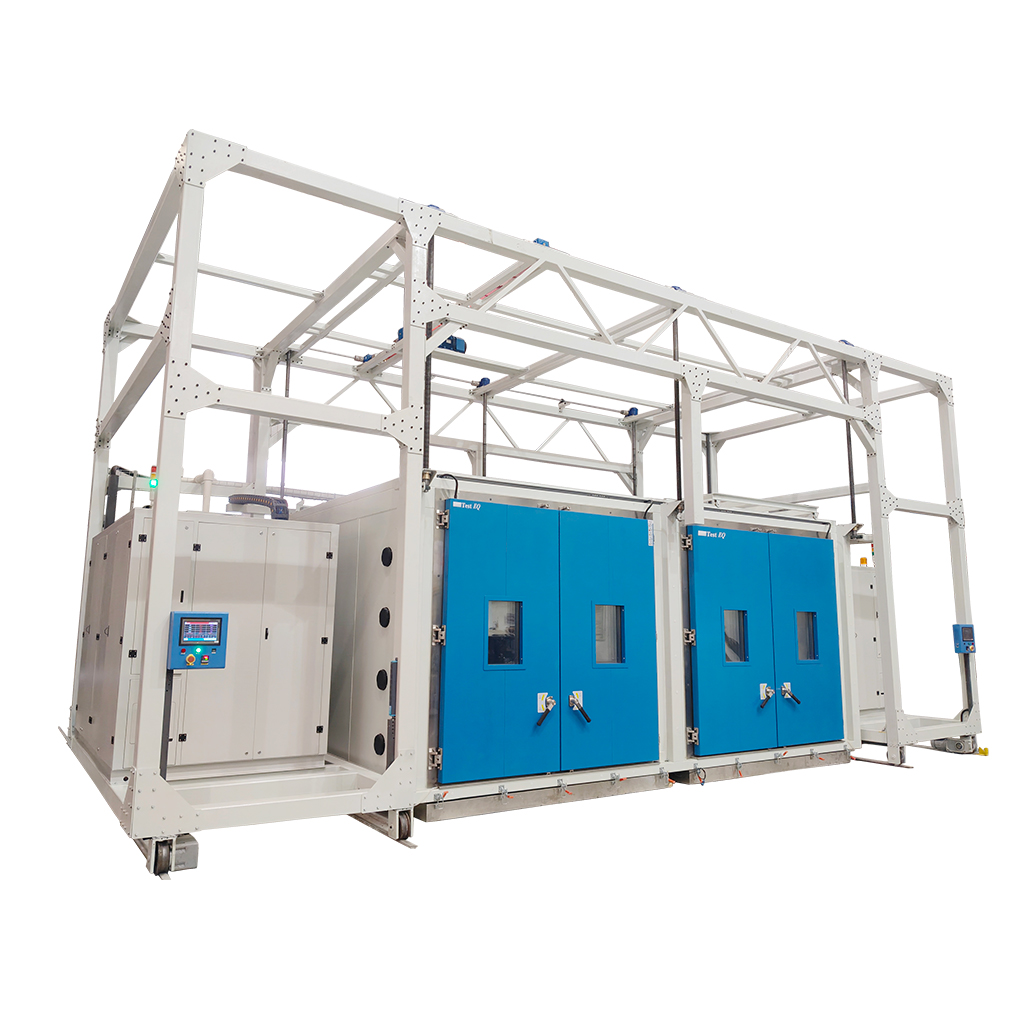
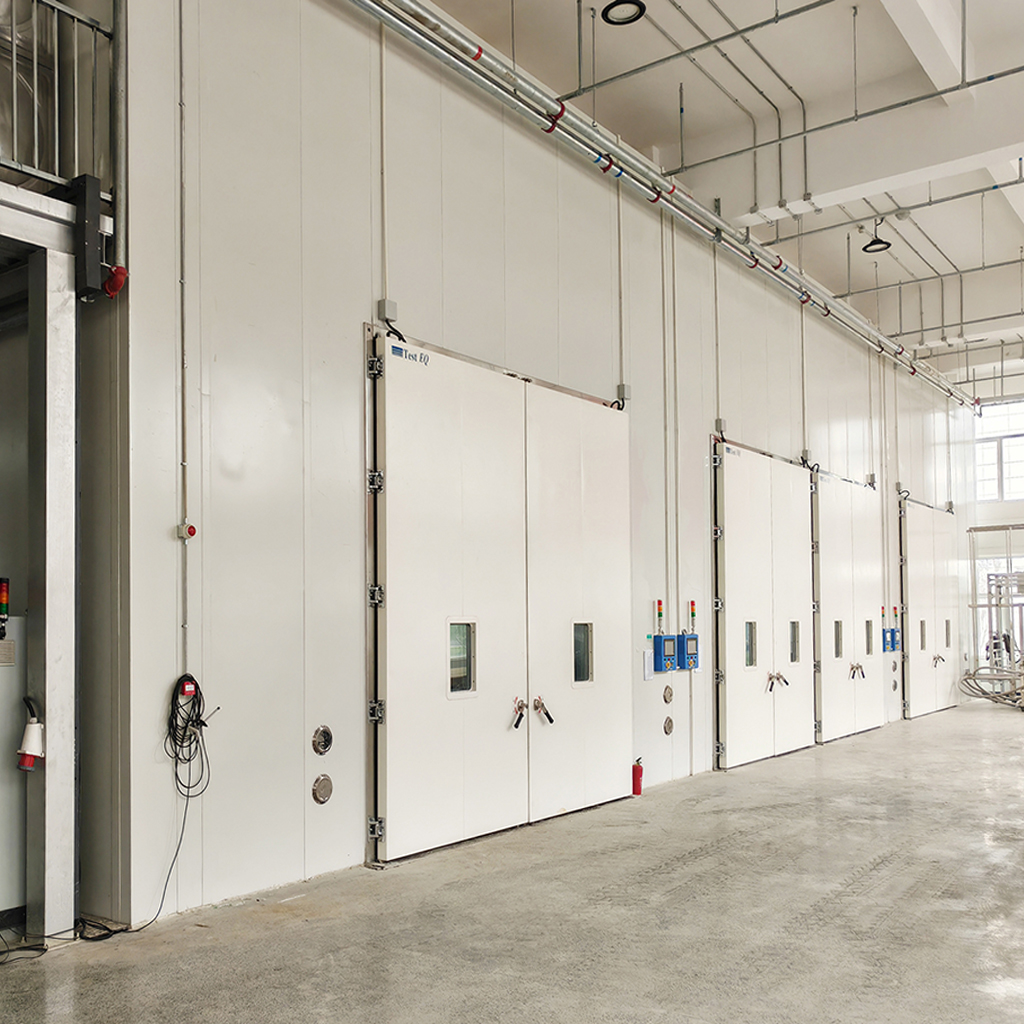
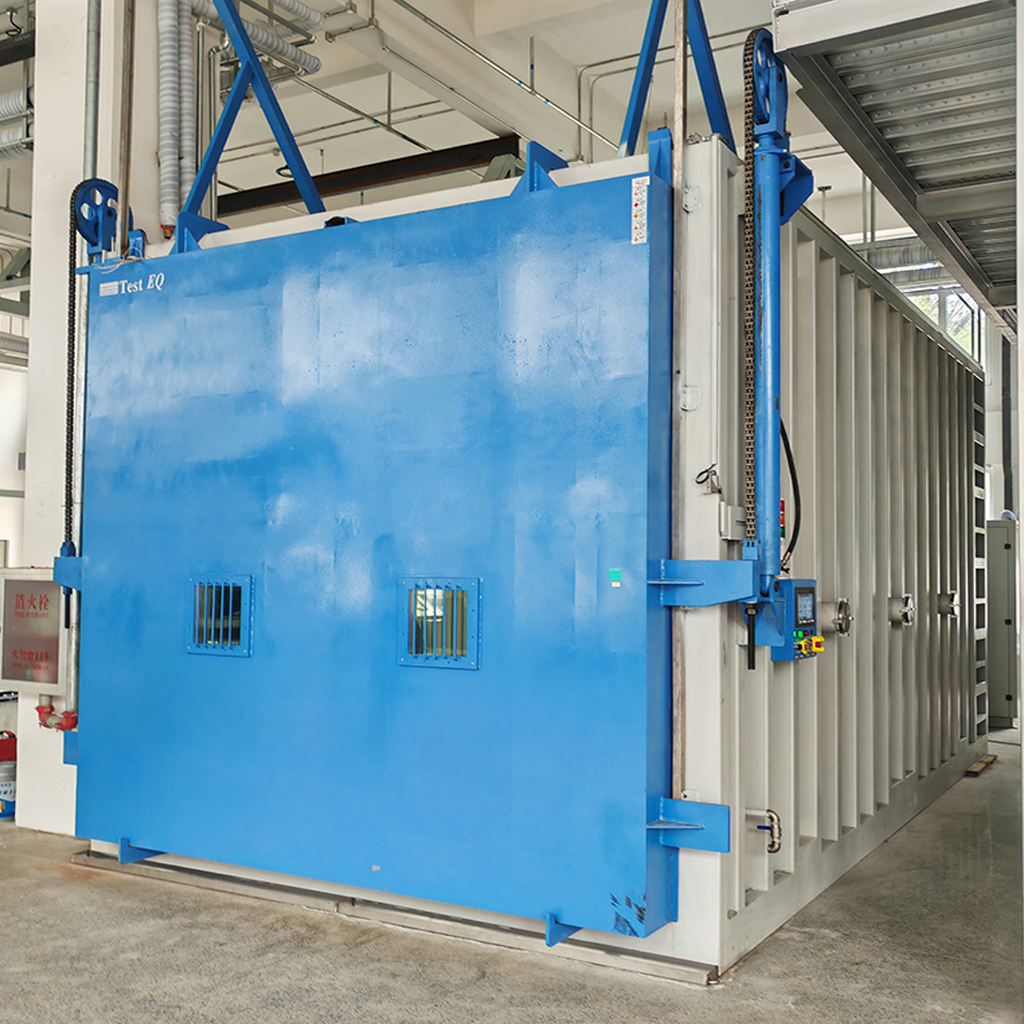
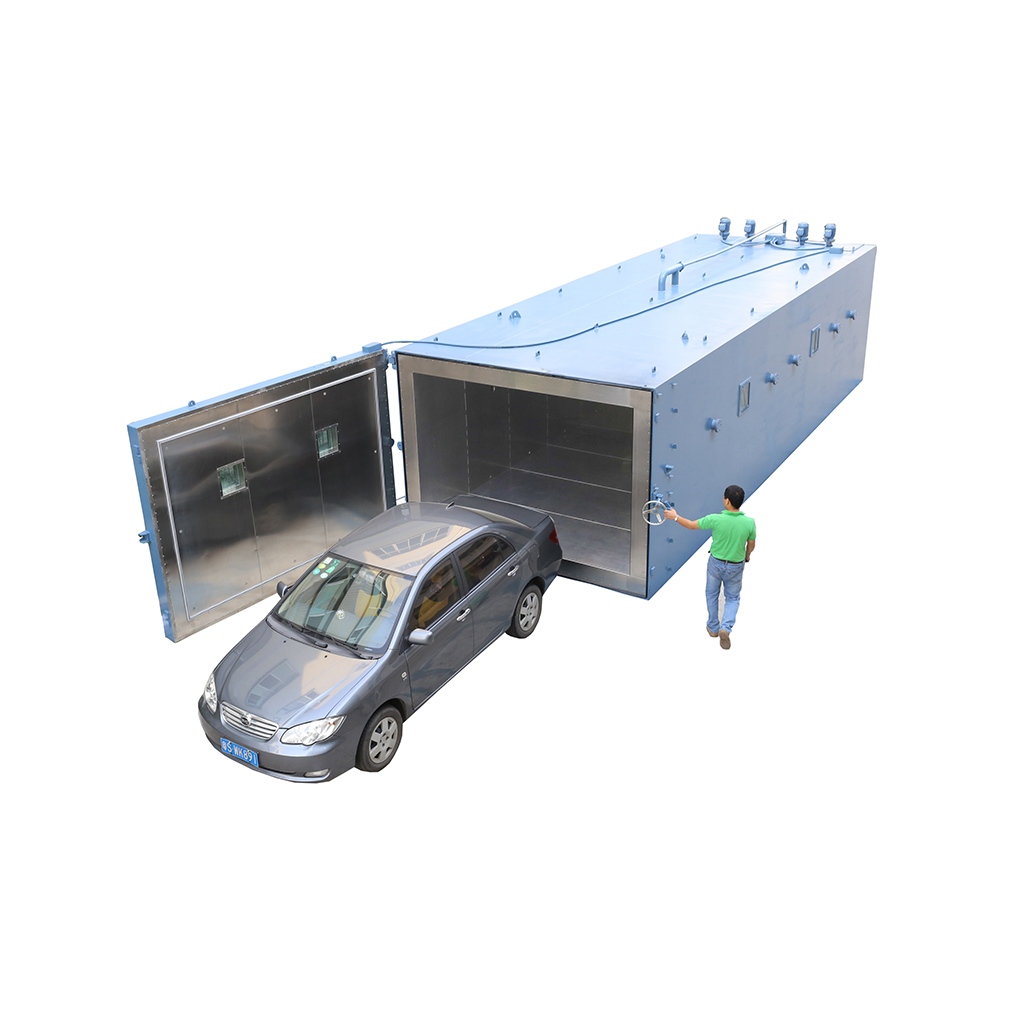
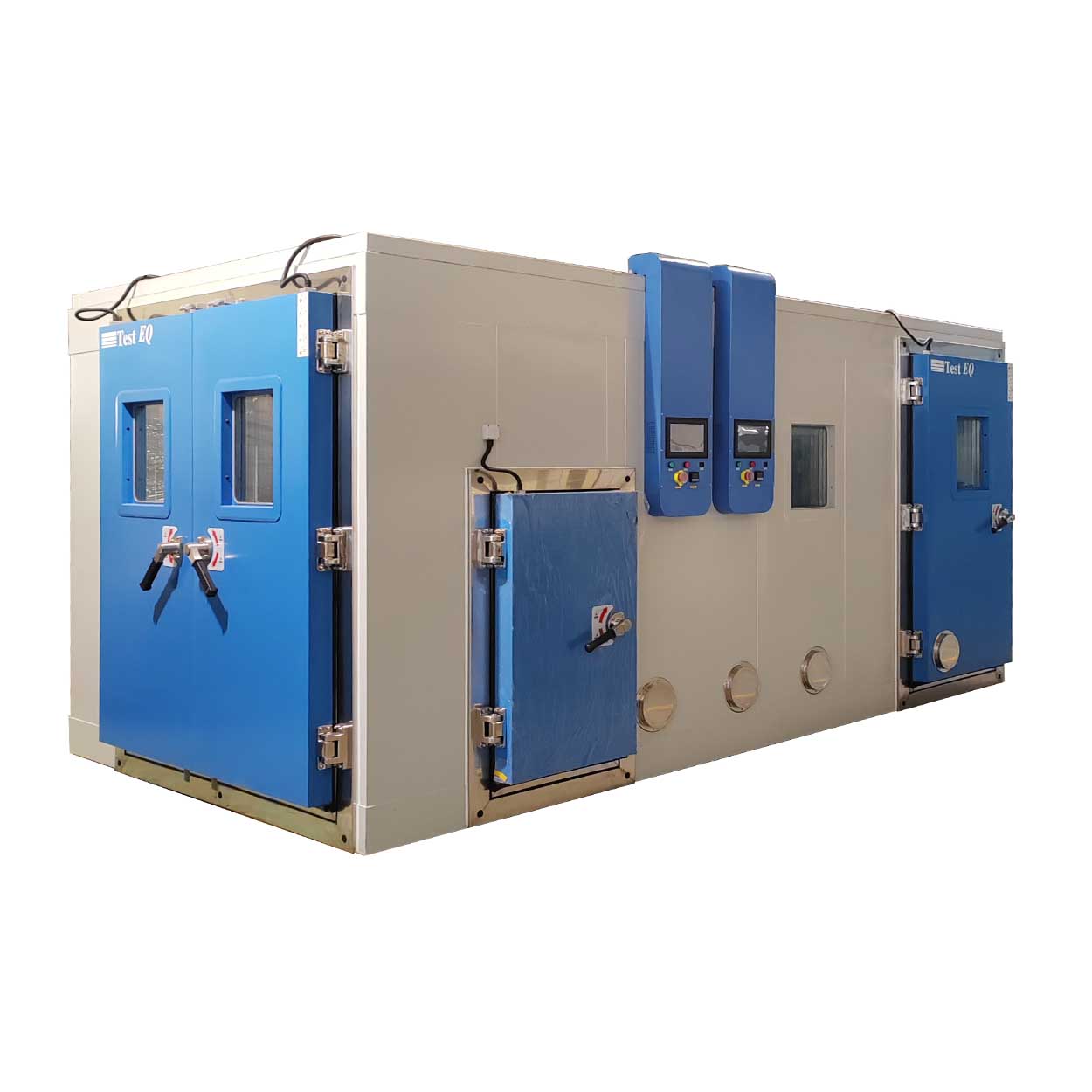
• Walk-in environmental chambers
• Multi-factor testing (Temp + Humidity + Vibration)
Environmental Chamber Applications
Aerospace
MIL-STD-810H testing
Automotive
ISO 16750 / battery reliability
Semiconductor
JESD22 reliability testing
Electronics
Temperature cycling and humidity testing
Energy Storage
Battery environmental simulation
Why Global Labs Choose TestEQ:
• 30% lower total cost of ownership (TCO)
• 2-year warranty + lifetime support
• Global spare parts availability
• Fast delivery & customization
• Trusted by industrial laboratories worldwide
International Standards Compliance
TestEQ Environmental Chambers comply with:
IEC 60068 Environmental Testing Standard
MIL-STD-810H Environmental Testing
JESD22 Reliability Testing
ISO 16750 Automotive Environmental Testing
AEC-Q100 Automotive IC qualification
RTCA DO-160 Aerospace equipment testing
FAQ:
1. What is an Environmental Chamber used for?
An Environmental Chamber is used to simulate temperature and humidity conditions in a controlled space. It helps test how products perform in extreme environments such as high temperature, low temperature, or high humidity. It is widely used for reliability and life cycle testing of industrial products.
2. What industries use Environmental Test Chambers?
Environmental Chambers are commonly used in electronics, automotive, aerospace, battery, and medical industries. They help engineers verify product durability, stability, and safety under real-world environmental conditions before mass production.
3. What temperature and humidity range does the chamber support?
Most Environmental Chambers support a wide temperature range from -70°C to +180°C and humidity control from 5% to 98% RH. This allows users to simulate extreme climatic conditions for accelerated testing and product validation.
4. What tests can be done inside an Environmental Chamber?
Typical tests include temperature cycling, humidity testing, thermal stability testing, aging tests, and material durability tests. These tests help identify product weaknesses and improve long-term reliability.
5. How does an Environmental Chamber improve product reliability?
By simulating real environmental stress such as heat, cold, and moisture, the chamber helps manufacturers detect potential failures early. This reduces product risk, improves quality control, and ensures compliance with international testing standards like IEC, ISO, and MIL-STD.
6. How do I choose the right Environmental Chamber for my application?
Choosing the right Environmental Chamber depends on several factors, including test standards, temperature range, humidity requirements, chamber size, test cycles, and product application.
Engineers should consider testing requirements such as IEC 60068, MIL-STD-810, ISO 16750, or JESD22, as well as the required temperature change rate, sample dimensions, and reliability objectives.
TestEQ provides customized Environmental Chamber solutions based on different industries and testing requirements.
7.What standards do Environmental Test Chambers comply with?
Environmental Test Chambers are commonly used for testing according to international standards such as IEC 60068, MIL-STD-810H, ISO 16750, and JESD22.
These standards define environmental stress conditions including temperature, humidity, thermal cycling, altitude, and reliability testing methods for different industries.
TestEQ designs environmental simulation systems to support testing requirements across aerospace, automotive, semiconductor, and battery applications.
8. What is the difference between an Environmental Chamber and a Temperature Humidity Chamber?
An Environmental Chamber is a general term for equipment that simulates environmental conditions such as temperature, humidity, altitude, and thermal cycling.
A Temperature Humidity Chamber is a specific type of Environmental Chamber designed mainly for controlling temperature and humidity conditions.
For applications requiring only climatic testing, a temperature humidity chamber may be suitable. For more complex reliability tests involving thermal shock, altitude, or combined environmental conditions, a customized environmental chamber system may be required.
Internal Linking Module
Recommended Equipment
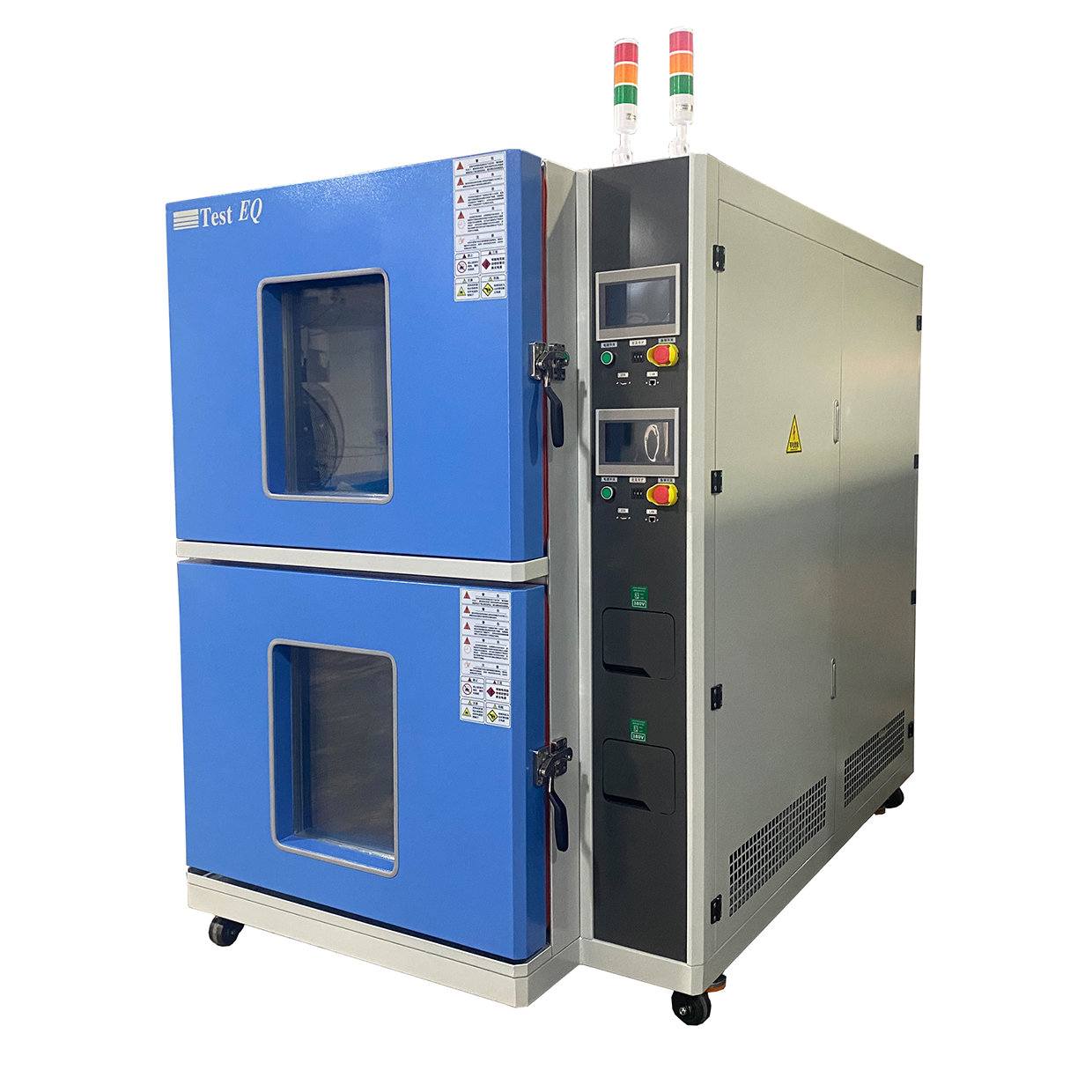
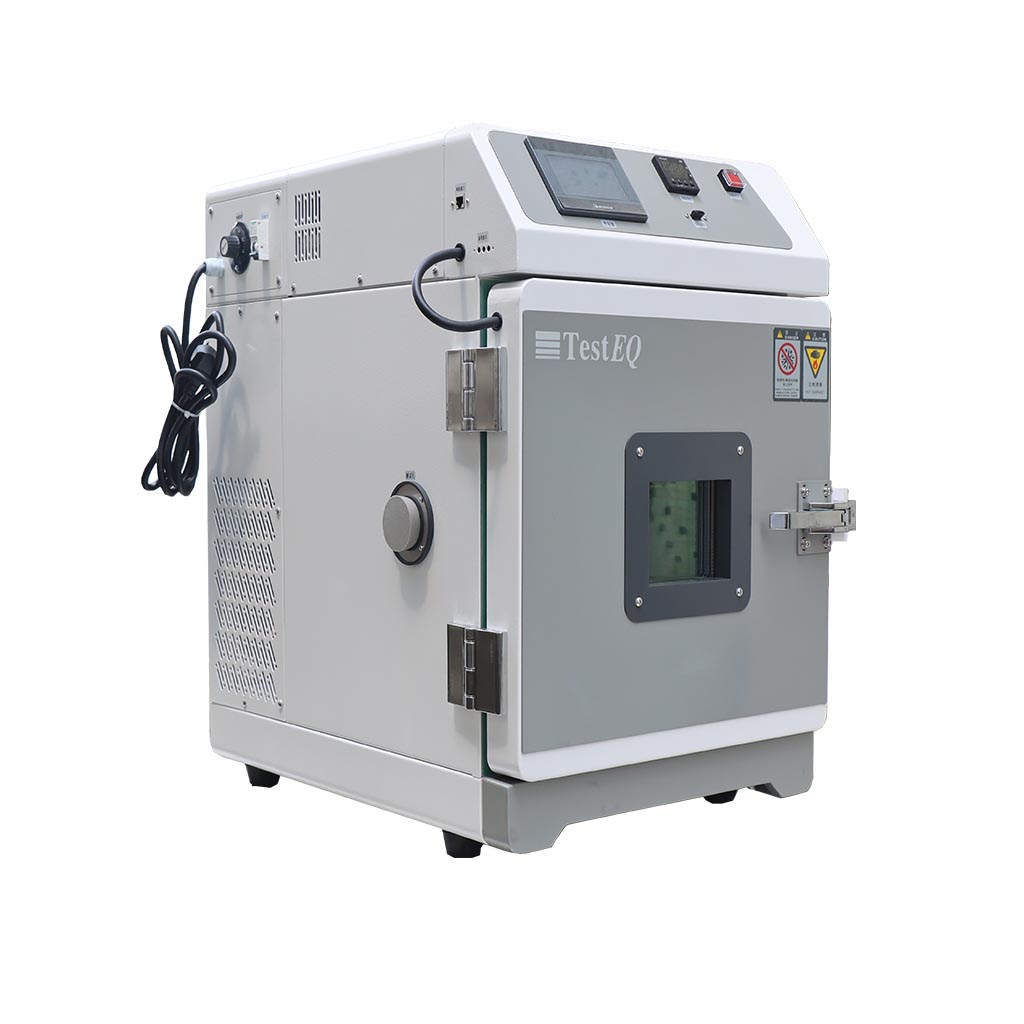
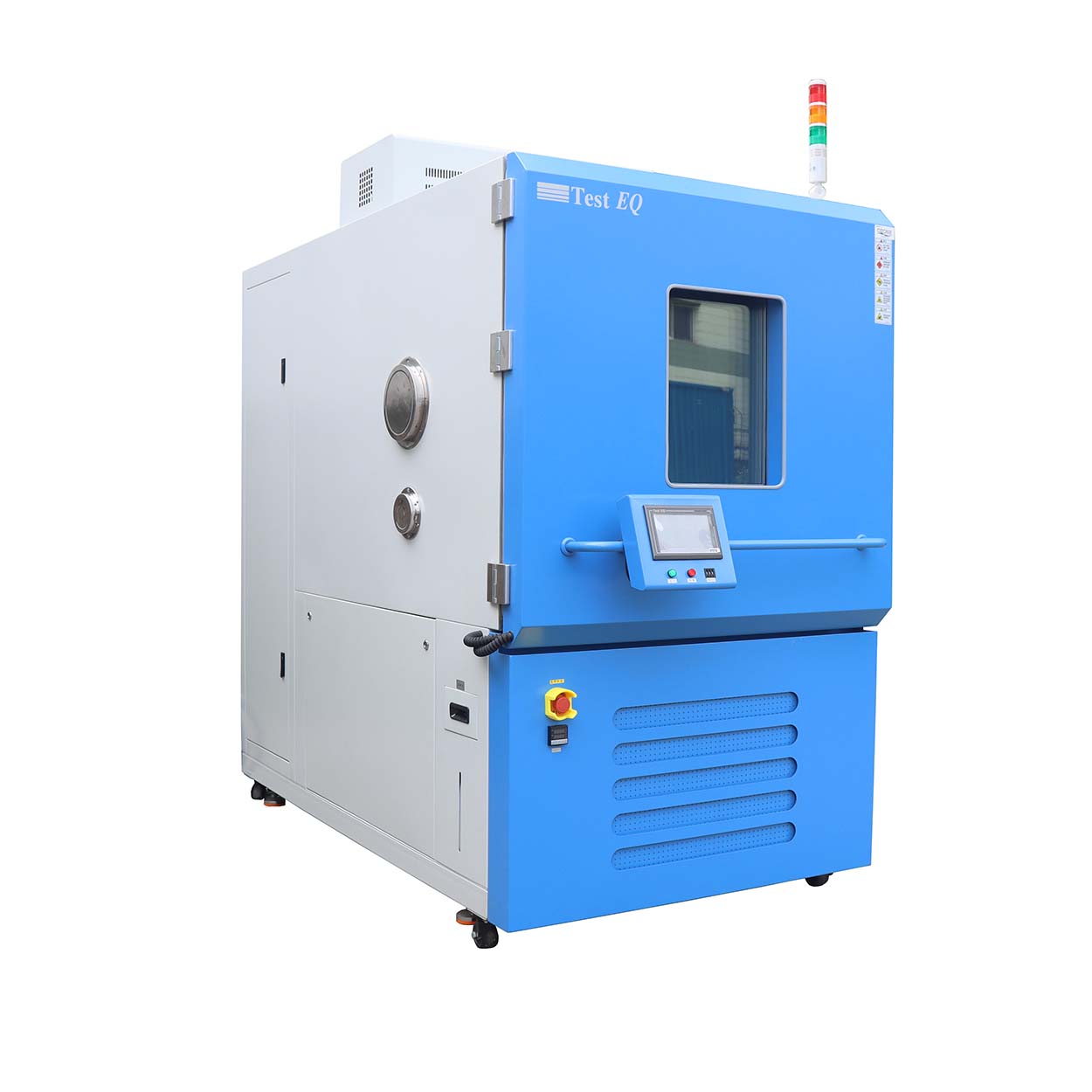
Ideal for laboratory testing, R&D validation, and small-sample environmental simulation where space efficiency and precise temperature-humidity control are required.
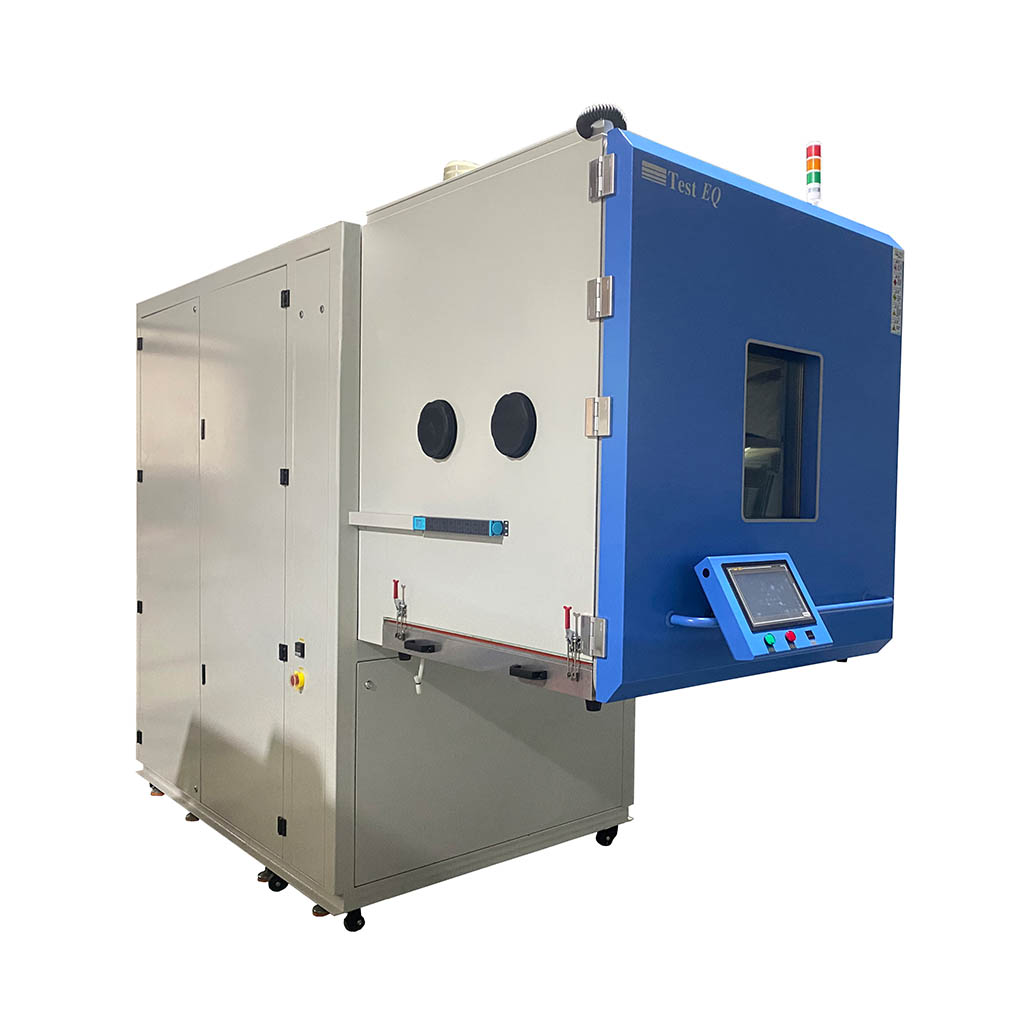
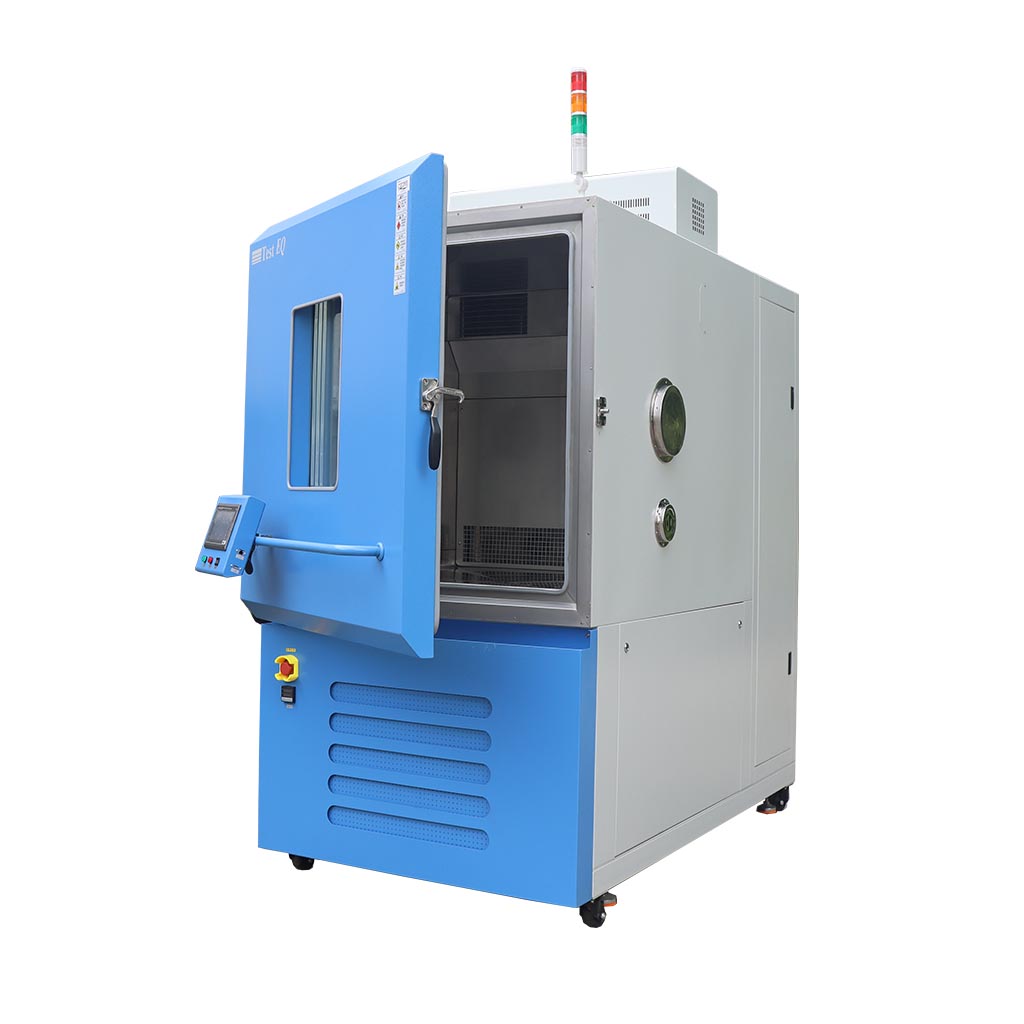
Designed for long-term climatic testing, accelerated aging, and environmental reliability verification for electronics, automotive, and industrial products.
Related Testing Standards
Military-grade environmental testing standard covering temperature, humidity, vibration, shock, and altitude simulation for reliability validation.
International environmental testing standard defining methods and chamber performance requirements for temperature and humidity testing.
Technical Resources
Learn how to select the proper temperature change rate (ramp rate) for environmental test chambers based on test standards, product type, and reliability requirements.
Understand how ESS testing identifies latent manufacturing defects and improves product reliability before shipment.




.jpg)