What Is an ESS Chamber?
An ESS Chamber (Environmental Stress Screening Chamber) is a reliability screening system designed to detect manufacturing defects and early-life failures by applying rapid environmental stress.
ESS testing usually combines:
Rapid temperature cycling
Thermal shock stress
Humidity stress
Vibration integration (optional)
Electrical functional monitoring
The purpose of ESS testing is not to measure product lifetime, but to identify weak components that may fail during early operation.
Typical applications include:
Automotive electronic modules
EV battery components
PCB assemblies
Semiconductor devices
Aerospace electronics
Communication equipment
How ESS Testing Works
During ESS testing, products are exposed to repeated environmental changes.
For example:
High temperature → low temperature transition
Thermal cycling
Humidity exposure
Functional monitoring
The rapid environmental change creates mechanical and electrical stress, allowing hidden defects such as:
solder joint cracks
component defects
material expansion mismatch
assembly weaknesses
to appear earlier.
What Is a Burn-in Chamber?
A Burn-in Chamber is a reliability testing system mainly used to evaluate product stability under continuous operating conditions.
Burn-in testing applies:
Elevated temperature
Electrical load
Continuous operation time
Controlled environmental conditions
The objective is to accelerate aging and identify components that may fail during long-term usage.
Common applications:
Semiconductor IC testing
Power electronics
LED components
Automotive chips
Electronic modules
How Burn-in Testing Works
Products operate inside a controlled chamber for an extended period.
Typical conditions include:
High temperature exposure
Constant electrical power
Long duration operation
Burn-in testing helps identify:
infant mortality failures
component degradation
electrical instability
early product reliability issues
ESS Chamber vs Burn-in Chamber: Main Differences
| Comparison | ESS Chamber | Burn-in Chamber |
|---|---|---|
| Main Purpose | Detect manufacturing defects | Verify long-term reliability |
| Testing Method | Environmental stress cycling | Continuous stress operation |
| Main Stress | Temperature/humidity cycling | Temperature + electrical load |
| Testing Duration | Shorter screening cycles | Longer operation periods |
| Failure Detection | Early defects | Aging-related failures |
| Typical Users | Manufacturing QA, reliability engineers | Semiconductor and electronics manufacturers |
| Application Stage | Production screening | Reliability qualification |
ESS Chamber vs Burn-in Chamber: Which One Should You Choose?
The correct choice depends on your reliability testing objective.
Choose an ESS Chamber When:
You need to:
✓ Detect hidden manufacturing defects
✓ Improve production quality control
✓ Screen large quantities of products
✓ Reduce field failures
✓ Perform environmental stress testing
Typical industries:
Automotive electronics
EV battery systems
Aerospace equipment
Communication products
Choose a Burn-in Chamber When:
You need to:
✓ Evaluate long-term product stability
✓ Perform semiconductor reliability testing
✓ Accelerate product aging
✓ Verify operational lifetime
Typical industries:
Semiconductor manufacturing
IC testing laboratories
Power electronics
Can ESS and Burn-in Testing Be Used Together?
Yes.
Many advanced manufacturers combine both methods as part of a complete reliability verification strategy.
A typical reliability process may include:
1. Environmental Stress Screening (ESS)
↓
2. Burn-in Testing
↓
3. Reliability Qualification
↓
4. Mass Production Release
This approach helps manufacturers identify both:
manufacturing defects
long-term reliability risks
Standards Related to ESS and Burn-in Testing
Depending on the application, ESS and burn-in testing may follow different industry standards.
Common standards include:
IEC 60068 Environmental Testing Standards
Used for:
temperature cycling
environmental stress testing
climatic testing
JEDEC Reliability Standards
Common in semiconductor reliability testing:
JESD22 series
IC temperature stress testing
MIL-STD-810 Environmental Testing
Used for:
aerospace
defense
military electronic equipment
AEC-Q100 Automotive Reliability Testing
Used for:
automotive semiconductor components
vehicle electronics
Why Choose TestEQ ESS Testing Solutions?
TestEQ specializes in environmental reliability testing systems for global industries.
Our ESS Chamber solutions provide:
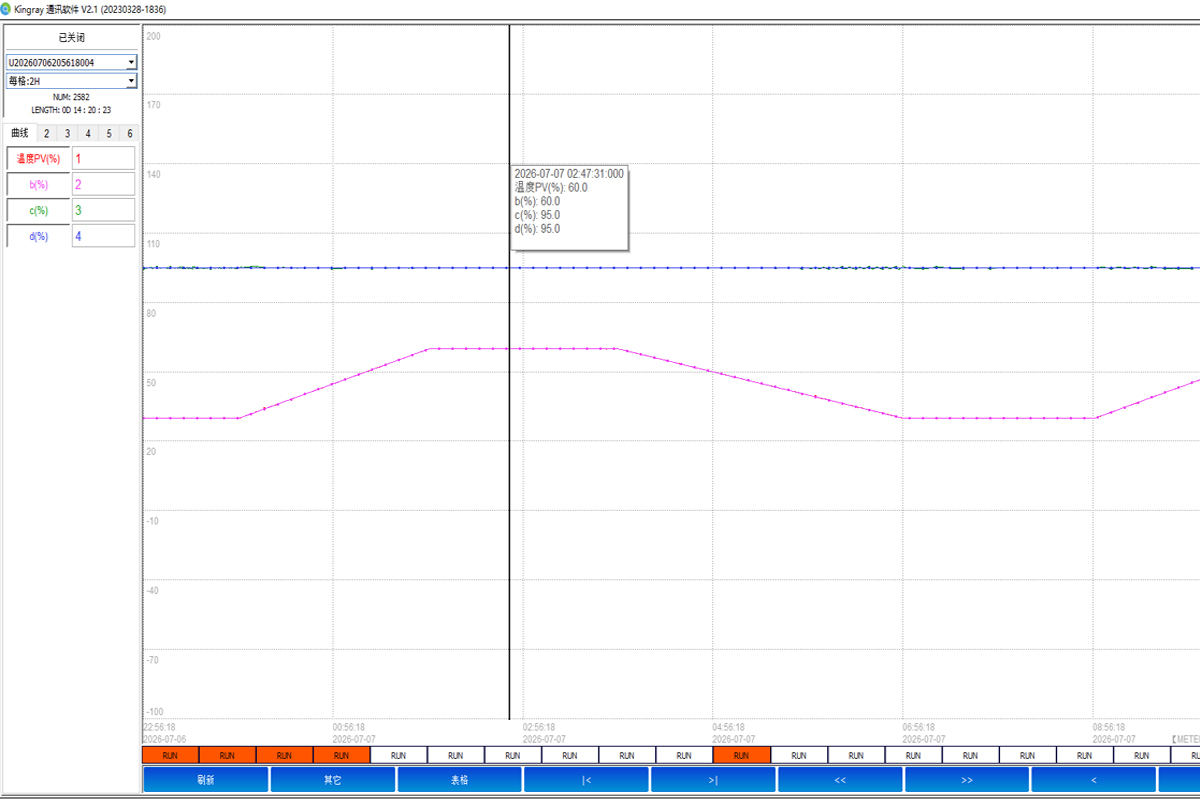
Advanced Temperature Cycling Performance
Designed for rapid environmental stress simulation with precise temperature control.
Engineering Customization
TestEQ supports customized solutions for:
semiconductor testing
EV battery reliability
automotive components
aerospace electronics
Complete Reliability Testing Ecosystem
From ESS screening to thermal cycling, humidity testing, and accelerated aging evaluation, TestEQ provides integrated environmental testing solutions.
Applications include:
Automotive
Semiconductor
Aerospace
Battery
Electronics
FAQ
1. What is the difference between ESS and burn-in testing?
ESS focuses on detecting early manufacturing defects through environmental stress cycling, while burn-in testing evaluates long-term reliability under continuous operating conditions.
2. Is ESS testing required for automotive electronics?
Yes. ESS testing is widely used in automotive electronics to improve reliability and reduce early failures caused by manufacturing defects.
3. Can an ESS Chamber replace a Burn-in Chamber?
Not completely. ESS and burn-in testing have different objectives. Many manufacturers use both methods together.
4. Which industries use ESS Chambers?
ESS Chambers are commonly used in automotive, EV battery, semiconductor, aerospace, telecom, and electronic manufacturing industries. 5. What products can be tested in an ESS Chamber?
An ESS Chamber can be used for testing a wide range of electronic and industrial products, including automotive electronic modules, EV battery components, semiconductor devices, PCBs, aerospace electronics, communication equipment, and industrial control systems.
By applying controlled temperature cycling and environmental stress, ESS testing helps manufacturers identify potential defects before products reach customers.
6. What temperature range is required for ESS testing?
The required temperature range depends on the product application and reliability test standard.
Typical ESS testing may involve rapid temperature transitions between high and low temperature conditions to create thermal stress. Advanced ESS Chambers from TestEQ can be customized according to customer requirements, including temperature range, ramp rate, humidity control, and test cycle parameters.
7. How long does an ESS test usually take?
ESS test duration depends on the product type, industry requirements, and screening objectives.
Compared with burn-in testing, ESS is usually a shorter screening process because it focuses on accelerating the discovery of early manufacturing defects rather than evaluating long-term product lifetime.
Test engineers typically define the test duration based on product reliability requirements, production volume, and applicable standards.
8. What factors should engineers consider when selecting an ESS Chamber?
When selecting an ESS Chamber, engineers and procurement teams should evaluate:
Temperature range and transition rate
Chamber working volume
Temperature uniformity and control accuracy
Product loading capacity
Data monitoring and traceability functions
Compliance with industry standards
Manufacturer experience and customization capability
Choosing the right ESS Chamber ensures reliable test results, improves production efficiency, and reduces product failure risks.
Internal Linking Module
Recommended Products
TestEQ ESS Chamber is designed for environmental stress screening by applying rapid temperature cycling and thermal stress to detect early product failures in electronics, automotive components, semiconductor devices, and battery systems.
Thermal Cycling Chamber simulates repeated high and low temperature changes to evaluate component durability, material reliability, and product performance under harsh environmental conditions.
TestEQ Rapid Temperature Change Chamber provides fast temperature transition capability for reliability verification of automotive electronics, semiconductor components, and advanced electronic products.
Related Standards
IEC 60068 defines international environmental testing methods including temperature cycling, humidity testing, vibration, and climatic stress evaluation for electronic products.
JESD22 provides semiconductor reliability testing procedures for temperature stress, moisture resistance, accelerated lifetime testing, and device qualification.
AEC-Q100 is widely used for automotive semiconductor qualification, covering temperature cycling, operating life, and reliability evaluation requirements for vehicle electronics.
Related Resources
This guide explains the differences between thermal cycling and temperature cycling tests, helping engineers select the correct reliability testing method for their products.
A practical selection guide covering temperature range, humidity control, testing standards, chamber size, and customization requirements for engineering projects.
Compare HAST and THB testing methods for semiconductor reliability evaluation, including test conditions, applications, and equipment selection considerations.
CTA:
Need the Right ESS Chamber Solution for Your Reliability Testing?
Selecting the correct reliability testing equipment is critical for improving product quality, reducing early failures, and accelerating product validation.
TestEQ provides customized ESS Chamber and environmental reliability testing solutions for:
Automotive electronics and EV battery systems
Semiconductor and IC reliability testing
Aerospace and defense electronic components
Industrial and communication equipment
With advanced temperature cycling technology, precise environmental control, and engineering customization capability, TestEQ helps global manufacturers build more reliable products.
Talk with TestEQ reliability testing engineers to evaluate your ESS testing requirements, chamber specifications, and customized solutions.