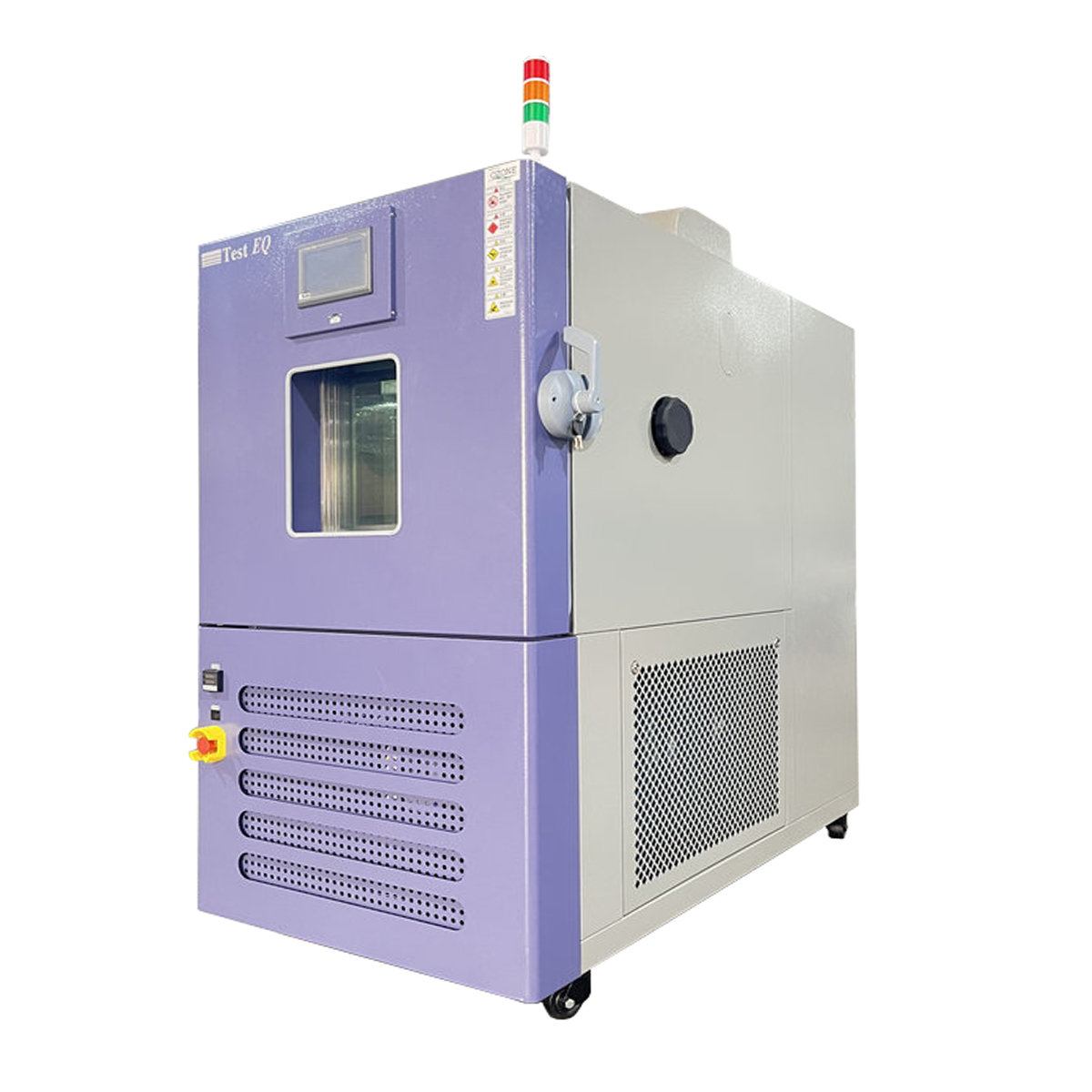
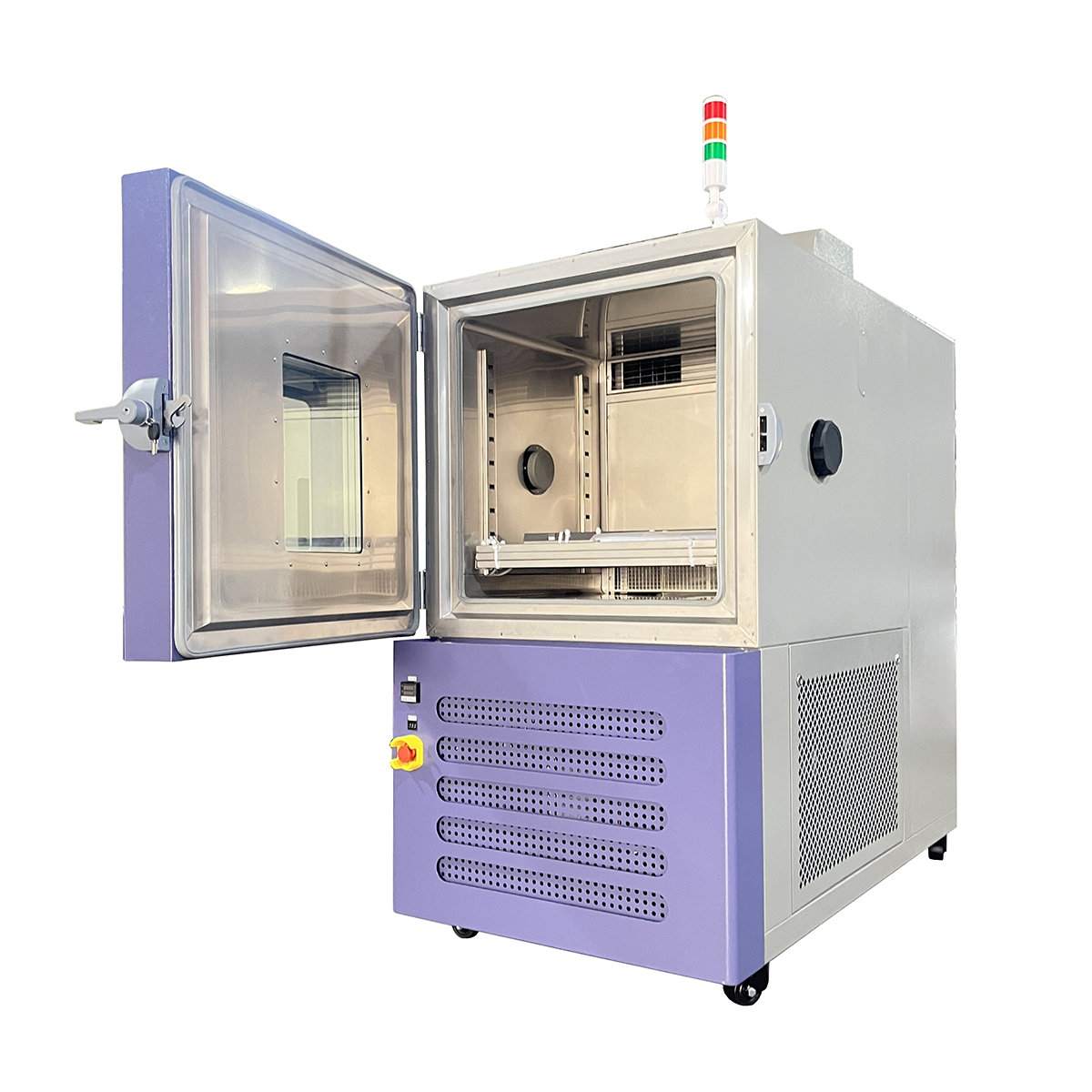
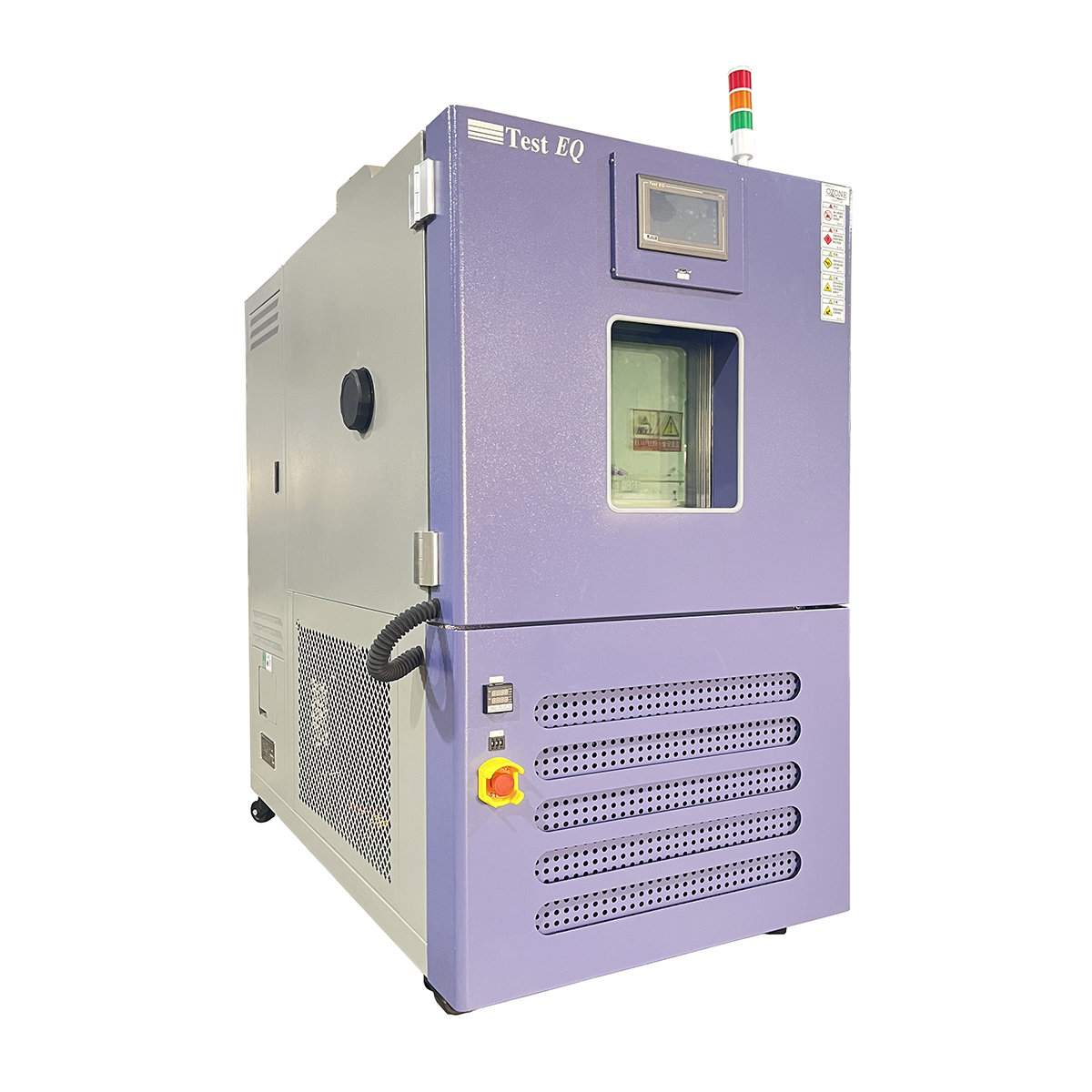
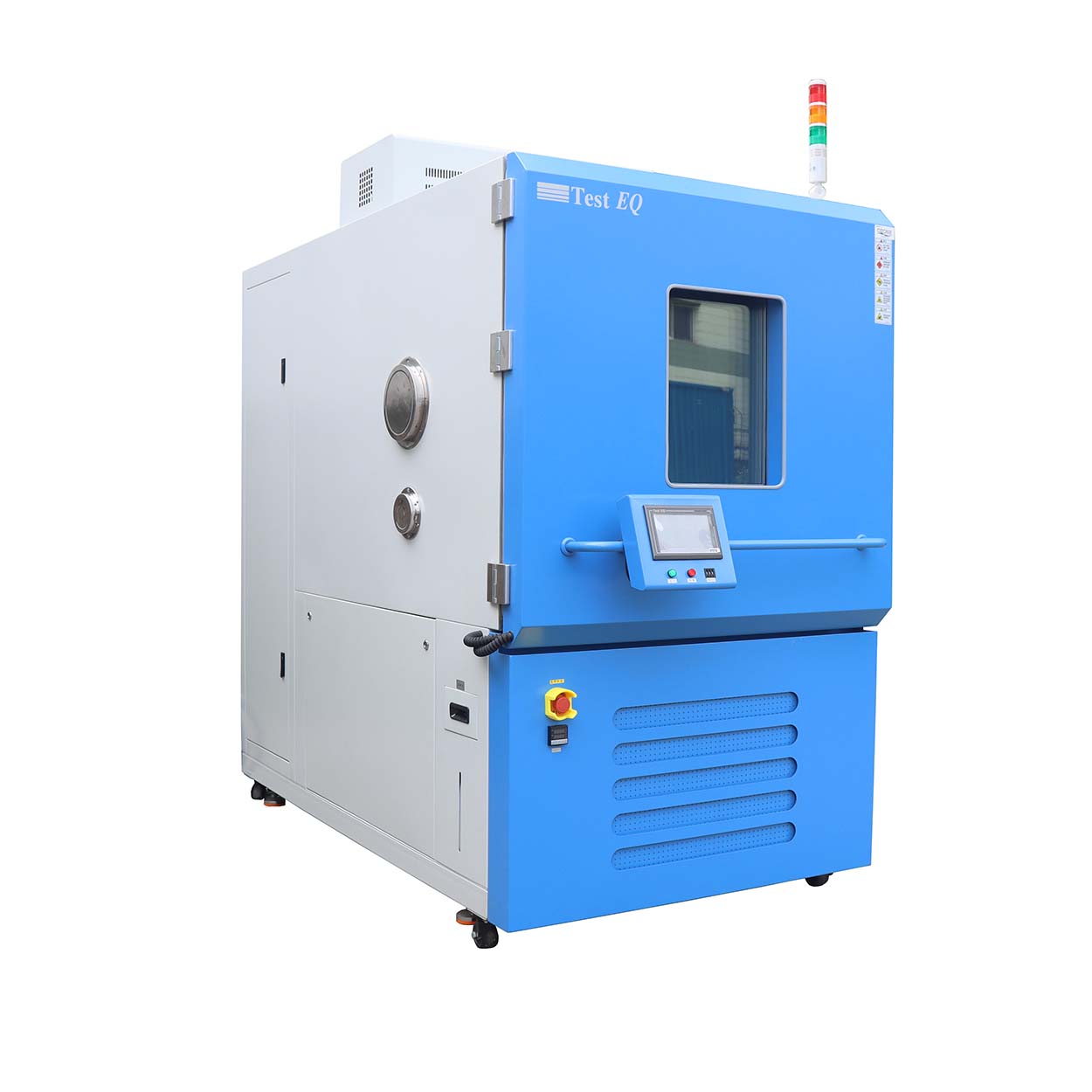
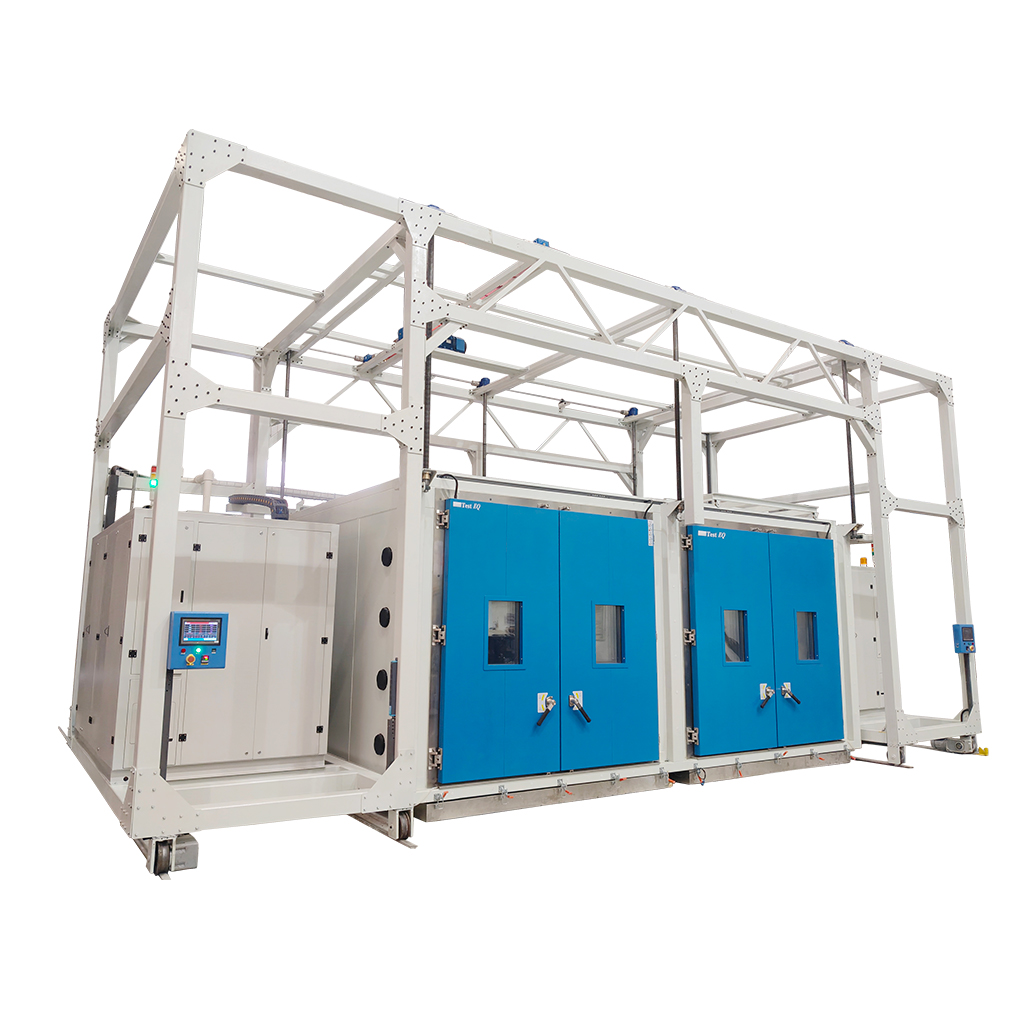
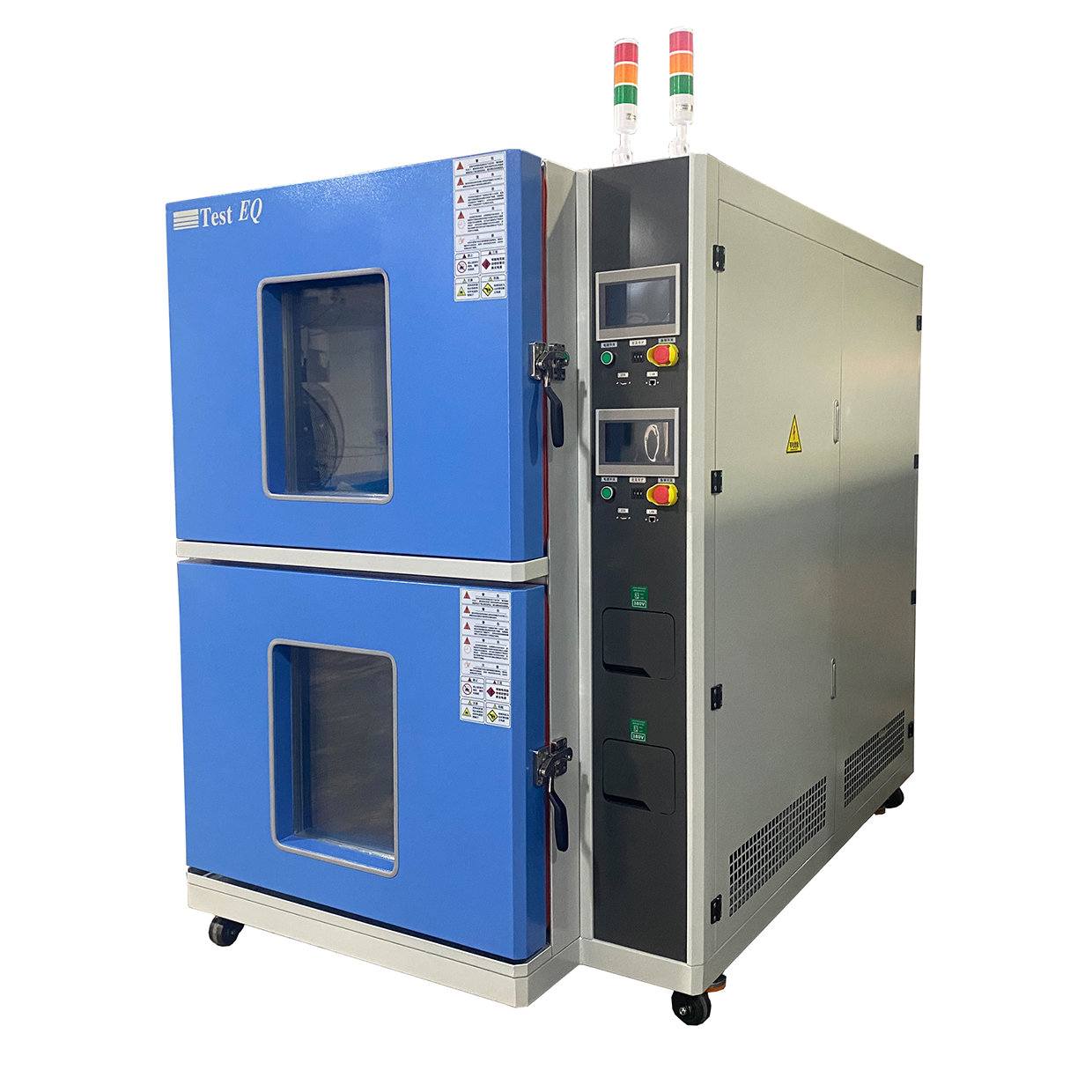
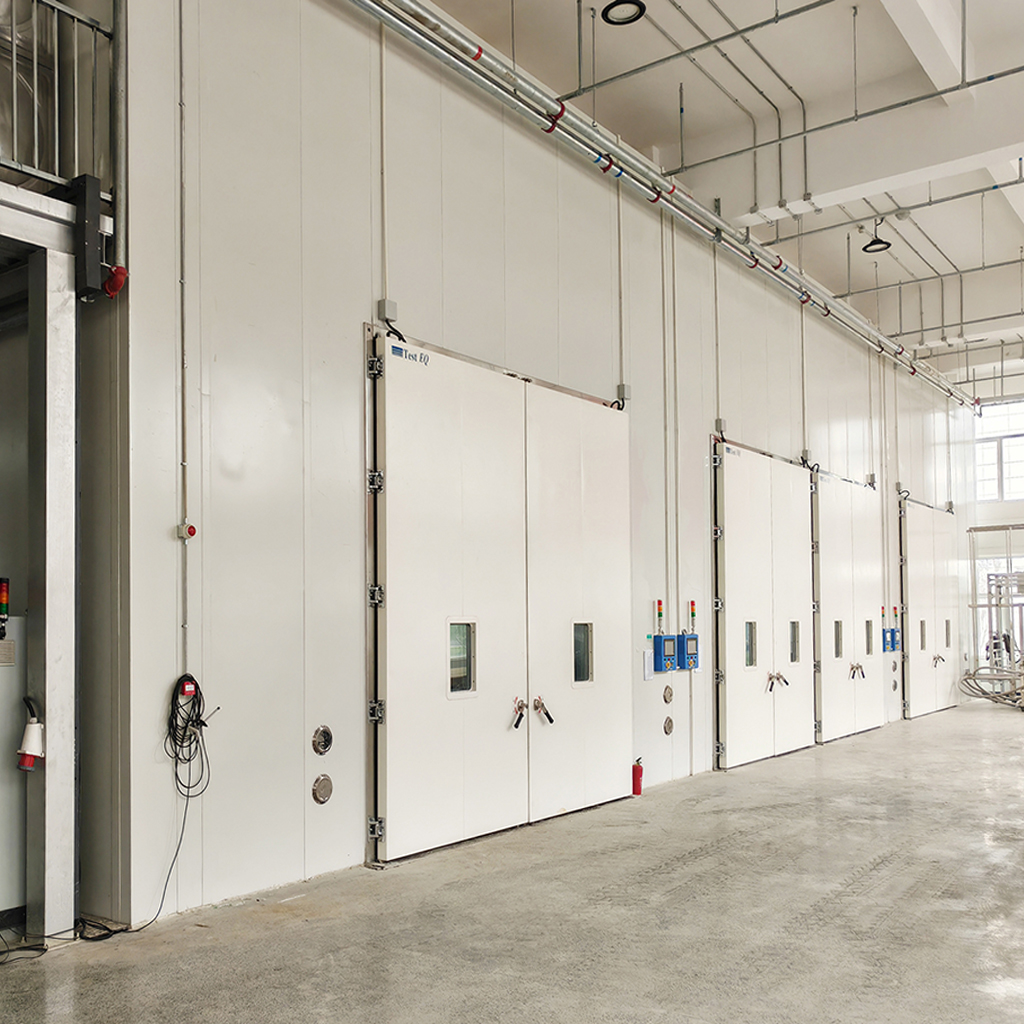
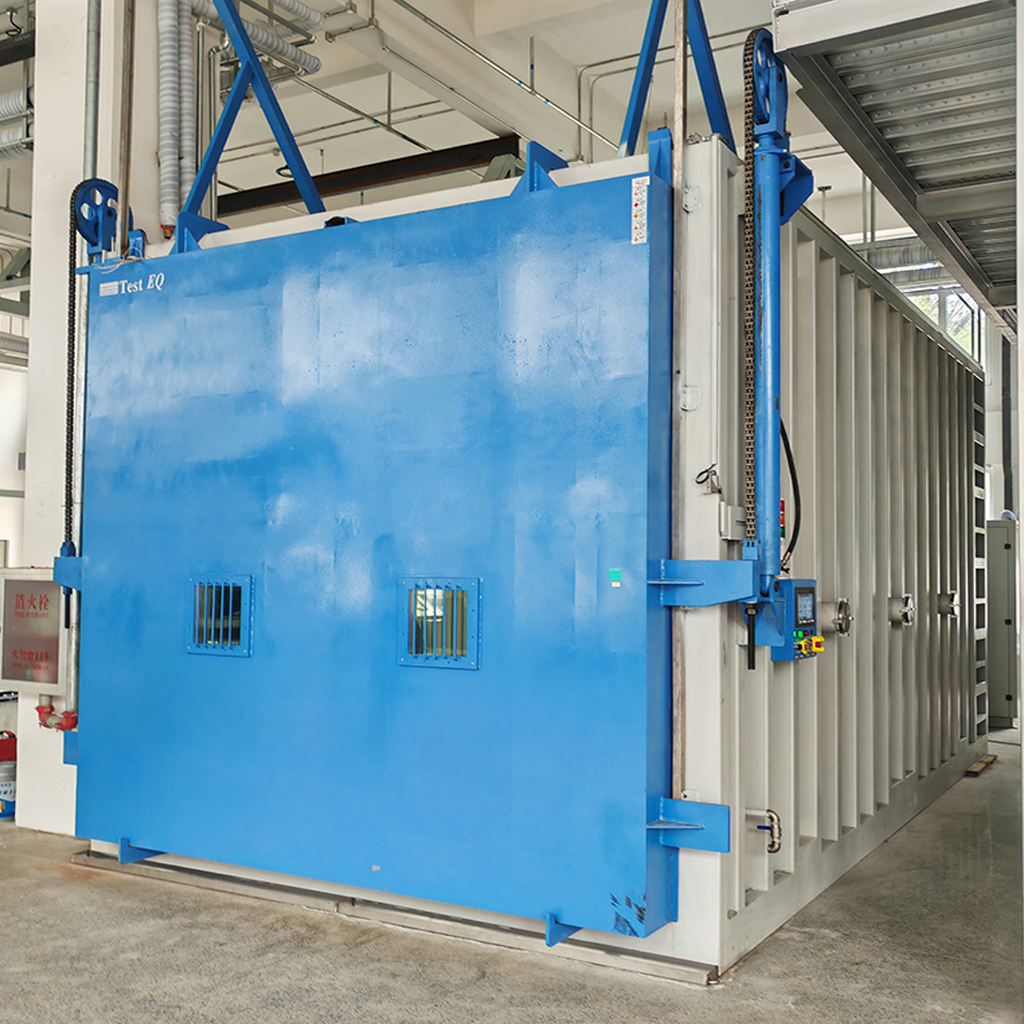
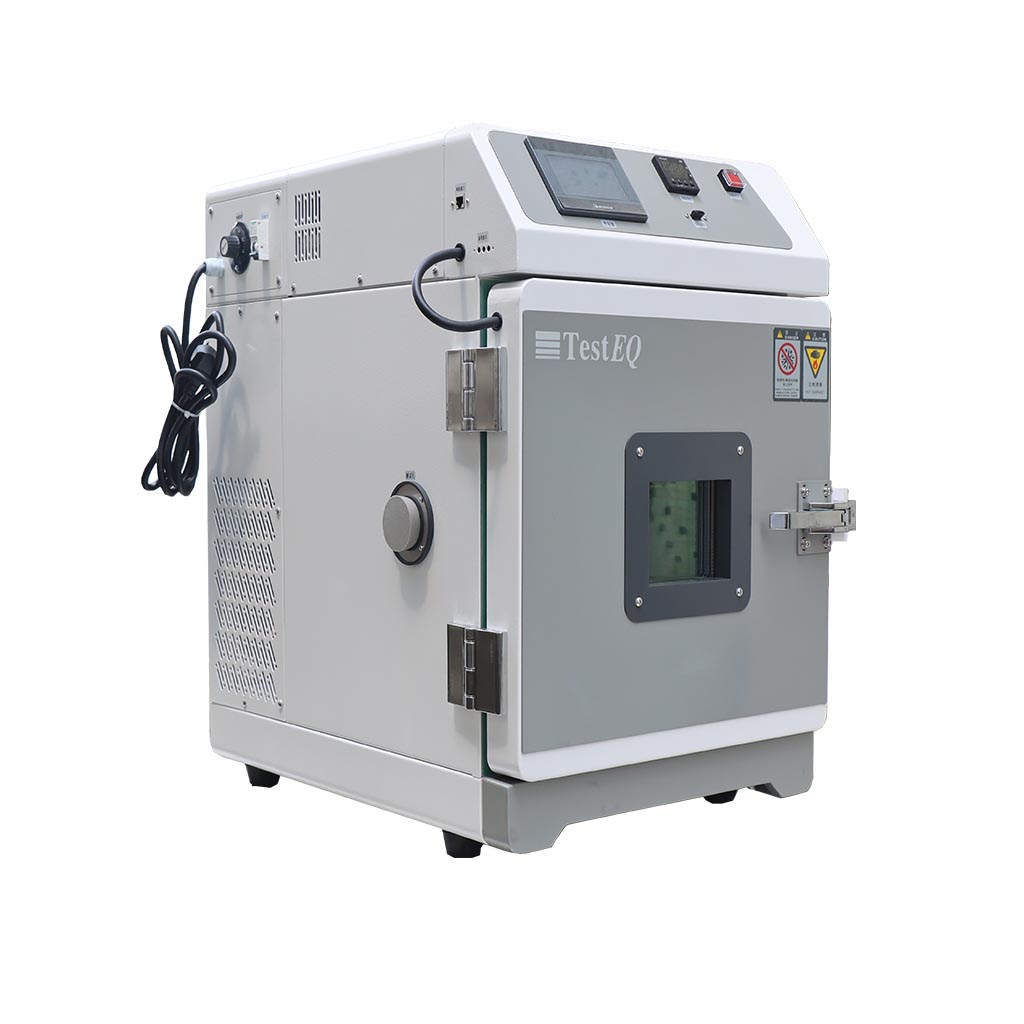
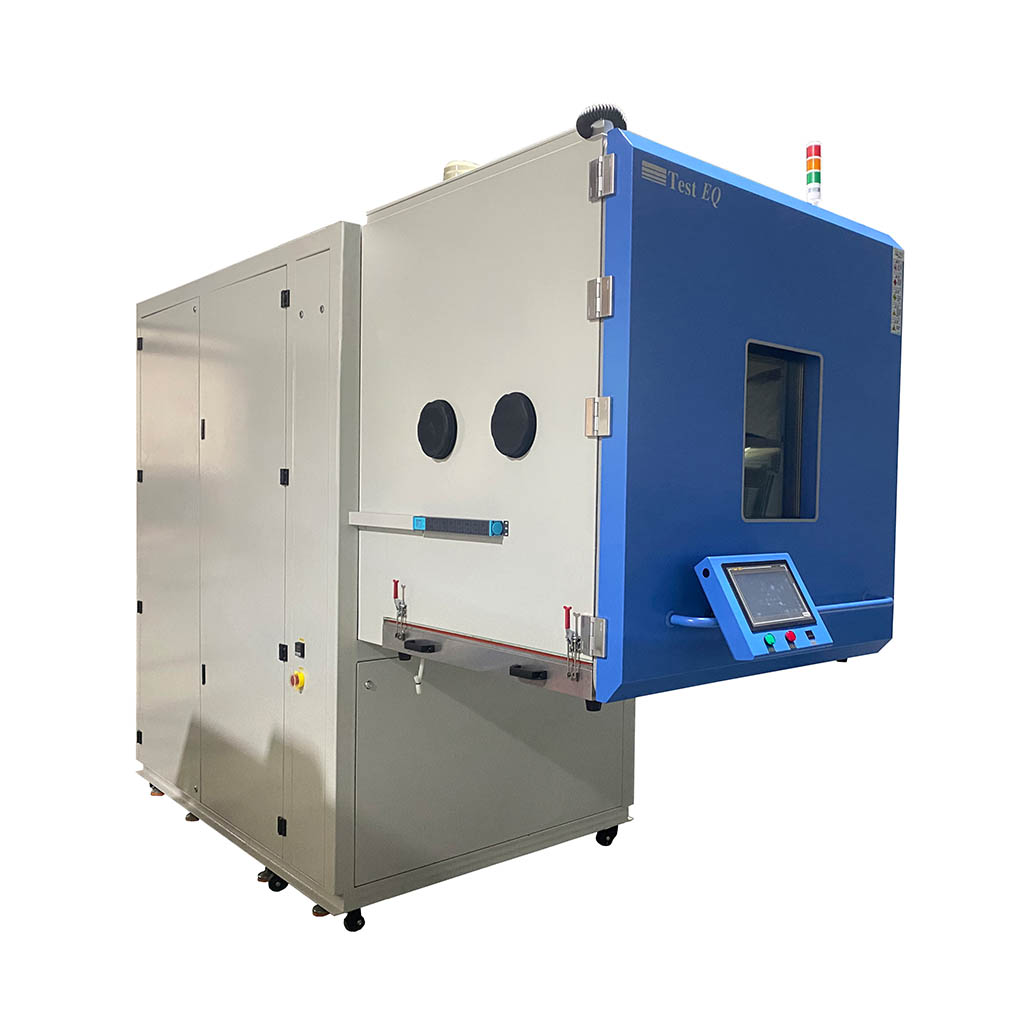
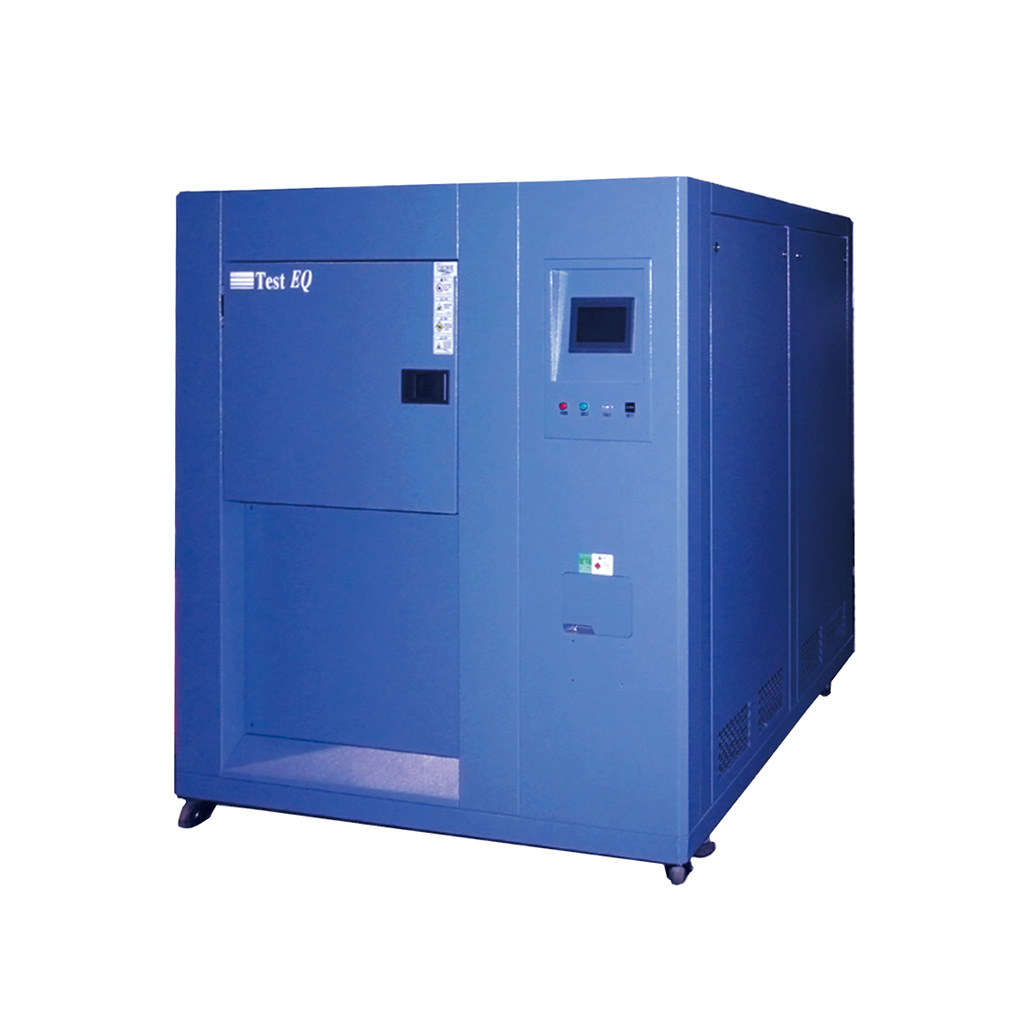
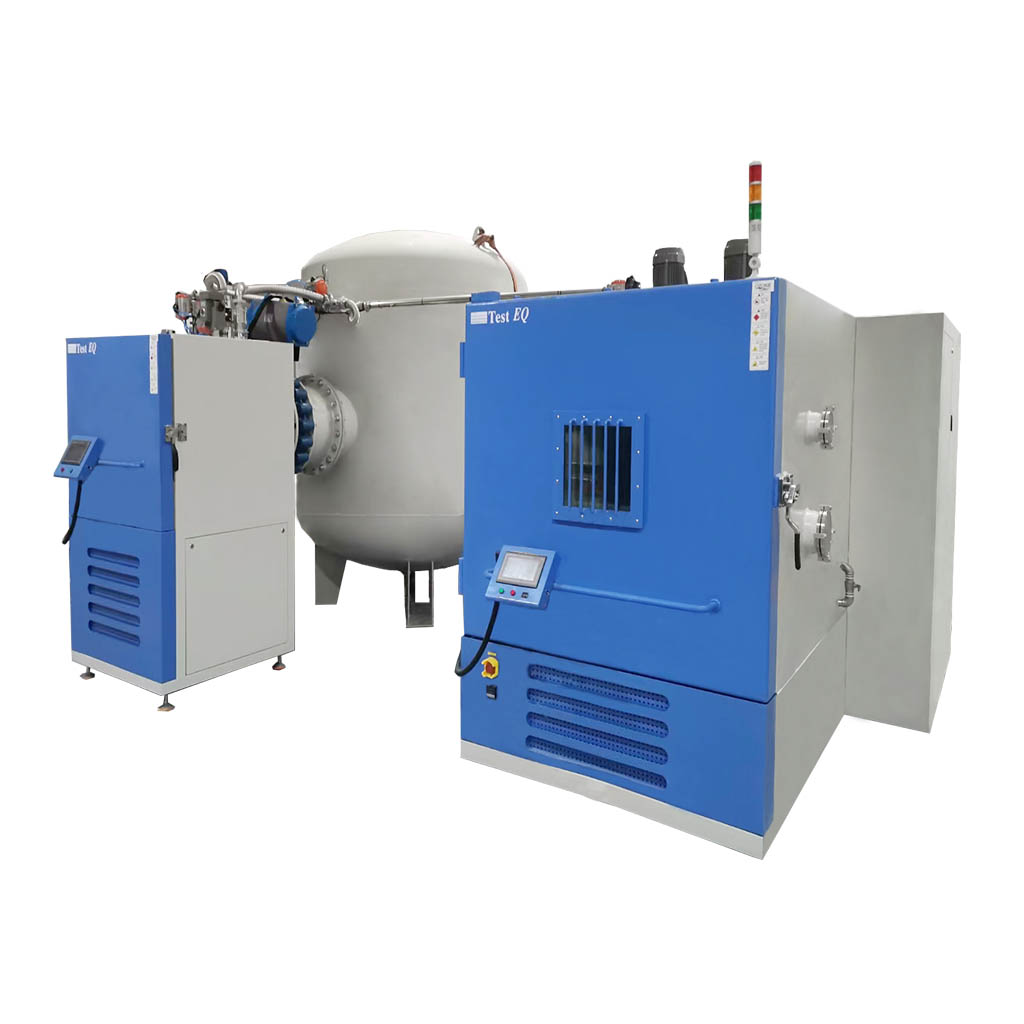
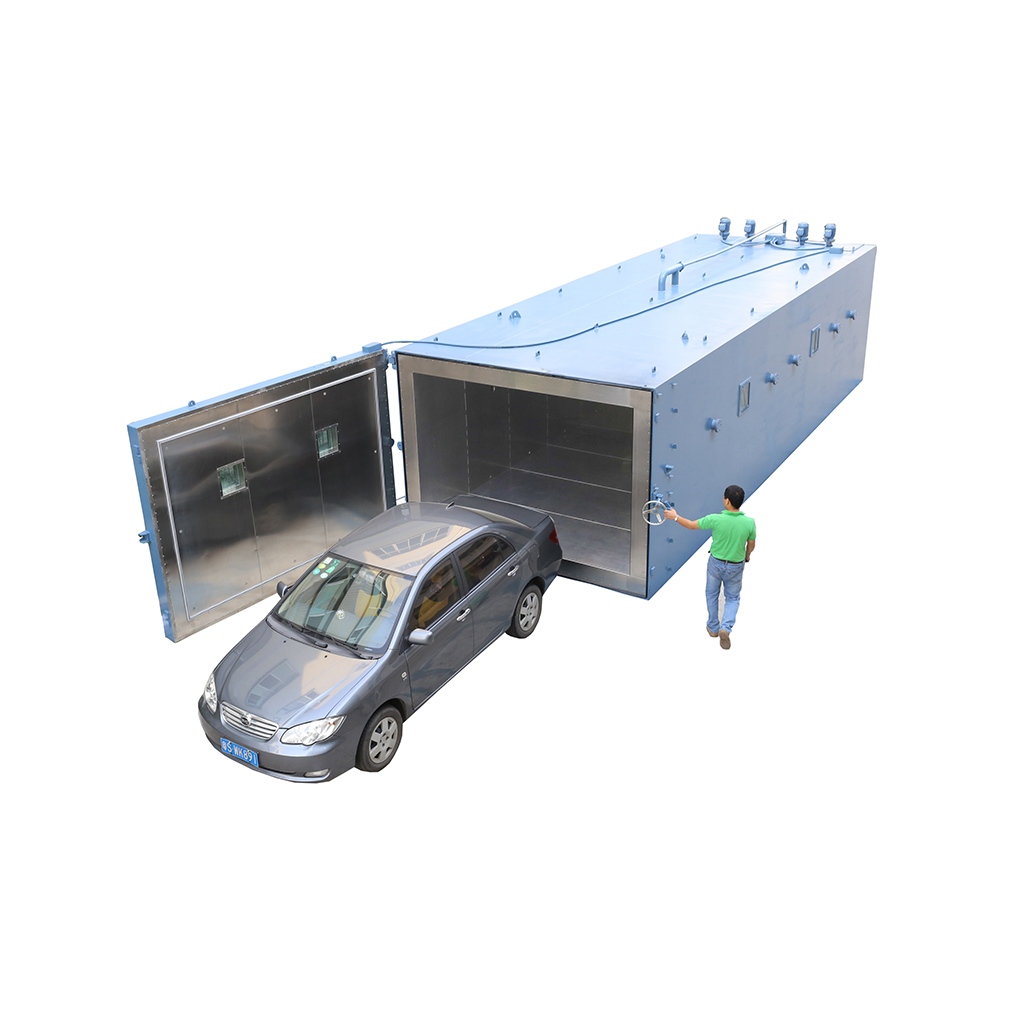
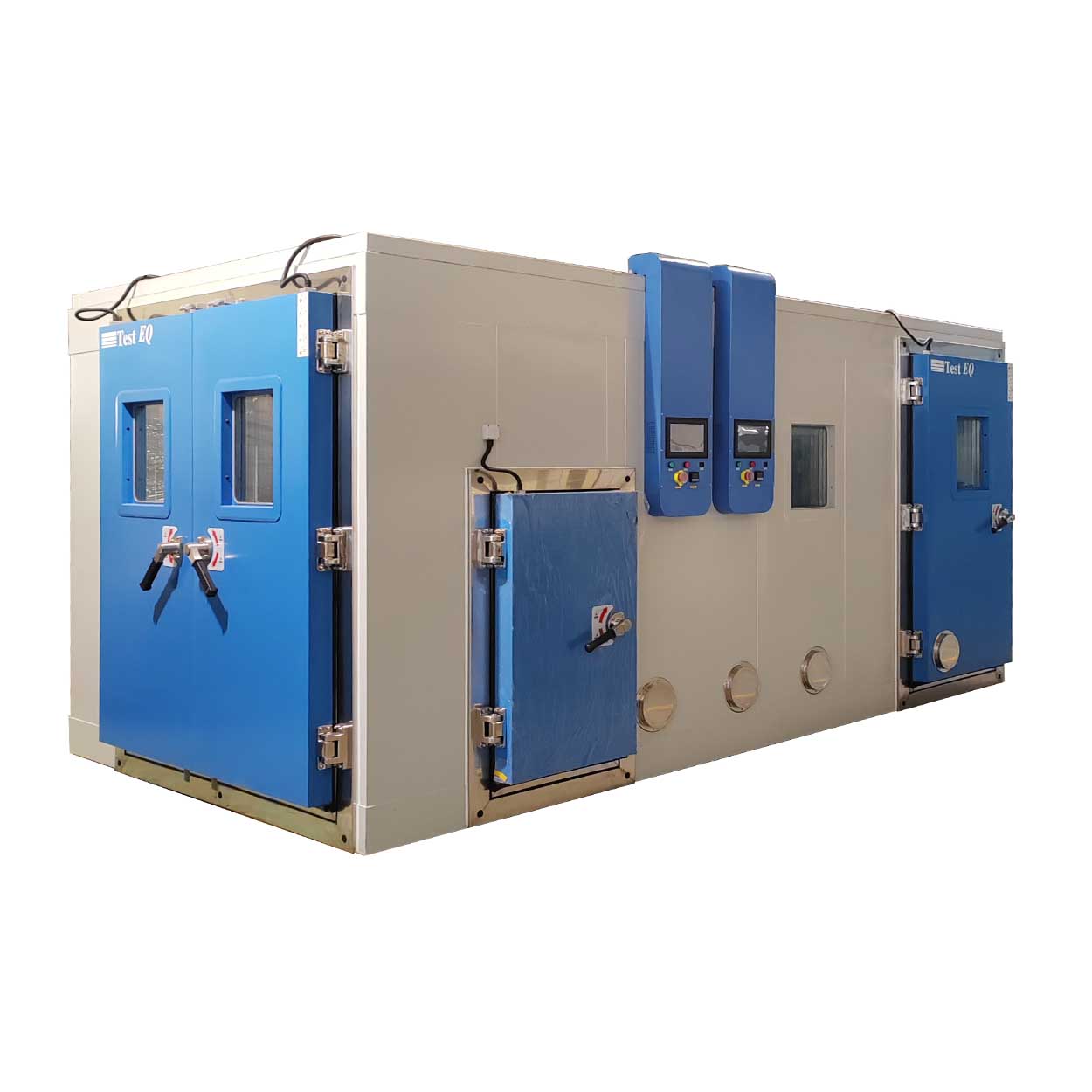
An ESS Test Chamber is used for Environmental Stress Screening (ESS), a controlled manufacturing and reliability process designed to identify latent defects before products are released.
TestEQ ESS chambers are configured for electronics, automotive, aerospace, semiconductor, telecommunications and other high-reliability applications.
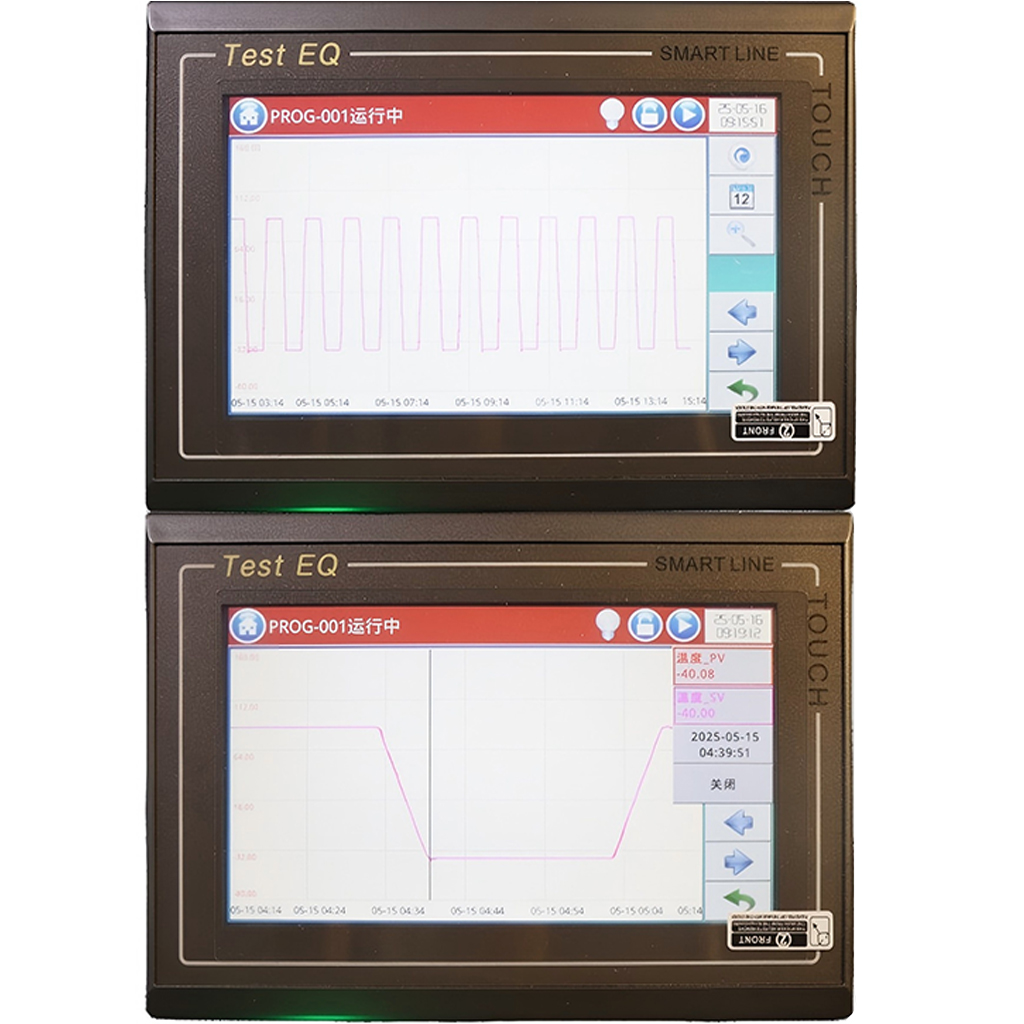
Depending on the screening program, the system can provide controlled temperature cycling, rapid temperature transitions, humidity and other environmental stresses.
The primary objective of ESS is to identify early-life failures associated with manufacturing variation, assembly defects and latent product weaknesses.
Environmental Stress Screening is a controlled process that exposes products to selected environmental stresses to reveal latent defects.
The stress profile should be carefully defined so that it can expose latent defects without exceeding the intended product screening limits.
ESS is especially valuable when the objective is to reduce early-life failures before shipment.
conditions in a controlled laboratory setting, manufacturers can detect weak points early in the production process, improving product quality and reliability.
| Engineering Factor | ESS Test Chamber | Thermal Cycling Chamber |
|---|
| Primary Purpose | Environmental Stress Screening and early-life defect detection | Thermal cycling and reliability qualification |
| Main Objective | Identify latent manufacturing defects before products reach customers | Evaluate durability under repeated temperature changes |
| Typical Use | Production screening, manufacturing quality control, early failure screening | Design validation, qualification, reliability testing |
| Testing Focus | Product robustness, latent defects, workmanship and assembly weaknesses | Thermal fatigue, material mismatch and long-term durability |
| Typical Test Profile | Repeated environmental stress designed to accelerate early failures | Controlled high/low temperature cycling with defined ramp and dwell times |
| Temperature Cycling | Commonly used as a screening stress | Core testing method |
| Test Duration | Often optimized for production throughput | Often determined by qualification or reliability requirements |
| Test Quantity | Typically larger batches or repeated production loads | Often engineering samples, components or qualification lots |
| Key Failure Mechanisms | Latent defects, weak solder joints, assembly defects, marginal components, manufacturing variation | Solder fatigue, CTE mismatch, delamination, cracking and interconnect fatigue |
| Primary Users | Manufacturing, quality, production and reliability teams | Reliability, R&D, validation and qualification engineers |
| Procurement Priority | Chamber capacity, loading efficiency, throughput, repeatability and screening profile | Ramp rate, temperature range, uniformity, stability and cycle control |
| Typical Standards | JESD22, IEC 60068, MIL-STD-810, MIL-STD-883 and other product-specific screening requirements | JESD22-A104, IEC 60068-2-14, AEC-Q100, ISO 16750 and other thermal cycling requirements |
Although both chambers expose products to temperature changes, they serve different purposes. ESS chambers are designed to rapidly screen manufacturing defects, while thermal cycling chambers evaluate long-term reliability and durability under repeated temperature transitions. Understanding these differences helps engineers select the most appropriate test solution for their application.
How to Select the Right ESS Test Chamber
Temperature Range
Define the high and low temperature according to the screening specification.
Ramp Rate
Determine whether the ESS program requires conventional temperature cycling or high-speed temperature transitions.
Product Load
Product mass and heat generation can significantly affect chamber recovery and temperature transition performance.
Chamber Volume
Working volume should be selected according to product size, quantity per batch and required airflow.
Screening Profile
Define:
• High temperature
• Low temperature
• Ramp rate
• Dwell time
• Cycle count
• Humidity requirement
• Vibration requirement
• Total screening duration
ESS Production Throughput
For production applications, chamber capacity should not be evaluated only by internal volume.
Procurement teams should also consider:
• Number of products per batch
• Loading time
• Unloading time
• Temperature recovery
• Cycle duration
• Operator workflow
• Fixture capacity
• Monitoring requirements
• Equipment availability
A chamber that provides a high ramp rate but cannot accommodate the required production loading may not deliver the expected screening throughput.
ESS Chamber Configurations
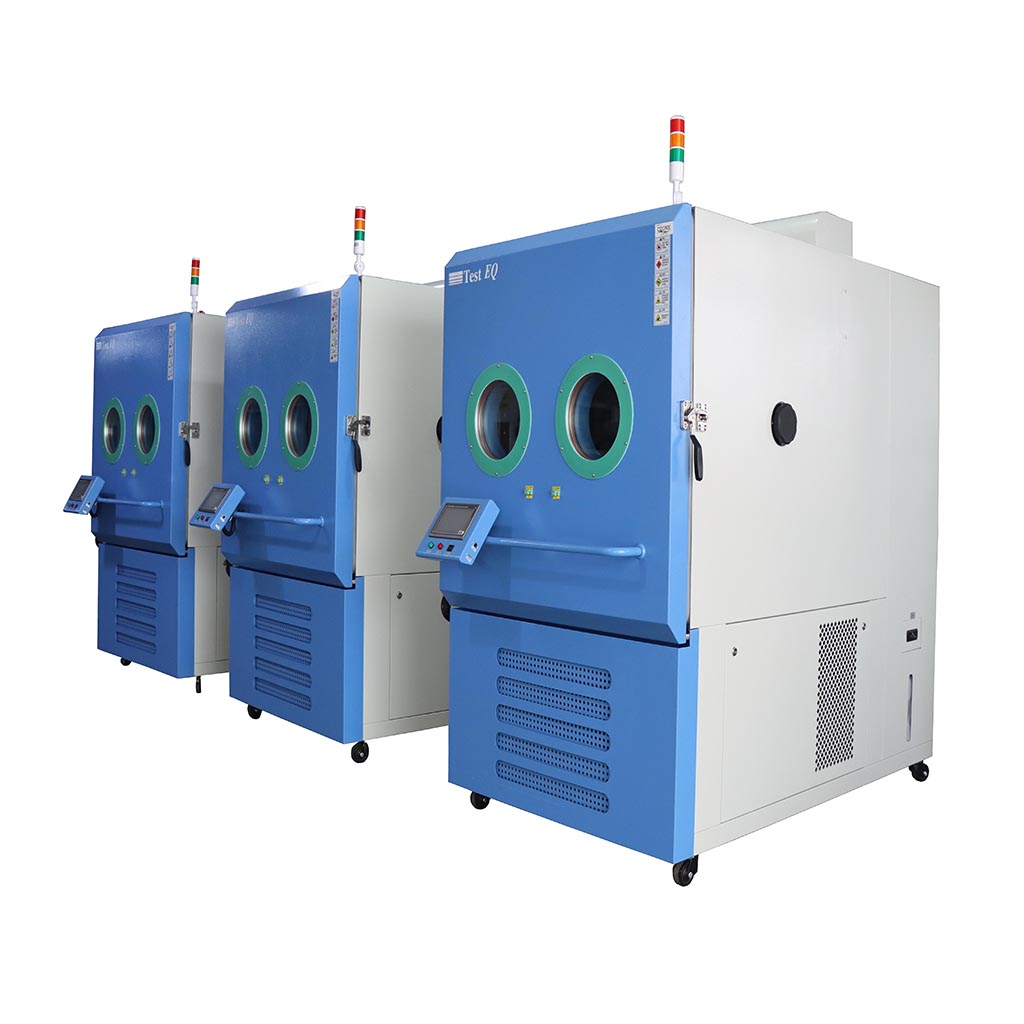
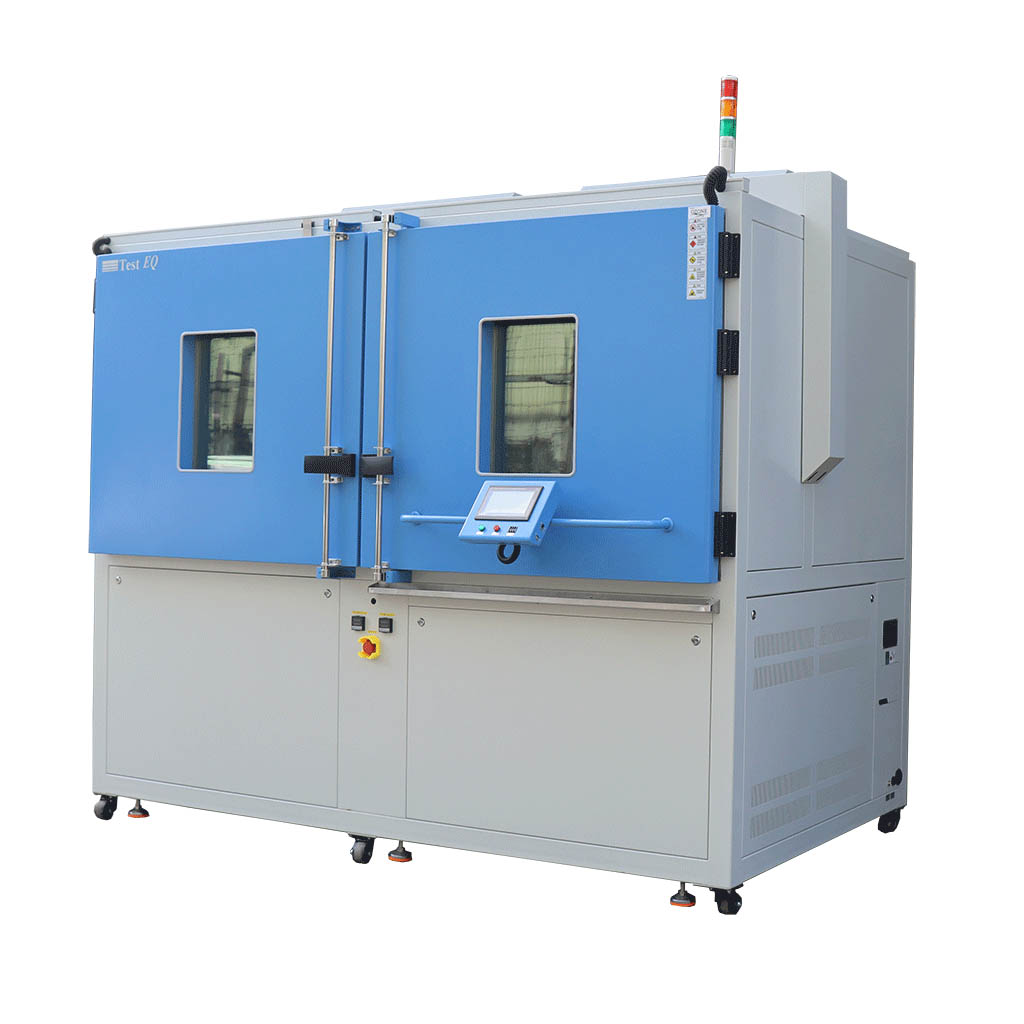
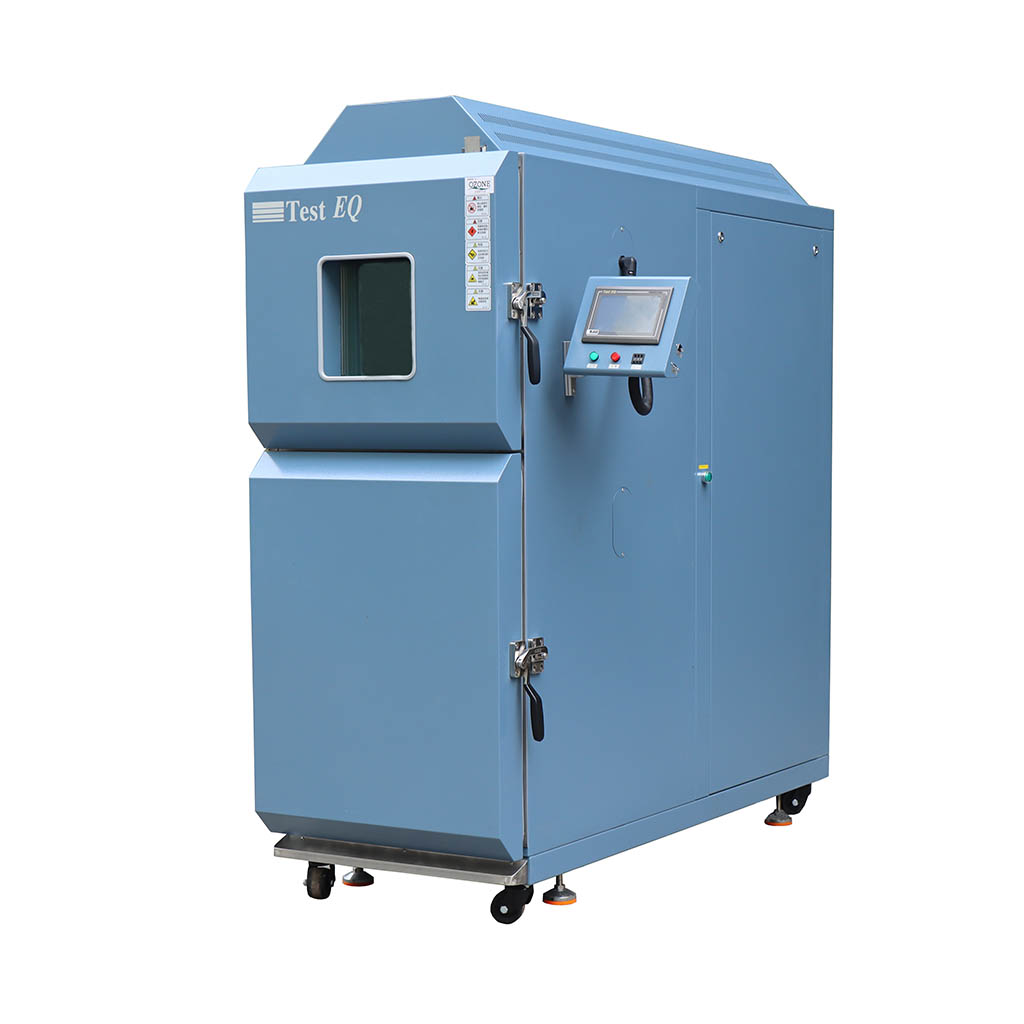
TestEQ can configure ESS systems with options including:
• Fast temperature transition
• Programmable thermal cycling
• Humidity control
• Customized chamber volumes
• Production fixtures
• Remote monitoring
• Temperature and vibration integration
• Customer-specific screening profiles
Why ESS Testing is Critical in Manufacturing
ESS testing is widely used because it significantly improves product reliability before shipment.
It helps manufacturers to:
Detect early-life failures before market release
Reduce warranty costs and field failures
Improve production quality control
Validate manufacturing consistency
Ensure compliance with reliability standards
In high-reliability industries such as automotive, aerospace, and semiconductors, ESS testing is a mandatory part of the quality assurance process.
Why Choose TestEQ ESS Test Chambers:
TestEQ develops environmental simulation systems for reliability testing, qualification and production screening.
ESS chamber configurations can be engineered around:
• Screening profile
• Product loading
• Ramp rate
• Chamber volume
• Temperature uniformity
• Production throughput
• Monitoring requirements
• Customized fixtures
Optional Configurations:
Combined thermal + humidity + vibration modules
Multi-zone environmental control
Remote monitoring and IoT integration
Large custom chamber volumes
JEDEC / MIL-STD optimized testing protocols
Fully Compliant with Major International Test Standards:
The TestEQ Rapid Temperature Change Test Chamber is engineered to meet and exceed the stringent requirements of key industry standards, including:
IEC 60068
ESS testing is commonly performed according to IEC 60068 environmental testing procedures and customer-defined reliability specifications.
JEDEC Standard JESD22-A104G
(Temperature Cycling)
― Reliably performs high-speed temperature cycling tests for semiconductor and electronic components to evaluate their robustness against thermal fatigue and interconnect failures.
MIL-STD
(Military Standard Environmental Test Methods)
― Supports a wide range of defense and aerospace environmental stress screening (ESS) tests, including rapid transition thermal cycling as required by MIL-STD-810 and MIL-STD-883.
RTCA/DO-160
(Environmental Conditions and Test Procedures for Airborne Equipment)
― Ideal for validating avionics equipment under extreme temperature variations and rapid transition conditions per Sections 4.0 and 5.0.
Custom test profiles can also be configured according to customer specifications.
The actual ESS profile should be established according to the product, manufacturing process and applicable specification.
FAQ:
1.What is an ESS Test Chamber?
An ESS test chamber is used to expose products to controlled environmental stresses to identify latent and early-life defects before shipment.
2.What is Environmental Stress Screening?
Environmental Stress Screening is a controlled reliability process used to identify latent manufacturing and assembly defects through environmental stress.
3.Is ESS the same as thermal cycling?
No. Thermal cycling is a test method involving repeated temperature changes. ESS is a broader screening process that may use thermal cycling together with other environmental stresses.
4.What industries use ESS testing?
A: Semiconductor, automotive, aerospace, defense, battery, and consumer electronics industries.
5.What standards does this chamber comply with?
A: JEDEC, MIL-STD-810, IEC 60068, and other global reliability standards.
6.How to select the right ESS Test Chamber?
Consider product loading, chamber volume, temperature range, ramp rate, cycle profile, throughput, humidity or vibration requirements and the applicable screening specification.
7.What problems can the ESS test mainly detect?
ESS testing is primarily used to detect early potential failures in electronic products, including:
These problems are usually not easily observed during normal use, but they can be quickly exposed under temperature cycling or environmental stress. The goal of ESS testing is to improve product reliability before shipment.
8.How to set the ESS test parameters?
ESS test parameters are typically determined based on product and industry standards, and mainly include:
Internal Linking Module
Related ESS Testing Equipment
Designed for controlled temperature cycling and thermal stress testing, helping identify latent defects and early-life failures in electronic components and assemblies.
Provides high ramp-rate temperature transitions for accelerated thermal stress testing, suitable for electronics, semiconductor and automotive reliability screening.
ESS Testing Standards
JEDEC thermal cycle testing standard is widely applied in semiconductor packaging and electronic device reliability testing. It specifies temperature cycling conditions to evaluate fatigue resistance, solder joint reliability, and long-term performance stability.
Provides environmental engineering and laboratory test methods used to evaluate equipment performance under temperature, humidity, vibration and other environmental stresses.
Related ESS Testing Resources
Provides an engineering overview of thermal cycling principles, test profiles, temperature ramp rates, cycle requirements and common reliability failure mechanisms.
This resource explains key EV battery testing standards such as UN 38.3, IEC 62660, and ISO 16750, and how environmental chambers are used to validate battery safety, performance, and lifecycle reliability under real-world conditions.
This guide helps engineers and procurement teams select the right ESS chamber based on temperature range, ramp rate, chamber size, and compliance requirements. It focuses on semiconductor reliability testing and failure screening optimization.