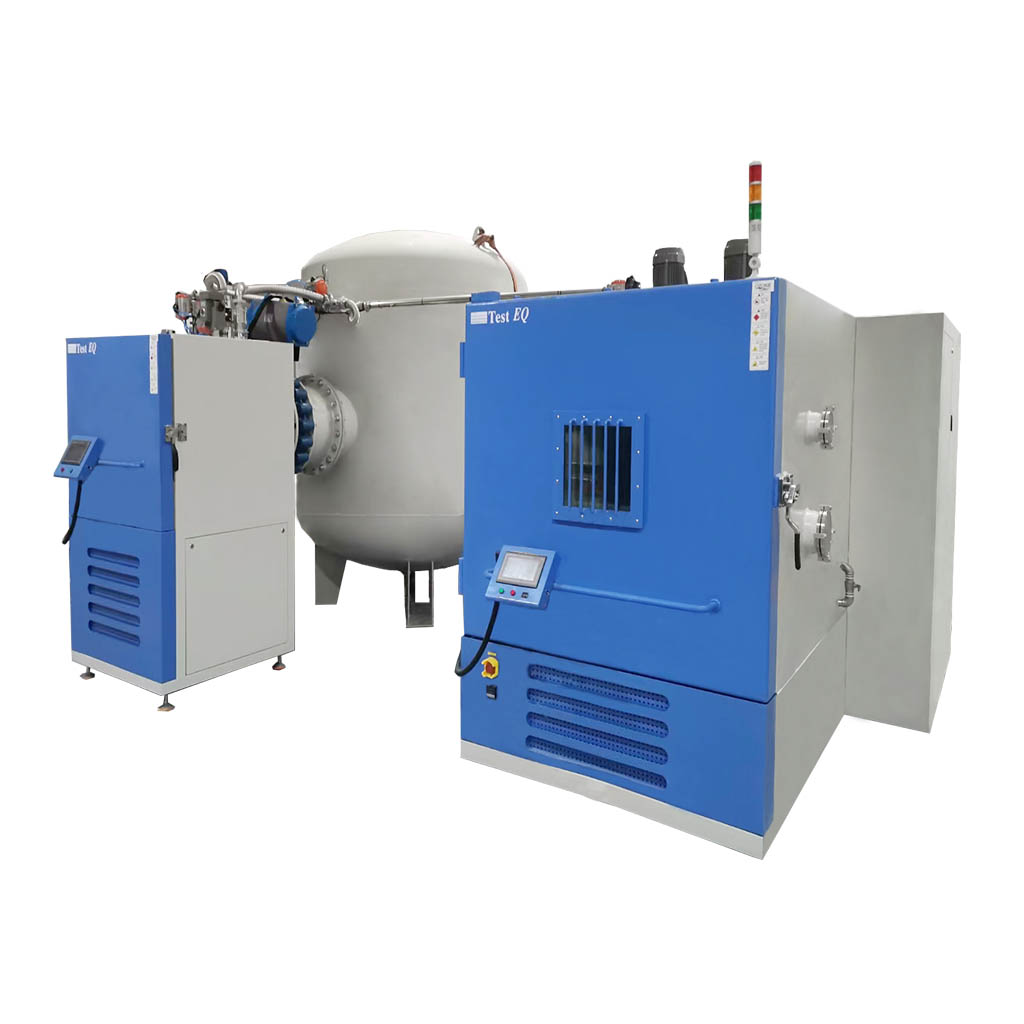
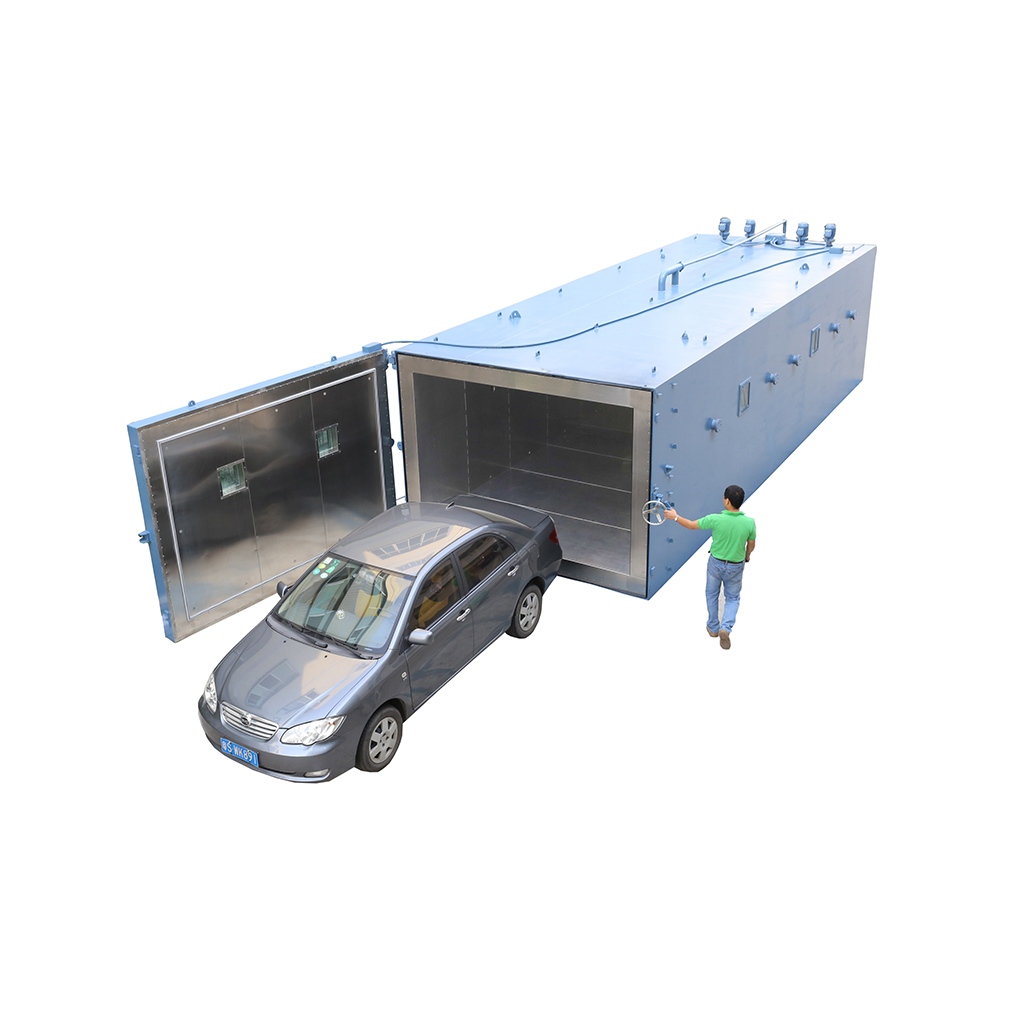
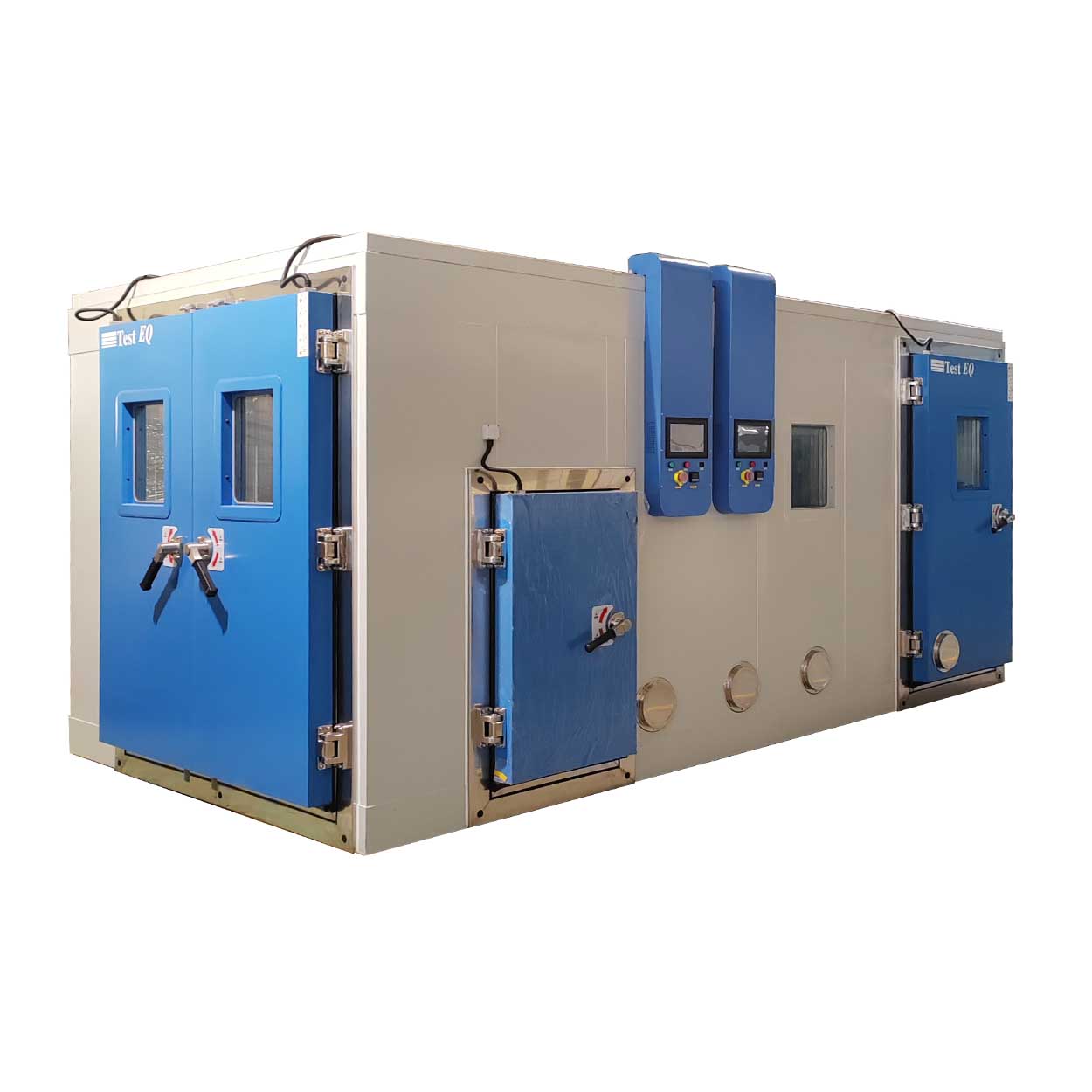
Thermal Cycling Chamber for Reliability Testing
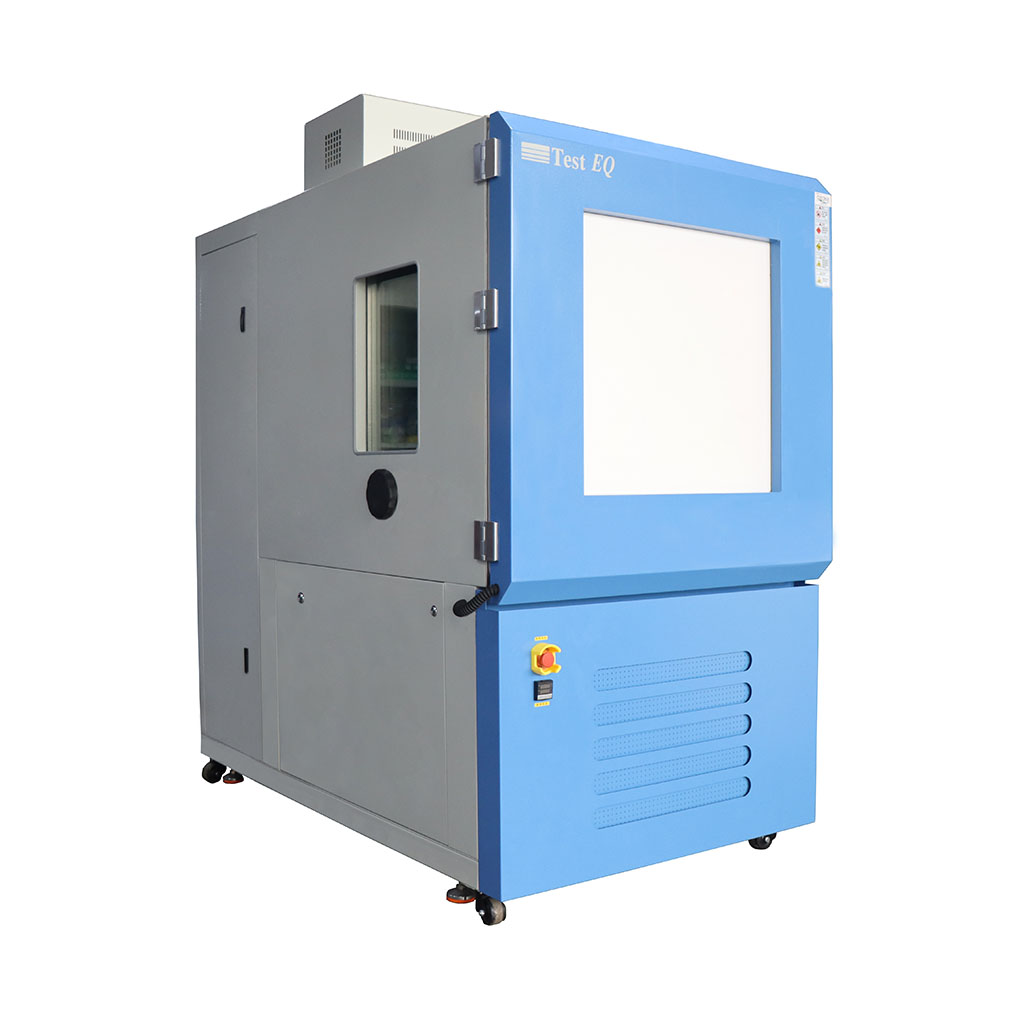
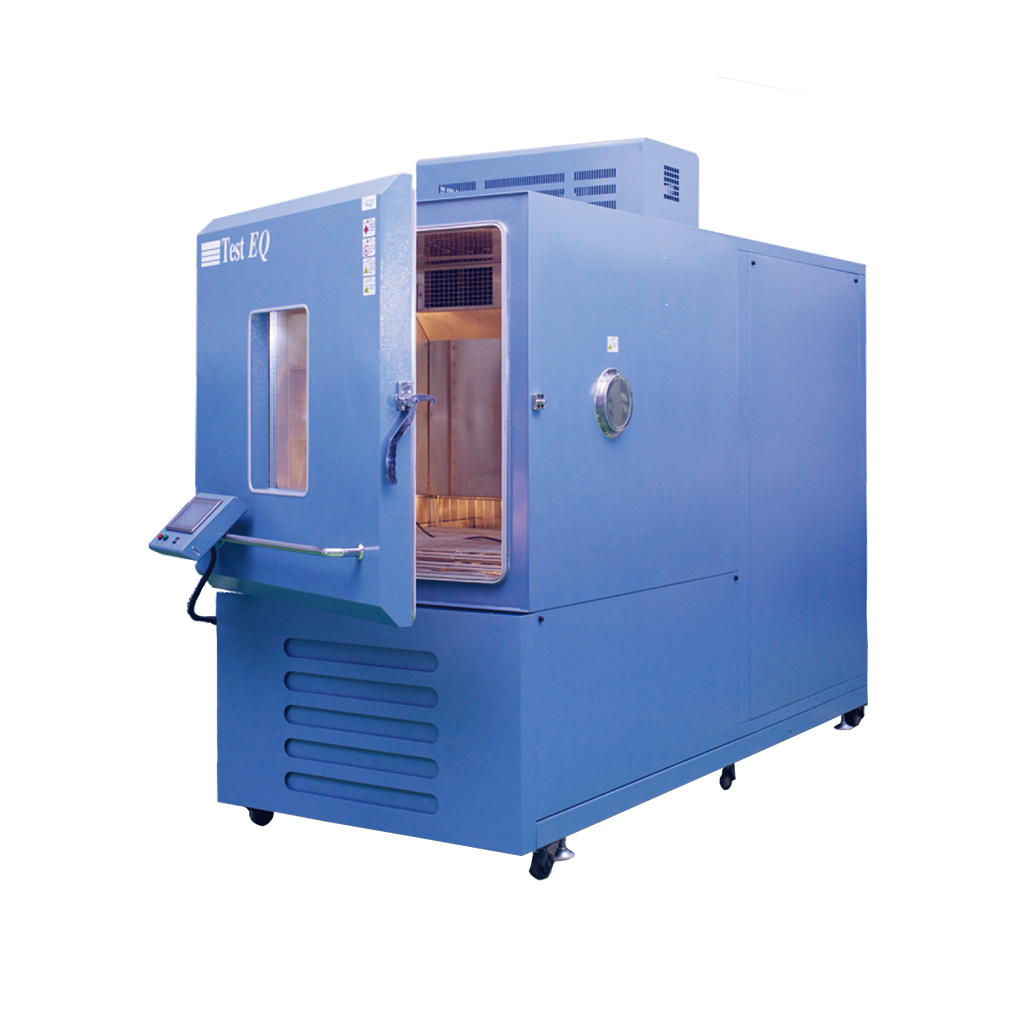
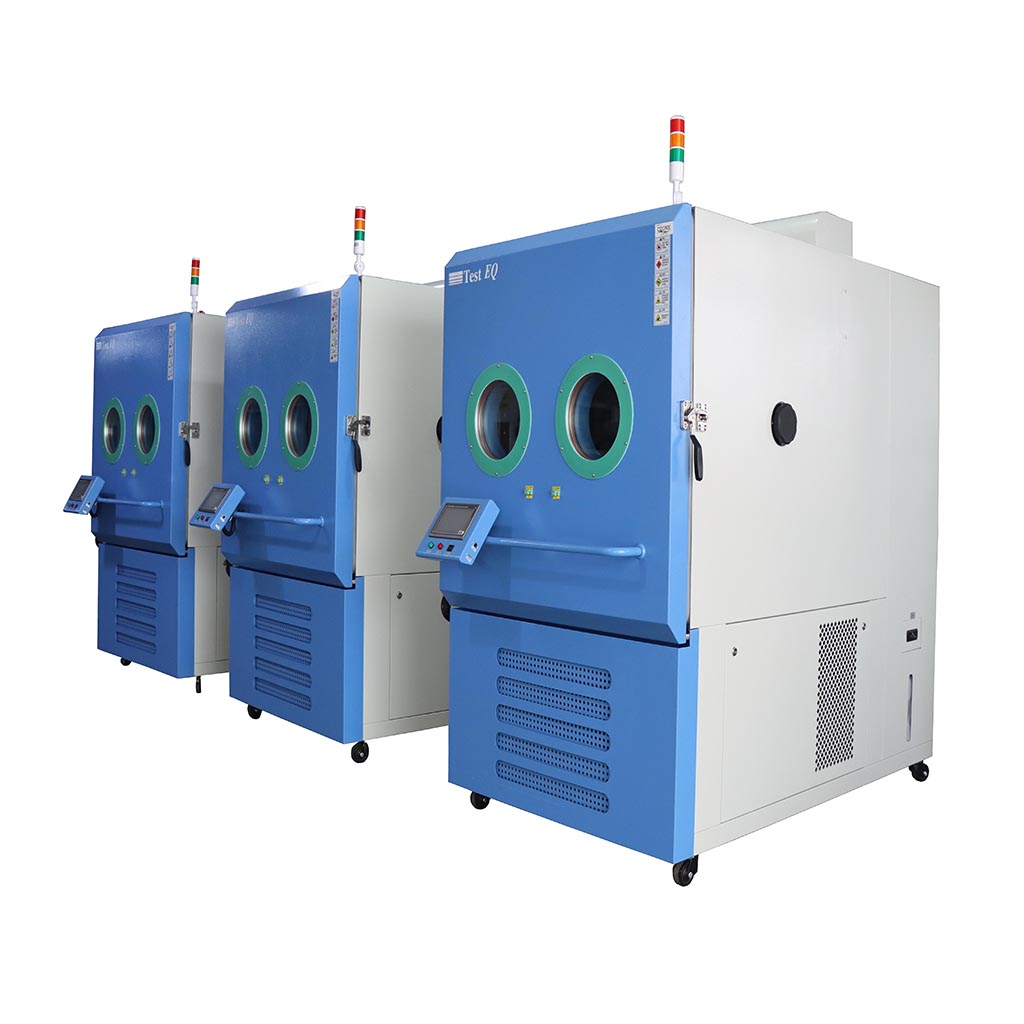
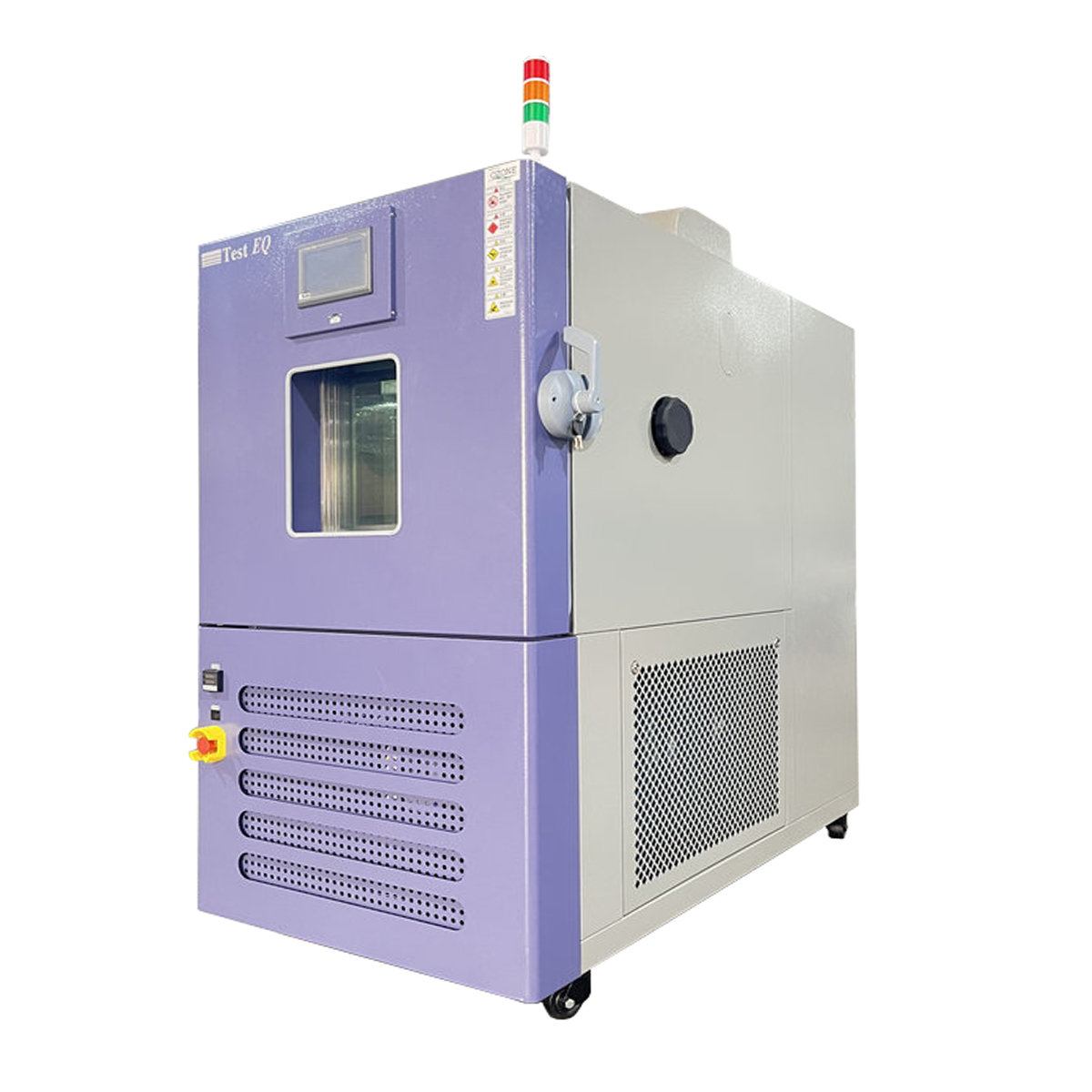
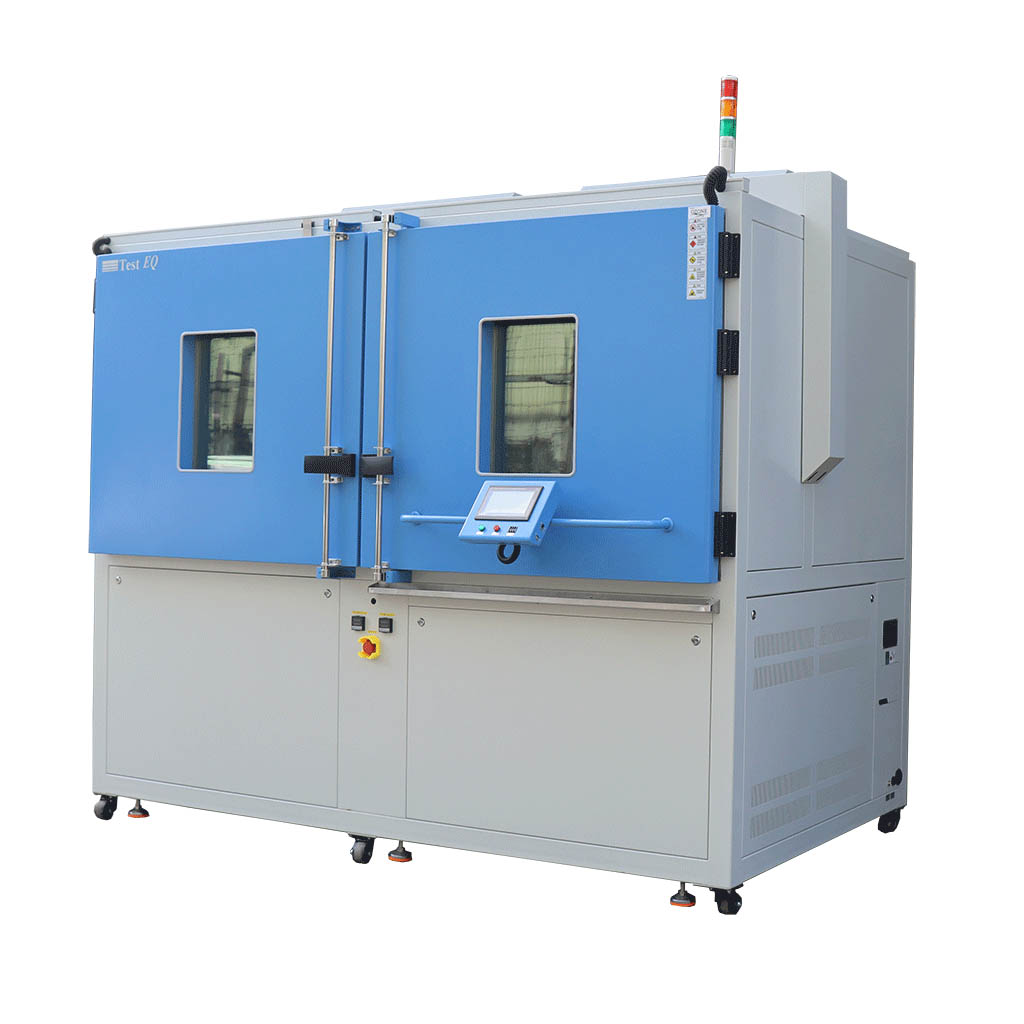
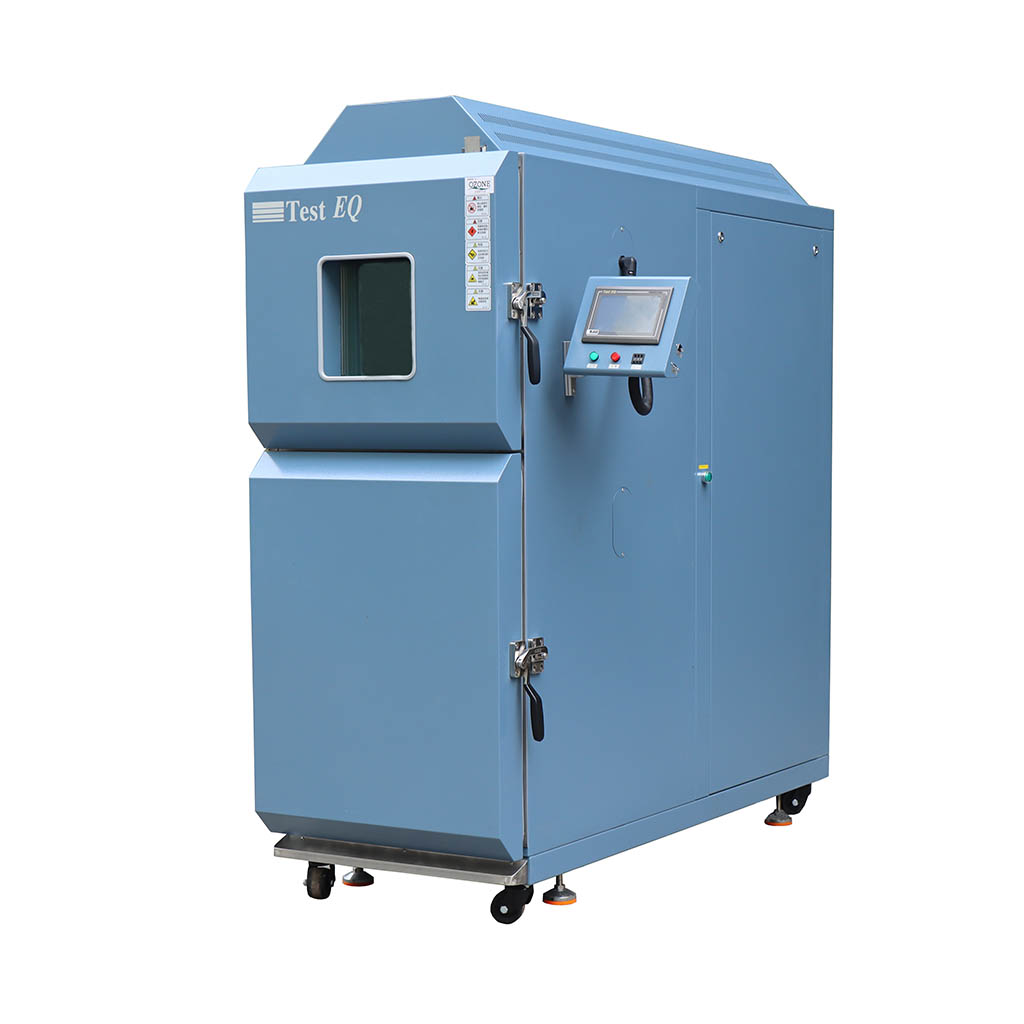
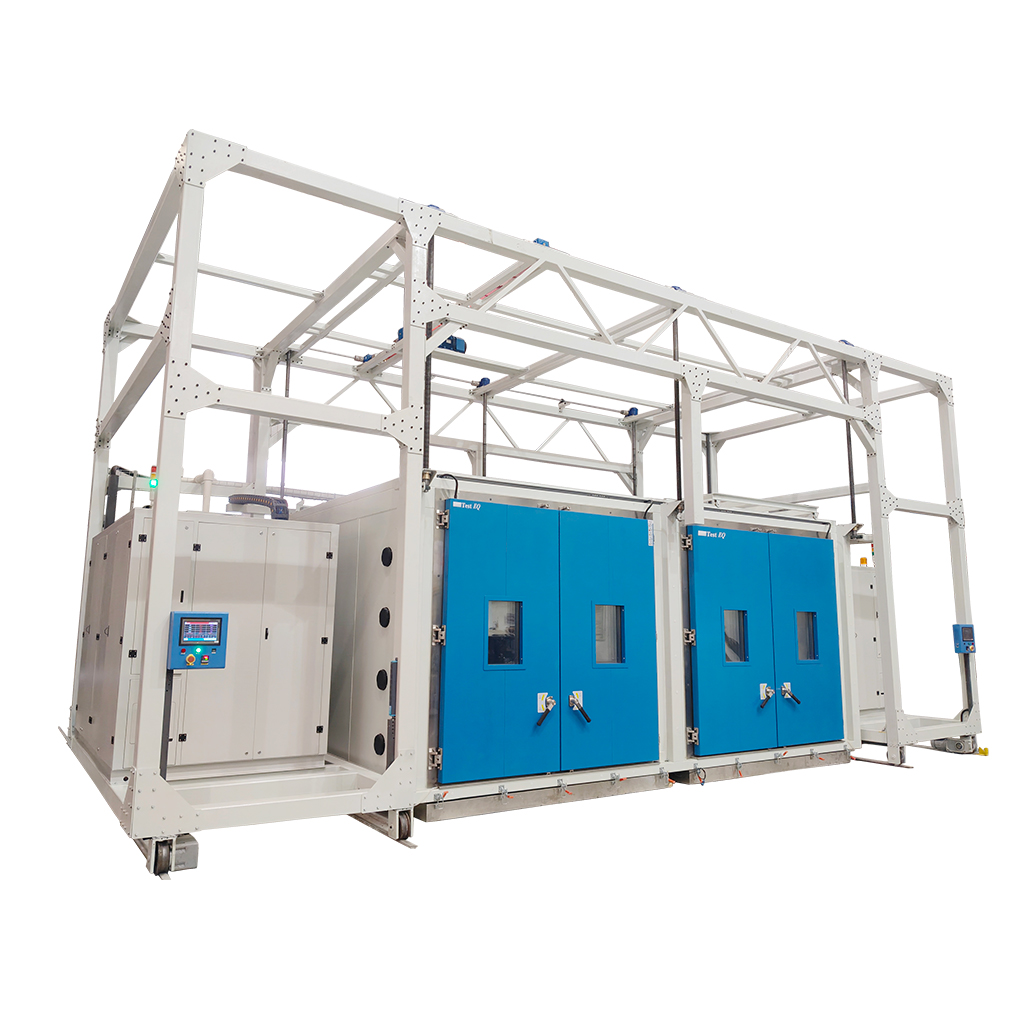
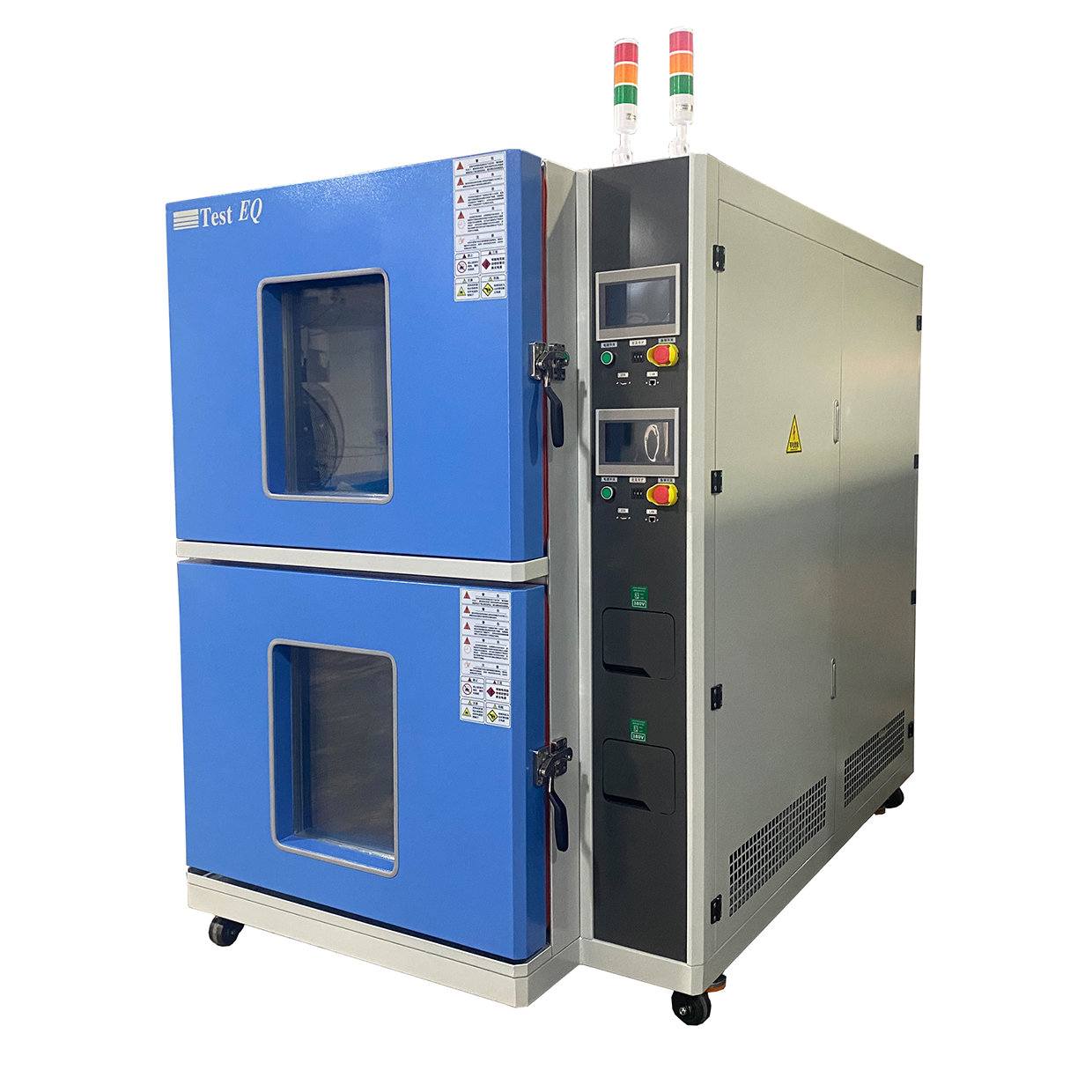
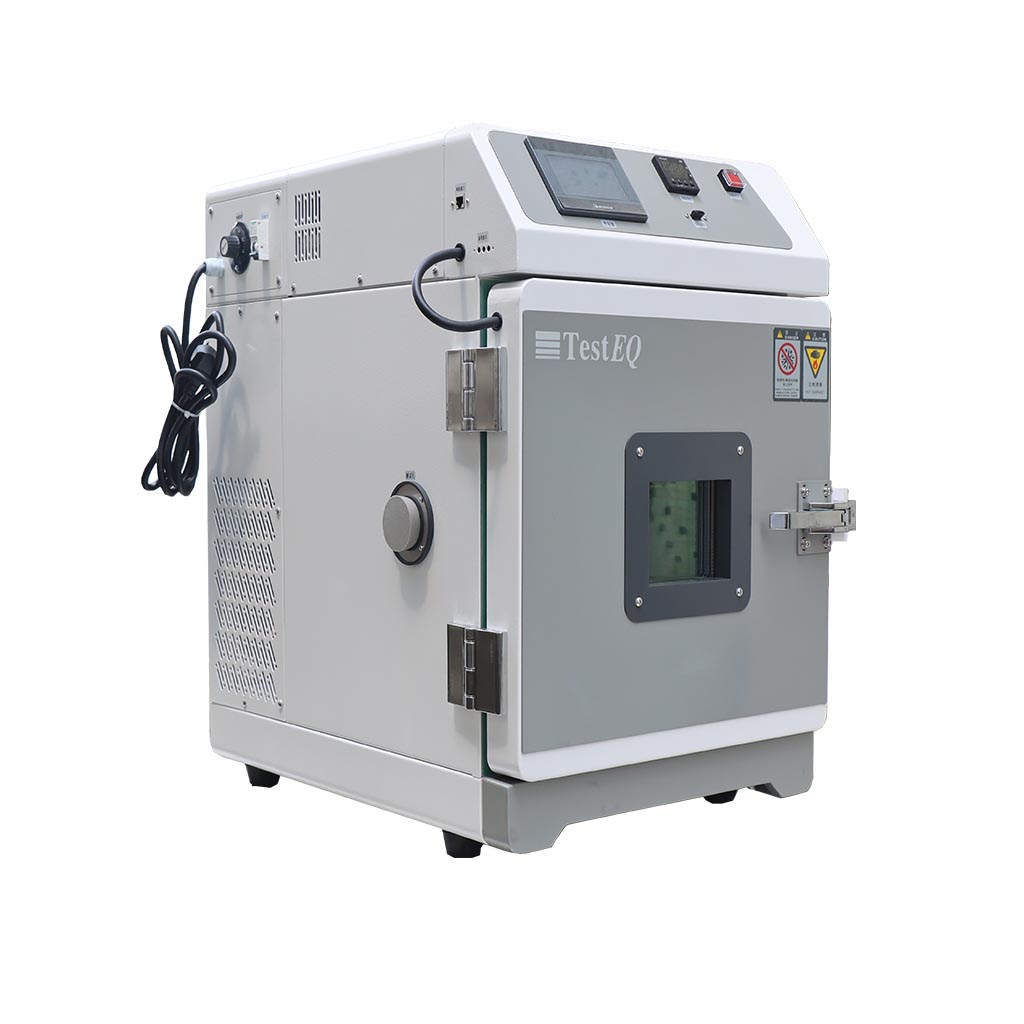
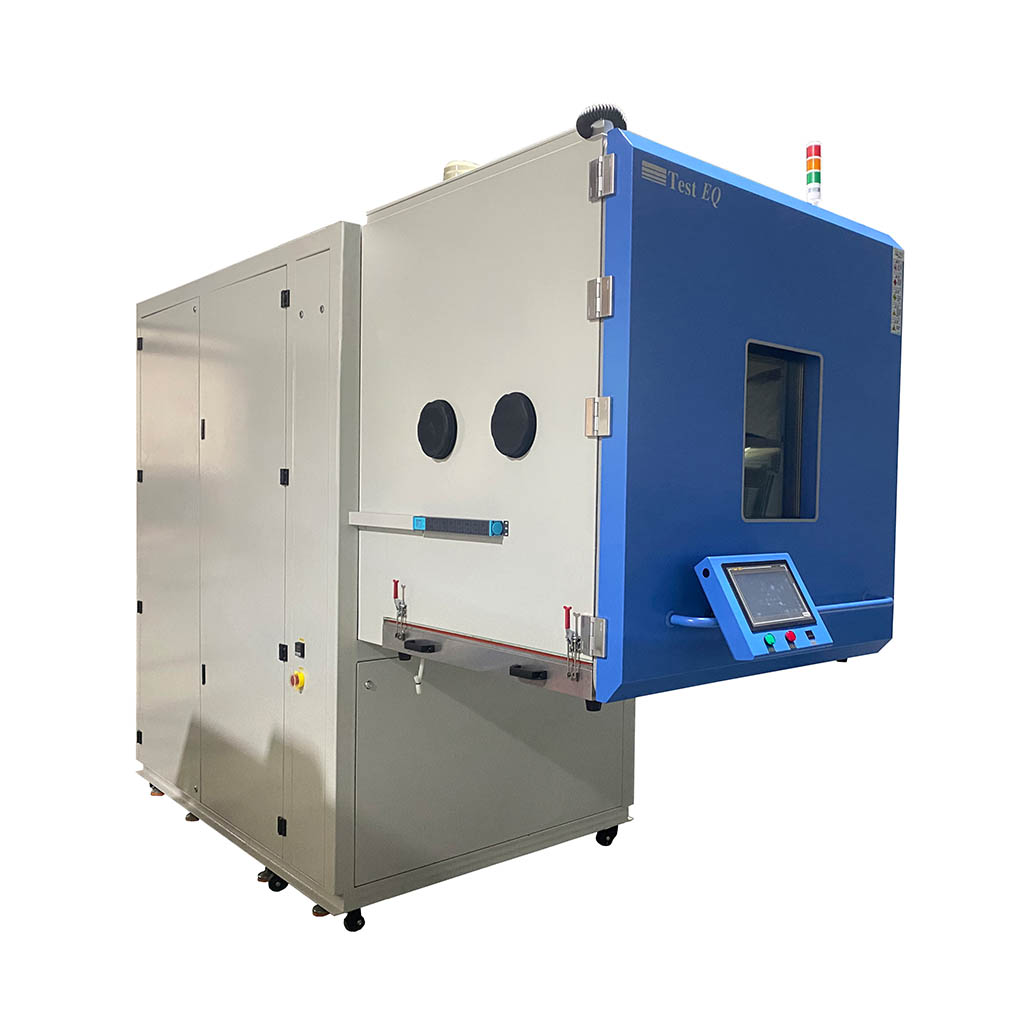
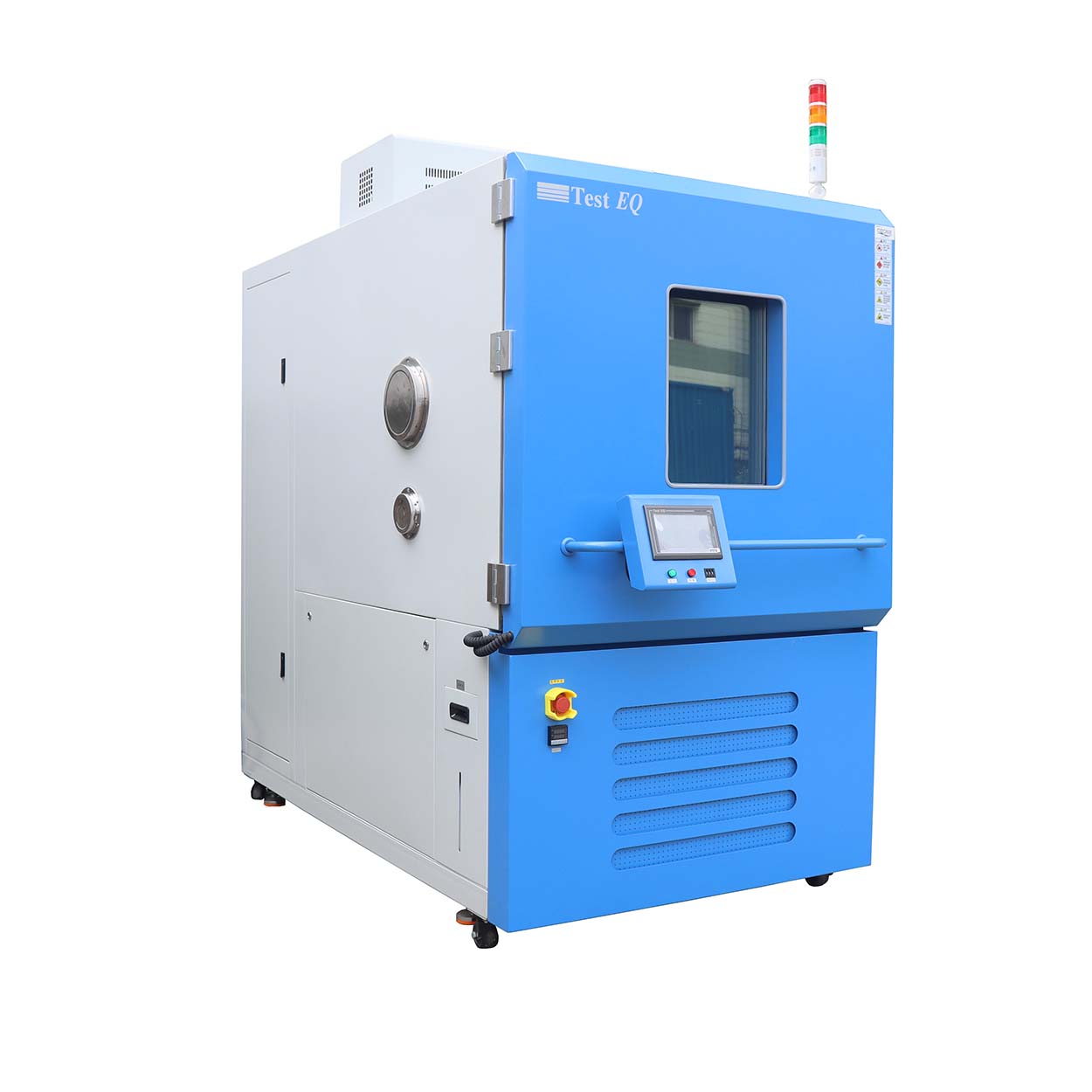
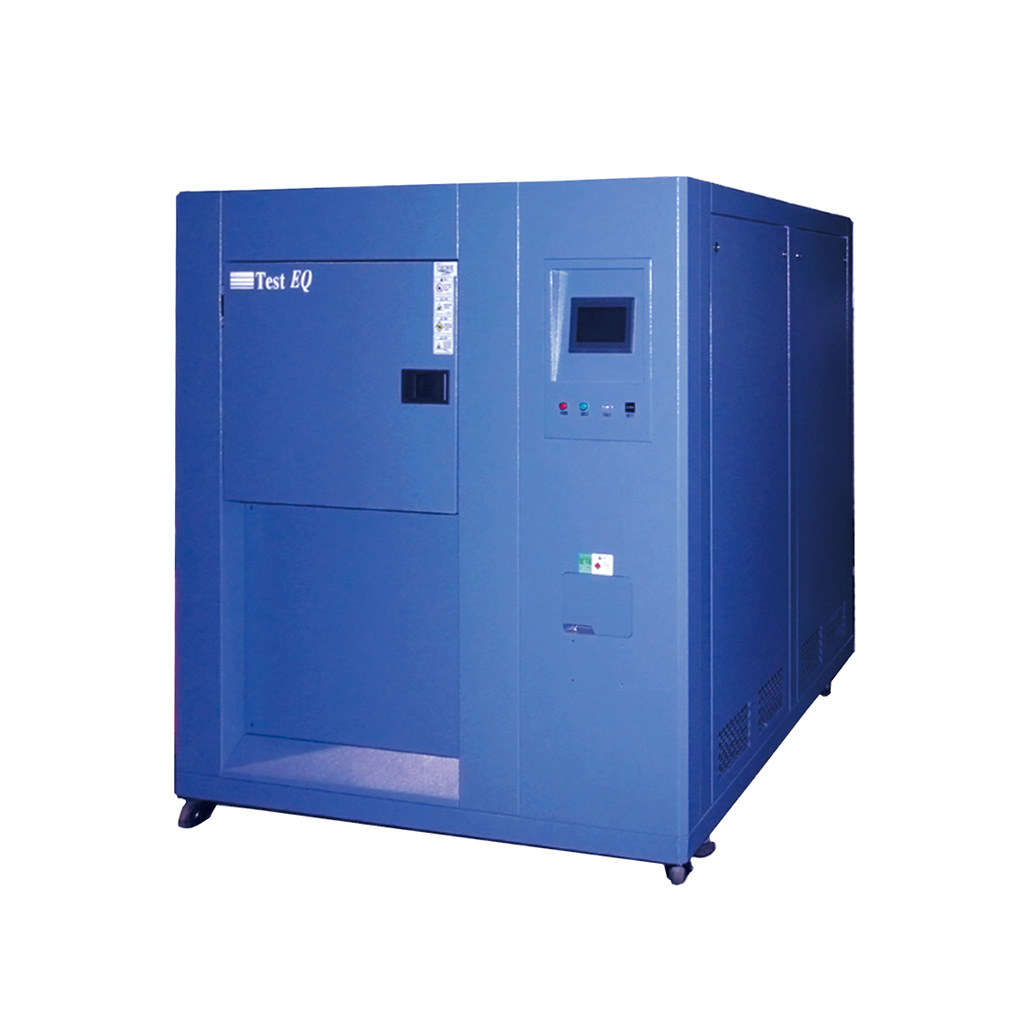
TestEQ thermal cycling chambers are engineered for repeated temperature cycling used in semiconductor, automotive, EV battery, aerospace and electronics reliability testing.
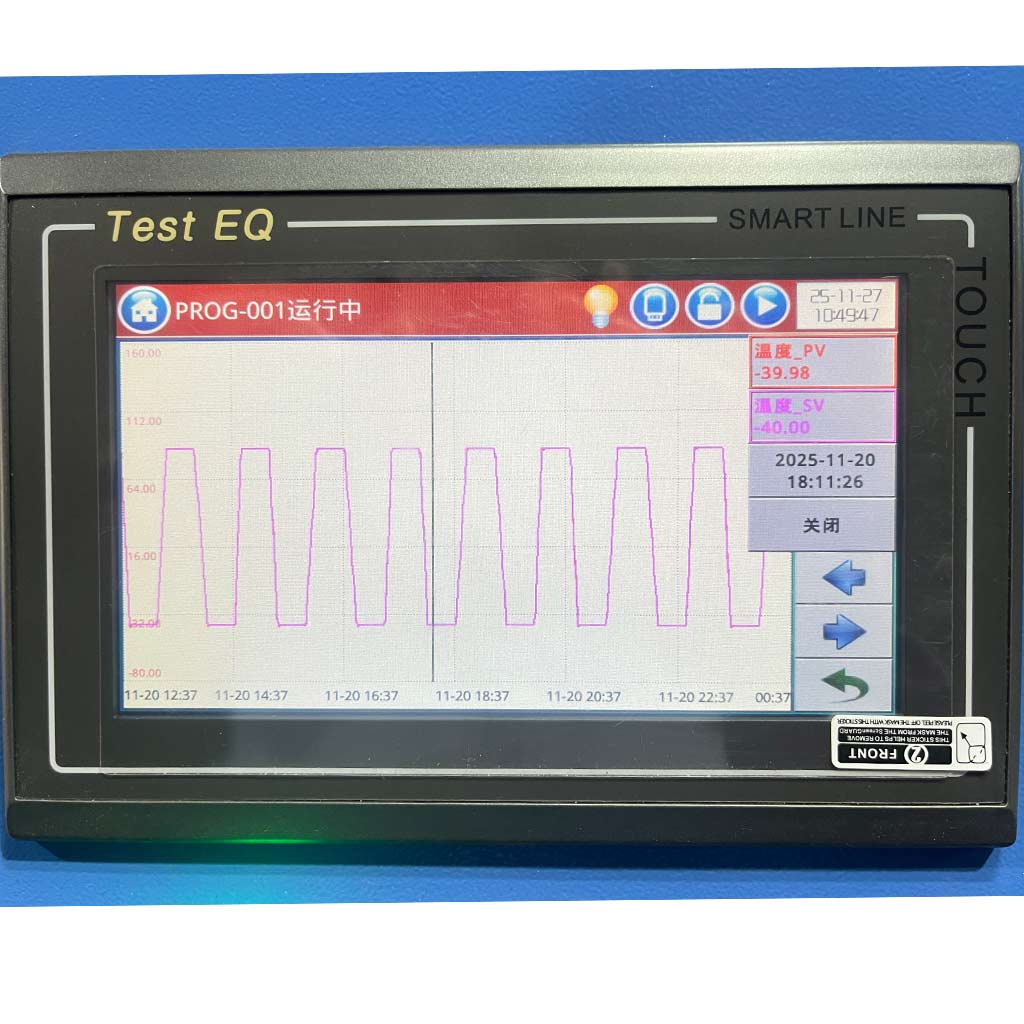
Depending on configuration, the chamber can provide temperature ranges down to -70°C, high-temperature capability up to +180°C, and linear temperature ramp rates from 5°C/min to 30°C/min.
The system is designed for controlled thermal cycling where temperature transition rate, uniformity, repeatability and long-duration operation are critical.
What Is a Thermal Cycling Chamber?
A thermal cycling chamber is an environmental test system designed to repeatedly move a test specimen between programmed high- and low-temperature conditions.
Unlike a conventional temperature chamber that is primarily used for environmental exposure, a thermal cycling chamber places greater emphasis on:
• Temperature transition rate
• Thermal recovery
• Repeated cycling
• Temperature uniformity
• Temperature stability
• Programmable test profiles
• Long-duration operation
Thermal cycling chambers are widely used to evaluate reliability problems caused by repeated thermal expansion and contraction.
Why Temperature Ramp Rate Matters
Temperature ramp rate is one of the most important specifications when purchasing a thermal cycling chamber.
A higher controlled ramp rate can reduce the transition time between temperature extremes and increase the number of cycles completed during a reliability program.
TestEQ configurations can support different ramp-rate requirements, including:
• 5°C/min
• 10°C/min
• 15°C/min
• 20°C/min
• 25°C/min
• Up to 30°C/min for selected configurations
The required ramp rate should always be matched to the applicable test standard and actual specimen loading conditions.
Engineering Factors Affecting Thermal Cycling Performance
A thermal cycling chamber's performance depends on more than heater and refrigeration capacity.
Important factors include:
Refrigeration Capacity
The refrigeration system must remove heat quickly enough to achieve the required low-temperature transition and recovery.
Airflow
Air circulation affects temperature uniformity and the speed at which the specimen is exposed to the programmed temperature.
Specimen Load
Large or thermally active specimens can significantly affect ramp rate and recovery time.
Fixture Design
Fixtures can influence airflow and heat transfer around the test specimen.
Thermal Balance
Balanced heating, cooling and airflow systems help maintain repeatable temperature conditions throughout the working space.
Thermal Cycling Chamber vs Thermal Shock Chamber
| Engineering Factor | Thermal Cycling Chamber | Thermal Shock Chamber |
|---|
| Primary Purpose | Repeated thermal fatigue, durability and controlled temperature cycling | Severe thermal stress caused by rapid hot-to-cold or cold-to-hot transfer |
| Temperature Change Method | Controlled temperature ramp within a single test space | Rapid transfer between separate hot and cold zones |
| Temperature Transition | Controlled and programmable | Extremely rapid |
| Main Stress Mechanism | Repeated expansion and contraction caused by temperature cycling | Thermal gradients and sudden temperature transitions |
| Test Specimen Movement | Normally stationary | Specimen is rapidly transferred between hot and cold zones |
| Key Test Parameters | Temperature range, ramp rate, dwell time, cycle count and repeatability | Hot/cold zone temperatures, transfer time and exposure time |
| Typical Failure Mechanisms | Solder fatigue, CTE mismatch, delamination, material fatigue and interconnect degradation | Cracking, delamination, seal failure and other failures caused by severe thermal shock |
| Typical Equipment | Thermal Cycling Chamber | Thermal Shock Chamber |
| Typical Applications | Semiconductor, electronics, automotive components, EV batteries and aerospace components | Electronic components, semiconductor packages, automotive components and materials requiring severe thermal shock |
| When to Choose | When controlled and repeatable thermal cycling is required to evaluate durability and thermal fatigue | When rapid hot-to-cold or cold-to-hot transfer is required to generate severe thermal stress |
Thermal Cycling Chamber vs Rapid Temperature Change Chamber
| Engineering Factor | Thermal Cycling Chamber | Rapid Temperature Change Chamber |
|---|
| Primary Purpose | Repeated temperature cycling for thermal fatigue, durability and reliability evaluation | High-speed but controlled temperature transitions and rapid thermal cycling |
| Main Selection Focus | Complete thermal cycling profile | Temperature ramp rate and controlled transition performance |
| Temperature Change Method | Programmed temperature changes within the test chamber | High-speed heating and cooling within a controlled test space |
| Transition Speed | Controlled according to the required cycling profile | Typically emphasizes a higher temperature ramp rate |
| Key Test Parameters | Temperature limits, ramp rate, dwell time, cycle count and repeatability | Ramp rate, temperature range, transition time, test load and recovery performance |
| Test Profile | Often designed around a complete repeated cycle | Often designed around rapid temperature transitions or high-ramp-rate cycling |
| Specimen Condition | Normally stationary | Normally stationary |
| Engineering Priority | Long-term repeatability and thermal cycling performance | High-speed temperature transition while maintaining control and uniformity |
| Typical Applications | Semiconductor reliability, electronics, automotive components, EV batteries and aerospace | Semiconductor, electronics, automotive, EV battery and other applications requiring rapid controlled temperature changes |
| When to Choose | When the test requirement is defined primarily by the complete thermal cycling profile | When the application requires a high but controlled temperature ramp |
| Related Test Method | Thermal cycling / temperature cycling | Rapid temperature change / high-ramp-rate thermal cycling |
Thermal cycling chambers are selected primarily by the complete test profile, while rapid temperature change chambers place greater emphasis on high-speed controlled temperature transitions. Thermal shock chambers use a fundamentally different approach based on rapid transfer between hot and cold zones.
How to choose a thermal cycling chamber?
Before requesting a quotation, provide:
1. Required low temperature
2. Required high temperature
3. Required ramp rate
4. Chamber working volume
5. Specimen dimensions
6. Total specimen weight
7. Number of specimens per batch
8. Dwell time
9. Cycle count
10. Applicable test standard
11. Fixture requirements
12. Data monitoring requirements
This information allows the manufacturer to correctly size the heating, refrigeration and airflow systems.
Optional Configurations:
High ramp rate upgrade (≥30°C/min)
Multi-zone temperature control
Liquid nitrogen (LN₂) assisted cooling
Remote monitoring & IoT integration
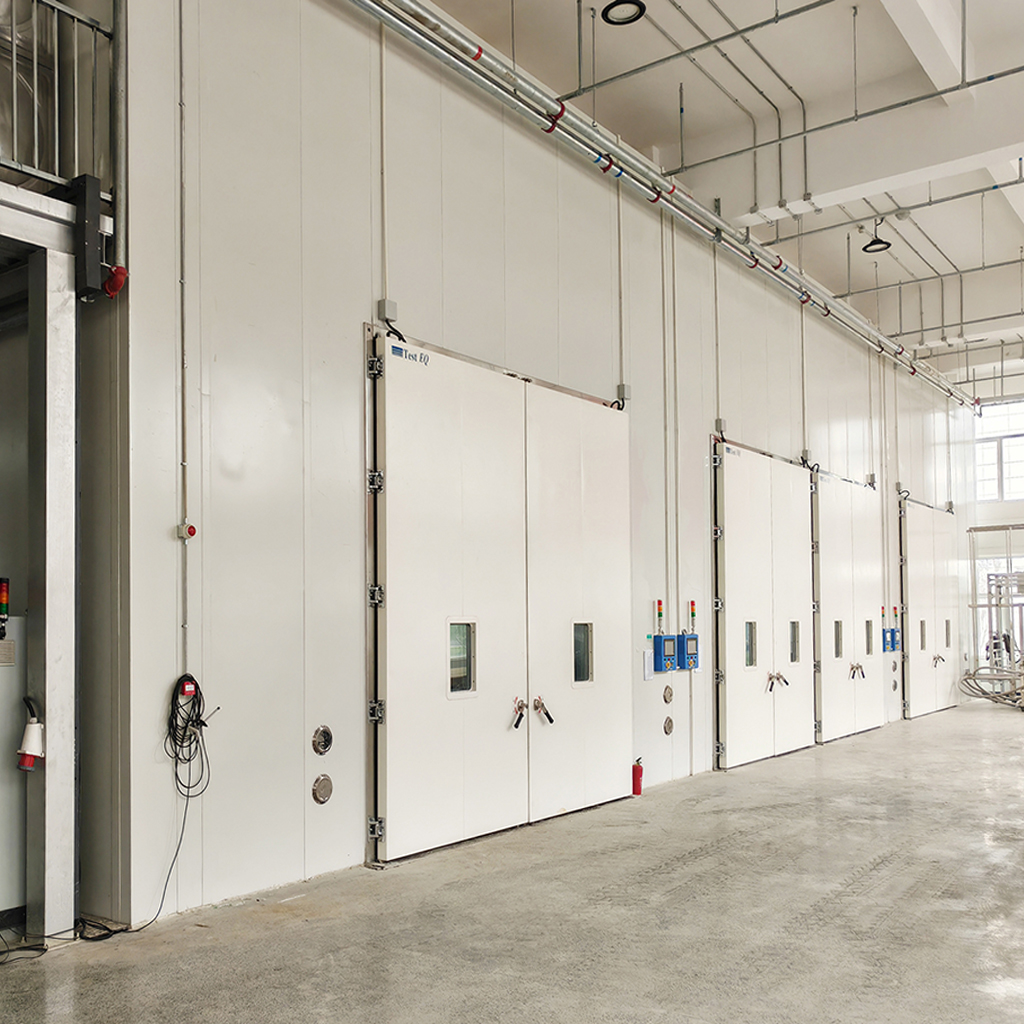
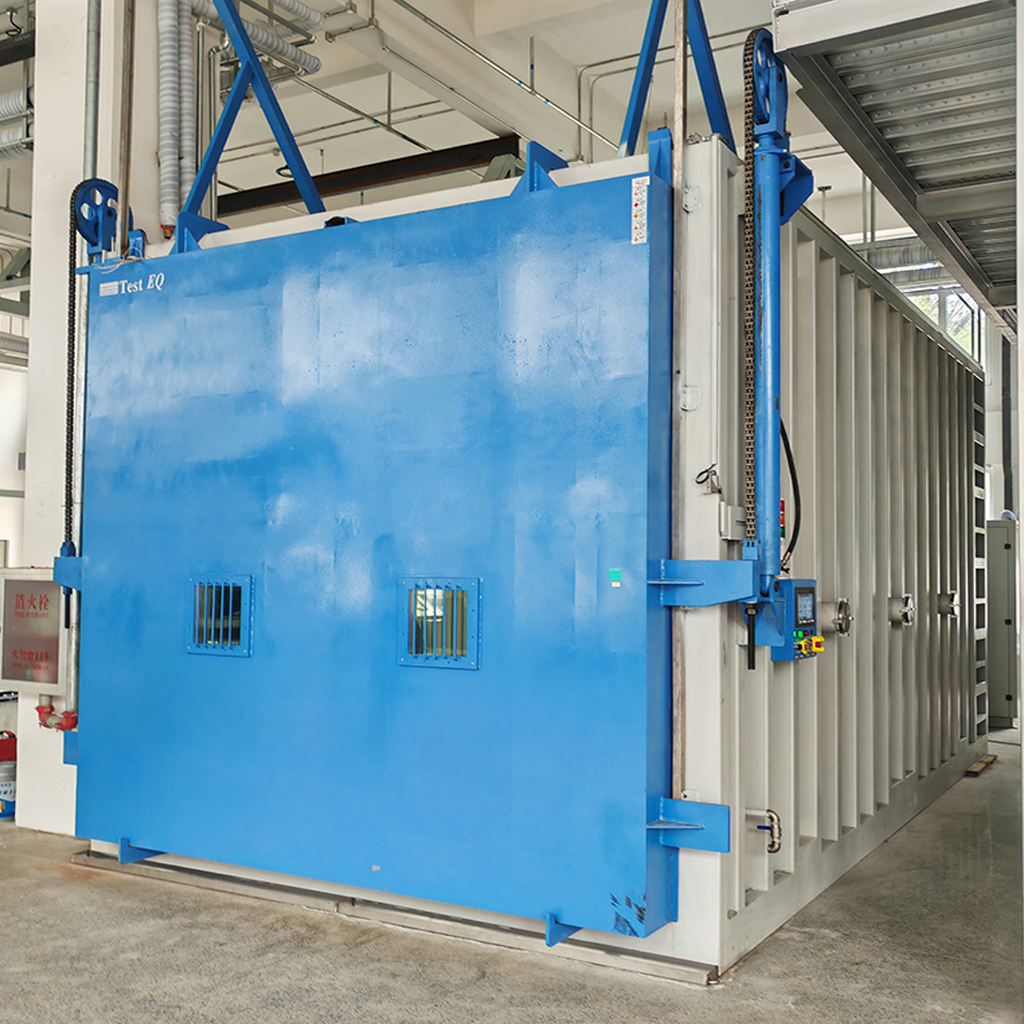
Large walk-in chamber customization
Why Choose TestEQ for Thermal Cycling Chambers?
TestEQ develops environmental simulation systems for reliability qualification, environmental testing and customized engineering applications.
Thermal cycling chamber configurations can be engineered around:
• Required temperature range
• Ramp rate
• Chamber volume
• Test load
• Thermal profile
• Fixture design
• Monitoring requirements
• Applicable reliability standard
The objective is not simply to provide a chamber that reaches a temperature set point, but to provide a repeatable thermal environment matched to the customer's actual test program.
Supported Test Standards
TestEQ thermal cycling chambers can be configured for applications associated with:
IEC 60068-2-14 : Temperature Change Testing
JEDEC JESD22-A104 :Semiconductor Temperature Cycling
MIL-STD-810: Military Environmental Testing
AEC-Q100 : Automotive IC Reliability
ISO 16750 :Automotive Electronic Components
RTCA DO-160
The exact chamber configuration and test profile should be determined according to the applicable standard revision and customer specification.
FAQ:
1.What is a thermal cycling chamber?
A thermal cycling chamber is an environmental test chamber designed to repeatedly expose products or components to programmed high- and low-temperature conditions.
2.What temperature range does a thermal cycling chamber provide?
TestEQ configurations can provide temperature ranges down to approximately -70°C and high temperatures up to approximately +180°C, depending on the model.
3.How fast can a thermal cycling chamber change temperature?
Depending on the configuration, TestEQ thermal cycling chambers can provide linear ramp rates from 5°C/min to 30°C/min.
4.What is the difference between thermal cycling and thermal shock?
Thermal cycling normally uses controlled temperature ramps, while thermal shock rapidly transfers a specimen between separate hot and cold zones.
5.Can thermal cycling chambers be customized?
Yes. Chamber volume, temperature range, ramp rate, fixtures, monitoring and other engineering requirements can be customized.
6.Are thermal cycling chambers suitable for semiconductor testing?
Yes. Thermal cycling is widely used for semiconductor and electronic component reliability testing, including applications associated with JEDEC JESD22-A104.
Internal Linking Module
Recommended Equipment
High-ramp-rate temperature testing equipment for applications requiring fast and controlled heating and cooling, including semiconductor, automotive, EV battery, and electronics reliability testing.
Designed for rapid temperature transition testing to evaluate severe thermal stress, cracking, delamination, and other failures caused by sudden temperature changes.
Combines thermal cycling and high-vacuum simulation for aerospace and satellite qualification testing. Suitable for evaluating material outgassing, thermal balance, electronic performance, and long-term reliability under space-like environments.
Related Standards
A widely used JEDEC standard for temperature cycling of semiconductor devices and electronic components, covering controlled temperature transitions and cycle conditions for reliability evaluation.
An international environmental testing standard for change of temperature. It provides test methods for evaluating components and products under repeated temperature transitions.
Related Resources
Comprehensive guide explaining thermal cycling principles, common failure mechanisms, international standards, chamber selection criteria, and reliability testing applications across automotive, battery, semiconductor, and electronics industries.
Understand the key differences between thermal cycling and thermal shock, including temperature transition rate, stress mechanism, test equipment, and typical applications.
Learn how high ramp-rate thermal cycling accelerates reliability validation, reduces testing time, and improves defect detection efficiency for advanced electronics and semiconductor products.