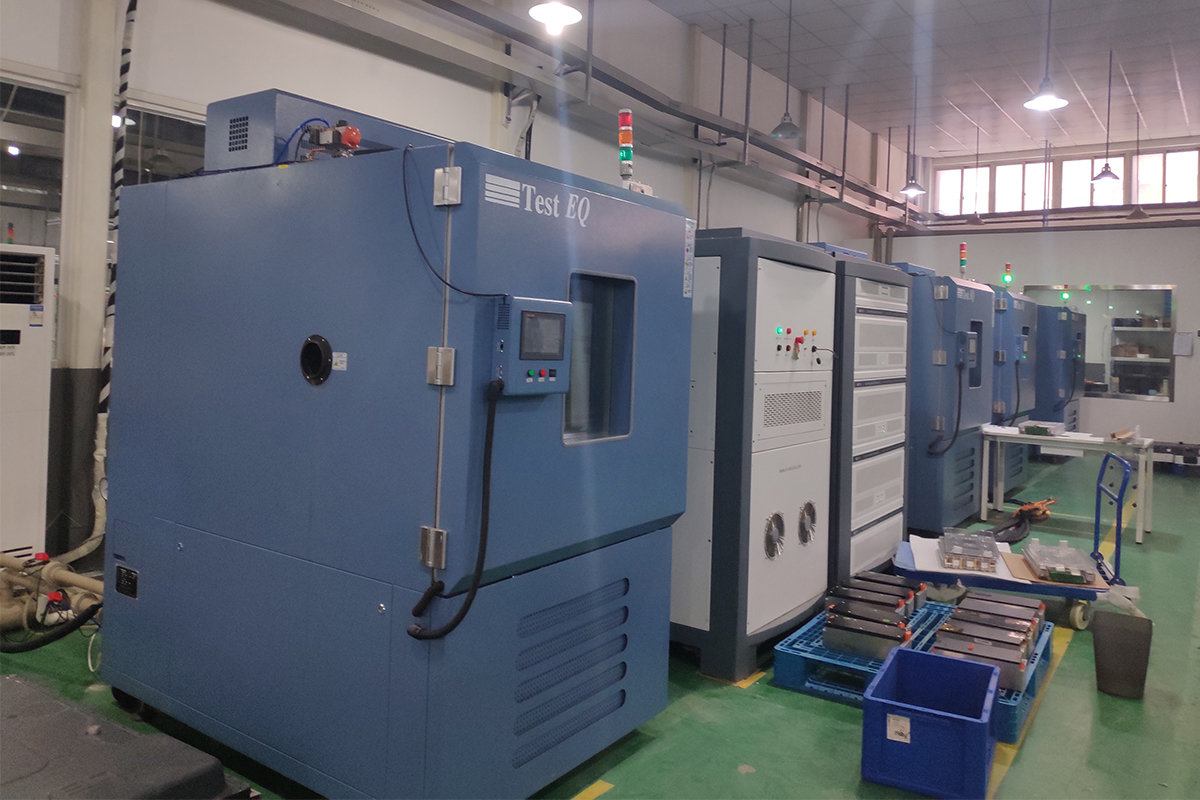
What Is JEDEC Reliability Testing?
JEDEC (Joint Electron Device Engineering Council) develops globally recognized standards used by semiconductor manufacturers, OEMs, testing laboratories, and research institutions.
JEDEC reliability testing is designed to simulate environmental and mechanical stresses that products may encounter during transportation, storage, and field operation.
Typical objectives include:
Verifying product durability
Identifying latent defects
Evaluating packaging integrity
Assessing solder joint reliability
Accelerating failure mechanisms
Supporting qualification and certification programs
These tests help engineers predict product performance throughout its expected service life.
Common JEDEC Reliability Test Standards
1. Temperature Cycling Test (JESD22-A104)
Temperature cycling repeatedly exposes samples to alternating high and low temperatures.
Typical applications:
Semiconductor packages
Automotive ECUs
PCB assemblies
Power electronics
Common failure modes:
Solder fatigue
Package cracking
Wire bond degradation
Material expansion mismatch
Recommended equipment:
High-performance temperature cycling chambers capable of precise temperature transitions and long-term continuous operation.
2. Highly Accelerated Stress Test (HAST) – JESD22-A110
HAST accelerates moisture penetration and electrochemical corrosion under elevated temperature, humidity, and pressure conditions.
Typical test conditions:
110°C–130°C
85% RH
Pressurized environment
Applications:
IC packages
Sensors
Consumer electronics
Automotive semiconductors
Benefits:
Faster reliability assessment
Moisture resistance verification
Reduced qualification time
3. Temperature Humidity Bias (THB) – JESD22-A101
THB evaluates product reliability under long-term temperature, humidity, and electrical bias stress.
Typical conditions:
85°C
85% RH
Continuous voltage bias
THB testing is widely used for:
Semiconductor qualification
PCB reliability assessment
Automotive electronics validation
4. Thermal Shock Testing – JESD22-A106
Thermal shock testing rapidly transfers products between extreme hot and cold environments.
Purpose:
Evaluate resistance to sudden temperature changes
Detect material incompatibility
Verify package robustness
Industries:
Aerospace
Automotive
Military electronics
Industrial controls
5. Mechanical Shock and Vibration Testing
Electronic products frequently experience mechanical stress during transportation and operation.
Testing evaluates:
Structural integrity
Connector durability
Mounting reliability
Functional performance under vibration
Products tested include:
Battery systems
Automotive electronics
Aerospace assemblies
Industrial equipment
Key Reliability Failure Mechanisms Evaluated by JEDEC Tests
A well-designed JEDEC qualification program helps identify critical failure mechanisms such as:
| Failure Mechanism | Typical Test Method |
|---|---|
| Solder Joint Fatigue | Temperature Cycling |
| Moisture Ingress | HAST / THB |
| Corrosion | HAST |
| Package Cracking | Thermal Shock |
| Delamination | HAST / Thermal Cycling |
| Wire Bond Failure | Temperature Cycling |
| Mechanical Damage | Vibration Testing |
Understanding these mechanisms allows manufacturers to improve product reliability before mass production.
Selecting the Right Environmental Test Equipment
Accurate reliability data depends heavily on environmental test equipment performance.
Key considerations include:
Temperature Uniformity
Ensures consistent stress exposure across all samples.
Long-Term Stability
Supports qualification programs that may run for hundreds or thousands of hours.
Compliance with JEDEC Standards
Equipment should meet the environmental requirements specified in relevant JESD22 methods.
Data Logging and Traceability
Essential for laboratory accreditation and customer audits.
Custom Test Capability
Supports unique qualification requirements for advanced semiconductor and electronic products.
Why Reliability Testing Matters for Modern Electronics
Reliability testing is no longer limited to semiconductor manufacturers.
Today it is essential for:
Automotive electronics suppliers
EV battery manufacturers
Aerospace contractors
Telecommunications equipment producers
Consumer electronics brands
Research laboratories
A robust JEDEC-based reliability program helps organizations:
Reduce warranty costs
Improve product quality
Accelerate qualification cycles
Increase customer confidence
Meet global industry requirements
TestEQ Environmental Test Solutions for JEDEC Qualification
TestEQ provides advanced environmental simulation systems designed for semiconductor, electronics, automotive and aerospace reliability testing.
Our solutions support a wide range of JEDEC qualification methods, including:
Temperature Cycling Testing
HAST Testing
Temperature Humidity Bias Testing
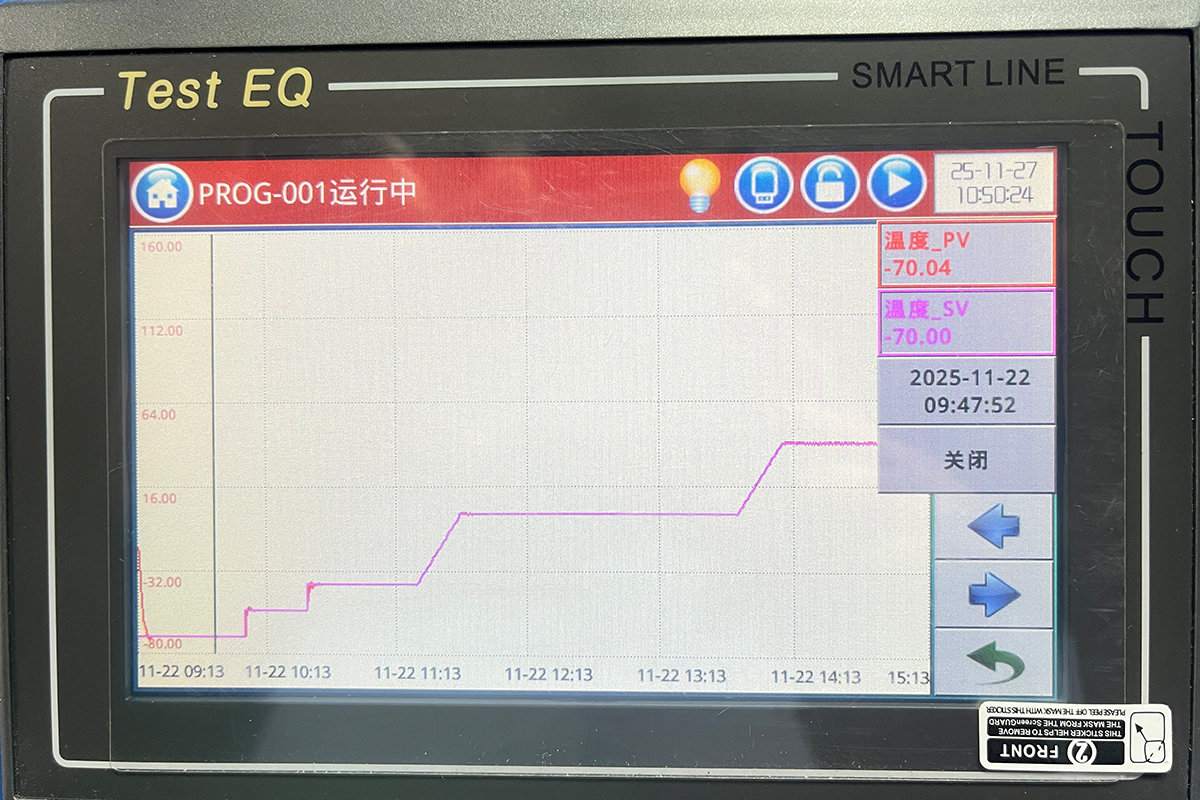
Key advantages include:
High-precision temperature control
Long-term reliability operation
Custom chamber configurations
Compliance-oriented design
Global technical support
Whether for R&D validation, qualification testing or production reliability verification, TestEQ chambers help laboratories generate repeatable and trustworthy test results.
Internal Linking Module
Related Standards
Learn about major JESD22 environmental and mechanical reliability test methods used in semiconductor qualification programs.
Comprehensive overview of HAST procedures, failure mechanisms and qualification requirements.
Recommended Test Equipment
High ramp-rate environmental chambers designed for semiconductor and automotive reliability verification.
Pressure-based humidity test systems for accelerated moisture resistance testing.
Technical Resources
Compare accelerated humidity reliability methods and determine the best test strategy.
Understand thermal shock failure mechanisms and qualification best practices.
Frequently Asked Questions (FAQ)
What is JEDEC reliability testing?
JEDEC reliability testing evaluates semiconductor and electronic products under accelerated environmental conditions to predict long-term performance and identify potential failure mechanisms.
Which JEDEC standard is used for temperature cycling?
Temperature cycling testing is commonly performed according to JESD22-A104.
What is the difference between HAST and THB testing?
HAST uses elevated temperature, humidity, and pressure to accelerate moisture-related failures, while THB applies temperature, humidity, and electrical bias over longer durations.
Why is thermal shock testing important?
Thermal shock testing identifies failures caused by rapid temperature changes, including package cracking, delamination, and solder joint fatigue.
What industries use JEDEC qualification testing?
Semiconductor, automotive, aerospace, telecommunications, consumer electronics, and industrial manufacturing industries commonly use JEDEC reliability standards.
CTA
Need Help Selecting the Right JEDEC Reliability Test Chamber?
Whether you are a semiconductor manufacturer, automotive supplier, third-party laboratory, or research institution, TestEQ can help you configure a reliability testing solution that aligns with JEDEC qualification requirements.
"Contact TestEQ today" for chamber selection guidance, application consultation, test standard support, and customized environmental simulation solutions.