1. What Is a High-Altitude Environmental Test Chamber Standard?
A high-altitude environmental test chamber standard refers to internationally recognized testing requirements that simulate atmospheric pressure changes equivalent to different altitude levels.
These standards define:
• Pressure range simulation (sea level to extreme altitude)
• Temperature-humidity coupling conditions
• Rate of pressure change control
• Test duration and stabilization requirements
• Sample safety and performance validation methods
Typical altitude simulation ranges include:
• Sea level: 101.3 kPa
• Moderate altitude: 5,000–10,000 meters
• High altitude simulation: up to 50,000 meters (depending on system capability)
The purpose is to ensure products maintain functionality under low oxygen, low pressure, and extreme environmental stress conditions.
2. Key International Standards for Altitude Testing
High-altitude environmental testing is widely governed by international standards, including:
MIL-STD-810 (Method 500.6 / 500.7)
Used by defense and aerospace industries to simulate:
• Rapid decompression
• Storage at high altitude
• Operational low-pressure conditions
IEC 60068 Environmental Testing Standards
Defines general environmental test procedures for:
• Electrical and electronic equipment
• Pressure and temperature variation conditions
RTCA DO-160 (Aviation Standard)
Applies to avionics systems, covering:
• Aircraft cabin pressure simulation
• Flight altitude operation validation
ISO Environmental Testing Guidelines
Used for general industrial and automotive applications to ensure product reliability.
These standards collectively define the performance expectations for altitude environmental test systems used in modern laboratories.
3. Core Technical Requirements of Altitude Test Chambers
A compliant high-altitude environmental test chamber must meet strict engineering requirements:
3.1 Pressure Control Accuracy
High-precision vacuum regulation system
Stability control within ±1–2% deviation
Programmable altitude simulation curves
3.2 Temperature Integration Capability
Wide temperature range (typically -70°C to +150°C or higher)
Rapid thermal transition compatibility
Uniform chamber distribution system
3.3 Structural Pressure Resistance
Reinforced stainless steel chamber body
Anti-deformation vacuum design
Multi-layer insulation for thermal stability
3.4 Safety Protection Systems
Overpressure protection valves
Emergency venting system
Automatic shutdown and fault detection
3.5 Data Acquisition System
Real-time pressure-temperature monitoring
Multi-channel sensor integration
Exportable test reports for certification
4. Industry Applications of High-Altitude Environmental Testing
High-altitude environmental simulation is widely used across multiple industries:
Aerospace & Aviation
• Avionics system validation
• Satellite component testing
• Cabin pressure simulation
Automotive Industry
• ECU and sensor reliability testing
• Battery performance at altitude
• EV thermal management systems
Electronics & Semiconductor
• PCB performance under low pressure
• Semiconductor packaging validation
• Device reliability under thermal stress
Military & Defense
• Weapon system reliability testing
• Communication equipment validation
• Field deployment simulation
5. Why Altitude Testing Standards Matter for Product Reliability
Failure to comply with altitude environmental test standards can result in:
• Device malfunction at high elevation regions
• Battery leakage or performance degradation
• Seal failure under pressure variation
• Communication instability in aerospace systems
For manufacturers, adherence to these standards is not optional—it is a requirement for global market access and certification approval.
6. TestEQ High-Altitude Environmental Test Chamber Solutions
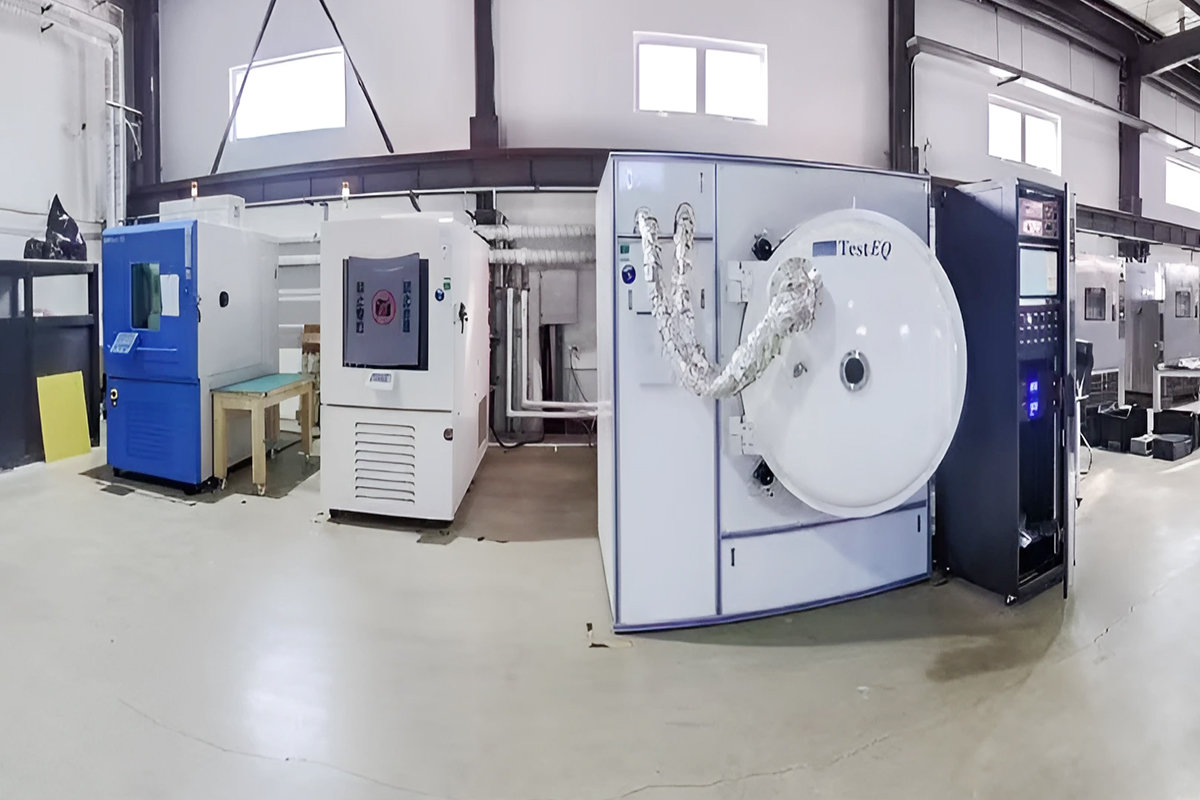
As a specialized manufacturer of environmental simulation systems, TestEQ provides advanced high-altitude environmental test chambers designed for precision, stability, and long-term industrial reliability.
Key Advantages of TestEQ Systems:
Custom altitude simulation up to extreme vacuum levels
Integrated temperature & humidity testing modules
High-speed pressure transition control
Modular design for aerospace and R&D labs
Fully compliant with MIL-STD-810 and IEC 60068 requirements
TestEQ systems are widely used in:
Aerospace engineering laboratories
Automotive R&D centers
Electronics validation facilities
Third-party certification labs
7. Engineering Selection Guide for Buyers
When selecting a high-altitude environmental test chamber, engineers should evaluate:
• Required altitude simulation range
• Test specimen size and load capacity
• Temperature integration needs
• Control system precision level
• Compliance certification requirements
• Long-term maintenance and calibration support
A properly selected system ensures not only compliance but also reduces testing cost and improves validation efficiency.
8. Future Trends in Altitude Environmental Testing
The next generation of environmental test chambers is evolving toward:
• AI-based predictive test control systems
• Faster pressure transition cycles
• Energy-efficient vacuum systems
• Multi-environment combined stress testing (ALT + vibration + thermal)
• Digital twin simulation integration
These advancements will significantly improve testing accuracy and reduce development cycles for high-reliability industries.
Conclusion
The high-altitude environmental test chamber standard plays a critical role in ensuring product safety, reliability, and international compliance across aerospace, automotive, electronics, and defense industries. Understanding these standards helps engineers and procurement teams select the right testing equipment for demanding applications.
With advanced engineering capabilities and customized solutions, TestEQ continues to support global manufacturers in achieving higher testing precision and faster certification success.
FAQ:
1. What is a high-altitude environmental test chamber used for?
A high-altitude environmental test chamber is used to simulate low-pressure, high-altitude conditions to evaluate product performance, reliability, and safety. It is widely applied in aerospace, automotive, electronics, and defense industries to test how materials and components behave under reduced atmospheric pressure and environmental stress.
2. Which standards are used for high-altitude testing?
The most commonly used standards include MIL-STD-810 (Method 500 series), IEC 60068 environmental testing standards, and RTCA DO-160 for aviation systems. These standards define altitude simulation methods, pressure levels, and test procedures to ensure global compliance and product reliability.
3. What altitude range can a test chamber simulate?
Modern high-altitude environmental test chambers can simulate conditions from sea level (101.3 kPa) up to extreme altitudes equivalent to 30,000–50,000 meters, depending on system design. Advanced systems can also combine temperature and humidity control for multi-stress testing.
4. What industries require altitude environmental testing?
Altitude testing is required in aerospace engineering, aviation electronics, automotive systems (especially EV batteries and ECUs), semiconductor packaging, and military defense equipment. These industries rely on altitude simulation to ensure product performance under real-world operational conditions.
5. What is the difference between a vacuum chamber and an altitude test chamber?
A vacuum chamber mainly focuses on pressure reduction, while a high-altitude environmental test chamber combines vacuum, temperature, and environmental control to simulate real atmospheric conditions. Altitude chambers are more suitable for product qualification and certification testing.
6. How do I choose the right altitude test chamber?
The selection depends on altitude range, temperature requirements, chamber volume, test standard compliance, and control system precision. Engineers should also consider cycle speed, data acquisition capabilities, and long-term calibration support before purchasing.
Internal Linking Module
Recommended Equipment
Recommended core equipment for testing in high-altitude/low-pressure/vacuum environments
Designed specifically to simulate high-altitude, low-pressure environments, it can be used for reliability testing in aerospace, electronic components, and automotive electronics.
Combining high and low temperature environments with vacuum conditions, it is suitable for reliability verification of aerospace devices and extreme environments.
Related Standards
International Standard Reference for High Altitude/Air Pressure/Environmental Reliability Testing
Low-pressure and high-altitude environment simulation test specifications applicable to military and aerospace products.
Environmental adaptability testing standards for avionics equipment include requirements for pressure, temperature, and altitude simulation.
Technical Resources
Technical articles for in-depth understanding of the principles and applications of high-altitude testing
To analyze the impact mechanism of low-pressure environment on materials, circuits and electronic equipment.
This paper introduces the application methods and testing logic of environmental test chambers in reliability engineering.
CTA:
Need a Certified High-Altitude Test Chamber for Your Lab or Project?
If you are working on aerospace, automotive, or electronics validation, choosing the right altitude simulation system is critical for passing international standards and reducing product failure risk.
TestEQ provides advanced, fully customizable high-altitude environmental test chambers designed for engineering-grade accuracy and global compliance.
✔ Get Technical Support From Test Engineers
✔ Request Customized Chamber Configuration
✔ Receive Fast Quotation Within 24 Hours