What Is MIL-STD-810H Method 500?
MIL-STD-810H Method 500 evaluates equipment performance under low atmospheric pressure conditions that represent high-altitude environments.
The purpose of this test method is to determine whether a product can:
Maintain functional operation at reduced pressure
Resist structural deformation caused by pressure changes
Prevent electrical failures caused by low-pressure environments
Maintain thermal performance when air density decreases
Survive transportation and storage at altitude conditions
Typical applications include:
Aircraft electronic systems
Avionics equipment
Military communication devices
Aerospace components
UAV and drone systems
Semiconductor and electronic modules
Automotive electronics used in high-altitude regions
MIL-STD-810H Method 500 Test Procedures
Method 500 contains four major procedures depending on the product application.
Storage / Air Transport
This procedure evaluates equipment during storage or transportation in unpressurized aircraft environments.
Typical conditions include:
Low atmospheric pressure exposure
Non-operating equipment condition
Transportation simulation
The objective is to ensure products can survive altitude conditions without permanent damage.
Operation / Air Carriage
This procedure verifies equipment functionality while operating under reduced pressure conditions.
Engineers evaluate:
Functional performance
Electrical stability
Cooling capability
Mechanical reliability
This is critical for aerospace electronics and airborne systems.
Rapid Decompression
Rapid decompression simulates sudden pressure loss scenarios.
Testing focuses on:
Structural integrity
Housing sealing performance
Internal component protection
Safety-related functions
This procedure is widely used for aviation and defense applications.
Explosive Decompression
This procedure evaluates equipment response to extremely rapid pressure changes.
Applications include:
Aircraft systems
Military platforms
High-reliability aerospace equipment
Key Test Parameters of MIL-STD-810H Method 500
Altitude testing normally controls several environmental parameters:
| Parameter | Typical Testing Requirement |
|---|---|
| Pressure | Reduced atmospheric pressure simulation |
| Altitude Range | Sea level to high altitude simulation |
| Temperature | Combined low/high temperature conditions |
| Humidity | Optional combined environmental testing |
| Duration | Based on equipment requirements |
| Pressure Change Rate | Controlled decompression simulation |
Because altitude environments influence heat transfer and component reliability, many laboratories combine altitude testing with temperature cycling or humidity testing.
Why Altitude Testing Is Important for Product Reliability
At high altitude, reduced air pressure changes the way products operate.
Potential failure risks include:
1. Thermal Management Failure
Lower air density reduces natural cooling efficiency, which may cause overheating of electronic components.
2. Electrical Insulation Breakdown
Reduced pressure can increase the possibility of electrical arcing and insulation failure.
3. Mechanical Stress
Pressure differences may affect seals, enclosures and structural components.
4. System Reliability Issues
Electronic systems may experience:
Signal instability
Component degradation
Unexpected shutdown
Reduced lifetime
MIL-STD-810H Method 500 helps identify these risks before field deployment.
TestEQ Altitude Test Chamber Solution
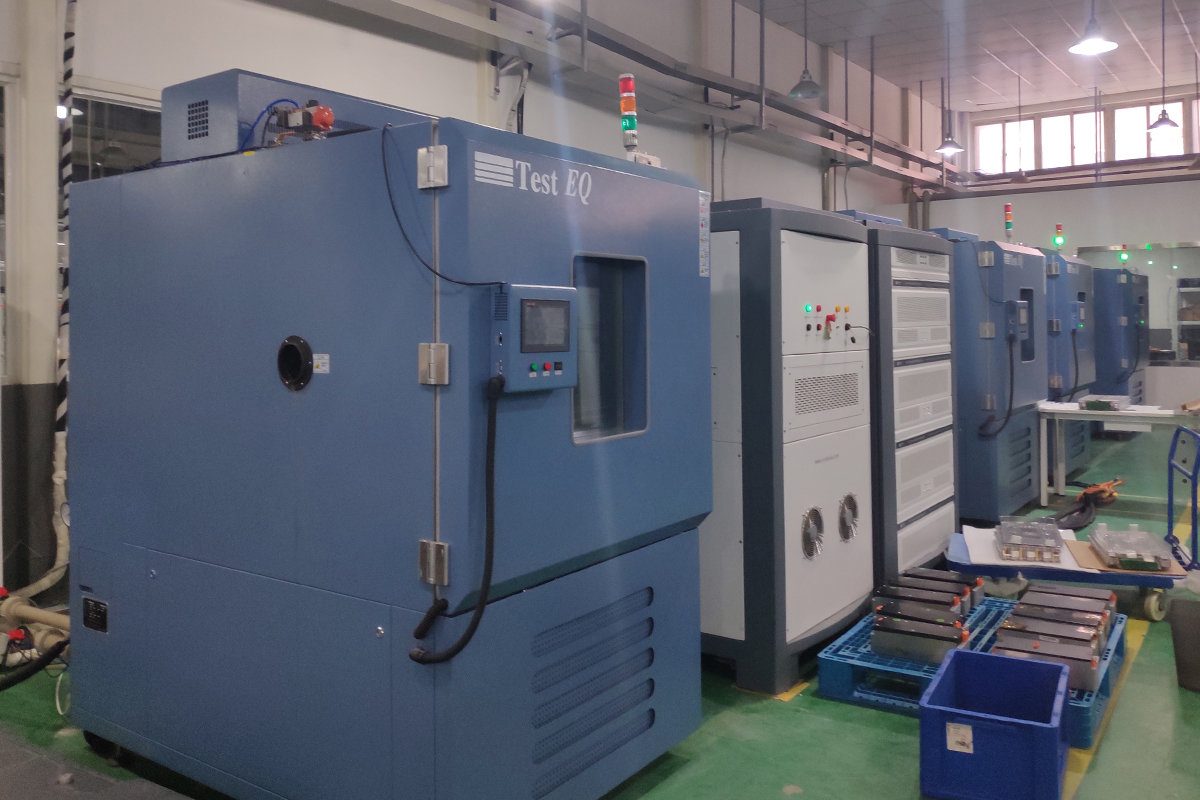
TestEQ provides customized altitude simulation chambers designed for aerospace, defense and reliability testing laboratories.
Key capabilities include:
Low Pressure Simulation
Test chambers can simulate high-altitude environments through precise vacuum and pressure control systems.
Combined Temperature & Altitude Testing
Products can be tested under simultaneous:
Low temperature
High temperature
Low pressure conditions
This improves real-world environmental simulation accuracy.
Precision Environmental Control
TestEQ chambers feature:
Advanced refrigeration technology
Automated pressure control
Real-time monitoring systems
Safety protection systems
Customized Chamber Design
Solutions are available for:
Electronic components
Aerospace assemblies
Large equipment
Research laboratory applications
MIL-STD-810H Method 500 vs Standard Altitude Testing
| Comparison | MIL-STD-810H Method 500 | General Altitude Testing |
|---|---|---|
| Application | Military and aerospace reliability | General product testing |
| Test Procedures | Defined Procedures I-IV | Customer defined |
| Environmental Conditions | Strict simulation requirements | Flexible |
| Documentation | Detailed verification records | Basic reports |
| Industry Recognition | Global defense standard | Application dependent |
For suppliers entering aerospace and defense markets, MIL-STD-810H compliance provides stronger technical credibility.
Applications of MIL-STD-810H Altitude Testing
Aerospace Industry
Testing:
Avionics systems
Aircraft components
Navigation equipment
Defense Industry
Testing:
Military electronics
Communication systems
Tactical equipment
Semiconductor Industry
Testing:
Semiconductor modules
Electronic packages
Reliability samples
Automotive Industry
Testing:
EV electronics
Battery management systems
Vehicle controllers
FAQ
1.What is MIL-STD-810H Method 500?
MIL-STD-810H Method 500 is an altitude testing method used to evaluate equipment performance under reduced atmospheric pressure conditions.
2.What products require MIL-STD-810H altitude testing?
Common products include aerospace electronics, military equipment, communication systems, UAV components and high-reliability electronic devices.
3.What chamber is used for MIL-STD-810H Method 500 testing?
An altitude test chamber or thermal vacuum chamber is typically used to simulate reduced pressure and controlled temperature environments.
4.Can altitude testing be combined with temperature testing?
Yes. Many reliability programs combine altitude simulation with temperature cycling to reproduce real operational environments.
5.Why choose TestEQ for altitude environmental testing?
TestEQ provides customized environmental simulation chambers with advanced pressure control, temperature management and reliability testing solutions for global engineering applications.
6.What altitude can a MIL-STD-810H Method 500 test chamber simulate?
Most MIL-STD-810H altitude test chambers can simulate environments from sea level to over 30,000 m (98,000 ft), depending on chamber design. The required altitude, pressure level, temperature range and exposure duration should be selected according to the product's mission profile and the specific procedure defined in Method 500.
7.What is the difference between an altitude test chamber and a thermal vacuum chamber?
An altitude test chamber is primarily designed to simulate low atmospheric pressure and high-altitude environments, often combined with temperature control. A thermal vacuum chamber operates at much deeper vacuum levels and is typically used for spacecraft, satellite and aerospace component testing. The appropriate chamber depends on the required pressure range and applicable test standard.
8.How do I choose the right altitude test chamber for MIL-STD-810H testing?
When selecting an altitude test chamber, engineers should evaluate several key factors, including:
Maximum simulated altitude (vacuum level)
Temperature range and stability
Chamber working volume
Pressure control accuracy
Pressure change rate
Compliance with MIL-STD-810H Method 500 and other applicable standards
Automation, data acquisition and safety features
TestEQ provides customized altitude test chamber solutions based on product dimensions, test profiles and industry requirements, helping laboratories and manufacturers perform reliable qualification and environmental simulation testing.
Internal Linking Module
Recommended Equipment
Simulate high-altitude, low-pressure environments for aerospace, military, automotive and electronic product reliability testing in accordance with MIL-STD-810H Method 500.
Perform combined vacuum and temperature testing to reproduce space and aerospace operating environments for advanced reliability verification.
Conduct comprehensive environmental reliability testing including temperature, humidity, altitude, thermal cycling and customized test conditions.
Related Standards
Explore the complete military environmental testing standard, including temperature, humidity, vibration, shock, altitude and other qualification methods.
Learn aircraft environmental qualification requirements covering temperature, vibration, humidity, altitude, EMC and other aerospace test procedures
Understand internationally recognized environmental testing methods for electronic, industrial and consumer products, including climatic and mechanical testing.
Technical Resources
A practical guide to selecting the right environmental test chamber based on industry standards, test requirements and product applications.
Discover the principles, procedures and applications of temperature cycling tests used to evaluate long-term product reliability and durability.
Compare thermal shock and temperature cycling tests, understand their differences, applicable standards and how to choose the right method for your reliability program.
CTA
Build Reliable Products for High-Altitude Environments
From aerospace and defense systems to semiconductor and EV electroni
TestEQ designs and manufactures customized altitude test chambers that combine precise pressure control, temperature simulation and long-term operational stability to help laboratories and manufacturers meet the demanding requirements of MIL-STD-810H Method and other international environmental.
Whether you are planning to build a new laboratory or upgrade the existing equipment.
Our engineering team can help you:
Recommend the most suitable chamber configuration for your testing requirements
Customize chamber size, altitude range, temperature range, and control system
Support compliance with MIL-STD-810H, RTCA DO-160, IEC 60068, and other international environmental testing standards
Deliver complete technical consultation, quotations, and after-sales support for global customers
Contact TestEQ today to discuss your testing requirements or request a customized solution. Our engineers are ready to help you select the ideal environmental test chamber for your application.