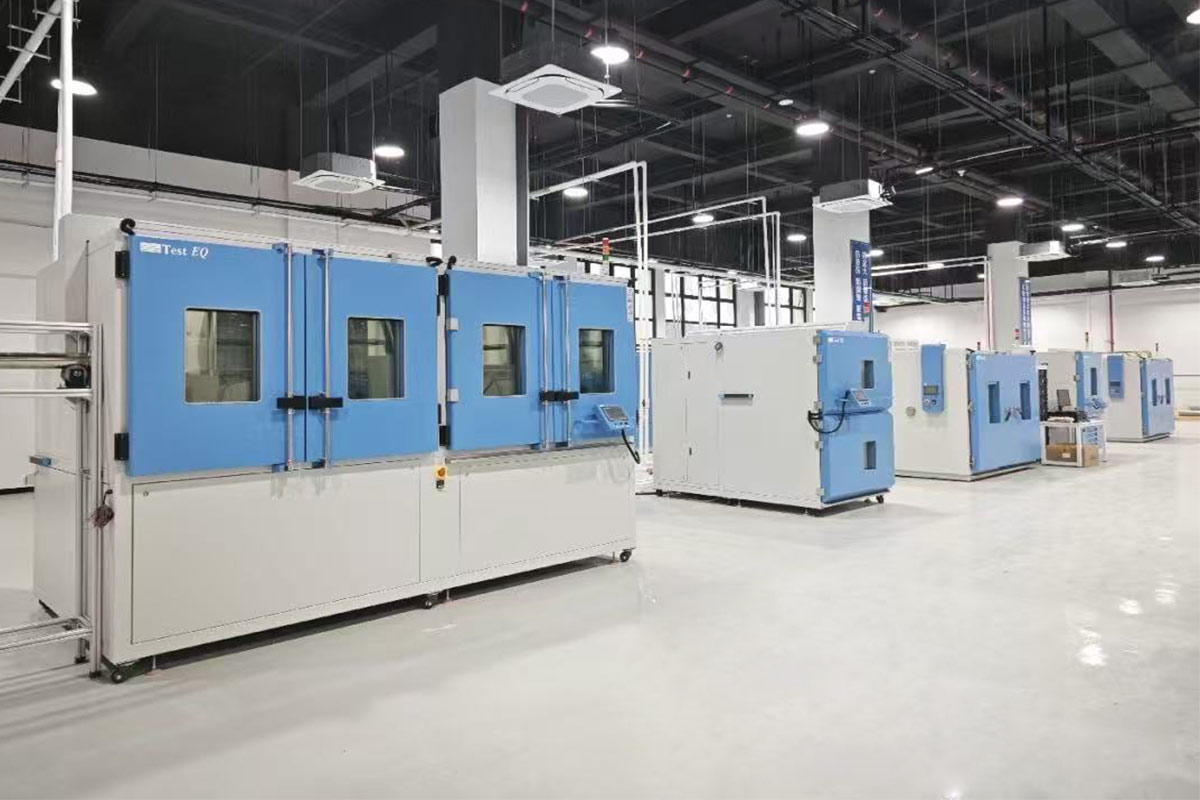
Core technical parameters:
The equipment delivered this time possesses the following core capabilities:
Temperature range: -70℃ ~ +180℃
High-precision temperature and humidity control system
Large-space uniformity control (±0.5~±1.5℃ level)
Long-term continuous operation stability
Rapid temperature response capability
Multi-point independent data acquisition interface
The system is specifically designed with thermal field optimization for aerospace-grade testing standards to ensure that large-sized samples do not experience environmental deviations during testing.
Aerospace application scenarios
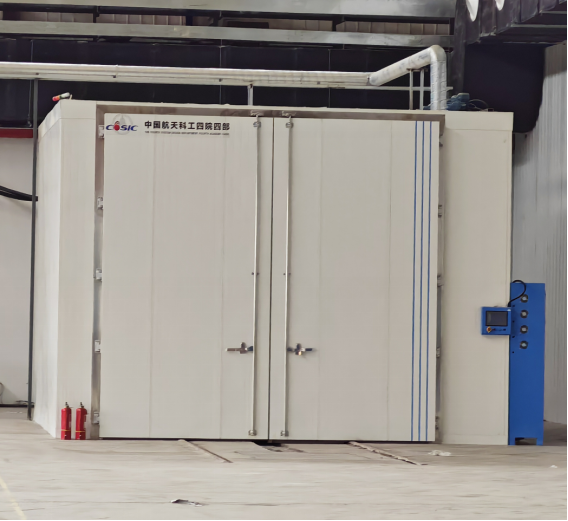
This walk-in climate test chamber is mainly used for:
Environmental adaptability testing of aerospace electronic equipment
Whole-system environmental simulation and life verification
Failure analysis under extreme temperature and humidity conditions (HALT/HASS support)
TestEQ Engineering Advantages:
As a manufacturer of environmental reliability testing equipment, TestEQ adopts a fully independent R&D and manufacturing system.
Refrigeration system designed in-house (not OEM integrated)
Self-developed control system (industrial-grade stability algorithm)
Multiple rounds of continuous operation verification at the factory (72–168 hours of testing).
System-wide consistency calibration process
Compared to traditional equipment suppliers, TestEQ offers greater stability and lower long-term maintenance costs.
Customization capabilities
This project offers several customization capabilities to meet the needs of research institutions:
Non-standard walk-in size design
Aerospace-grade data interface expansion
Remote monitoring and diagnostic system
Multiple safety protection mechanisms (over-temperature/over-voltage/system protection)
Scalable test program interface (supports future upgrades)
FAQ
Q1: What is a walk-in climate chamber used for in aerospace testing?
A walk-in climate chamber is used to simulate extreme temperature and humidity conditions for testing aerospace materials, components, and full systems under controlled environmental stress.
Q2: What temperature range does TestEQ walk-in chamber support?
TestEQ walk-in climate chambers typically support a wide temperature range from -70℃ to +180℃, suitable for aerospace-grade reliability testing.
Q3: Why are walk-in environmental chambers important for aerospace applications?
They ensure that large-scale components and systems are tested under uniform environmental conditions, improving reliability and reducing failure risks in real-world aerospace operations.
Q4: Can the chamber be customized for research institutes?
Yes, TestEQ provides full customization including chamber size, data interfaces, control systems, and remote monitoring functions for research-grade applications.
Q5: What standards does this chamber comply with?
It can be configured to meet aerospace reliability testing standards such as MIL-STD, ASTM, and internal research institute protocols.
Conclusion
The successful delivery of this walk-in climate test chamber not only demonstrates TestEQ's engineering capabilities in the field of high-end environmental testing equipment, but also further strengthens its technological credibility and brand influence in the aerospace reliability testing market. In the future, TestEQ will continue to be guided by research-grade standards, providing global customers with more reliable environmental simulation solutions.
"Request a Technical Solution & Quotation"
Due to confidentiality agreements, specific client names are not disclosed. However, parts of these projects can be verified through publicly available tender and procurement records.