Opening:
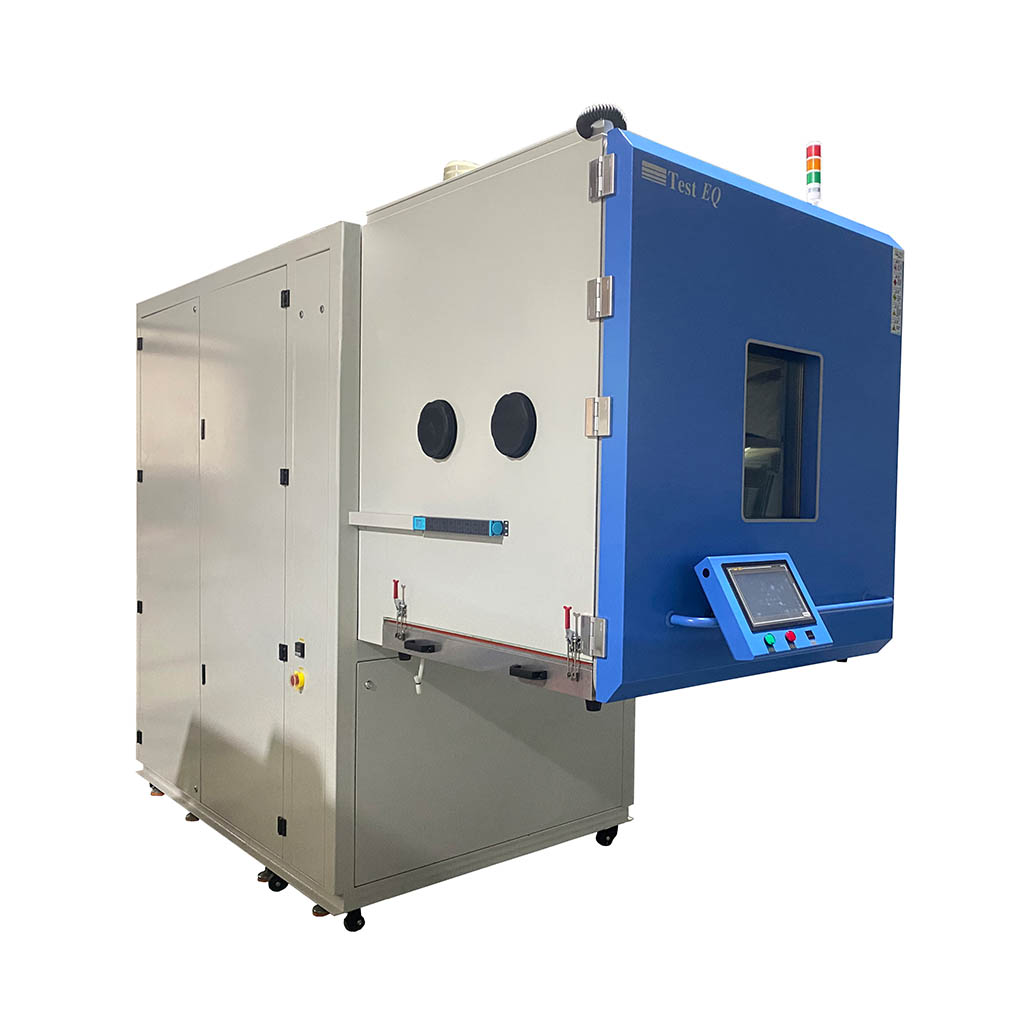
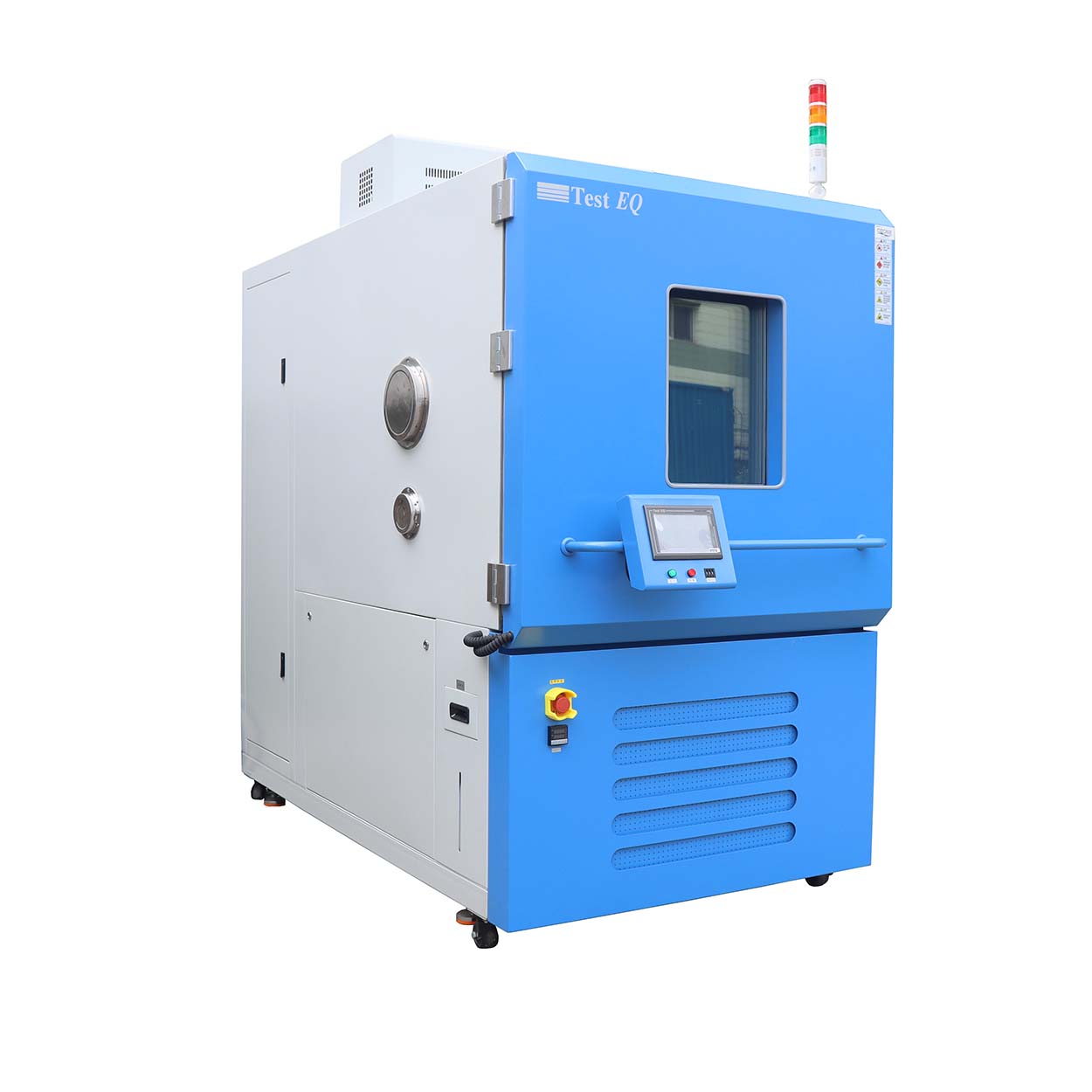
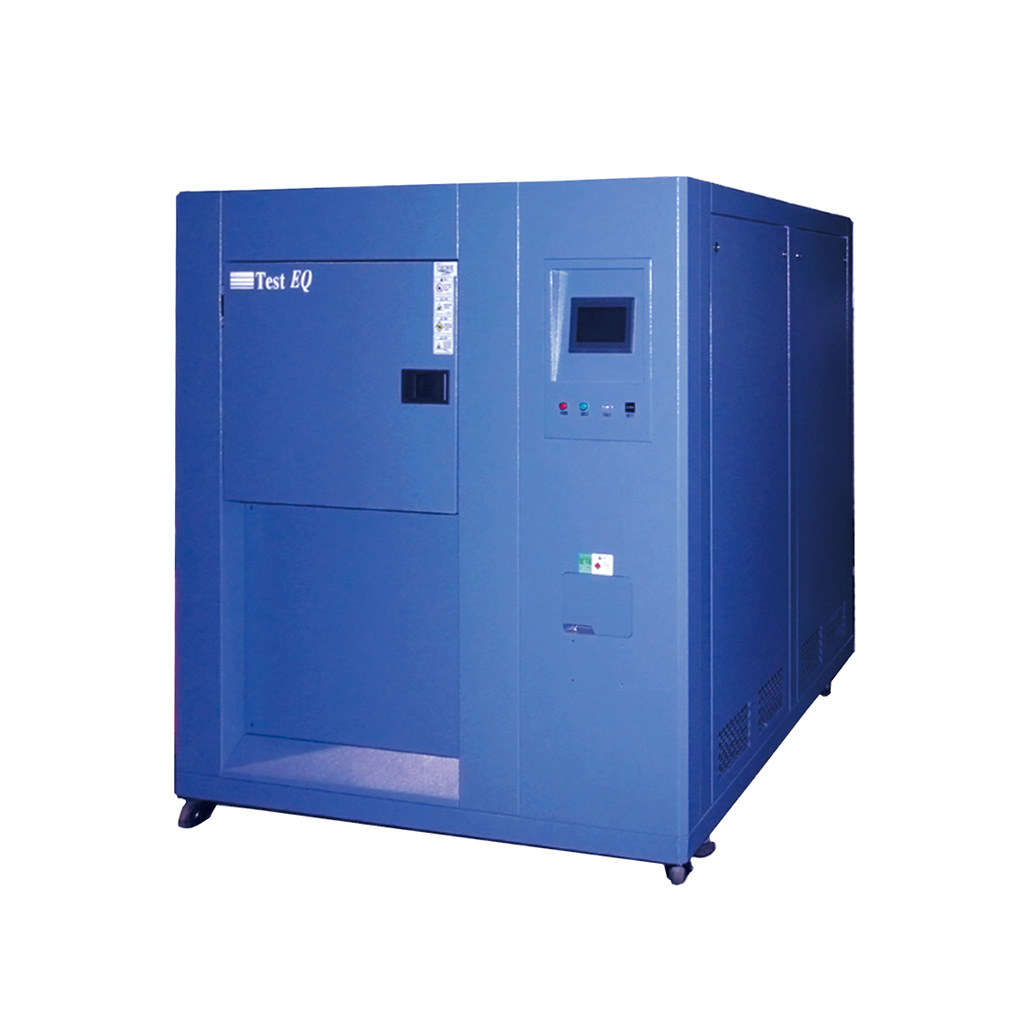
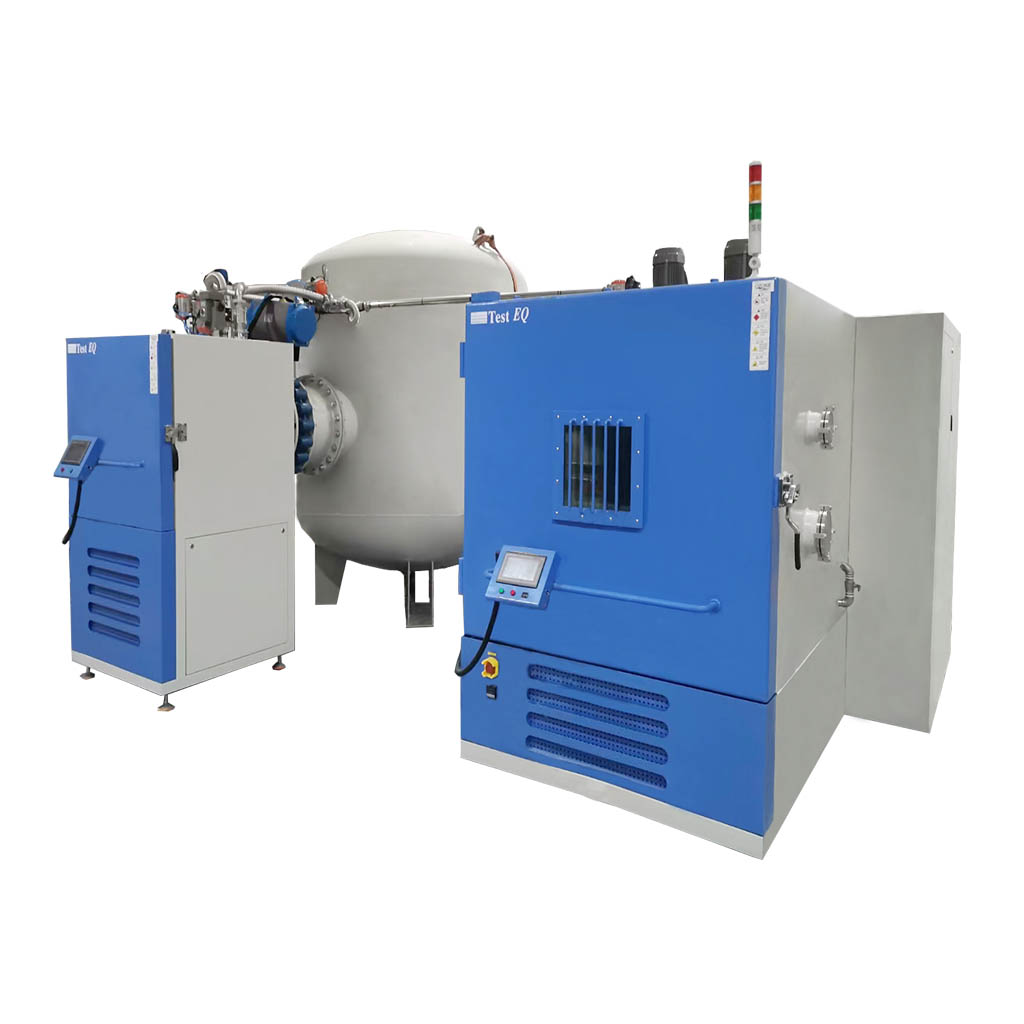
The Temperature Humidity Test Chamber is designed to simulate controlled environmental conditions for reliability, durability, and stability testing across a wide range of industries.
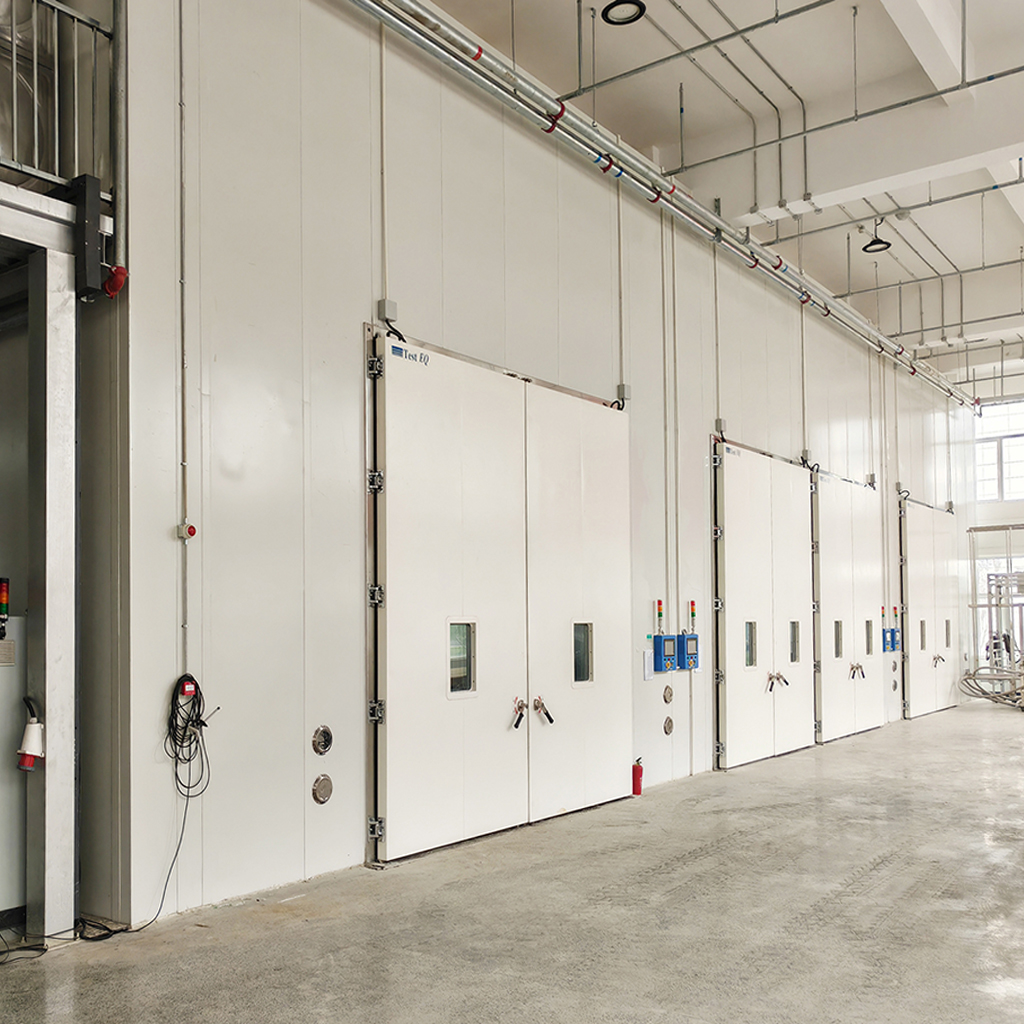
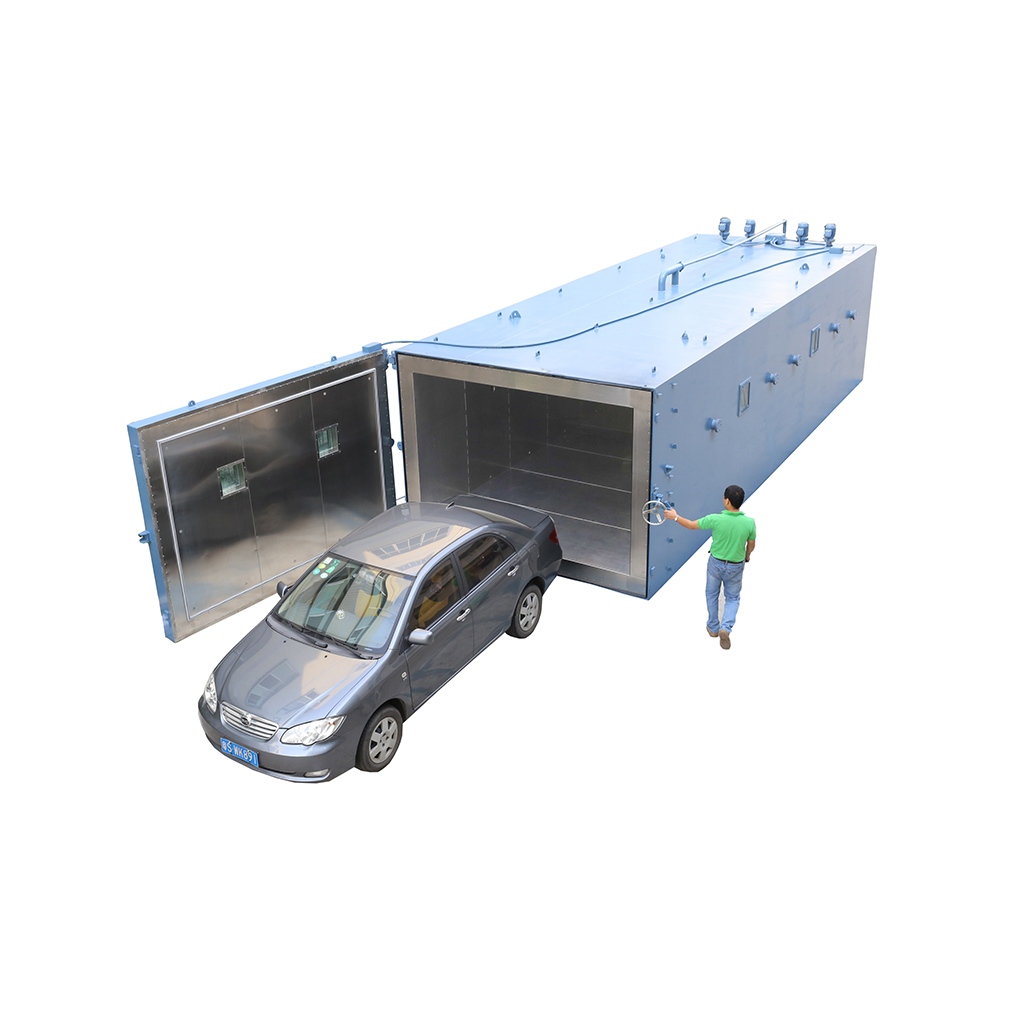
TestEQ provides both standard temperature humidity chambers and large-scale walk-in environmental chambers up to 4500m³, enabling laboratories and manufacturers to test everything from small electronic components to full-scale assemblies, battery packs, and vehicle systems.
With precise control of temperature and humidity, our chambers support international testing standards including IEC 60068, MIL-STD-810, JEDEC, and ISO environmental testing protocols.
Product Types Covered by This Temperature Humidity Chamber Series
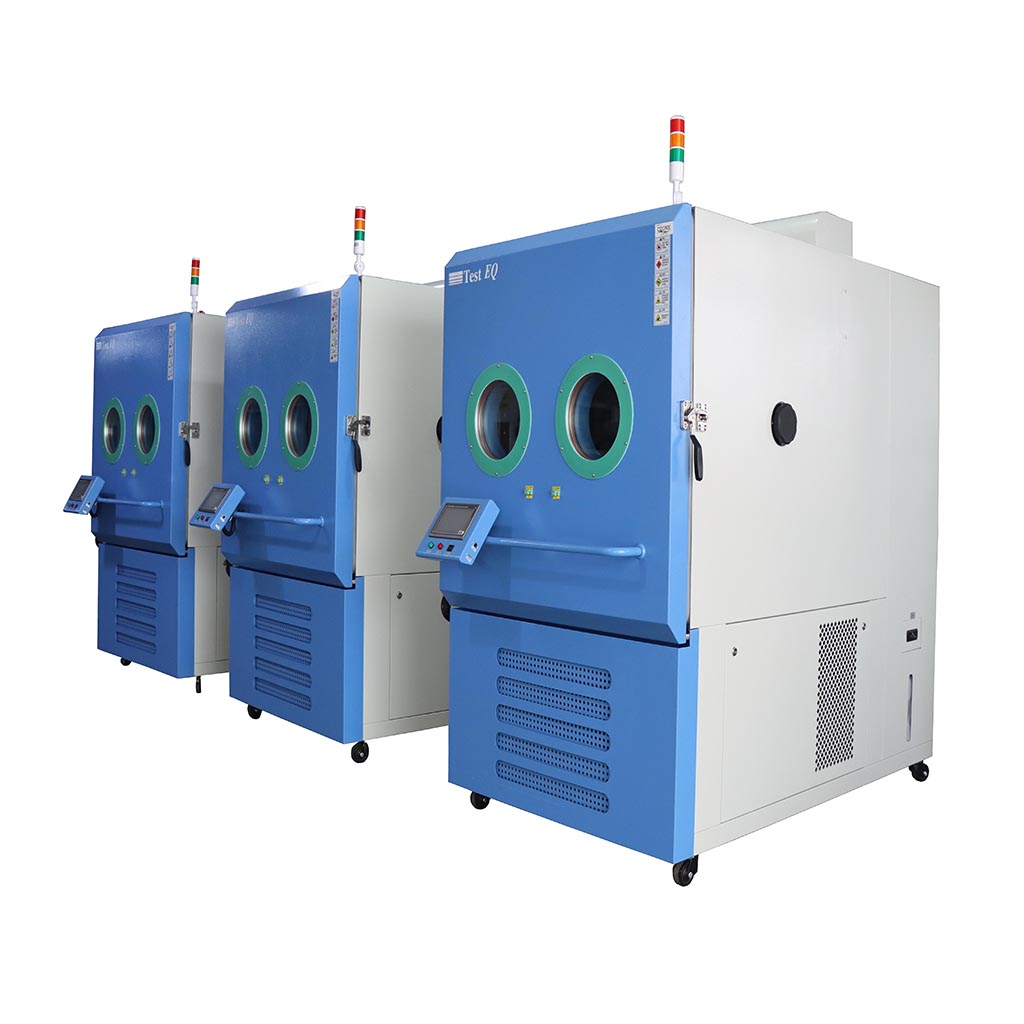
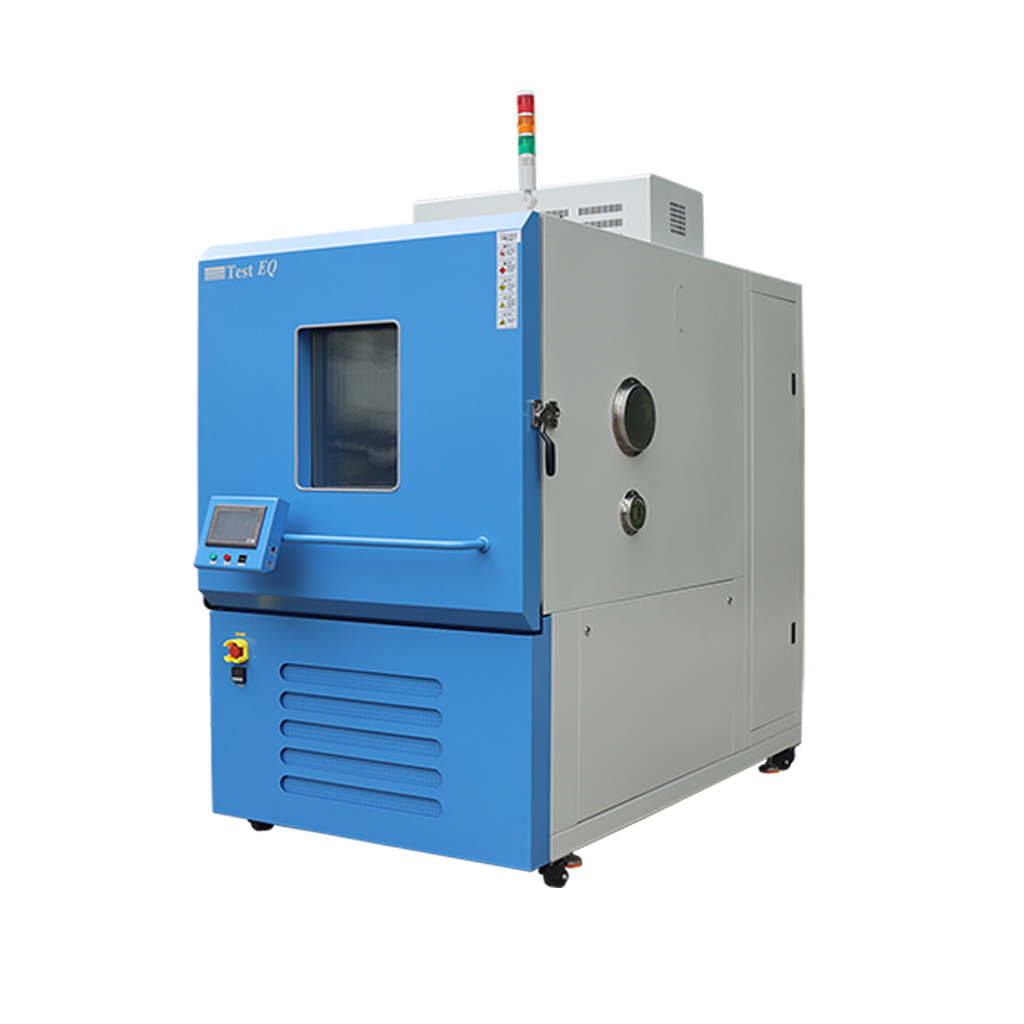
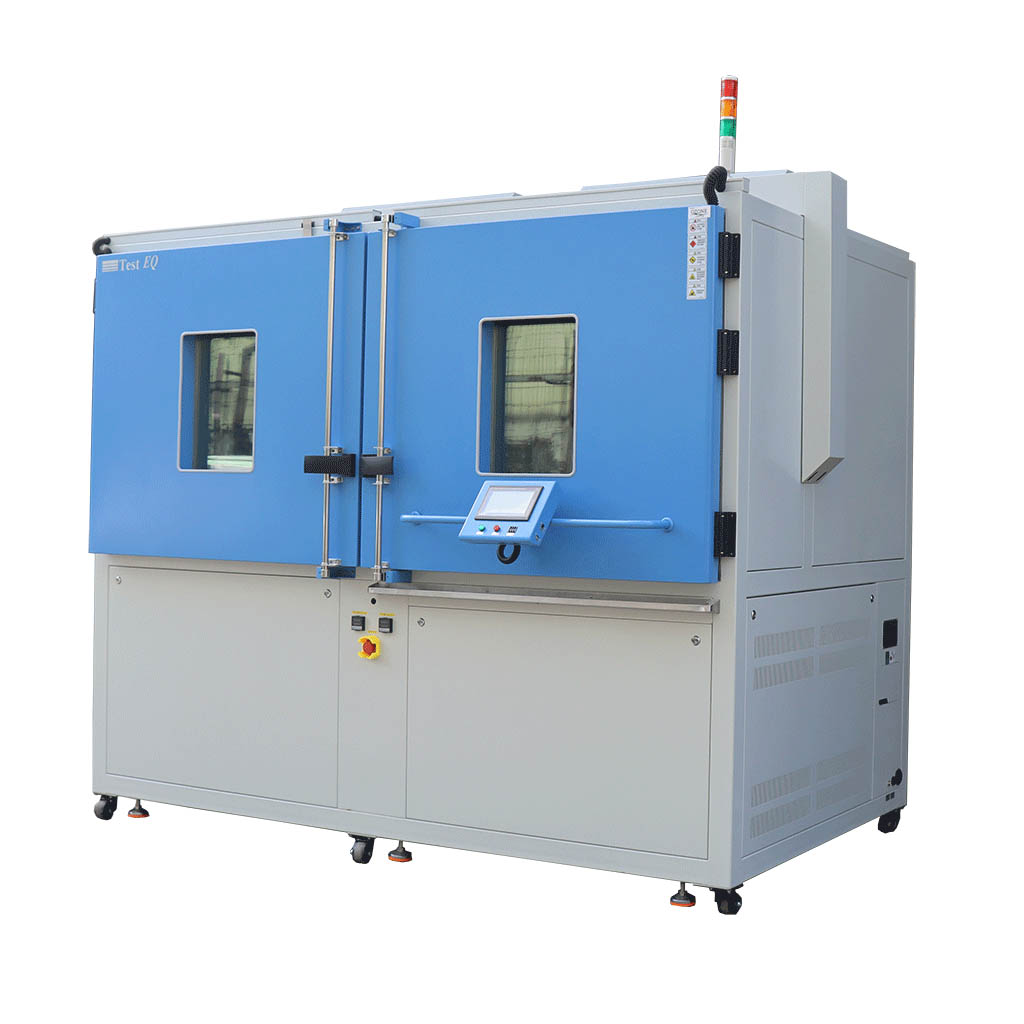
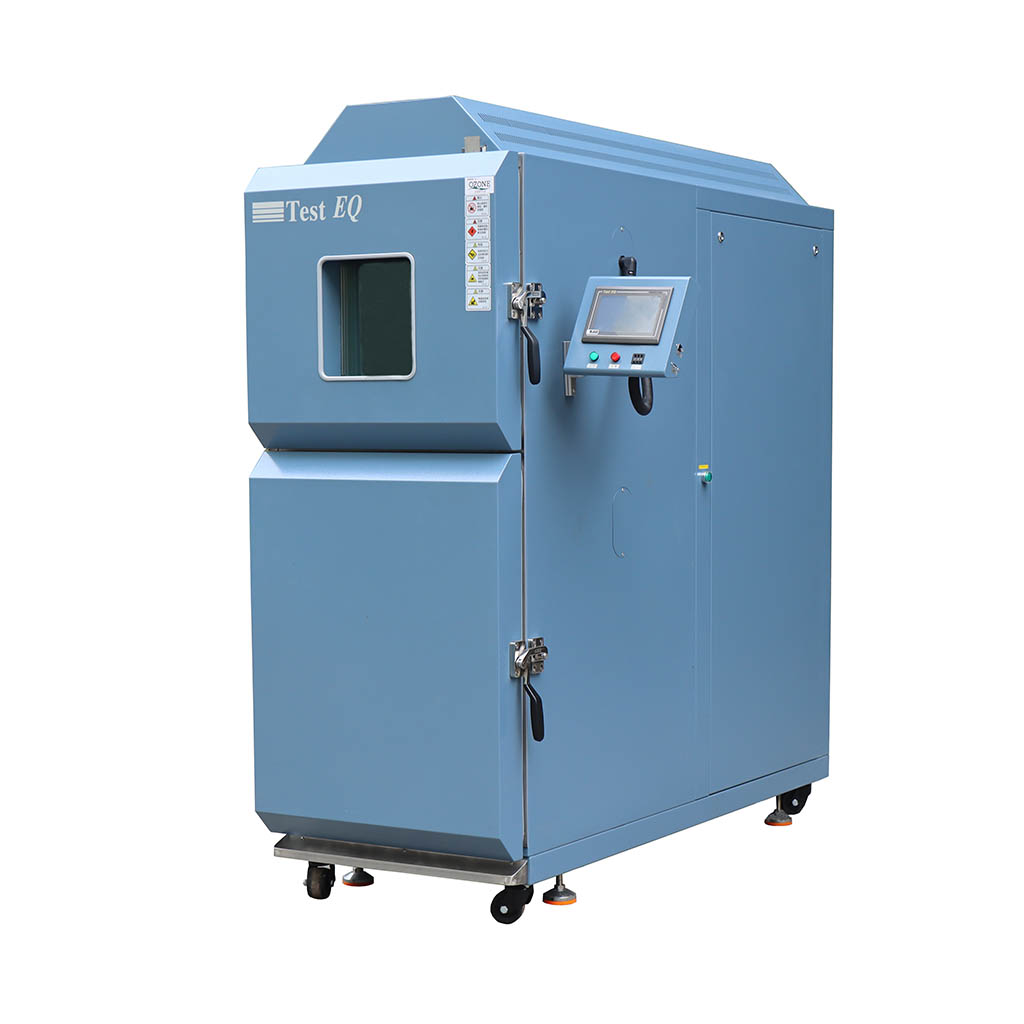
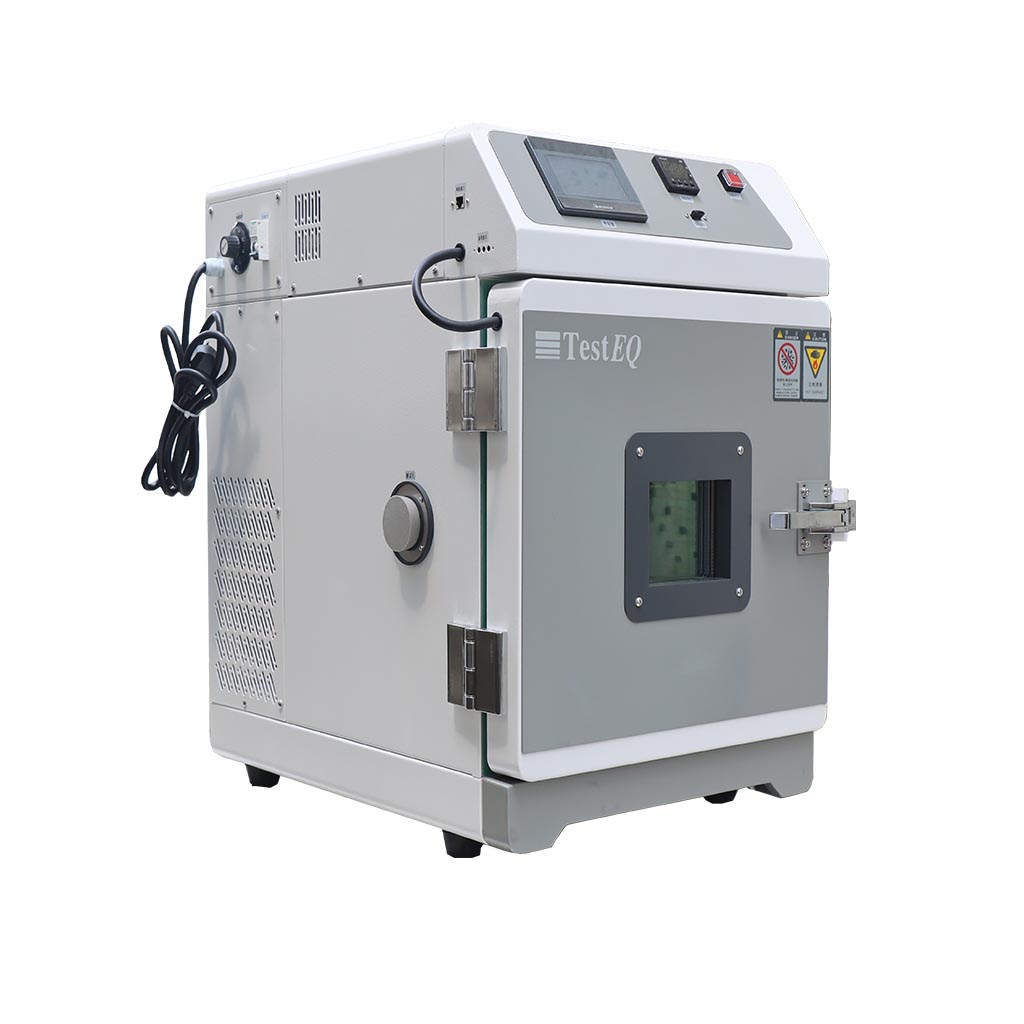
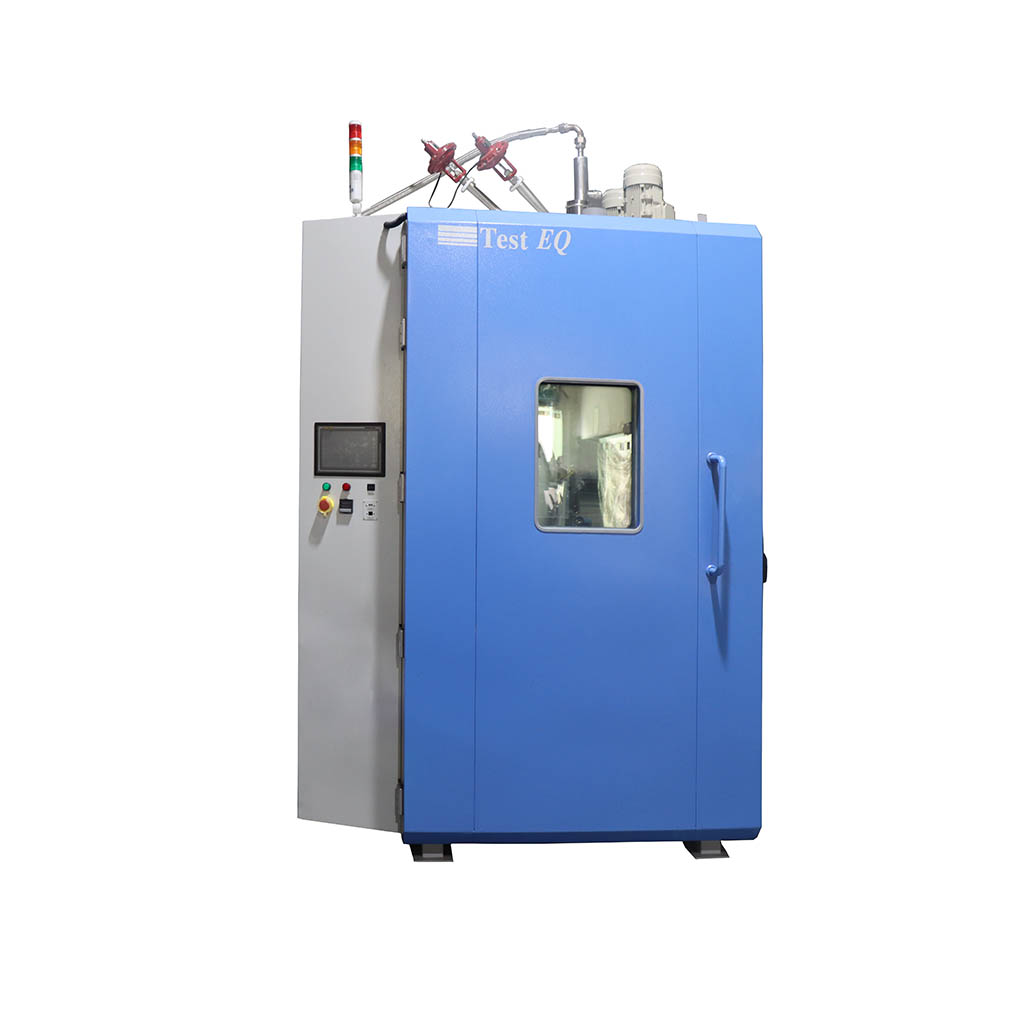
Standard Temperature Humidity Test Chambers
Designed for laboratory and production testing of small to medium-size products.
Typical applications include:
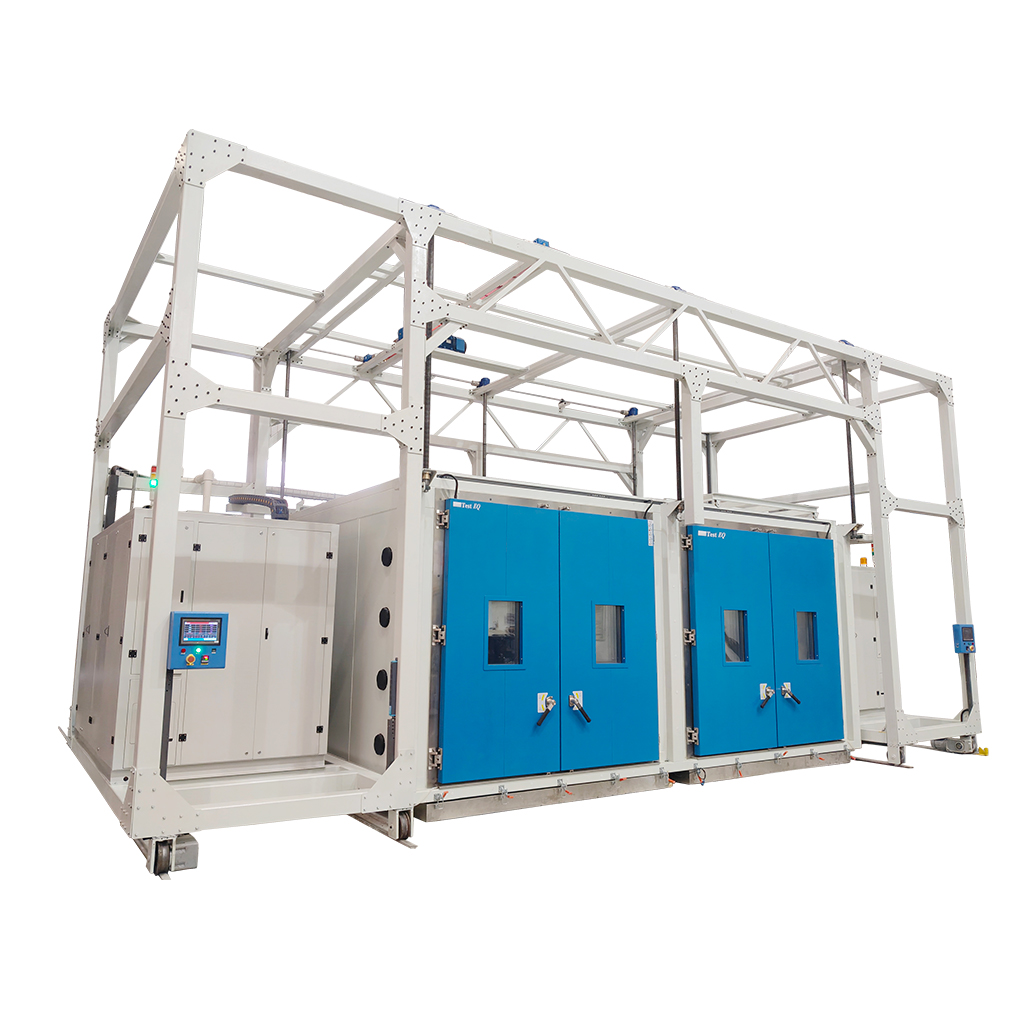
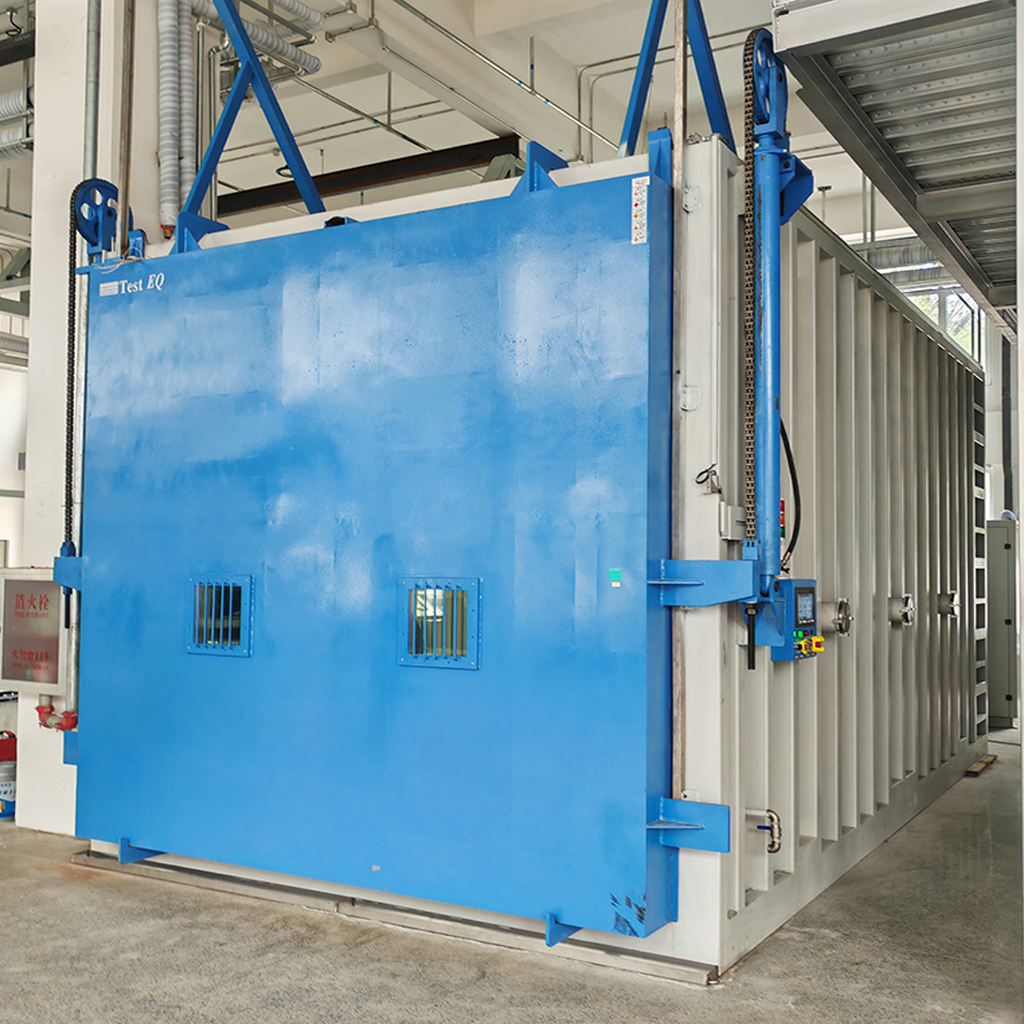
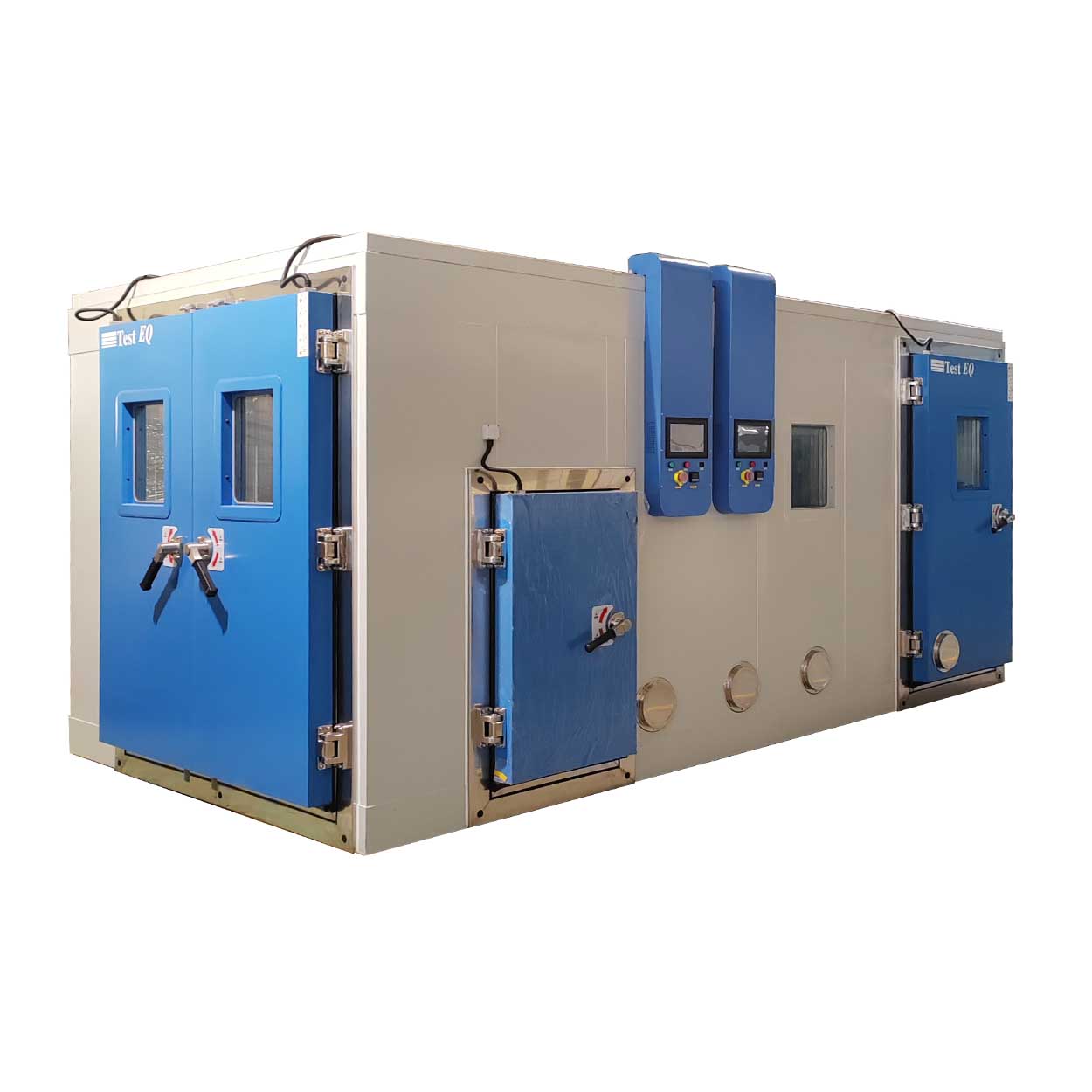
Walk-In Temperature Humidity Chambers:
Large-capacity environmental rooms engineered for oversized DUTs and batch testing.
Our walk-in systems support:
Maximum chamber volume: 4500m³ customized design
Designed for Environmental Simulation Testing
Temperature humidity chambers are widely used for:
Why Choose TestEQ Temperature Humidity Chambers
Proven expertise in large-scale environmental simulation systems
Custom walk-in chamber engineering up to 4500m³
Advanced refrigeration and humidity control technology
Uniform airflow design for oversized test spaces
Reliable long-cycle operation for 24/7 testing
Full customization for special DUT dimensions and standards
Standard Chamber vs Walk-In Chamber
| Feature | Standard Chamber | Walk-In Chamber |
|---|
| Test Volume | Small / Medium DUT | Large DUT / Batch Testing |
| Installation | Plug-and-Play | On-Site Assembly |
| Capacity | Up to 1000L | Up to 4500m³ |
| Typical Use | R&D / QC Labs | Automotive / Aerospace / Battery |
Optional Configurations:
LN₂ Boost Cooling
Low Humidity Control (<10% RH)
Rapid Temperature Change Option
Explosion-Proof Battery Testing Design
Multi-Zone Environmental Control
Remote Monitoring / IoT Integration
Meet standard:
IEC 60068 Series - Environmental Testing International Standards
Military walk-in test chambers must comply with the IEC 60068 basic environmental test procedures, where IEC 60068-2-1 (Cold Tests) and IEC 60068-2-2 (Dry Heat Tests) specify military temperature testing ranges from -65°C to +200°C, with typical test durations of 48-96 hours.
MIL-STD-810 - US Military Environmental Engineering Standard
Section 516.7 explicitly requires walk-in test chambers to have rapid temperature change capability (≥10°C/min) and pass 24 thermal shock cycles, with chamber temperature uniformity controlled within ±2°C.
ISO 16750 - Road Vehicle Environmental Conditions Standard
For military vehicle component testing, Chapter 4 specifies that walk-in test chambers should achieve -40°C to +120°C temperature cycling while simultaneously simulating 5000m altitude (54kPa) low-pressure environments.
RTCA DO-160 - Airborne Equipment Environmental Tests
Temperature test chambers to maintain temperature gradients ≤3°C/m³ in the -55°C to +85°C range, while Chapter 24 (Sand/Dust Tests) specifies particle concentration at 10.6g/m³±7g/m³.
DEF STAN 00-35 - UK Defense Standard
Part 3 requires military test chambers to have triple-protection functions (anti-humidity/anti-salt spray/anti-mold), with mold tests lasting 28 days using test strains compliant with IEC 60068-2-10.
NATO AECTP 300 - NATO Environmental Testing
Clause 4.3.4 mandates walk-in test chambers to support -46°C to +71°C thermal shock testing with transition time ≤5 minutes and rate ≥15°C/min.
IEC 60721 - Environmental Parameters Classification
The standard categorizes military environments as Class 3K5 (shipboard), 4K5 (vehicle-mounted), etc., requiring test chambers to simulate combined temperature, humidity and vibration conditions.
ASTM E595 - Material Outgassing Tests
For aerospace materials, chambers must achieve vacuum levels of 5×10⁻⁵ Torr with quadrupole mass spectrometers to detect Total Mass Loss (TML) ≤1.0%.
ISO 9022 - Optical Instrument Environmental Tests
Part 12 specifies sand/dust test chambers must use ≥97% SiO2 content particles with adjustable wind speeds of 1-20m/s for military optical equipment testing.
EN 60068-3-6 - Test Chamber Calibration Methods
This European standard requires annual calibration of military test chambers, with sensor accuracy of ±0.1°C/±1%RH and 6-month calibration report validity.
FAQ:
What is a temperature humidity test chamber?
A temperature humidity test chamber simulates controlled climatic conditions to evaluate product reliability under varying temperature and humidity environments.
What is the difference between a standard and walk-in temperature humidity chamber?
Standard chambers are for small to medium products, while walk-in chambers are designed for large assemblies, vehicles, battery packs, or batch testing.
How large can a walk-in chamber be?
Custom walk-in chambers can be engineered up to 1600m³ or larger, depending on project requirements.
What industries require walk-in environmental chambers?
Industries include automotive, aerospace, EV battery, telecom, and industrial equipment manufacturing.
What standards are supported?
IEC 60068, MIL-STD-810, ISO environmental testing, JEDEC, and customer-specific protocols