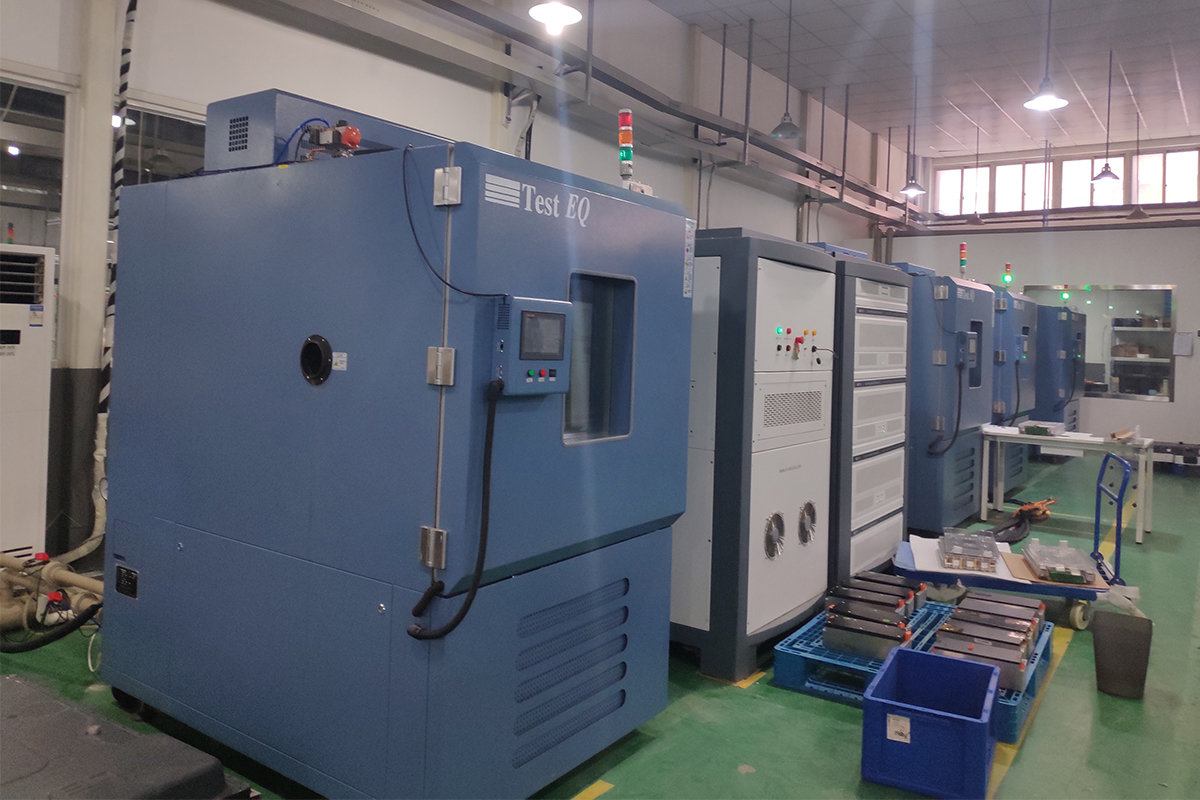
What Is AEC-Q100 Automotive IC Reliability Standard?
AEC-Q100 is one of the most widely recognized automotive semiconductor reliability qualification standards developed by the Automotive Electronics Council (AEC).
It defines a series of stress tests and qualification requirements used to evaluate the reliability and durability of integrated circuits (ICs) used in automotive applications.
Unlike consumer electronics, automotive semiconductor components must operate reliably under extreme environmental conditions, including:
High and low temperature cycling
Thermal shock
Humidity exposure
Electrical overstress
Mechanical vibration
Long-term operational stress
AEC-Q100 qualification helps automotive manufacturers, semiconductor suppliers, and Tier 1 suppliers verify that IC components can meet demanding vehicle lifetime requirements.
For engineers designing automotive electronics systems, AEC-Q100 is a critical reference standard for selecting reliable semiconductor components.
Why AEC-Q100 Testing Is Critical for Automotive IC Reliability?
Modern vehicles increasingly depend on semiconductor components for:
Battery management systems (BMS)
ADAS systems
Autonomous driving controllers
Power electronics
EV charging systems
Infotainment systems
Vehicle control units (ECU)
A semiconductor failure inside a vehicle may result in:
Safety risks
Vehicle downtime
Warranty costs
Product recalls
Brand reputation damage
Therefore, automotive semiconductor manufacturers must perform accelerated reliability testing before mass production.
AEC-Q100 testing simulates years of vehicle operating conditions within controlled laboratory environments.
AEC-Q100 Test Categories and Reliability Requirements
AEC-Q100 includes multiple qualification stress tests designed to evaluate different failure mechanisms.
1. Temperature Cycling Test
Temperature cycling evaluates semiconductor reliability under repeated temperature changes.
Typical evaluation factors include:
Package stress
Solder joint fatigue
Material expansion mismatch
Internal connection reliability
Temperature cycling is especially important for EV applications because battery systems and power electronics experience frequent thermal fluctuations.
TestEQ provides advanced thermal cycling chambers designed for stable temperature transition control and long-term reliability testing.
Recommended equipment:
Thermal Cycling Chamber
Application:
Automotive IC package testing
Semiconductor reliability verification
Electronic component qualification
2. High Temperature Operating Life (HTOL)
HTOL testing evaluates semiconductor lifetime performance under elevated temperature and operating voltage conditions.
The purpose is to identify:
Early device failures
Metal migration
Gate oxide degradation
Electrical performance instability
HTOL testing is commonly combined with environmental stress testing equipment to ensure accurate temperature control.
3. Highly Accelerated Stress Test (HAST)
HAST evaluates IC reliability under high temperature and high humidity conditions.
It helps identify:
Moisture penetration failures
Corrosion risks
Package sealing defects
HAST is widely used in automotive semiconductor reliability qualification.
TestEQ supports environmental reliability solutions for semiconductor and electronic component testing.
4. Thermal Shock Testing
Thermal shock testing exposes components to rapid temperature transitions.
It evaluates:
Material expansion differences
Package cracking
Internal connection failures
For automotive electronics operating in extreme environments, thermal shock testing is an important reliability verification method.
Recommended equipment:
Thermal Shock Test Chamber
AEC-Q100 Testing and Environmental Test Chamber Requirements
To achieve reliable qualification results, environmental test chambers used for AEC-Q100 testing should provide:
Precise Temperature Control
Automotive semiconductor testing requires:
Stable temperature uniformity
Accurate temperature control
Repeatable test conditions
Poor temperature control may create inaccurate reliability results.
Fast Temperature Transition Capability
Rapid temperature changes are essential for:
Thermal cycling
Thermal shock simulation
Accelerated reliability testing
TestEQ environmental chambers provide advanced refrigeration and thermal management technologies for demanding reliability applications.
Long-Term Operation Stability
AEC-Q100 testing often requires extended testing periods.
Equipment should provide:
Continuous operation capability
Safety monitoring systems
Data recording functions
Alarm protection
AEC-Q100 vs Other Automotive Reliability Standards
| Standard | Application | Main Focus |
|---|---|---|
| AEC-Q100 | Integrated Circuits | IC reliability qualification |
| AEC-Q101 | Discrete Semiconductors | Semiconductor component reliability |
| AEC-Q102 | Optoelectronic Components | Optical semiconductor reliability |
| ISO 16750 | Vehicle Electrical Components | Automotive environmental testing |
| JESD22 | Semiconductor Reliability | IC package stress testing |
AEC-Q100 focuses specifically on semiconductor integrated circuits, while ISO 16750 evaluates broader vehicle electronic components.
Many automotive suppliers combine multiple standards to achieve complete reliability validation.
How TestEQ Supports AEC-Q100 Automotive IC Reliability Testing
TestEQ provides environmental reliability testing systems designed for semiconductor, automotive electronics, and EV industries.
Our solutions support:
✓ Automotive IC qualification testing
✓ Semiconductor reliability verification
✓ Temperature cycling testing
✓ Thermal shock testing
✓ Humidity reliability testing
✓ Accelerated life testing
Key advantages:
Advanced Temperature Control Technology
TestEQ chambers are engineered for precise temperature management and repeatable test performance.
Custom Reliability Testing Solutions
Different semiconductor applications require different chamber configurations.
TestEQ provides:
Standard environmental chambers
Rapid temperature cycling systems
Custom semiconductor reliability test solutions
Engineering Support
From laboratory validation to production reliability testing, TestEQ works with customers to develop suitable environmental simulation solutions.
Applications of AEC-Q100 Testing
AEC-Q100 reliability testing is widely used in:
Electric Vehicle Industry
Applications:
Battery management IC
Power semiconductor
Charging system controller
Automotive Electronics
Applications:
ECU
ADAS controller
Sensor modules
Semiconductor Manufacturing
Applications:
IC qualification
Package reliability testing
Failure analysis
Research Laboratories
Applications:
Reliability research
Material evaluation
Accelerated aging studies
FAQ: AEC-Q100 Automotive IC Reliability Standard
1.What is AEC-Q100?
AEC-Q100 is an automotive semiconductor reliability qualification standard used to verify whether integrated circuits can withstand automotive operating environments.
2.What tests are included in AEC-Q100?
AEC-Q100 includes temperature cycling, HTOL, HAST, thermal shock, humidity testing, electrical stress testing and other reliability evaluations.
3.What equipment is needed for AEC-Q100 testing?
AEC-Q100 testing typically requires environmental test chambers capable of accurate temperature control, humidity control and long-term reliability testing.
4.Is AEC-Q100 required for automotive IC suppliers?
For many automotive semiconductor applications, AEC-Q100 qualification is an important requirement for supplier approval and vehicle system reliability assurance.
6. What temperature conditions are commonly used for AEC-Q100 testing?
AEC-Q100 testing includes multiple temperature stress conditions depending on the device type and qualification requirements.
Typical evaluations may involve:
Low-temperature operating conditions
High-temperature storage testing
Temperature cycling between extreme temperature limits
Thermal shock exposure
The selected temperature profile depends on semiconductor package design, automotive application requirements, and reliability objectives.
TestEQ provides environmental test chambers capable of precise temperature control and stable long-duration operation for automotive IC reliability testing.
7. How long does AEC-Q100 qualification testing take?
The duration of AEC-Q100 qualification depends on the test category, device type, and required reliability verification level.
Some accelerated reliability tests may require:
Several hundred hours of continuous operation
Multiple temperature cycles
Extended humidity exposure
Long-term electrical stress monitoring
Reliable environmental test equipment is essential to maintain stable test conditions and ensure accurate qualification results.
8. Why do automotive semiconductor manufacturers need environmental test chambers for AEC-Q100?
Environmental test chambers are critical for simulating harsh automotive operating environments before IC products enter mass production.
They help engineers evaluate:
Thermal stress resistance
Package reliability
Moisture sensitivity
Material compatibility
Long-term component durability
For automotive semiconductor manufacturers and Tier 1 suppliers, a reliable environmental testing system reduces failure risks, improves product qualification efficiency, and supports automotive quality requirements.
TestEQ develops environmental reliability testing solutions for semiconductor, EV, and automotive electronics applications.
Internal Linking Module
Recommended Test Equipment
Environmental Test Chambers for AEC-Q100 Automotive IC Reliability Testing
TestEQ provides advanced environmental test chambers designed for automotive semiconductor qualification, supporting temperature cycling, thermal shock, humidity stress and accelerated reliability testing required for IC validation.
Thermal cycling chambers simulate repeated temperature changes to evaluate IC package stress, solder joint reliability and material expansion mismatch in automotive semiconductor applications. Ideal for AEC-Q100 temperature cycling verification.
Thermal shock chambers provide rapid temperature transitions to identify semiconductor package failures, cracking risks and connection reliability issues under extreme automotive environments.
Temperature humidity chambers evaluate semiconductor reliability under combined temperature and humidity stress, supporting moisture resistance and environmental durability testing for automotive electronics.
Related Automotive Reliability Standards
Automotive Semiconductor Qualification Standards
AEC-Q100 testing is commonly combined with other reliability standards to ensure semiconductor components meet automotive lifetime requirements.
AEC-Q101 defines qualification requirements for discrete semiconductor components used in automotive applications. It covers environmental stress tests, reliability evaluation and component durability verification.
JESD22 provides widely adopted semiconductor reliability test methods, including temperature cycling, humidity testing and package-level stress evaluation for electronic components.
ISO 16750 defines environmental conditions and testing methods for electrical and electronic components installed in road vehicles, including temperature, vibration and mechanical stress testing.
Technical Resources
Automotive Semiconductor Reliability Testing Knowledge Center
Explore TestEQ technical articles covering automotive electronics reliability, semiconductor qualification methods and environmental simulation technologies.
Learn the differences between AEC-Q100 and AEC-Q101 qualification standards, including application areas, test requirements and reliability evaluation methods for automotive semiconductor components.
Understand the difference between thermal cycling and thermal shock testing, including failure mechanisms, temperature transition rates and suitable applications for automotive electronics reliability testing.
Discover how environmental simulation helps automotive manufacturers reduce failures, improve component lifetime and validate electronic systems used in EV and intelligent vehicles.
CTA
Need an AEC-Q100 Reliability Testing Solution for Automotive Semiconductor Qualification?
Automotive IC reliability qualification requires accurate environmental simulation, stable temperature control, and repeatable testing conditions.
TestEQ provides advanced reliability test chambers designed for AEC-Q100 related applications, supporting temperature cycling, thermal shock, humidity stress testing, and semiconductor reliability evaluation.
Our engineering team helps automotive semiconductor manufacturers, Tier 1 suppliers, and laboratories develop customized testing solutions for IC qualification and long-term reliability verification.
Get in touch with TestEQ engineers to discuss your AEC-Q100 testing requirements.