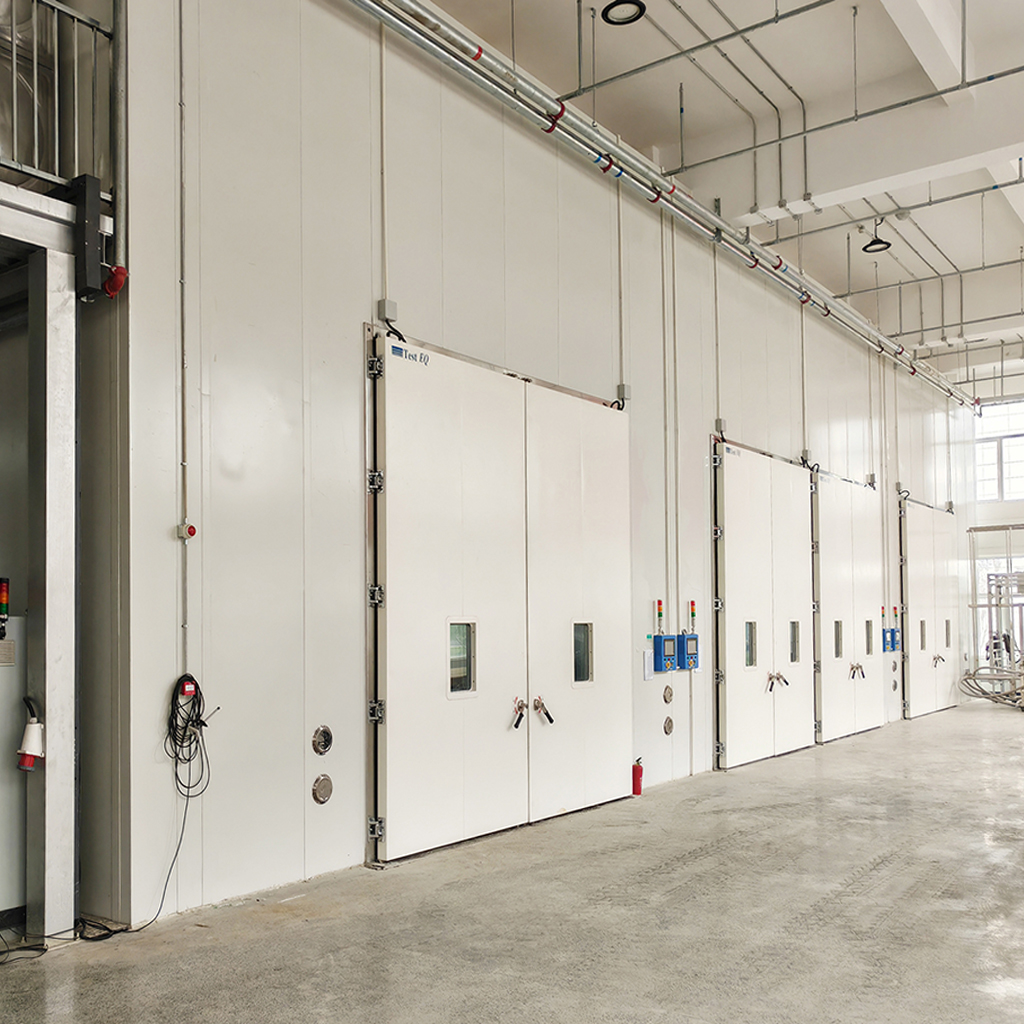
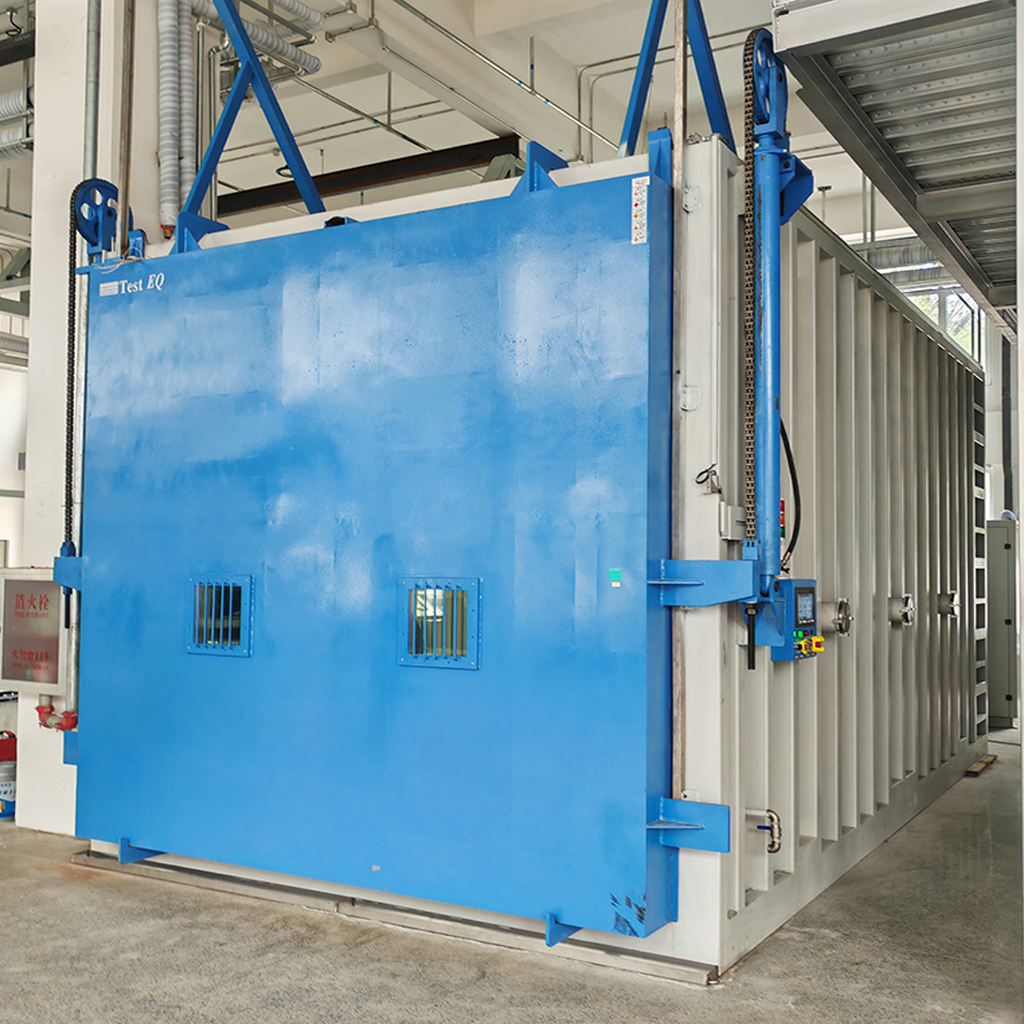
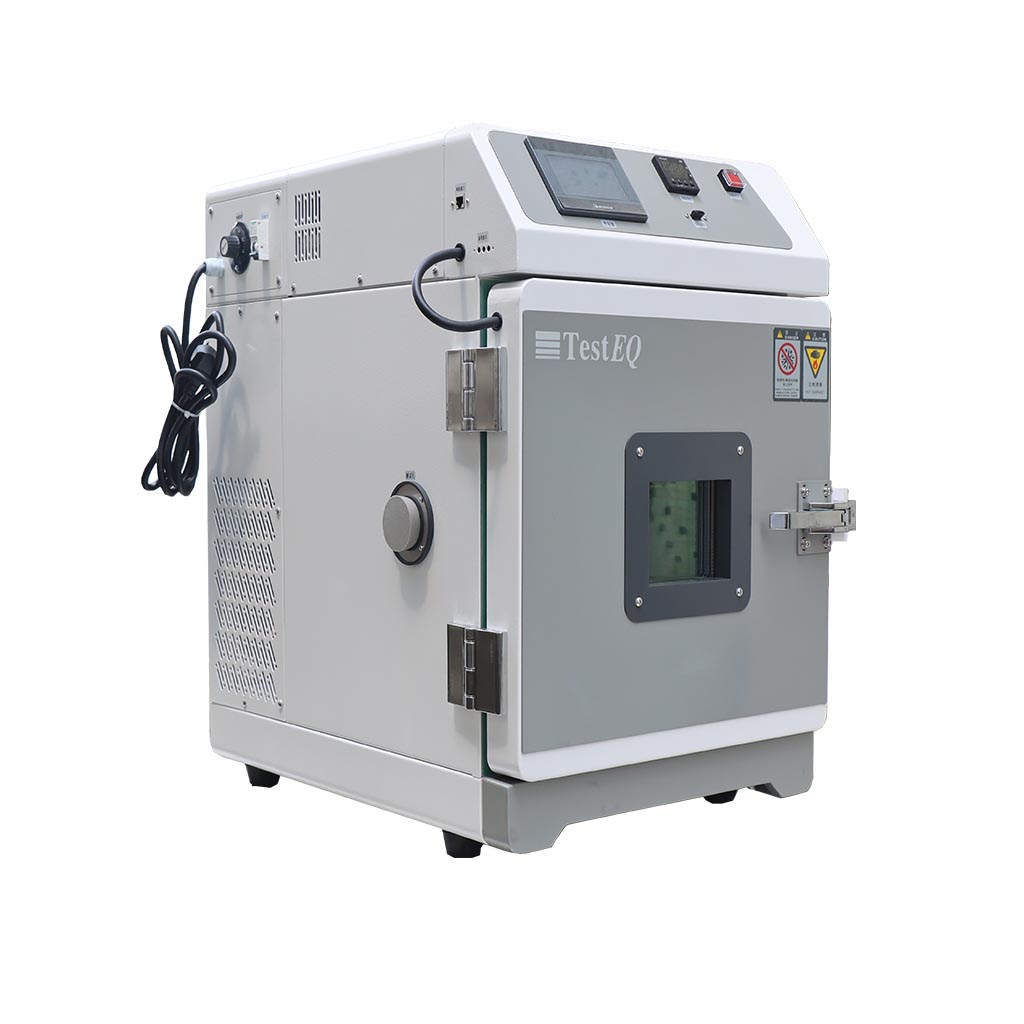
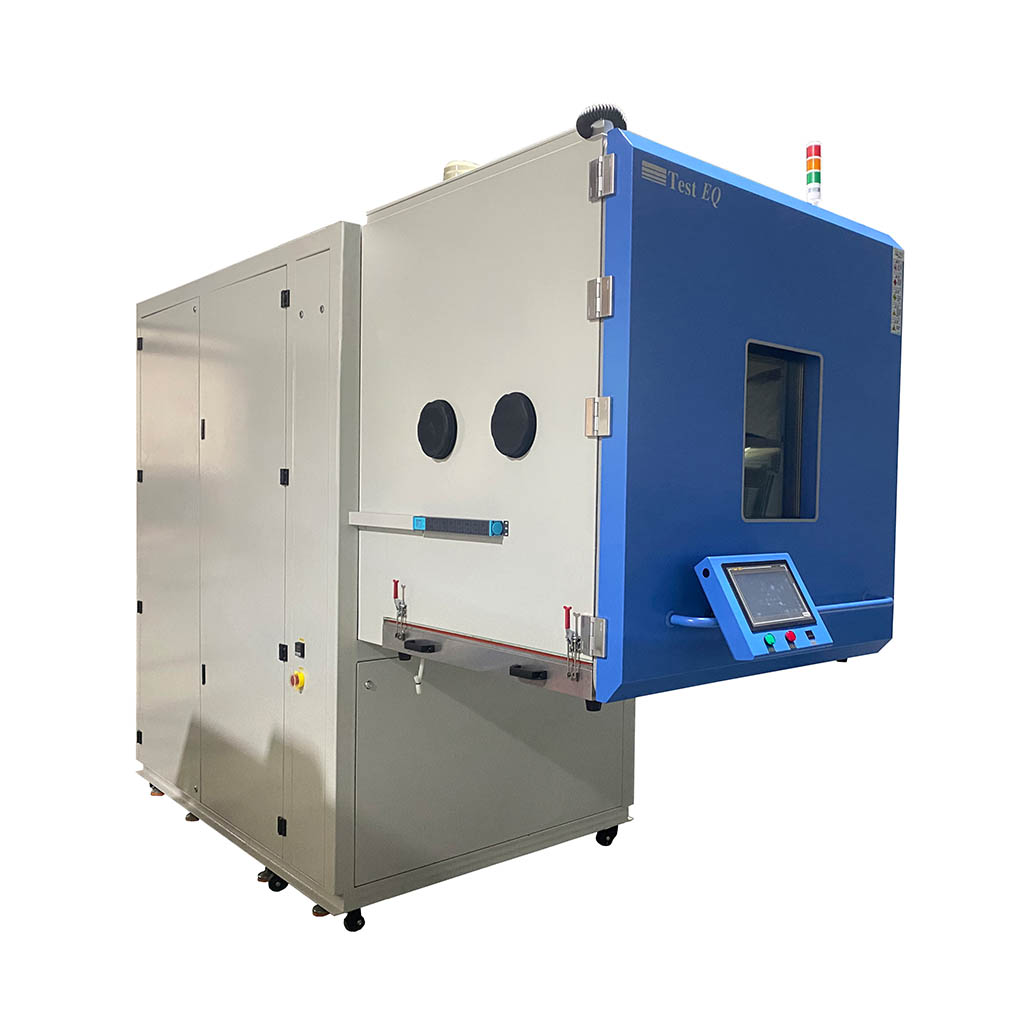
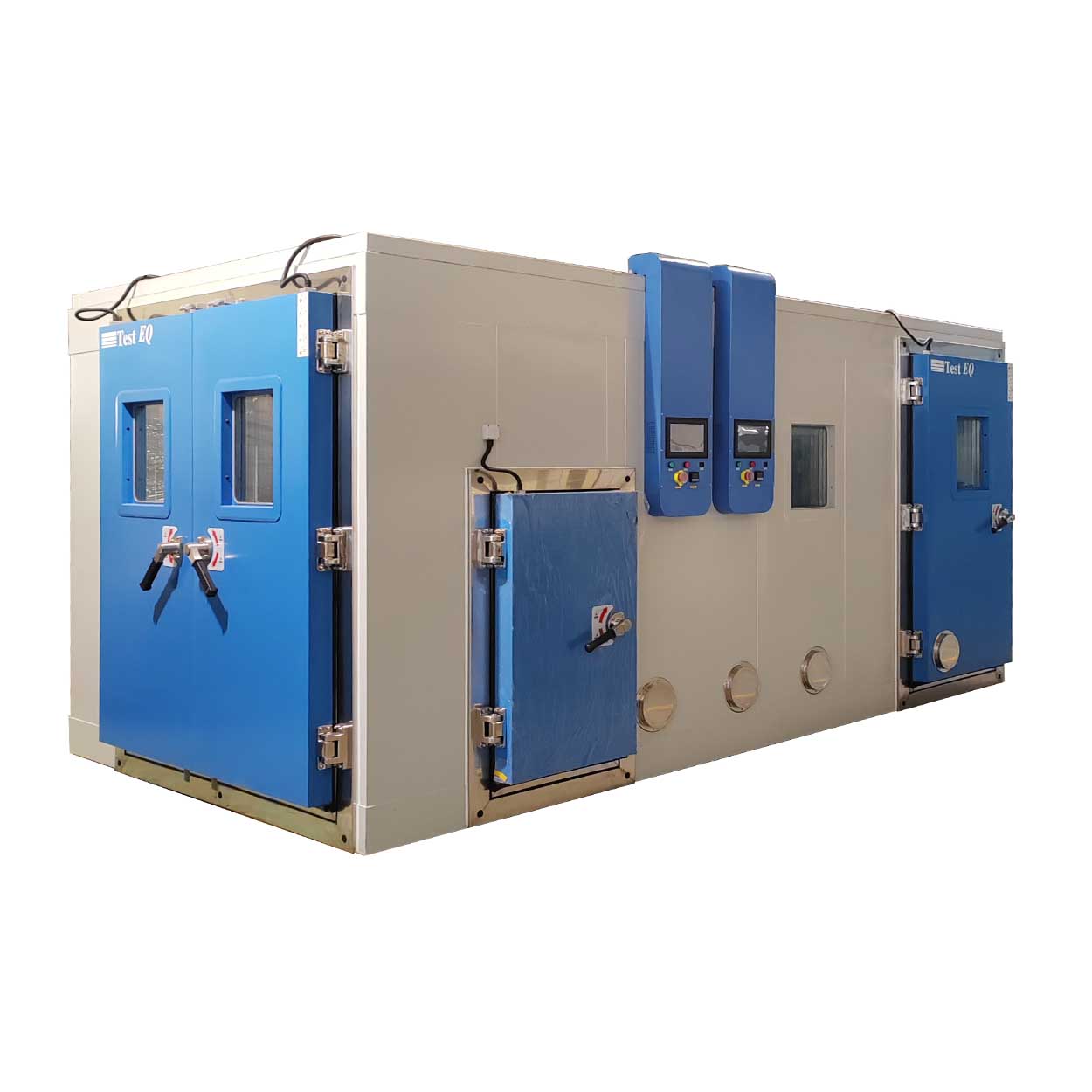
Accelerated Stress Test Chamber for Combined Environmental Stress Testing
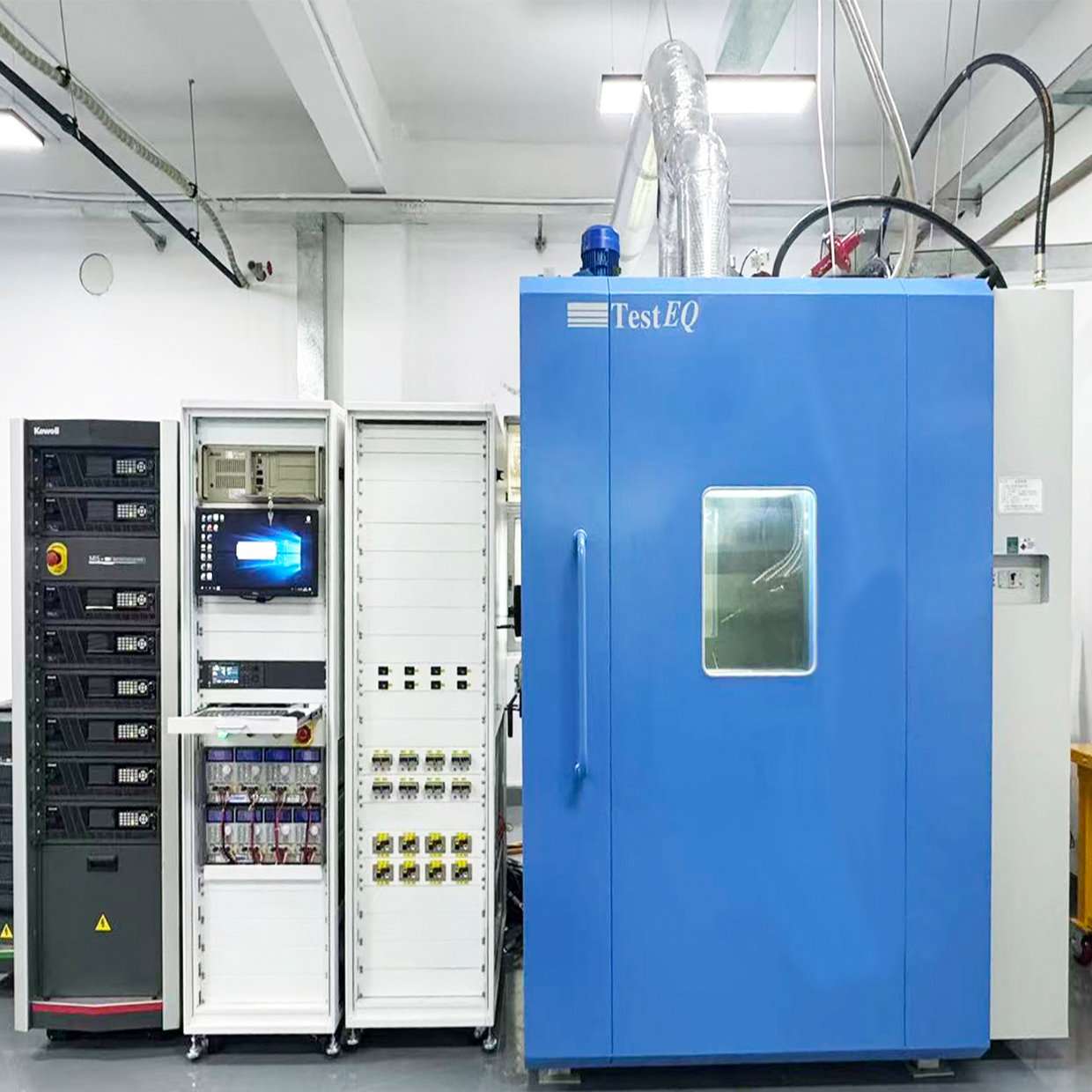
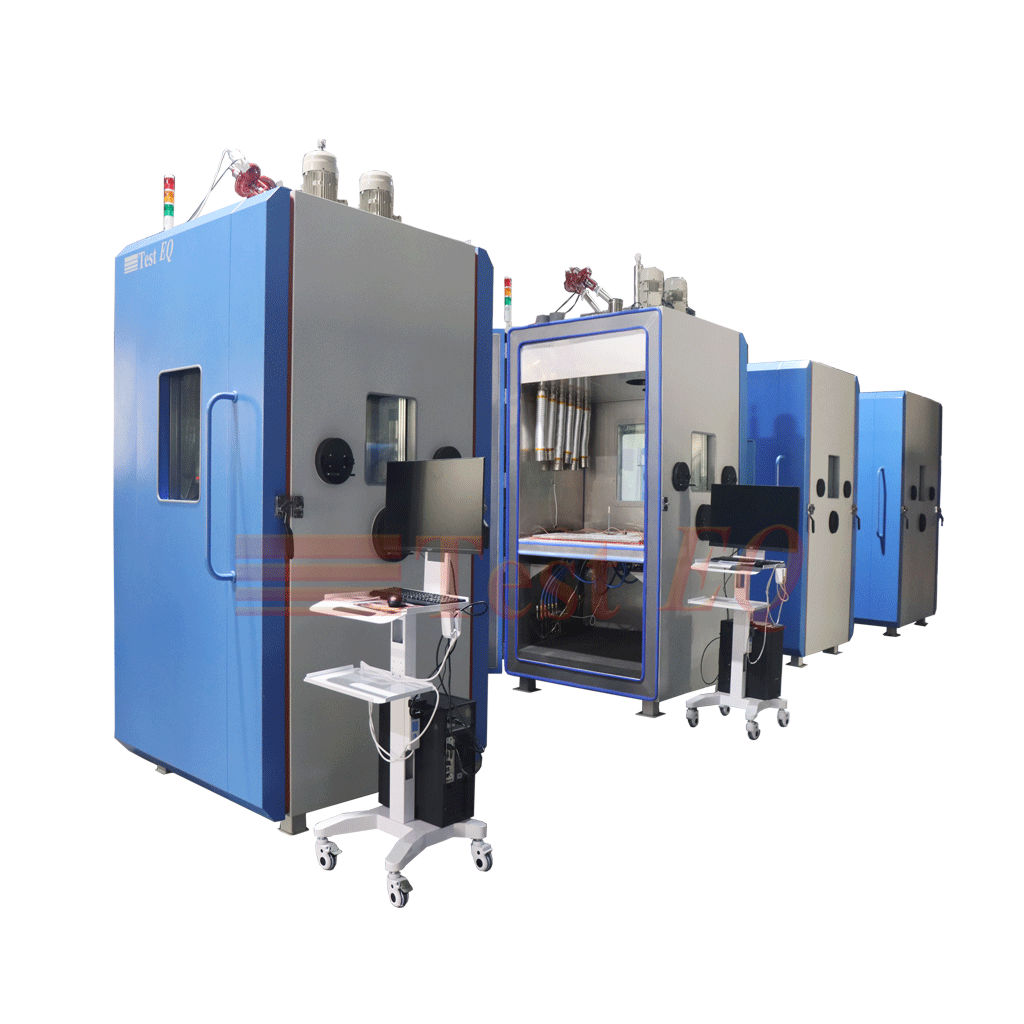
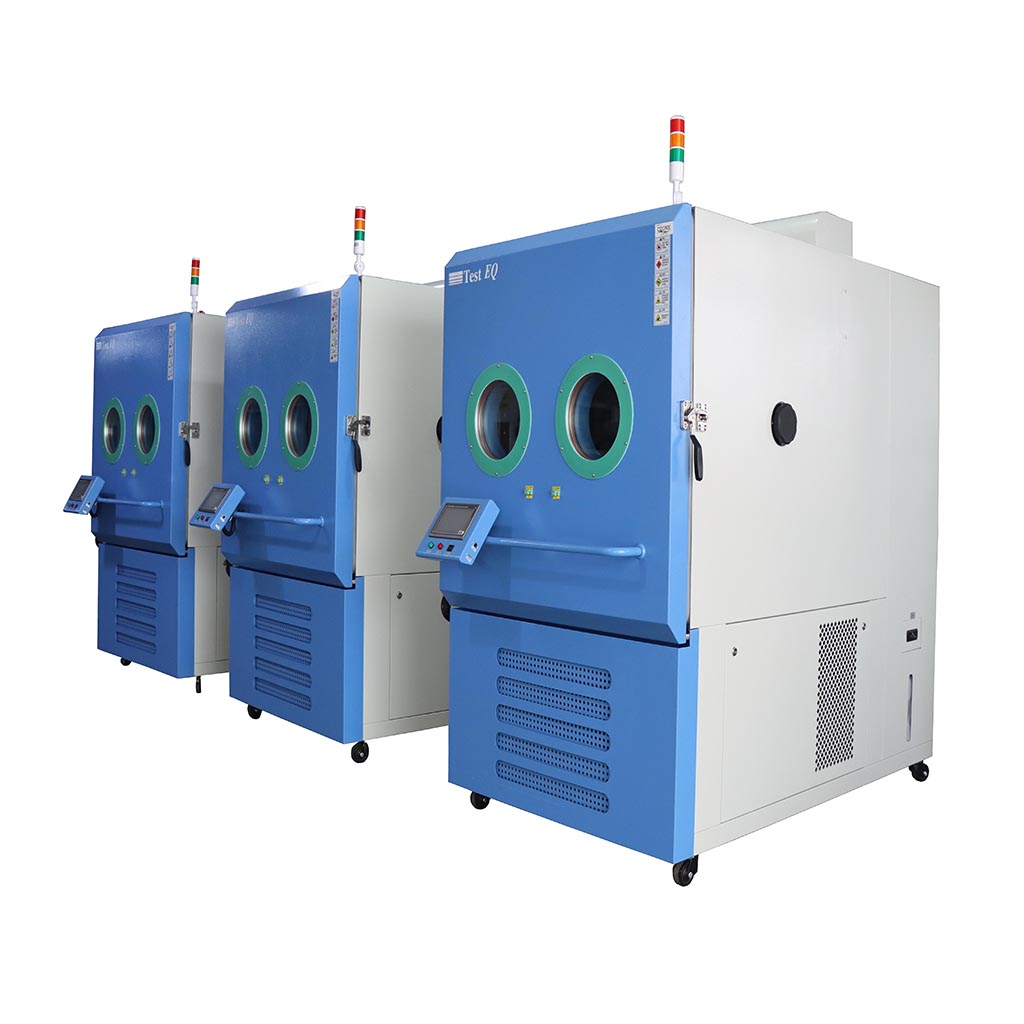
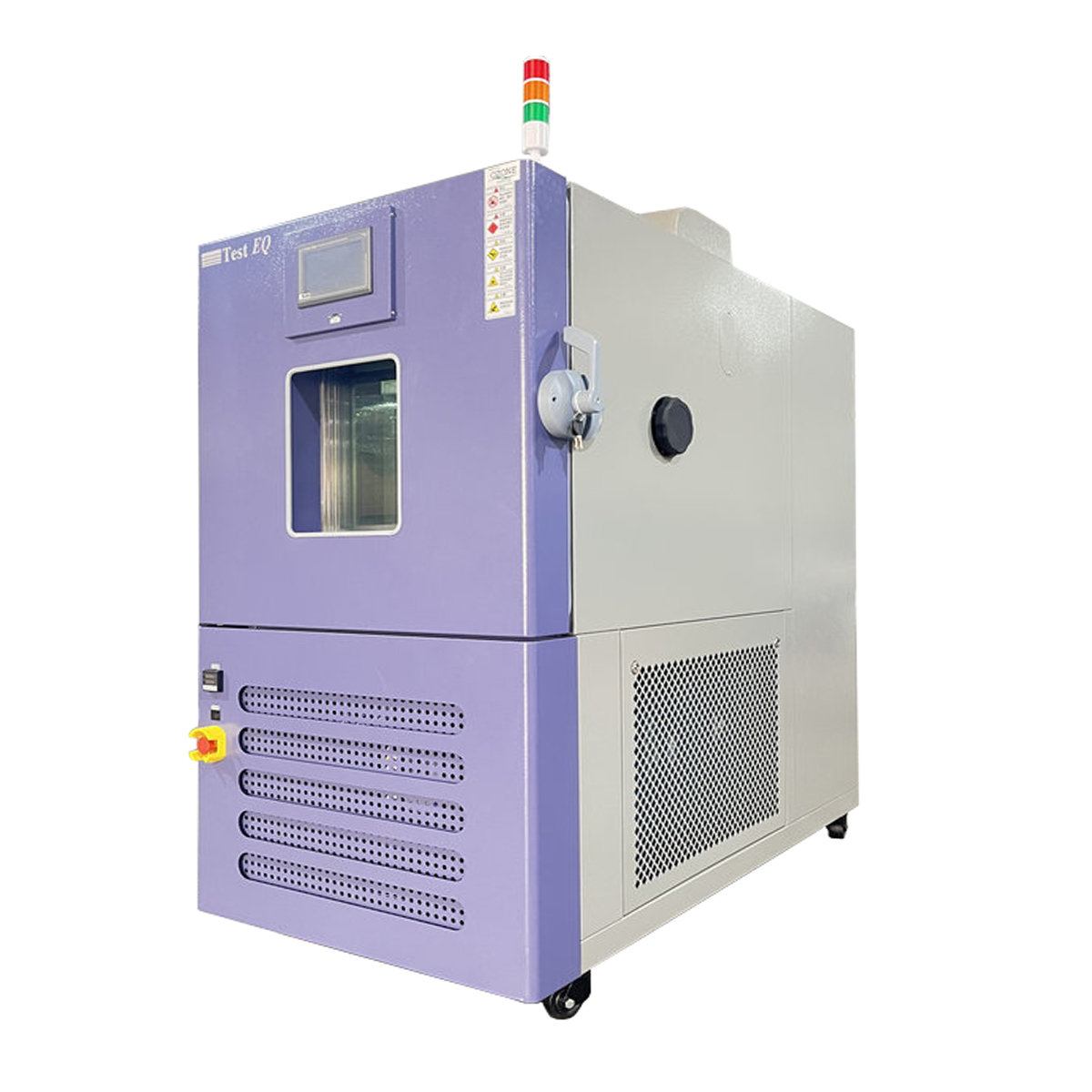
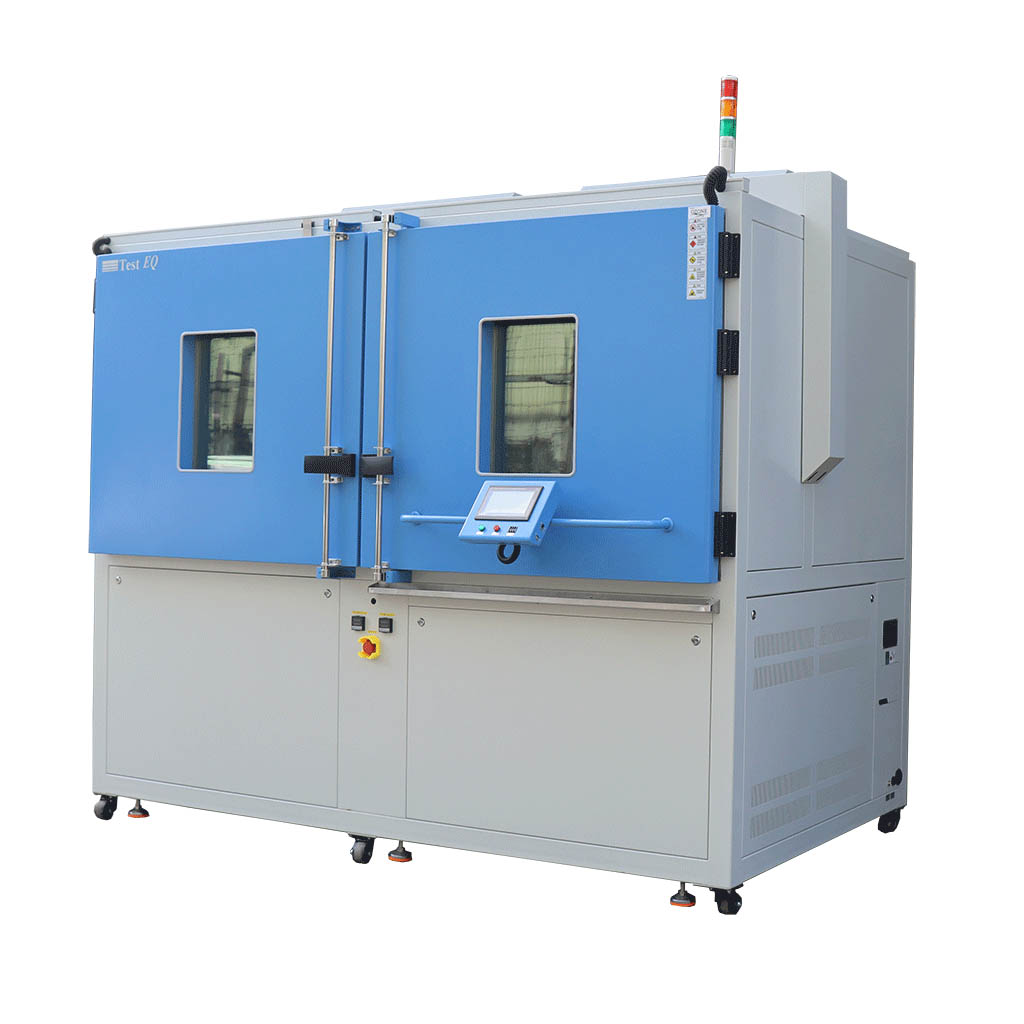
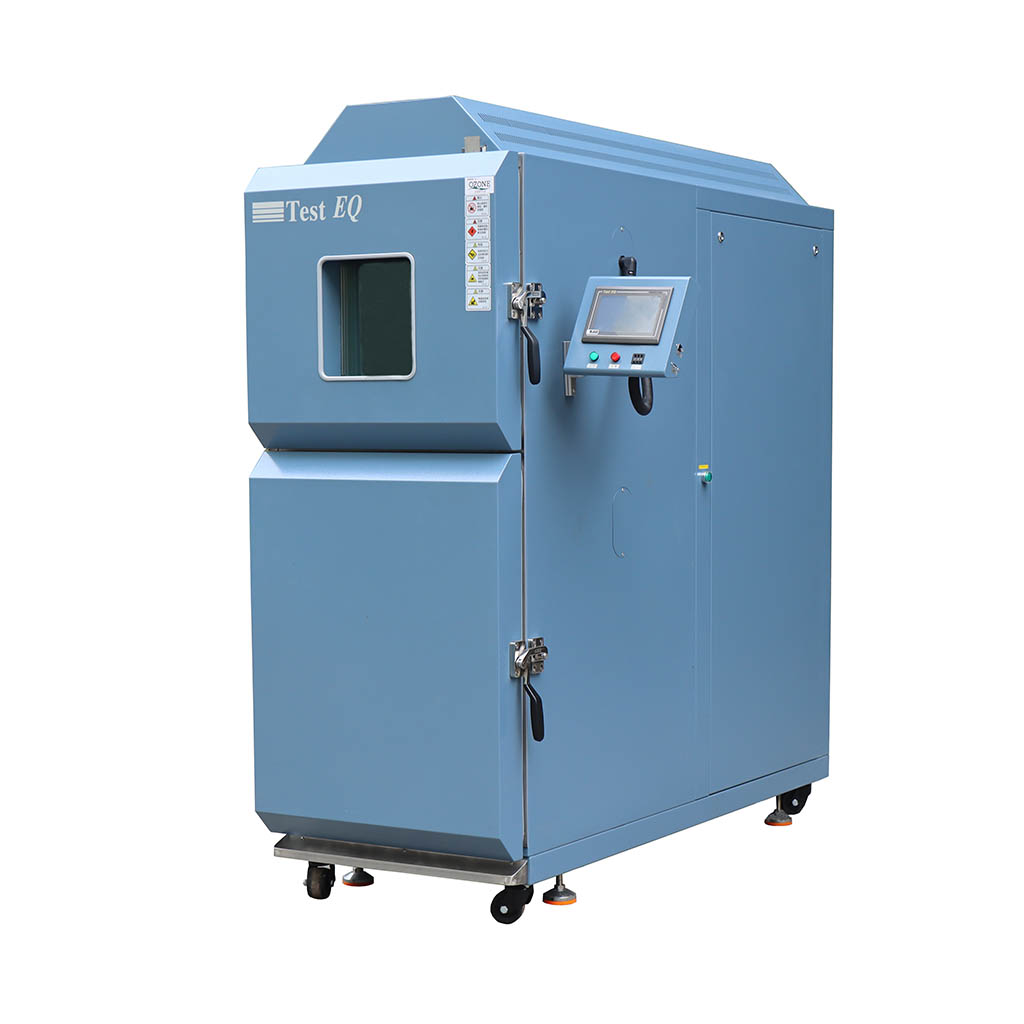
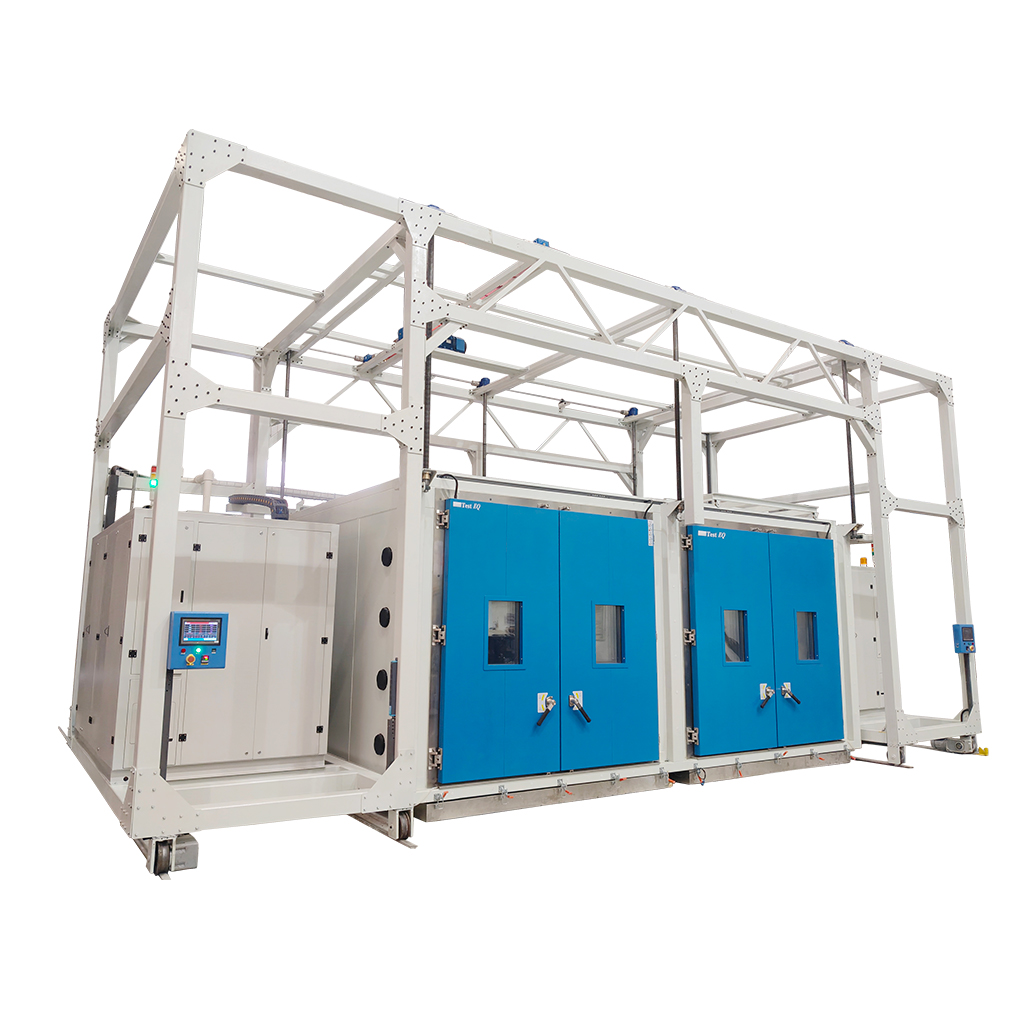
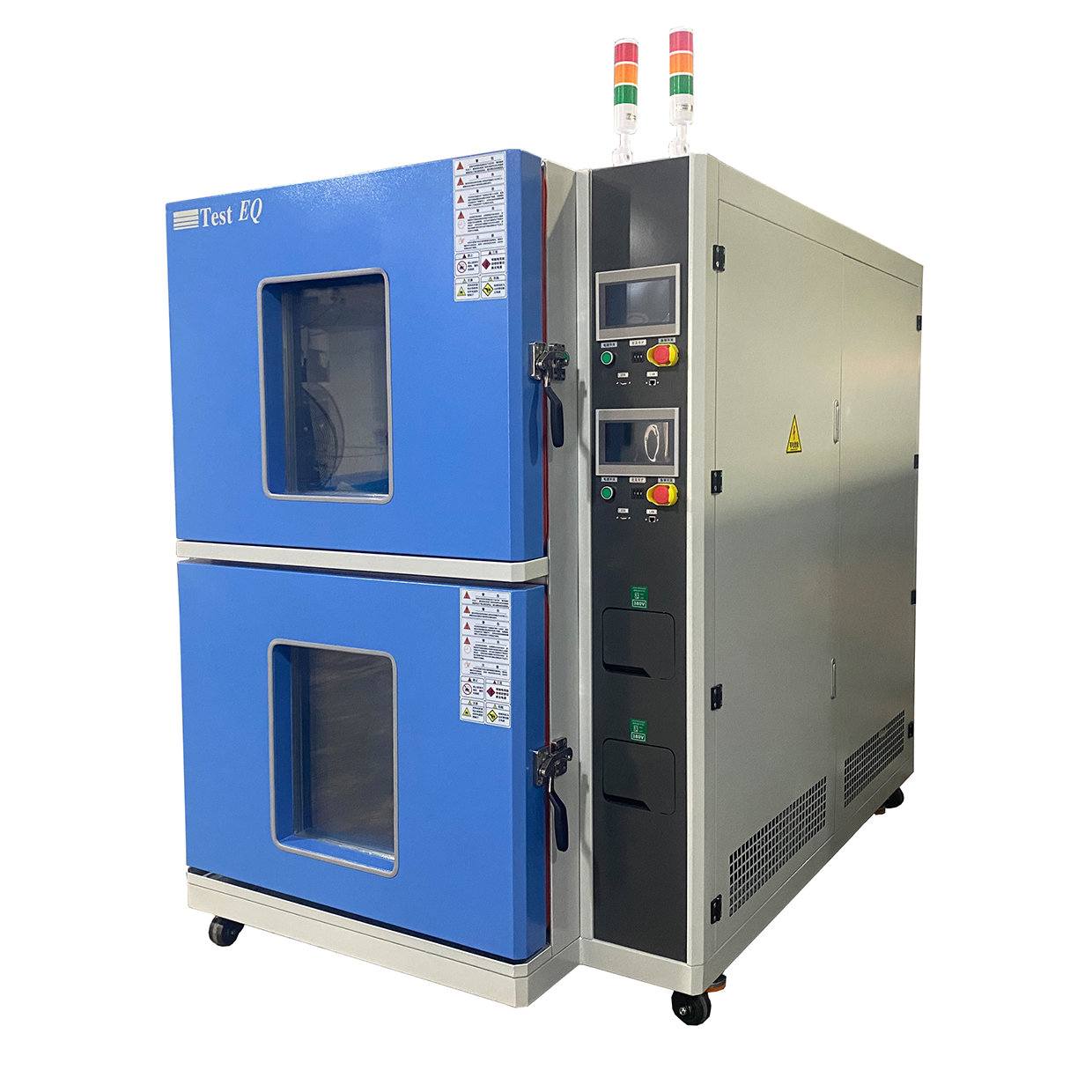
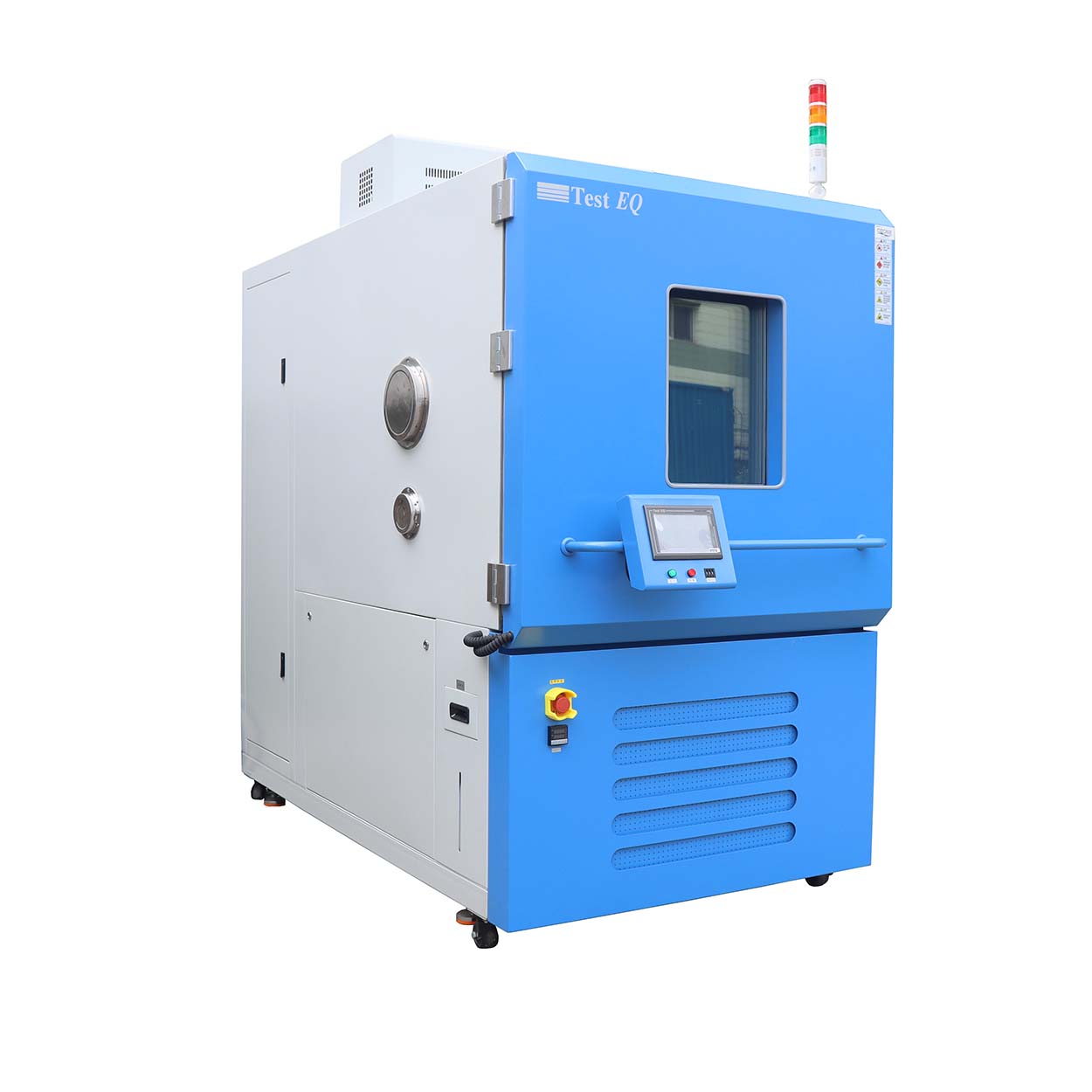
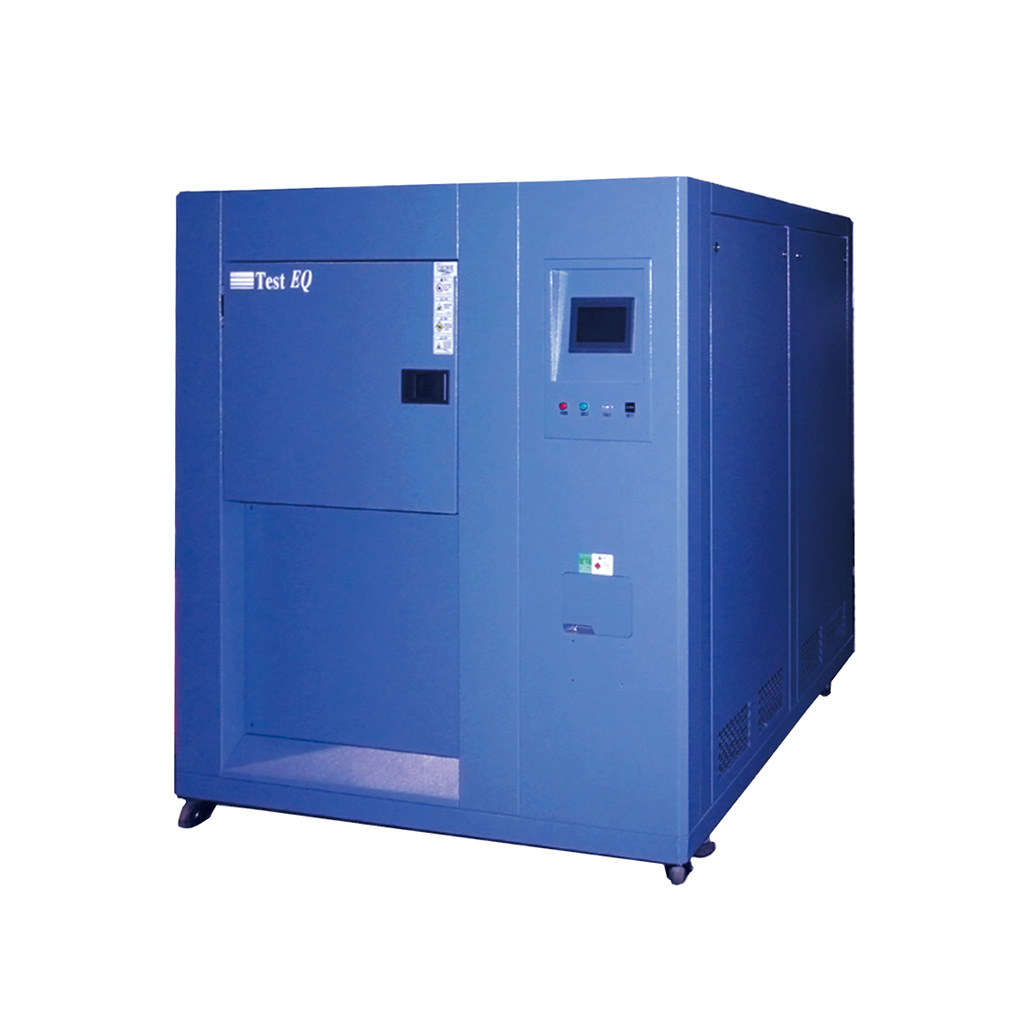
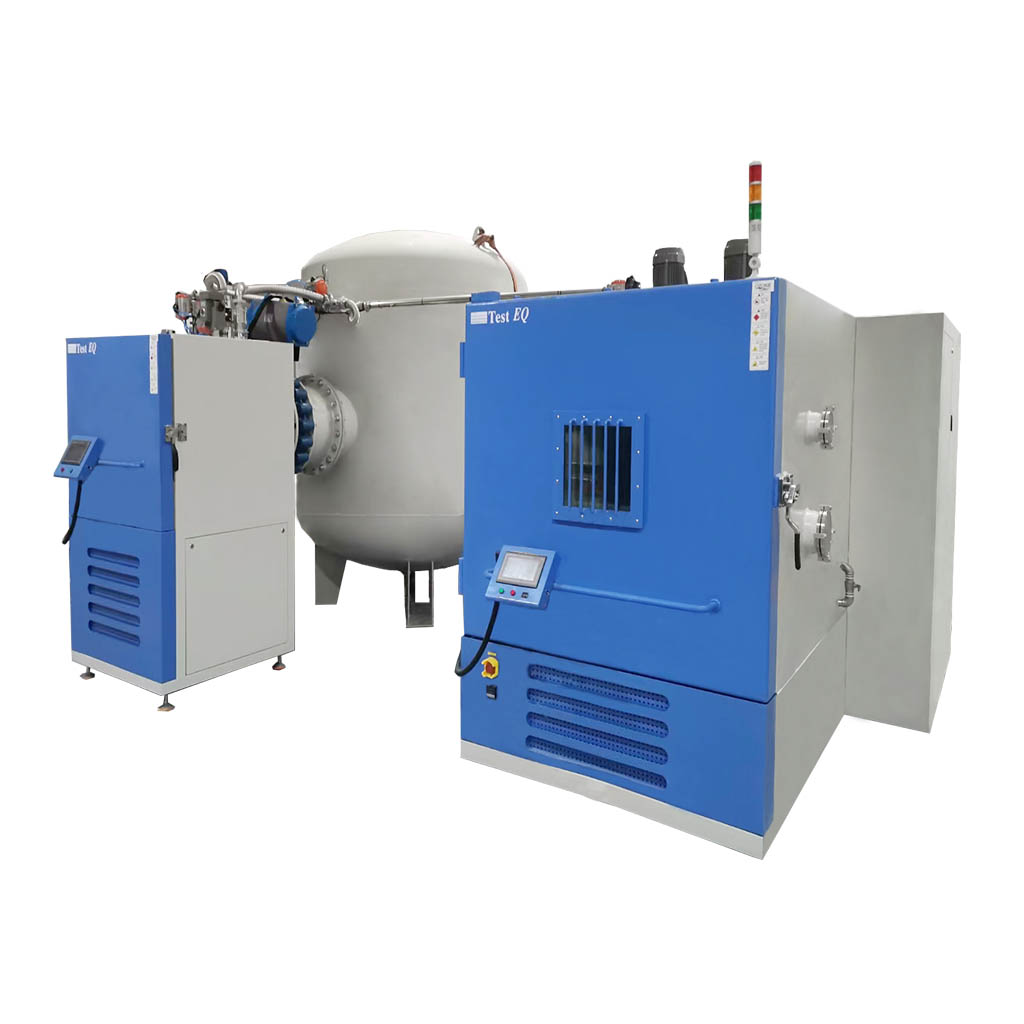
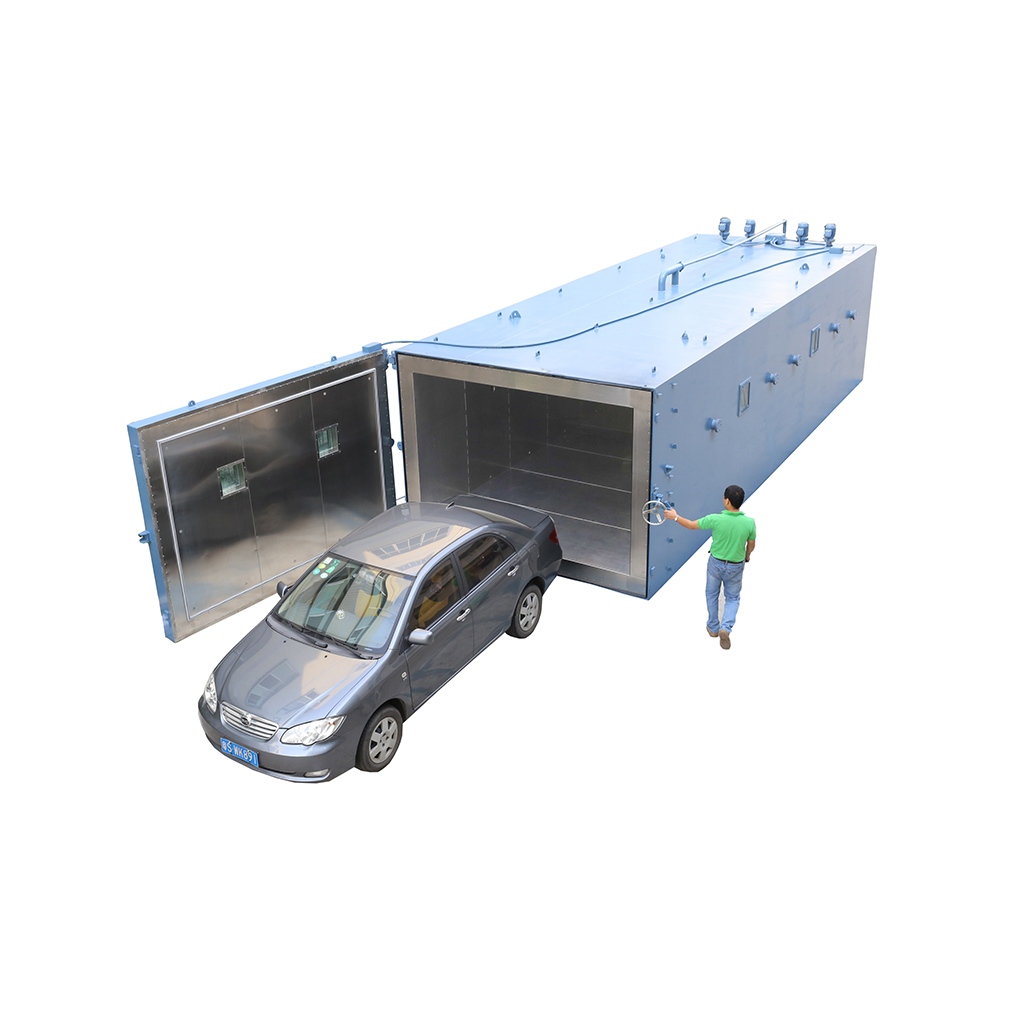
The Accelerated Stress Test Chamber is an integrated reliability testing platform designed to apply controlled thermal, mechanical, and optional electrical stresses to products during development and validation.
Unlike a conventional environmental chamber that typically applies temperature or humidity as the primary stress, an accelerated stress test chamber can combine multiple stress factors to accelerate the discovery of design weaknesses and failure mechanisms.
TestEQ systems can integrate rapid temperature transition, multi-axis repetitive shock vibration, DUT power feedthroughs, functional monitoring, and customized fixtures according to the product architecture and reliability test objective.
The system is suitable for accelerated reliability evaluation of automotive electronics, semiconductor devices, aerospace electronics, industrial controls, telecommunications equipment, and other high-reliability products.
What Is Accelerated Stress Testing?
Accelerated Stress Testing (AST) is a reliability evaluation method that applies combined environmental stresses beyond normal operating conditions to quickly reveal hidden weaknesses in product design and manufacturing processes.
Unlike conventional environmental testing that verifies compliance, accelerated stress testing focuses on discovering failure limits and improving product robustness during the development stage.
Combined Stress Testing Principle:
Accelerated stress testing combines multiple environmental stress factors simultaneously to force latent weaknesses to manifest faster than conventional reliability testing.
Typical combined stresses include:
Thermal Stress: Rapid expansion/contraction cycles
Mechanical Stress: High-energy repetitive vibration
Electrical Load (Optional): Powered functional testing under stress
This methodology helps engineering teams identify:
Design margin limitations
Weak solder joints
Connector fatigue
Structural resonance issues
Material incompatibility failures
Accelerated Stress Testing Methods
Accelerated stress testing can combine different stress factors according to the product's failure risks and reliability objectives.
Thermal Stress
Rapid temperature transitions create repeated thermal expansion and contraction. This can help reveal weaknesses associated with material interfaces, solder joints, seals, component connections, and differences in thermal expansion.
Mechanical Stress
High-energy repetitive vibration introduces mechanical stress that can expose structural weaknesses, resonance-related problems, connector failures, fastener loosening, and mechanical fatigue.
Electrical Stress
Optional DUT power feedthroughs allow products to remain powered during environmental and mechanical stress testing. Functional monitoring can be integrated when electrical performance needs to be evaluated continuously.
Combined Thermal and Mechanical Stress
Thermal and vibration stresses can be applied together when engineers need to investigate interactions between thermal expansion, mechanical vibration, structural response, and electrical performance.
The stress profile should be developed from the product's known reliability risks rather than selected only according to the maximum capability of the chamber.
Accelerated Stress Testing Workflow
A typical accelerated stress testing program can be organized into the following stages:
1. Define Reliability Objectives
Identify the product functions, failure risks, operating environment, and reliability objectives.
2. Select Stress Factors
Determine whether thermal, vibration, electrical, or combined stresses are required.
3. Define the Test Profile
Establish temperature limits, transition rates, vibration levels, dwell periods, cycle counts, and monitoring requirements.
4. Configure the DUT
Design the fixture, electrical connections, sensors, and monitoring interfaces required for the test article.
5. Apply Controlled Stress
Run the programmed stress profile while continuously monitoring product performance.
6. Identify Failure Mechanisms
Record functional failures, degradation, intermittent faults, structural damage, and other abnormal behavior.
7. Perform Root-Cause Analysis
Investigate the physical and electrical causes of observed failures.
8. Improve and Retest
Modify the product design or manufacturing process and repeat testing to confirm reliability improvements.
HALT vs HASS: What Is the Difference?
| HALT | HASS |
|---|
| Purpose | Find design weaknesses | Screen production defects |
| Stage | R&D | Manufacturing |
| Stress Level | Beyond specification | Controlled stress |
| Goal | Improve design margin | Improve production reliability |
Accelerated Stress Testing vs Conventional Environmental Testing:
| Feature | Accelerated Stress Test Chamber | Standard Environmental Chamber |
|---|
| Stress Type | Combined Thermal + Vibration | Temperature / Humidity Only |
| Ramp Rate | Ultra-Fast | Moderate |
| Purpose | Find Design Limits | Qualification / Compliance |
| Failure Detection Speed | Hours / Days | Weeks / Months |
| Typical Stage | R&D / Validation | Verification / Production |
Accelerated Stress Testing vs HALT and HASS
Accelerated Stress Testing is a broader reliability testing approach that can incorporate multiple environmental and mechanical stresses. HALT and HASS are specific reliability methodologies that may be performed using an accelerated stress testing system.
| Method | Primary Objective | Typical Stage | Stress Approach |
|---|
| Accelerated Stress Testing | Accelerate failure discovery | R&D / validation | Combined thermal, mechanical, and optional electrical stresses |
| HALT | Discover design weaknesses and operating limits | Product development | Progressive high-level thermal and vibration stresses |
| HASS | Screen latent manufacturing defects | Production | Controlled stresses based on validated product margins |
| Environmental Qualification | Verify specified requirements | Qualification | Defined conditions from applicable requirements |
The appropriate method depends on the product architecture, reliability risks, development stage, and applicable customer or industry requirements.
Failure Mechanisms Revealed by Accelerated Stress Testing
Combined stress testing can expose failure mechanisms that may not become apparent when environmental stresses are evaluated independently.
Potential failure mechanisms include:
Solder joint fatigue and cracking
PCB and component cracking
Connector intermittency
Fastener loosening
Structural resonance
Mechanical fatigue
Thermal expansion mismatch
Material incompatibility
Seal and enclosure degradation
Wiring and cable fatigue
Electrical instability under thermal stress
Manufacturing and assembly defects
Failure analysis should be used to determine the root cause of each significant failure and to guide subsequent product or process improvements.
Technical Performance Note
Temperature transition rate and vibration performance can vary depending on the temperature range, DUT mass, fixture configuration, chamber volume, vibration table configuration, and operating conditions.
For engineering evaluation and procurement, TestEQ recommends specifying performance requirements together with the intended DUT load and test profile. Detailed performance data can be provided based on the customer's required operating conditions.
Why Choose TestEQ for Accelerated Stress Testing?
TestEQ develops customized environmental reliability testing systems for applications requiring controlled thermal, mechanical, and combined stress testing.
• Specialized in accelerated and combined environmental stress testing systems
TestEQ develops systems designed to accelerate failure discovery through controlled thermal, mechanical, and optional electrical stresses.
• Integrated thermal and mechanical stress capabilities
Combine rapid temperature transitions with multi-axis vibration to evaluate product performance under multiple environmental stresses.
• Application experience across high-reliability industries
Solutions can be configured for aerospace, automotive electronics, semiconductor, telecommunications, and other reliability-critical applications.
• Custom DUT fixture and test interface engineering
Chamber systems can be adapted for different DUT dimensions, weights, mounting configurations, electrical connections, sensors, and functional monitoring requirements.
• Advanced thermal balance and airflow optimization
Thermal system design and airflow management help support stable temperature transitions and consistent test conditions under specified DUT loads.
• Global engineering support and project delivery
TestEQ provides engineering consultation, system configuration, customization, installation support, and project delivery for international reliability testing applications.
Optional Configurations:
Liquid Nitrogen Boost Cooling
Extended Vibration Table Size
DUT Power Feedthrough Integration
Real-Time Functional Monitoring Ports
Custom Safety Interlock Systems
Remote Monitoring / MES Integration
Related Standards for Accelerated Stress Testing
Accelerated stress testing does not correspond to one universal test standard. The applicable requirements depend on the product, industry, customer specification, and reliability program.
TestEQ accelerated stress testing systems can be configured to support test programs that reference relevant environmental, mechanical, automotive, aerospace, semiconductor, and electronics standards.
Commonly related standards include:
IEC 60068 series for environmental testing
ISO 16750 for environmental conditions and testing of road vehicle electrical and electronic equipment
JESD22 for semiconductor reliability testing
IEC 60749 for semiconductor mechanical and climatic test methods
MIL-STD-810 for environmental engineering considerations and laboratory testing
RTCA DO-160 for airborne equipment environmental testing
Industry-specific and OEM requirements
The applicable test method, stress level, test duration, monitoring requirements, and acceptance criteria should be established according to the relevant product specification and test requirement.
How to Select an Accelerated Stress Test Chamber
The appropriate accelerated stress test chamber depends on the required stress combination and the characteristics of the DUT.
Before purchasing a system, engineers should define:
Temperature range
Heating and cooling rate
Vibration frequency range
Required vibration acceleration
DUT dimensions
DUT weight
Number of test articles
Chamber working volume
Fixture configuration
Electrical power requirements
Functional monitoring requirements
Sensor and data acquisition requirements
Safety requirements
Applicable standards or customer specifications
For combined thermal and vibration testing, the chamber should be evaluated under the intended DUT load and fixture configuration. Maximum unloaded temperature or vibration specifications should not be used as the only basis for system selection.
FAQ:
1.What is an accelerated stress test chamber?
An accelerated stress test chamber is a reliability testing system that applies combined environmental and mechanical stress to rapidly identify product weaknesses during development.
2.How is accelerated stress testing different from HALT?
Accelerated stress testing is a broader category. HALT is one specific methodology commonly performed using an accelerated stress chamber.
3.What industries use accelerated stress test chambers?
Industries include aerospace, automotive, defense, semiconductors, industrial controls, and advanced electronics manufacturing.
4.What is the purpose of combined thermal and vibration testing?
It reveals interaction failures that may not appear under single-stress environmental testing.
5.Can this chamber be customized?
Yes. Chamber size, ramp rate, vibration range, fixture design, and monitoring interfaces can all be customized.
6. What failures can be detected by accelerated stress testing?
Accelerated stress testing can help identify potential reliability issues such as solder joint fatigue, PCB cracking, connector failures, material incompatibility, thermal expansion mismatch, and mechanical design weaknesses before products enter mass production.
7. What standards are commonly related to accelerated stress testing?
Accelerated stress testing may be performed with reference to reliability and environmental testing standards such as MIL-STD-810H, IEC 60068, JESD22, and industry-specific qualification requirements. The actual test method depends on product type, application environment, and reliability objectives.
8. How long does accelerated stress testing take compared with traditional reliability testing?
Accelerated stress testing can significantly reduce failure discovery time by applying controlled high-level stresses. Engineers can often identify design weaknesses within hours or days, allowing faster product improvement compared with conventional long-duration reliability evaluations.
9.Can accelerated stress testing combine temperature, vibration, and electrical loading?
Yes. TestEQ accelerated stress testing systems can be configured to combine thermal and mechanical stresses, with optional DUT power feedthroughs and functional monitoring interfaces. The actual combination depends on the product architecture, test objective, safety requirements, and required stress profile.
Internal Linking Module
Recommended Equipment
Explore related environmental and reliability test chambers for extended testing capabilities and combined stress validation.
Supports high-speed thermal cycling for electronics and material reliability evaluation under extreme temperature transitions.
Combines thermal and vibration stress to simulate real-world transportation and operational conditions for high-end products.
Related Standards
Understand the key international reliability and environmental testing standards used in accelerated stress and HALT/HASS testing.
Widely used international standard for temperature, humidity, vibration, and combined environmental stress testing methods.
Automotive electronics reliability standard covering temperature cycling, humidity resistance, and mechanical stress validation.
Technical Resources
Learn more about accelerated stress testing principles, applications, and advanced reliability validation methods.
Explains high-pressure humidity testing methods used in semiconductor and PCB reliability validation.
Covers rapid temperature transition testing methods for identifying thermal fatigue and failure mechanisms.