Overview:
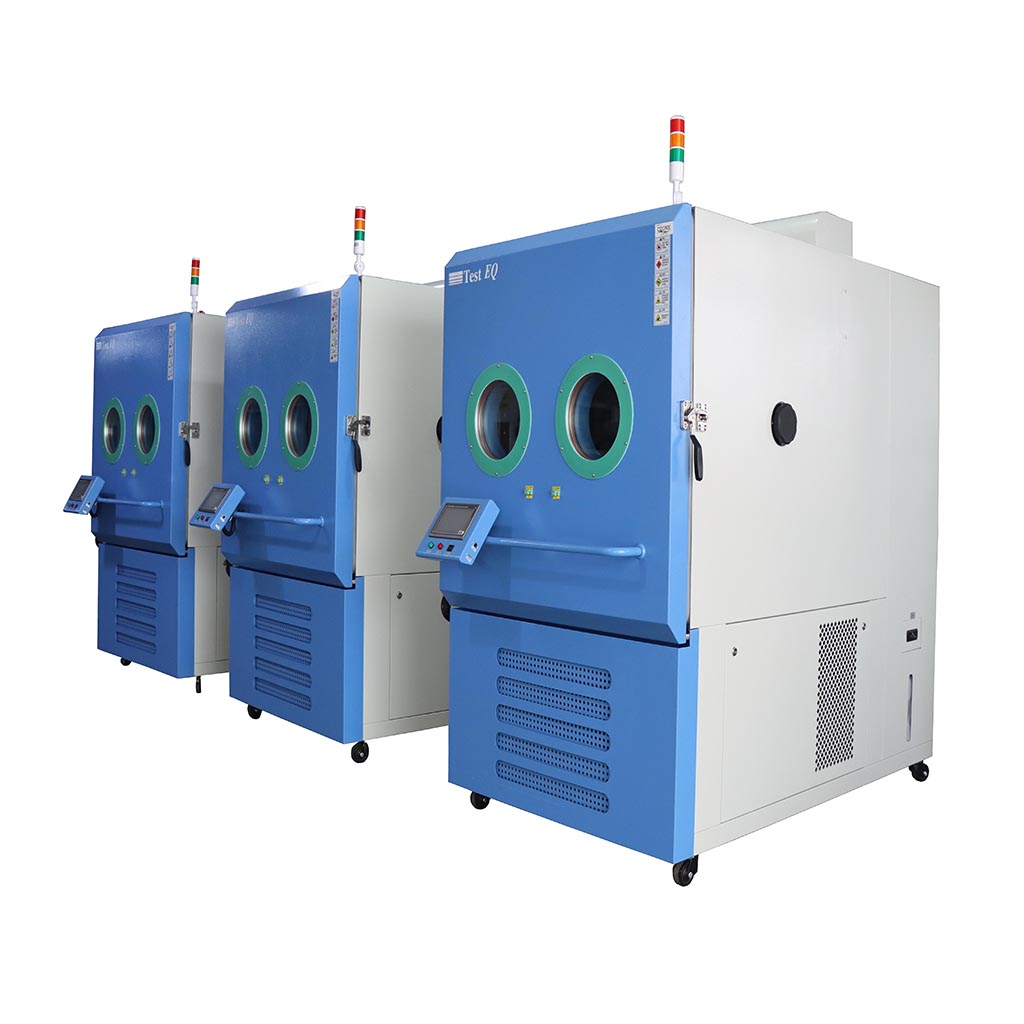
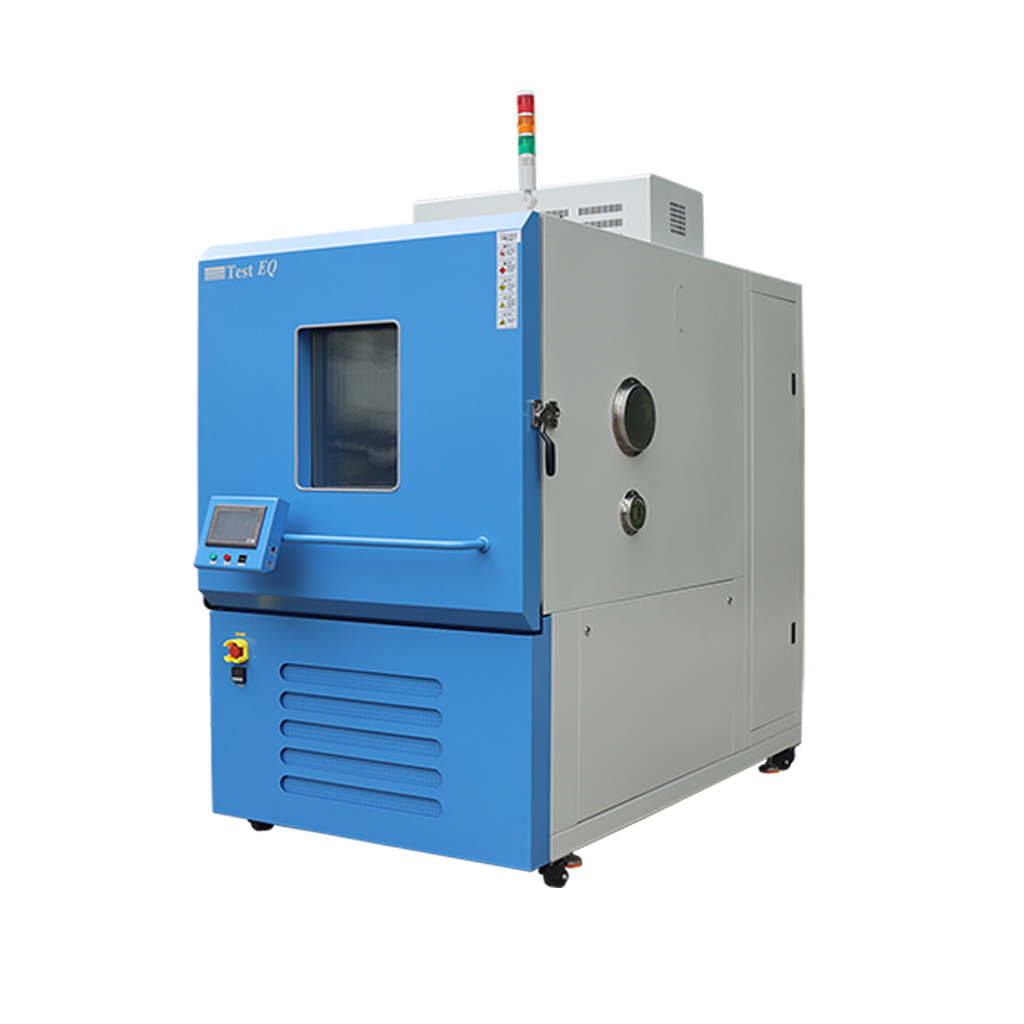
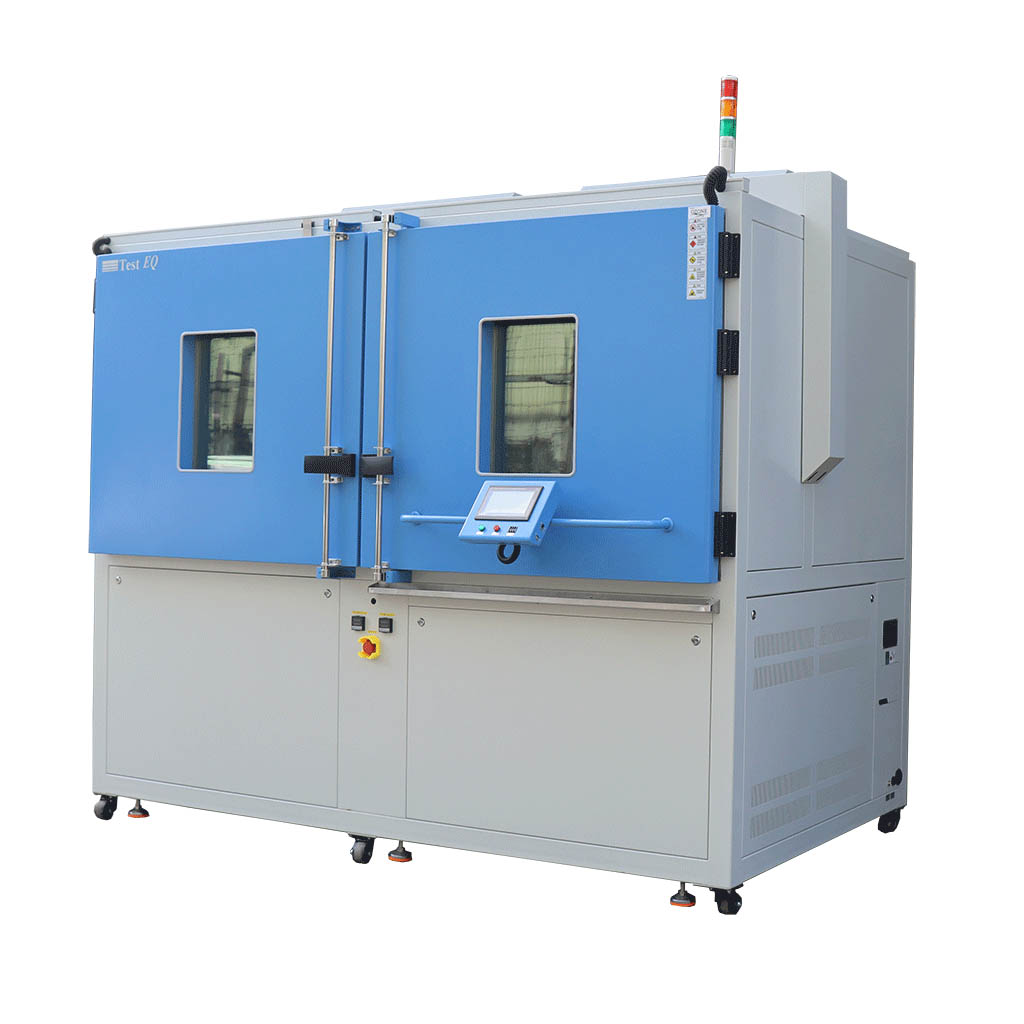
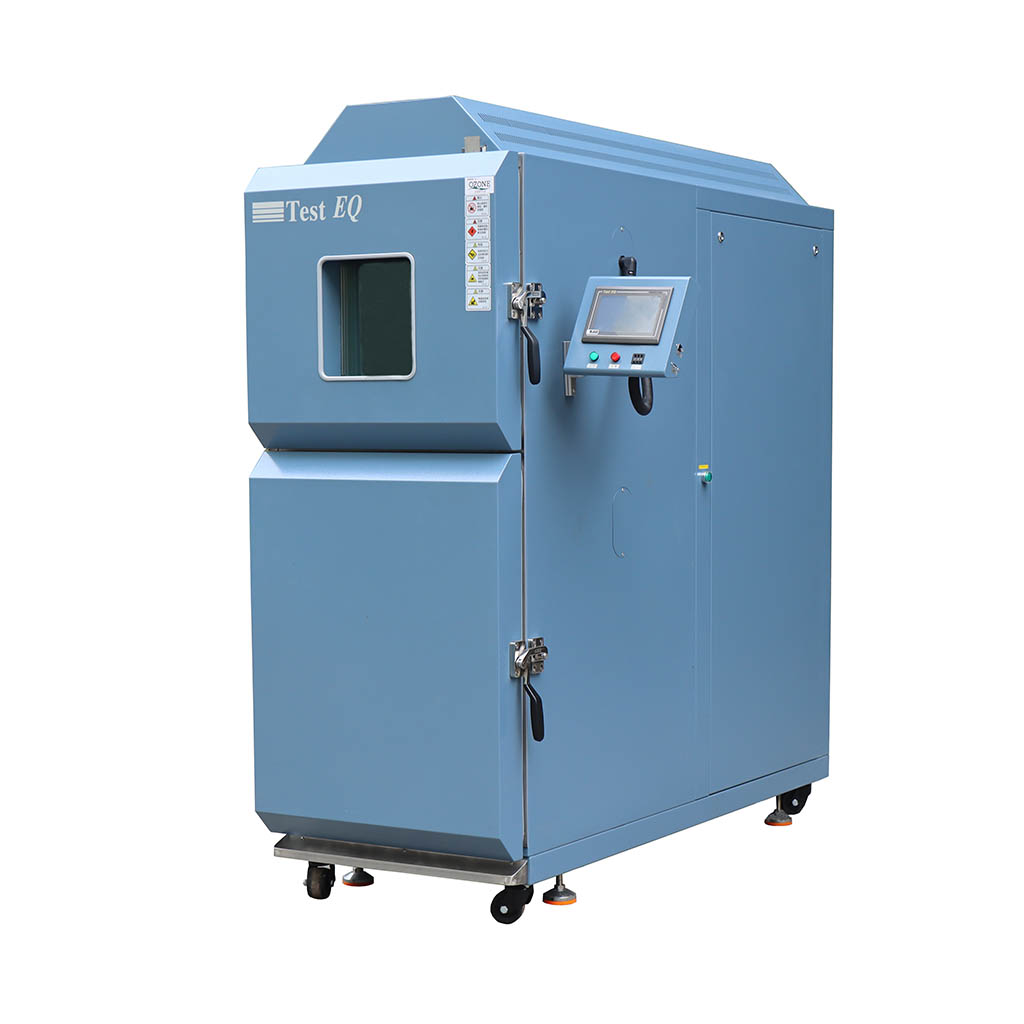
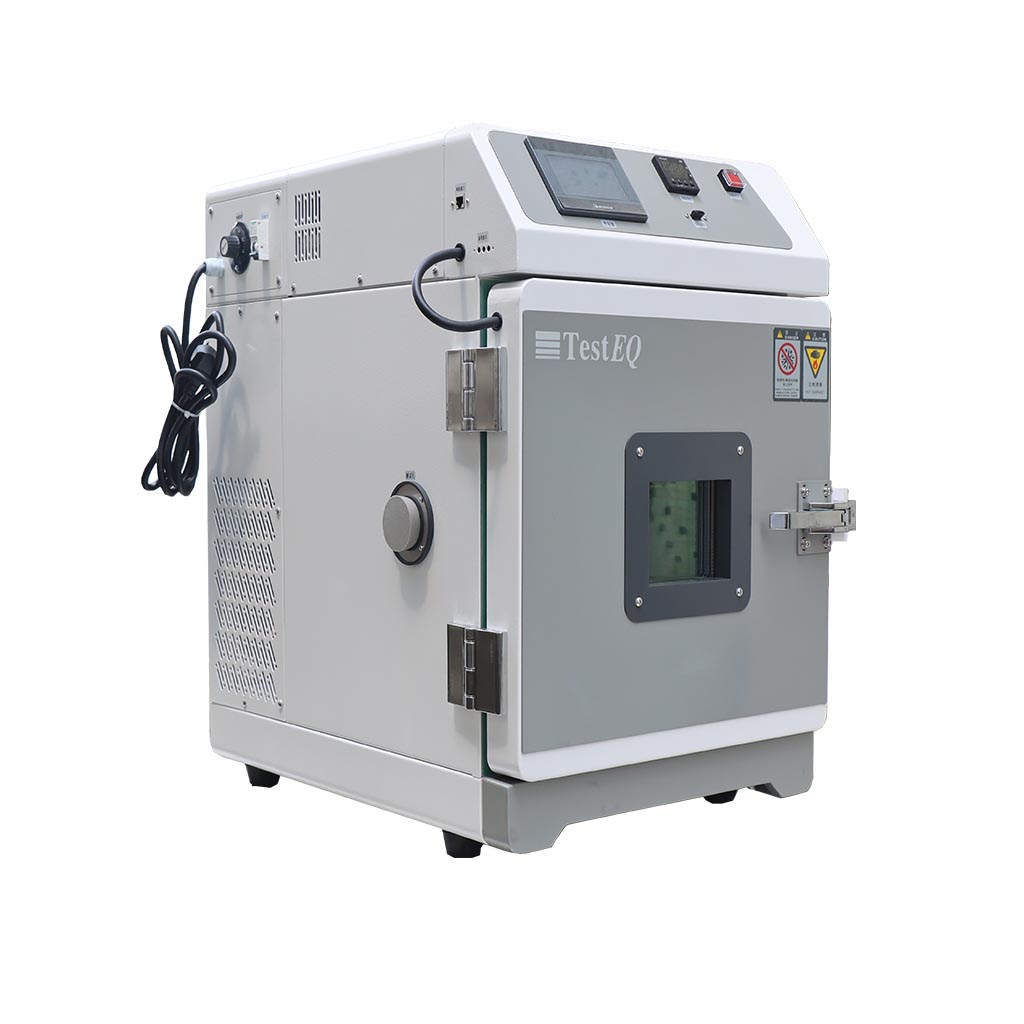
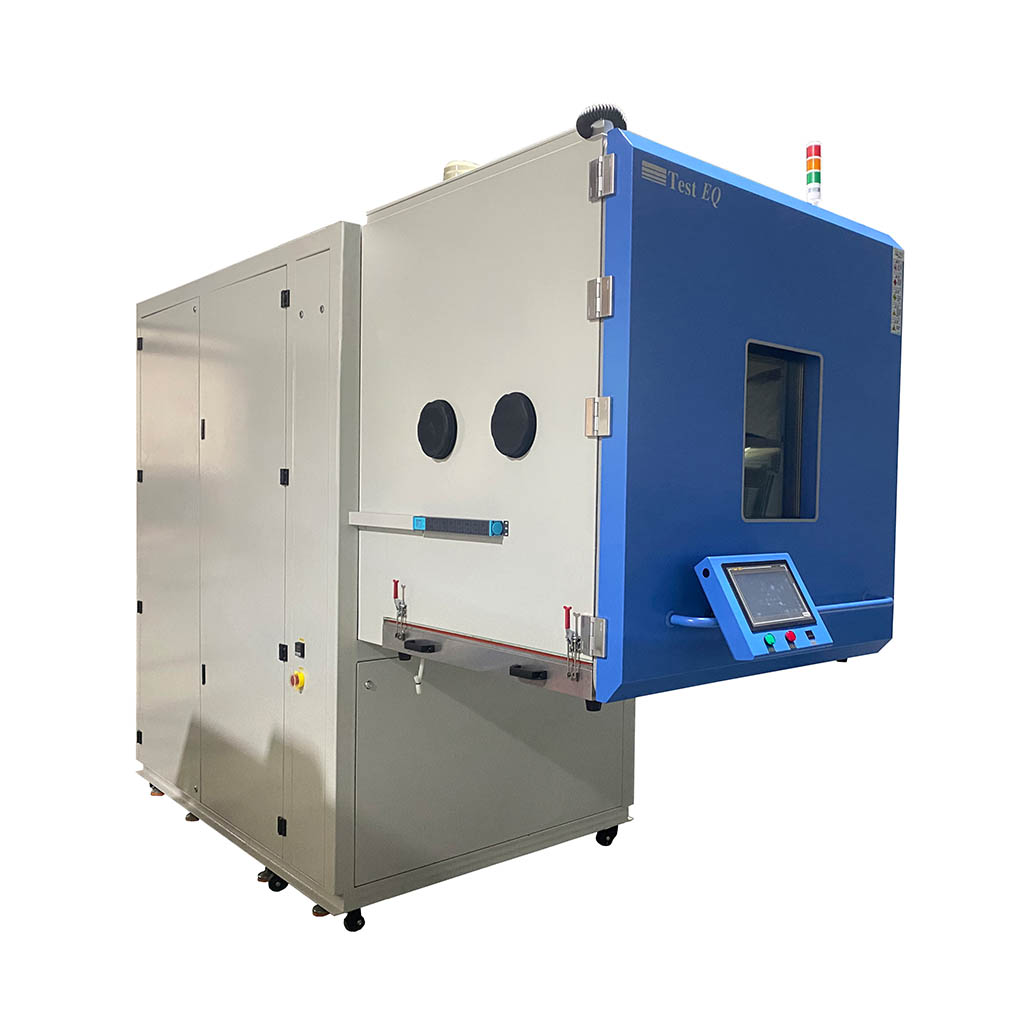
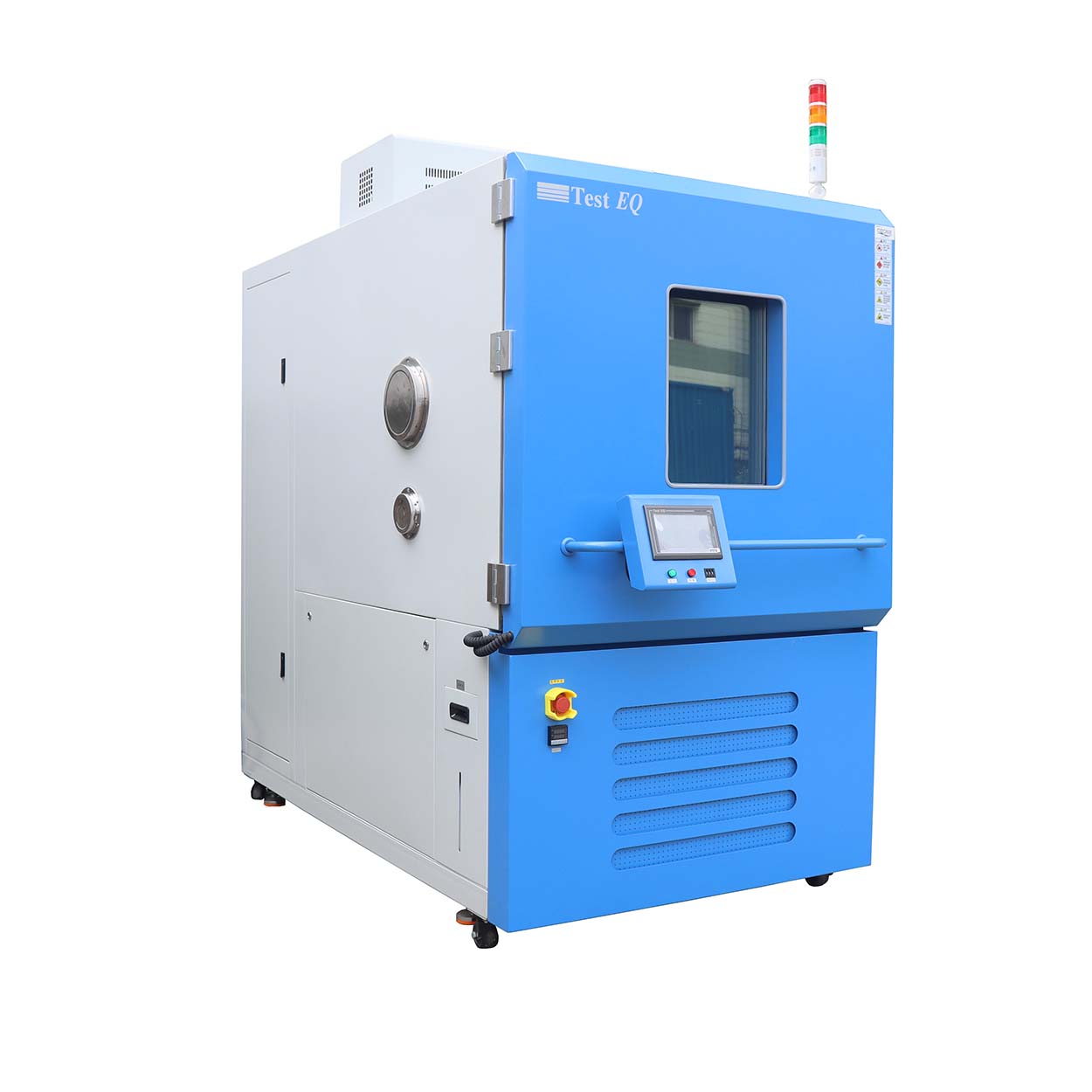
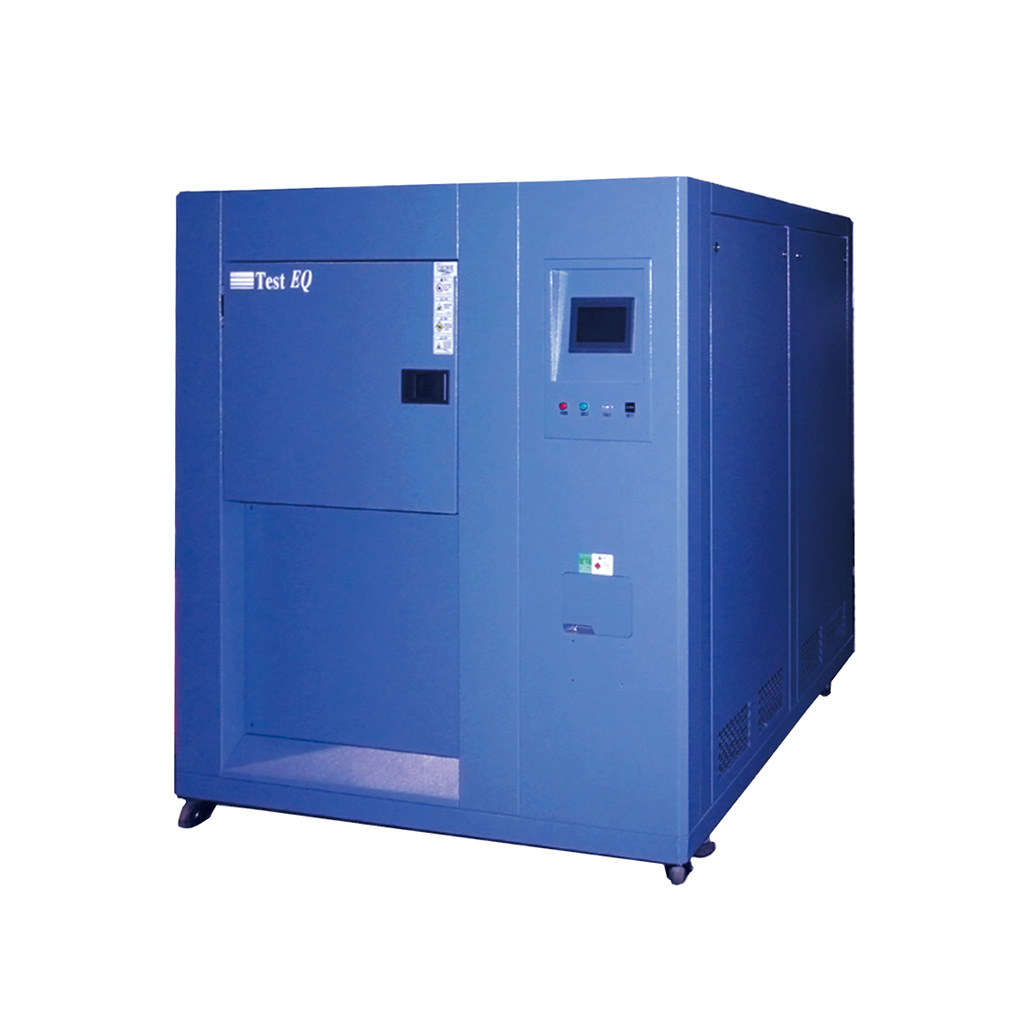
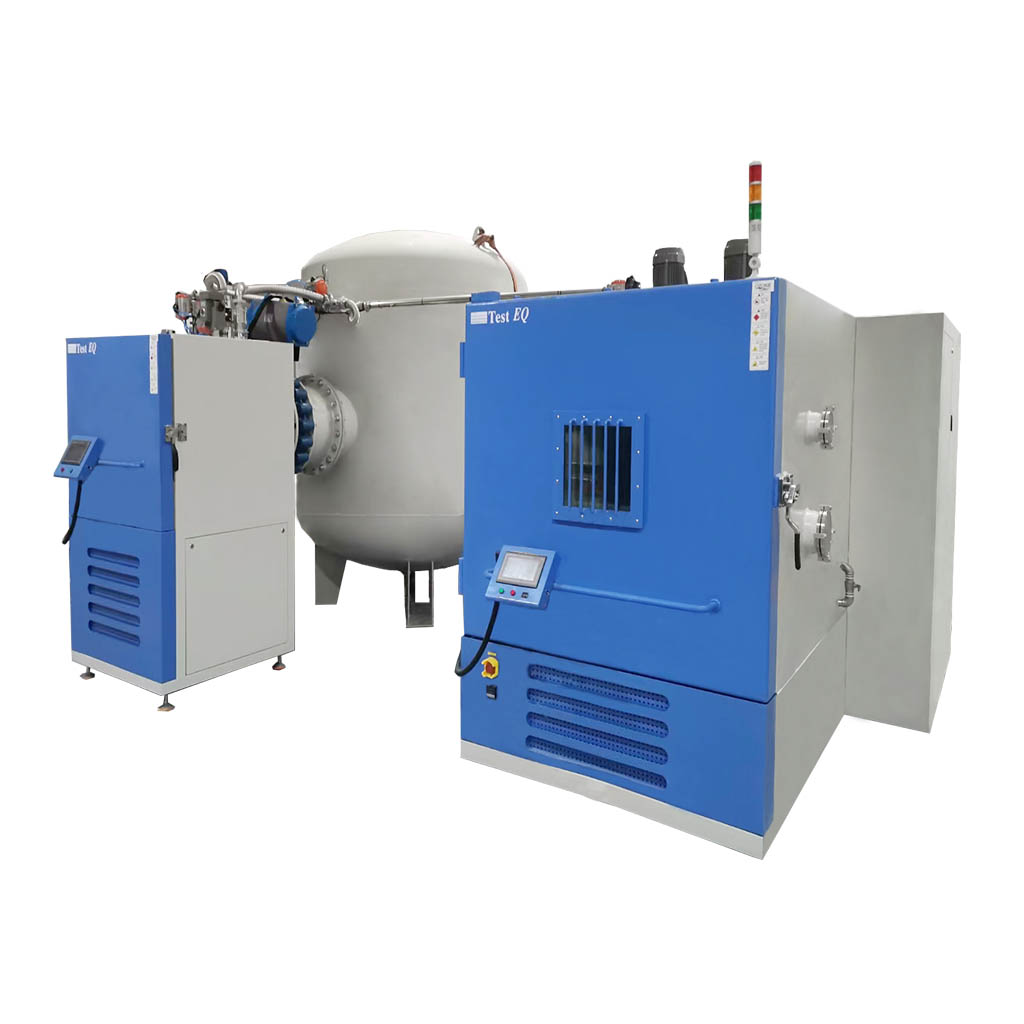
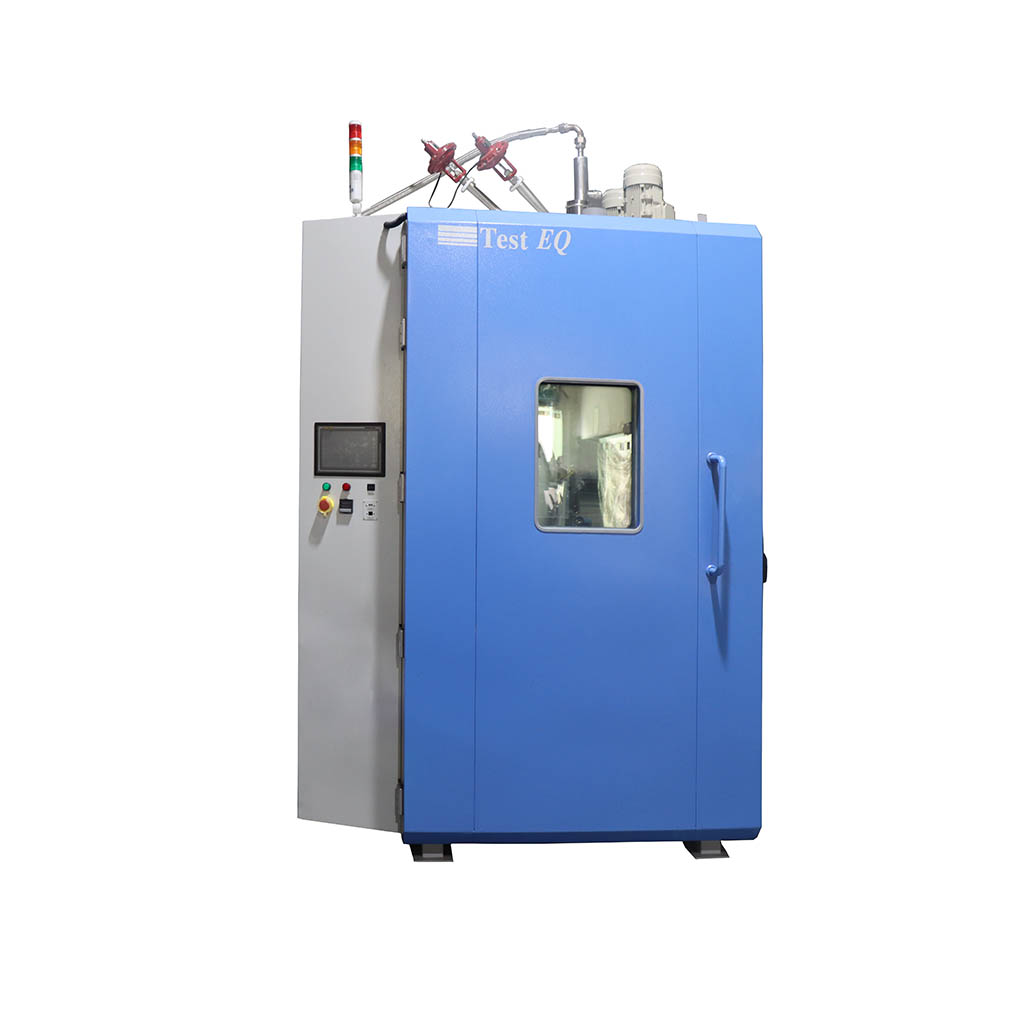
The Four-Combined Environmental Test Chamber is an advanced integrated testing system that simultaneously simulates temperature, humidity, vibration, and altitude conditions within a single controlled environment.
Unlike traditional single-function test chambers, this system is designed to reproduce real-world multi-stress environments, enabling engineers to evaluate product reliability under complex and accelerated aging conditions.
It is widely used in aerospace, automotive electronics, defense systems, and high-end electronic manufacturing industries where failure risk must be minimized before deployment.
Why Multi-Environment Testing Matters:
Modern products are no longer exposed to a single stress factor. Instead, they operate under combined environmental conditions such as:
The four-combined system helps identify:
Hidden structural fatigue
Electrical instability under stress coupling
Seal failure and moisture penetration
Vibration-induced micro-cracks
This makes it a critical tool for reliability engineering and product qualification testing.
System Architecture (Technical Authority Section):
The four-combined system consists of four integrated subsystems:
1. Thermal Control Module
Provides precise heating and cooling cycles for accelerated aging simulation.
2. Humidity Control Module
Maintains stable humidity levels for condensation and moisture stress testing.
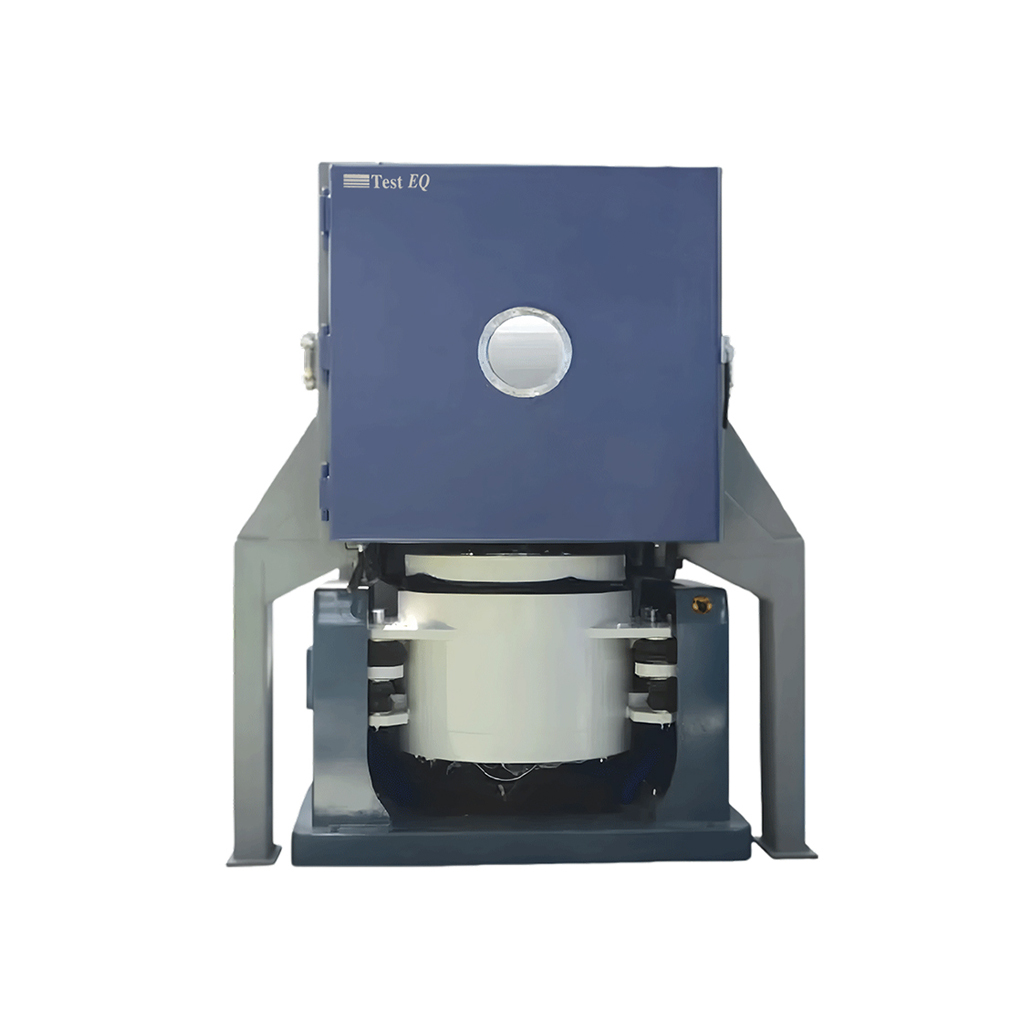
3. Vibration System
Generates controlled mechanical stress in multiple axes to simulate transportation and operational vibration.
4. Altitude Simulation System
Reproduces low-pressure conditions to simulate high-altitude or aerospace environments.
All subsystems are synchronized through a centralized control platform to ensure environmental coupling accuracy.
Testing Capabilities:
This system enables advanced testing scenarios such as:
Thermal + vibration coupling fatigue testing
Humidity + altitude material degradation analysis
Multi-stress accelerated life testing (ALT)
Aerospace mission simulation environments
EV battery environmental reliability validation
Advantages Over Separate Test Systems:
Compared with traditional independent chambers, the four-combined system offers:
Reduced testing time by up to 40%
Improved environmental correlation accuracy
Lower laboratory space requirements
Eliminated sample transfer errors between systems
Higher reproducibility of real-world conditions
Why Choose TestEQ:
Deep engineering experience in multi-environment test systems
Custom design capability for complex aerospace requirements
Stable long-duration testing performance
Advanced control algorithms for environmental synchronization
Global compliance with IEC, MIL-STD, and ISO testing standards
Optional Configurations:
High-frequency vibration upgrade (up to 3000 Hz)
Extreme altitude simulation (up to 100,000 m equivalent)
Liquid nitrogen cooling system (LN₂ assisted)
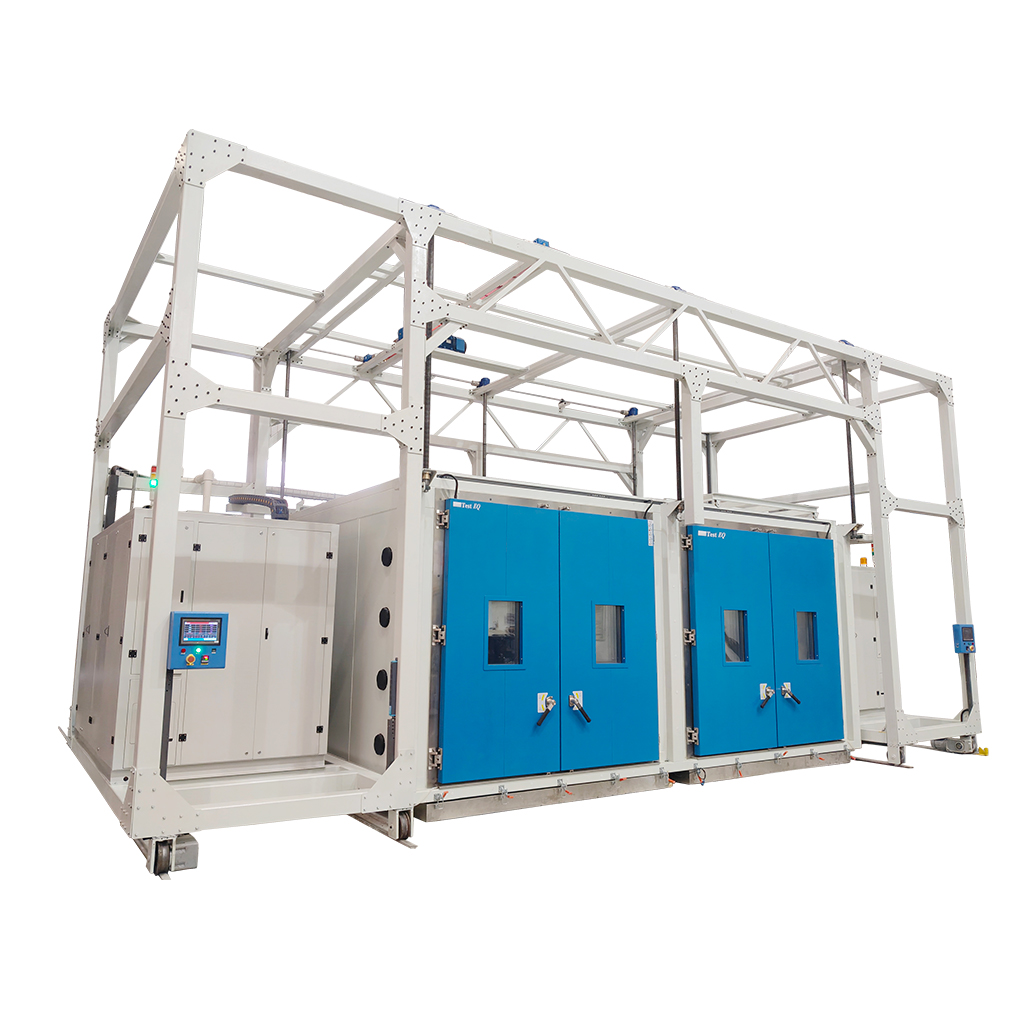
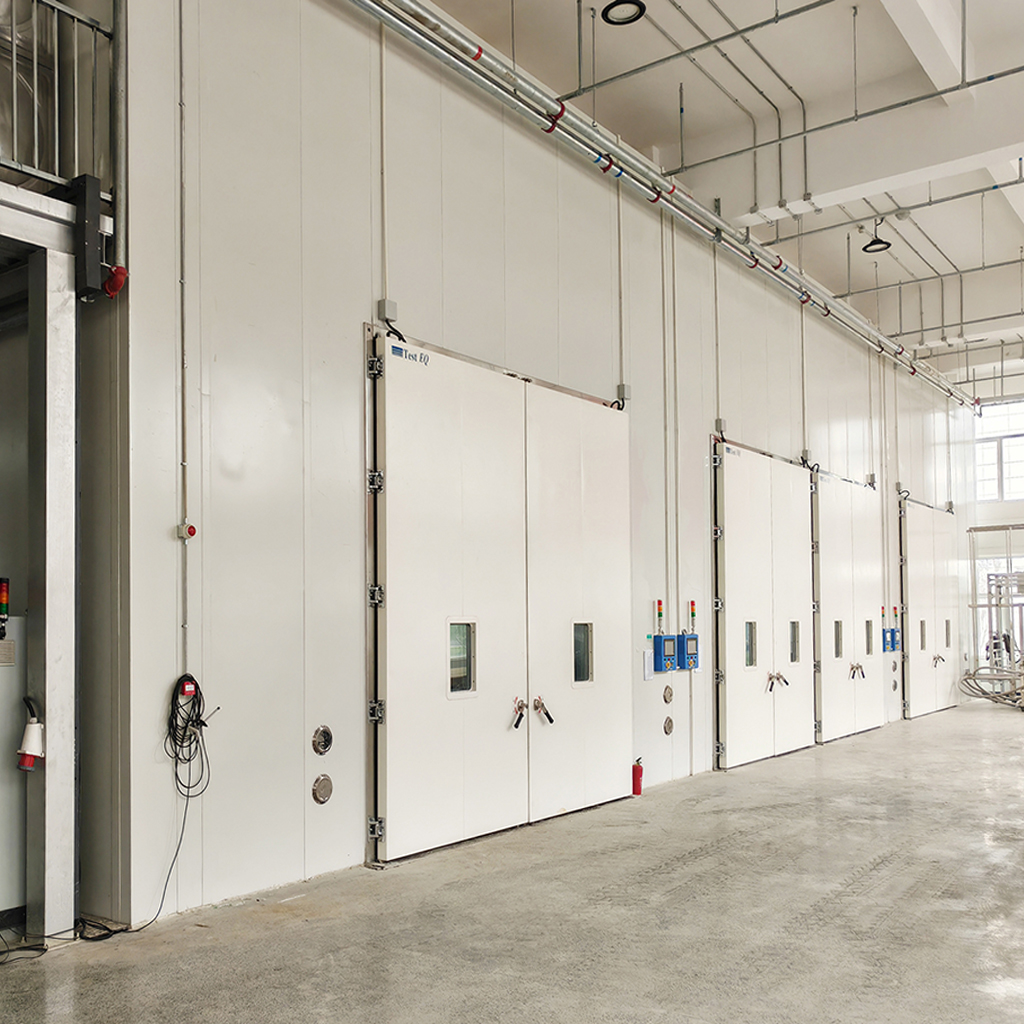
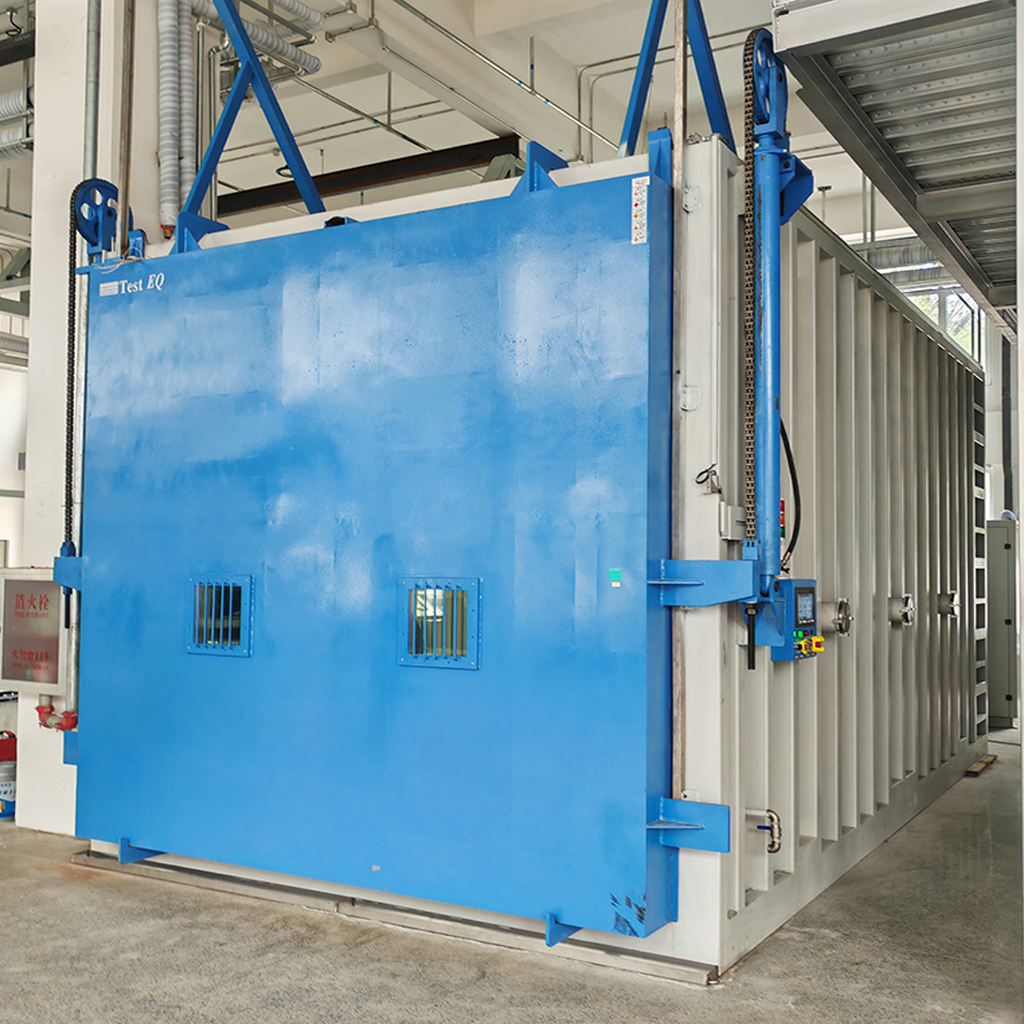
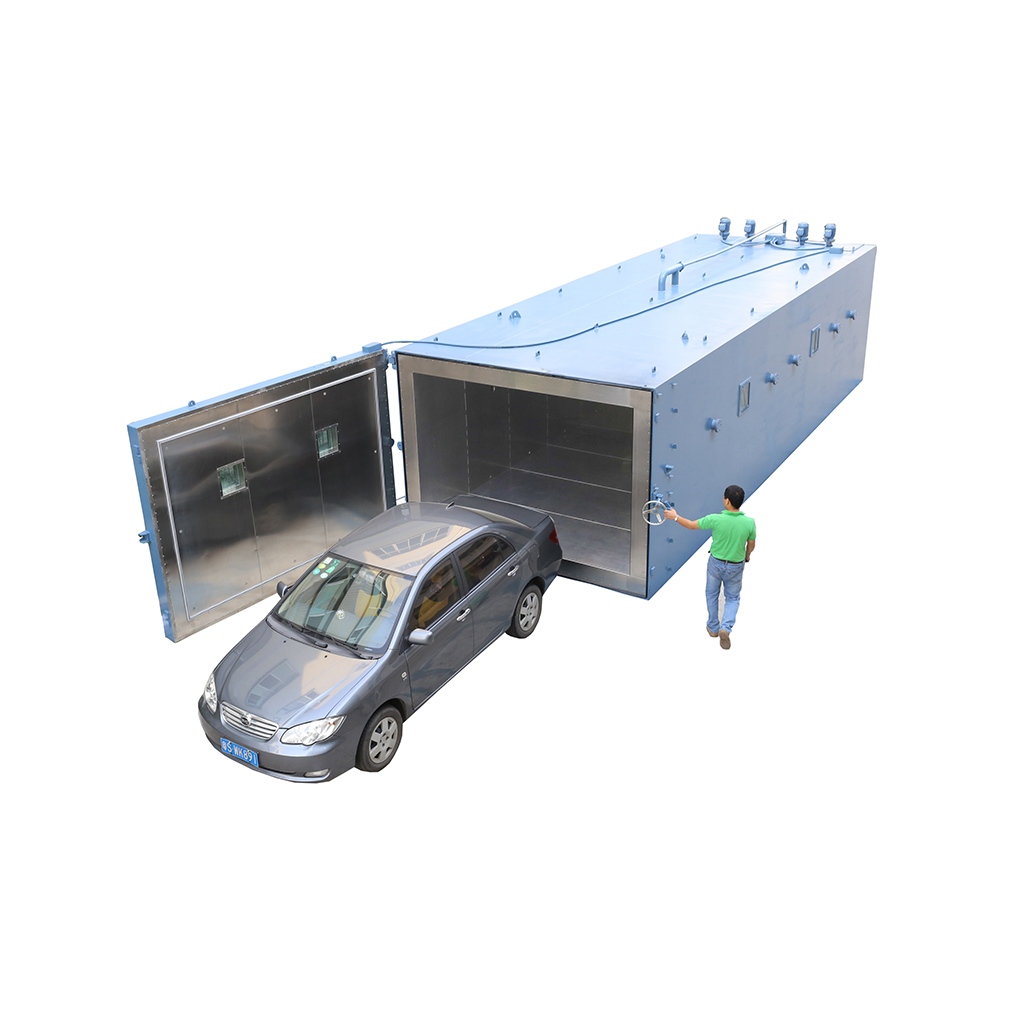
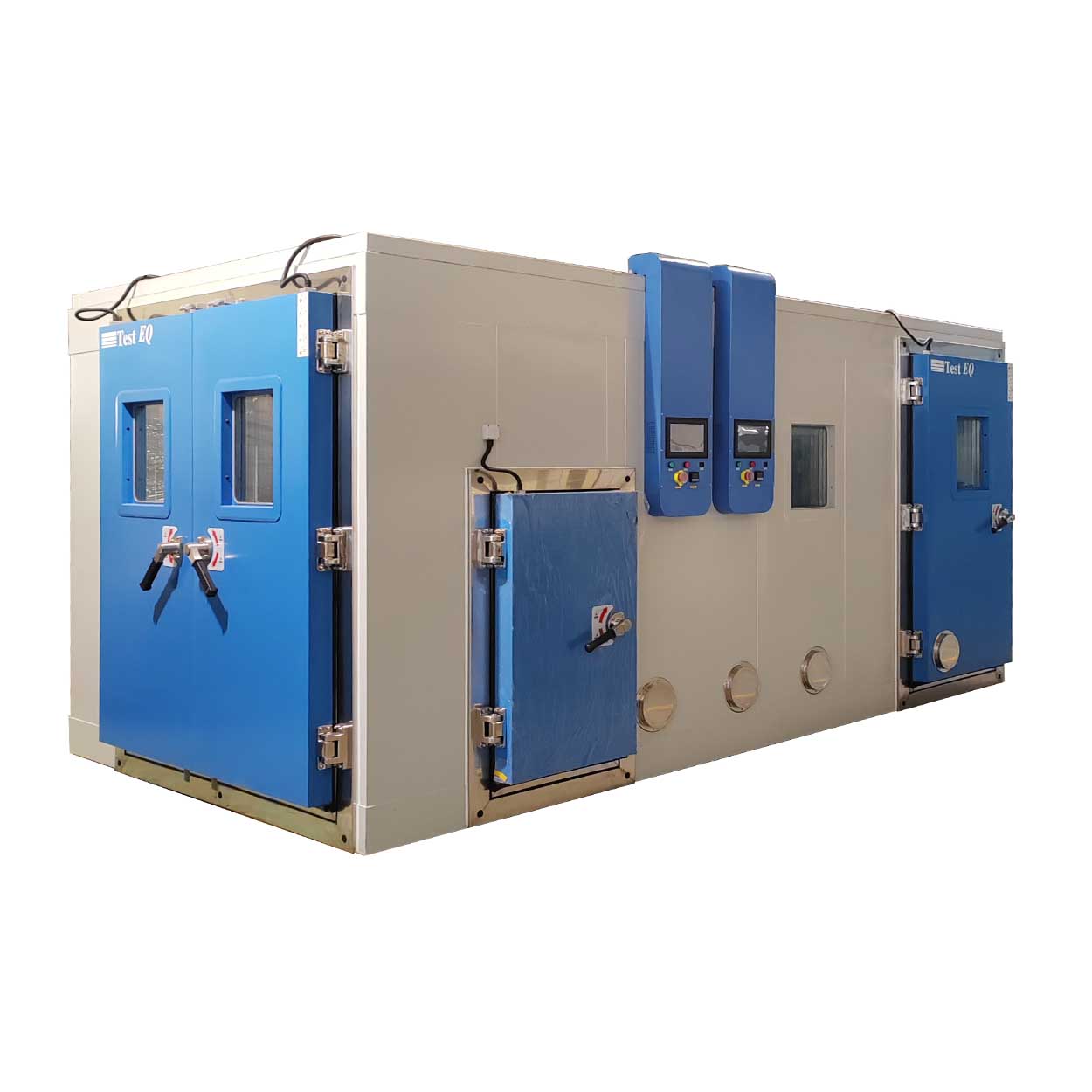
Large-scale walk-in chamber design
Remote monitoring & IoT data logging system
Custom aerospace test profiles
Standards Compliance:
The Four-Combined Environmental Test Chamber
IEC 60068 series (Environmental)
MIL-STD-810 (Environmental Engineering Considerations for Military Equipment)
ISO 16750 (Road Vehicles – Environmental Conditions and Testing)
RTCA DO-160 (Aerospace)
ESS (Environmental Stress Screening) methodology
HALT/HASS accelerated reliability testing principles
FAQ:
What is a four-combined environmental test chamber?
It is a multi-functional system that integrates temperature, humidity, vibration, and altitude simulation into a single test platform for reliability testing.
What industries require four-combined environmental testing?
Aerospace, automotive electronics, defense systems, semiconductor packaging, and advanced materials industries.
What is the advantage of combined environmental testing?
It allows simultaneous stress simulation, improving test accuracy and reducing overall testing time.
Can vibration and temperature be tested at the same time?
Yes, the system is designed to synchronize multiple environmental stresses simultaneously.
What standards does this system follow?
It can be configured to meet IEC, MIL-STD, ISO, and custom aerospace testing standards.