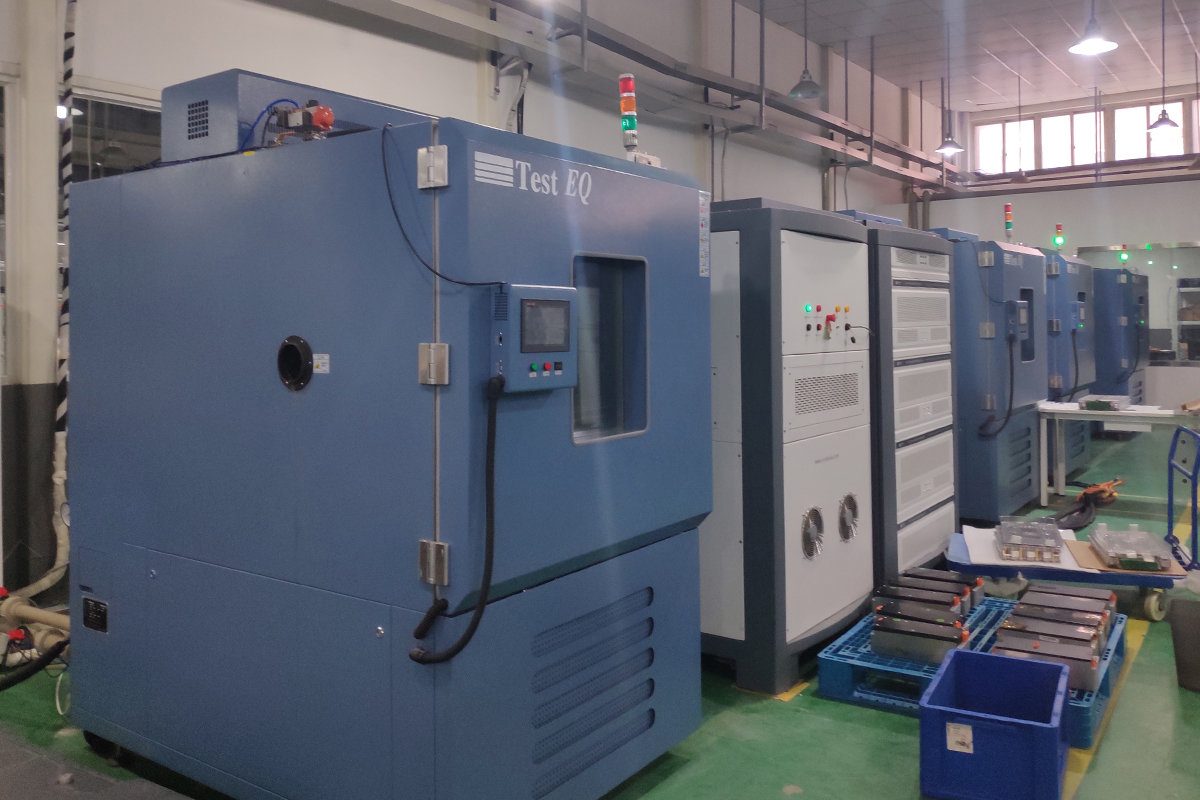
1. Overview of IEC 60068-2-1 Cold Test Standard
The IEC 60068-2-1 standard is part of the IEC 60068 environmental testing series, which defines low temperature (cold) test procedures used to evaluate the performance, reliability, and functional stability of components, equipment, and materials under cold environmental conditions.
It is widely used in industries such as:
Automotive electronics (ECU, sensors, battery systems)
Aerospace and defense systems
Semiconductor and PCB assemblies
Industrial control systems
Consumer electronics and telecom equipment
The purpose of the test is to determine whether products can operate, survive, or be stored at low temperatures without degradation or failure.
2. Test Objectives and Engineering Significance
Cold testing under IEC 60068-2-1 is not only a compliance requirement—it is a reliability engineering validation method.
Key objectives include:
Identify brittle fracture risks in materials
Evaluate electronic component cold-start behavior
Detect solder joint and PCB stress failures
Validate lubrication and mechanical system stability
Simulate storage and transportation in cold climates
For procurement engineers and reliability labs, this standard is a baseline qualification requirement before mass production or certification approval.
3. IEC 60068-2-1 Test Procedure (Engineering Breakdown)
The standard defines two main test methods:
3.1 Test Ab (Cold Test for Non-Heat-Dissipating Specimens)
Sample is placed in chamber at ambient condition
Temperature is gradually reduced to specified level
Specimen remains unpowered
Holding time: typically 16h–72h depending on requirement
3.2 Test Ad (Cold Test for Heat-Dissipating Specimens)
Sample is energized during temperature exposure
Evaluates real operational condition under cold stress
Requires stable thermal compensation in chamber control system
3.3 General Procedure Steps
Preconditioning at standard atmosphere (23°C / 50% RH)
Placement into cold chamber
Temperature ramp-down according to specification
Stabilization period
Exposure duration
Recovery phase at normal conditions
Functional verification
4. Cold Test Chamber Requirements (IEC Compliance Critical Parameters)
To meet IEC 60068-2-1, an environmental test chamber must ensure strict performance control:
4.1 Temperature Range
Typically: -70°C to +180°C (industrial grade)
Minimum requirement: down to -40°C or lower depending on application
4.2 Temperature Uniformity
≤ ±2.0°C (typical IEC requirement)
Advanced labs require ±1.0°C or better
4.3 Temperature Stability
±0.5°C to ±1.0°C during steady state
4.4 Ramp Rate Control
Controlled cooling (non-shock unless specified)
Linear or step-controlled profiles
4.5 Airflow Design
Forced convection airflow system
Avoid direct cold jet impact on specimen
4.6 Data Logging & Compliance
Multi-channel temperature monitoring
IEC-compliant traceability report output
5. Common Failure Modes in Cold Testing
Engineers typically observe failures such as:
PCB cracking due to thermal contraction mismatch
Battery capacity drop or internal resistance rise
LCD display slow response or freeze
Connector detachment due to material shrinkage
Lubricant solidification in mechanical assemblies
These insights are critical for design validation and reliability improvement loops (DVP&R).
6. TestEQ IEC-Compliant Cold Test Chamber Solution
TestEQ environmental test chambers are engineered for IEC 60068-2-1 compliance testing with high precision control systems.
Key advantages:
Ultra-stable low temperature control (-70°C capability)
High uniformity airflow architecture
Fast thermal recovery design for repeat testing cycles
Industrial-grade PID + intelligent control system
Optional remote monitoring & data traceability system
Applications include:
Automotive ECU cold validation
Semiconductor reliability testing
Aerospace component qualification
Battery system environmental simulation
TestEQ systems are widely used in R&D labs, third-party testing centers, and OEM validation environments.
7. Why IEC 60068-2-1 Matters for Procurement & QA Teams
For procurement engineers and lab managers, compliance with IEC 60068-2-1 ensures:
Reduced field failure risk
International certification readiness
Standardized supplier evaluation
Lower lifecycle warranty cost
Improved product reliability reputation
Selecting a chamber is not just equipment purchasing—it is a risk control decision for product reliability engineering.
FAQ
1. What is IEC 60068-2-1 cold test standard?
IEC 60068-2-1 is an international standard that defines low temperature (cold) environmental testing methods used to evaluate the performance, reliability, and durability of electronic components, materials, and equipment under cold conditions such as storage, transportation, and operation.
2. What is the purpose of IEC 60068-2-1 testing?
The purpose of IEC 60068-2-1 testing is to verify whether a product can maintain structural integrity and functional performance when exposed to low temperature environments. It helps identify issues such as material brittleness, electronic failure, and mechanical stress caused by thermal contraction.
3. What are the test methods in IEC 60068-2-1?
IEC 60068-2-1 includes two main test methods: Test Ab for non-heat-dissipating specimens and Test Ad for heat-dissipating specimens. Test Ab is performed without electrical operation, while Test Ad evaluates performance under energized operating conditions.
4. What temperature range is used in cold testing?
Typical IEC 60068-2-1 cold tests use temperature ranges from -40°C to -70°C depending on product requirements. Advanced environmental testing applications may extend lower for aerospace, automotive, and semiconductor reliability validation.
5. What are the chamber requirements for IEC 60068-2-1 compliance?
An IEC 60068-2-1 compliant environmental test chamber must provide stable low temperature control, uniform airflow distribution, precise temperature accuracy (±0.5°C to ±2°C), and programmable test cycles with full data logging for traceability and certification.
6. What industries use IEC 60068-2-1 cold testing?
IEC 60068-2-1 cold testing is widely used in automotive electronics, aerospace systems, semiconductor manufacturing, battery testing, telecommunications, and industrial equipment validation to ensure product reliability in low temperature environments.
Internal Linking Module
Recommended Equipment (Environmental Test Chambers)
This standard corresponds to low-temperature environment reliability testing and recommends the use of environmental testing equipment with stable low-temperature control and uniformity capabilities to simulate IEC 60068-2-1 Cold Test conditions.
Suitable for basic cold testing (-70°C ~ +180°C), it supports stable temperature control and long-term low-temperature maintenance, and can be used for cold environment verification of electronic components and materials.
● Rapid Temperature Change Chamber
Suitable for cold testing applications requiring rapid cooling or thermal shock preconditions, it can improve the efficiency and reliability of low-temperature stress testing.
Relevant standards
This comprehensive analysis of the IEC 60068 environmental testing standard system (temperature, humidity, vibration, shock, etc.) helps engineers understand the international reliability testing specification framework.
Used to evaluate product performance during rapid temperature changes, it is an extended and supplementary standard to cold testing.
Technical Resources
This guide helps users select the appropriate environmental test chamber type (temperature, humidity, thermal shock, etc.) according to the IEC 60068 series standards, applicable to procurement and laboratory selection decisions.
This guide explains the fundamentals of thermal cycling testing, including test purpose, temperature transition principles, failure mechanisms such as thermal fatigue and material expansion stress, and common industry standards. It also helps engineers understand how thermal cycling is used to evaluate long-term product reliability under repeated high-to-low temperature variations.
CTA
Looking for IEC 60068-2-1 compliant cold test equipment?
TestEQ provides custom environmental test chamber solutions for aerospace, automotive, semiconductor, and electronics validation.
"Contact our engineering team for:"
Technical specification matching
Chamber customization (size / range / ramp rate)
IEC compliance consultation
Project quotation within 24 hours