What is ISO 16750 Testing Standard?
ISO 16750 is an international automotive environmental testing standard designed to validate the reliability and durability of electrical and electronic components used in road vehicles.
This standard covers the key environmental stresses that automotive electronics experience throughout their lifecycle, including:
• Extreme temperature changes
• Humid heat cycle and condensation
• Mechanical vibration and shock
• Voltage fluctuations and electrical interference
• Long-term reliability stress
The essential goal:
to ensure that automotive electronic systems have "zero failure risk" in real vehicle operating environments.
ISO 16750 Test Structure
ISO 16750 is typically divided into multiple test modules (the core of engineering verification):
Thermal Stress Testing
For simulation:
• -40°C cold start environment
• +125°C High Temperature Chamber Environment
• Rapid temperature change cycling (thermal shock)
Humidity & Condensation Test
Verify the electronic system in:
• High humidity (above 85% RH)
• Condensation formation
• Long-term damp and corrosive environment
Mechanical Vibration Test
Simulates real stress during vehicle operation:
• Road vibration
• Engine vibration
• Random multiaxial vibration
Electrical Load & Voltage Variation
include:
• Startup voltage drop (cranking test)
• Load mutation
• Power supply transient interference
• Battery fluctuation simulation
Why ISO 16750 is Critical for Automotive Industry
With the rapid development of EVs (electric vehicles) and ADAS (advanced driver assistance systems), automotive electronics reliability has become the core of vehicle safety.
OEM Mandatory Standards
Global OEMs (such as BMW, Ford, and Toyota) require their suppliers to meet ISO 16750 standards.
Reduce recall risk
Early environmental validation can reduce:
• On-site failure
• Warranty costs
• Safety accident risk
Supports global certification
Help products enter:
• EU market
• North American market
• China's new energy supply chain
Accelerate Product Development
Laboratory simulations can replace road tests, improving R&D efficiency.
TestEQ ISO 16750 Testing System Solution
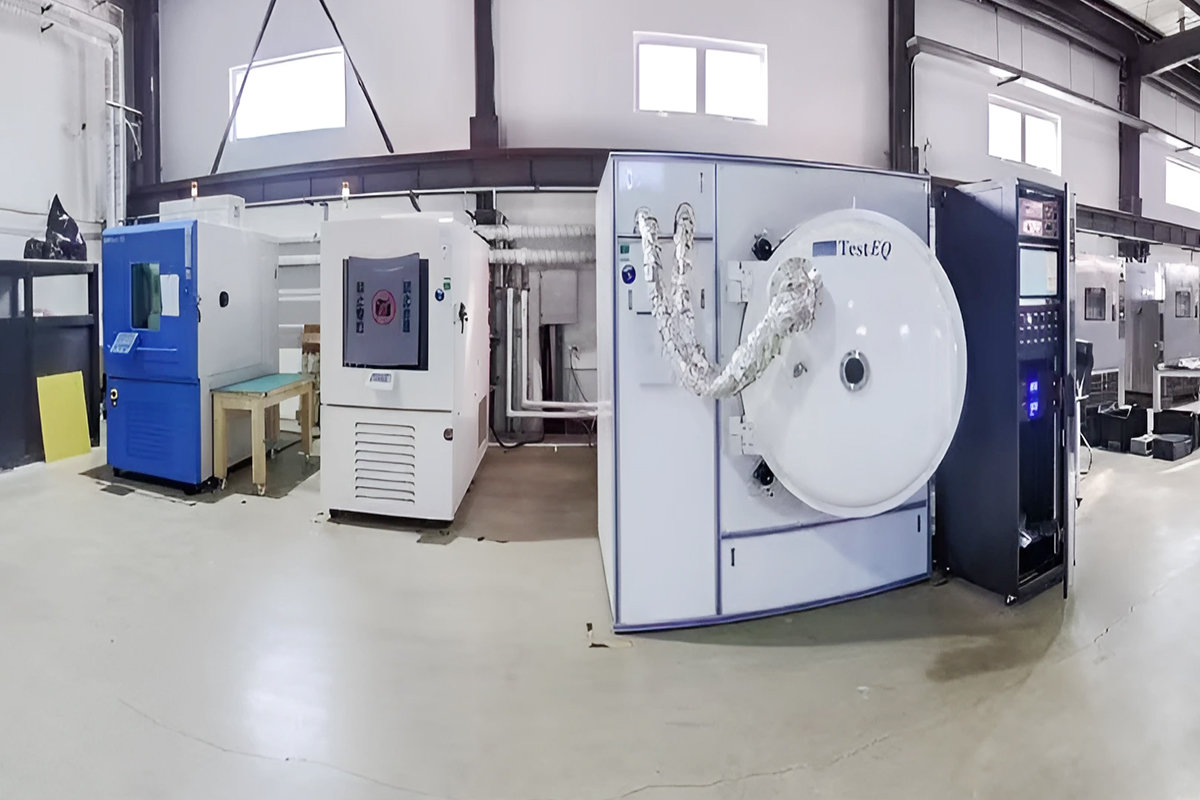
TestEQ provides a complete automotive electronics reliability testing platform, covering the entire ISO 16750 process.
High-Precision Environmental Chamber
• Temperature range: -70°C ~ +180°C
• Temperature control accuracy: ±0.5°C
• Rapid temperature change capability: up to 15°C/min
Temperature Humidity Vibration Integrated System
accomplish:
• Three-dimensional stress test (THV)
• Synchronously load real working conditions
• Long-term reliability verification
Automotive Electronics Stress System
support:
• ECU control unit test
• BMS Battery Management System Verification
• Sensor environmental adaptability test
• Vehicle communication module test
HALT / HASS Acceleration Testing
Used for:
• Quickly expose design flaws
• Manufacturing process screening
• Improve mass production yield
Engineering Value for OEM & Tier Suppliers
For Engineers
• Early detection of failure modes (FMEA optimization)
• Obtain real-world environmental data
• Support design iteration and optimization
For Procurement Teams
• Meet international supply chain audit requirements
• Reduce certification costs
• Improve supplier compliance
For Laboratories
• Supports multiple standards including ISO, IEC, and MIL.
• Automated test data recording
• Scalable test system architecture
ISO 16750 vs Other Automotive Reliability Testing Standards
| Comparison Item | ISO 16750 | IEC 60068 |
|---|---|---|
| Primary Application | Automotive electrical and electronic components | General environmental testing for electronic products |
| Main Industry | Automotive, EV, vehicle electronics | Electronics, aerospace, industrial equipment, research |
| Target Products | ECU, BMS, sensors, controllers, connectors, automotive modules | Electronic components, devices, assemblies, industrial products |
| Main Focus | Vehicle environmental conditions and reliability validation | General environmental stress testing methods |
| Temperature Testing | Automotive temperature cycling and climatic loads | General cold, dry heat, temperature change tests |
| Humidity Testing | Vehicle-specific humidity and condensation environments | General damp heat and humidity testing |
| Mechanical Testing | Vehicle vibration and mechanical loads | General vibration and mechanical shock testing |
| Typical Equipment | Temperature Humidity Chamber, Thermal Cycling Chamber, ESS Chamber | Environmental Chamber, Thermal Shock Chamber, Humidity Chamber |
| Best Used For | Automotive electronic reliability validation | General environmental qualification |
ISO 16750 Testing for Electric Vehicles and Battery Systems
With the rapid growth of electric vehicles, ISO 16750 testing has become increasingly important for validating EV electronic systems.
Typical EV components requiring ISO 16750 validation include:
- Battery Management Systems (BMS)
- Power Control Units
- Charging Systems
- Sensors
- Inverters
- Vehicle communication modules
Environmental reliability testing helps manufacturers verify product performance throughout the vehicle lifecycle.
Why TestEQ?
TestEQ focuses on environmental reliability testing equipment, with the following core advantages:
• 20+ years of experience in environmental testing engineering
• Serving global automotive OEMs & Tier 1
• Supports customized automotive electronics testing systems
• Covering the entire ISO / IEC / MIL-STD system
• Global project delivery capabilities
Engineering Review
This technical guide is reviewed by TestEQ reliability engineers with experience in environmental simulation systems for automotive electronics, EV battery systems and semiconductor reliability testing.
TestEQ provides customized ISO 16750 compliant environmental test chamber solutions for global automotive manufacturers and laboratories.
FAQ
Q1: What is ISO 16750 used for?
ISO 16750 is used to test automotive electronic components under environmental and electrical stress conditions to ensure reliability.
Q2: Which products require ISO 16750 testing?
ECUs, sensors, BMS systems, infotainment modules, and automotive communication devices.
Q3: What equipment is needed for ISO 16750 testing?
Temperature humidity chambers, vibration systems, and combined environmental simulation chambers.
Q4: Is ISO 16750 mandatory for OEM suppliers?
Yes, most global automotive OEMs require compliance for electronic components.
Q5: Can ISO 16750 be combined with HALT testing?
Yes, many manufacturers combine ISO 16750 validation with HALT/HASS for accelerated reliability testing.
Q6: What is the difference between ISO 16750 and IEC 60068?
ISO 16750 is specifically designed for automotive electrical and electronic components used in road vehicles, while IEC 60068 is a general environmental testing standard applicable to a wider range of electronic products and industries.
Q7: Which ISO 16750 tests are used for EV components?
ISO 16750 tests commonly applied to EV components include temperature cycling, humidity exposure, vibration, mechanical shock, electrical load testing, and environmental stress validation for systems such as battery management systems (BMS), power electronics, and vehicle controllers.
Q8: How long does ISO 16750 testing take?
The duration of ISO 16750 testing depends on the component type, test method, severity level, and customer requirements. Environmental reliability tests may range from several hours to multiple weeks depending on the validation plan.
Internal Linking Module
Recommended Equipment
ISO 16750 testing needs to cover multiple stress environments such as temperature cycling, damp heat, and vibration, thus requiring highly stable environmental simulation equipment.
is used to simulate rapid temperature changes from -70°C to +180°C and is a core piece of equipment for temperature stress testing according to ISO 16750.
is used for testing in damp heat cycling, condensation and high humidity environments, and is suitable for ISO 16750-4 climate load testing.
Related Standards
ISO 16750 is often used in conjunction with other standards in automotive electronics reliability testing systems to form a complete verification chain.
is used for environmental adaptability testing of general electronic products and is highly compatible with ISO 16750 test methods.
is commonly used for temperature cycling verification in semiconductors and automotive electronics, and is an important supplementary standard to the ISO 16750 thermal stress test.
Technical Resources
For a deeper understanding of ISO 16750 test methods, failure mechanisms, and application cases, please refer to the following technical articles:
provides a detailed analysis of solder joint cracking, material fatigue, and thermal stress failure mechanisms, applicable to automotive electronics reliability engineering.
helps engineers select accelerated life testing methods and is applicable to the development of ISO 16750 damp heat-related testing strategies.
CTA:
ISO 16750 Testing Solutions for Automotive Reliability Validation
ISO 16750 testing requires precise simulation of thermal cycling, humidity stress, vibration and electrical load conditions to ensure automotive electronic components meet real-world reliability requirements.
At TestEQ, we design and manufacture custom environmental test chambers for automotive OEMs, Tier 1 suppliers, semiconductor companies, and reliability laboratories worldwide.
Our engineering solutions fully support ISO 16750, IEC 60068, and JEDEC testing environments with high accuracy and stable performance.
We provide fast engineering response within 24 hours.
You can contact us for:
ISO 16750 compliant test chamber selection
Thermal cycling chamber (up to 25°C/min ramp rate)
Temperature humidity chamber customization
Walk-in / large-scale automotive test systems
Full laboratory planning & upgrade support