What Is AEC-Q100 Temperature Cycling Test?
AEC-Q100 is one of the most widely recognized automotive semiconductor reliability qualification standards developed by the Automotive Electronics Council (AEC). It defines stress testing requirements for integrated circuits (ICs) used in automotive applications.
The AEC-Q100 standard evaluates whether semiconductor components can withstand harsh automotive environments, including extreme temperature changes, humidity, mechanical stress, and electrical operating conditions.
Among these qualification tests, temperature cycling testing is a critical reliability evaluation method used to identify failures caused by repeated thermal expansion and contraction.
Automotive electronics such as:
Electric vehicle battery management systems (BMS)
ADAS control modules
Power semiconductor devices
Automotive microcontrollers
Sensor ICs
Infotainment systems
must maintain stable performance after thousands of temperature cycles.
Why Temperature Cycling Testing Is Important for Automotive ICs
During vehicle operation, electronic components experience continuous temperature fluctuations.
For example:
Cold startup in winter environments
High-temperature operation near engines or batteries
Rapid temperature changes during charging and driving
Thermal stress caused by power cycling
Different materials inside semiconductor packages expand and contract at different rates.
This mismatch creates:
Solder joint fatigue
Package cracking
Interface delamination
Wire bond failures
Electrical parameter drift
AEC-Q100 temperature cycling testing helps manufacturers detect these potential reliability issues before mass production.
For automotive suppliers and semiconductor manufacturers, passing AEC-Q100 qualification demonstrates that components can achieve long-term reliability under real vehicle conditions.
AEC-Q100 Temperature Cycling Test Conditions
AEC-Q100 includes multiple temperature-related reliability tests. Temperature cycling focuses on exposing semiconductor devices to repeated temperature transitions between high and low temperature limits.
Typical temperature cycling evaluation includes:
Low Temperature Exposure
Devices are exposed to extremely cold conditions to evaluate:
Material contraction stress
Package integrity
Electrical performance stability
High Temperature Exposure
High temperature conditions simulate:
Engine compartment environments
Battery system heat generation
Long-term thermal aging
Temperature Transition Cycling
The test chamber repeatedly changes between temperature extremes to simulate real automotive operating conditions.
Important test parameters include:
Temperature range
Ramp rate
Dwell time
Number of cycles
Device monitoring method
Actual test requirements depend on the specific AEC-Q100 test method, device category, and customer qualification requirements.
Temperature Cycling vs Thermal Shock Testing
Many engineers confuse temperature cycling testing with thermal shock testing.
Although both involve temperature changes, their stress mechanisms are different.
Temperature Cycling Test
Focuses on:
Long-term thermal fatigue
Expansion and contraction stress
Semiconductor package reliability
Typical applications:
IC qualification
Automotive electronics
Semiconductor packaging
Thermal Shock Test
Focuses on:
Extremely rapid temperature transitions
Severe thermal stress
Material compatibility evaluation
Typical applications:
Connector reliability
Electronic assemblies
Aerospace components
For automotive semiconductor reliability qualification, AEC-Q100 temperature cycling is generally selected when evaluating long-term thermal fatigue behavior.
Selecting the Right Temperature Cycling Chamber for AEC-Q100 Testing
A professional temperature cycling chamber should provide stable and repeatable environmental control.
Key specifications engineers should consider:
1. Temperature Range Capability
The chamber should support the required automotive semiconductor qualification temperature range.
Typical requirements include:
Wide temperature operating range
Stable low-temperature performance
High-temperature uniformity
2. Fast Temperature Transition Performance
Automotive electronics often require accelerated reliability testing.
A high-performance temperature cycling chamber should provide:
Accurate ramp control
Rapid temperature change capability
Excellent thermal uniformity
3. Long-Term Operation Stability
AEC-Q100 qualification testing may require hundreds or thousands of cycles.
The chamber should provide:
Continuous operation reliability
Automatic cycle control
Data recording capability
Remote monitoring
4. Compliance With Automotive Reliability Requirements
For semiconductor laboratories and automotive suppliers, selecting equipment from an experienced environmental testing manufacturer reduces qualification risks.
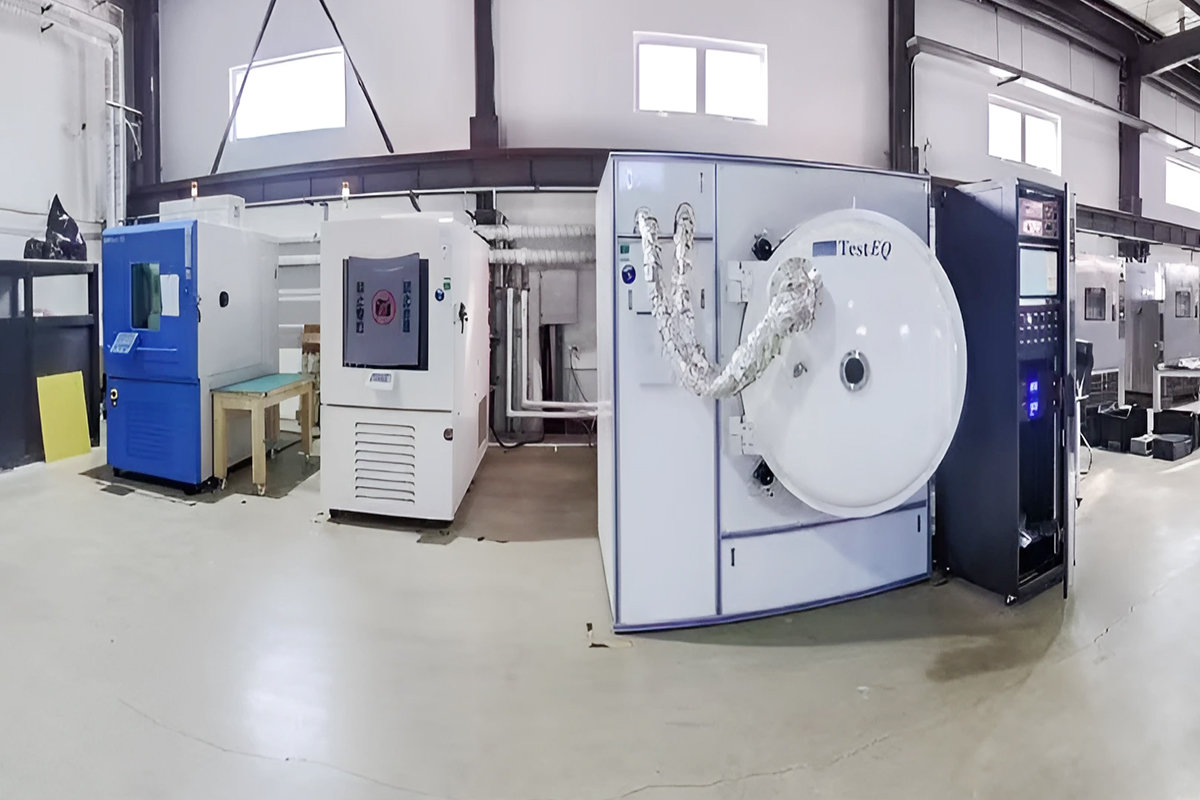
TestEQ provides temperature cycling chambers and semiconductor reliability testing solutions designed for:
Automotive electronics
EV battery systems
Semiconductor devices
Aerospace components
Research laboratories
TestEQ Temperature Cycling Chamber Solution
TestEQ develops advanced environmental test chambers for automotive and semiconductor reliability testing.
Key advantages include:
High Precision Temperature Control
Designed for applications requiring:
Stable temperature control
Excellent uniformity
Repeatable testing results
Rapid Thermal Cycling Capability
Suitable for:
Automotive IC qualification
Electronic component reliability testing
Accelerated life testing
Flexible Configuration
Available solutions include:
Temperature Cycling Chamber
Thermal Shock Test Chamber
ESS Chamber
Custom Environmental Test Chamber
With engineering experience in automotive, semiconductor, aerospace, and research industries, TestEQ supports customers from laboratory validation to production reliability testing.
Related Test Standards
AEC-Q100 temperature cycling testing is commonly used together with other reliability standards:
AEC-Q100
Automotive semiconductor component qualification requirements.
JESD22 Thermal Cycling Standards
Used for semiconductor package reliability evaluation.
ISO 16750
Automotive electrical and electronic equipment environmental testing.
IEC 60068 Environmental Testing Standards
International environmental reliability testing methods.
Why Choose TestEQ for AEC-Q100 Temperature Cycling Testing?
1. Experienced Environmental Test Chamber Manufacturer
TestEQ specializes in environmental reliability testing equipment, providing temperature cycling chambers, thermal shock chambers, ESS chambers, and customized testing solutions for automotive, semiconductor, and electronics industries.
2. Designed for Automotive Reliability Testing
TestEQ chambers are developed to support automotive component qualification requirements, including AEC-Q100 related temperature cycling, thermal stress evaluation, and reliability verification.
3. High Temperature Control Accuracy
Advanced temperature control technology ensures stable testing conditions, excellent uniformity, and repeatable results for demanding semiconductor and electronic component reliability tests.
4. Customized Solutions for Different Applications
TestEQ provides flexible chamber configurations based on customer requirements, including chamber size, temperature range, cycling speed, monitoring systems, and test standards.
5. Supporting Global Engineering Customers
TestEQ serves customers in automotive, EV battery, semiconductor, aerospace, and research industries with professional technical support and customized reliability testing solutions.
6. Complete Reliability Testing System Provider
From temperature cycling and thermal shock testing to ESS and environmental simulation systems, TestEQ helps customers build complete reliability testing capabilities from laboratory development to production validation.
FAQ About AEC-Q100 Temperature Cycling Testing
1. What is AEC-Q100 temperature cycling test?
AEC-Q100 temperature cycling testing evaluates whether automotive semiconductor devices can withstand repeated temperature changes without failure.
2. Is temperature cycling required for automotive IC qualification?
Yes. Temperature-related reliability testing is an important part of automotive semiconductor qualification to ensure long-term vehicle reliability.
3. What chamber is used for AEC-Q100 temperature cycling testing?
Engineers typically use temperature cycling chambers or thermal shock chambers depending on the required temperature transition rate and test objective.
4. How does temperature cycling affect semiconductor reliability?
Repeated thermal expansion and contraction can create mechanical stress inside semiconductor packages, leading to solder fatigue, cracks, and electrical failures.
5. What are the main parameters controlled during AEC-Q100 temperature cycling testing?
AEC-Q100 temperature cycling testing requires accurate control of key parameters, including temperature limits, cycle duration, temperature transition rate, dwell time, and the number of completed cycles.
Engineers must ensure that the environmental test chamber provides stable temperature uniformity and repeatable cycling performance to achieve reliable qualification results.
6. How many temperature cycles are required for automotive semiconductor testing?
The required number of temperature cycles depends on the specific AEC-Q100 test method, device category, customer requirements, and qualification level.
Automotive semiconductor manufacturers typically define the cycling quantity according to product application, expected lifetime, and reliability requirements. A professional temperature cycling chamber should support long-duration automatic operation and accurate cycle recording.
7. What industries use AEC-Q100 temperature cycling testing?
AEC-Q100 temperature cycling testing is mainly used in automotive semiconductor applications, especially for components used in demanding environments.
Common applications include:
Electric vehicle (EV) battery management systems
Automotive power modules
ADAS and autonomous driving electronics
Vehicle control units (ECU)
Semiconductor sensors
Automotive communication systems
These industries use temperature cycling testing to improve component reliability and reduce field failure risks.
8. How do I choose the right AEC-Q100 temperature cycling chamber supplier?
When selecting a temperature cycling chamber supplier, engineers and purchasing teams should evaluate:
Temperature control accuracy and stability
Temperature transition performance
Equipment reliability for long-term cycling tests
Data monitoring and recording functions
Customization capability for semiconductor applications
Technical support and after-sales service
Choosing an experienced environmental test chamber manufacturer helps laboratories achieve consistent test results and improve qualification efficiency.
Internal Linking Module
Recommended Equipment
Designed for automotive electronics and semiconductor reliability testing, TestEQ temperature cycling chambers provide precise temperature control, stable cycling performance, and reliable operation for AEC-Q100 related qualification testing.
TestEQ thermal shock chambers simulate rapid temperature changes to evaluate thermal stress resistance of electronic components, semiconductor packages, and automotive assemblies.
Environmental Stress Screening chambers help manufacturers identify early failures in electronic products through accelerated temperature and environmental stress testing before mass production.
Related Reliability Standards
Learn the automotive semiconductor qualification requirements defined by AEC-Q100, including reliability tests for integrated circuits used in vehicles and electric vehicles.
Explore JEDEC reliability testing methods for semiconductor components, including temperature cycling, accelerated stress testing, and package reliability evaluation.
IEC 60068 provides internationally recognized environmental testing methods for evaluating product reliability under temperature, humidity, vibration, and other environmental stresses.
Technical Resources
Understand the key differences between thermal cycling and thermal shock testing methods, including applications, stress mechanisms, and equipment selection.
A practical guide for engineers and purchasing teams to select the right environmental test chamber based on testing standards, temperature performance, and application requirements.
Learn how semiconductor manufacturers use environmental testing methods to improve component reliability, reduce failure risks, and meet automotive qualification requirements.
CTA:
AEC-Q100 Temperature Cycling Test Chamber Solution from TestEQ
Automotive semiconductor reliability testing requires precise temperature control, stable cycling performance, and long-term operational reliability.
TestEQ provides advanced temperature cycling chambers and customized environmental testing solutions for:
✔ AEC-Q100 automotive IC qualification testing
✔ Semiconductor package reliability evaluation
✔ EV battery and automotive electronics validation
✔ Thermal cycling and accelerated life testing
With professional engineering experience and customized chamber design capability, TestEQ helps automotive suppliers, semiconductor manufacturers, and research laboratories build reliable testing systems for next-generation electronic products.
Need an AEC-Q100 temperature cycling test solution?
Contact TestEQ engineers today to discuss your testing requirements, temperature range, cycling profile, chamber configuration, and customized reliability testing solutions.