Opening:
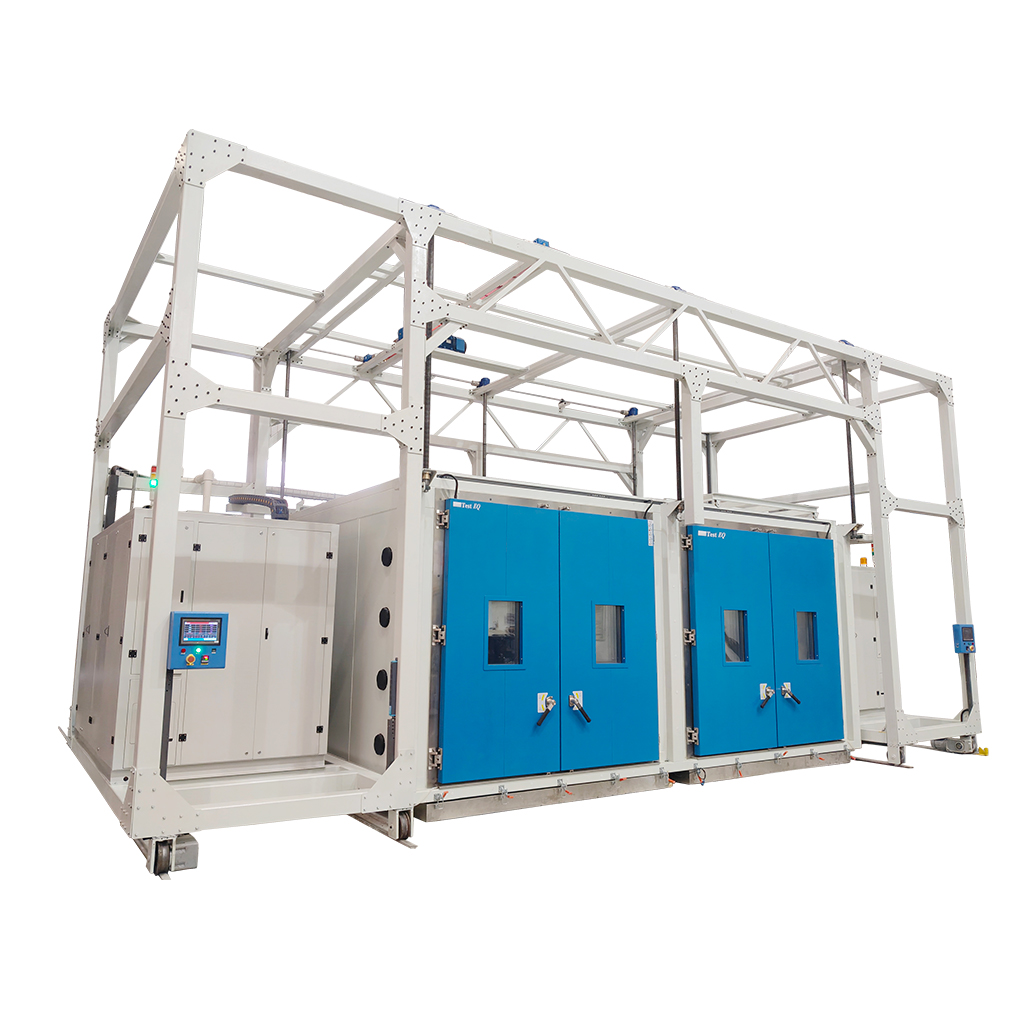
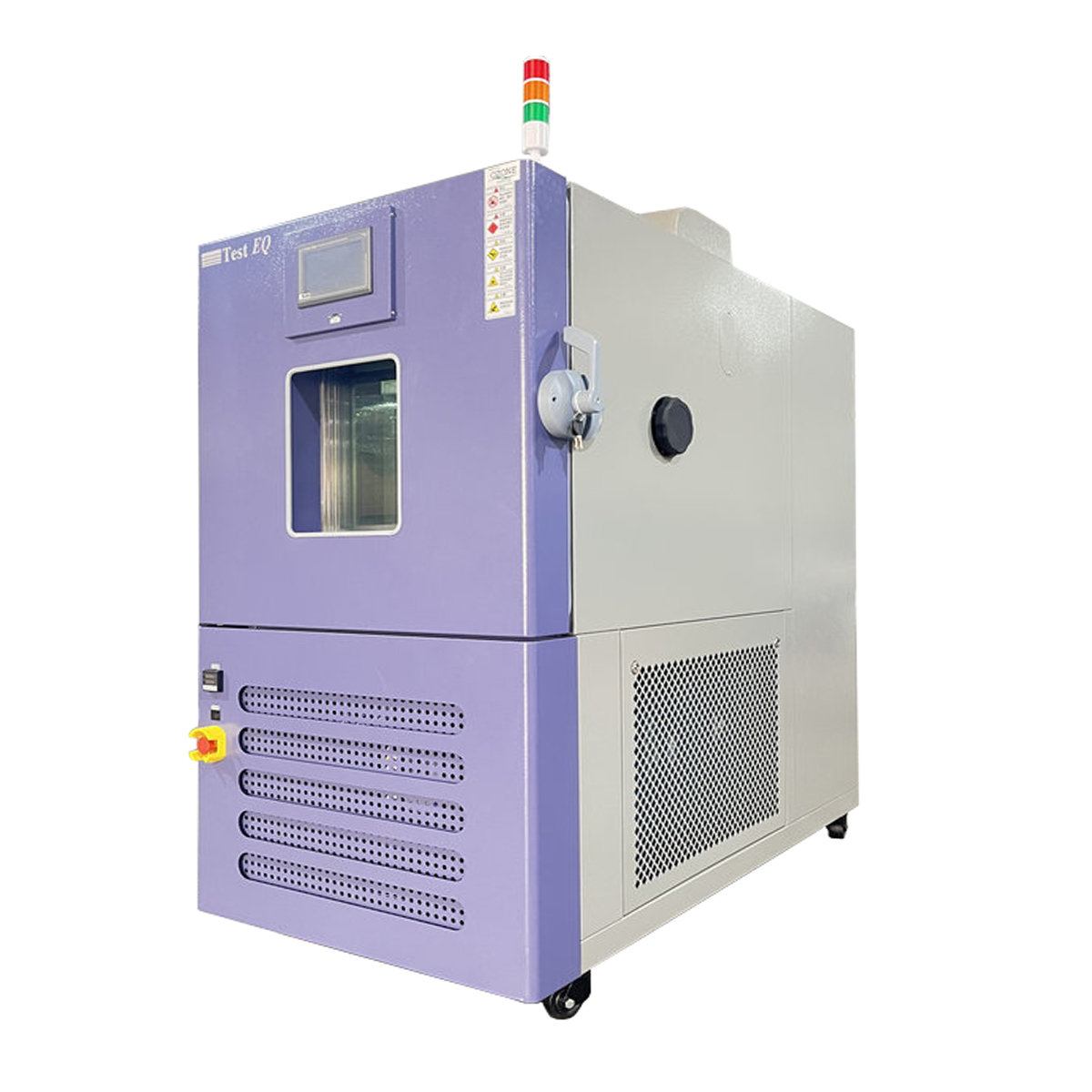
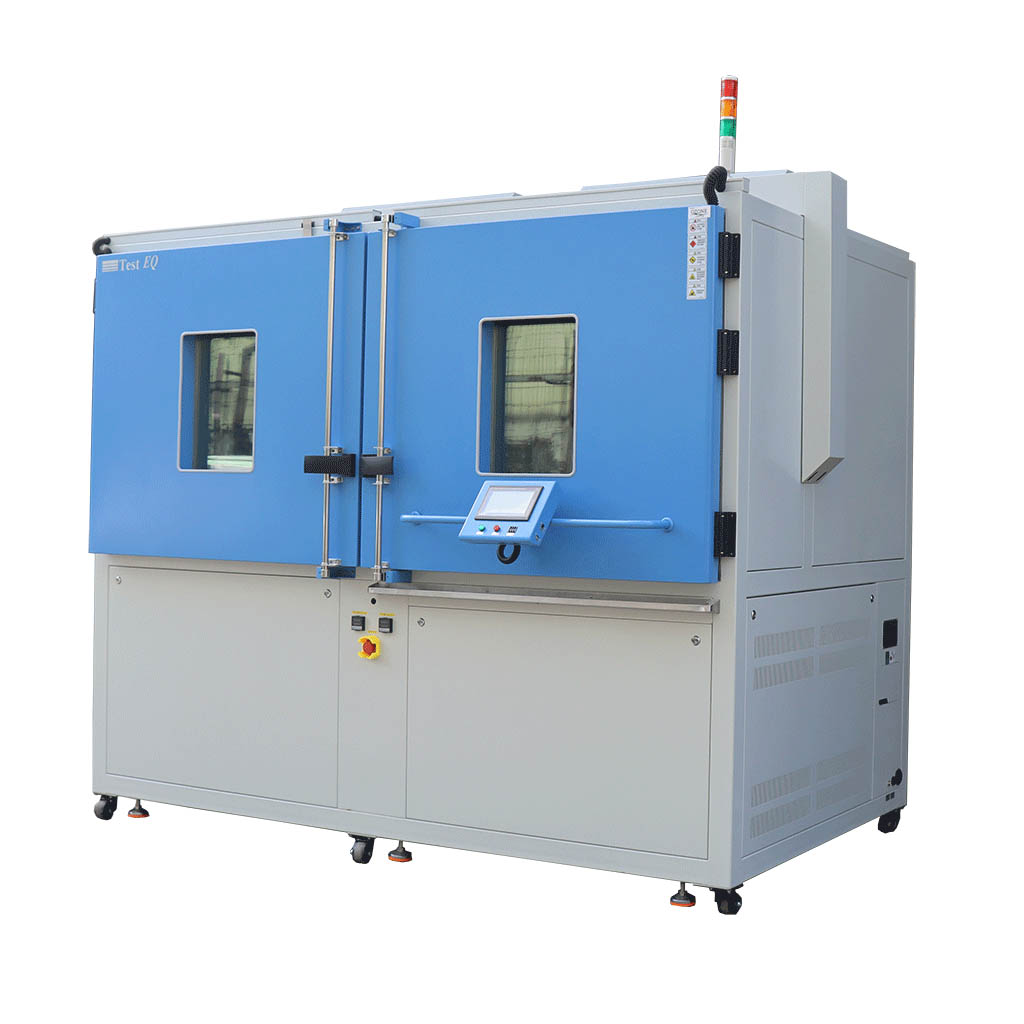
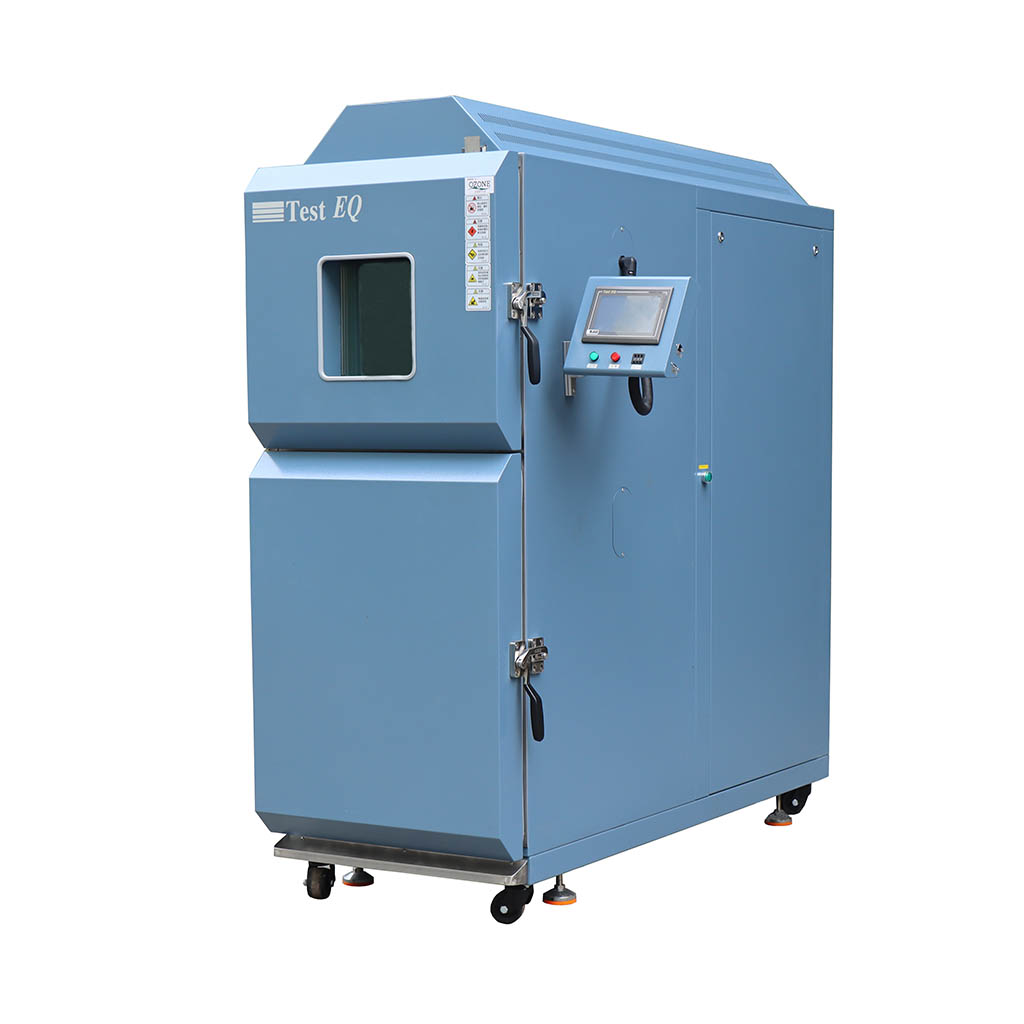
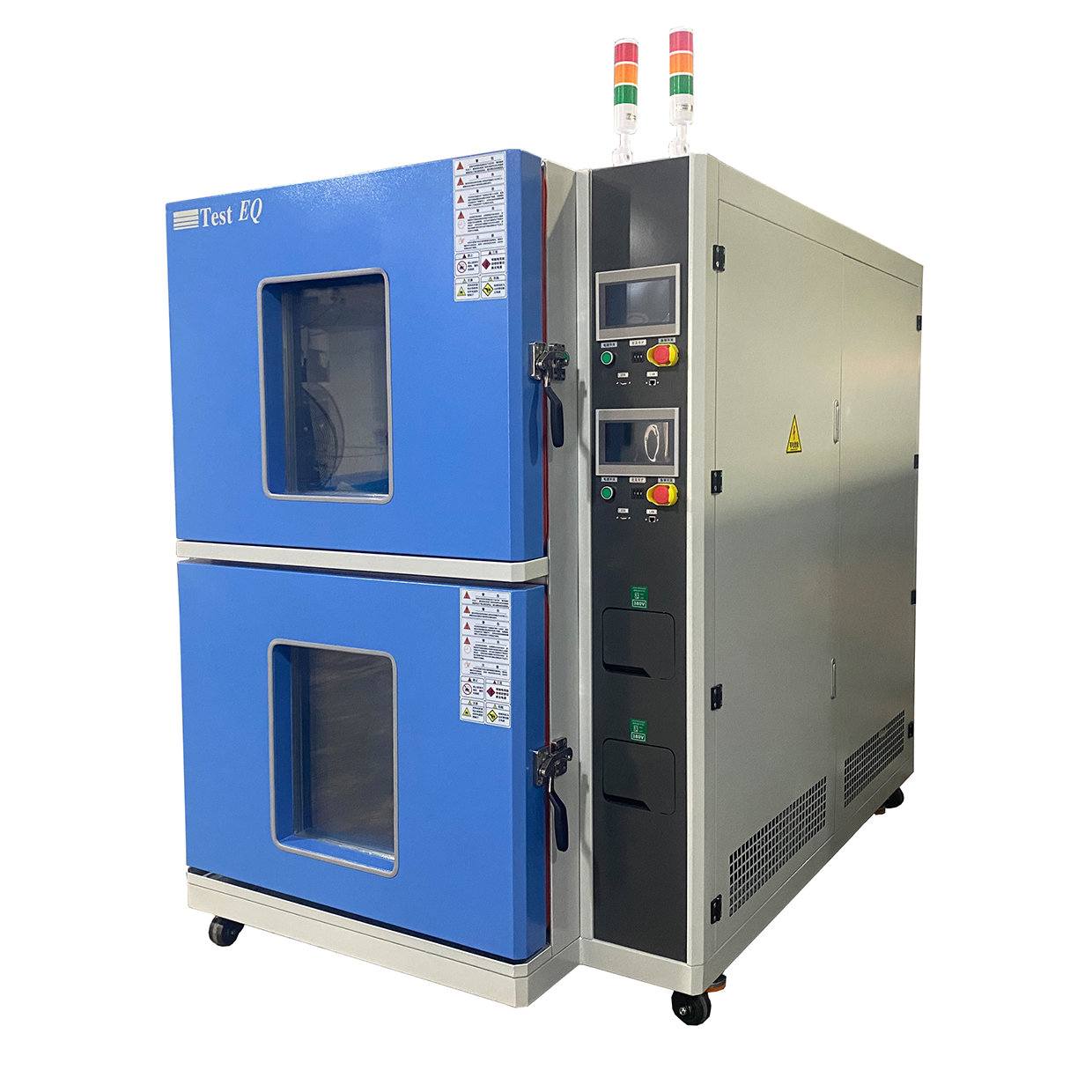
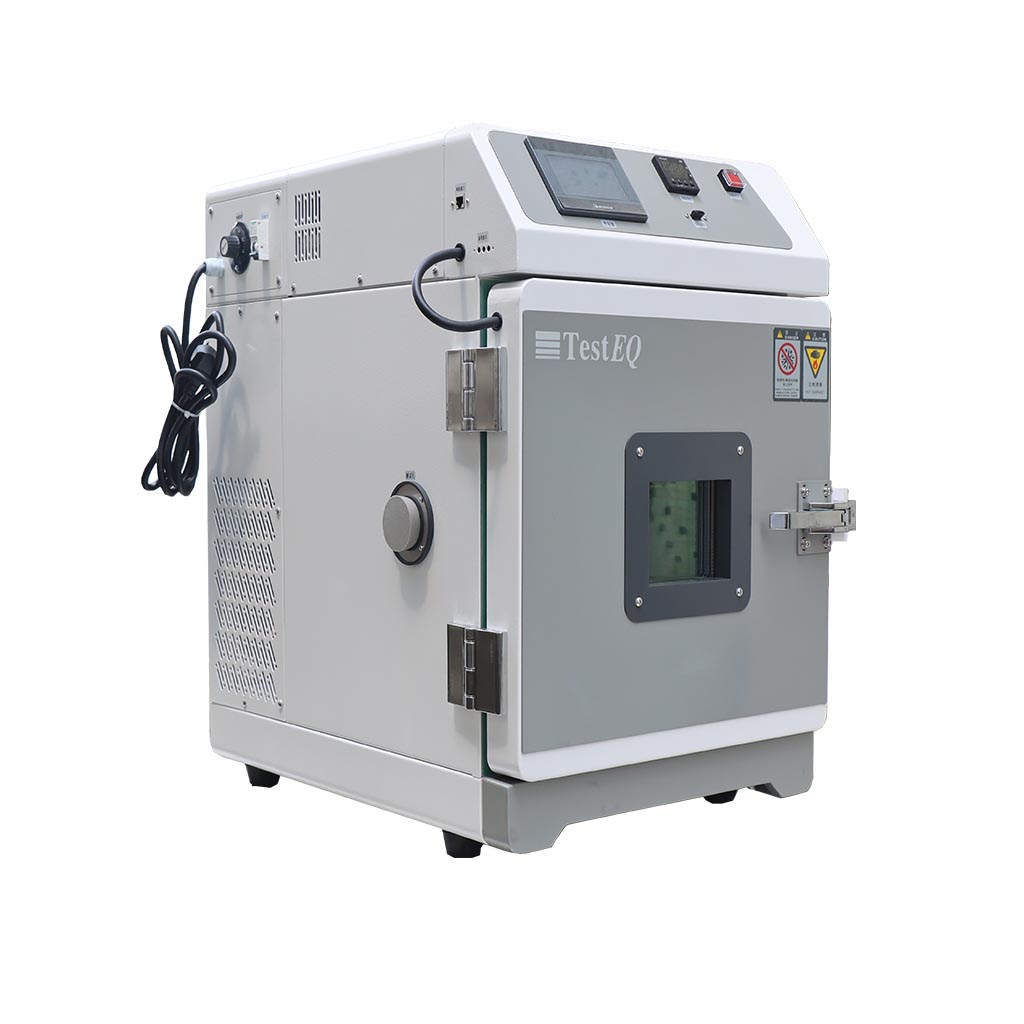
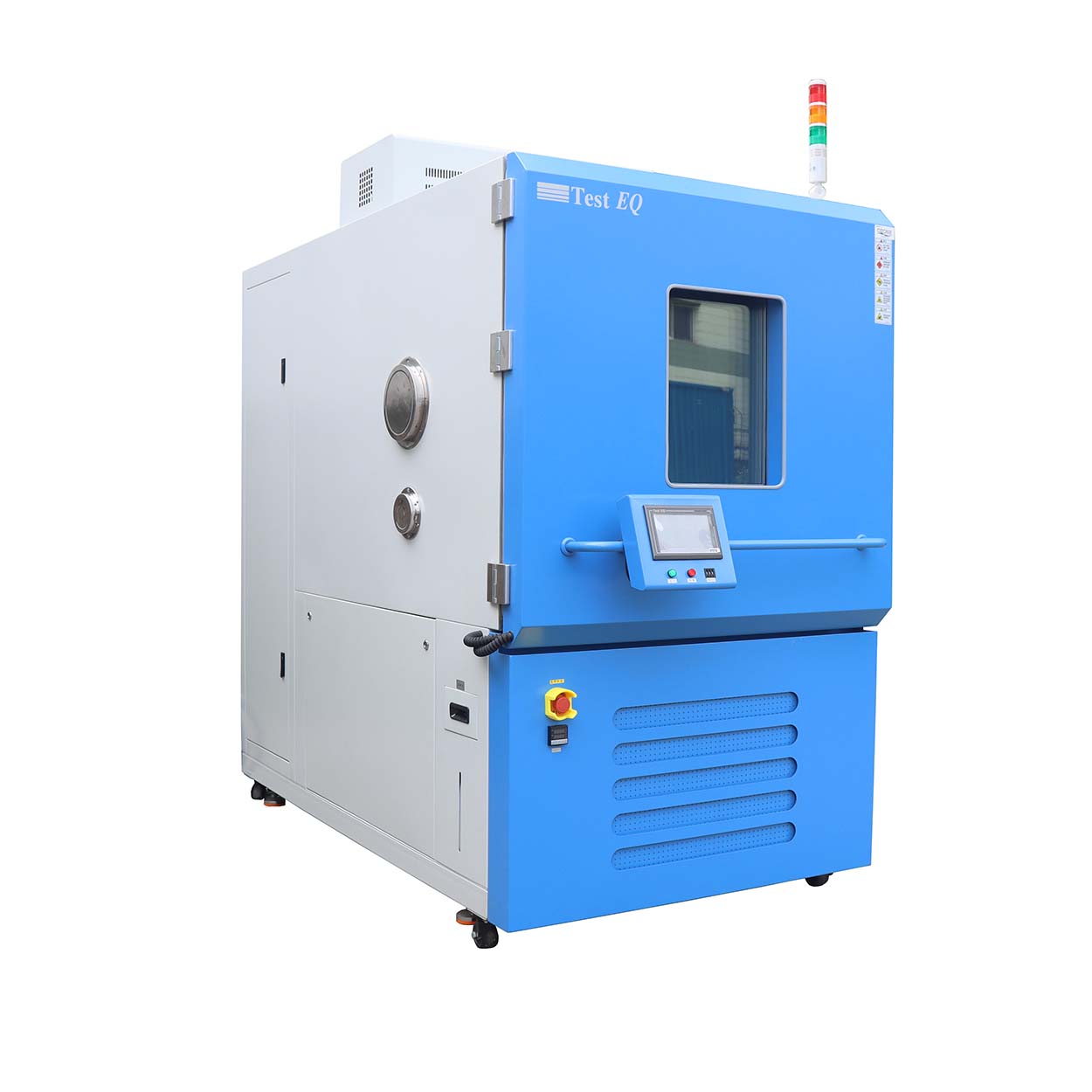
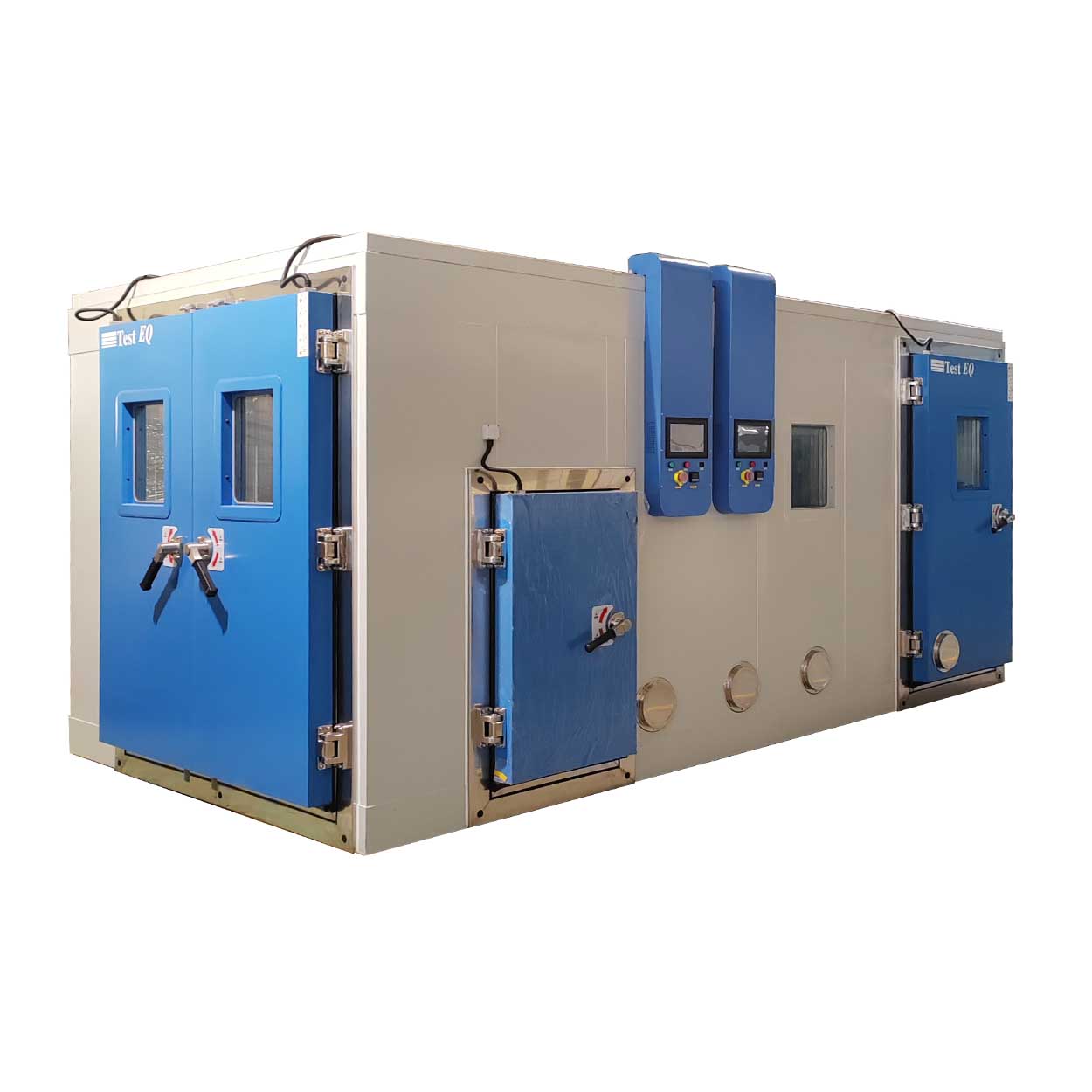
The Temperature Vibration Test Chamber is an integrated reliability testing system that combines precise thermal cycling with controlled mechanical vibration to reproduce complex real-world environmental stresses. By synchronizing temperature variation and dynamic vibration loading, it enables engineers to evaluate product behavior under accelerated failure conditions that cannot be observed in single-stress testing environments.
With a wide operating range from -70°C to +180°C and high-accuracy vibration control, the system is widely applied in electronics, automotive electronics, aerospace structures, and advanced material validation to ensure long-term performance stability and compliance with international reliability standards.
What is a Temperature Vibration Test Chamber?
A Temperature Vibration Test Chamber is a dual-stress environmental simulation system designed to assess product reliability by applying thermal cycling and mechanical vibration simultaneously. Unlike conventional single-condition test equipment, it replicates the combined effects of temperature-induced material expansion and contraction together with mechanical fatigue caused by continuous vibration loads.
This type of system is commonly used in aerospace, automotive, semiconductor, and electronic component qualification programs to detect latent defects, structural fatigue, and performance drift during accelerated life testing. It supports compliance with key international standards such as IEC 60068 and MIL-STD-810, making it a critical tool for reliability engineering and product validation in high-performance industries.
Working Principle of Combined Thermal and Vibration Testing:
A combined thermal and vibration test chamber works by simultaneously applying controlled temperature cycling and mechanical vibration to a test specimen. The system synchronizes thermal changes (heating and cooling) with vibration stress to simulate real-world operating conditions such as transportation, launch, and field use.
This dual-stress testing method helps identify early-life failures, material fatigue, solder joint cracks, and structural weaknesses that may not appear under single-condition testing.
By integrating both environmental and mechanical stresses in one test cycle, it significantly improves reliability validation efficiency and reduces testing time compared to separate test systems.
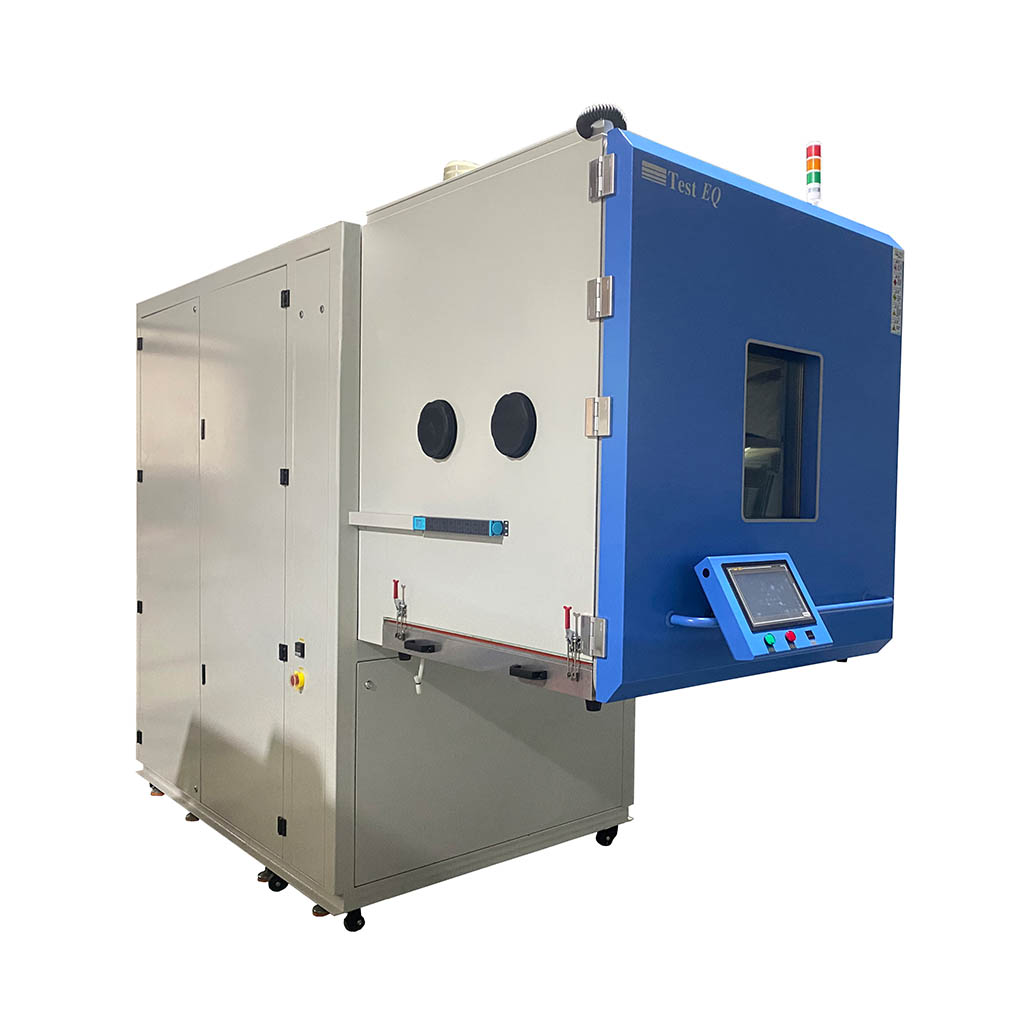
This system integrates thermal cycling and electrodynamic vibration to simulate real-world transportation and operational stress conditions. It is widely used for early-life failure detection and product qualification in aerospace, automotive electronics, and semiconductor industries.
Temperature Vibration vs Separate Testing Systems:
| Feature | Combined Temperature Vibration | Separate Thermal & Vibration Testing |
|---|
| Stress Accuracy | High | Medium |
| Test Duration | Shorter | Longer |
| Equipment Footprint | Compact | Larger |
| Reliability Detection | Higher | Lower |
Why Choose TestEQ:
Proven expertise in environmental reliability testing
Advanced temperature and vibration integration technology
Stable and repeatable testing even under extreme conditions
Customizable solutions for automotive, aerospace, and electronics industries
Energy-efficient operation and low maintenance requirements
Optional Configurations:
Multi-zone temperature control for complex profiles
Extended vibration frequency and acceleration ranges
Remote monitoring and IoT integration
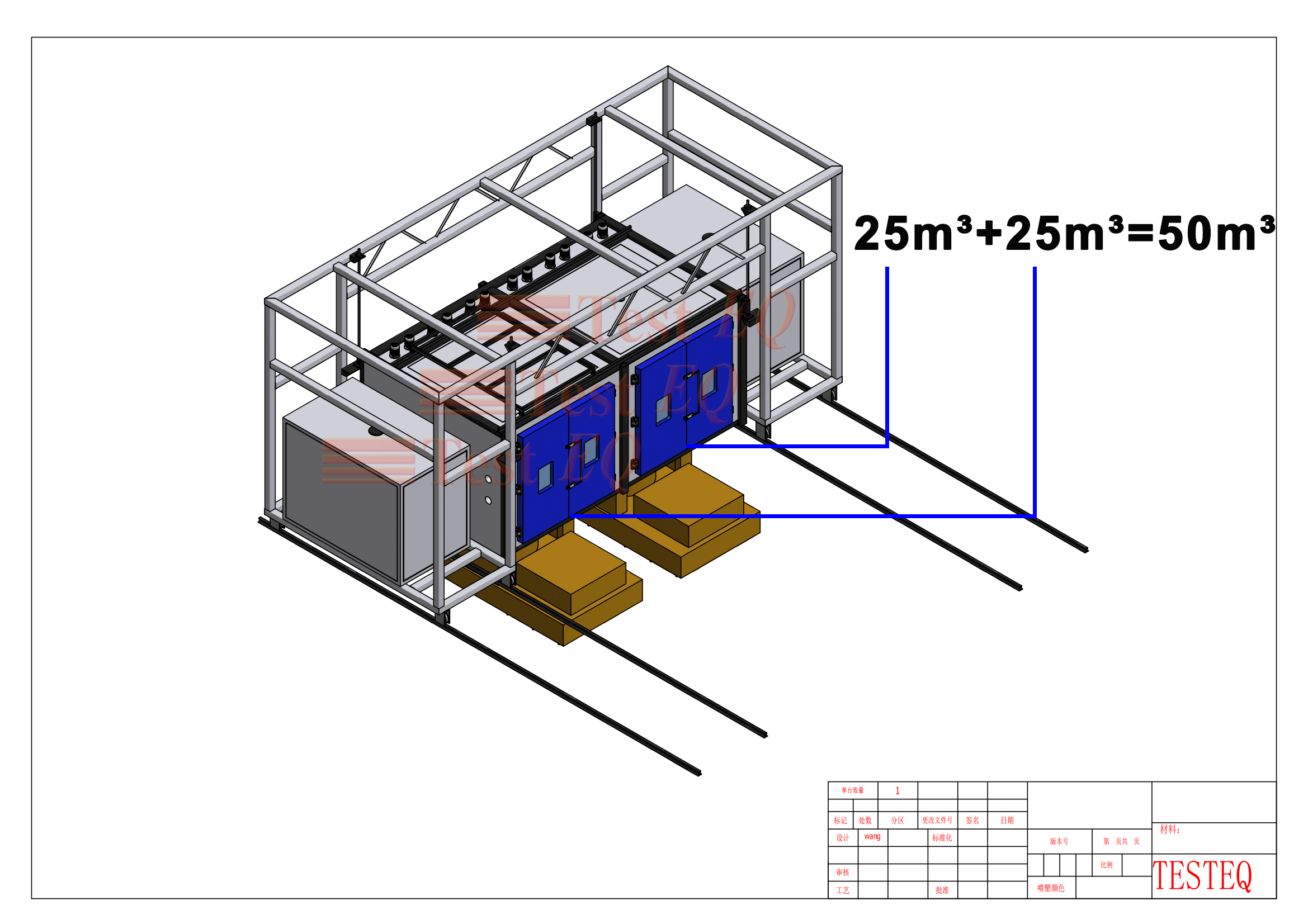
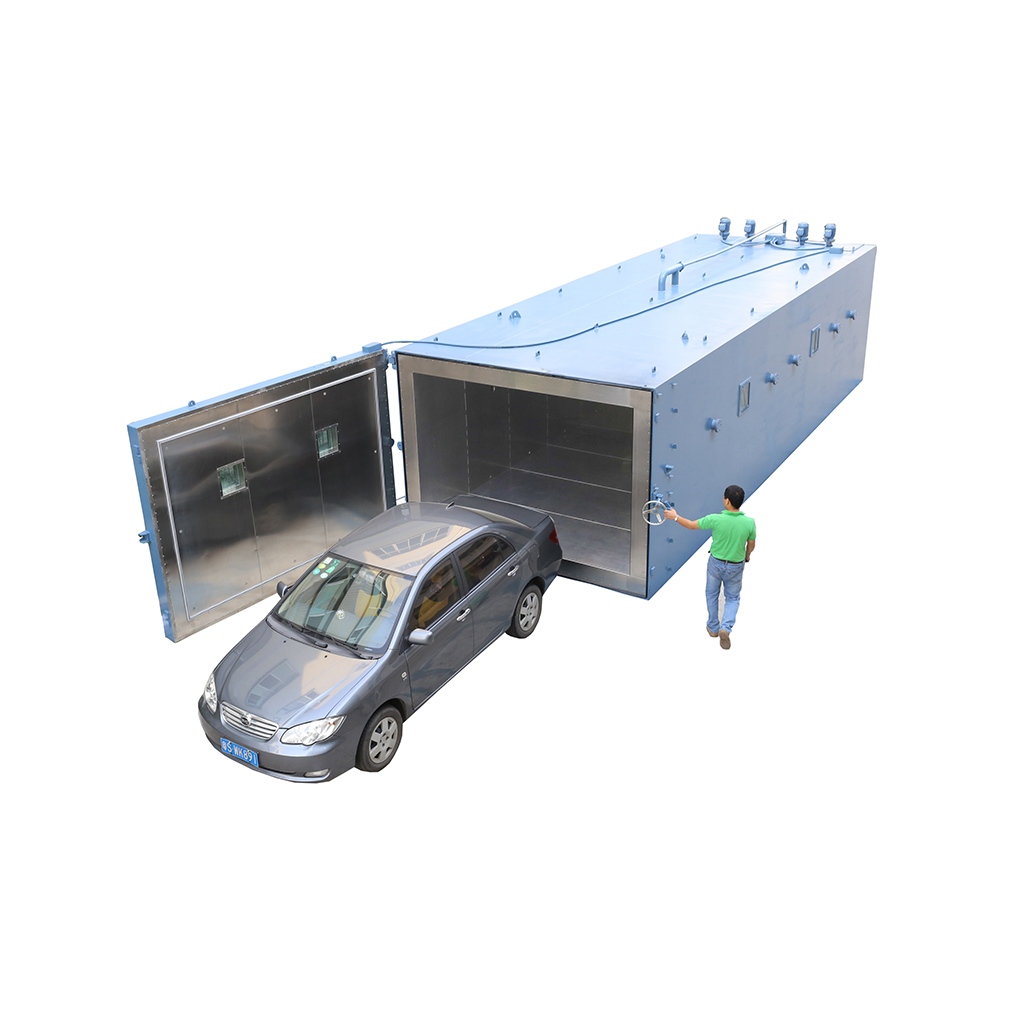
Large-volume chambers for full assembly testing
LN2 cooling for extreme low temperatures
Reference Standards:
An international standard series for environmental testing, defining procedures to evaluate how products perform under thermal, mechanical, and climatic stress conditions. It is widely used for general industrial and electronic product qualification.
A U.S. military standard that specifies environmental engineering considerations and laboratory test methods, including temperature variation and vibration testing, to simulate real-world operational and transportation conditions in defense and aerospace applications.
A reliability testing standard developed by JEDEC for semiconductor devices. It defines test methods to evaluate package integrity, thermal fatigue, vibration resistance, and long-term operational reliability of electronic components.
Verification Methods for Environmental Testing Equipment Parameters (Temperature)
Basic Environmental Testing Procedures (Test A: Low Temperature)
Basic Environmental Testing Procedures (Test B: High Temperature)
Damp Heat Testing Methodology
Military Equipment Environmental Tests (High Temperature)
FAQ:
1: What is a temperature vibration test chamber?
A chamber that combines temperature control and mechanical vibration to evaluate product reliability under real-world stress conditions.
2: What standards does it support?
Supports MIL-STD-810, IEC 60068, JESD22, and other global reliability testing standards.
3: Which industries use it?
Used in semiconductors, automotive, aerospace, batteries, electronics, and communication systems.
4: What vibration modes are available?
Sinusoidal, random, and swept-sine vibration modes are supported.
5: How to choose the right chamber?
Consider temperature range, vibration type, acceleration, chamber size, and test standards.
Note: Technical specifications subject to iterative upgrades. Consult TESTEQ's latest documentation for current configurations.
6: What is the difference between combined temperature vibration testing and separate tests?
Combined testing applies thermal and mechanical stress simultaneously, which better simulates real-world transportation and operational conditions. Separate tests may miss interaction effects that cause early-life failures in complex electronic assemblies.
7: What types of product failures can be detected by this testing system?
It is commonly used to identify solder joint fatigue, PCB cracking, connector loosening, semiconductor package delamination, and vibration-induced microfractures under thermal stress conditions.
8: Can this system be integrated with automated data acquisition systems?
Yes, modern temperature vibration test chambers can integrate with DAQ systems for real-time monitoring of temperature profiles, vibration response, and failure points, enabling advanced reliability analysis and traceability.
Internal Linking Module
Recommended Equipment
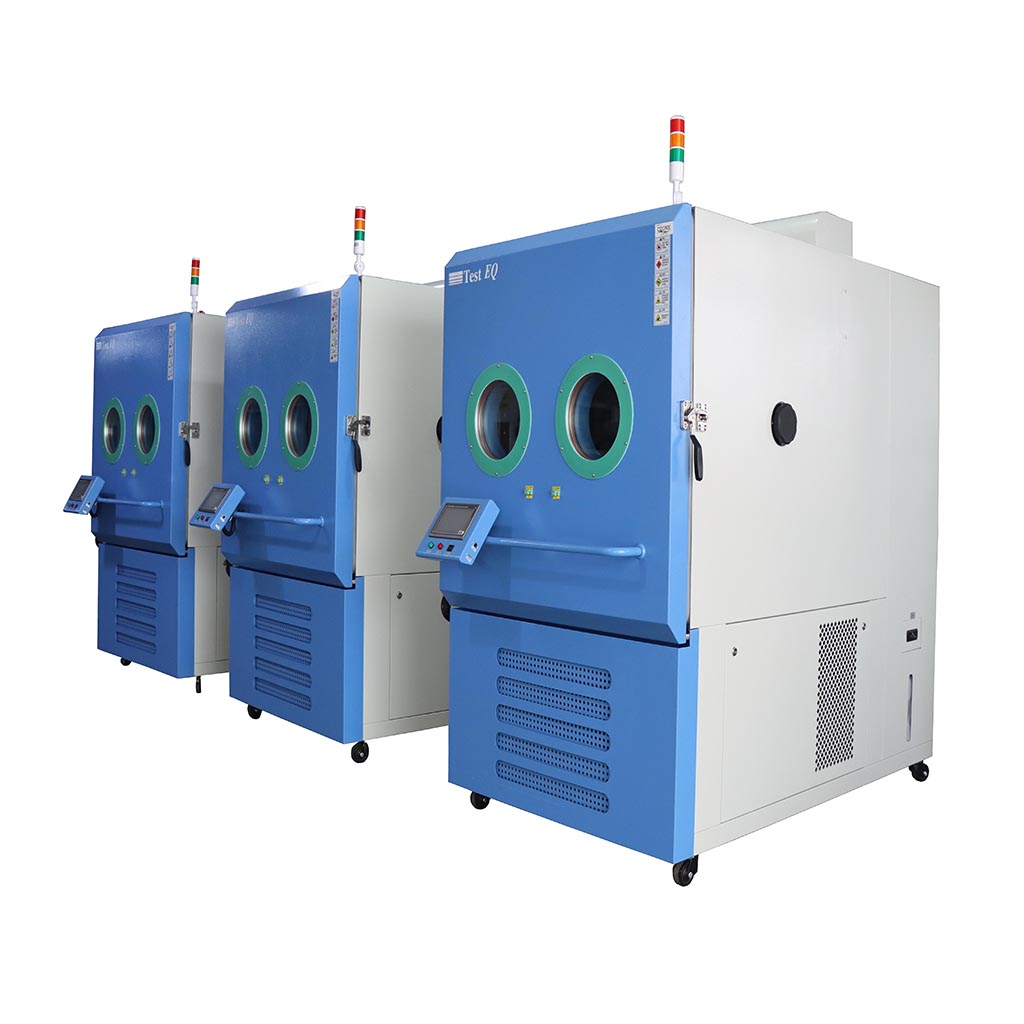
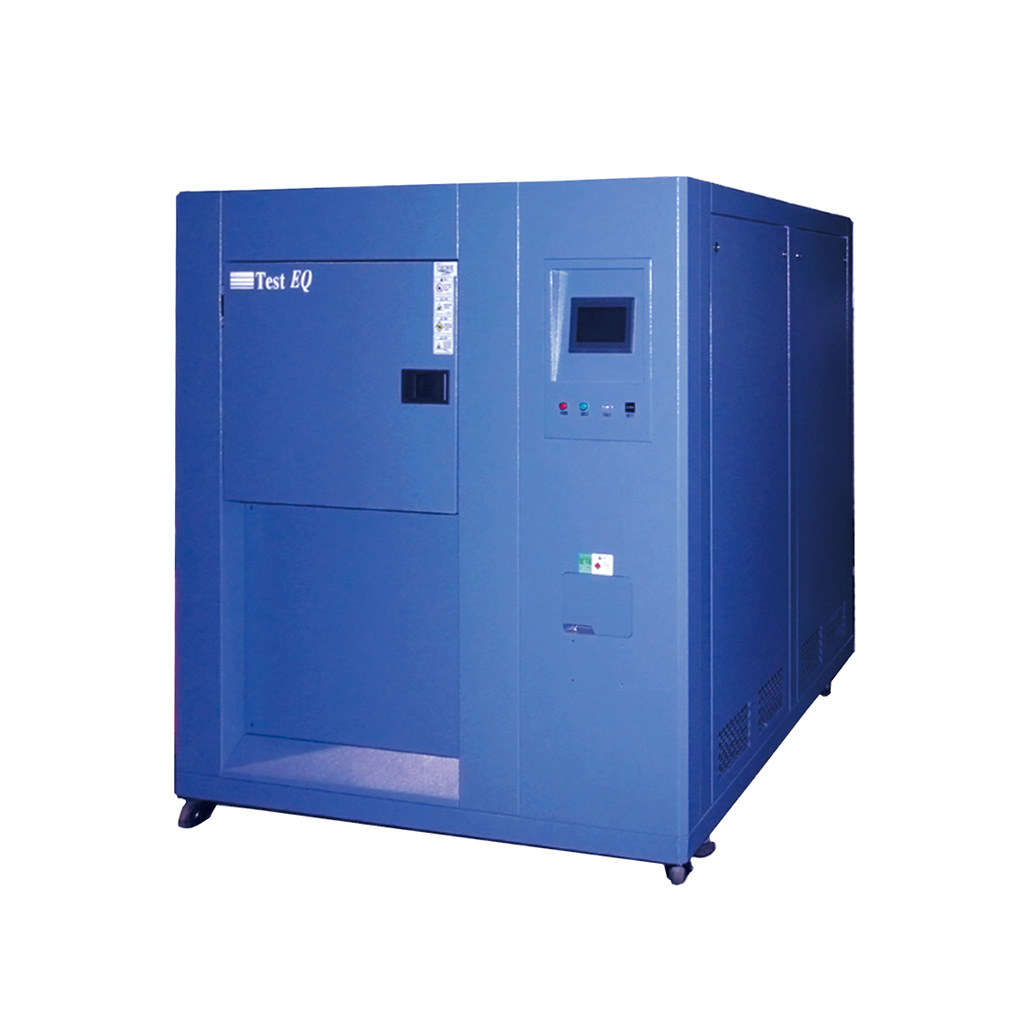
Designed for accelerated reliability verification under rapid temperature transitions from 5°C/min to 30°C/min. Ideal for automotive electronics, semiconductors, aerospace components, and ESS validation.
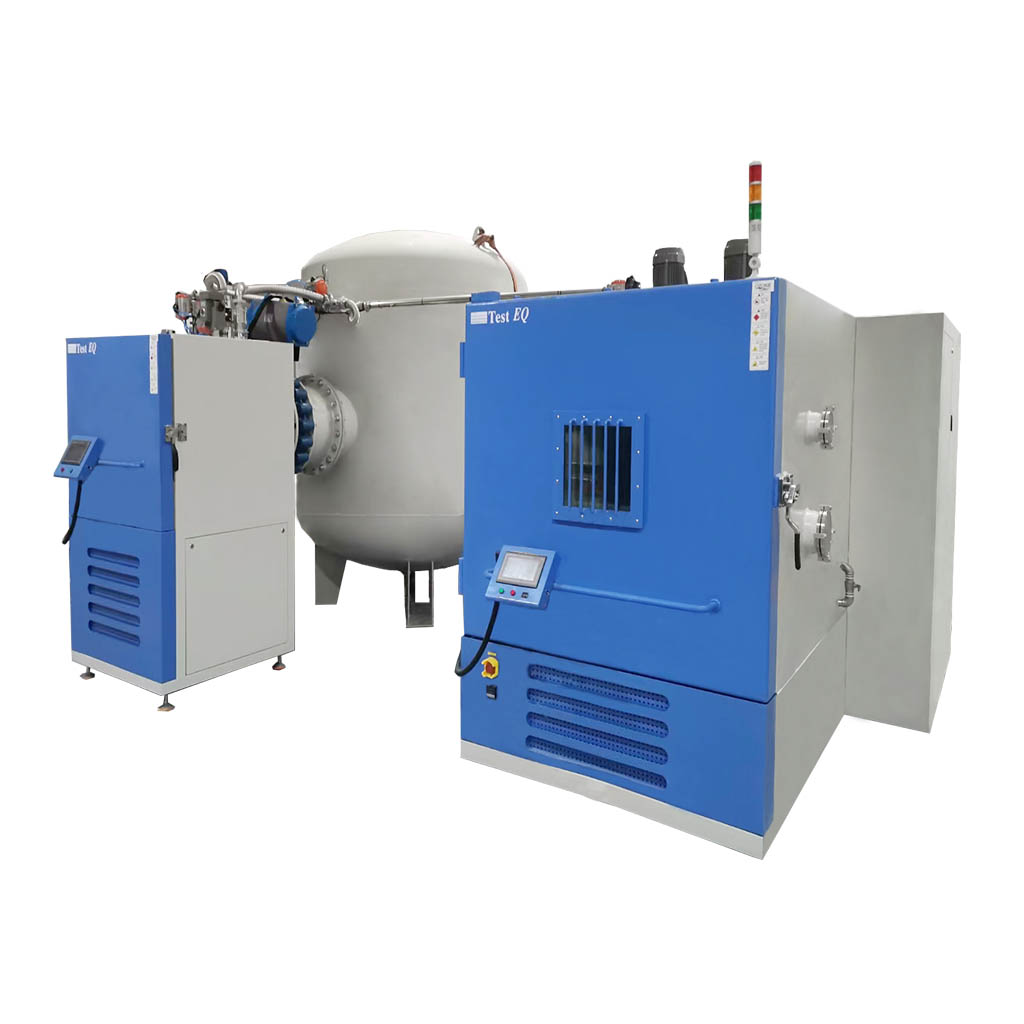
Combines extreme temperature stress and high-intensity vibration to identify design weaknesses and reduce product development cycles for high-reliability industries.
Related Testing Standards
Covers international guidelines for combined temperature, humidity, and vibration testing to ensure reliable performance of electronics and automotive components under complex environmental conditions.
Automotive reliability testing standard defining vibration and mechanical load requirements for electrical and electronic systems installed in road vehicles.
Related Resources
Learn how a three-comprehensive vibration test chamber enables simultaneous temperature, humidity, and vibration testing for UAV structural durability and flight reliability validation.
A practical guide covering major EV battery testing standards including UN38.3, IEC 62660, SAE J2464, and ISO 16750, helping engineers select the right environmental validation methods.