Product Introduction
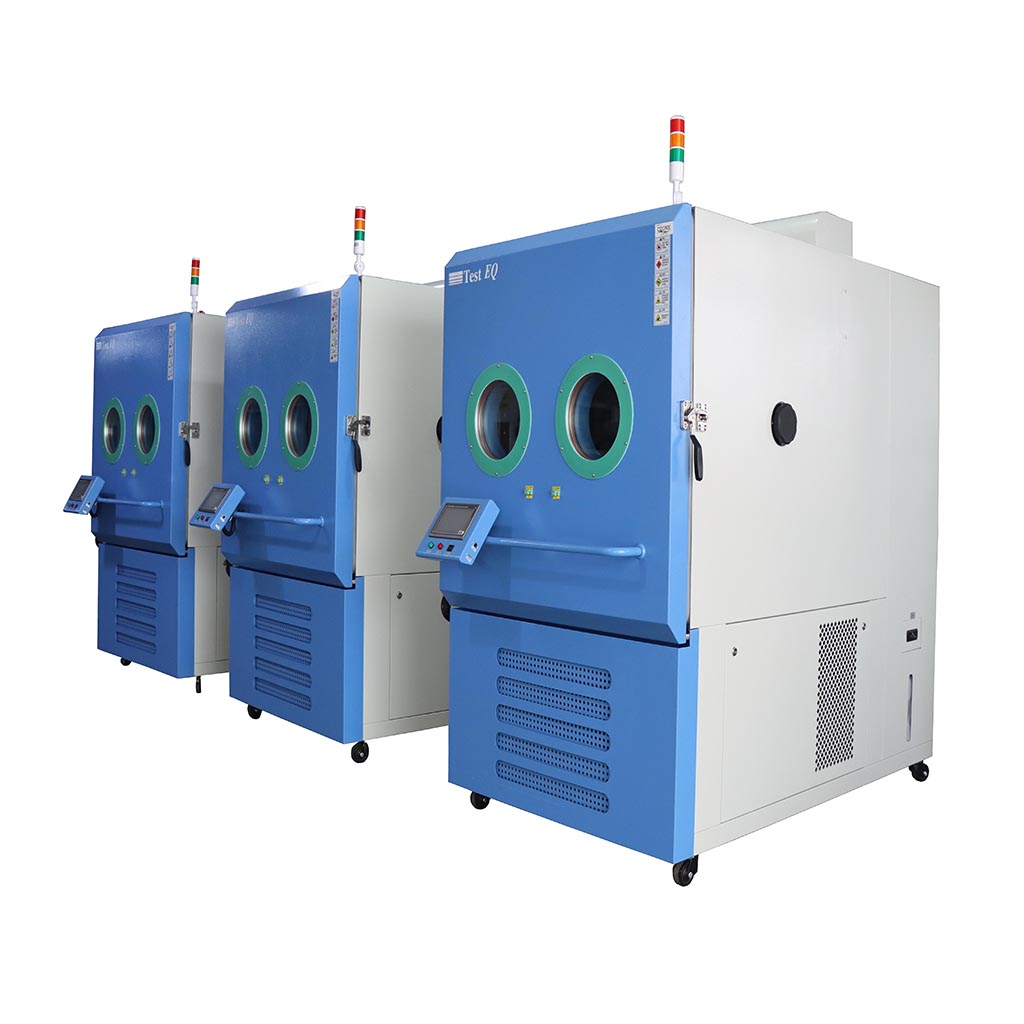
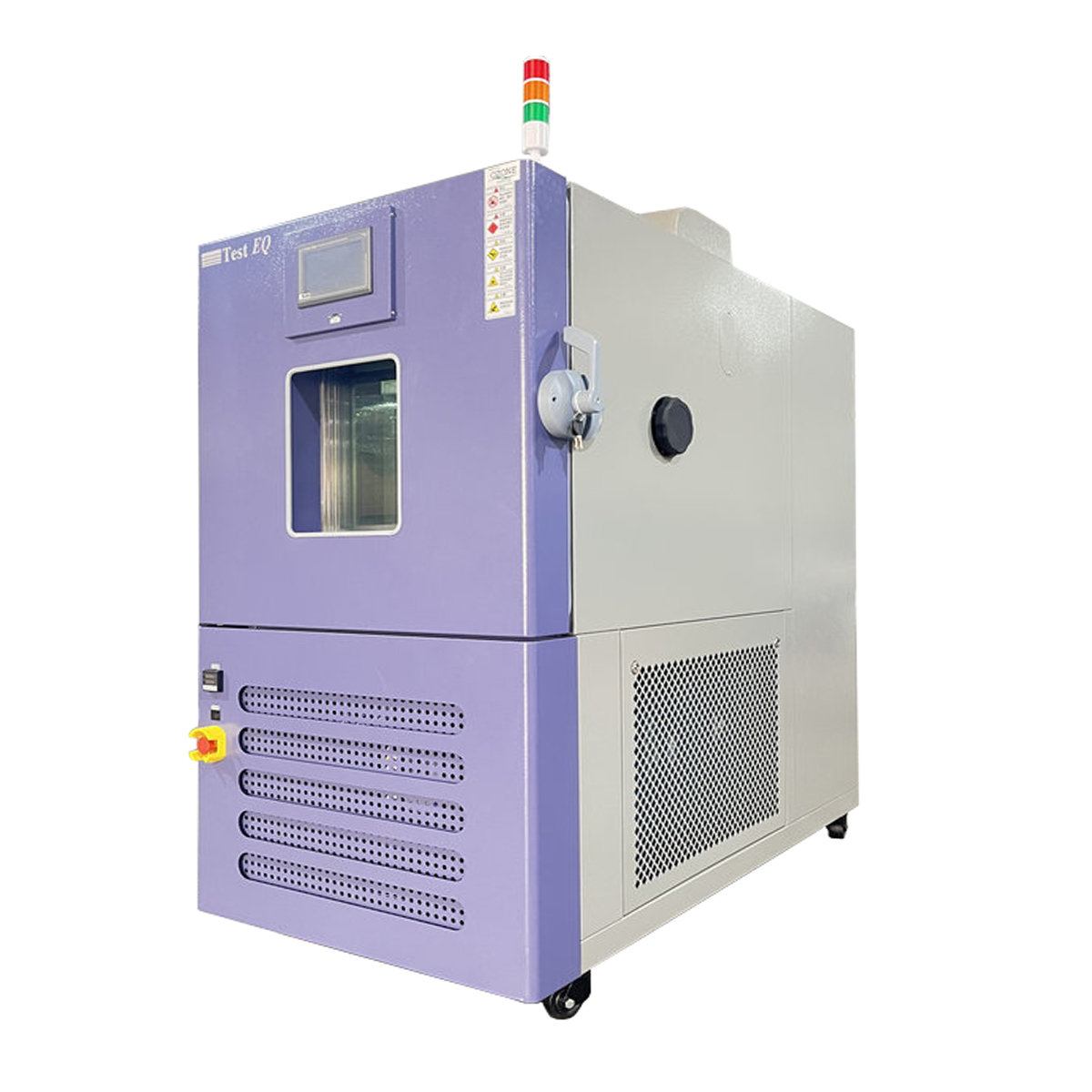
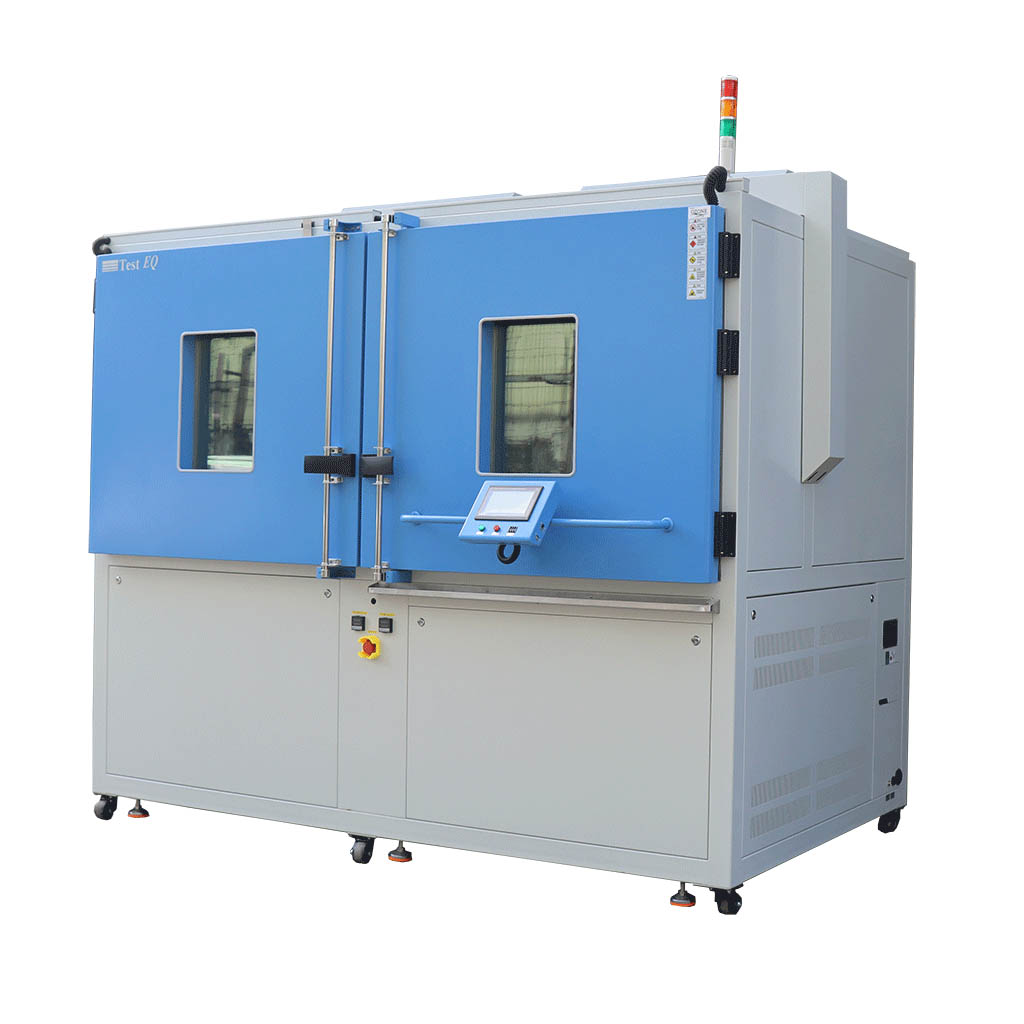
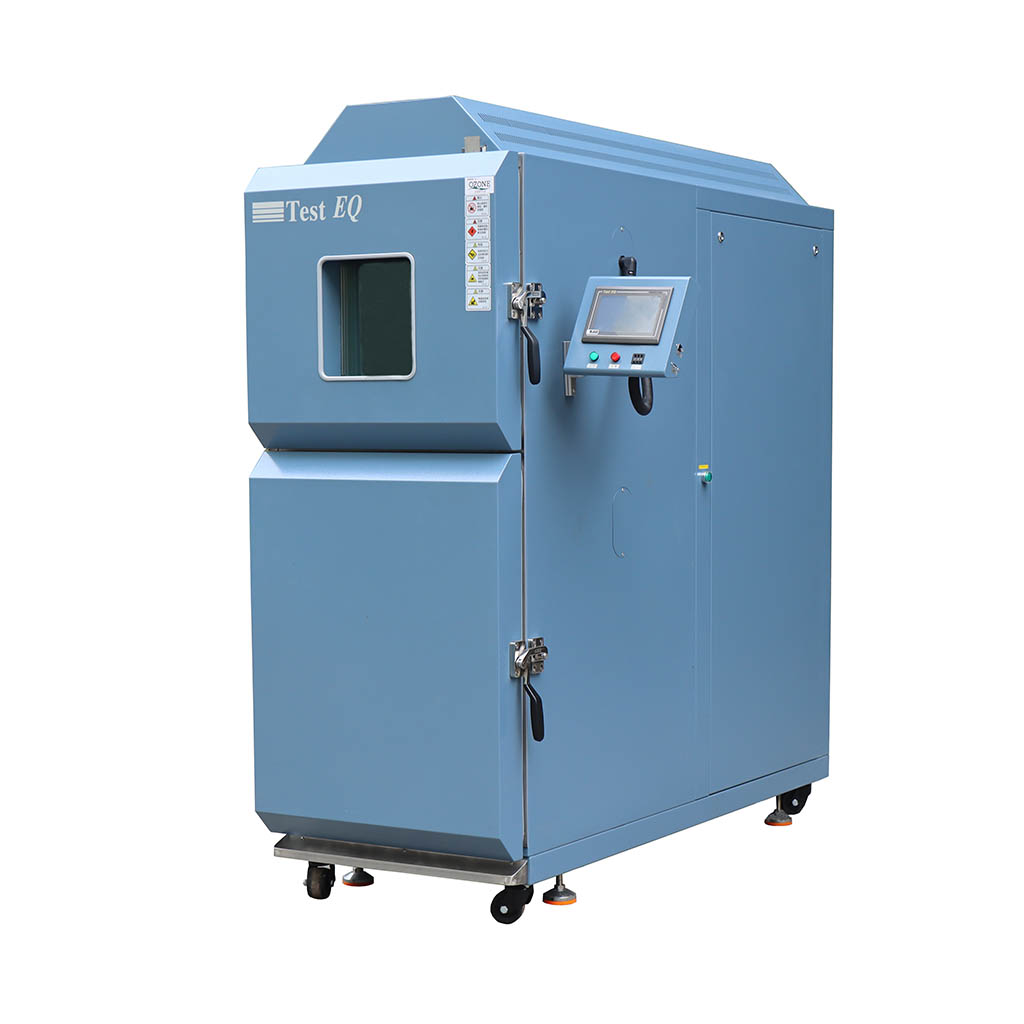
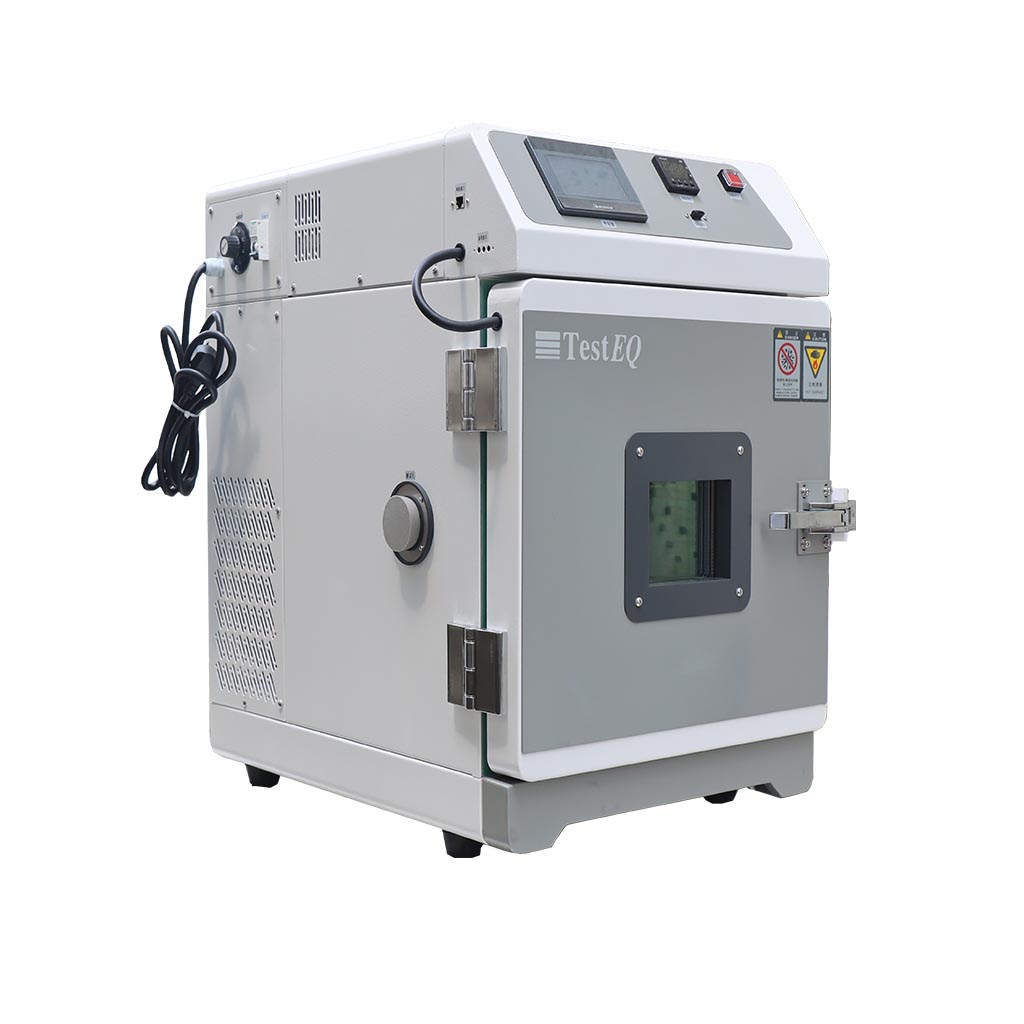
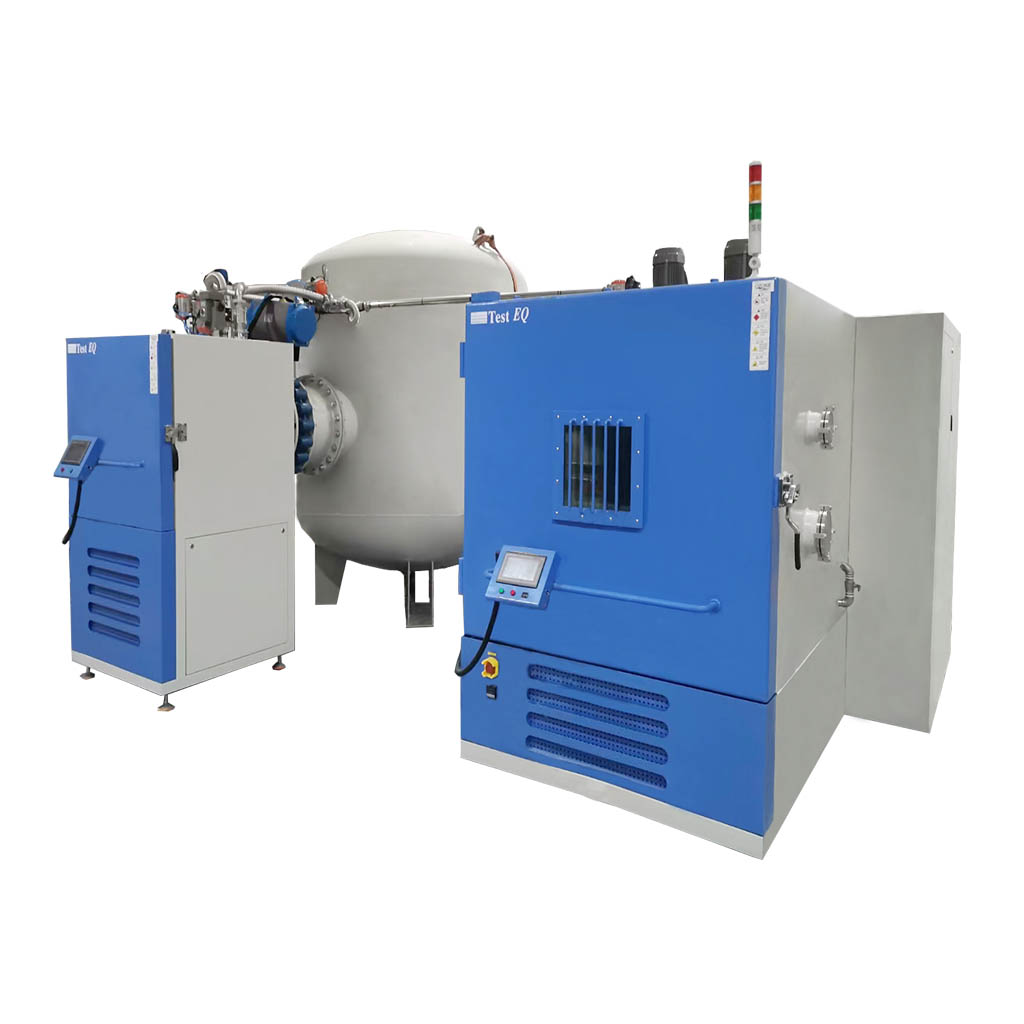
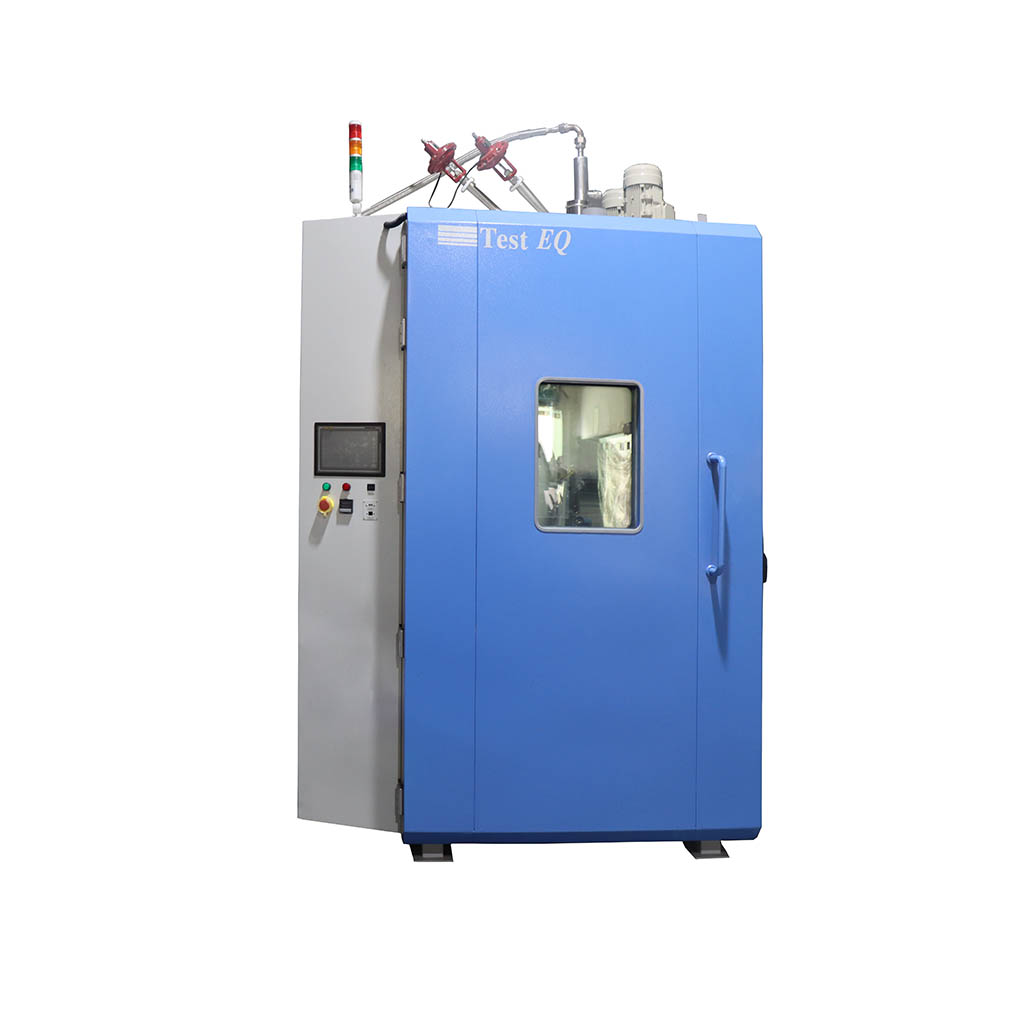
The TestEQ Semiconductor Oven is designed for precision thermal processing in semiconductor manufacturing and advanced electronics production.
Supporting applications such as wafer baking, IC packaging, PCB drying, and electronic component thermal treatment, it provides stable temperature control, uniform airflow distribution, and reliable process repeatability.
Featuring advanced PID temperature control, optimized circulation design, and optional nitrogen purge capability, TestEQ semiconductor ovens support cleanroom environments, research laboratories, and high-volume production facilities.
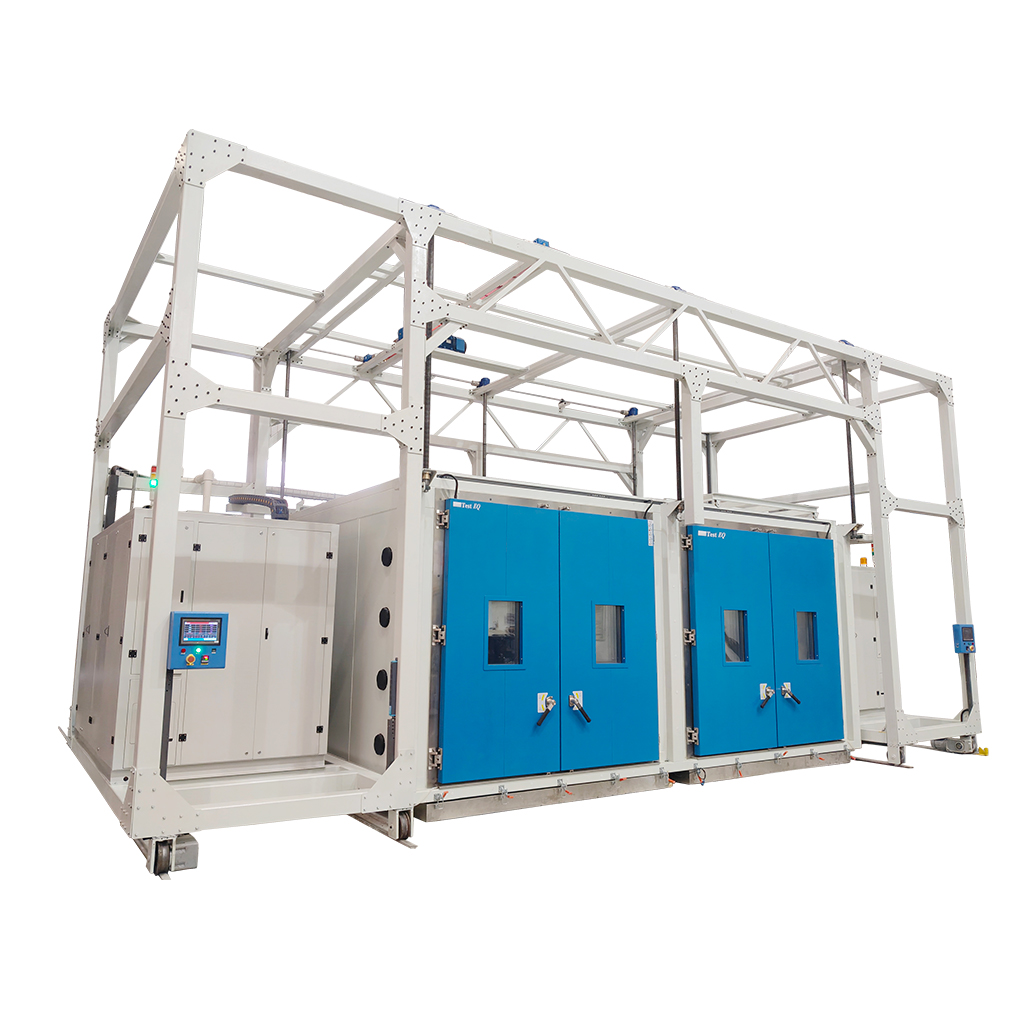
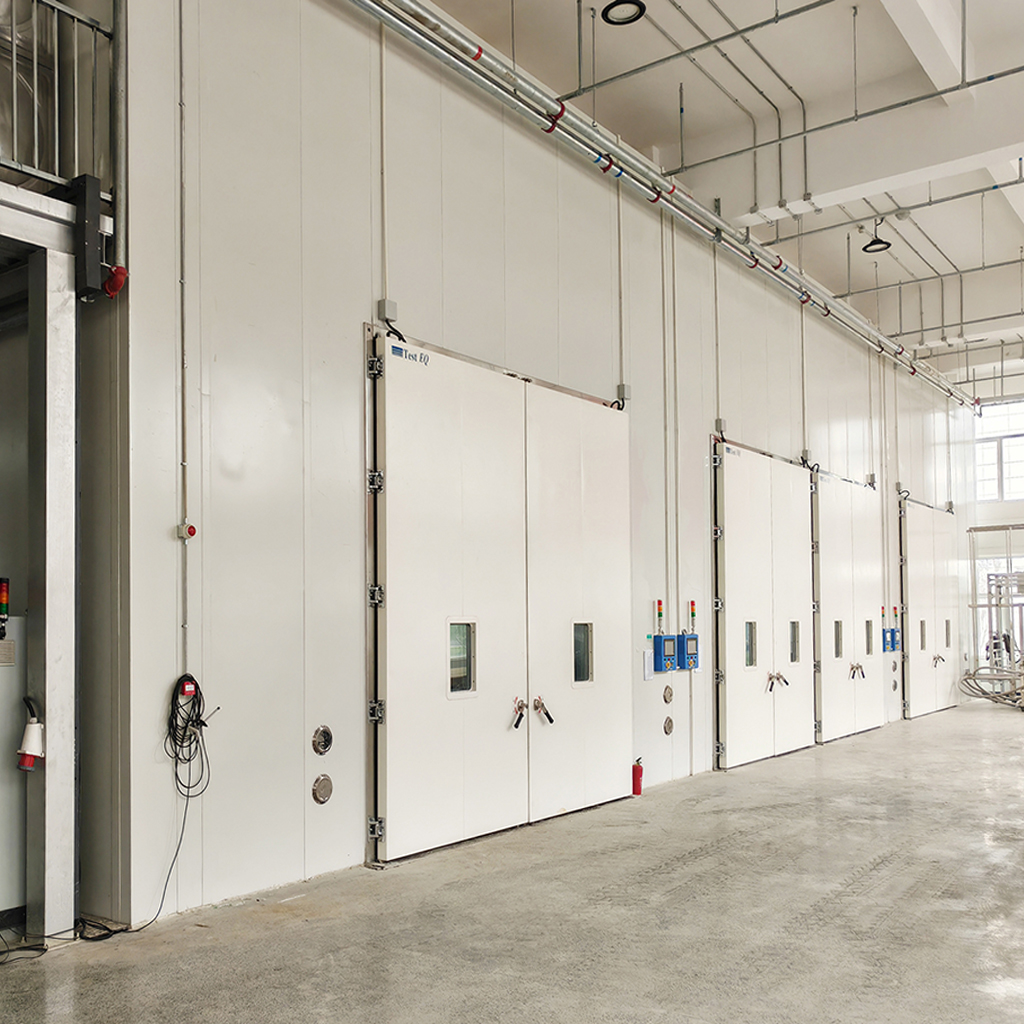
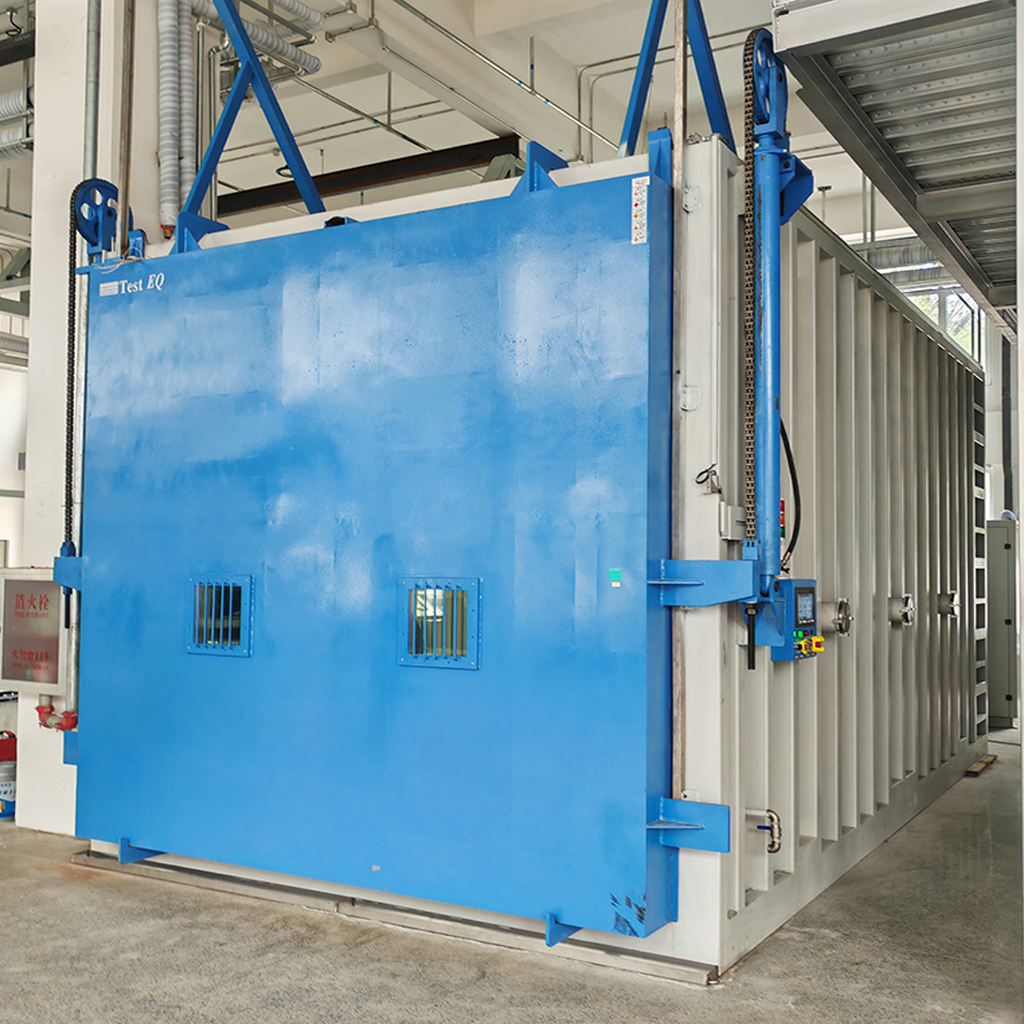
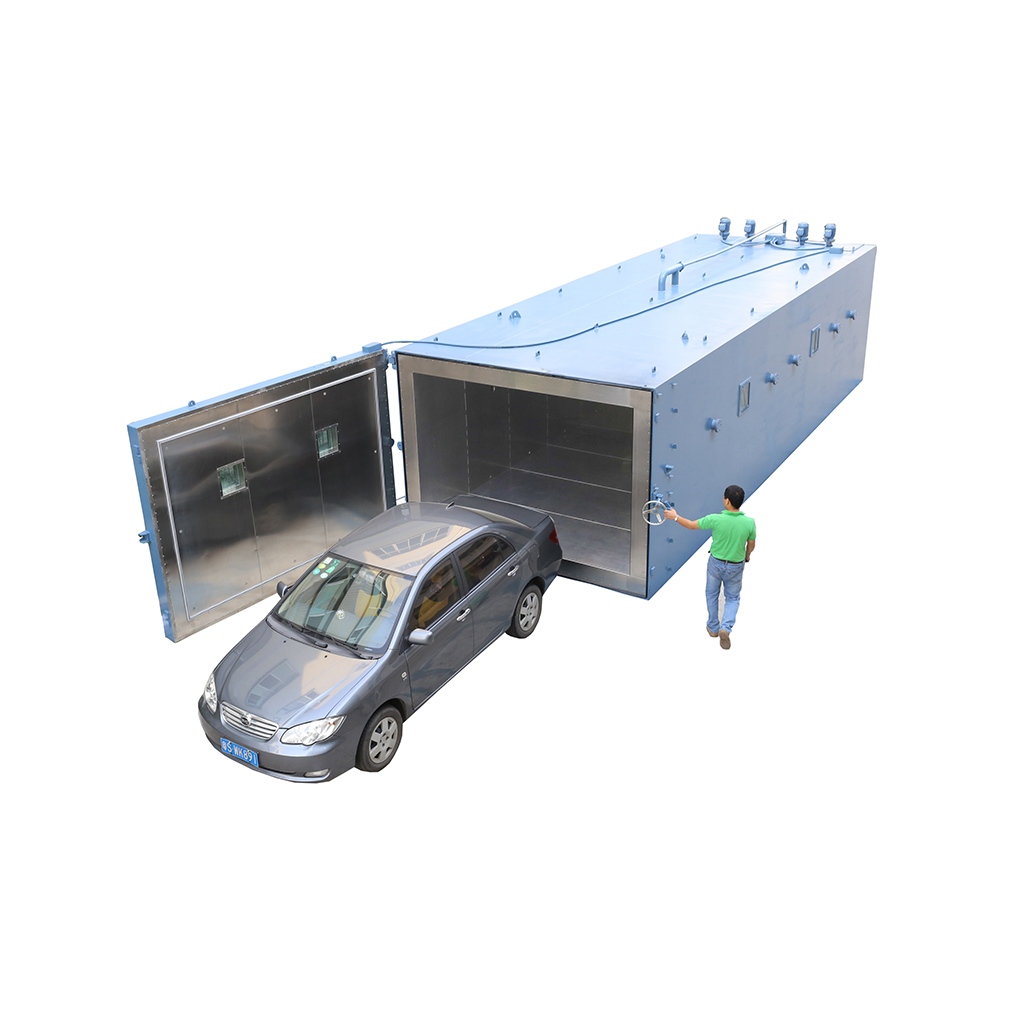
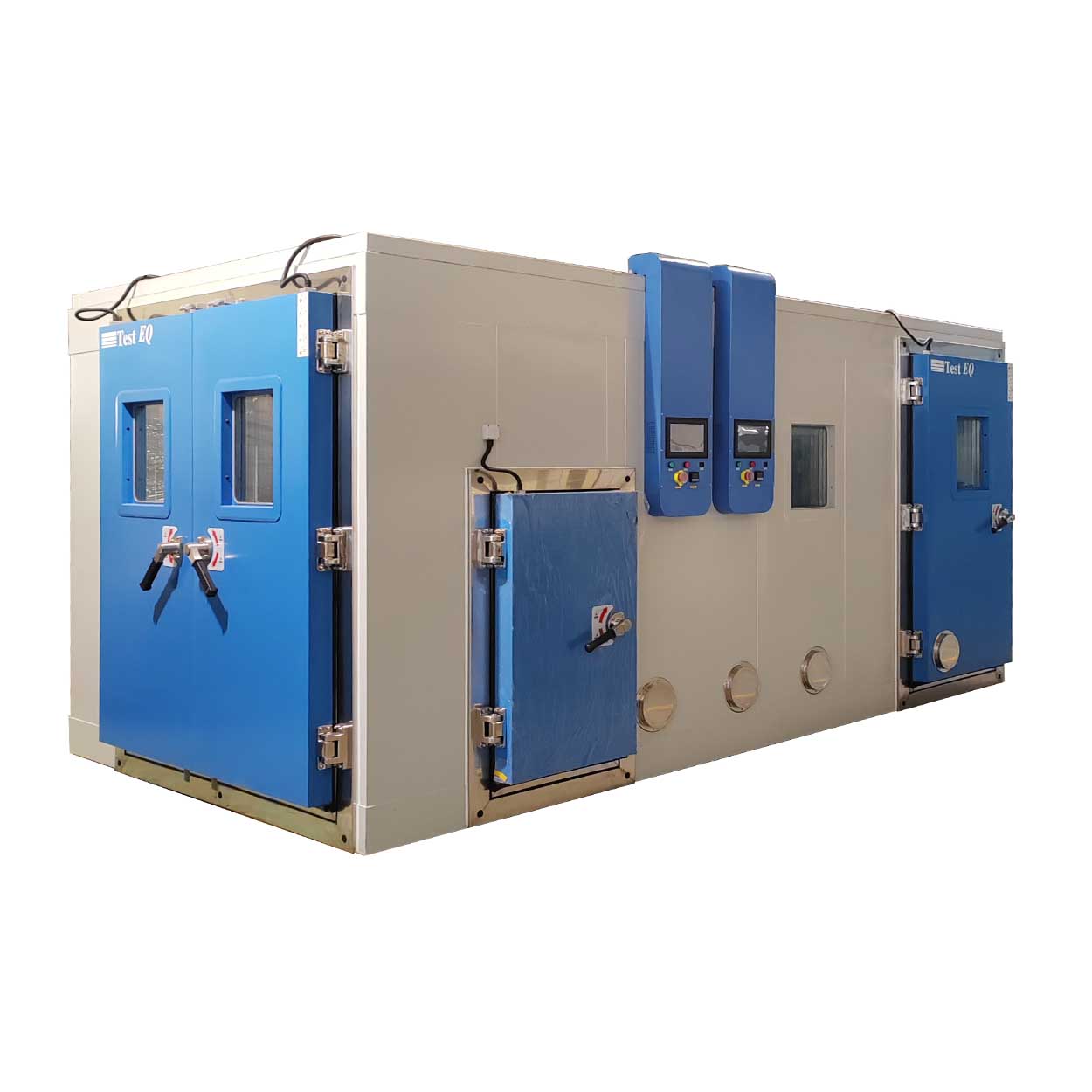
Standard and customized configurations are available to meet different process requirements, chamber sizes, and manufacturing conditions.
What Is a Semiconductor Oven?
A semiconductor oven is a precision thermal processing system used in semiconductor manufacturing to provide controlled heating, drying, curing, and stabilization processes for sensitive electronic materials and components.
Compared with conventional industrial ovens, semiconductor ovens are designed with stricter requirements for temperature uniformity, contamination control, particle reduction, and process consistency.
These capabilities make semiconductor ovens suitable for wafer processing, semiconductor packaging, and reliability preparation where thermal accuracy and repeatability are critical.
Semiconductor Oven vs Standard Industrial Oven
| Comparison Item | Semiconductor Oven | Standard Industrial Oven |
|---|
| Primary Purpose | Designed for semiconductor manufacturing processes, including wafer baking, drying, curing, and precision thermal processing | Mainly used for general industrial heating, drying, and curing applications |
| Main Applications | Semiconductor wafers, IC packaging, electronic components, photoresist curing, moisture removal, reliability preparation | Metal parts, coatings, plastics, general materials, industrial products |
| Temperature Control | High-precision temperature control with excellent stability and uniformity for sensitive semiconductor processes | Standard temperature control suitable for general industrial heating requirements |
| Temperature Uniformity | Optimized for strict thermal uniformity to reduce process variation and protect semiconductor materials | Usually designed for general heating consistency without semiconductor-level requirements |
| Contamination Control | Designed with low particle generation and clean processing requirements for semiconductor environments | Limited contamination control capability |
| Cleanroom Compatibility | Can be customized for cleanroom environments with suitable airflow design and materials | Usually not designed for cleanroom applications |
| Airflow Design | Optimized airflow circulation to achieve stable temperature distribution and protect wafer/component quality | Conventional airflow design focused mainly on heat transfer efficiency |
| Nitrogen Purge Capability | Supports optional nitrogen purge systems to reduce oxidation and protect moisture-sensitive semiconductor materials | Nitrogen protection is usually unavailable or not required |
| Process Repeatability | Provides high repeatability for semiconductor manufacturing and reliability testing processes | Suitable for less critical industrial heating processes |
| Control System | Often equipped with PLC control, touchscreen interface, data logging, and remote monitoring options | Usually uses basic temperature controllers |
| Particle Management | Focuses on minimizing particles and maintaining cleaner processing conditions | Particle control is generally not a primary design consideration |
| Product Requirements | Requires strict thermal performance, reliability, and process consistency | Focuses mainly on heating capacity and operational efficiency |
| Typical Industries | Semiconductor manufacturing, electronics, IC packaging, aerospace electronics, research laboratories | Automotive parts, metal processing, coating, general manufacturing |
| Investment Level | Higher investment due to precision control, clean design, and advanced monitoring requirements | Lower cost for standard heating applications |
Typical Applications
TestEQ Semiconductor Ovens are widely used for:
Wafer Manufacturing
• Wafer dehydration bake
• Photoresist soft bake
• Hard bake process
• Wafer curing
Semiconductor Packaging
• IC package curing
• Epoxy resin curing
• Die attach baking
• Underfill curing
• Wire bonding preparation
PCB Manufacturing
• PCB drying
• Moisture removal
• SMT component baking
• PCB preheating
Electronic Components
• Moisture Sensitive Device (MSD) baking
• Electronic component drying
• Connector baking
• Sensor manufacturing
Research & Development
• Semiconductor material testing
• University laboratories
• Reliability verification
• Process development
Key Features of TestEQ Semiconductor Oven
Precision Temperature Control
Stable temperature control ensures consistent thermal processing and minimizes process variation during semiconductor manufacturing.
Cleanroom Compatible Design
The chamber structure supports semiconductor manufacturing environments where contamination control and low particle generation are critical.
Nitrogen Purge System
Optional nitrogen purge reduces oxidation risks and improves protection for moisture-sensitive semiconductor materials.
Low Particle Generation
Optimized airflow design helps maintain a cleaner processing environment for semiconductor applications.
Industrial Automation
PLC control, touchscreen operation and remote monitoring enable integration into modern smart manufacturing systems.
Why Choose TestEQ Semiconductor Oven
Unlike conventional industrial ovens, TestEQ Semiconductor Ovens are specifically designed for semiconductor production environments.
Benefits include:
• Excellent thermal uniformity
• Fast heating and recovery
• Reduced particle contamination
• Stable long-duration operation
• Energy-efficient airflow design
• Flexible chamber customization
• Support for clean manufacturing processes
• OEM solutions for semiconductor equipment manufacturers
Why Global Customers Choose TestEQ
TestEQ specializes in custom environmental testing and thermal processing equipment for global manufacturers.
We provide:
• OEM & ODM manufacturing
• Custom chamber dimensions
• CE compliant systems
• Factory acceptance testing (FAT)
• Global technical support
• Fast delivery
• Engineering customization
Optional Configurations
• Nitrogen Inert Oven
• Vacuum Oven
• Class 100 Clean Oven
• High Temperature Oven
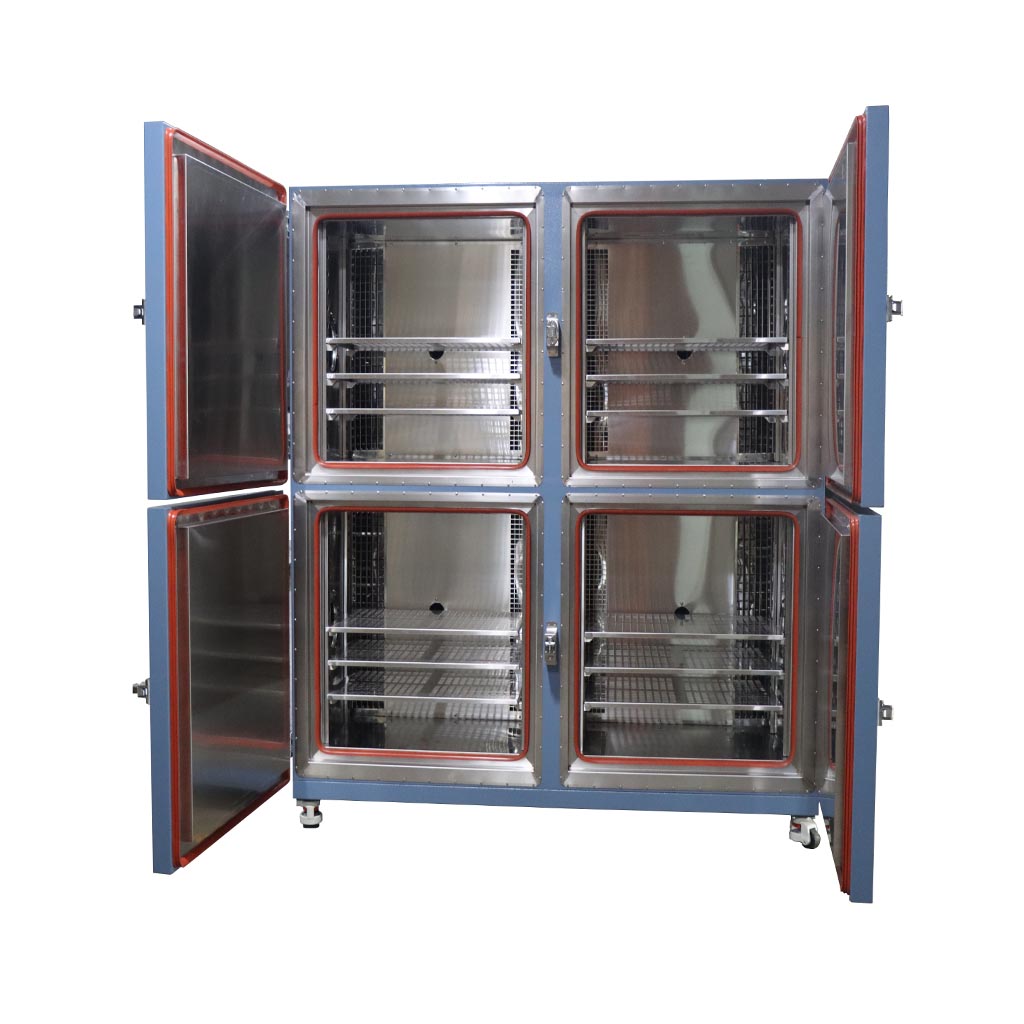
• Multi-Chamber Oven
• Automatic Loading System
• Data Logging System
• MES Communication Interface
Semiconductor Oven Related Standards
JEDEC JESD22 Reliability Testing
JEDEC JESD22-A104 Temperature Cycling
IPC semiconductor packaging requirements
SEMI semiconductor manufacturing guidelines
Frequently Asked Questions
1.What is a Semiconductor Oven?
A semiconductor oven is a precision heating system used for wafer baking, IC packaging, PCB drying, curing, moisture removal, and thermal processing during semiconductor manufacturing.
2.What temperature is commonly used for semiconductor baking?
Most semiconductor baking processes operate between 80°C and 250°C depending on wafer processing, epoxy curing, or moisture removal applications.
3.Can the oven operate with nitrogen?
Yes. TestEQ offers optional nitrogen purge systems to reduce oxidation and improve process quality.
4.Is the oven suitable for cleanroom environments?
Yes. The oven is designed for semiconductor clean manufacturing and can be configured for cleanroom-compatible operation.
5.Can TestEQ customize semiconductor ovens?
Absolutely. We provide OEM and custom solutions including chamber size, temperature range, controller, airflow, nitrogen system, and automation integration.
6. What industries use semiconductor ovens?
Semiconductor ovens are widely used in semiconductor manufacturing, IC packaging, electronics assembly, automotive electronics, aerospace components, and research laboratories. They support thermal processing requirements for advanced electronic devices and reliability testing applications.
7. What is the difference between a semiconductor oven and a standard industrial oven?
A semiconductor oven is designed for precision thermal processing with higher temperature uniformity, better process stability, contamination control, and repeatability. Compared with standard industrial ovens, semiconductor ovens are optimized for sensitive electronic components and semiconductor manufacturing environments.
8. How do semiconductor ovens ensure temperature uniformity?
Semiconductor ovens use optimized airflow circulation, precision heating control, and advanced temperature monitoring systems to maintain stable thermal conditions. Uniform temperature distribution helps improve process consistency and reduces variations during wafer baking, curing, and drying processes.
Internal Linking Module
Recommended Products
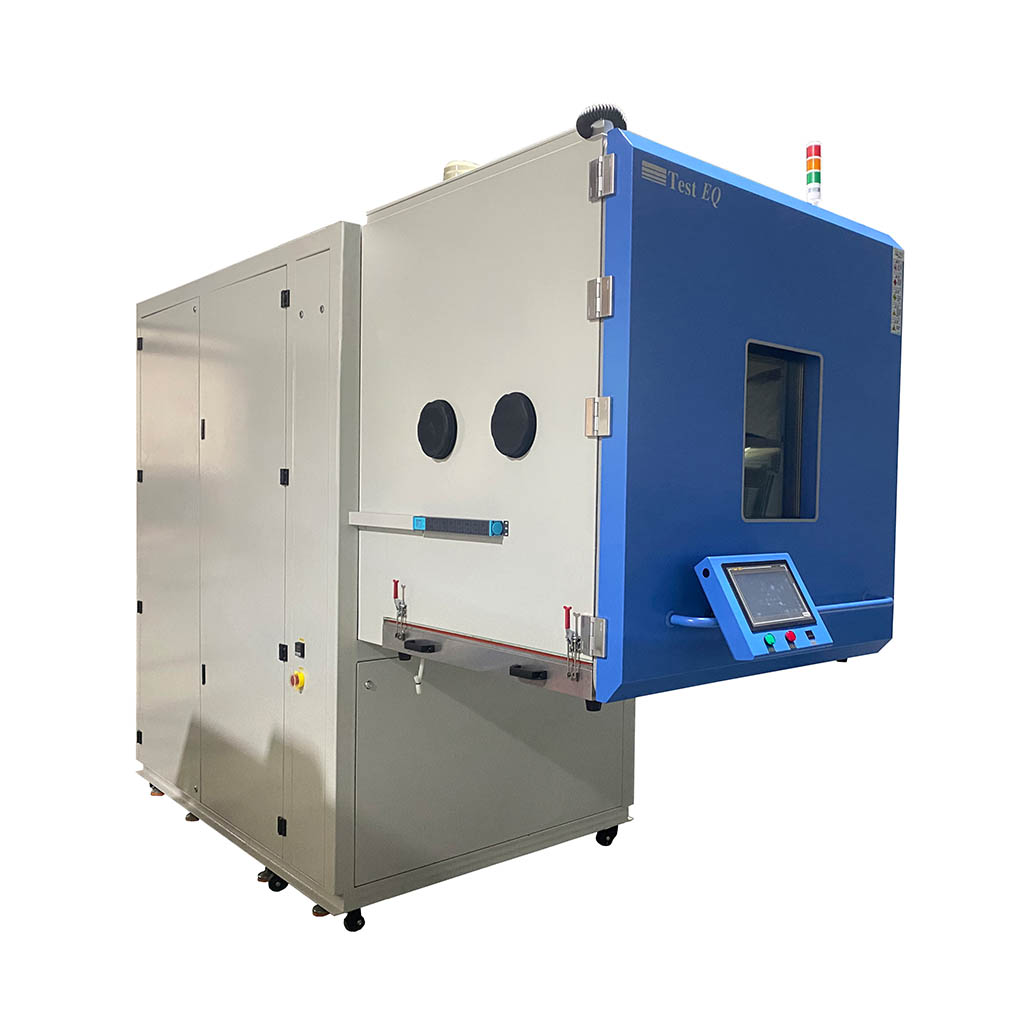
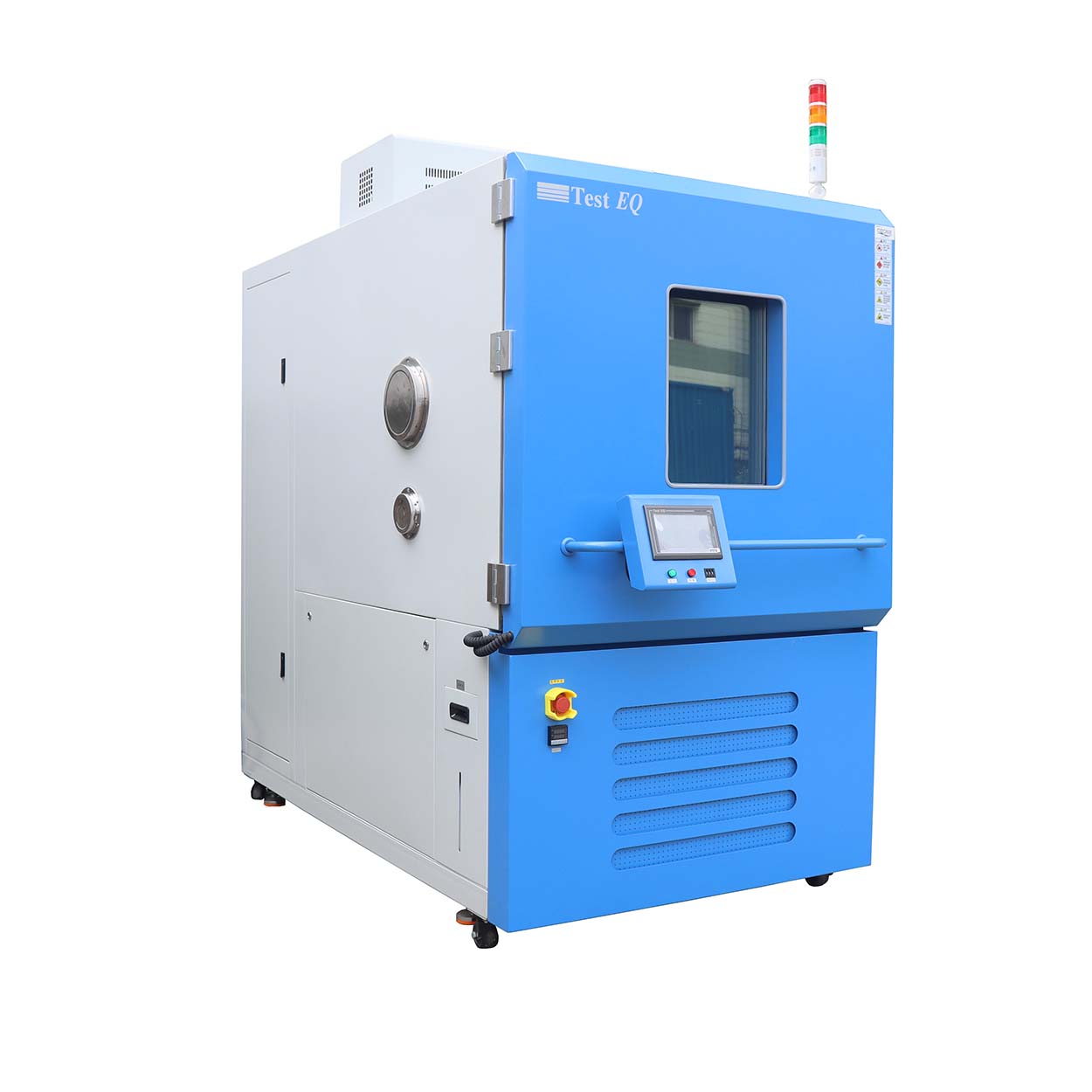
Evaluate product performance under controlled temperature and humidity conditions. Ideal for environmental reliability testing, accelerated aging, and climate simulation for electronics, automotive, aerospace, and semiconductor industries.
Designed to simulate repeated temperature changes for Environmental Stress Screening (ESS) and reliability validation. Suitable for semiconductor devices, PCB assemblies, automotive electronics, and aerospace components.
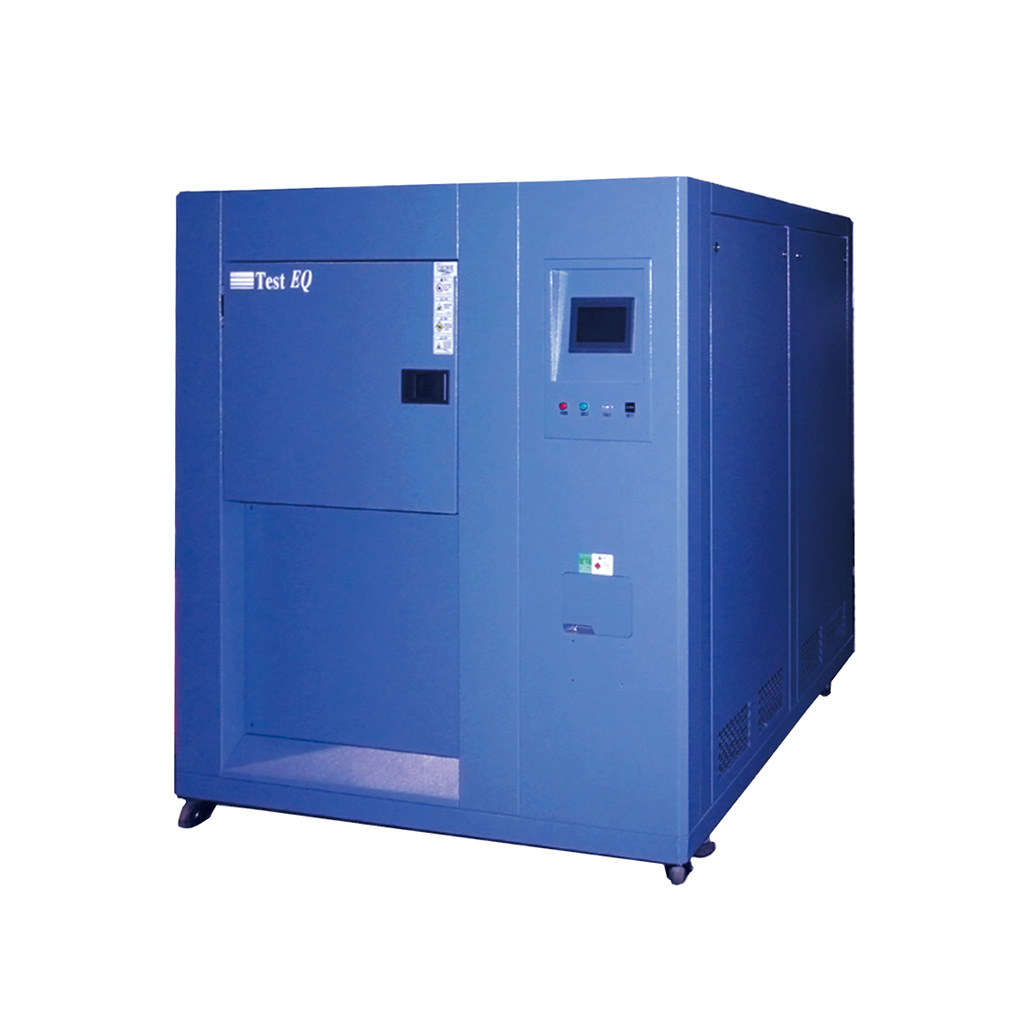
Perform rapid hot-to-cold temperature transition testing to evaluate thermal shock resistance, solder joint durability, and material reliability under extreme environmental conditions.
Recommended Standards
Learn about the IEC 60068 series of environmental testing standards, including temperature, humidity, vibration, and thermal testing methods widely used for international product qualification.
Explore JEDEC JESD22 reliability test procedures for semiconductor devices, covering thermal cycling, thermal shock, moisture resistance, and accelerated life testing.
Related Resources
Discover common reliability tests used in semiconductor manufacturing, including temperature cycling, thermal shock, HAST, HTOL, and burn-in testing to improve product quality and long-term reliability.