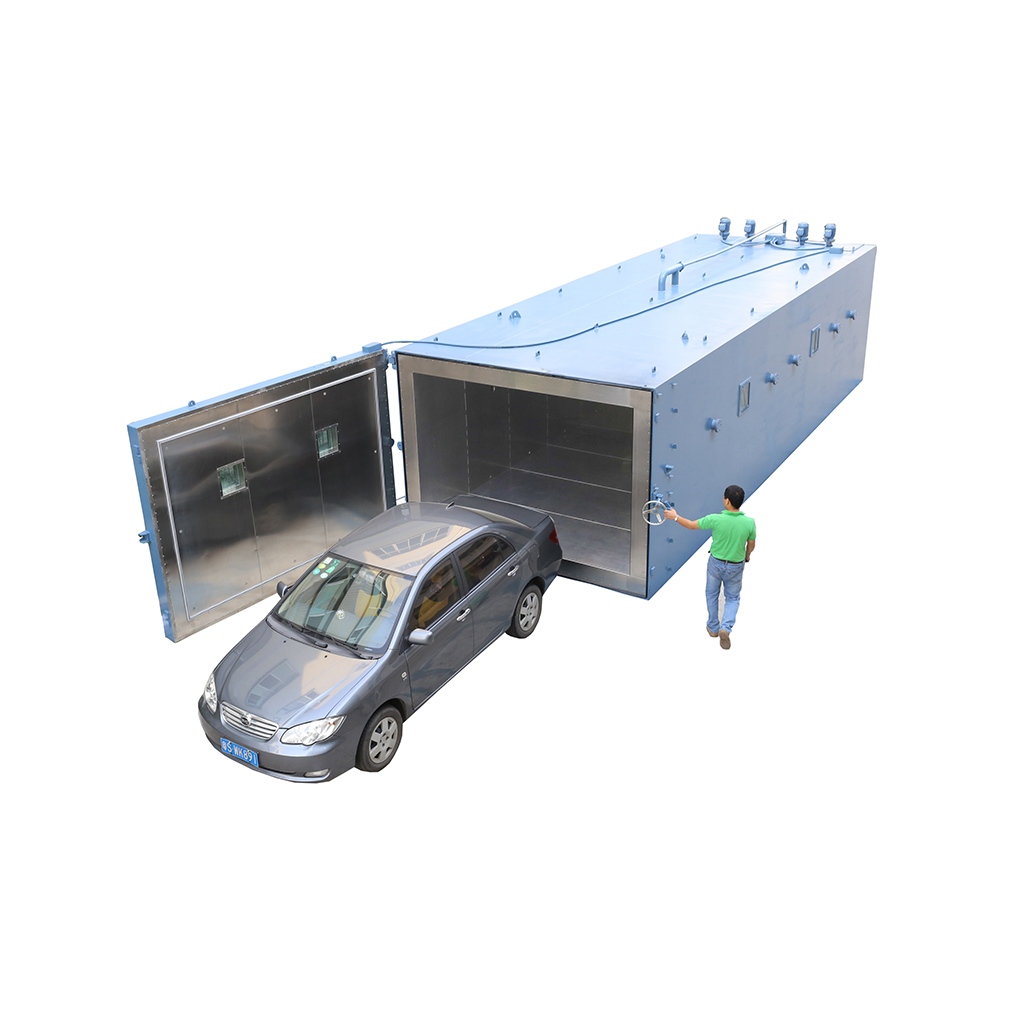
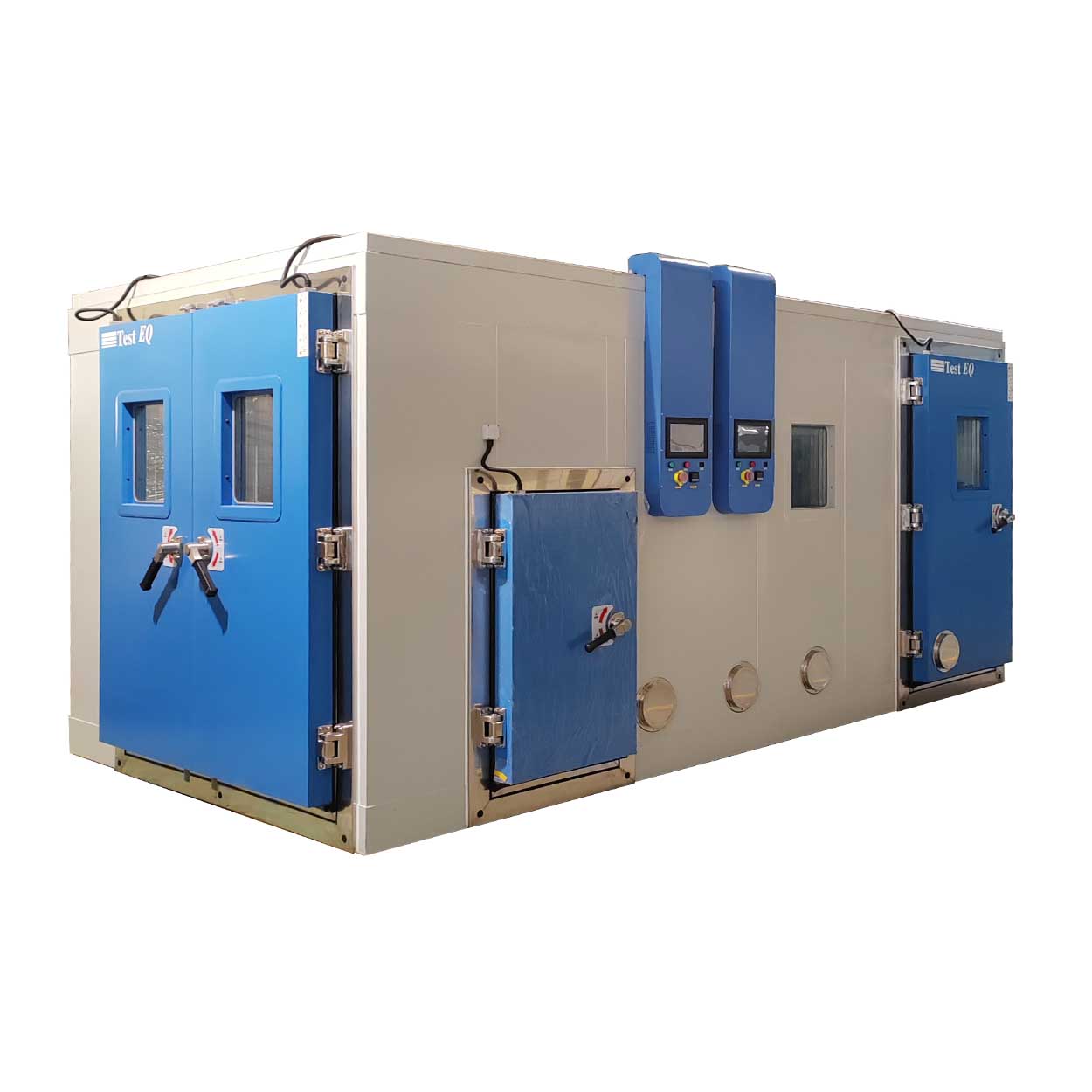
Battery Test Chamber for Lithium-Ion, EV Battery and ESS Testing
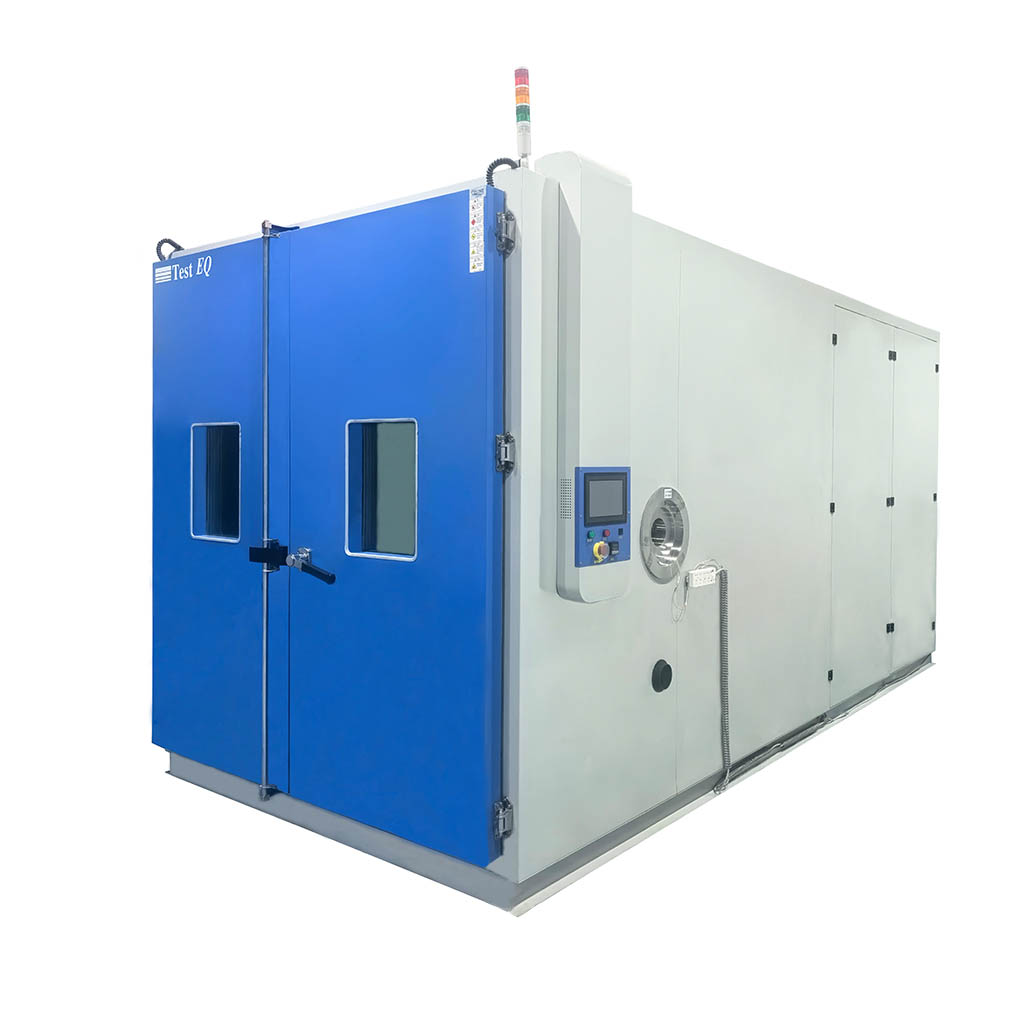
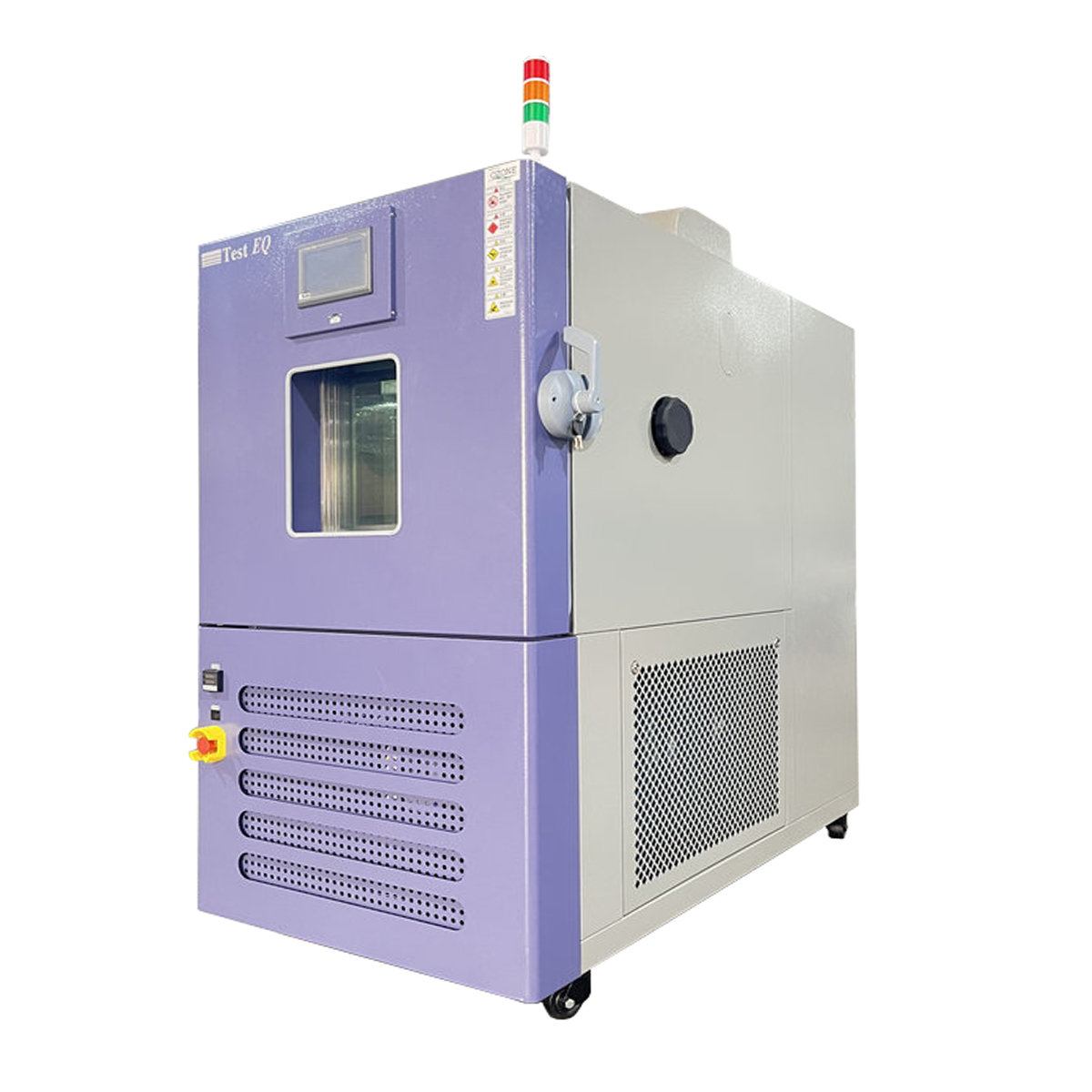
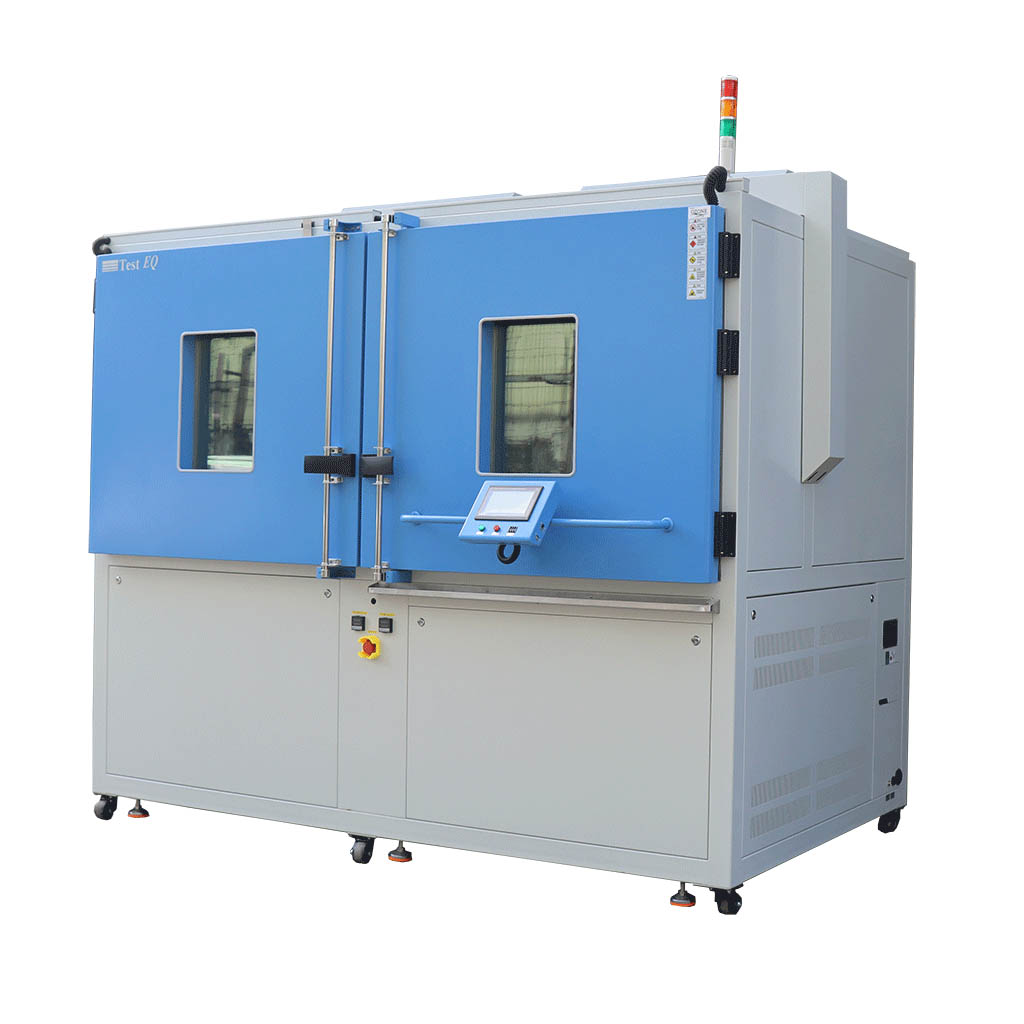
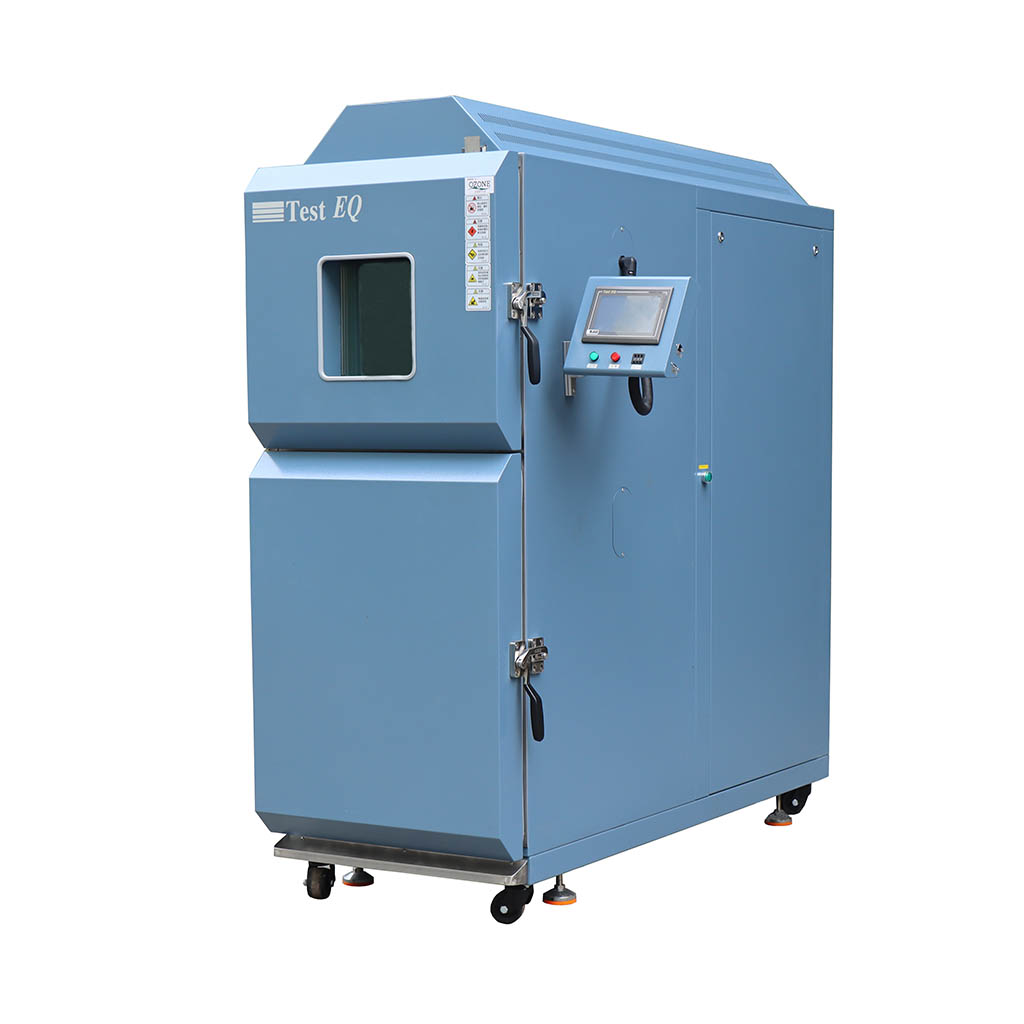
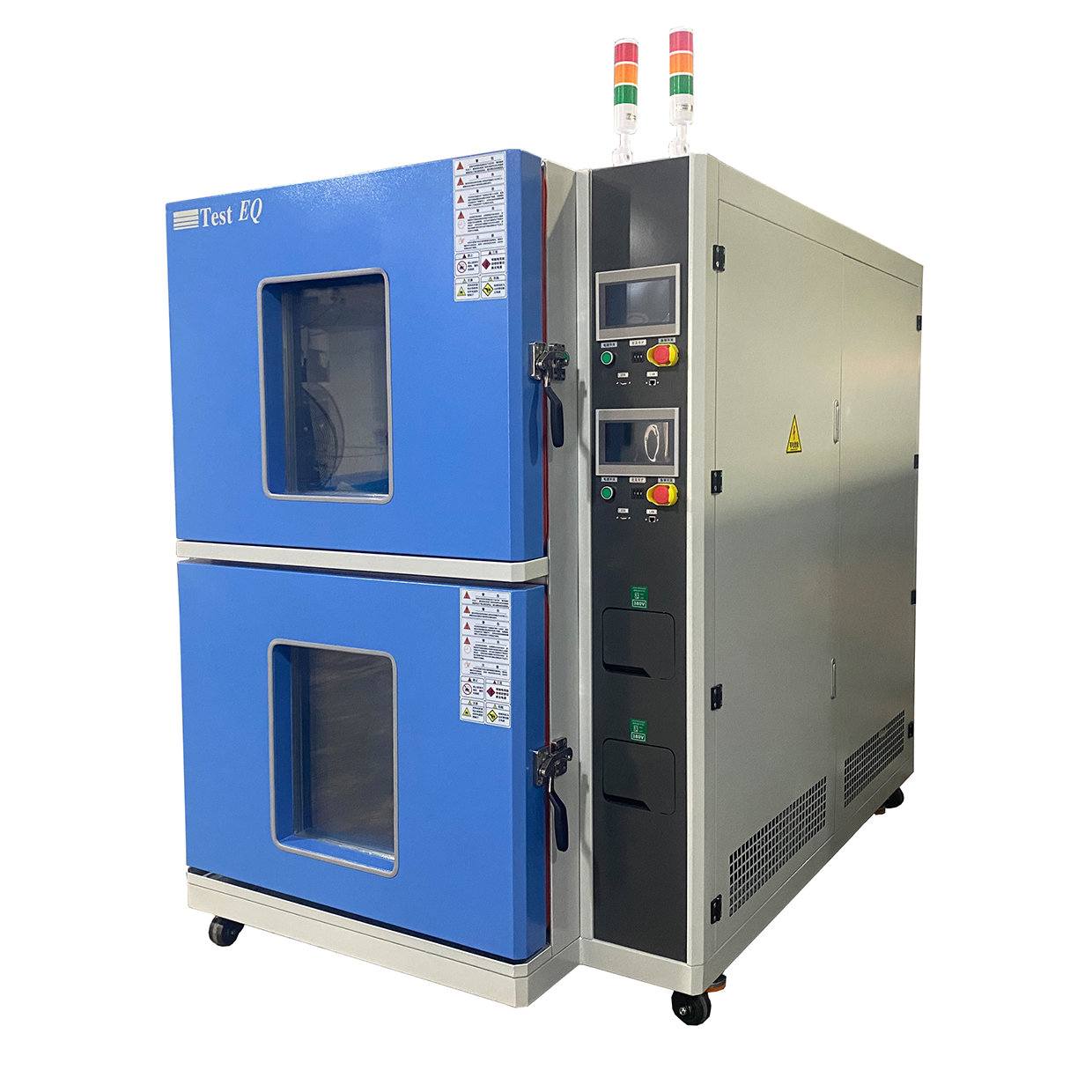
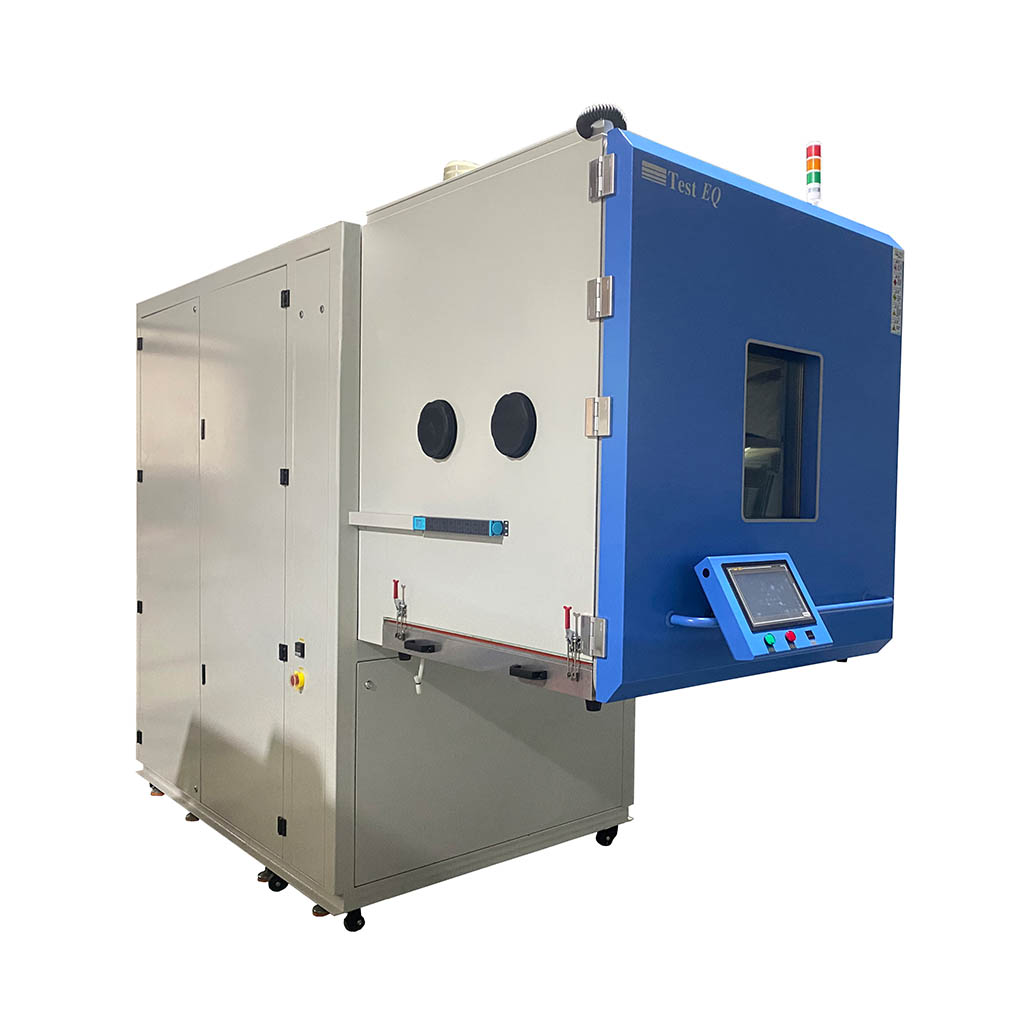
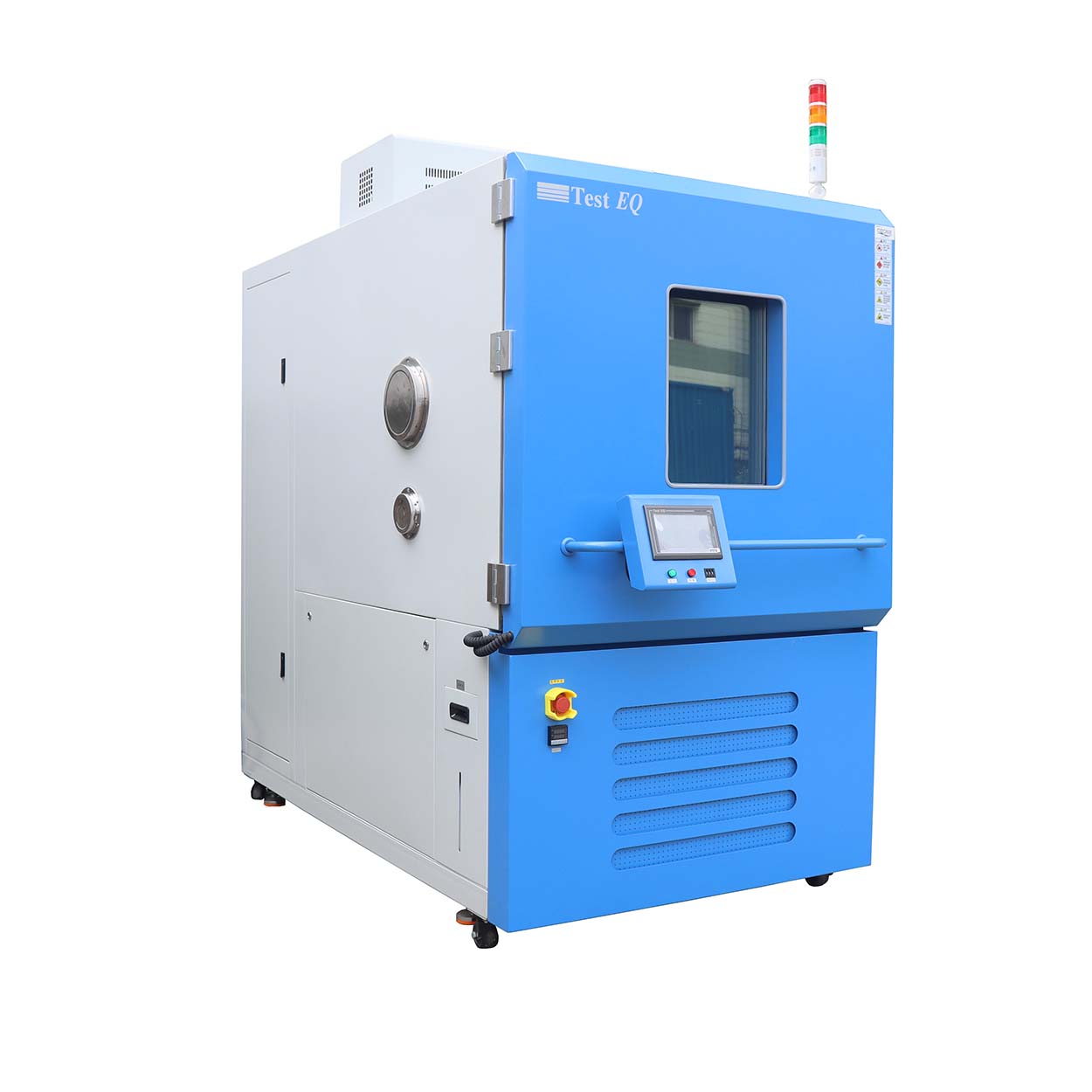
TestEQ Battery Test Chambers provide controlled environmental conditions for lithium-ion cells, battery modules, EV battery packs and energy storage systems. The chambers are engineered for temperature testing, thermal cycling, humidity exposure, storage testing and battery reliability validation.
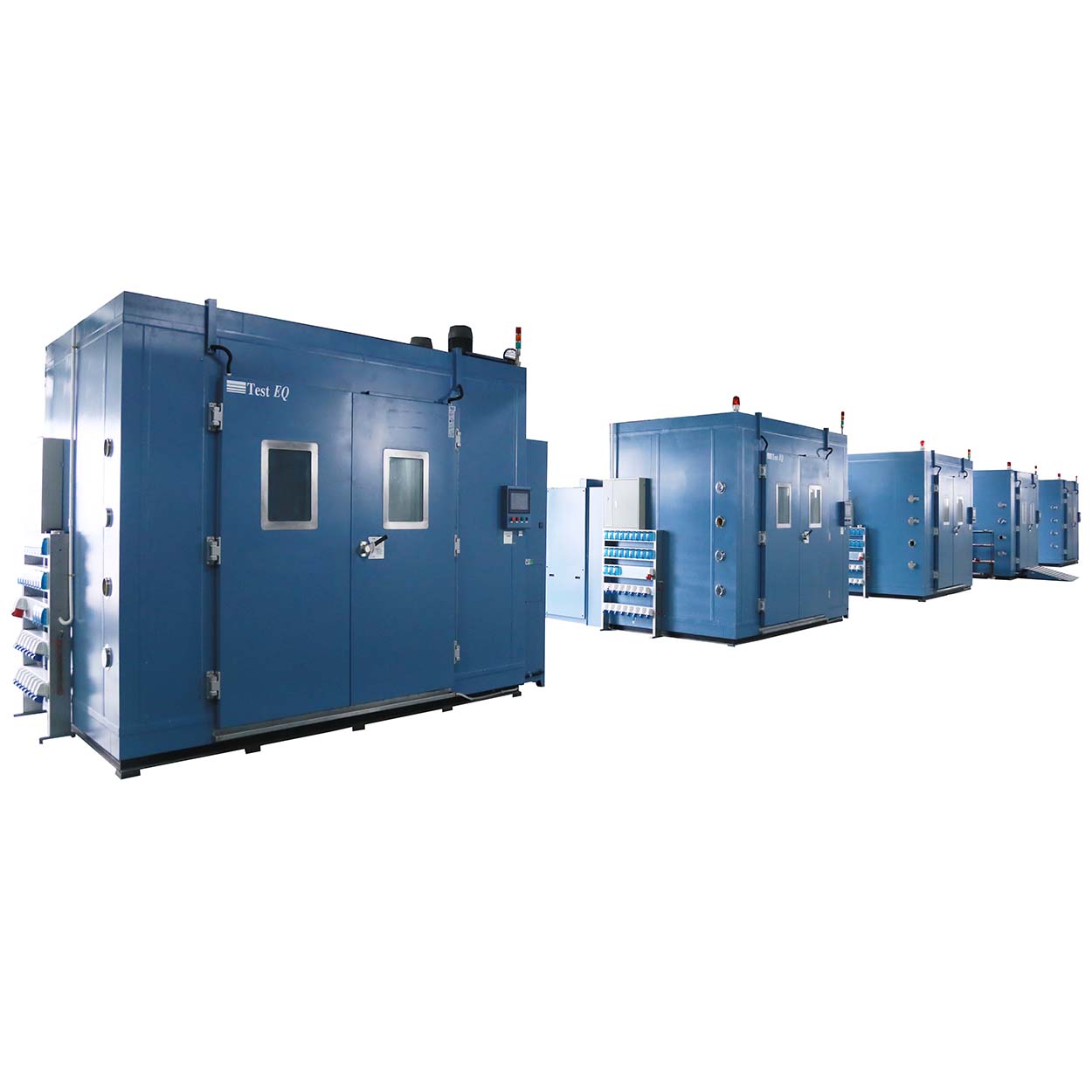
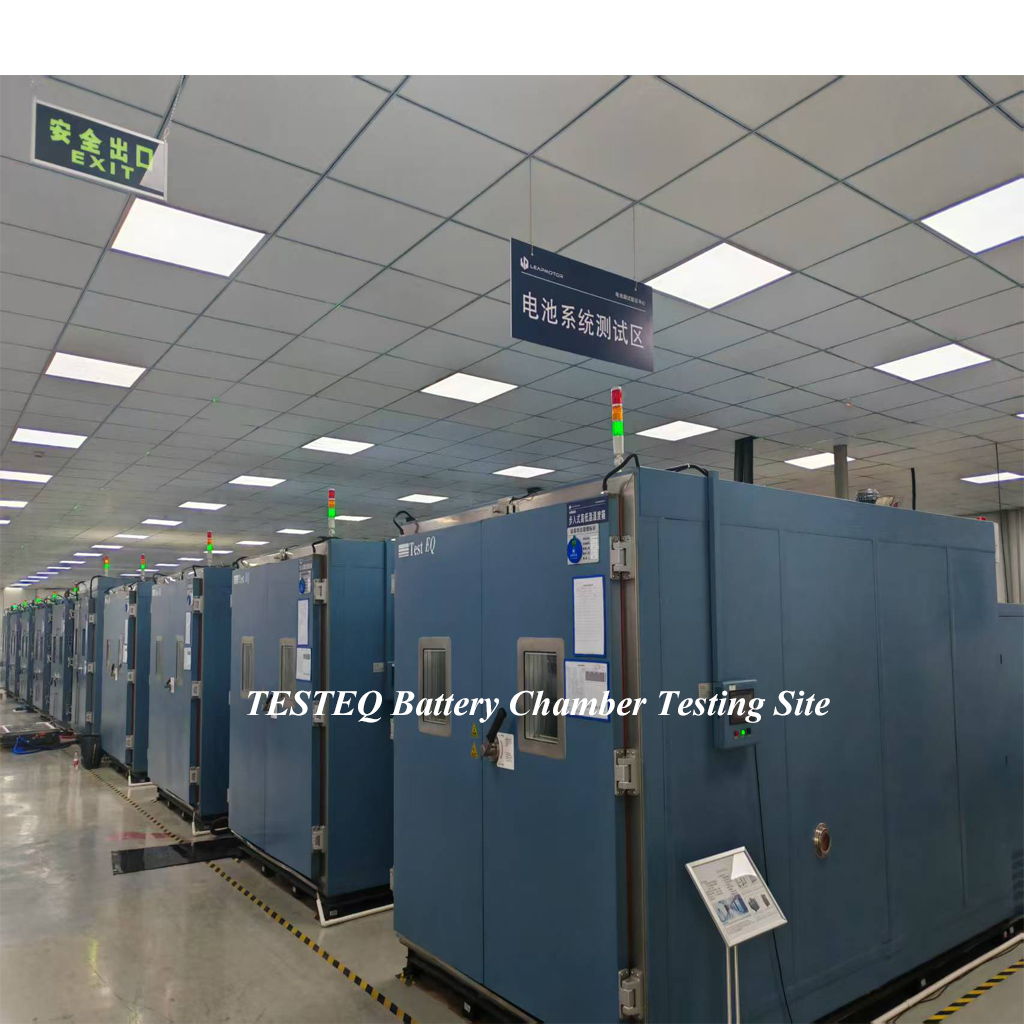
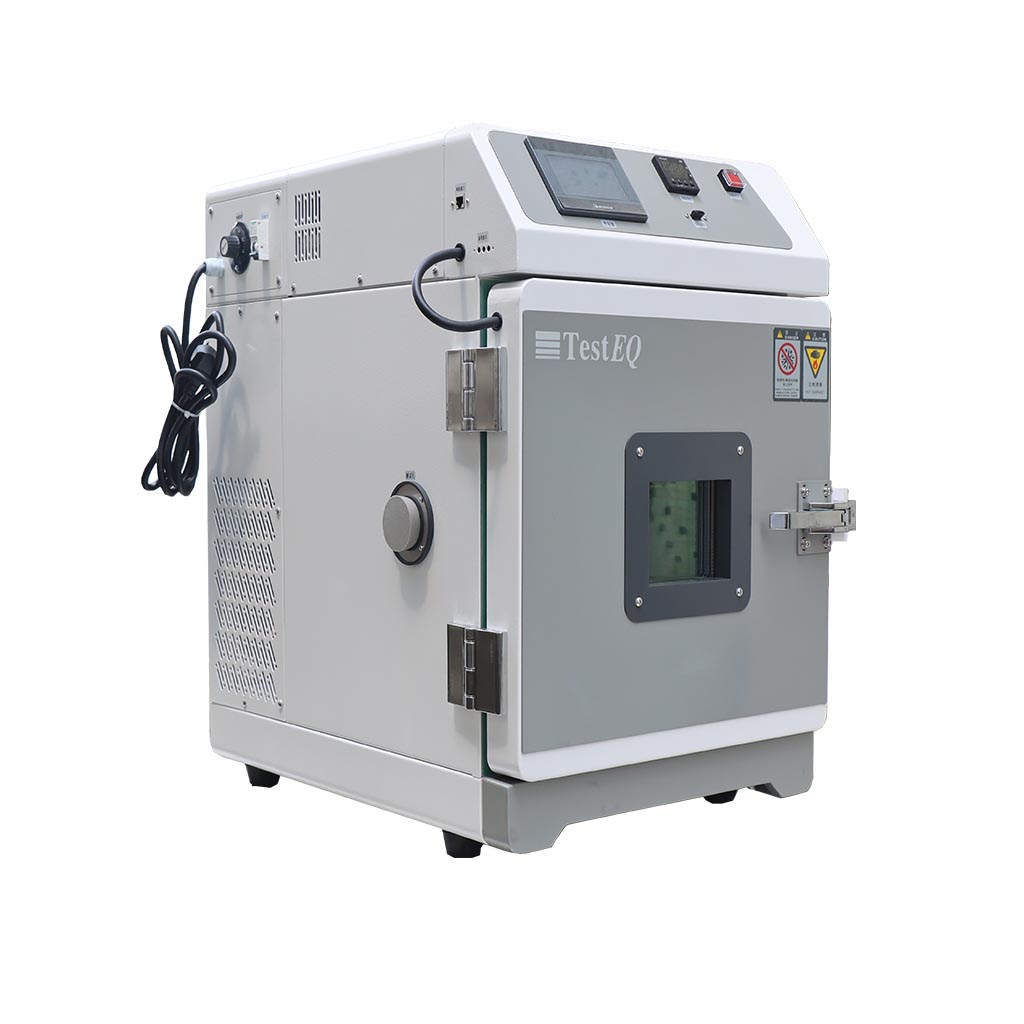
Available configurations cover laboratory-scale battery testing as well as customized systems for larger battery modules and packs. Safety functions can be engineered according to battery chemistry, stored energy, test method, heat generation and site requirements.
Battery Test Chamber at a Glance
TestEQ battery environmental test chambers combine temperature control, optional humidity control, airflow management and battery-specific safety functions in one environmental testing system.
Typical configurations include:
• Temperature range from -70°C to +180°C
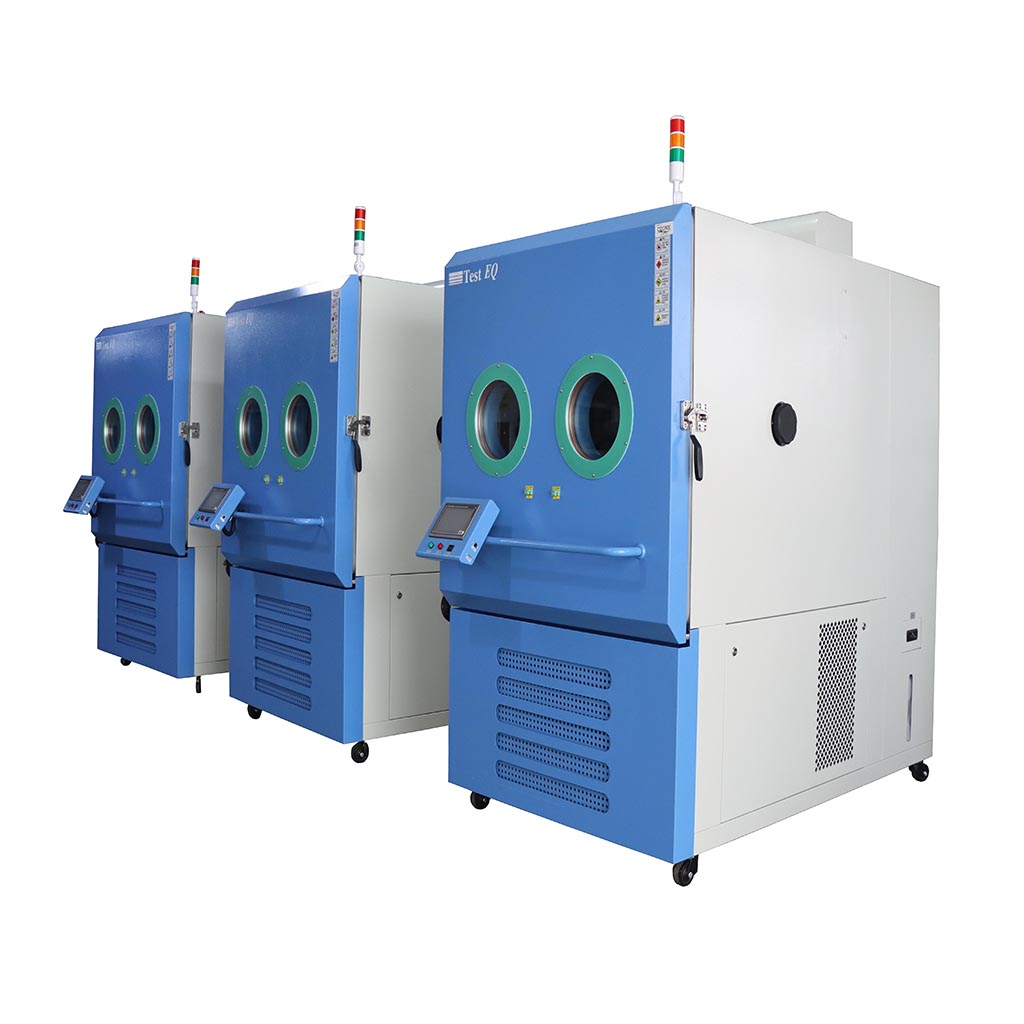
• Chamber capacities from 245 L to 1,000 L for the standard ETH series
• Custom chamber sizes available
• Temperature stability up to ±0.5°C
• Temperature uniformity up to ±2.0°C, depending on configuration
• Heating and cooling rates from 1°C/min to 10°C/min, depending on model and test conditions
• Optional humidity control from 10% to 98% RH
• Cell, module and battery-pack testing configurations
• Gas detection and ventilation options
• Pressure relief and emergency shutdown configurations
• Fire suppression interfaces for applicable battery safety applications
• Integration with external battery charge/discharge cyclers
For specific battery test programs, chamber performance should be selected according to the DUT size, heat load, required temperature profile, state of charge, test duration and applicable safety requirements.
What Is a Battery Test Chamber?
A battery test chamber is a controlled environmental testing system used to evaluate battery performance, reliability and safety under defined temperature, humidity and thermal conditions.
Unlike a general-purpose environmental chamber, a battery test chamber may require additional engineering for electrical feedthroughs, heat load, ventilation, gas detection, pressure relief, emergency shutdown and fire-response interfaces.
The correct configuration depends on the battery type and the intended test.
Typical test samples include:
• Lithium-ion battery cells
• Battery modules
• EV battery packs
• Energy storage batteries
• Consumer electronics batteries
• Automotive batteries
• Aerospace and industrial battery systems
Cell, Module and Battery Pack Testing
Battery testing requirements change significantly as the test article increases from a cell to a module or complete battery pack.
Cell Testing
Cell-level testing normally requires:
• Precise environmental control
• Electrical cable access
• Stable temperature conditions
• Suitable sample fixtures
• Safety monitoring according to the test method
Module Testing
Battery module testing may require:
• Larger working volume
• Higher heat-load capacity
• Additional cable ports
• Reinforced internal fixtures
• Improved ventilation
• Safety monitoring
EV Battery Pack Testing
Large-format battery packs require additional engineering considerations, including:
• DUT dimensions and weight
• Heat generation during charge/discharge
• Cable routing
• Door and access requirements
• Airflow distribution
• Emergency exhaust
• Pressure relief
• Gas detection
• Fire-response provisions
• Installation space
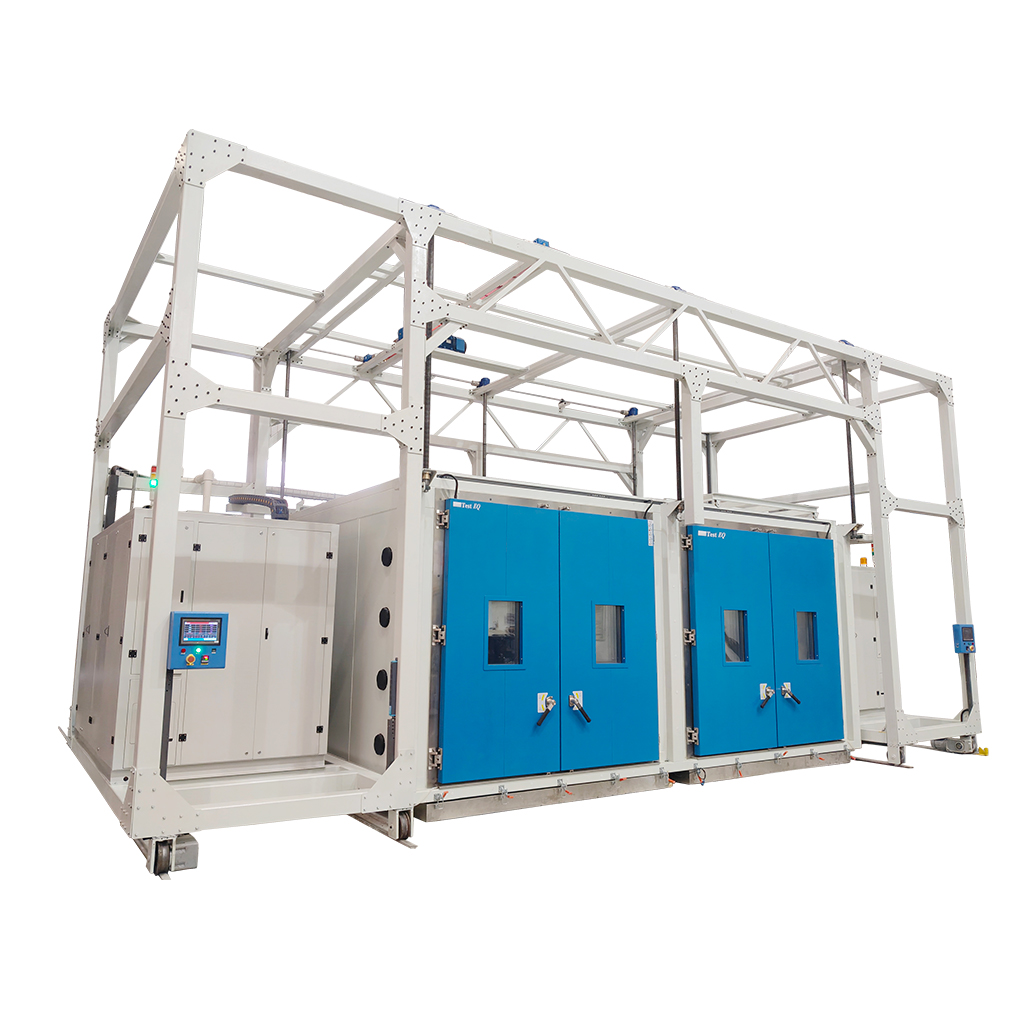
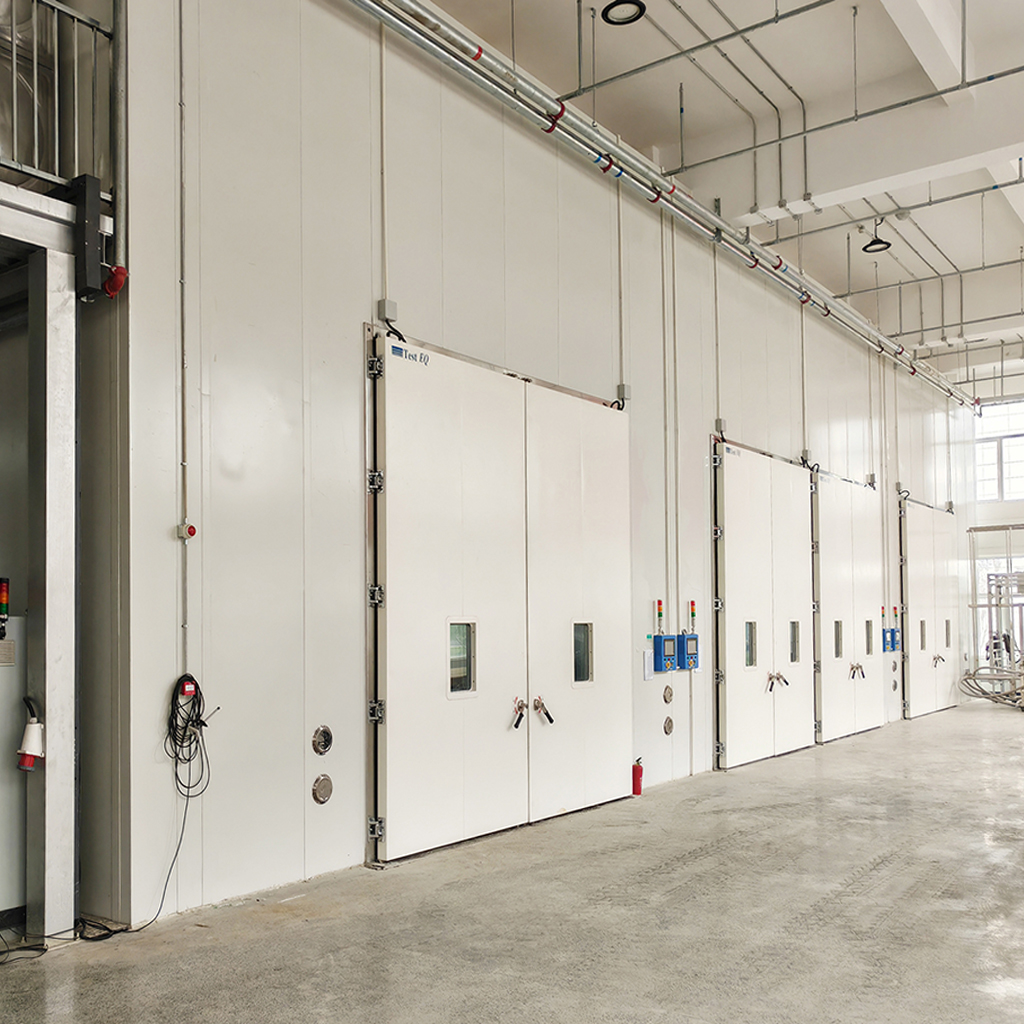
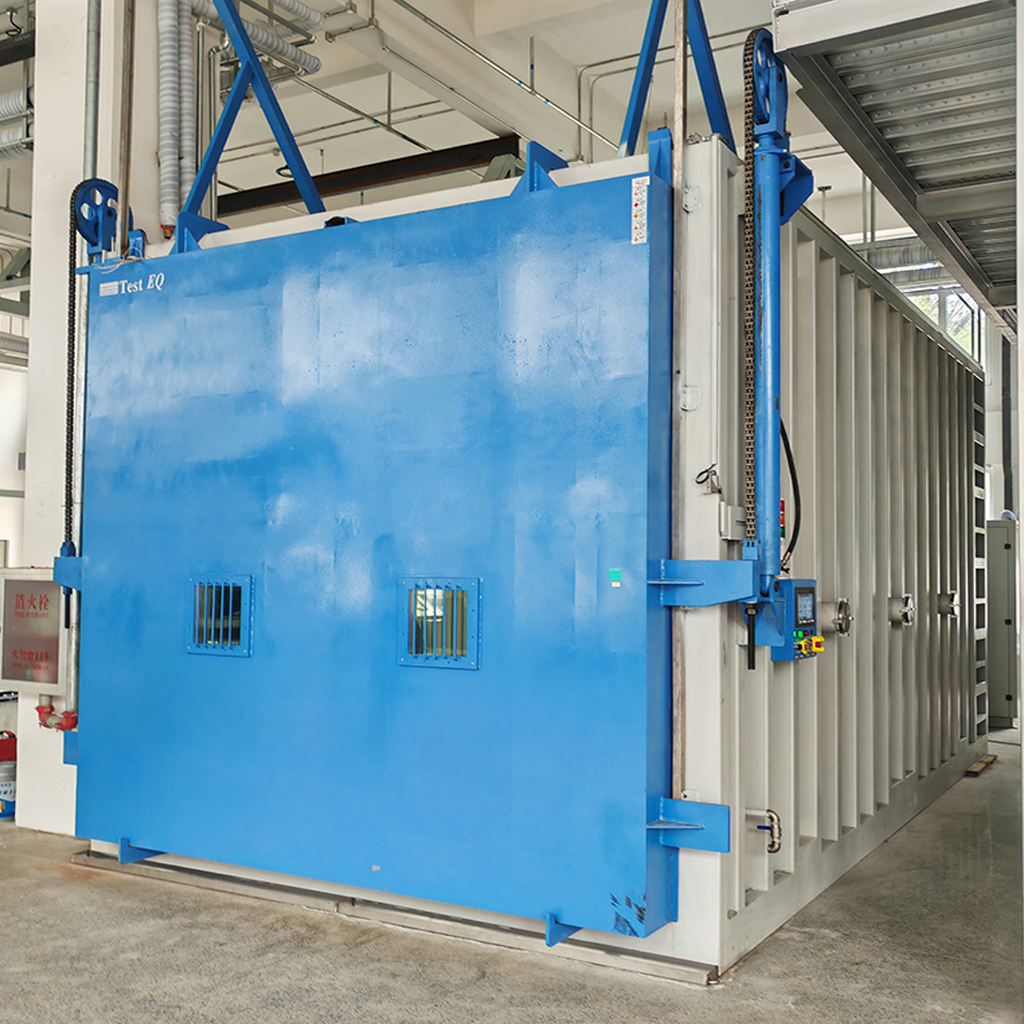
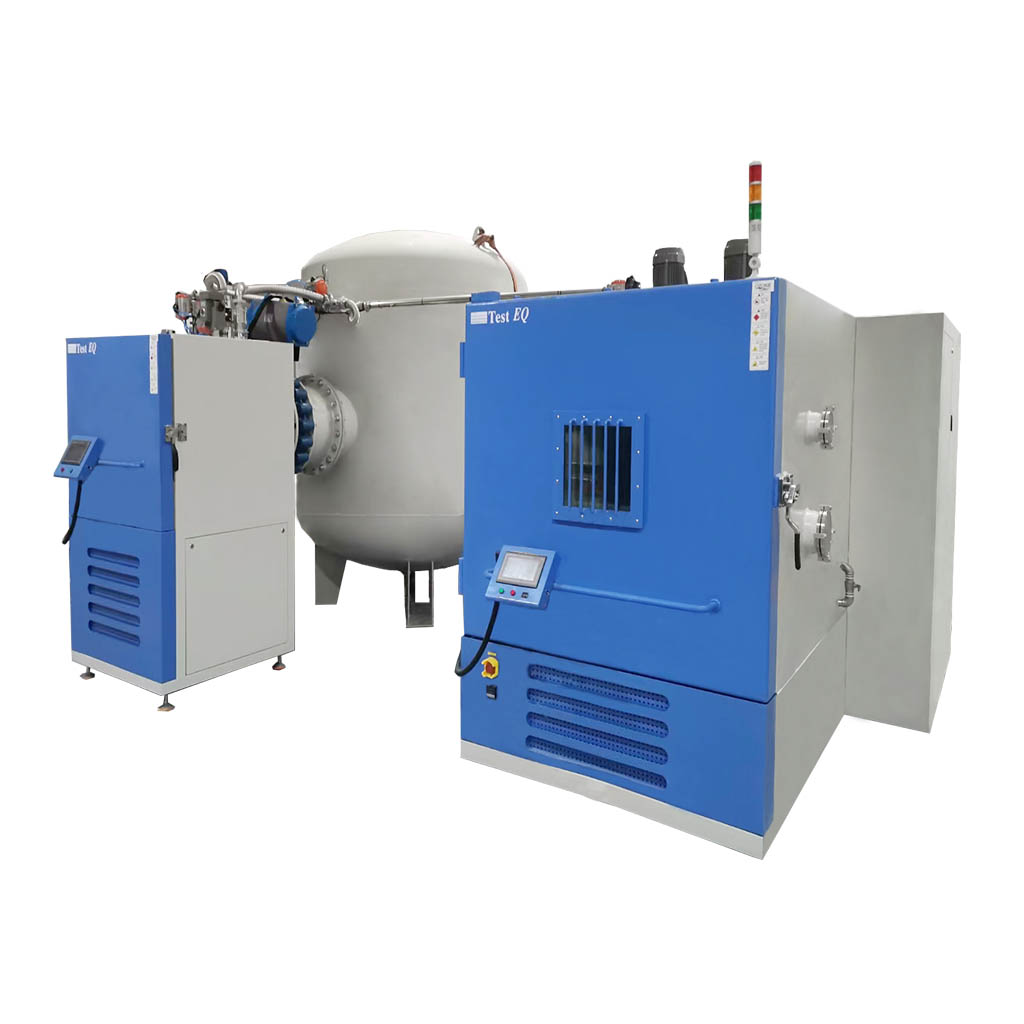
For large EV battery packs and ESS systems, TestEQ can develop customized chamber dimensions and safety configurations according to the application.
Battery Safety Engineering
Battery testing can involve elevated electrical energy, heat generation and, for certain failure scenarios, flammable gases or thermal events.
For applicable battery testing programs, TestEQ can configure safety functions such as:
• Reinforced chamber construction
• Pressure relief systems
• Emergency exhaust
• Gas detection
• Hydrogen and CO monitoring
• Independent over-temperature protection
• Emergency shutdown
• Fire suppression interfaces
• Safety interlocks
• Ventilation systems
The appropriate safety architecture should be selected according to battery chemistry, stored energy, state of charge, test method and laboratory risk assessment.
For applicable configurations, ATEX Zone 2 explosion-protection options can also be engineered.
Designed for Battery Reliability & Safety Testing:
Battery systems are highly sensitive to environmental stress and thermal conditions. This chamber enables accelerated testing of battery behavior under:
High / low temperature operation
Thermal cycling stress
Humidity exposure
Charge / discharge heat generation
Long-duration storage simulation
It helps engineers identify:
Battery Test Chamber vs Environmental Test Chamber
A battery test chamber and a standard environmental chamber both control environmental conditions, but battery testing can require additional safety and integration features.
| Engineering Factor | Battery Test Chamber | Standard Environmental Chamber |
|---|
| Primary Application | Battery reliability and environmental testing | General product testing |
| Typical DUT | Battery cells, modules, EV battery packs, ESS | Electronics, components, materials |
| Temperature Control | Required | Required |
| Humidity Control | Optional / application dependent | Common option |
| Heat Load Consideration | Critical for charge/discharge testing | Usually lower |
| Gas Detection | Application dependent | Usually not required |
| Pressure Relief | Application dependent | Usually not required |
| Emergency Shutdown | Recommended for battery applications | Configuration dependent |
| Battery Cycler Integration | Available | Usually not the primary function |
| Safety Engineering | Battery-specific | General environmental protection |
For battery applications, selecting a chamber only by temperature range can result in an unsuitable system. DUT size, heat load, electrical interfaces and safety requirements should be evaluated together.
Battery Test Conditions
The required chamber configuration should be determined from the actual test profile rather than from temperature range alone.
Important engineering parameters include:
1. Temperature Range
Determine the minimum and maximum temperature required by the test procedure.
Typical TestEQ configurations include:
• -40°C to +180°C
• -70°C to +180°C
2. Temperature Change Rate
The required ramp rate depends on the test method, battery thermal mass and applicable standard.
TestEQ battery chambers can be configured with different heating and cooling rates according to chamber size and loading conditions.
3. Heat Load
Battery charging and discharging can generate significant heat.
The chamber must be evaluated according to:
• Battery chemistry
• Number of samples
• Battery capacity
• Charge/discharge current
• Heat generation
• Test duration
• Required chamber recovery
4. Chamber Volume
The working volume should provide sufficient clearance around the DUT for airflow and instrumentation while accommodating the required fixtures and cable routing.
5. Safety Configuration
Safety functions should be selected according to the battery's stored energy, chemistry, test state and failure scenarios.
How to Select a Battery Test Chamber
For procurement and engineering teams, the following parameters should be defined before requesting a quotation:
1. Battery type and chemistry
2. Cell, module or pack testing level
3. DUT dimensions and weight
4. Required temperature range
5. Heating and cooling rate
6. Battery heat generation during testing
7. Charge/discharge conditions
8. Required humidity range
9. Test duration and cycle count
10. Cable and electrical feedthrough requirements
11. Gas detection requirements
12. Pressure relief requirements
13. Fire suppression requirements
14. Emergency exhaust requirements
15. Applicable testing standards
16. Laboratory installation conditions
Providing these parameters allows the chamber configuration to be matched to the actual test program instead of selecting equipment based only on chamber volume or temperature range.
Battery Cycler and Laboratory Integration
A battery test chamber can operate together with an external battery charge/discharge cycler.
Typical integration may include:
• Battery cycler connection
• Power and signal feedthroughs
• Temperature monitoring
• Chamber condition monitoring
• Safety interlocks
• Emergency shutdown
• Data logging
• Remote monitoring
• Test profile synchronization
The chamber itself controls the environmental conditions, while the battery cycler controls the electrical charge/discharge profile. The two systems can be coordinated according to the laboratory test architecture.
Optional Safety Configurations:
For hazardous battery testing applications, optional safety packages include:
• Explosion-proof chamber structure
• Pressure relief venting system
• Fire suppression module
• Gas detection sensors
• Independent over-temperature protection
• Remote emergency stop system
Why Choose TestEQ Battery Test Chambers?
TestEQ develops environmental testing systems for battery, electronics, automotive, semiconductor, aerospace and industrial reliability applications.
Battery test chamber engineering can be customized around:
• Cell-to-pack testing
• Chamber volume
• Temperature range
• Temperature transition rate
• Humidity control
• Battery heat load
• Electrical feedthroughs
• Safety monitoring
• Gas detection
• Pressure relief
• Fire-response interfaces
• Battery cycler integration
TestEQ's battery test chamber platform includes standard ETH configurations from 245 L to 1,000 L, with larger customized systems available for specific battery and ESS applications.
Battery Test Standards Supported:
Battery testing programs can involve different standards depending on the battery type, industry and test objective.
TestEQ battery environmental test chambers can be configured for applications associated with standards such as:
IEC 62133
IEC 62133 specifies safety requirements and tests for portable sealed secondary cells and batteries containing alkaline or other non-acid electrolytes.
UN 38.3
UN 38.3 defines transport-related testing requirements for lithium cells and batteries. Environmental and mechanical tests may form part of the overall qualification program.
UL 1642
UL 1642 addresses safety requirements for lithium batteries used in portable applications.
UL 2580
UL 2580 covers safety requirements for batteries used in electric vehicles.
IEC 62660
IEC 62660 includes testing requirements for secondary lithium-ion cells used for the propulsion of road vehicles.
SAE J2464
SAE J2464 provides recommended practice for rechargeable energy storage system abuse testing.
ISO 12405
ISO 12405 specifies test procedures for lithium-ion traction battery packs and systems used in electrically propelled road vehicles.
The exact chamber configuration and test procedure should always be selected according to the applicable edition of the standard and the customer's qualification plan.
Battery Test Chamber: Engineering and Procurement FAQ
1. What Is a Battery Test Chamber and How Does It Differ From a Standard Environmental Test Chamber?
A battery test chamber is an environmental testing system designed for battery cells, modules, EV battery packs and energy storage systems. Compared with a standard environmental chamber, a battery test chamber may require additional engineering for battery heat load, electrical feedthroughs, gas detection, ventilation, pressure relief, emergency shutdown and other safety functions.
2. What Types of Lithium-Ion Batteries, EV Battery Modules and Battery Packs Can Be Tested?
Depending on the chamber configuration, TestEQ battery test chambers can be used for lithium-ion cells, battery modules, EV battery packs, rechargeable batteries and energy storage systems. The chamber should be selected according to DUT dimensions, weight, battery chemistry, electrical configuration, heat generation and the required environmental test conditions.
3. What Temperature Range and Temperature Change Rate Are Needed for Battery Environmental Testing?
The required temperature range and temperature change rate depend on the battery type, test procedure and applicable standard. TestEQ configurations can provide temperature ranges such as -40°C to +180°C and -70°C to +180°C, with different heating and cooling rates available according to chamber size, specimen mass and test conditions.
4. How Is Battery Heat Load Calculated When Selecting a Battery Test Chamber?
Battery heat load should be evaluated from the number of samples, battery capacity, charge/discharge current, expected heat generation, test duration and operating conditions. For battery cycling applications, the chamber's heating and refrigeration capacity must be sufficient to maintain the required environmental condition while the battery is generating heat.
5. What Battery Safety Features Should Be Specified for High-Energy and EV Battery Testing?
Safety requirements depend on battery chemistry, stored energy, state of charge, test method and potential failure modes. Depending on the application, TestEQ chambers can be configured with gas detection, ventilation, emergency exhaust, pressure relief, emergency shutdown, safety interlocks and fire-suppression interfaces. The final safety configuration should be determined according to the battery test risk assessment.
6. Can a Battery Test Chamber Integrate With an External Battery Charge and Discharge Cycler?
Yes. TestEQ battery test chambers can be configured with electrical feedthroughs and system interfaces for integration with external battery charge/discharge cyclers. The chamber controls temperature and humidity, while the battery cycler manages the electrical test profile. The interface can be customized according to voltage, current, cable quantity and test-system requirements.
7. Which Battery Testing Standards Can Be Supported by a Battery Environmental Test Chamber?
Depending on the application and test program, TestEQ battery environmental test chambers can be configured for testing associated with standards such as UN 38.3, IEC 62133, IEC 62660, UL 1642, UL 2580, SAE J2464 and ISO 12405. The exact chamber configuration should be verified against the applicable standard edition and customer's qualification procedure.
8. What Information Should Engineers Provide When Selecting or Requesting a Battery Test Chamber?
For an accurate technical proposal, engineers should provide the battery chemistry, cell/module/pack testing level, DUT dimensions and weight, required temperature range, temperature ramp rate, humidity requirements, charge/discharge conditions, expected heat load, test duration, applicable standards and required safety functions. These parameters allow the chamber capacity, environmental performance and safety configuration to be matched to the actual battery testing program.
Internal Linking Module
Recommended Equipment
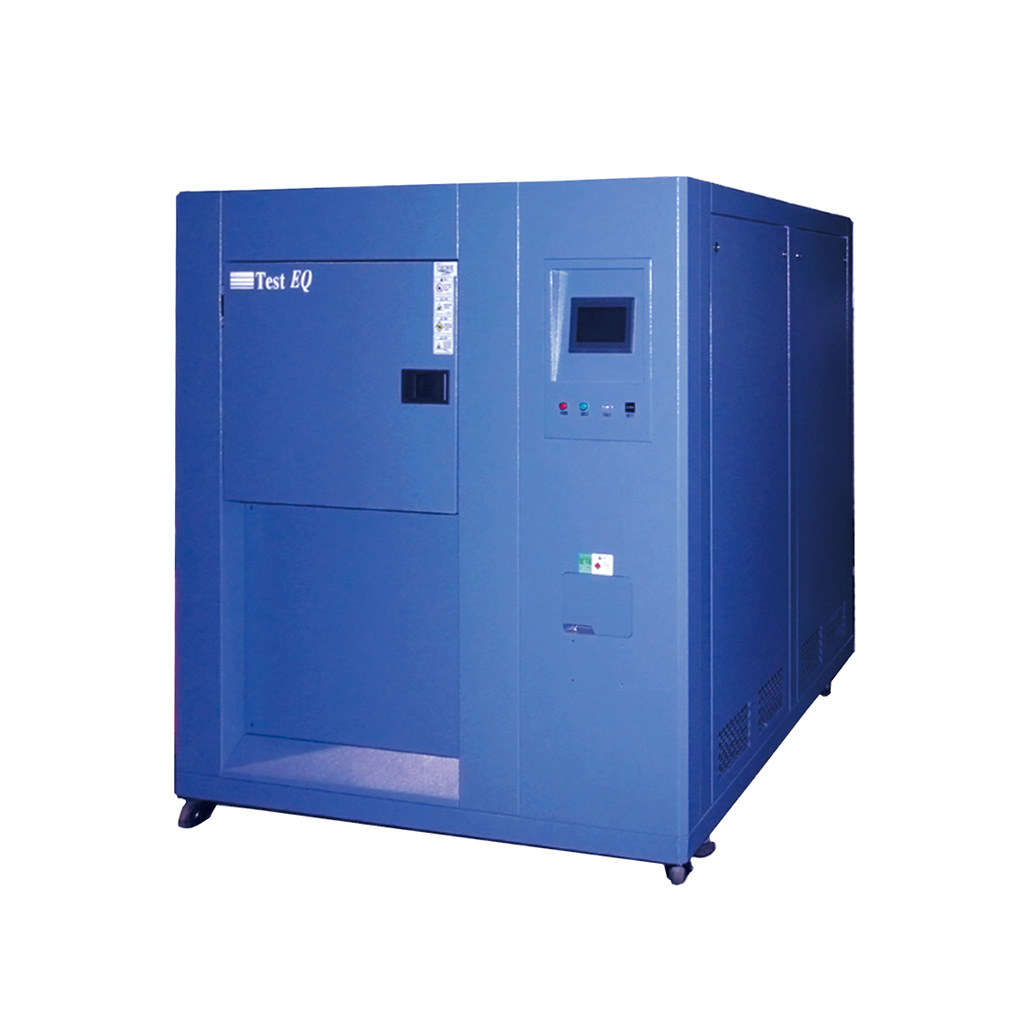
Designed for repeated temperature transitions used in battery thermal cycling and reliability evaluation.
Suitable for battery storage, humidity exposure and long-duration environmental simulation.
Related Standards
This guide explains the IEC 60068 series, including temperature, humidity, thermal shock, and vibration tests, helping engineers select appropriate environmental testing methods to ensure product reliability and compliance.
Understand UN 38.3 transportation requirements for lithium batteries, covering thermal, vibration, altitude, and impact tests required for global shipping compliance.
Technical Resources
Explore common battery failure mechanisms caused by thermal cycling, including SEI layer degradation, capacity fade, mechanical stress, and reliability improvement methods.
A comprehensive guide explaining thermal cycling principles, international standards, applications, and how thermal cycling chambers help engineers validate product reliability.
Understand the difference between controlled thermal cycling and rapid thermal shock testing when selecting a battery reliability test method.