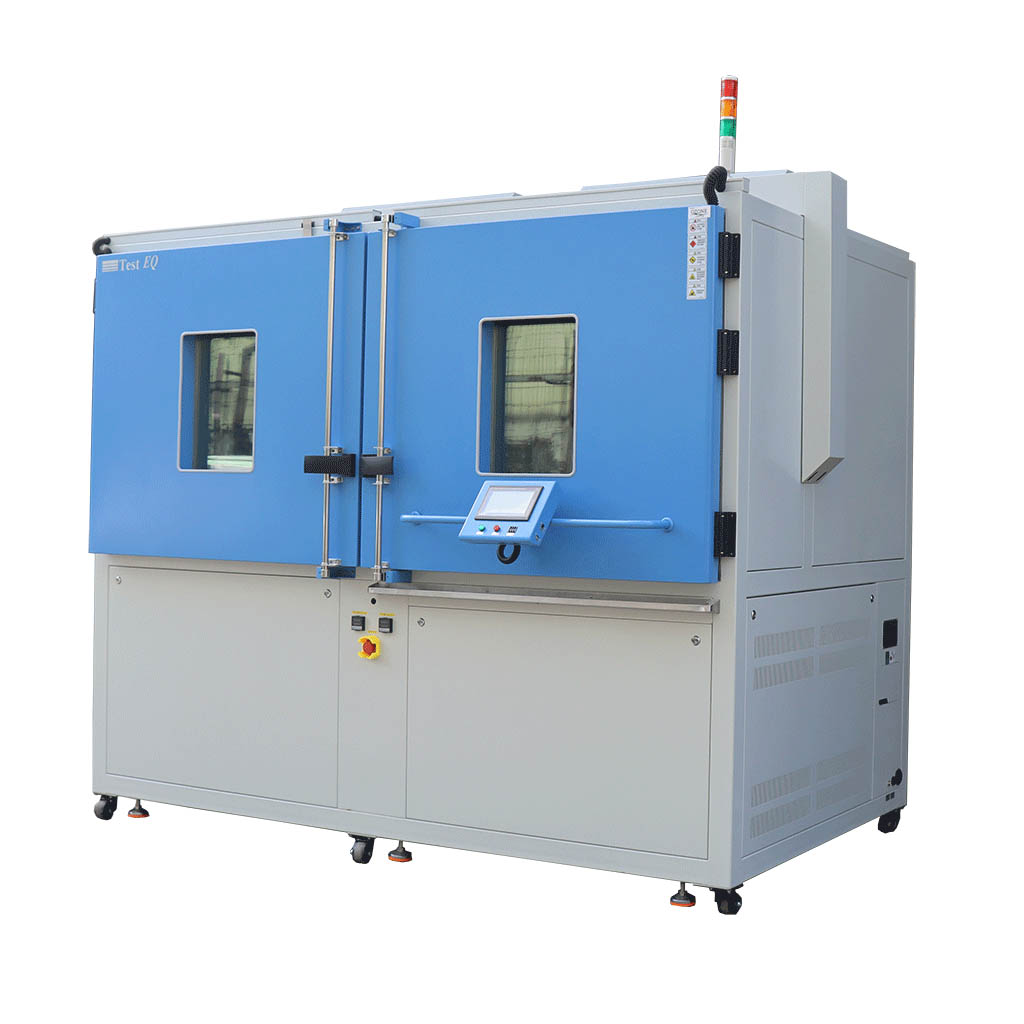
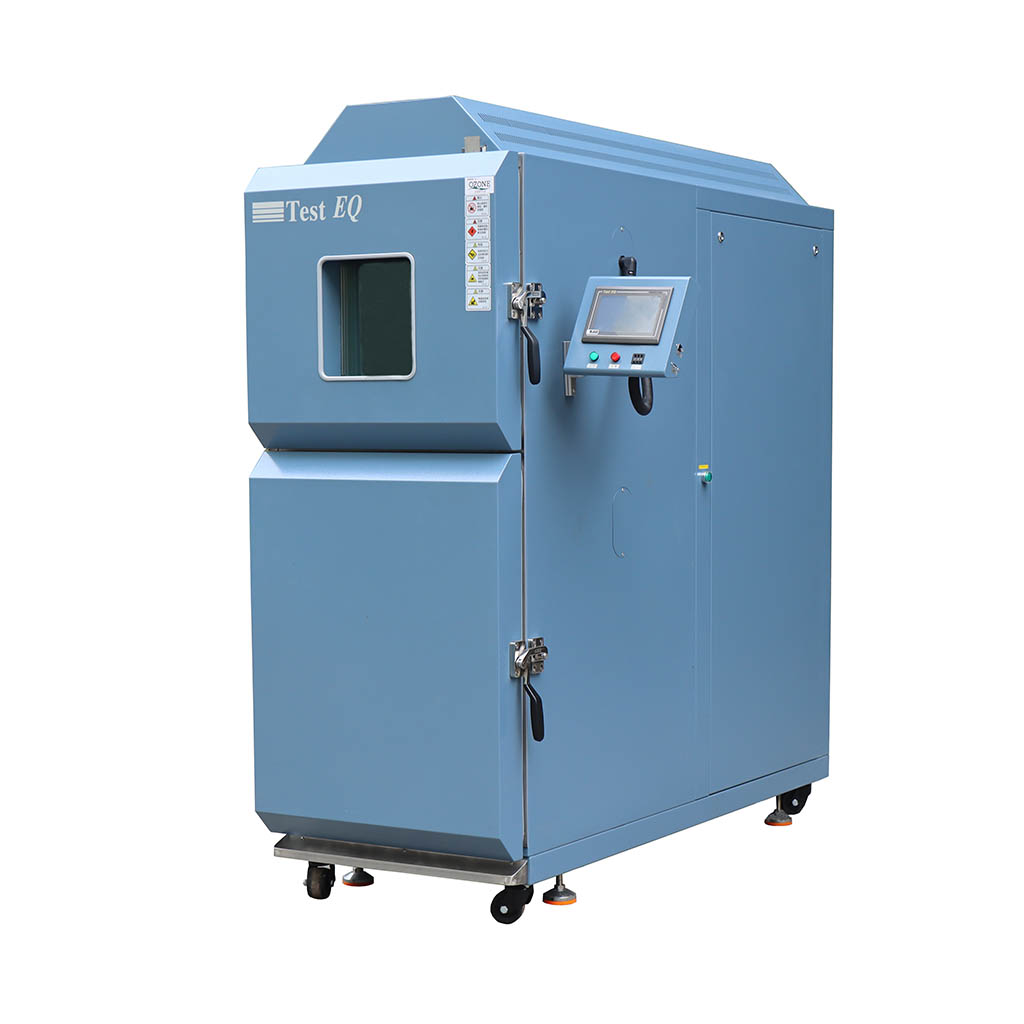
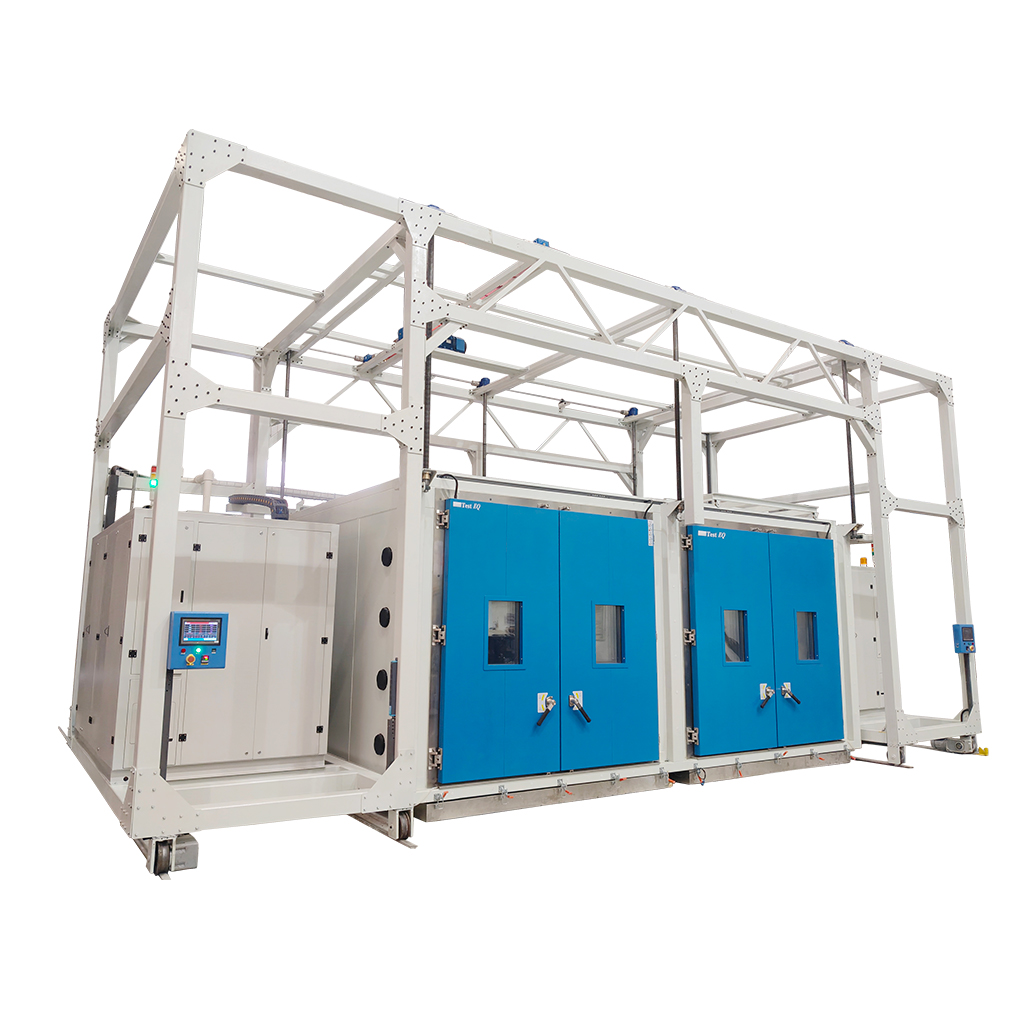
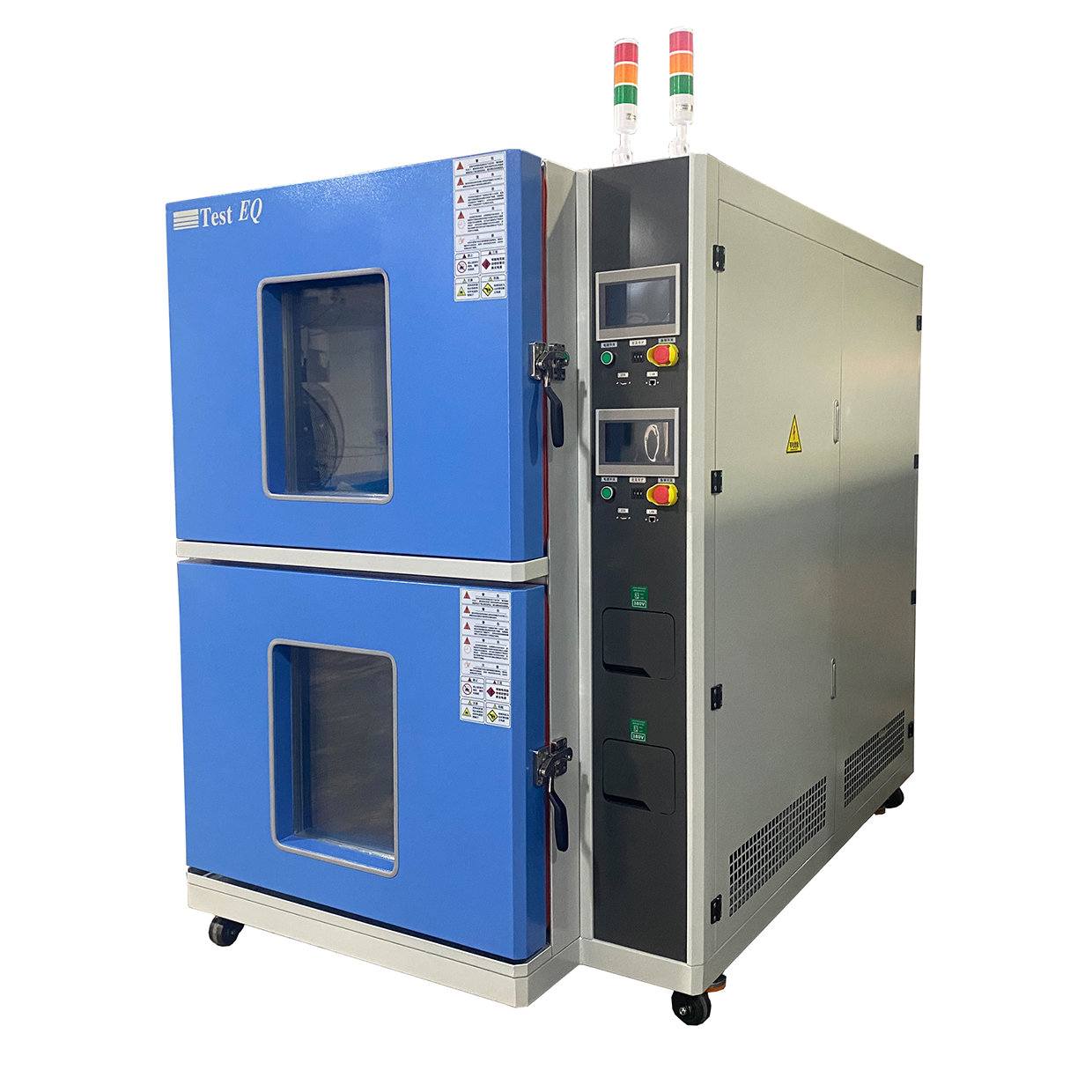
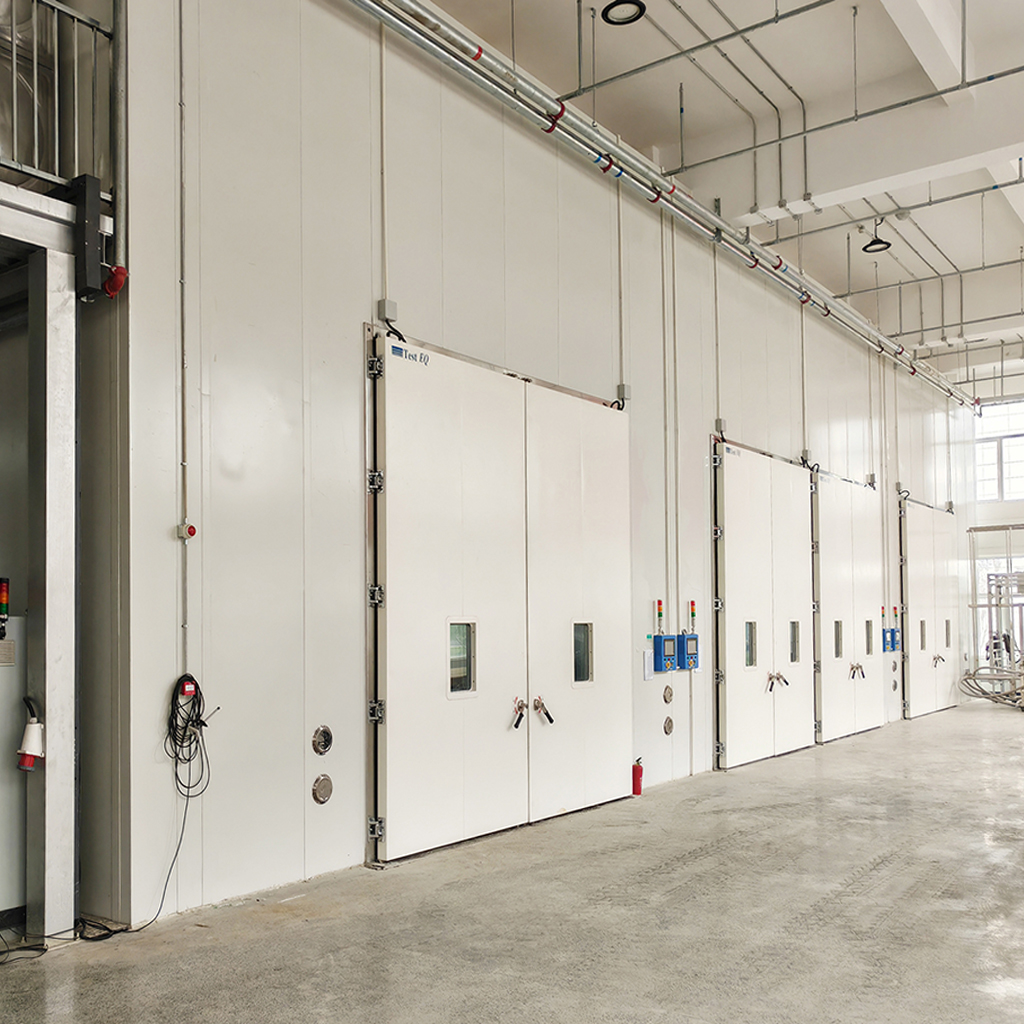
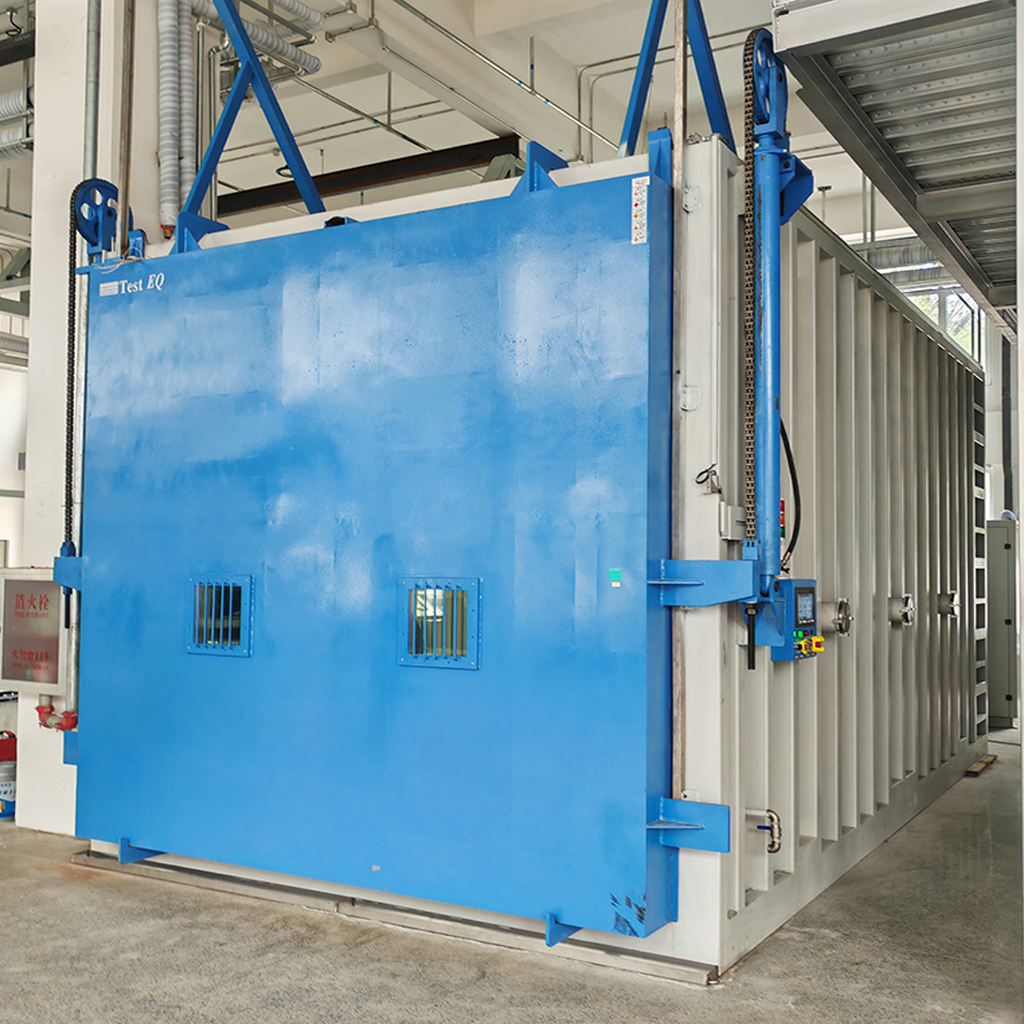
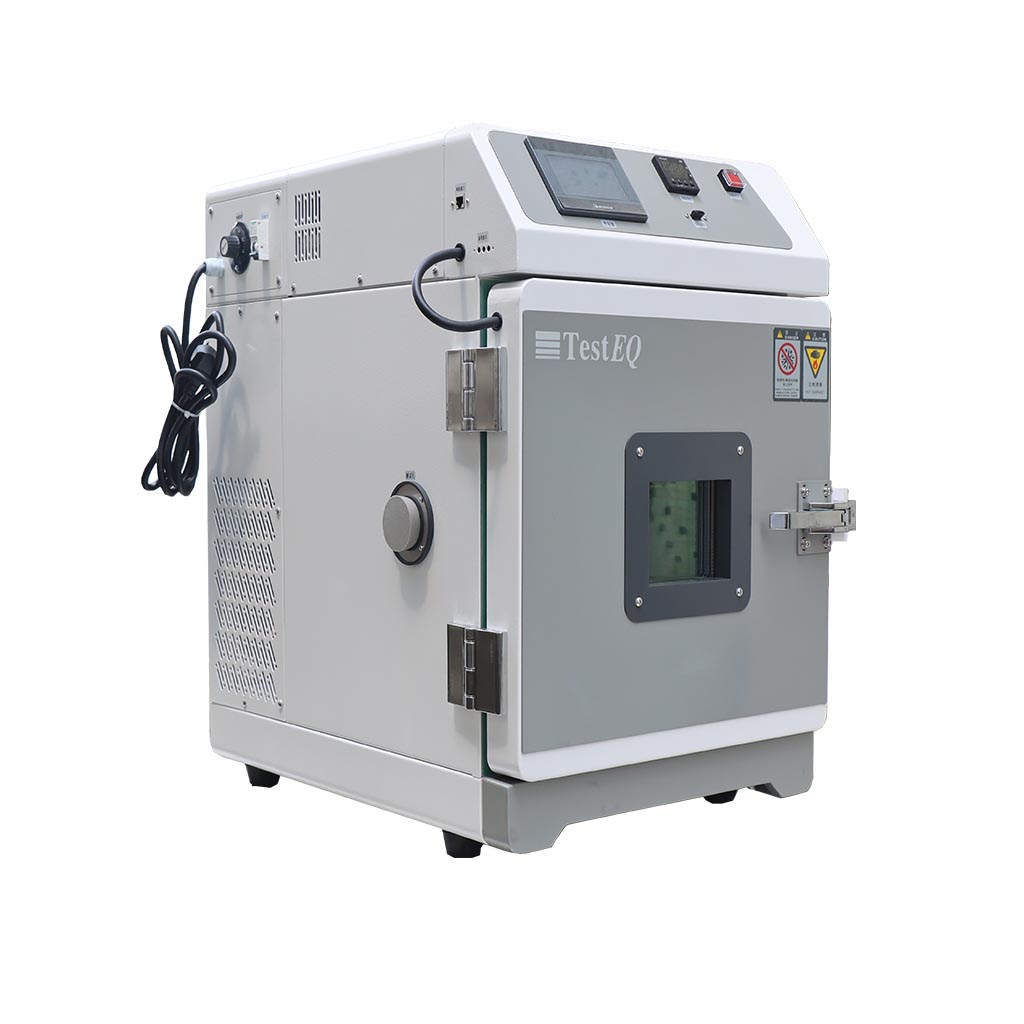
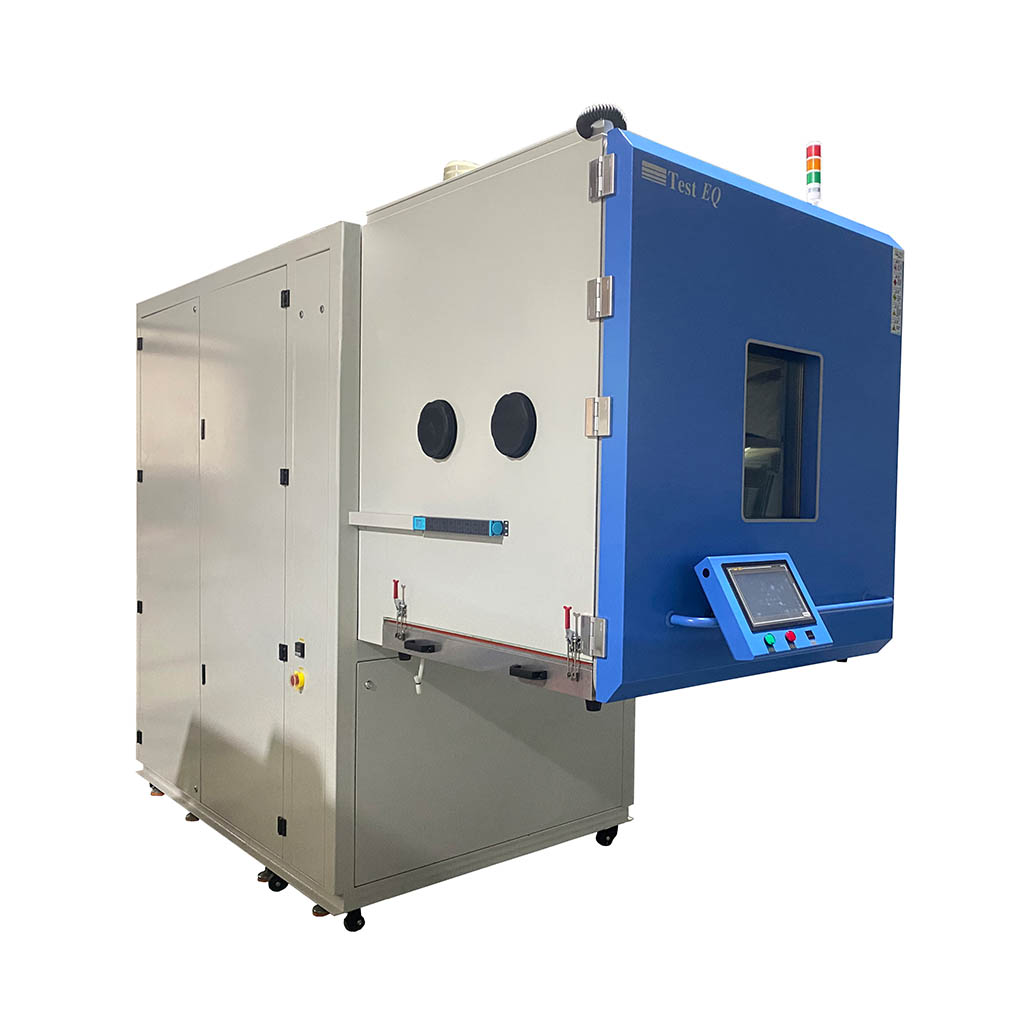
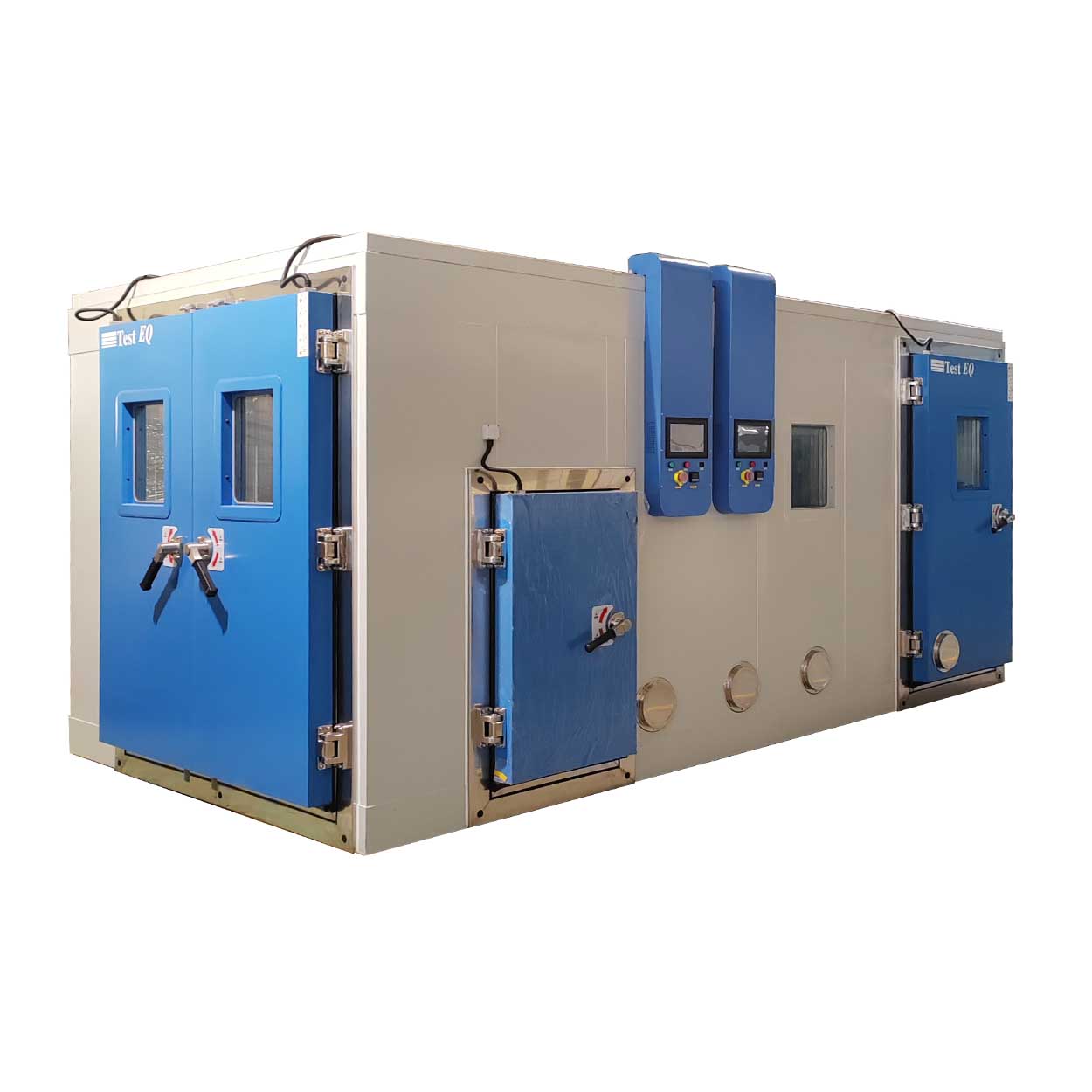
High Pressure Test Chamber for Pressure and Reliability Testing
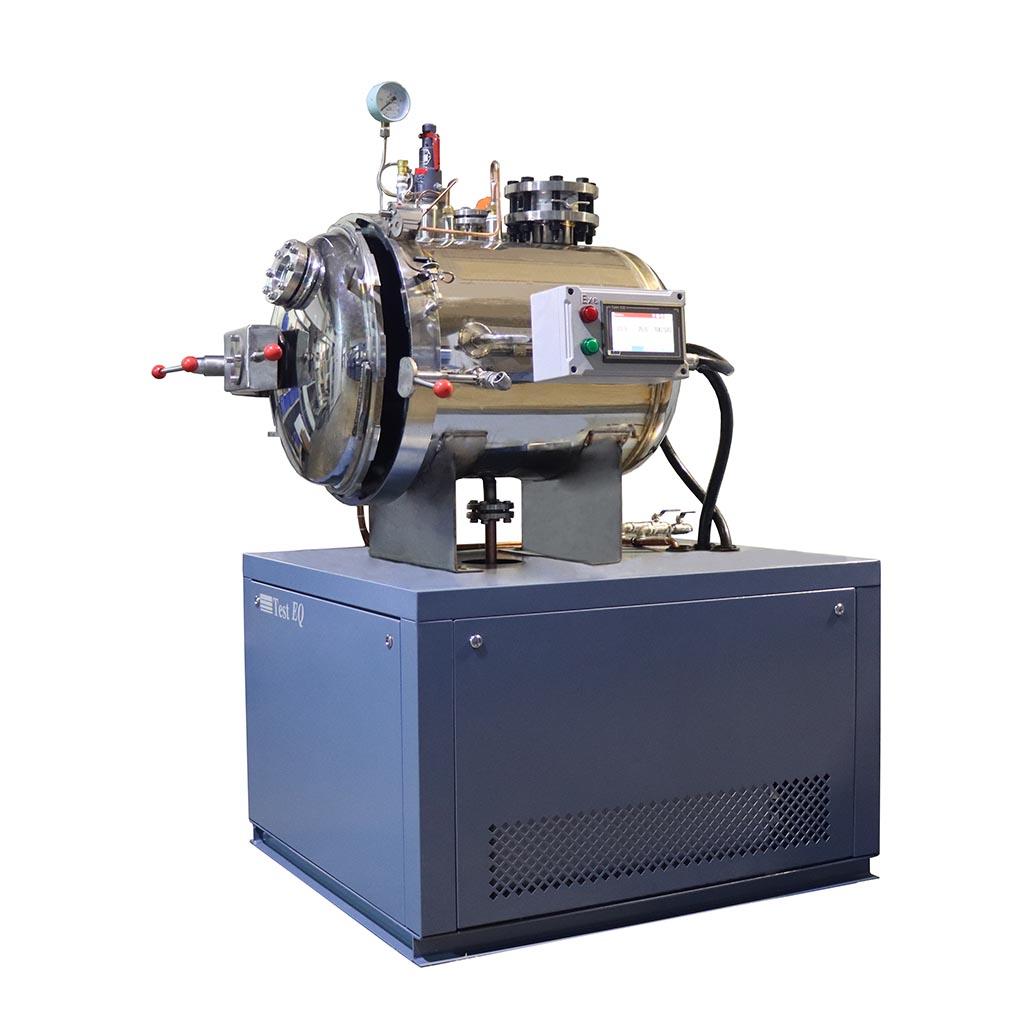
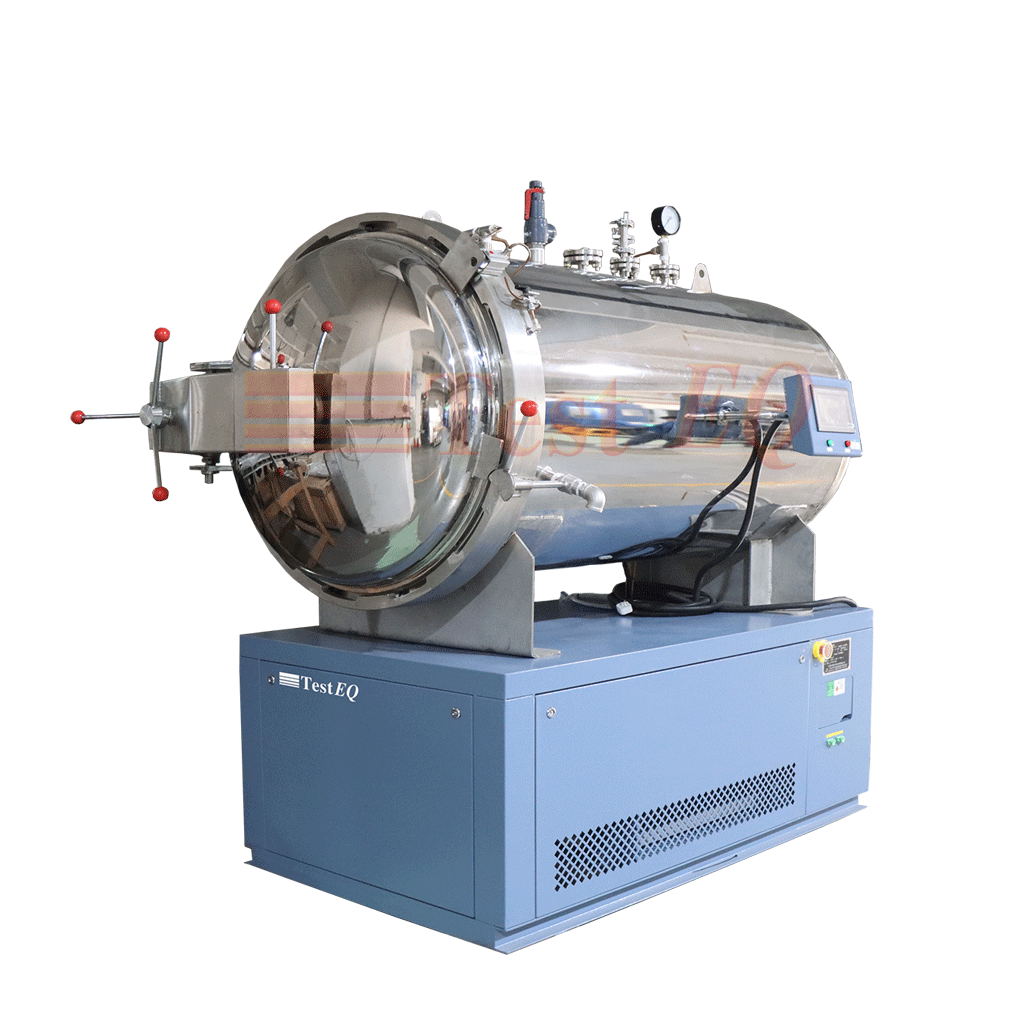
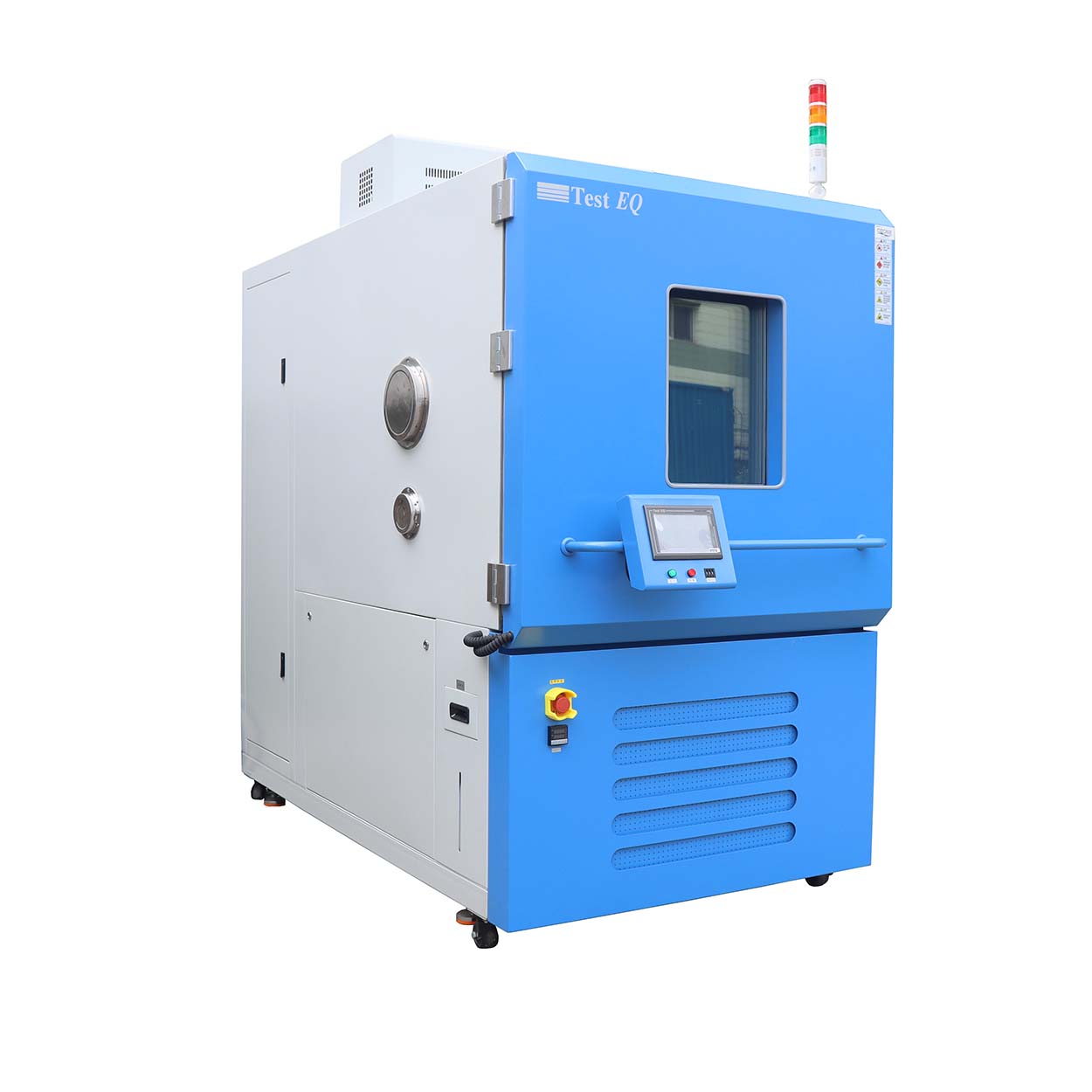
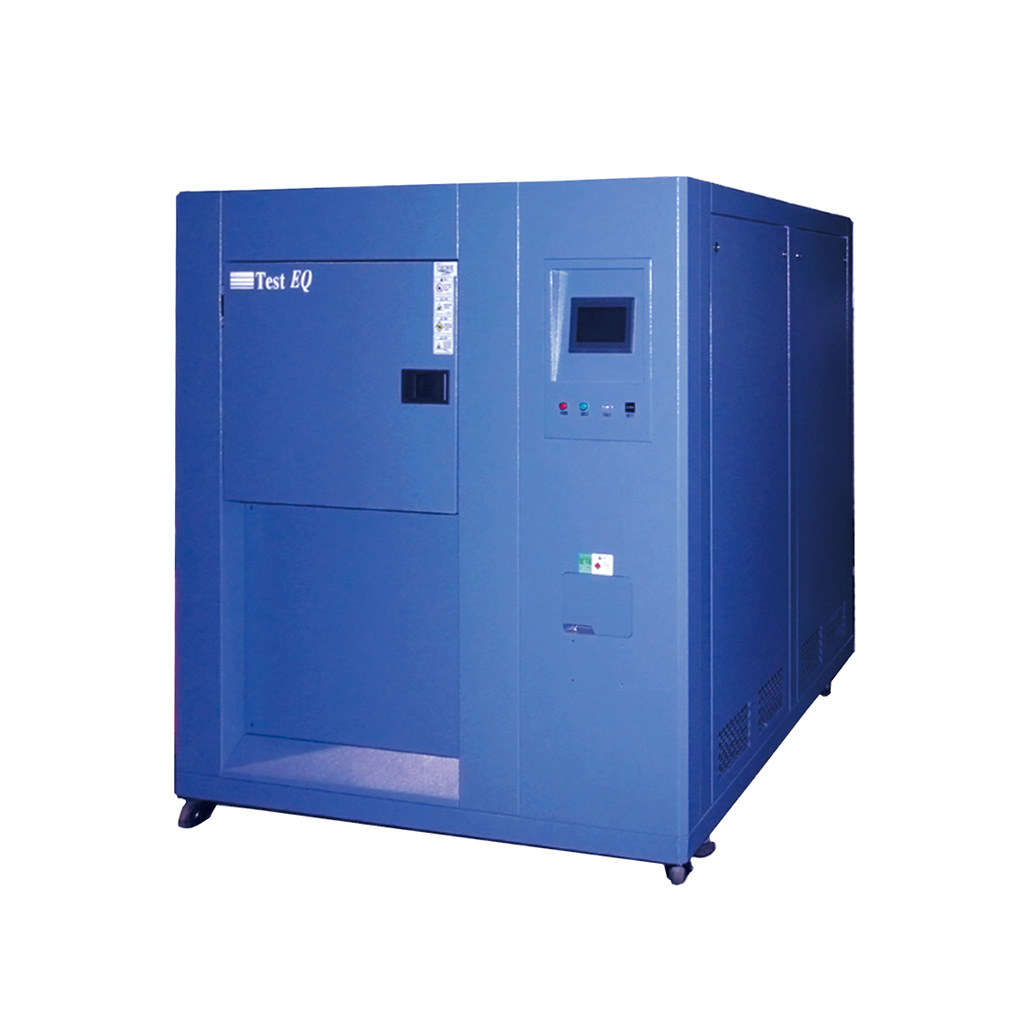
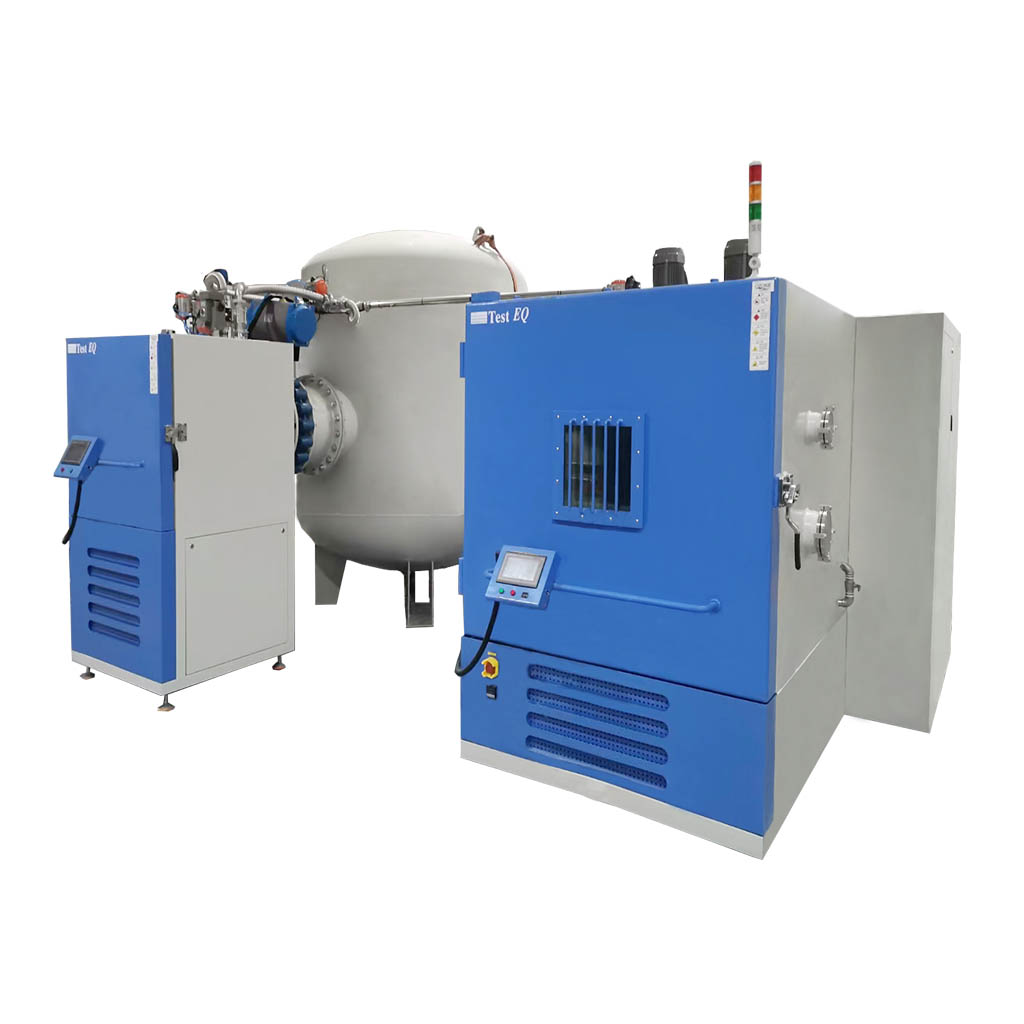
TestEQ High Pressure Test Chamber is a customizable pressure testing system designed to simulate controlled high-pressure environments for pressure resistance, leakage, sealing, structural integrity and product reliability testing.
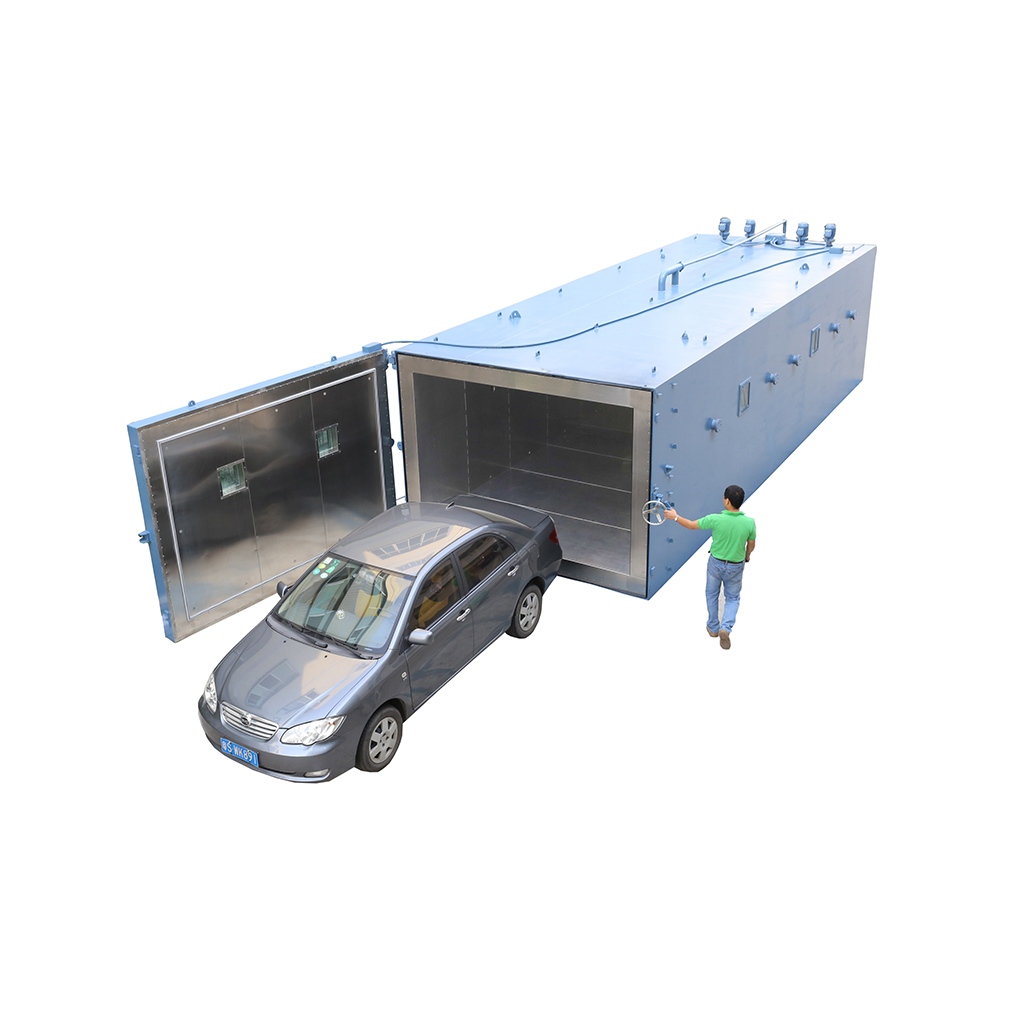
The system can be configured for gas or liquid pressure testing, with working pressure up to 50 MPa and chamber capacities from 500 to 50,000 L. Custom pressure ranges, chamber dimensions, materials, sealing systems and environmental controls are available for aerospace, automotive, EV battery, electronics, energy and industrial applications.
What is a High Pressure Test Chamber?
A High Pressure Test Chamber is a controlled pressure testing system used to evaluate how products, components and materials perform under elevated pressure conditions.
Unlike a conventional temperature or humidity chamber, a high pressure test chamber focuses on controlled pressure exposure. Depending on the application, the system can reproduce gas or liquid pressure environments and monitor pressure stability throughout the test.
High pressure testing can help engineers evaluate:
• Pressure resistance
• Leakage and sealing performance
• Structural deformation
• Material durability
• Component integrity
• Pressure-induced failure
• Reliability under combined environmental conditions
The appropriate chamber configuration depends on the required pressure level, test medium, specimen size, temperature conditions, test duration and applicable test method.
How Does a High Pressure Test Chamber Work?
A high pressure test chamber creates a controlled pressure environment inside a sealed test vessel.
During a typical test cycle, the system:
1. Loads and secures the test specimen.
2. Seals the chamber or pressure vessel.
3. Establishes the specified test medium and initial conditions.
4. Increases pressure according to the programmed test profile.
5. Maintains the target pressure for the required duration.
6. Continuously monitors pressure and other configured parameters.
7. Reduces pressure through a controlled depressurization sequence.
8. Records test data for engineering evaluation.
Depending on the application, temperature, humidity, pressure, test duration and specimen response can also be monitored.
This controlled approach helps improve test repeatability and provides engineers with traceable test data for reliability and design validation.
Working Principle of High Pressure Test Chamber
A high pressure test chamber operates by creating a controlled pressure environment inside a sealed test vessel.
The system increases or decreases pressure through hydraulic or pneumatic mechanisms while continuously monitoring:
Pressure level
Temperature
Humidity
Test duration
Specimen response
This allows repeatable reliability validation under extreme environmental conditions.
High Pressure Test Chamber Configurations
TestEQ can configure high pressure testing systems according to the test medium and engineering objective.
Gas Pressure Testing
Gas-pressure configurations are designed for applications where components must be evaluated under controlled gaseous pressure conditions.
Typical applications include:
• Aerospace components
• Pressure-sensitive assemblies
• Sealing systems
• Industrial components
• Specialized research testing
Hydrostatic and Liquid Pressure Testing
Liquid-pressure configurations use a liquid medium for applications requiring pressure resistance, leakage or structural validation.
Typical applications include:
• Pressure-resistant components
• Sealing systems
• Valves and fluid components
• Automotive components
• Industrial equipment
Combined Pressure Environmental Testing
For more demanding reliability programs, pressure can be combined with controlled temperature or humidity conditions.
This configuration is suitable when engineers need to evaluate product performance under multiple environmental stresses rather than pressure alone.
What Can a High Pressure Test Chamber Test?
A high pressure testing system can be configured for different reliability and validation requirements.
Pressure Resistance Testing
Determines whether a component can withstand a specified pressure level without unacceptable deformation or failure.
Leakage and Sealing Testing
Evaluates seals, joints, enclosures and fluid-containing components under controlled pressure conditions.
Structural Integrity Testing
Helps identify deformation, cracking or other pressure-related failure mechanisms.
Reliability Testing
Supports long-duration pressure exposure to evaluate product durability and operational stability.
Combined Environmental Testing
Pressure can be combined with temperature or humidity control when the test requirement calls for multiple environmental stresses.
High Pressure Test Chamber vs. Conventional Environmental Test Chamber
| Engineering Factor | High Pressure Test Chamber | Conventional Environmental Chamber |
|---|
| Primary Stress | Pressure | Temperature / Humidity |
| Pressure Simulation | Core function | Usually not the primary function |
| Temperature Control | Optional | Core function |
| Humidity Control | Optional | Common |
| Leakage Testing | Suitable | Generally not the primary purpose |
| Structural Pressure Testing | Suitable | Generally unsuitable |
| Typical Applications | Pressure, sealing, structural and reliability validation | Climatic and environmental reliability testing |
The two systems serve different test objectives. Engineers should select the chamber according to the actual environmental stress defined by the test method.
How Engineers Select a High Pressure Test Chamber
Selecting a high pressure test chamber requires more than specifying the maximum pressure.
1. Required Pressure
Define the normal test pressure, maximum pressure and required pressure margin.
2. Test Medium
Determine whether the application requires gas, liquid or another specified test medium.
3. Specimen Size
The chamber or pressure vessel must provide sufficient usable test volume while maintaining the required pressure rating.
4. Temperature Requirements
If pressure testing must be performed at elevated or reduced temperatures, temperature control should be incorporated into the system design.
5. Test Duration
Long-duration testing requires appropriate sealing, pressure regulation, monitoring and safety systems.
6. Applicable Standard
Identify the applicable customer specification, industry standard or qualification method before finalizing the chamber configuration.
7. Safety Requirements
High-pressure equipment requires appropriate pressure monitoring, over-pressure protection, emergency shutdown and safety interlocks based on the final system design.
Safety Features for High Pressure Testing
High pressure testing requires a system engineered around the pressure level, medium, chamber geometry and test risk.
Depending on the configuration, TestEQ systems can incorporate:
• Pressure monitoring
• Over-pressure protection
• Emergency shutdown
• Safety interlocks
• Controlled pressurization
• Controlled depressurization
• Real-time system monitoring
• Alarm management
• Data recording
Safety architecture should be finalized according to the actual pressure medium, maximum working pressure and applicable equipment requirements.
Why Choose TestEQ for High Pressure Testing?
1. Custom Pressure Engineering
Pressure range, chamber volume, materials, sealing systems and auxiliary systems can be engineered around the customer's test requirements.
2. Wide Pressure Range
Configurations can support working pressures up to 50 MPa, depending on the final system design.
3. Multiple Test Media
Gas and liquid pressure configurations are available for different engineering applications.
4. Large Custom Test Volume
Chamber capacities from 500 to 50,000 L are available for applications requiring larger test specimens or assemblies.
5. Integrated Environmental Control
Temperature and humidity control can be incorporated when the test requires combined environmental stresses.
6. Engineering Support
TestEQ works with customers to define pressure, specimen dimensions, test conditions, safety requirements and applicable standards before final equipment configuration.
7. Reliability Testing Focus
The system is designed as part of a broader reliability testing workflow rather than as a standalone pressure vessel.
Applicable Testing Standards
The applicable standard depends on the product, test objective, pressure medium and required environmental conditions.
TestEQ can configure pressure testing systems for projects involving relevant international standards and customer-specific test methods, including applications associated with:
• IEC 60068 — environmental testing
• IEC 60529 — degrees of protection provided by enclosures
• ISO 20653 — road vehicle protection against foreign objects and water
• ISO 11439 — high-pressure gas storage cylinders for road vehicles
• Customer-specific pressure, leakage and reliability test specifications
The specific chamber configuration and compliance requirements should be confirmed against the latest applicable edition of the test standard before equipment procurement.
Frequently Asked Questions About High Pressure Test Chambers
1. What Is a High Pressure Test Chamber and What Applications Is It Designed For?
A high pressure test chamber is a controlled pressure testing system designed to evaluate pressure resistance, leakage, sealing performance, structural integrity and product reliability under specified pressure conditions. It can be configured for aerospace, automotive, EV battery, electronics, energy and industrial applications.
2. What Is the Maximum Working Pressure of a High Pressure Test Chamber?
TestEQ high pressure test chamber configurations can support working pressures of up to 50 MPa, depending on the chamber size, pressure medium, vessel structure, sealing system and applicable safety requirements. The required pressure range should be confirmed according to the customer's test method.
3. Can the Same High Pressure Test Chamber Perform Gas and Liquid Pressure Testing?
Yes. TestEQ can provide configurations for gas pressure testing and liquid/hydrostatic pressure testing. The pressure medium, chamber structure, sealing system and control configuration are selected according to the specimen, pressure level and applicable test requirements.
4. What Chamber Size and Test Volume Are Available for High Pressure Testing?
TestEQ high pressure testing systems can be configured with capacities from approximately 500 to 50,000 L, depending on the required working pressure, specimen dimensions, test volume and chamber structure. Custom dimensions are available for large or specialized test specimens.
5. Can High Pressure Testing Be Combined With Temperature and Humidity Control?
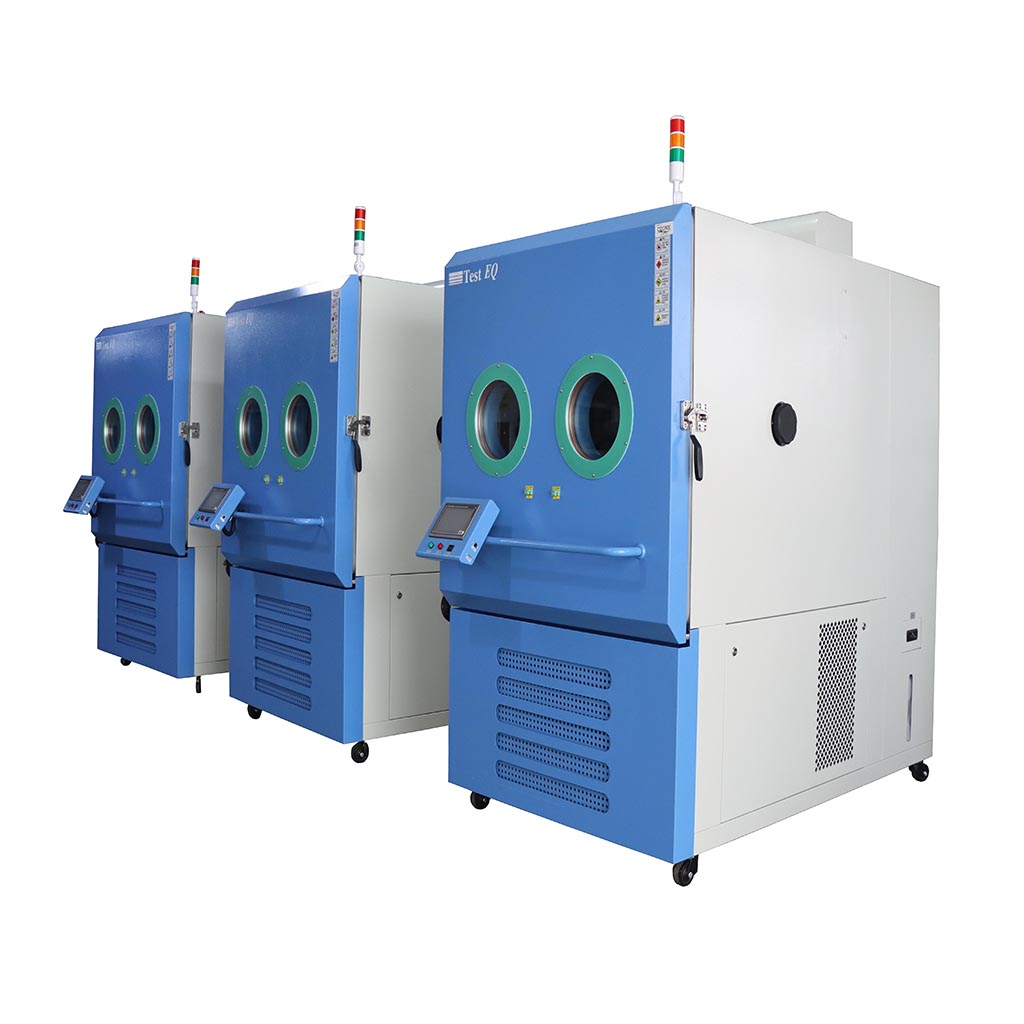
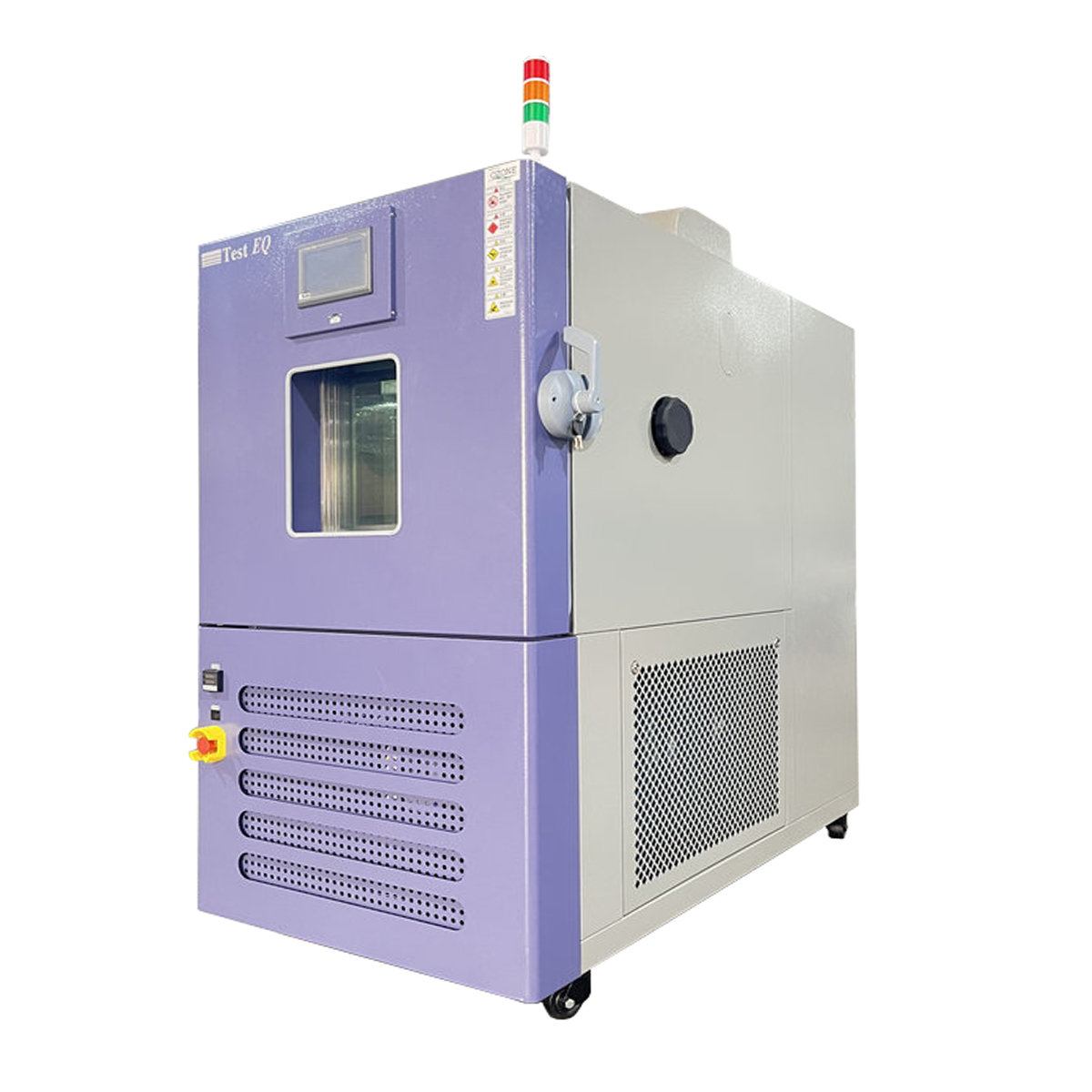
Yes. Selected high pressure testing systems can integrate temperature and humidity control when the qualification program requires combined environmental stresses. The final configuration depends on the required pressure, temperature range, humidity range and test duration.
6. What Is the Difference Between a High Pressure Test Chamber and a HAST Chamber?
A high pressure test chamber primarily evaluates products under controlled pressure conditions, such as pressure resistance, leakage, sealing and structural integrity. A HAST chamber combines elevated temperature, humidity and pressure to accelerate reliability testing, particularly for electronic and semiconductor components. They are designed for different testing objectives.
7. Which Standards and Test Methods Can a High Pressure Test Chamber Support?
The applicable standard depends on the product, test objective, pressure medium and required environmental conditions. Depending on the application, TestEQ can configure systems for test programs associated with IEC 60068, IEC 60529, ISO 20653, ISO 11439 and customer-specific pressure, leakage or reliability test specifications.
8. What Information Should Engineers Provide When Requesting a High Pressure Test Chamber Quote?
For accurate equipment selection and quotation, engineers should provide the required pressure range, pressure medium, specimen dimensions and weight, test volume, temperature and humidity requirements, test duration, applicable standard, safety requirements and data-recording needs. TestEQ can then recommend the appropriate chamber structure and customized testing configuration.
Internal Linking Module
Recommended Equipment
Accelerated temperature, humidity and pressure testing for semiconductor and electronic component reliability qualification.
Combined temperature and low-pressure simulation for aerospace, automotive and environmental reliability testing.
Controlled temperature and humidity testing for accelerated aging, moisture resistance and long-duration reliability evaluation.
Related Standards
International environmental testing methods covering temperature, humidity, mechanical and related environmental stresses.
ISO 20653 Road Vehicle Protection
Testing methods for protection of road vehicle electrical equipment against foreign objects and water.
ISO 11439 High-Pressure Gas Storage
Requirements relevant to high-pressure gas storage cylinders used in road vehicles.
Recommended Resources
Understand pressure testing principles, test parameters, safety considerations and chamber selection factors.
Learn how temperature, humidity and pressure accelerate reliability testing for electronic components.
Compare pressure, temperature, humidity, altitude and other environmental simulation methods.