Overview:
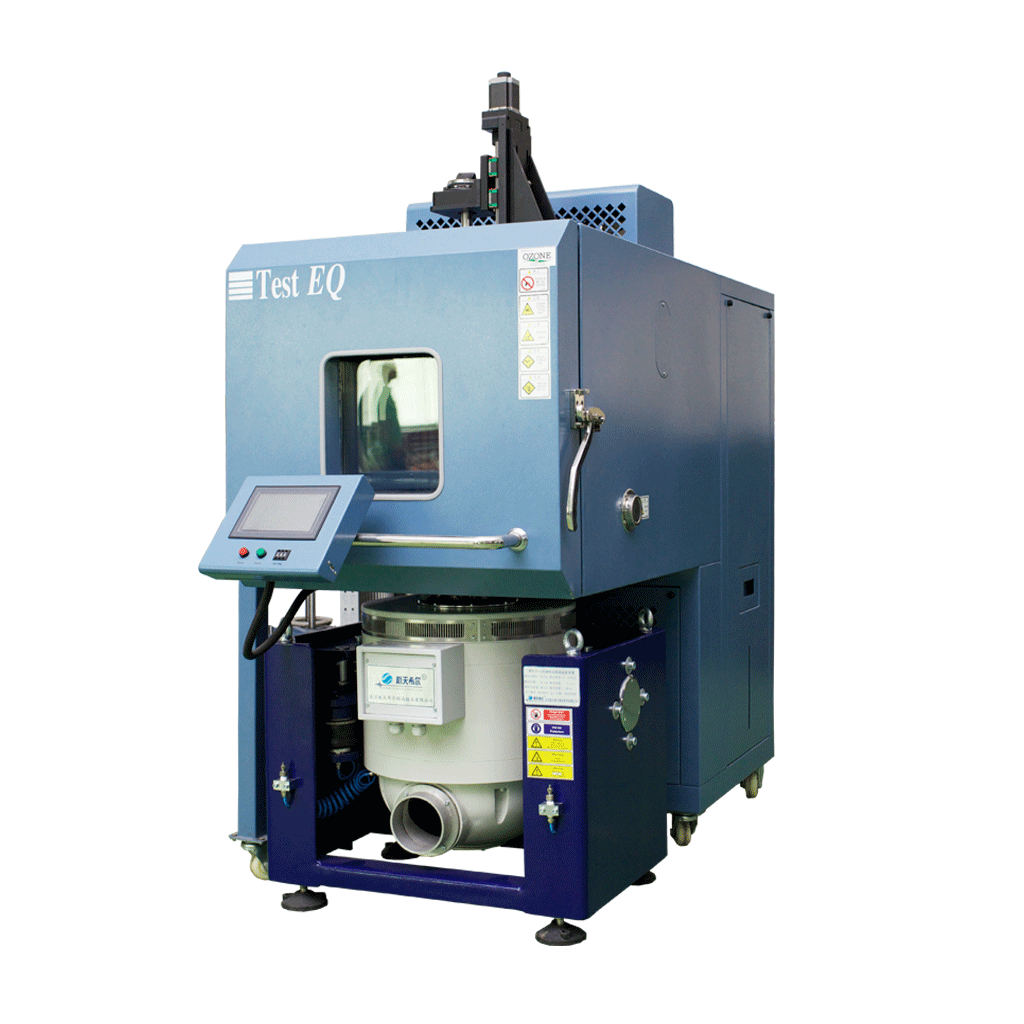
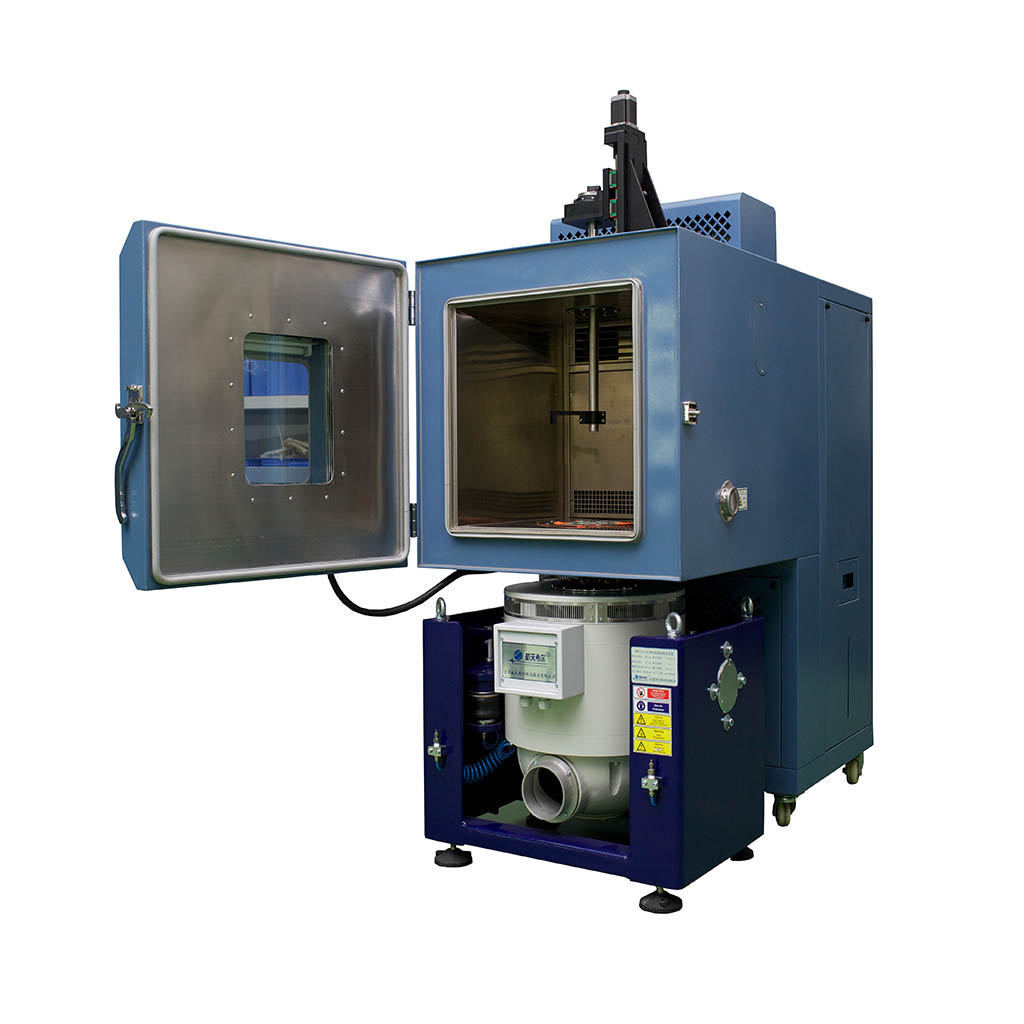
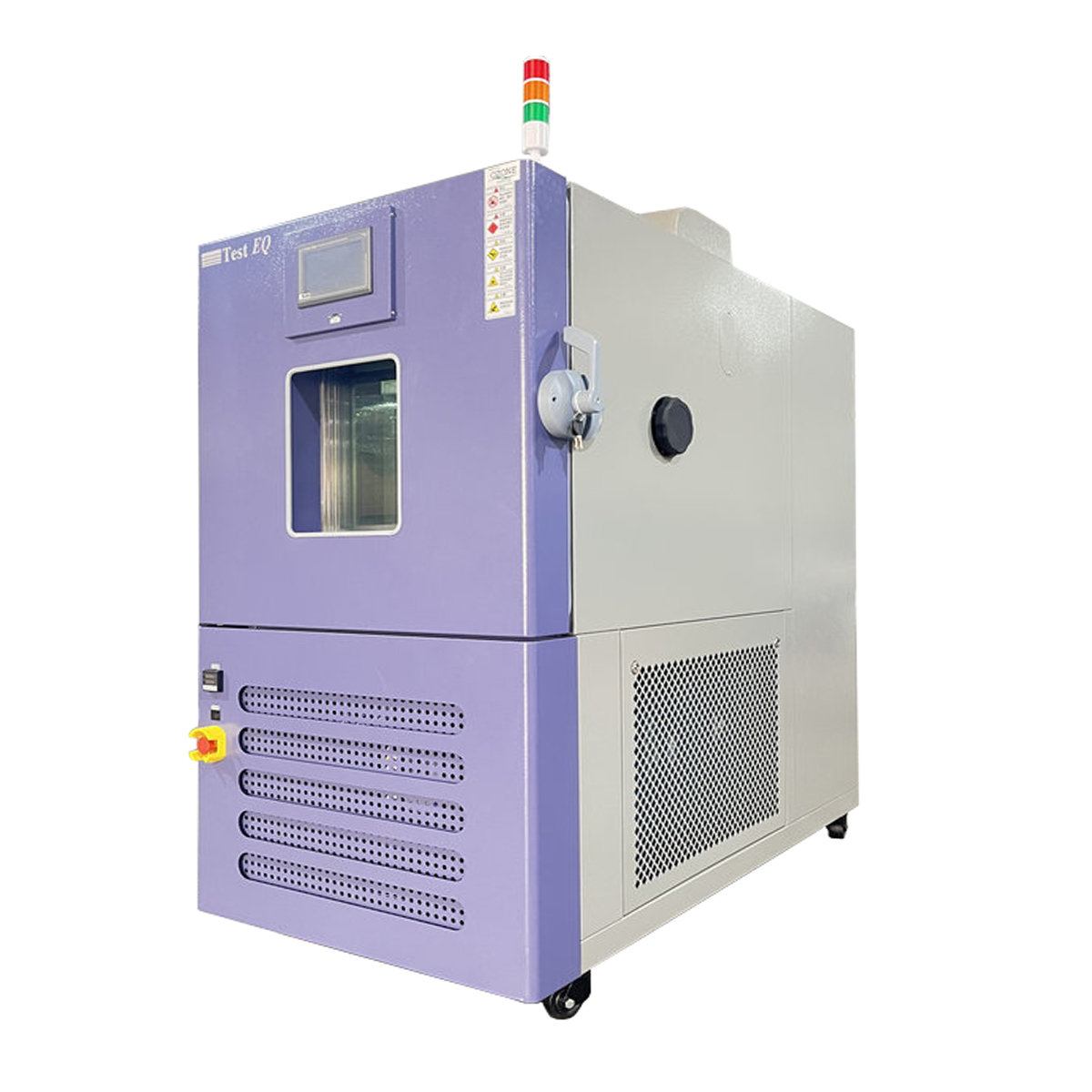
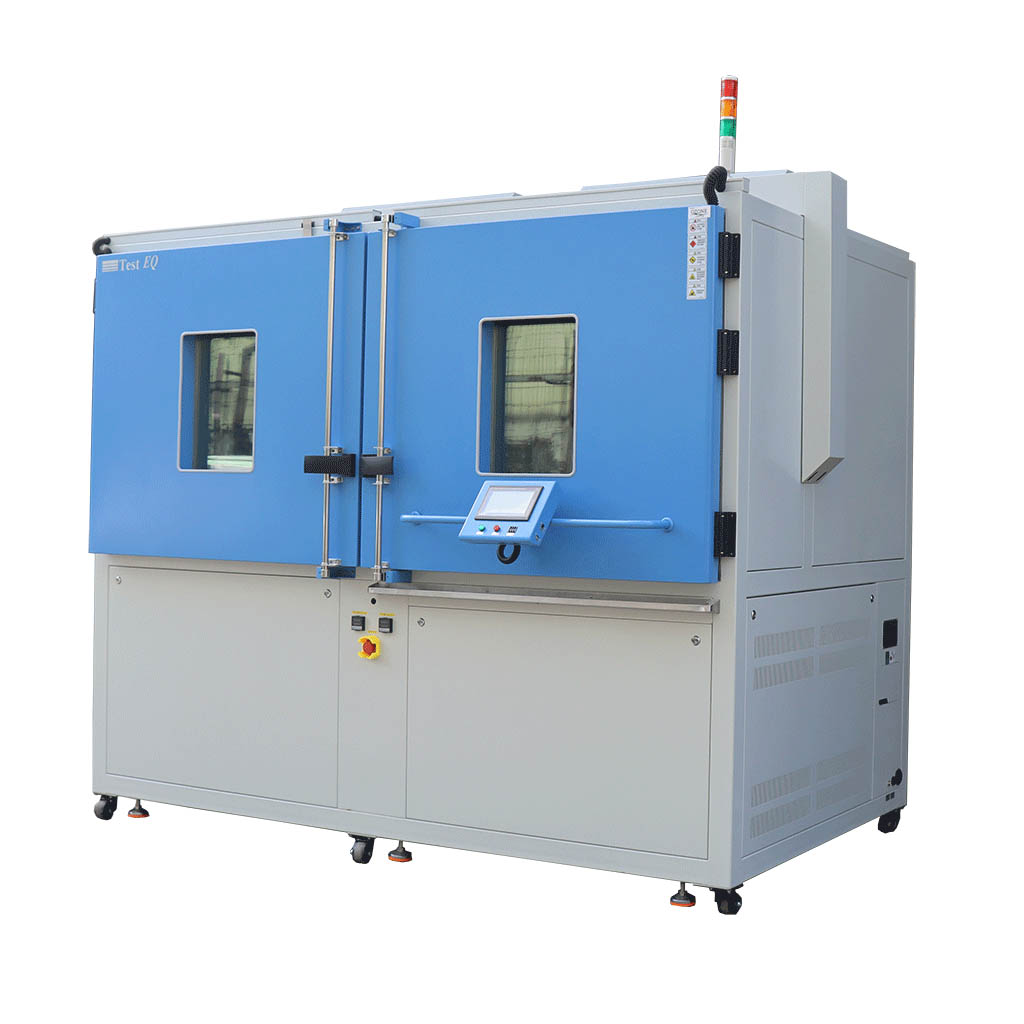
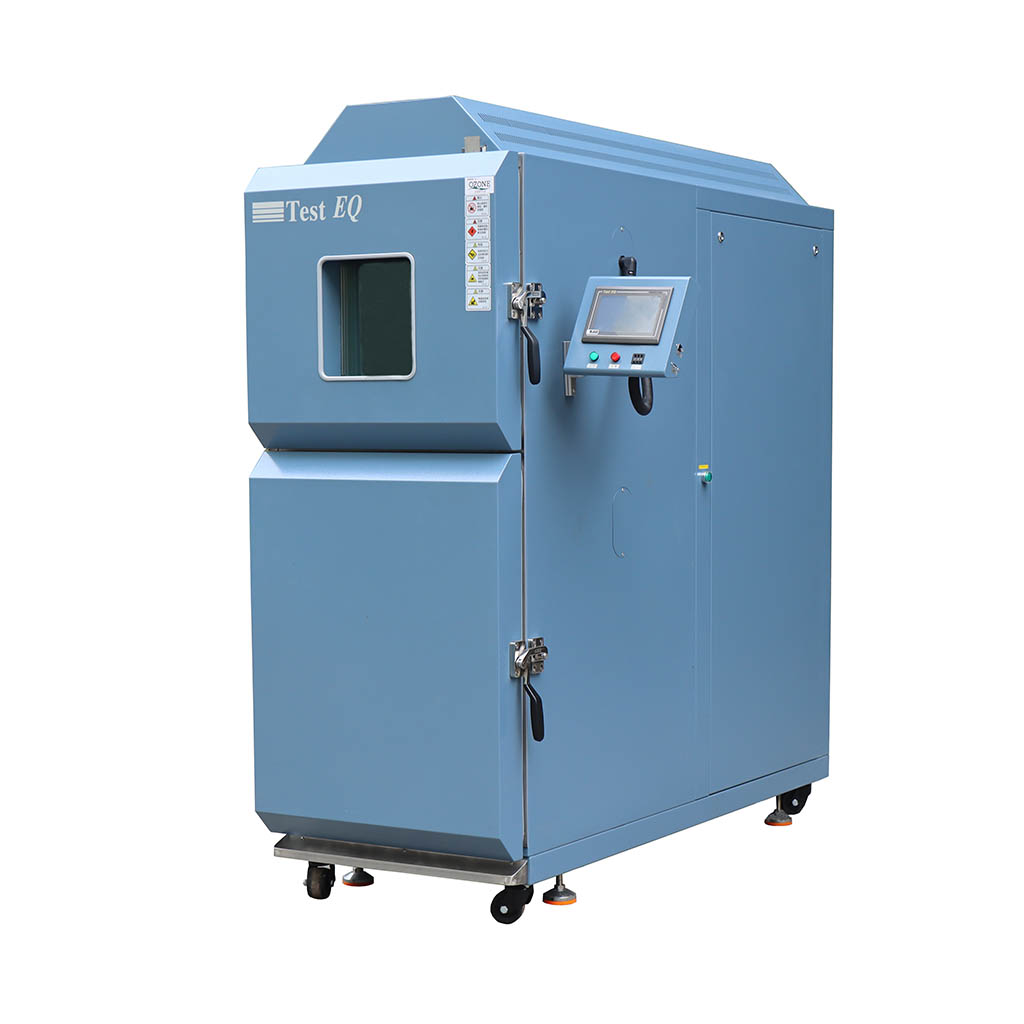
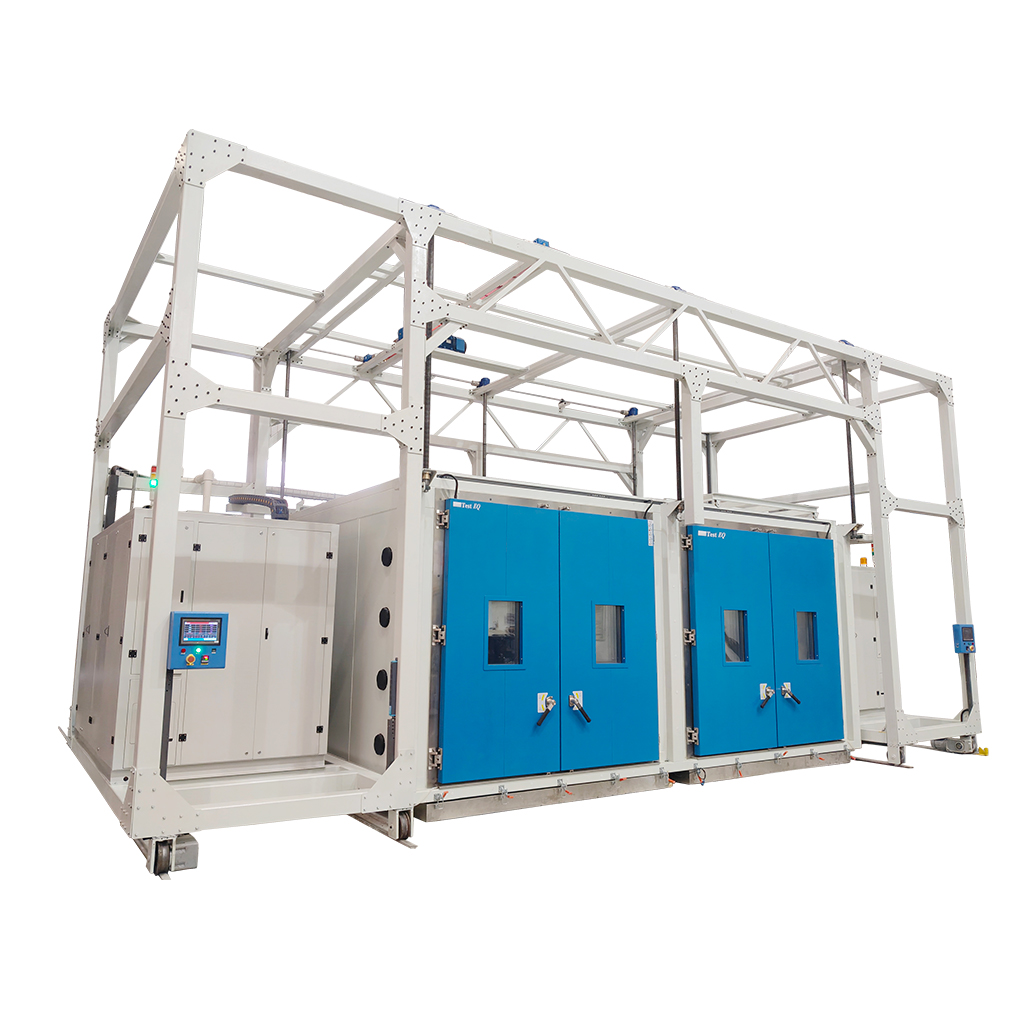
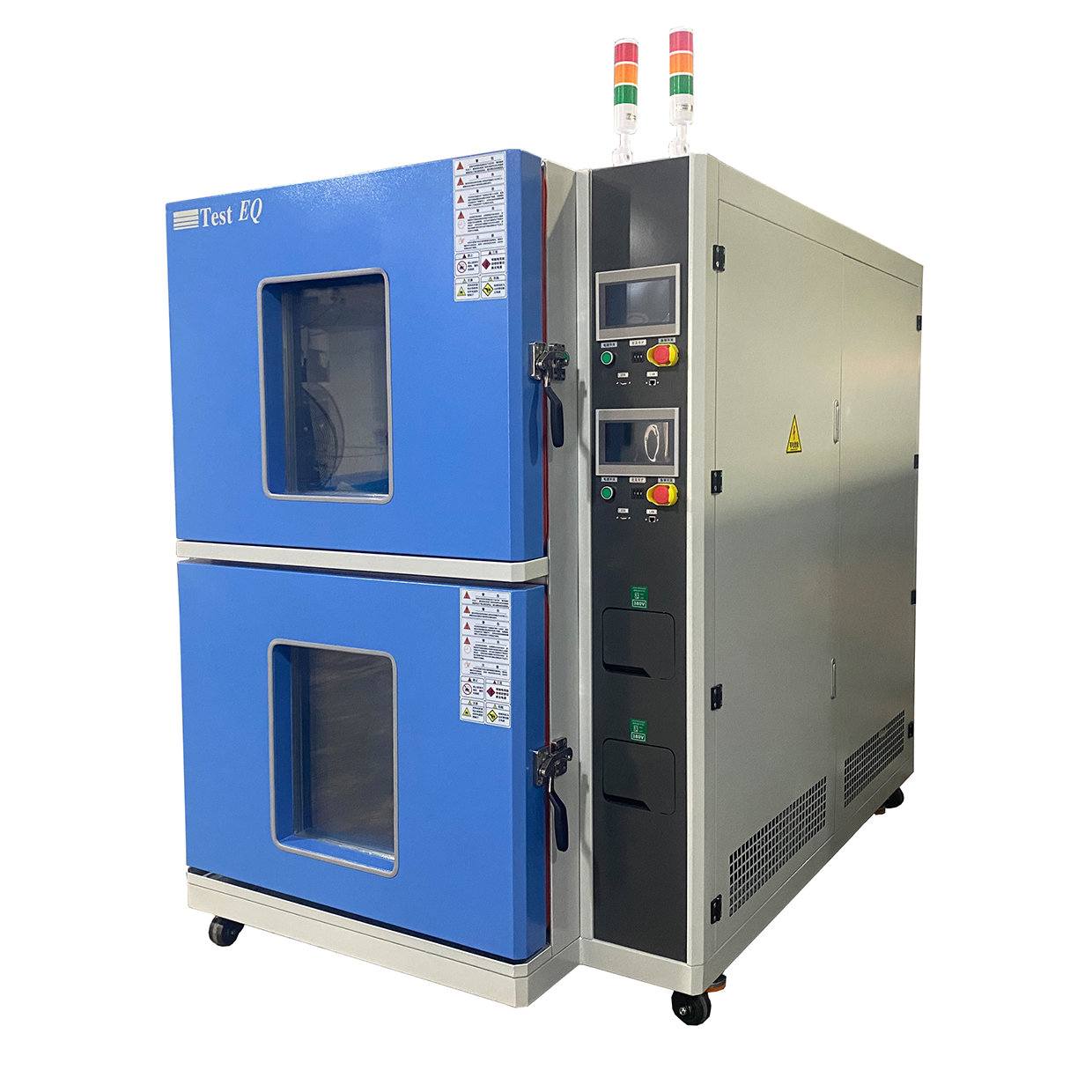
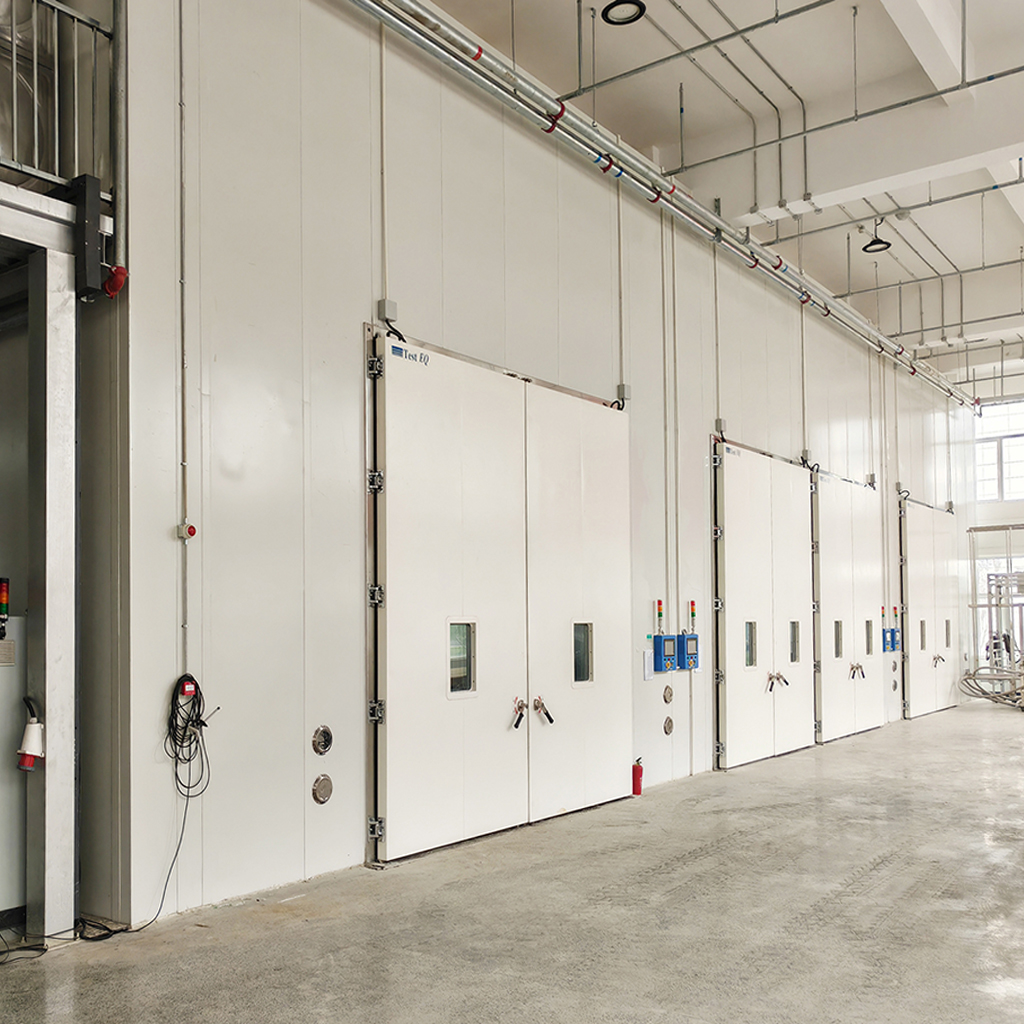
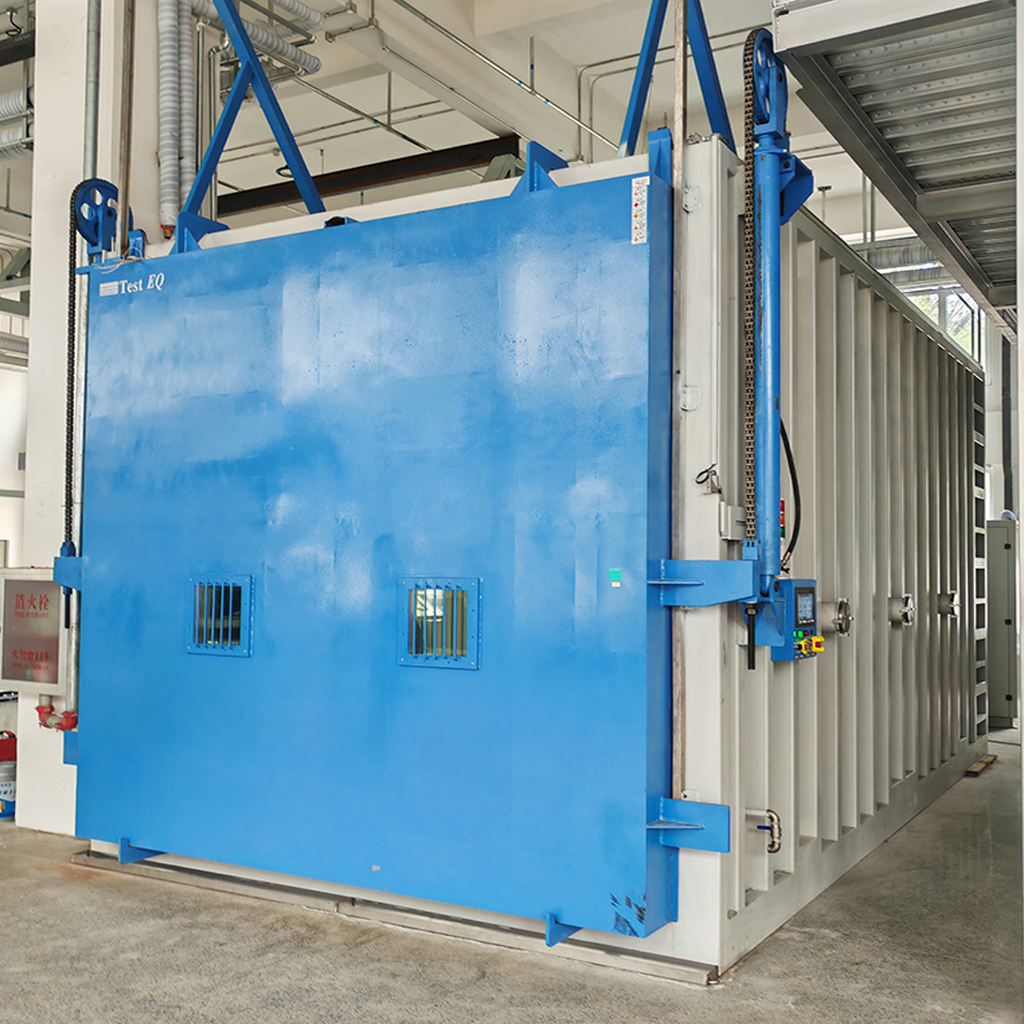
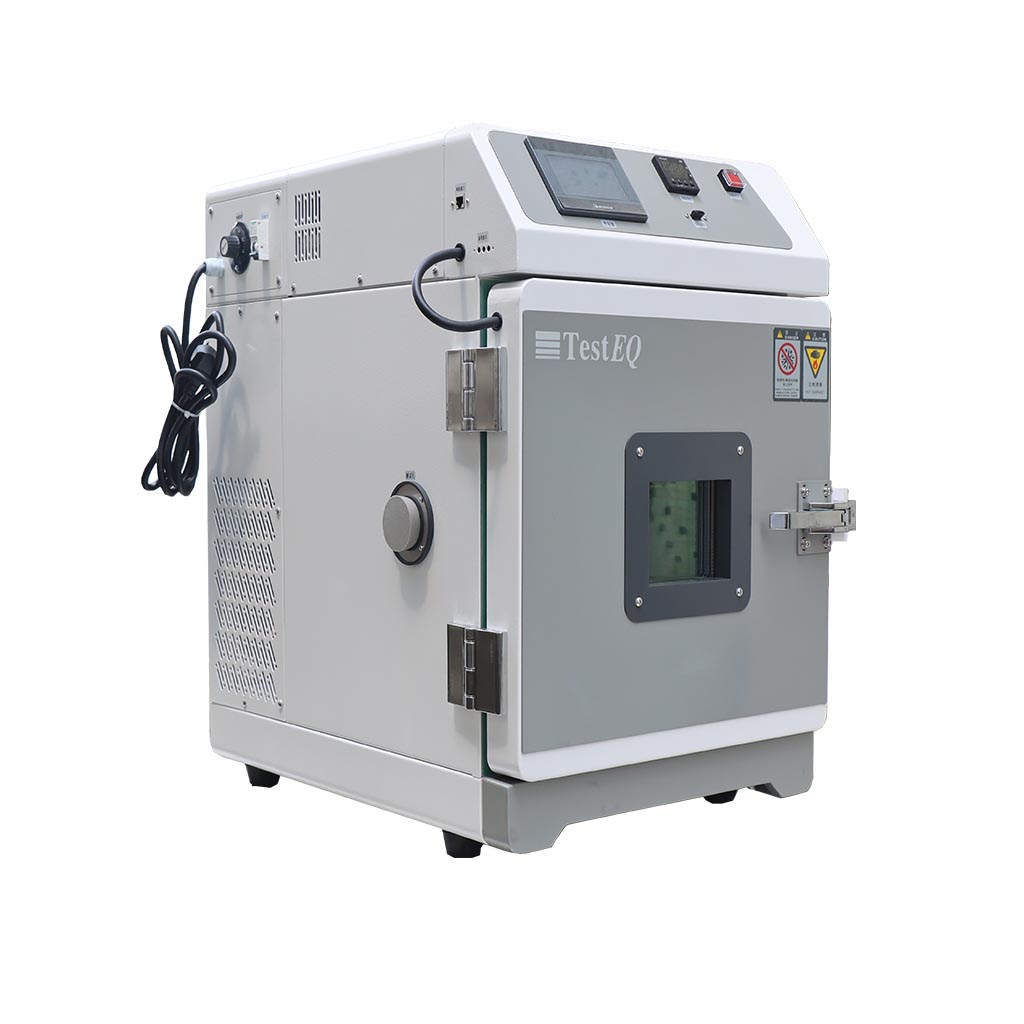
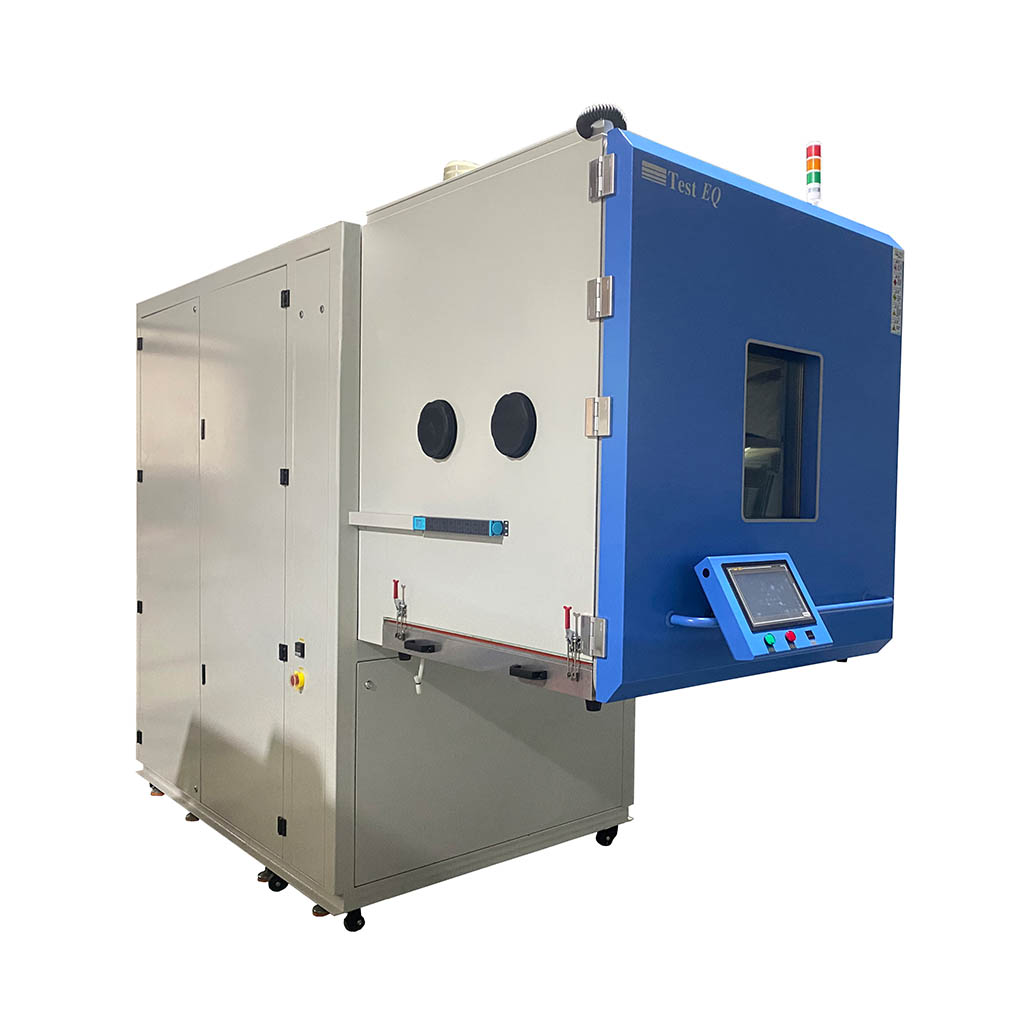
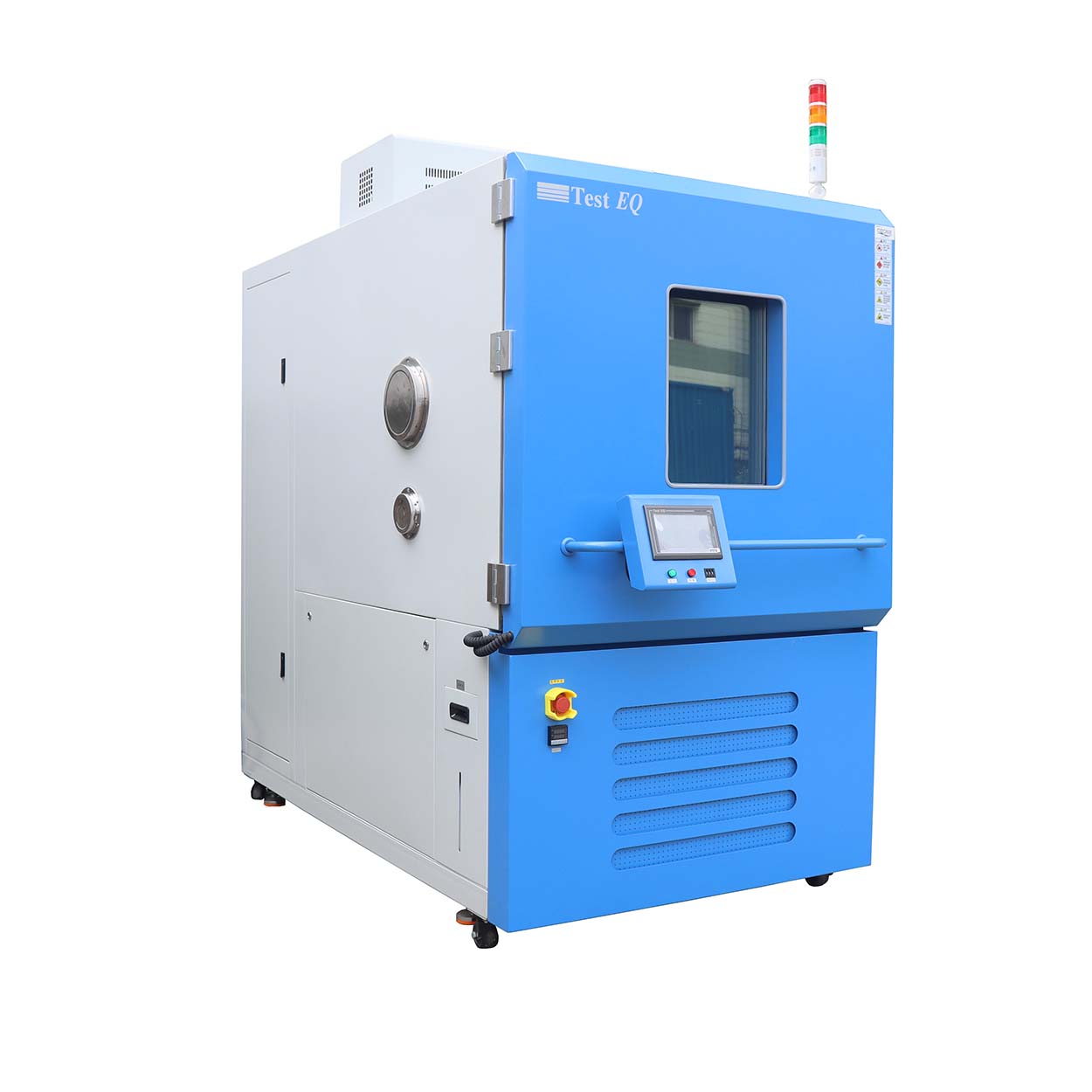
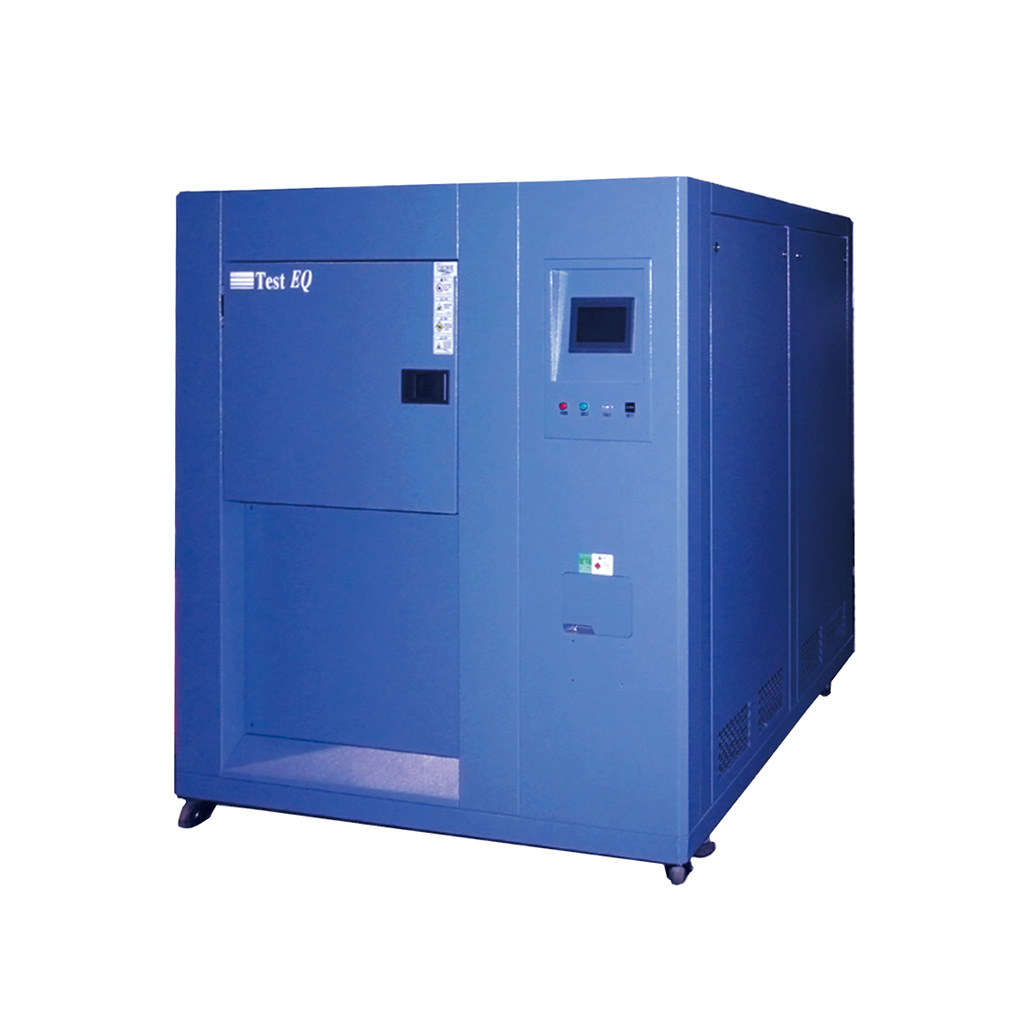
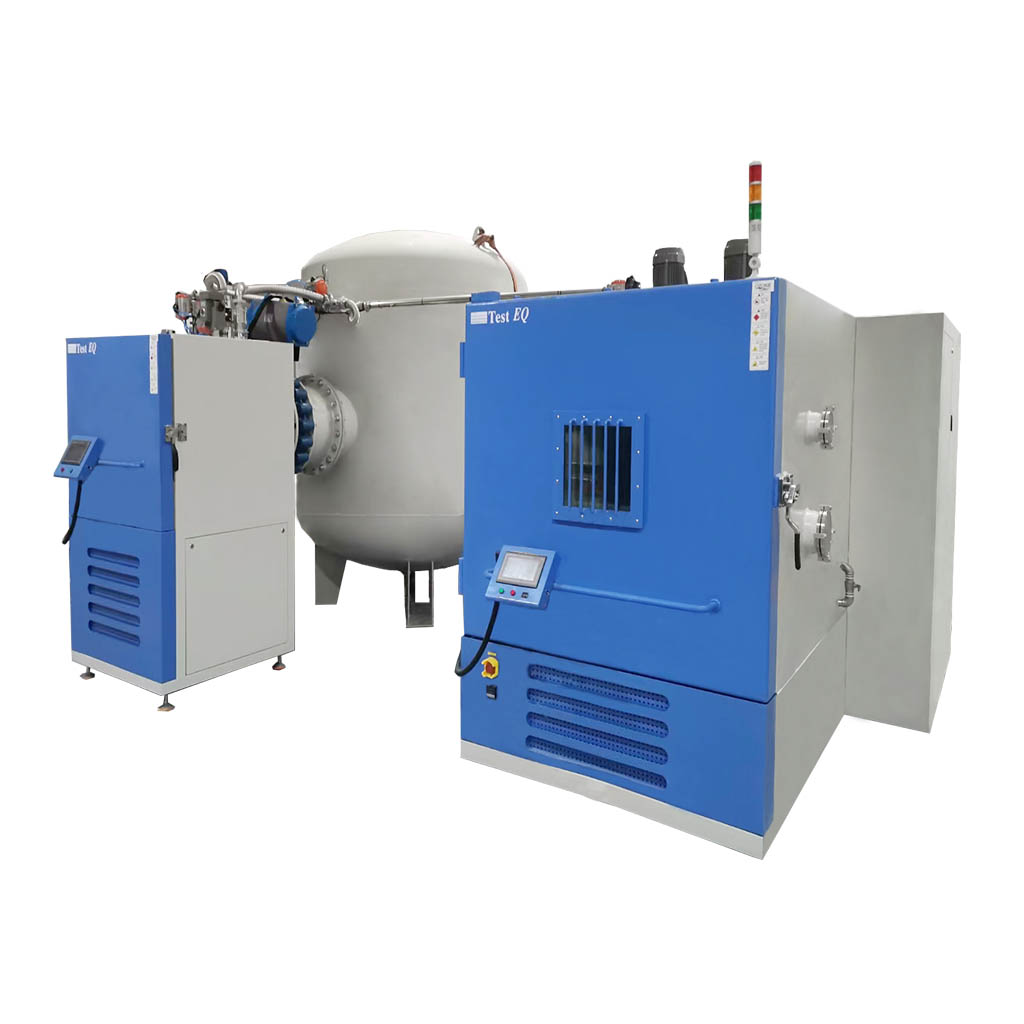
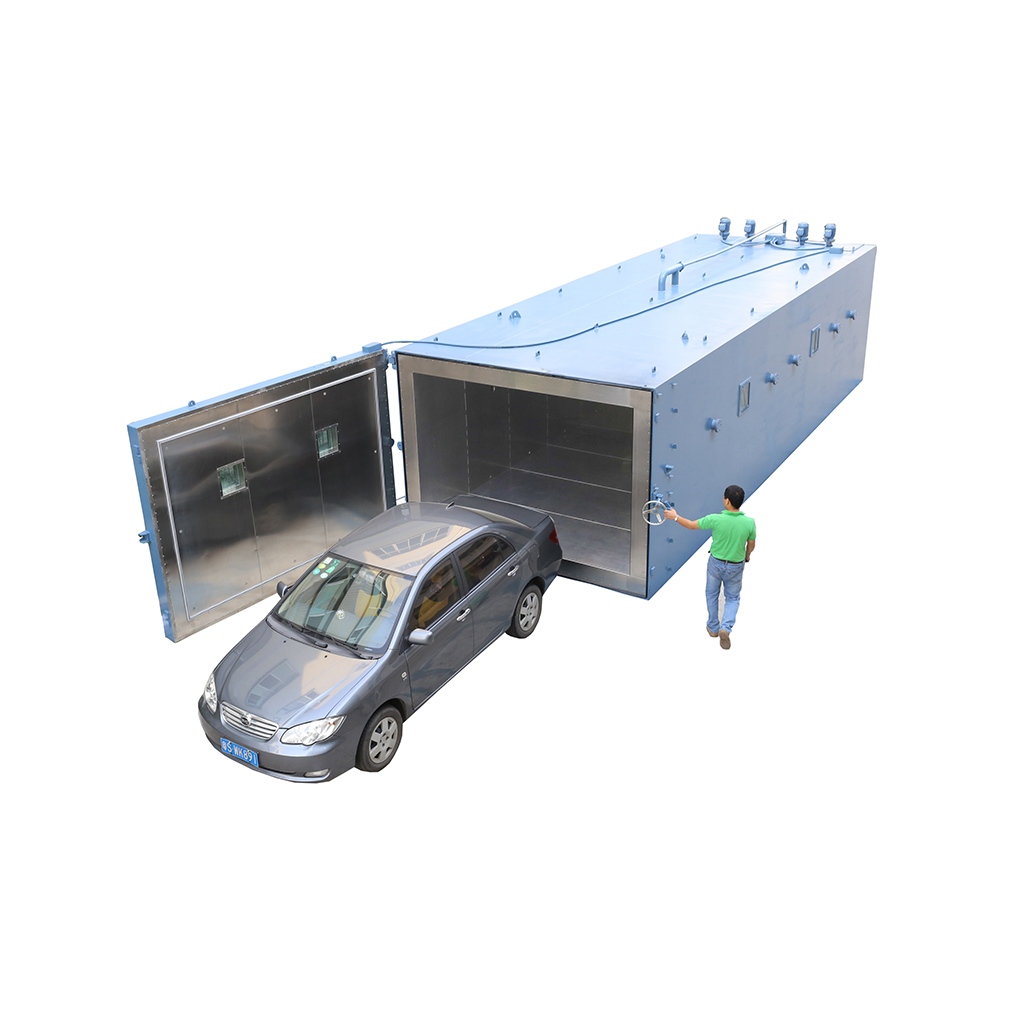
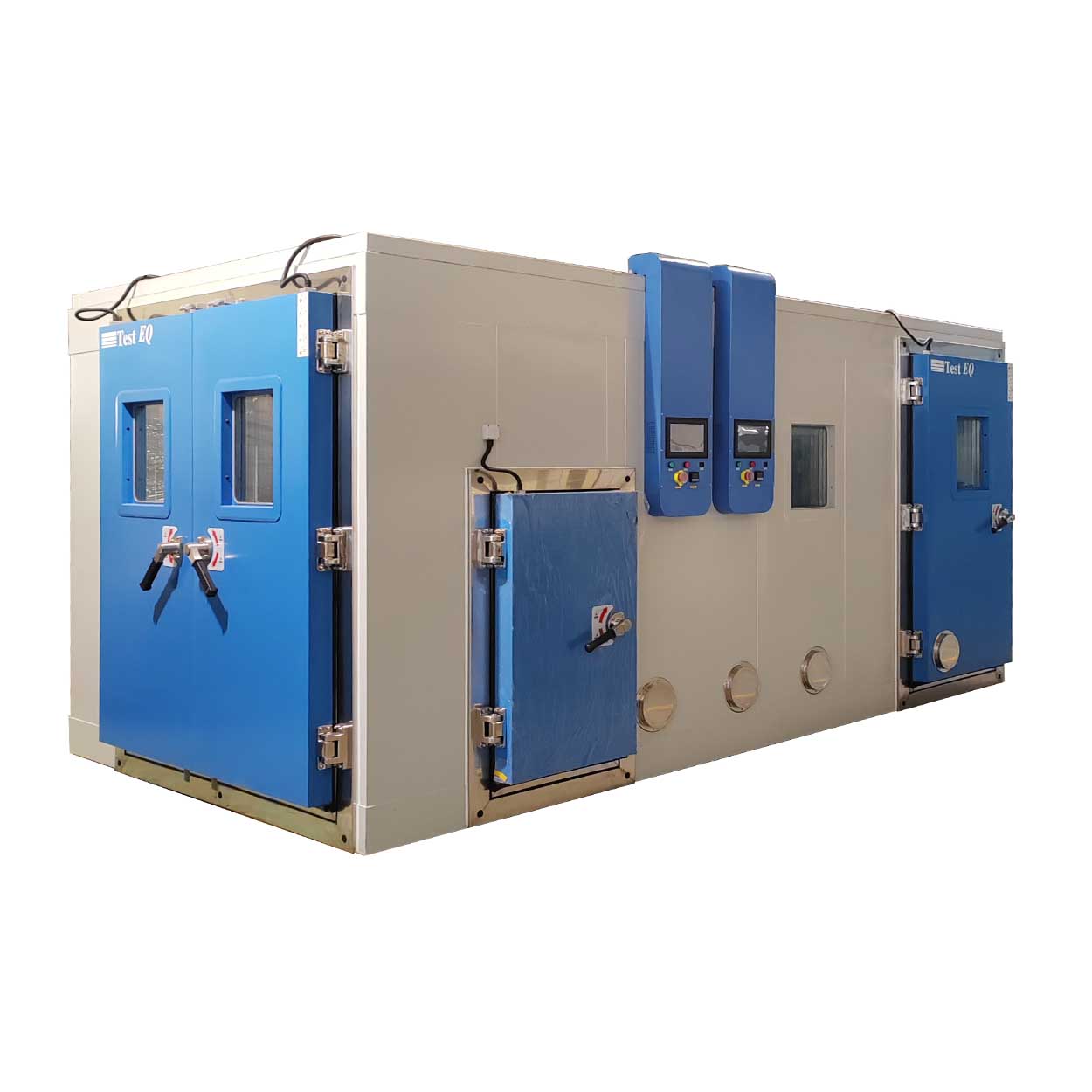
The Vibration Test Chamber is an advanced environmental simulation system designed to evaluate product durability under combined mechanical and climatic stresses.
Unlike conventional vibration testing equipment, this integrated system allows engineers to perform vibration testing together with controlled temperature and humidity conditions, creating realistic environments that simulate transportation, operation, and field-use scenarios.
Commonly configured as an AGREE Environmental Test Chamber, it helps manufacturers identify potential failures, improve product reliability, and verify compliance with international environmental testing standards.
Typical applications include aerospace components, automotive electronics, EV systems, defense equipment, semiconductor devices, and other high-reliability products.
What Is an AGREE Environmental Test Chamber?
An AGREE Environmental Test Chamber is a specialized reliability testing platform that combines vibration, temperature, and humidity control within a single test environment.
The concept was originally developed for aerospace and military qualification programs where products must withstand multiple environmental stresses simultaneously rather than isolated single-factor tests.
Compared with traditional vibration test systems, an AGREE chamber enables engineers to evaluate how products respond to combined conditions, including:
• Temperature cycling
• Humidity exposure
• Mechanical vibration
• Environmental stress interaction
By reproducing complex operating conditions, AGREE environmental test chambers are widely used for aerospace electronics, military systems, automotive components, EV battery assemblies, semiconductor packages, and transportation equipment.
Designed for Combined Environmental Testing:
Unlike standalone vibration systems, the AGREE vibration chamber enables simultaneous environmental and dynamic stress testing, allowing users to replicate complex service conditions including:
• In-flight vibration under temperature extremes
• Vehicle-mounted electronics stress testing
• High-altitude transportation simulation
• Climatic vibration endurance verification
This results in more accurate product qualification and shorter development cycles.
Vibration Test Chamber vs AGREE Environmental Test Chamber: Which Testing Solution Do You Need?
| Comparison Item | Vibration Test Chamber | AGREE Environmental Test Chamber |
|---|
| Primary Purpose | Mechanical vibration reliability testing | Combined environmental and vibration reliability testing |
| Main Testing Stress | Vibration | Temperature + Humidity + Vibration |
| Environmental Control | Optional or limited | Integrated temperature and humidity control |
| Typical Standards | IEC 60068-2-6, IEC 60068-2-64 | MIL-STD-810H, IEC 60068, RTCA DO-160 |
| Test Condition | Mechanical vibration simulation | Real-world climatic + mechanical stress simulation |
| Temperature Testing | Usually requires separate chamber | Built-in temperature control |
| Humidity Testing | Usually requires additional equipment | Integrated humidity simulation |
| Aerospace Application | Component vibration qualification | Aircraft electronics and defense environmental qualification |
| Automotive Application | Vehicle component vibration testing | EV electronics and automotive reliability validation |
| Semiconductor Application | Package and board vibration testing | Combined stress reliability evaluation |
| System Configuration | Chamber + vibration shaker | AGREE chamber + electrodynamic shaker |
| Test Complexity | Standard vibration validation | Advanced multi-stress reliability testing |
Temperature Vibration Chamber vs Vibration Test Chamber
| Comparison | Temperature Vibration Chamber | Vibration Test Chamber |
|---|
| Testing Capability | Temperature + vibration | Vibration only |
| Environmental Simulation | High | Medium |
| Reliability Evaluation | Multi-stress testing | Mechanical stress testing |
| Suitable Industries | Aerospace, EV, automotive electronics | Electronics, components, transportation |
| Test Accuracy | Evaluates performance under temperature extremes | Evaluates vibration resistance |
| Cost Level | Higher investment | Lower investment |
| Recommended For | Mission-critical products | Basic vibration validation |
Vibration Testing According to MIL-STD-810H Method 514
MIL-STD-810H Method 514 defines vibration testing requirements for military equipment and aerospace systems exposed to transportation and operational vibration environments.
A vibration test chamber combined with an electrodynamic shaker enables engineers to evaluate:
• Structural durability
• Mechanical fatigue resistance
• Electronic connection reliability
• Component failure risks
Typical applications include:
- Avionics systems
- Defense electronics
- Vehicle-mounted equipment
- Aerospace components
- Communication devices
How to Choose the Right Vibration Test Chamber?
| Requirement | Recommended Solution |
|---|
| Vibration only | Vibration Test System |
| Temperature + vibration | Temperature Vibration Chamber |
| Temperature humidity vibration | AGREE Chamber |
| Aerospace qualification | MIL-STD-810 vibration chamber |
| Automotive electronics | ISO 16750 vibration testing |
Why Choose TestEQ AGREE Vibration Test Chamber:
• Extensive experience in custom environmental simulation systems
• Proven integration capability with global shaker brands
• Advanced airflow design for stable chamber uniformity during vibration
• Reinforced chamber structure for dynamic load resistance
• Custom-engineered solutions for aerospace and defense programs
Optional Configurations:
• Dual-axis vibration integration
• Slip table compatibility
• Liquid nitrogen rapid cooling
• Extended low temperature to -196°C
• Remote monitoring and data logging
• Customized AGREE chamber dimensions
Testing Standards:
IEC 60068-2-6 Sinusoidal Vibration
IEC 60068-2-64 Random
MIL-STD-810H Method 514
RTCA DO-160 Section 8
ISO 16750-3 Automotive Vibration
SAE J1211 Vehicle Electronics Testing
FAQ:
1.What is a vibration test chamber?
A vibration test chamber is a reliability testing system used to simulate mechanical vibration conditions, often combined with temperature and humidity environments.
2.What is an AGREE environmental test chamber?
An AGREE chamber is a combined environmental test chamber integrated with a vibration shaker for simultaneous climate and vibration testing.
3.What is the difference between vibration chamber and shaker system?
A shaker provides mechanical vibration only, while a vibration test chamber integrates environmental control around the shaker for combined testing.
4.Which industries use AGREE chambers?
Industries include aerospace, defense, automotive, electronics, and battery manufacturing.
5.Can the chamber integrate with existing shaker systems?
Yes. TestEQ provides custom adapter interfaces compatible with most international shaker brands.
Note: Technical specifications subject to iterative upgrades. Consult TESTEQ's latest documentation for current configurations.
6. What standards are used for vibration testing in environmental chambers?
Vibration testing in environmental chambers is commonly performed according to international reliability standards, including MIL-STD-810H Method 514, IEC 60068-2-6 (Sinusoidal Vibration), and IEC 60068-2-64 (Random Vibration). These standards define vibration profiles, test conditions, and evaluation methods for aerospace, automotive, electronics, and industrial products.
7. What products can be tested in a vibration test chamber?
A vibration test chamber can be used to evaluate a wide range of products, including automotive electronic components, EV battery systems, aerospace equipment, communication devices, semiconductor modules, and military electronics. The combined temperature, humidity, and vibration environment helps identify structural weaknesses, connection failures, and reliability risks before field deployment.
8. How do I choose the right vibration test chamber for my application?
Selecting the right vibration test chamber depends on the test requirements, product size, vibration level, temperature range, humidity conditions, and applicable industry standards. Engineers should consider whether they need vibration-only testing or combined environmental simulation with temperature and humidity control. TestEQ provides customized vibration testing solutions based on application requirements and reliability qualification standards.
Internal Linking Module
Recommended Equipment
Explore advanced temperature and vibration testing solutions designed for aerospace, automotive, semiconductor, and electronics reliability validation under combined environmental stress conditions.
Integrate temperature cycling, humidity control, and vibration testing in a single system to simulate real-world operating environments and accelerate reliability verification.
Related Testing Standards
Compare IEC 60068, MIL-STD-810 and ISO environmental testing standards for three-combination test chambers, including temperature, humidity and vibration reliability requirements.
Discover MIL-STD-810H environmental testing methods, including vibration, shock, temperature, humidity, altitude, and combined environmental simulations for military and industrial product qualification.
Technical Resources
Discover how combined temperature, humidity, and vibration testing improves UAV structural durability and flight reliability validation.
Learn how THV chambers combine temperature, humidity, and vibration testing to simulate real-world environmental stresses and improve product reliability validation.