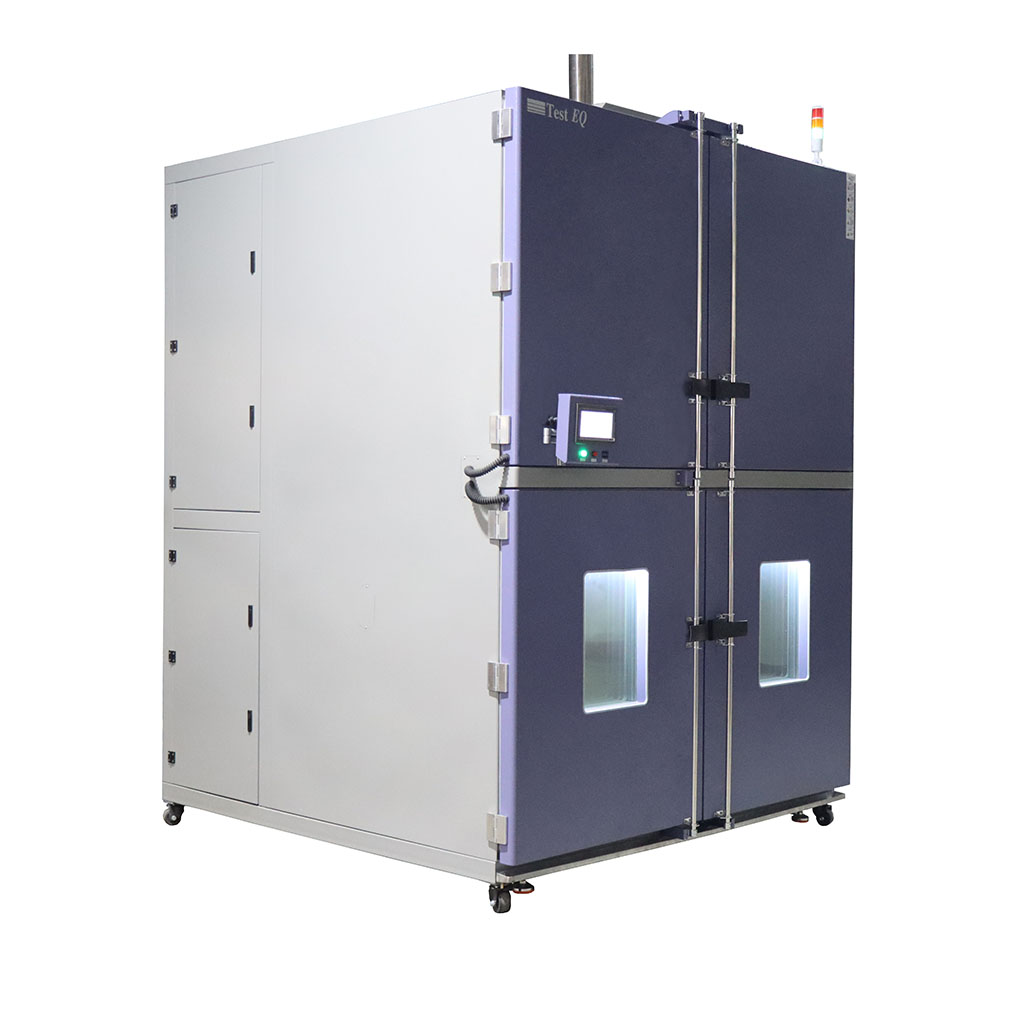
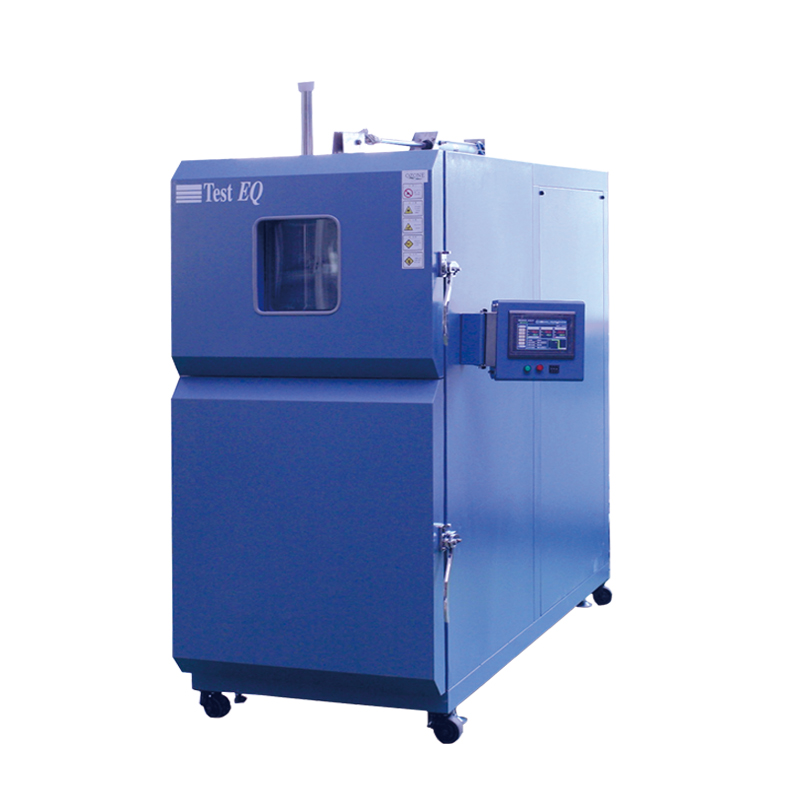
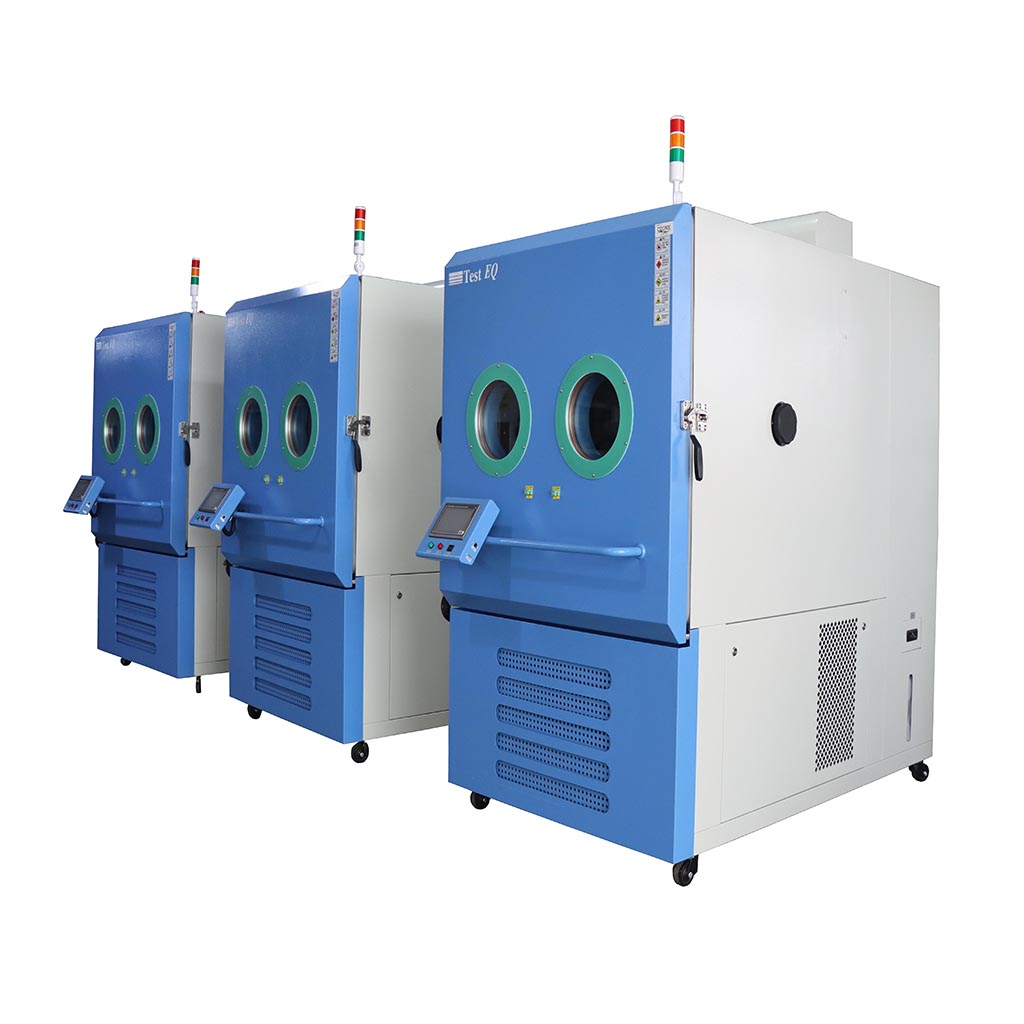
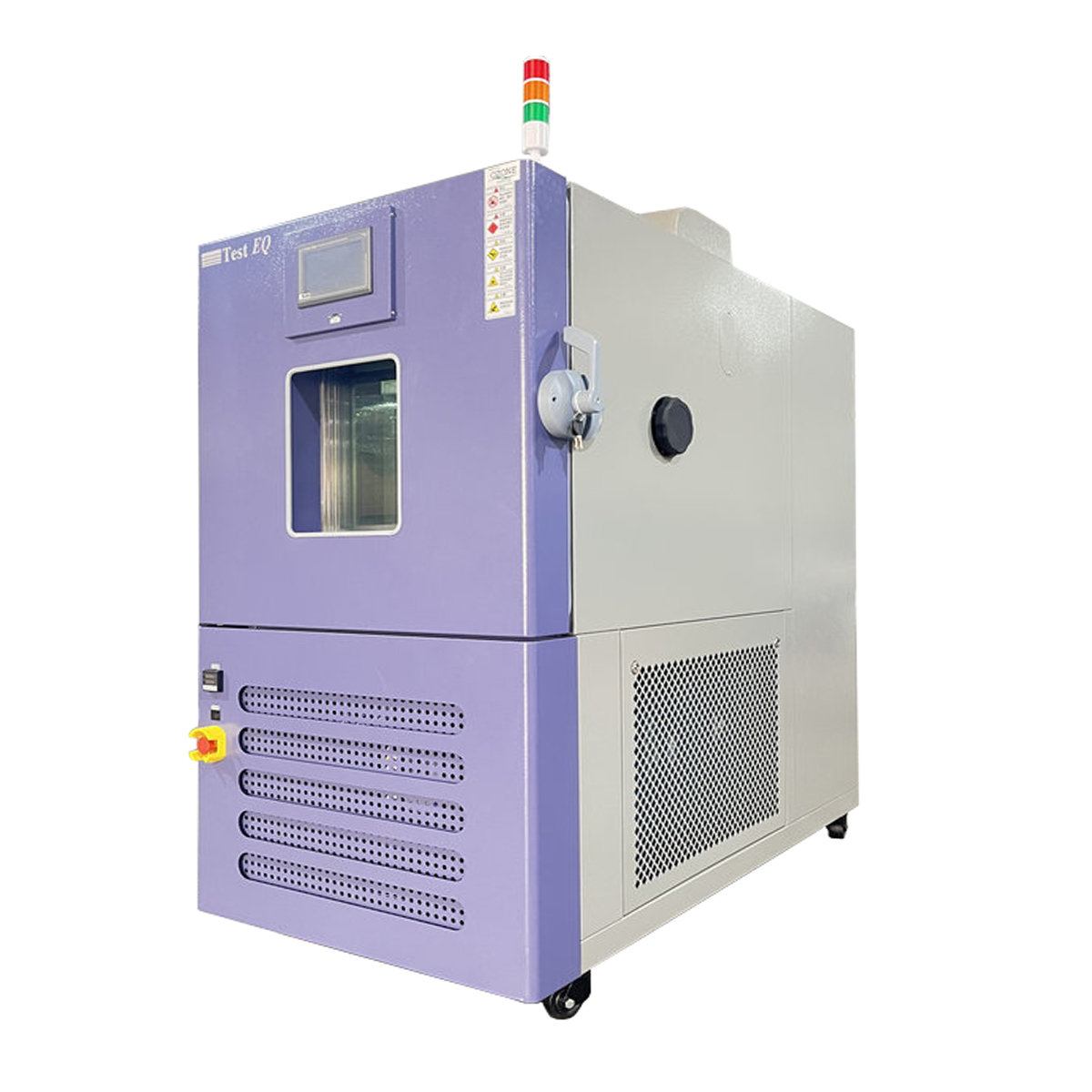
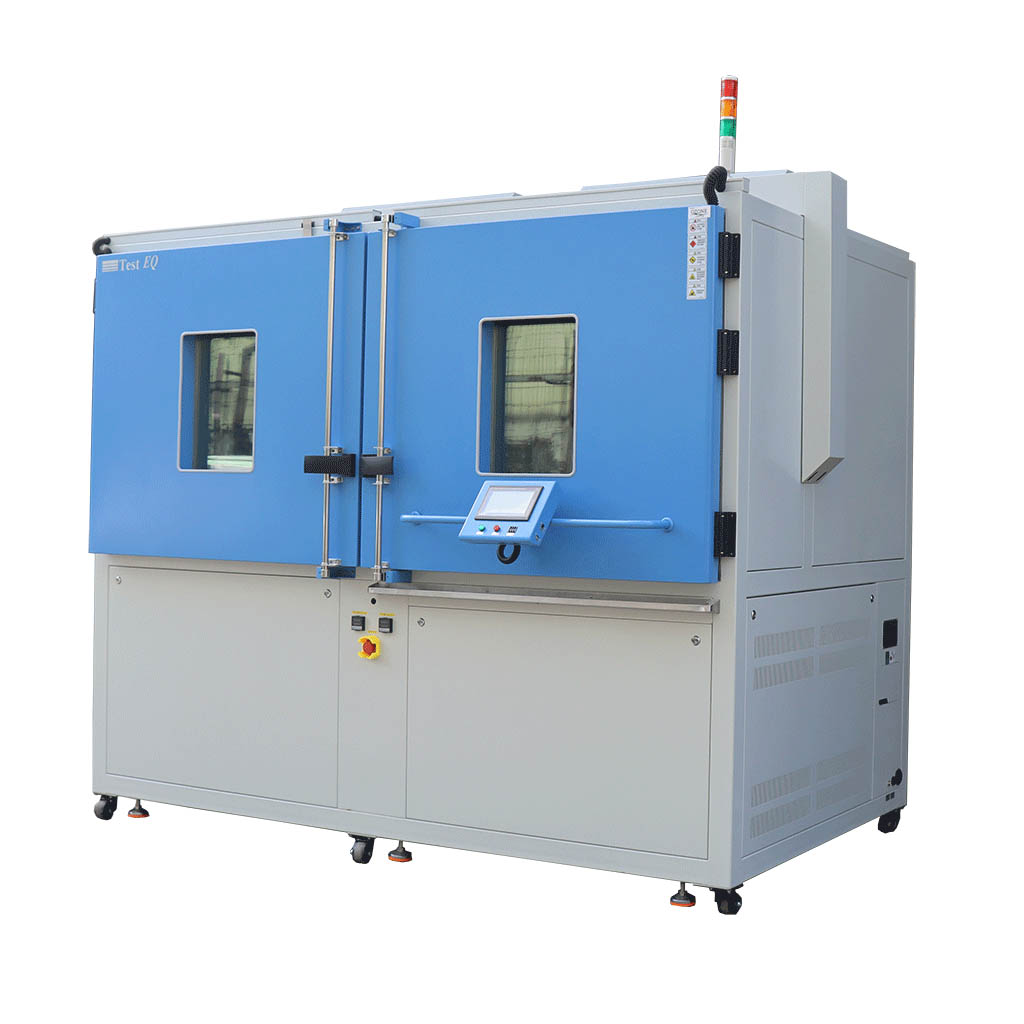
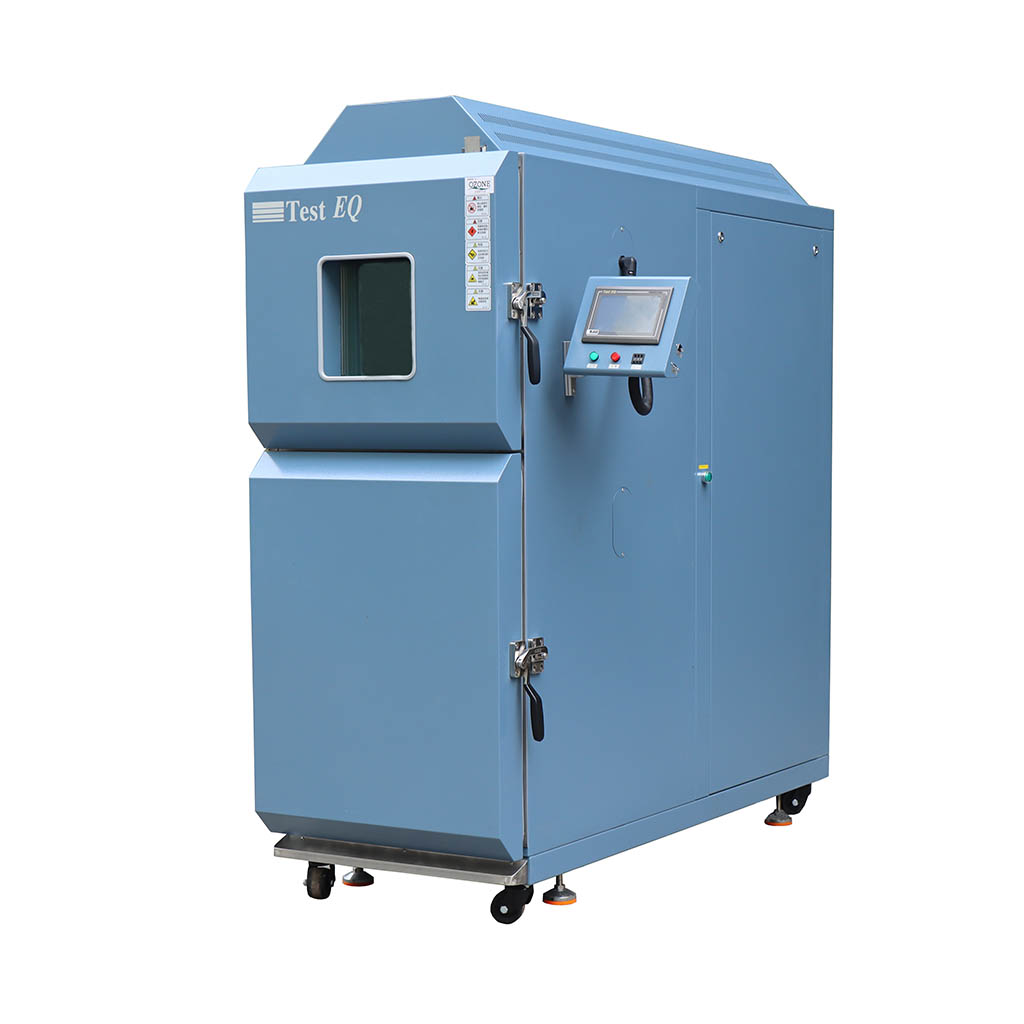
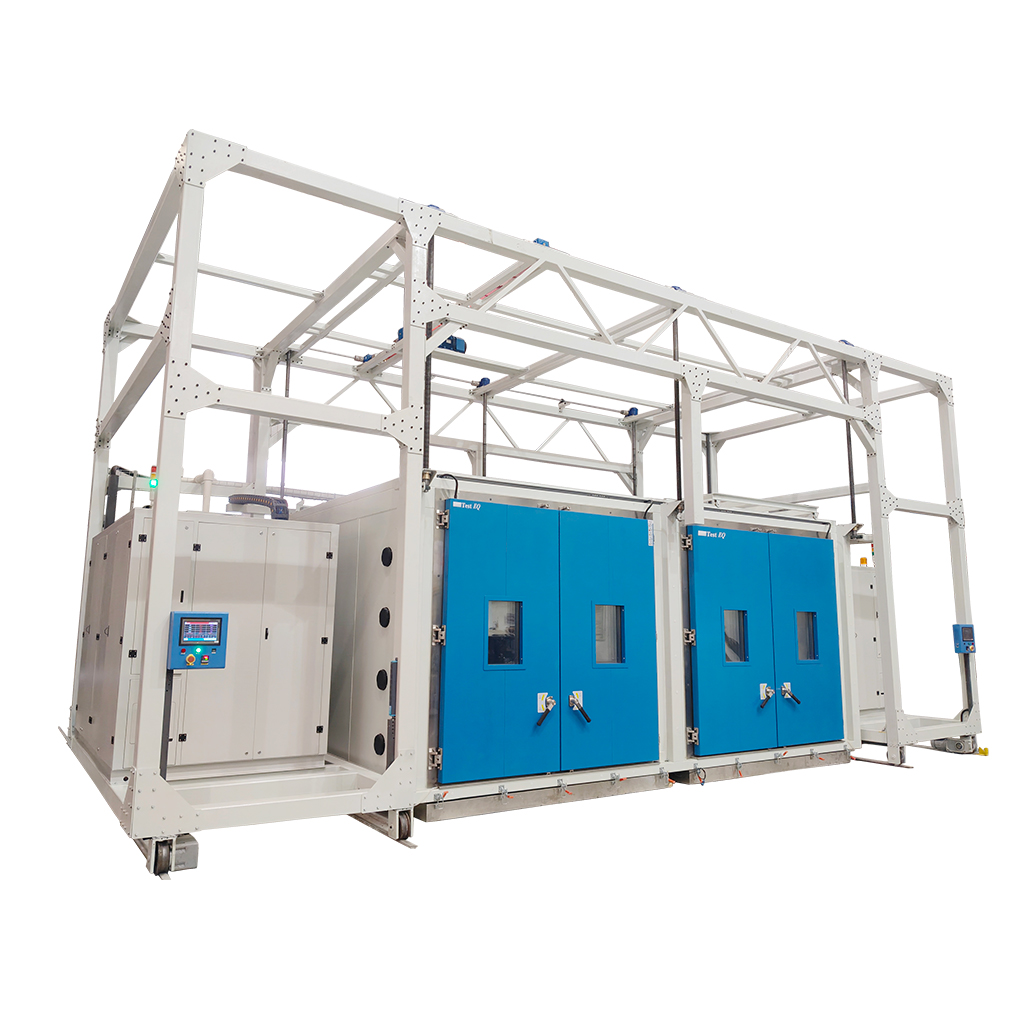
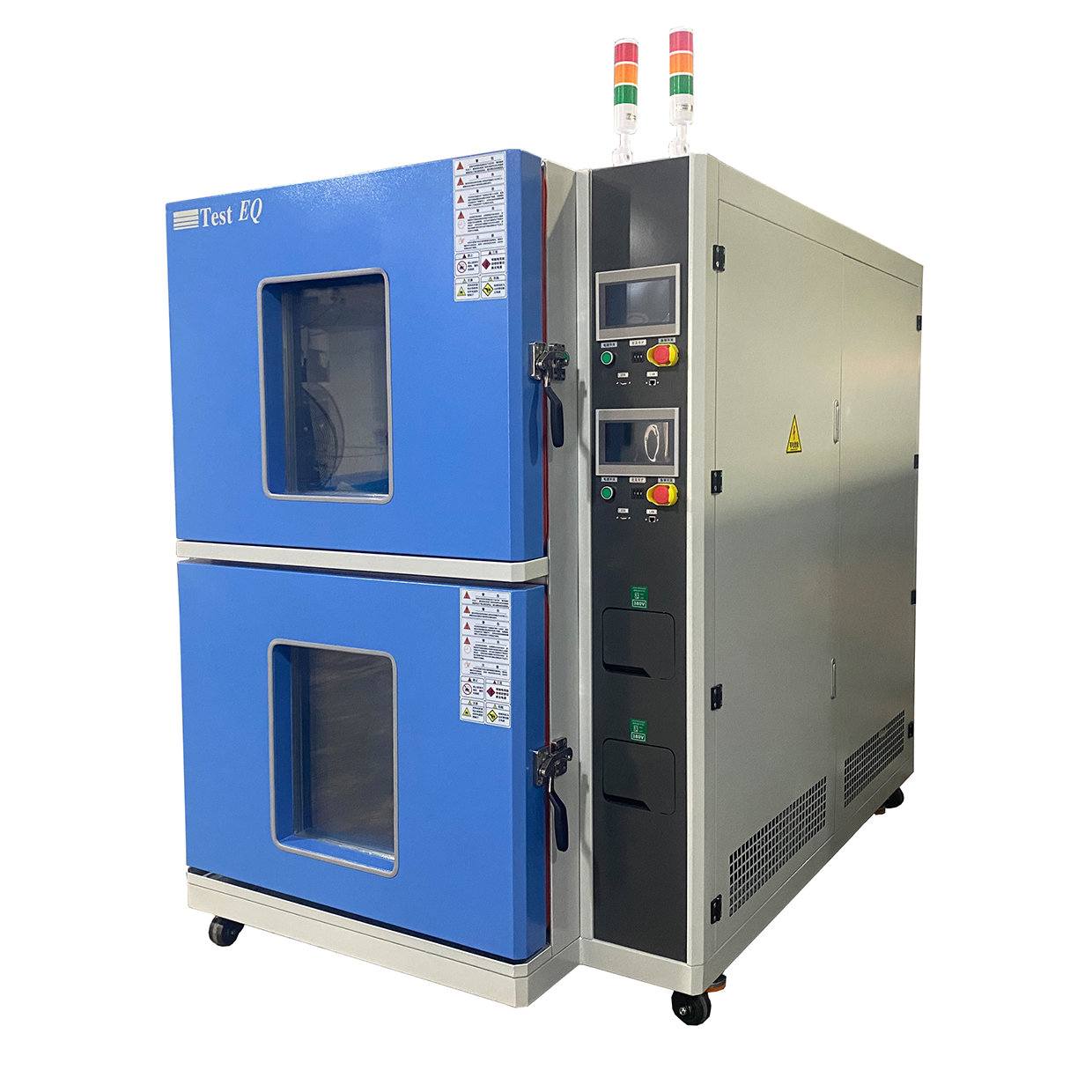
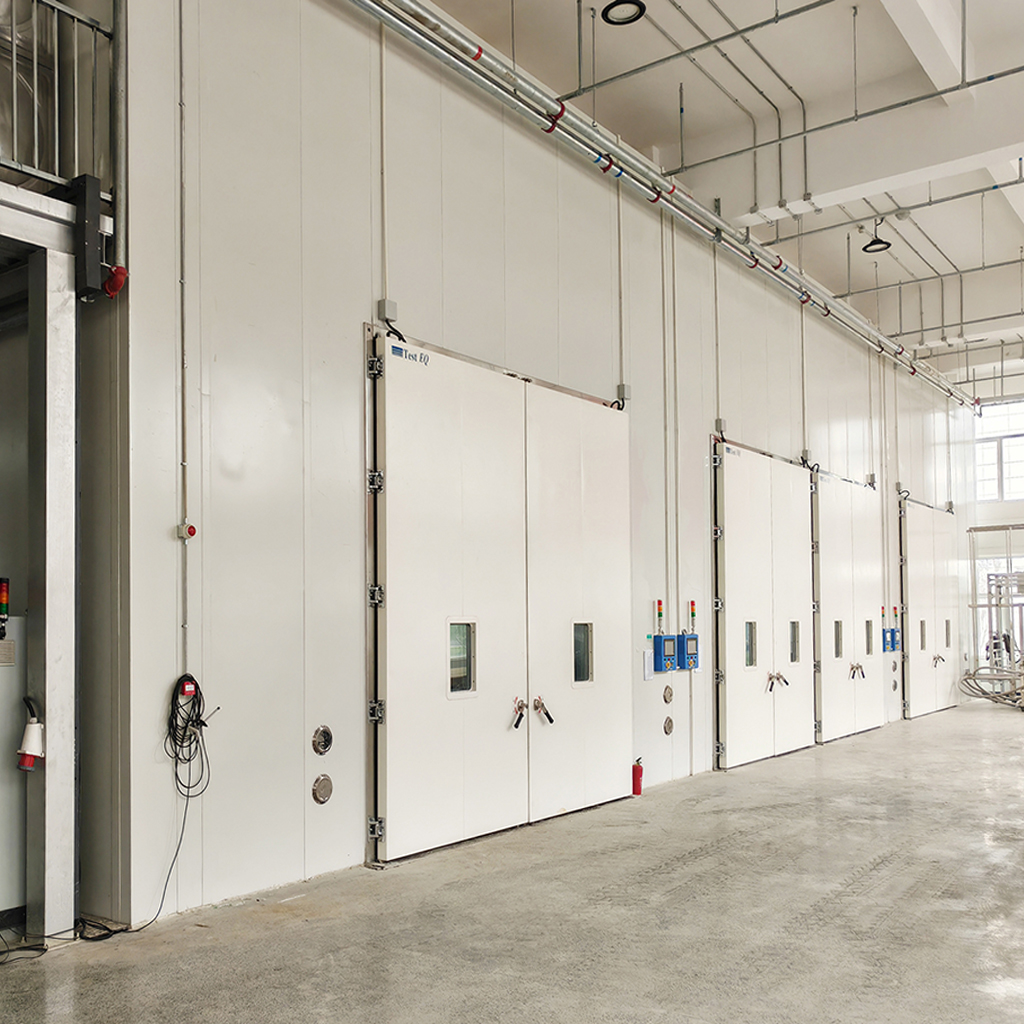
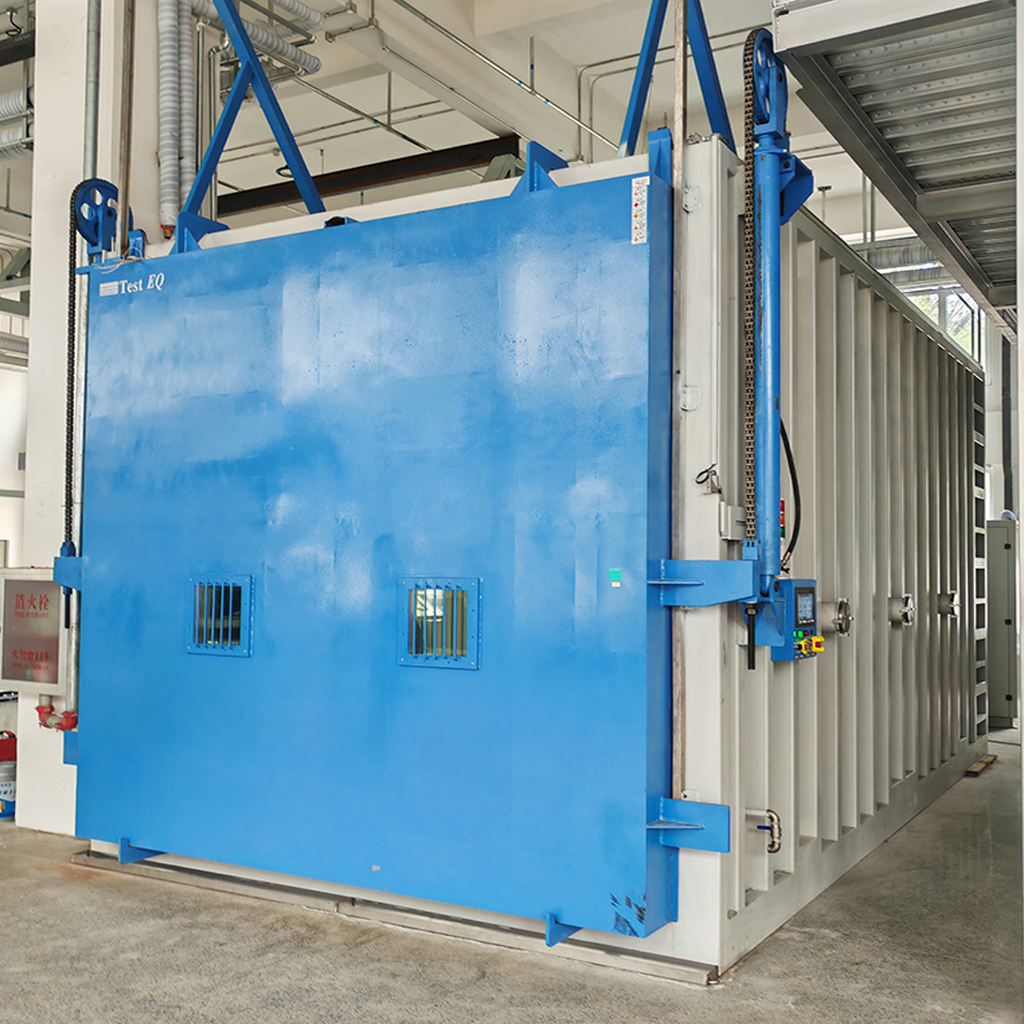
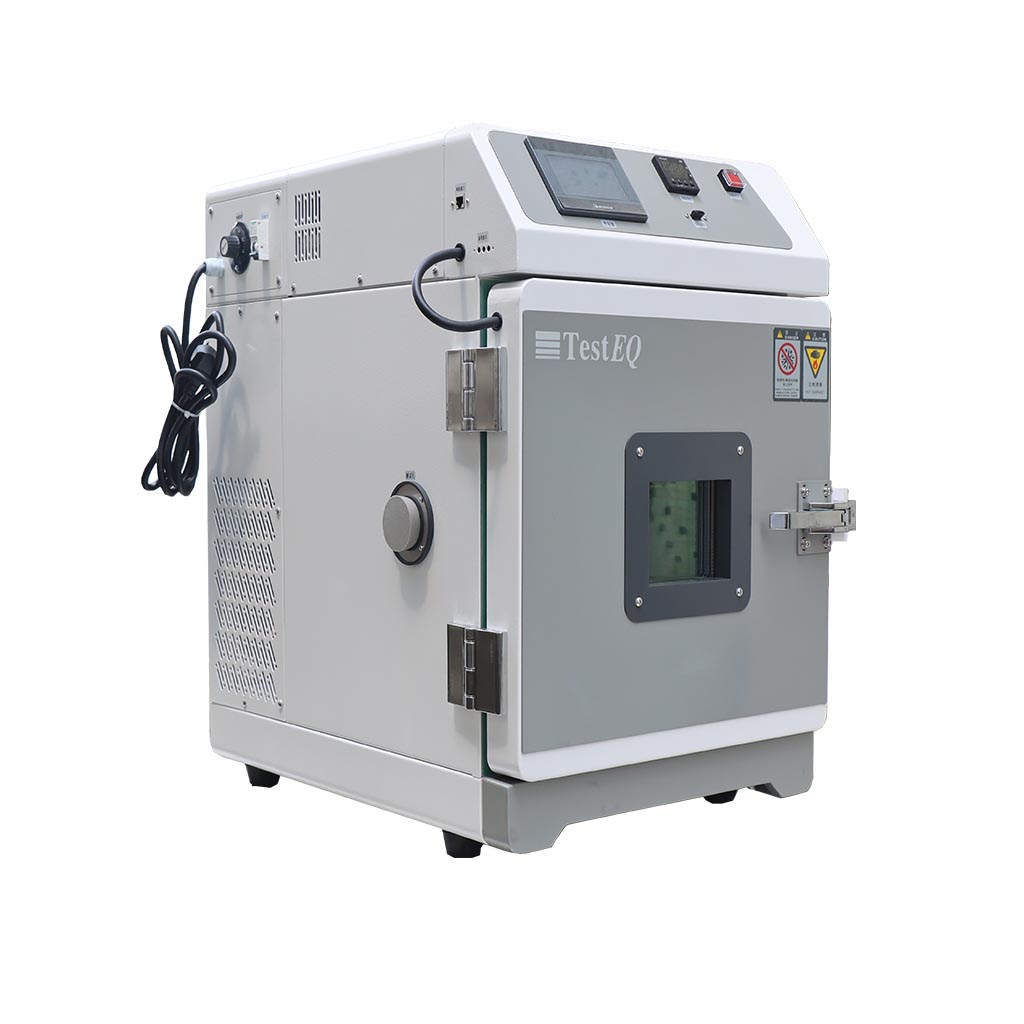
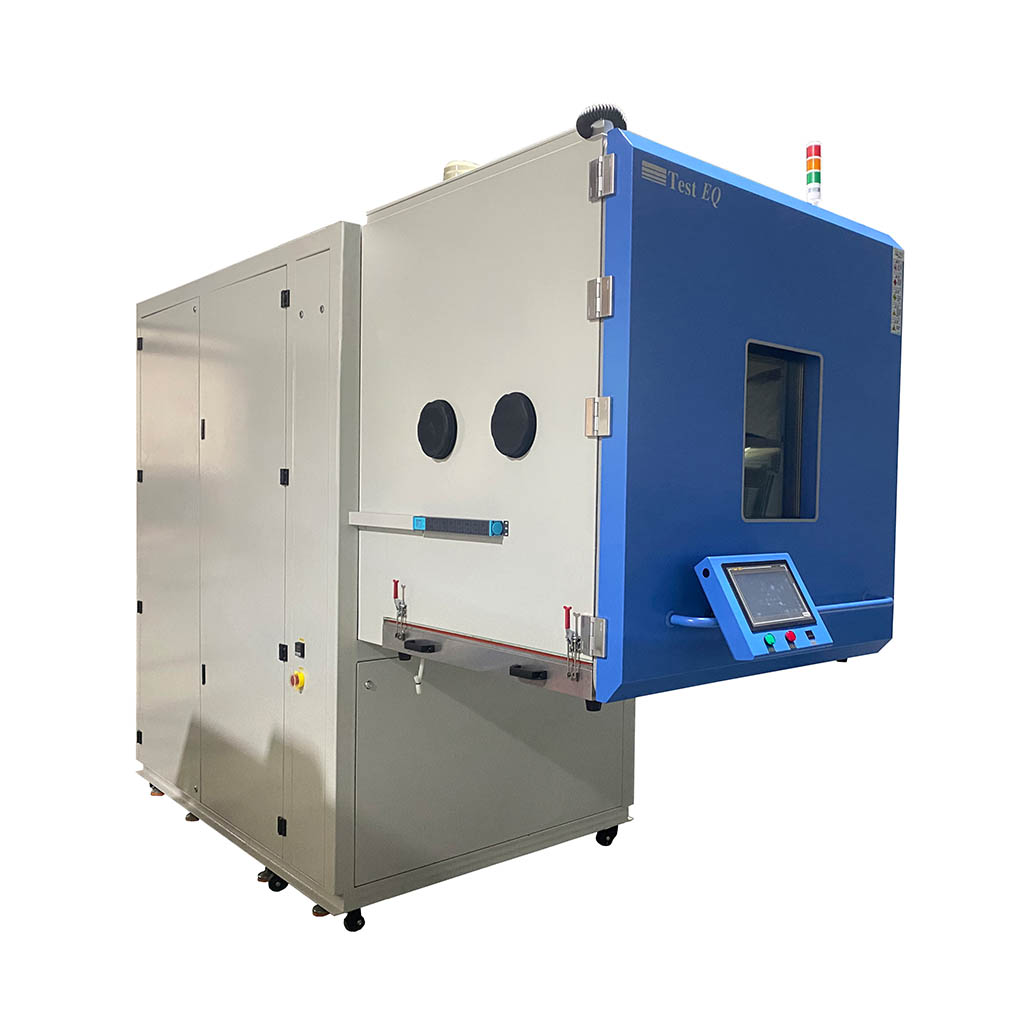
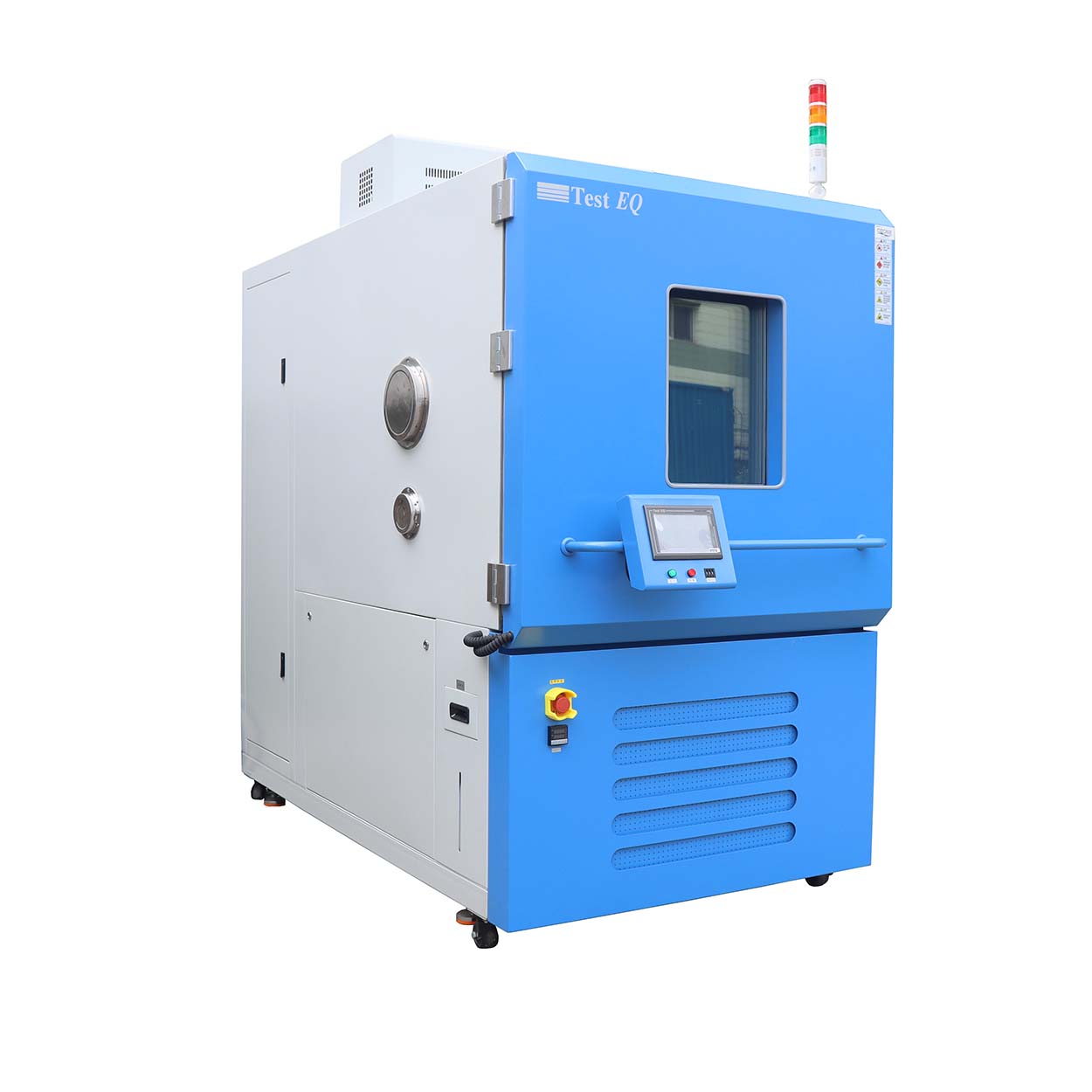
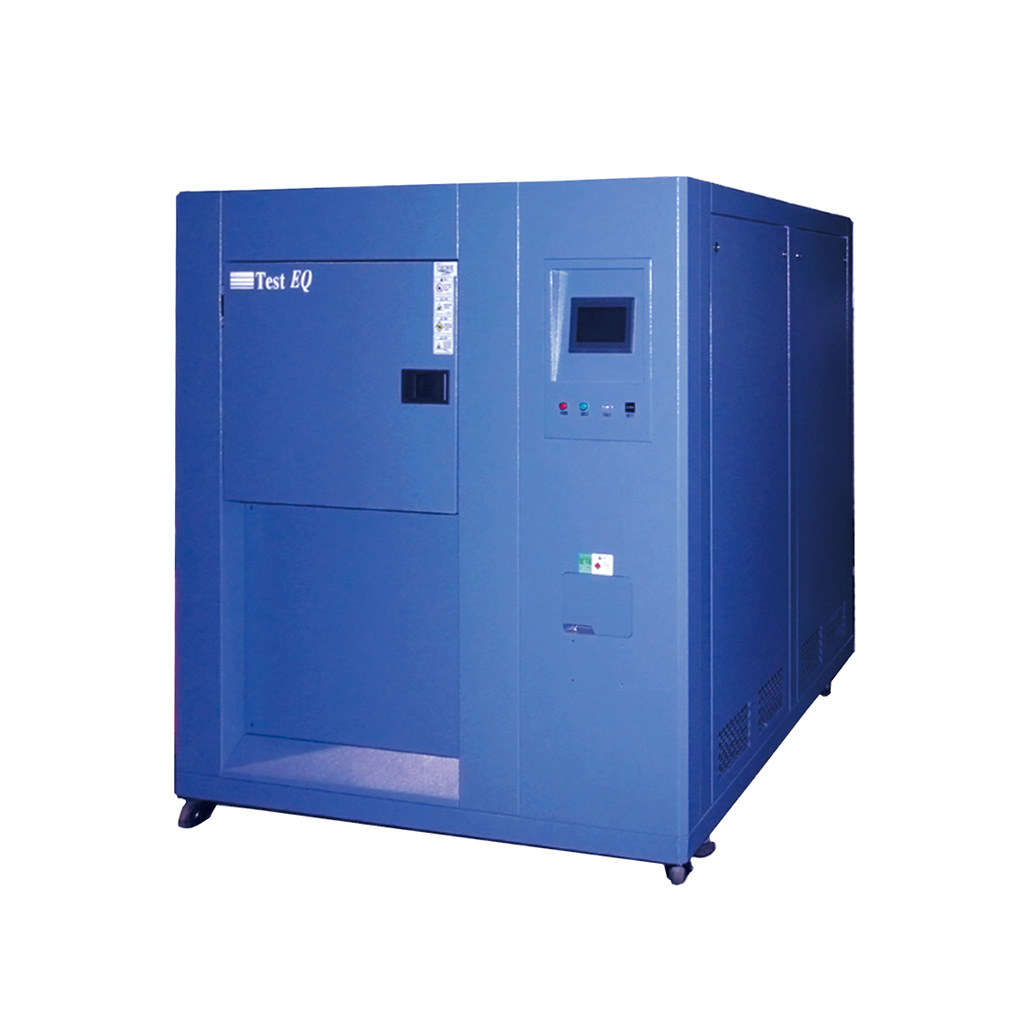
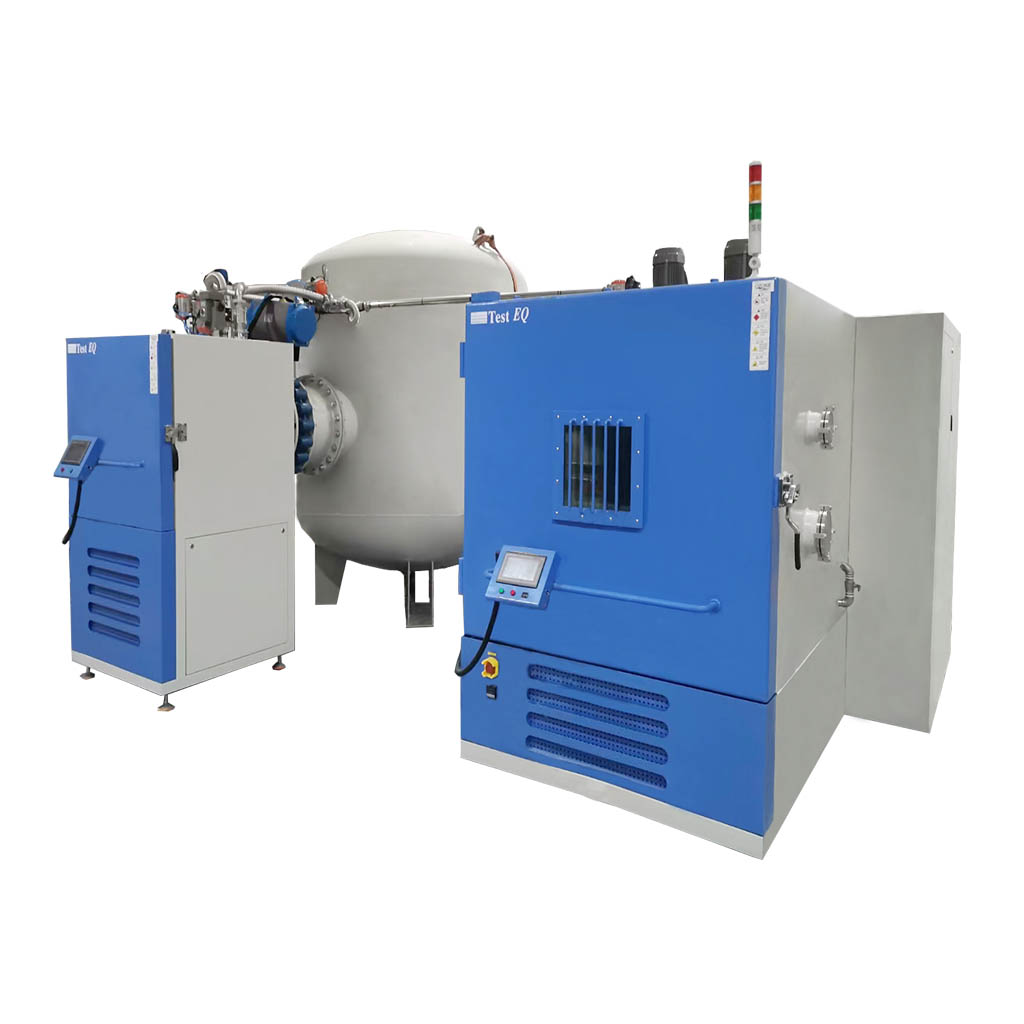
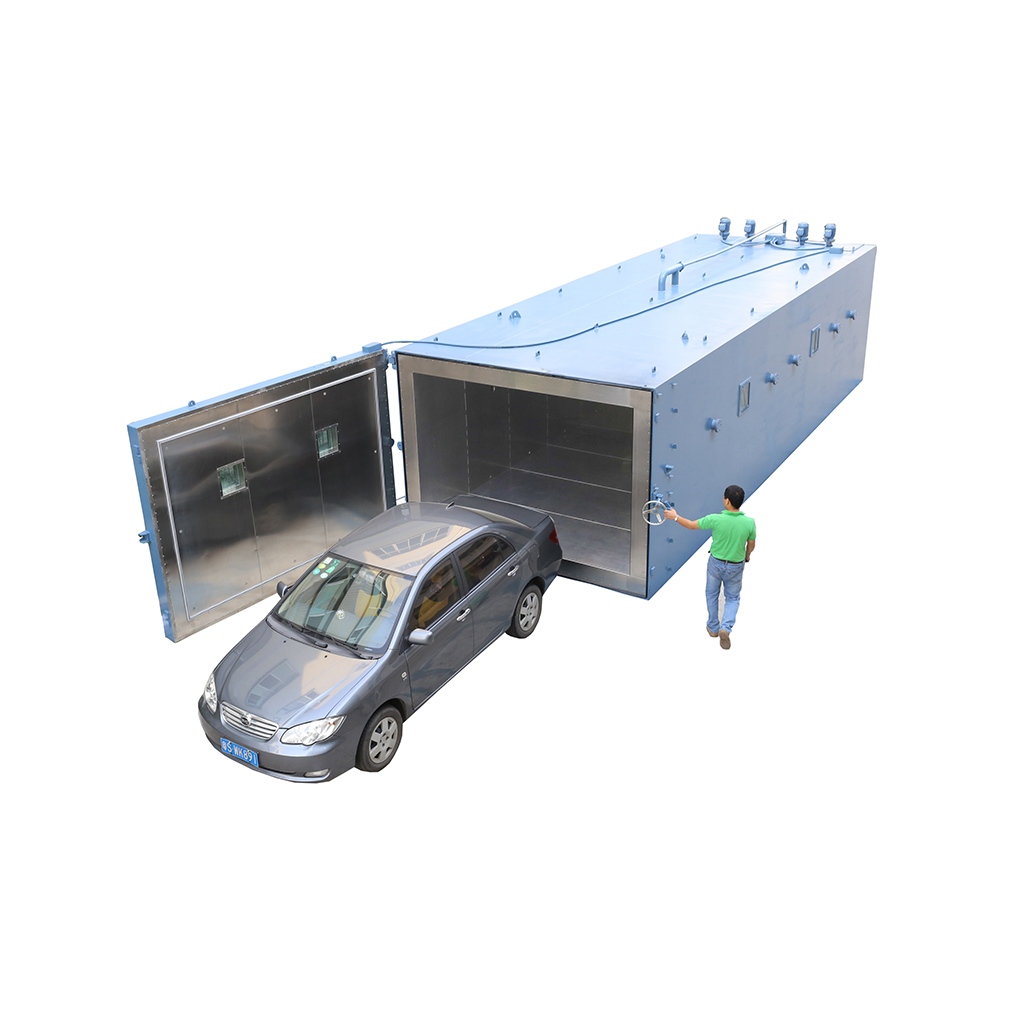
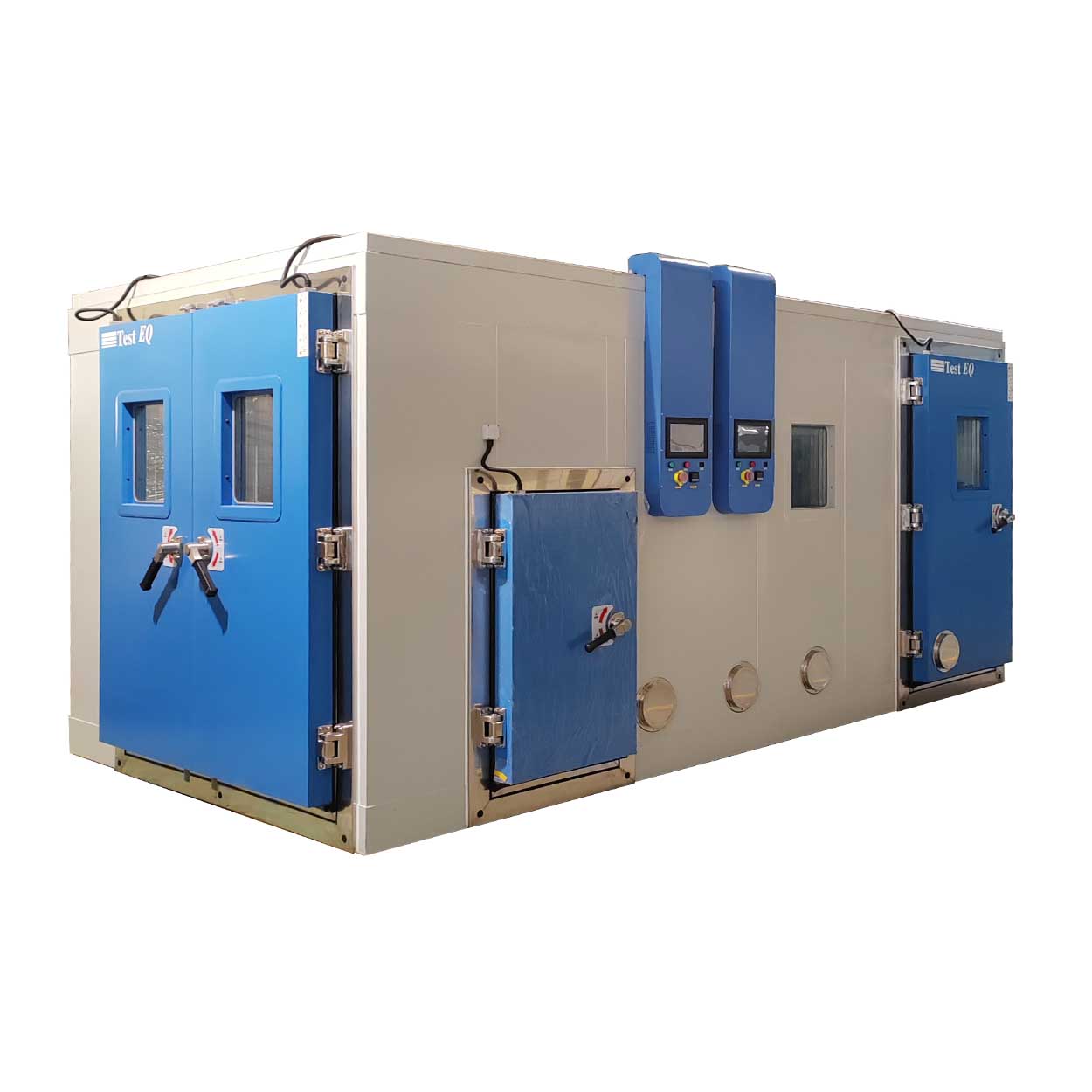
Ice Water Shock Test Chamber for Liquid Immersion Testing
An ice water shock test chamber is designed to evaluate products exposed to rapid temperature changes combined with water or liquid immersion.
Unlike conventional air-to-air thermal shock testing, ice water shock testing introduces a liquid exposure condition that can create additional thermal, mechanical and sealing stresses.
This type of testing can be relevant to automotive components, EV battery systems, waterproof electronic products, sealed connectors and other products exposed to water and temperature changes during service.
What Is an Ice Water Shock Test?
An Ice Water Shock Test is an environmental reliability test used to evaluate how products withstand sudden transitions from elevated temperatures to ice water or chilled water. By creating an extremely rapid temperature change, the test accelerates thermal stress within materials, seals, solder joints, and structural components, helping engineers identify weaknesses before products enter service.
Compared with conventional air-to-air thermal shock testing, ice water shock testing introduces a much higher heat transfer rate, making it ideal for simulating real-world conditions such as cold rain, snow, road splash, or water immersion after high-temperature operation.
This test is widely applied during product development, design verification, qualification testing, and reliability validation for automotive, aerospace, semiconductor, and outdoor electronic products.
Why Use an Ice Water Shock Test Chamber?
While laboratory temperature cycling evaluates long-term thermal fatigue, an Ice Water Shock Test Chamber is designed to reproduce sudden liquid cooling events that occur in real operating environments. These conditions generate much higher thermal stress, enabling manufacturers to identify seal failures, housing cracks, connector leakage, and material deformation at an earlier stage of product development.
Typical testing scenarios include:
Electric vehicle battery systems
Automotive electronic control units (ECUs)
Charging connectors
Outdoor LED lighting
Waterproof communication equipment
Aerospace electronic assemblies
This testing approach helps manufacturers improve product reliability, reduce field failures, and verify compliance with customer and industry reliability requirements.
How Does Ice Water Shock Testing Work?
A typical ice water shock test involves exposing the test specimen to controlled hot or cold conditions followed by rapid contact with water or another specified liquid condition.
The test system may integrate:
Temperature-controlled chamber
Ice water or liquid circulation system
Immersion or liquid exposure mechanism
Temperature monitoring
Test specimen fixtures
Safety and control system
The actual liquid temperature, exposure time, transition conditions and cycle sequence should be defined according to the applicable test specification.
Why Liquid Immersion Shock Testing?
Compared to traditional air thermal shock chambers, ice water immersion testing provides:
Higher thermal stress intensity
Faster defect detection
Better simulation of real-world water exposure conditions
Stronger validation for sealed and waterproof products
This makes it especially suitable for next-generation electronic and automotive systems requiring high environmental durability.
Ice Water Shock vs Conventional Thermal Shock:
| Feature | Ice Water Shock | Conventional Thermal Shock |
|---|
| Thermal medium | Air + liquid/water | Hot/cold air |
| Water exposure | Yes | Normally no |
| Sealing evaluation | Important | Application dependent |
| Typical products | Waterproof/automotive components | Electronics and components |
| Main concern | Thermal + liquid exposure | Rapid thermal stress |
Ice water shock testing should be selected when the product's real operating environment includes both temperature changes and water or liquid exposure.
Key Chamber Selection Parameters
Before selecting an ice water shock system, define:
For automotive and EV applications, the chamber should be designed around the actual test specimen and customer-specific test profile.
Typical Ice Water Shock Test Procedure
1. Sample Preparation
Inspect the test specimen and verify that all components are assembled correctly. Install sensors or monitoring equipment if real-time performance data is required during testing.
2. High-Temperature Conditioning
Place the specimen in the heating chamber and stabilize it at the specified test temperature (such as +85°C, +120°C or customer-defined conditions) for the required duration to ensure uniform heating.
3. Rapid Transfer to Ice Water
Automatically transfer the heated specimen into the ice-water tank within the specified transfer time. Fast transfer minimizes heat loss and creates a severe thermal shock condition.
4. Ice Water Immersion or Splash Exposure
Expose the specimen to ice water or a controlled splash environment for the specified time. This step simulates sudden cooling caused by rain, flooded roads, snowmelt or cold-water immersion.
5. Recovery and Stabilization
Remove the specimen from the water and allow it to stabilize at ambient conditions or in a controlled recovery chamber before the next cycle begins.
6. Repeat Thermal Shock Cycles
Repeat the heating and cooling process according to the selected standard or customer specification. Typical programs range from dozens to hundreds of cycles depending on the product reliability requirements.
7. Functional Inspection and Measurement
After the required cycles are completed, inspect the specimen for electrical performance, mechanical integrity, sealing effectiveness and any visible damage such as cracks or deformation.
8. Failure Analysis and Test Reporting
Document all test results, analyze any observed failures and generate a complete test report. The collected data helps engineers evaluate product durability, improve design reliability and verify compliance with standards such as ISO 16750-4 and LV124.
Why Choose TestEQ Ice Water Shock Test Chambers?
TestEQ designs and manufactures advanced Ice Water Shock Test Chambers for automotive, battery, aerospace, and electronics industries. Our systems provide precise temperature control, reliable water circulation, corrosion-resistant stainless steel construction, and customizable chamber sizes for international testing laboratories and manufacturers.
Key advantages include:
Temperature conditions
Liquid exposure requirements
Custom chamber dimensions available
SUS304/SUS316 stainless steel construction
Stable temperature control
PLC intelligent control system
Remote monitoring support
Safety interlock protection
CE compliant electrical system
OEM & customized solutions
Applicable Standards and Specifications
Depending on the product and test program, liquid exposure, temperature shock and environmental durability requirements may reference standards or customer specifications such as:
IEC 60068 Environmental testing
ISO 16750-4 Automotive environmental testing
LV124 K-12/K-13 Automotive electrical components
GB/T 31467 EV battery testing
SAE J2464 Battery abuse testing (related applications)
UN38.3 (related testing)
MIL-STD-810H Military environmental testing
The exact test method and applicable specification should be confirmed before final chamber configuration.
FAQ:
1.What is an ice water shock test chamber?
It is a testing system that evaluates product reliability by immersing samples between ice water and hot water environments to simulate extreme thermal stress conditions.
2.What is the difference between ice water shock and thermal shock testing?
Ice water shock uses liquid immersion, while thermal shock typically uses air-based temperature transition systems.
3.What products require ice water shock testing?
Products with waterproof or sealed structures, such as automotive sensors, outdoor electronics, and communication devices.
4.What standards does this chamber comply with?
It can be configured to meet IEC 60068, MIL-STD, and industry-specific reliability testing standards.
5.Why is liquid immersion testing more severe?
Because water has higher thermal conductivity than air, it creates faster and more intense thermal stress on materials.
6. Can the test chamber be customized for specific testing requirements?
Yes. TestEQ can customize the chamber size, temperature range, immersion time, transfer mechanism, water tank capacity, and automation features to meet customer-specific testing standards and product requirements.
7. Which industries commonly use ice water shock testing?
Ice water shock testing is widely used in the automotive, electric vehicle (EV), aerospace, consumer electronics, industrial electronics, and telecommunications industries to verify product durability under rapid temperature changes.
8. What types of failures can an ice water shock test identify?
Ice water shock testing can reveal potential failures such as housing cracks, seal leakage, solder joint fatigue, connector deformation, adhesive delamination, coating damage, and reduced waterproof performance caused by rapid thermal stress.
Internal Linking Module
Recommended Products
Perform rapid hot-to-cold temperature shock testing using controlled air environments. Compare conventional air-to-air thermal shock testing with liquid immersion shock testing for electronics, automotive components, semiconductor devices, and reliability qualification.
Designed for thermal shock testing of semiconductor packages, PCB assemblies, connectors, sensors, and automotive electronic components. Useful when evaluating thermal stress, solder reliability, sealing performance, and material interfaces.
Use rapid basket transfer between hot and cold zones for conventional thermal shock testing of electronic components, automotive products, and reliability test specimens.
Simulate combined temperature and humidity conditions to evaluate the reliability, durability, and environmental performance of automotive, battery, electronics, and industrial products.
Recommended Standards
Explore IEC 60068-2-14 temperature-change testing methods used to evaluate products under specified temperature transitions. Compare temperature-change requirements with thermal shock and liquid immersion test conditions.
Explore the IEC 60068 series for environmental testing methods, including temperature, humidity, vibration, and thermal cycling procedures widely used for international product qualification.
Learn about ISO 16750 environmental requirements and test methods for automotive electrical and electronic equipment operating under mechanical, climatic, and electrical stress conditions.
Recommended Resources
Understand the differences between thermal shock and thermal cycling, including temperature transition speed, thermal stress, test procedures, applications, and chamber selection.
Discover the key factors for choosing the right environmental test chamber, including temperature range, humidity control, chamber size, testing standards, and application requirements.
Understand the essential environmental and reliability tests for lithium-ion batteries, EV battery packs, and energy storage systems, including thermal cycling, thermal shock, humidity, vibration, and safety testing.