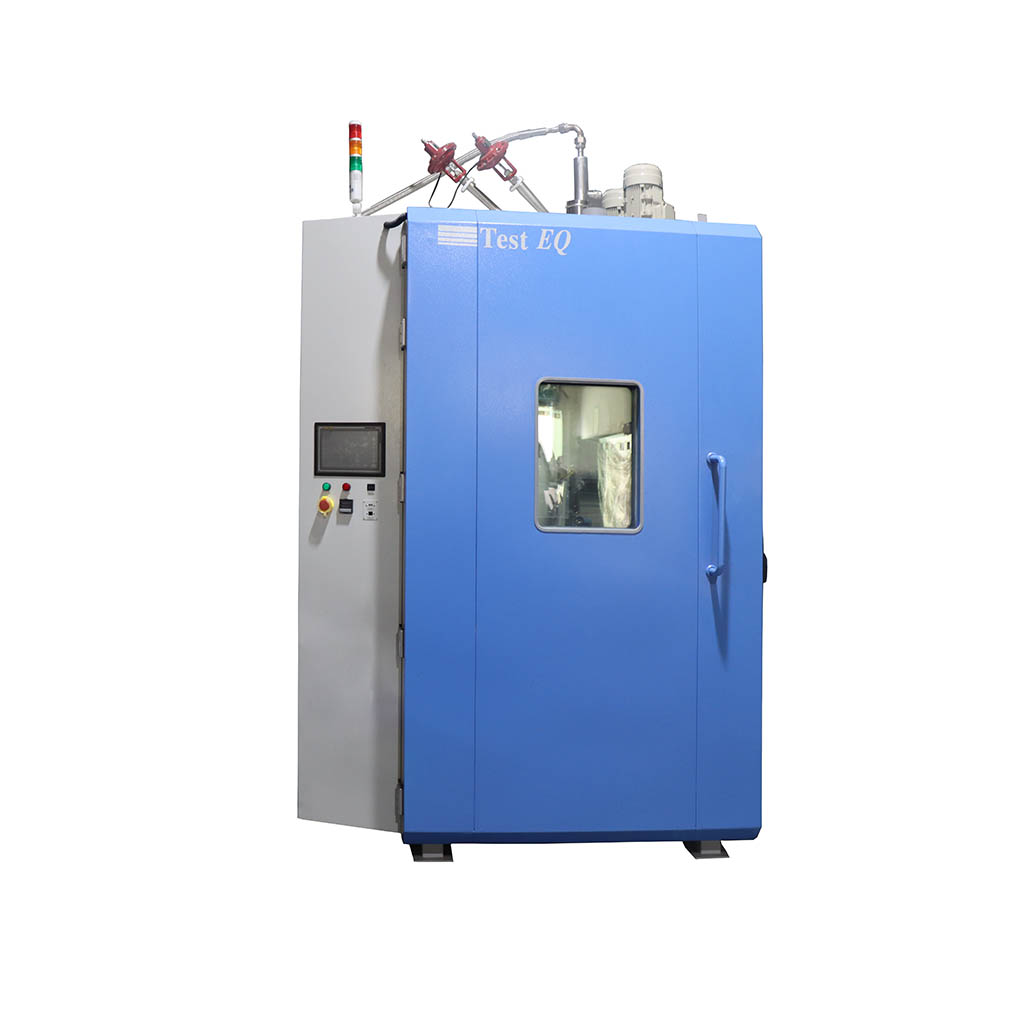
Opening:
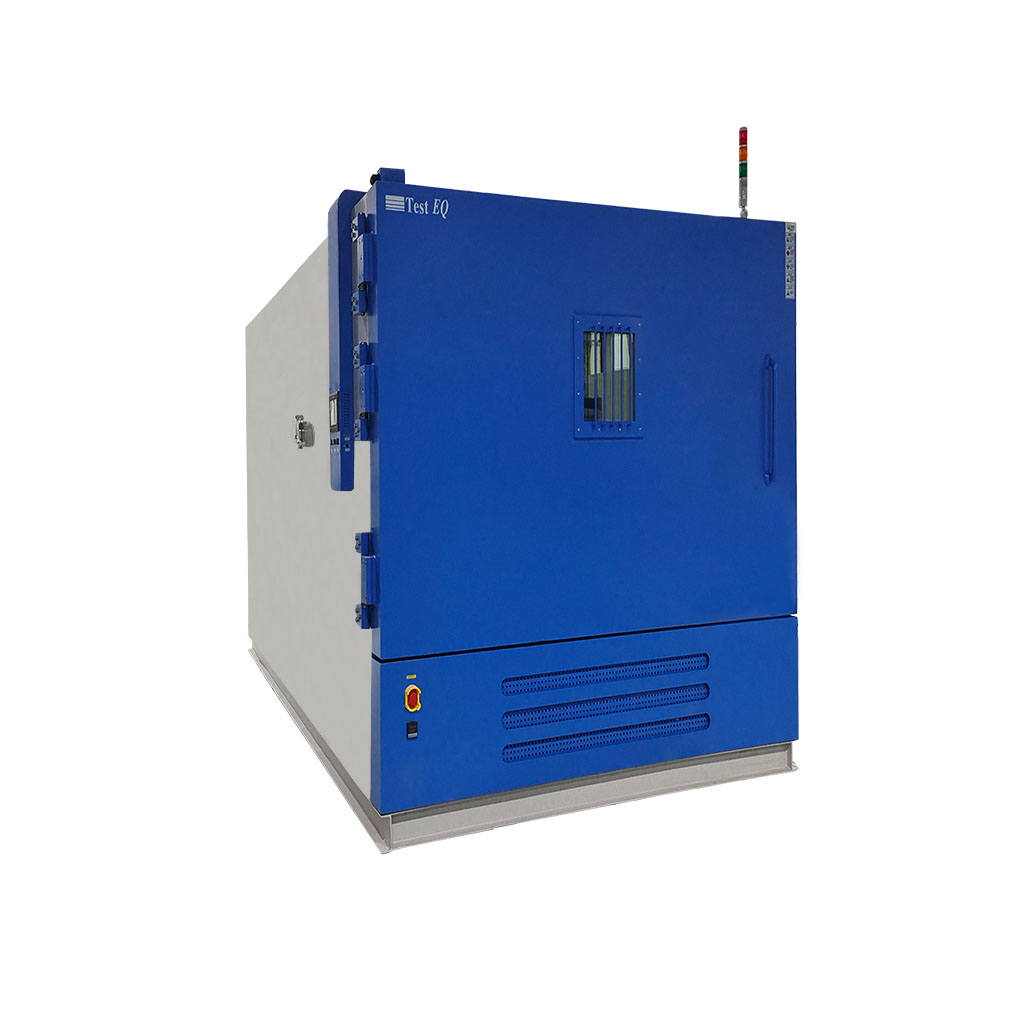
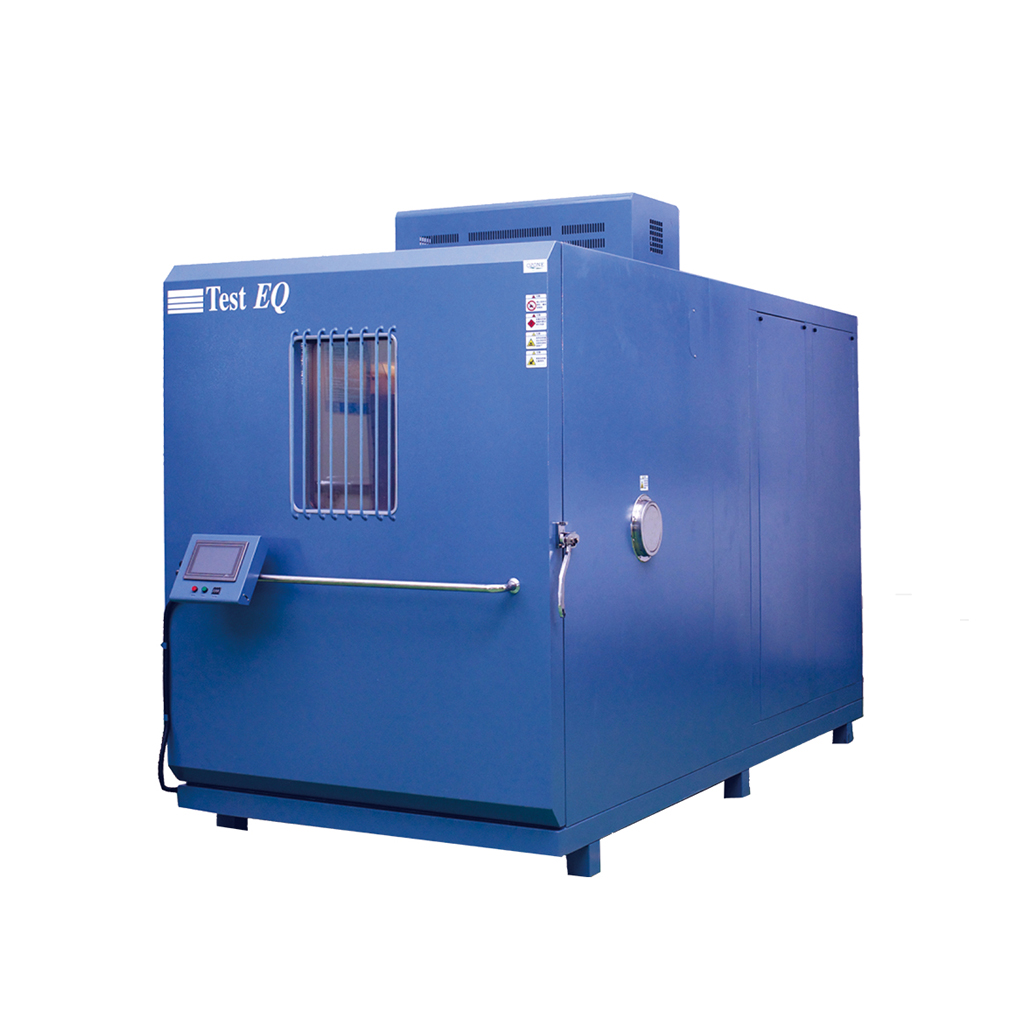
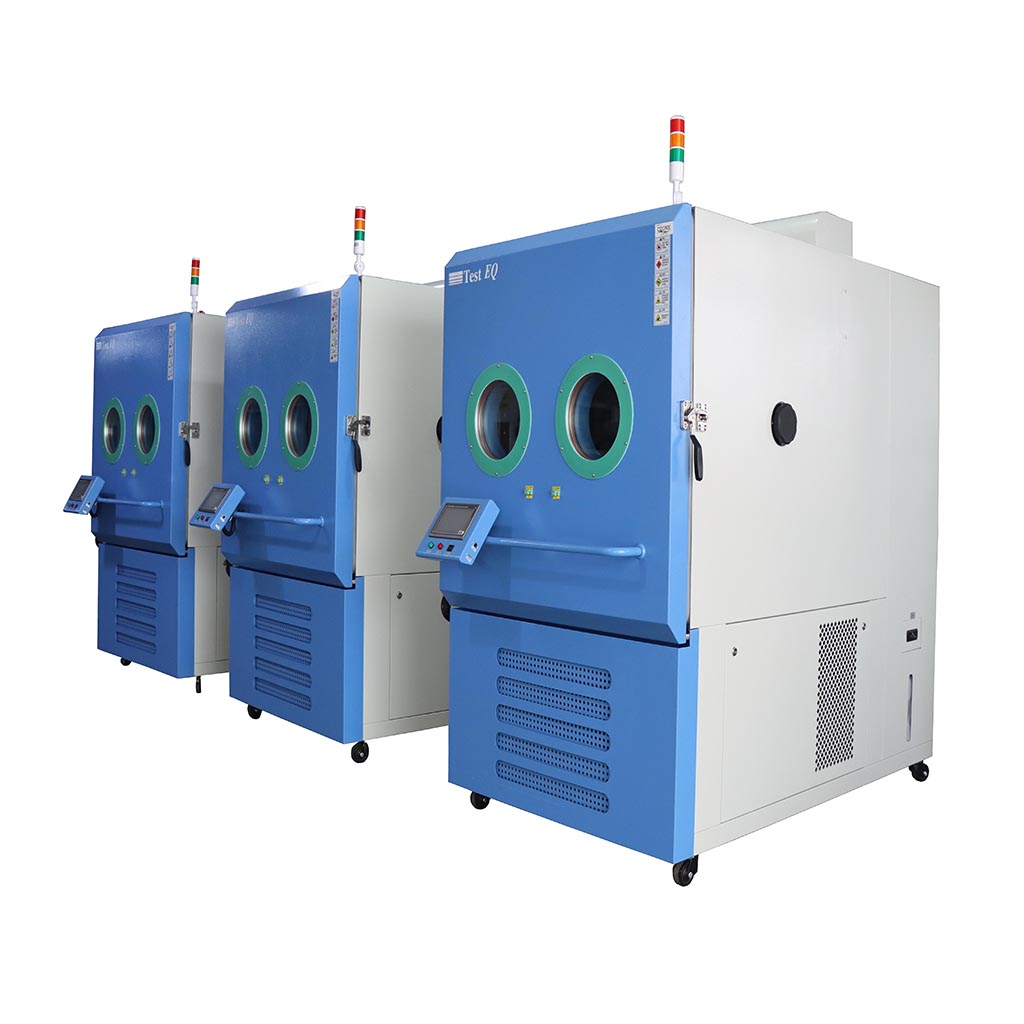
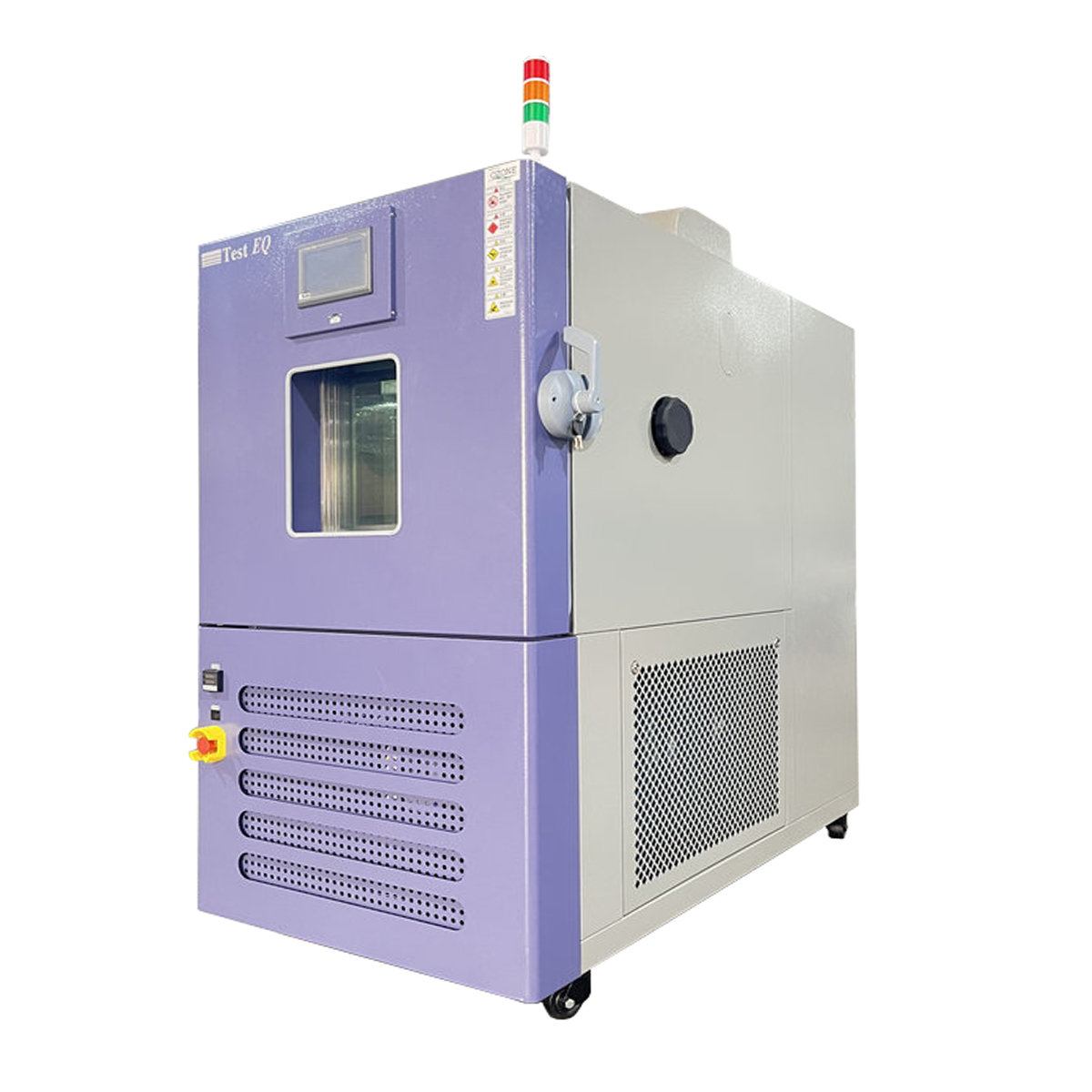
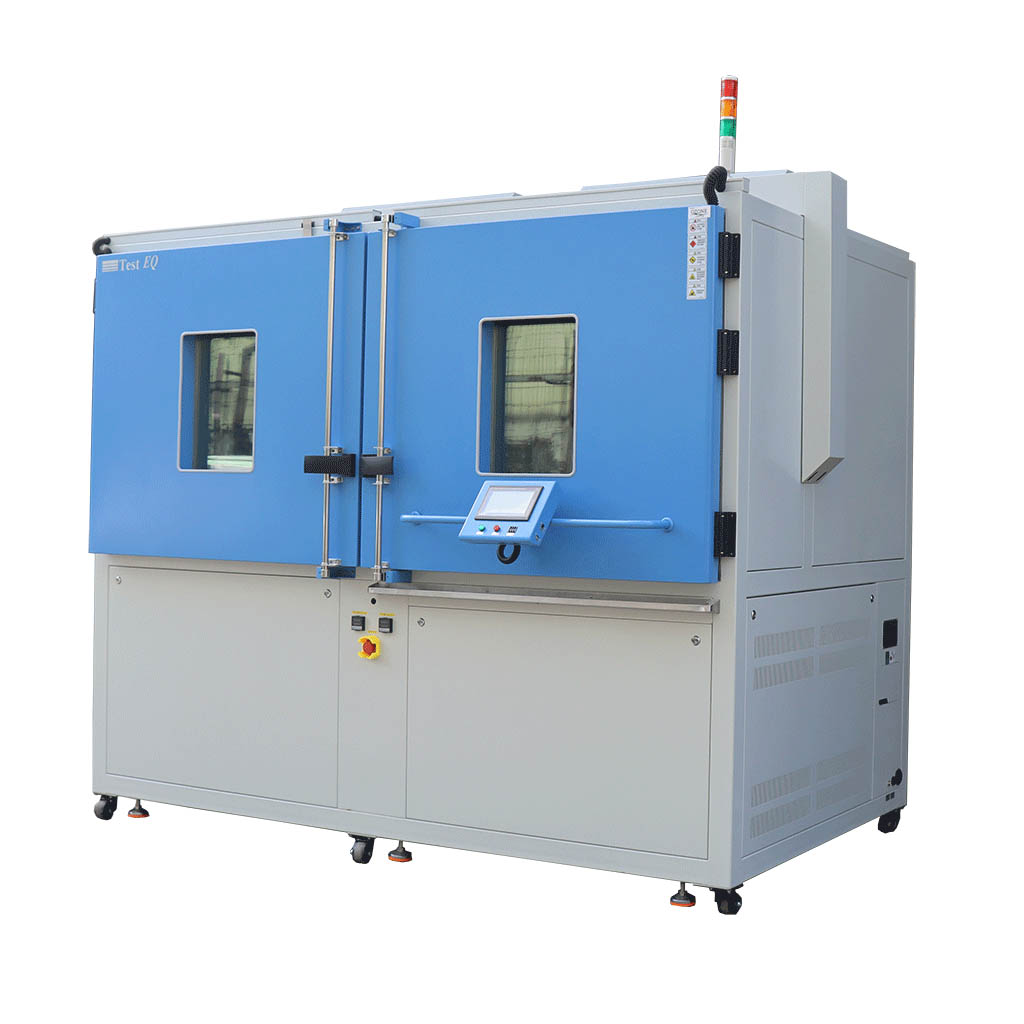
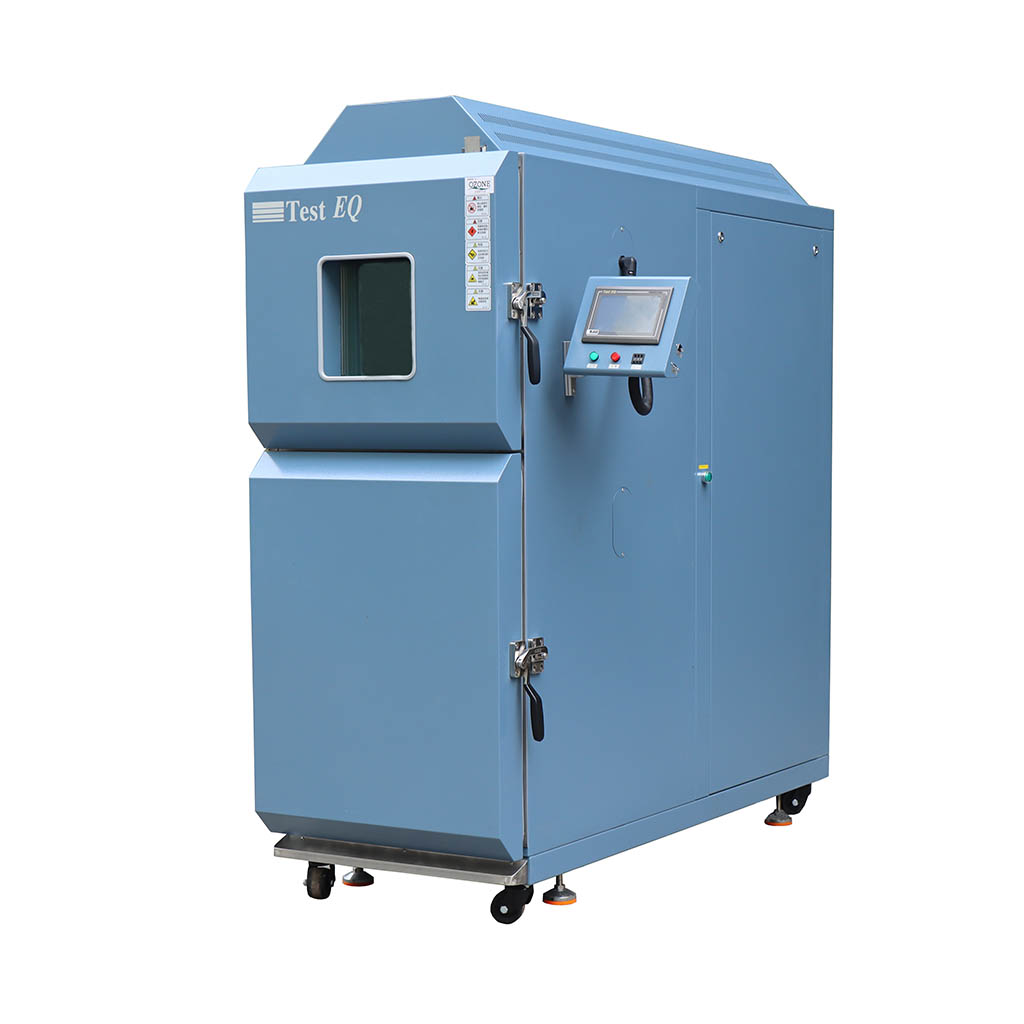
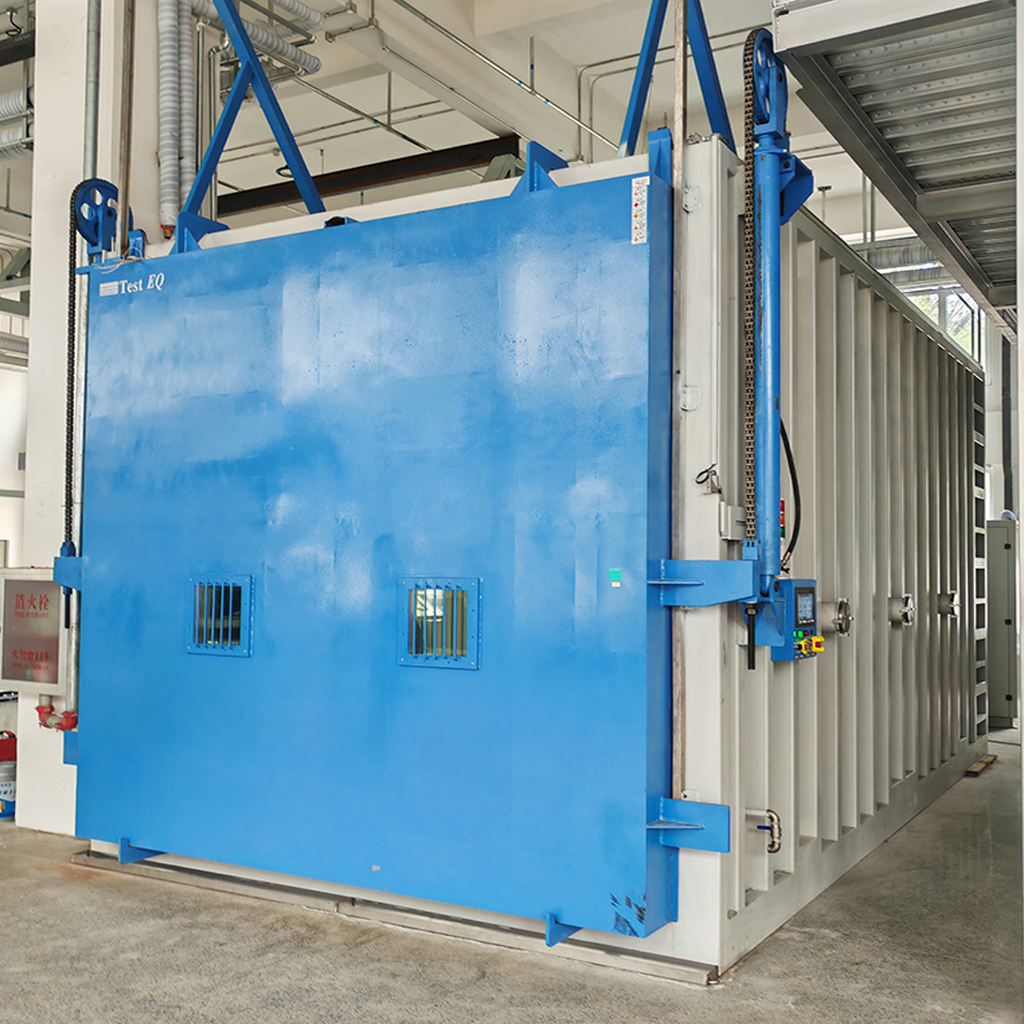
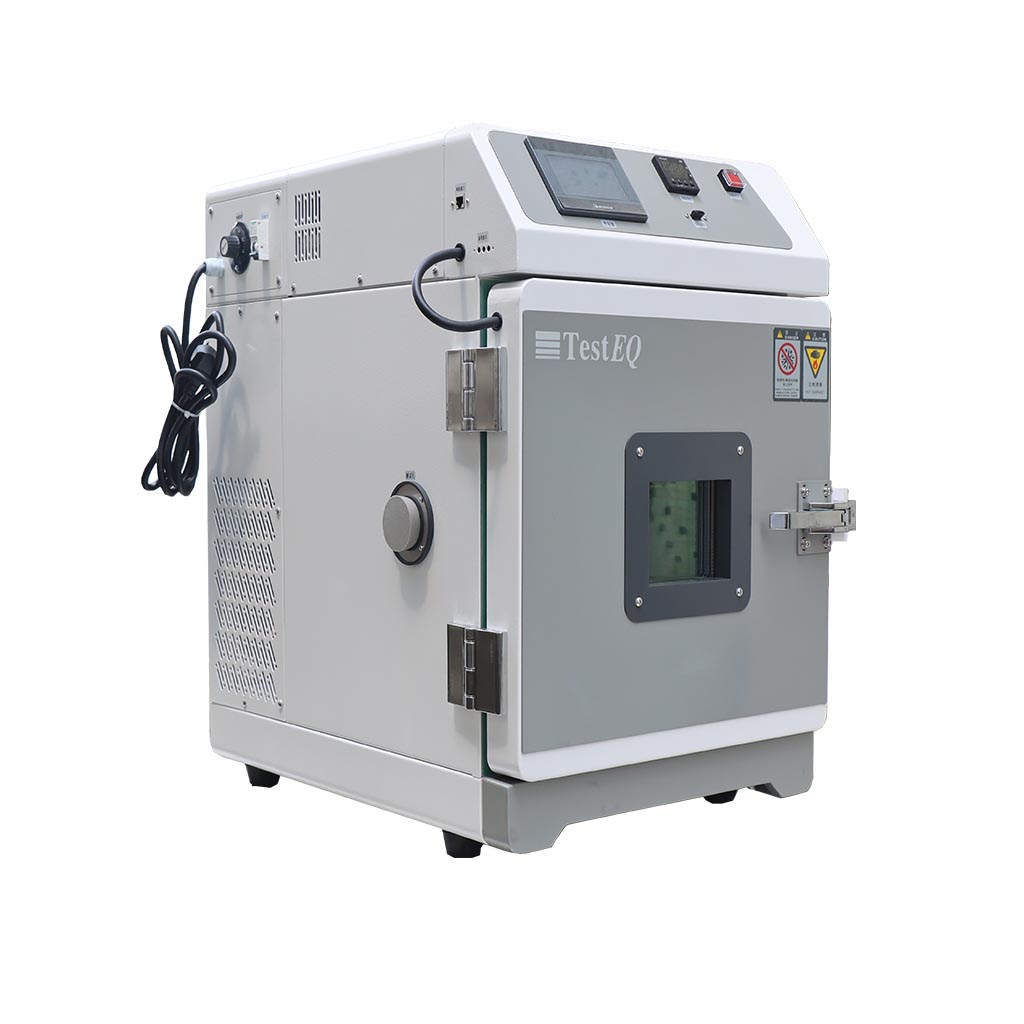
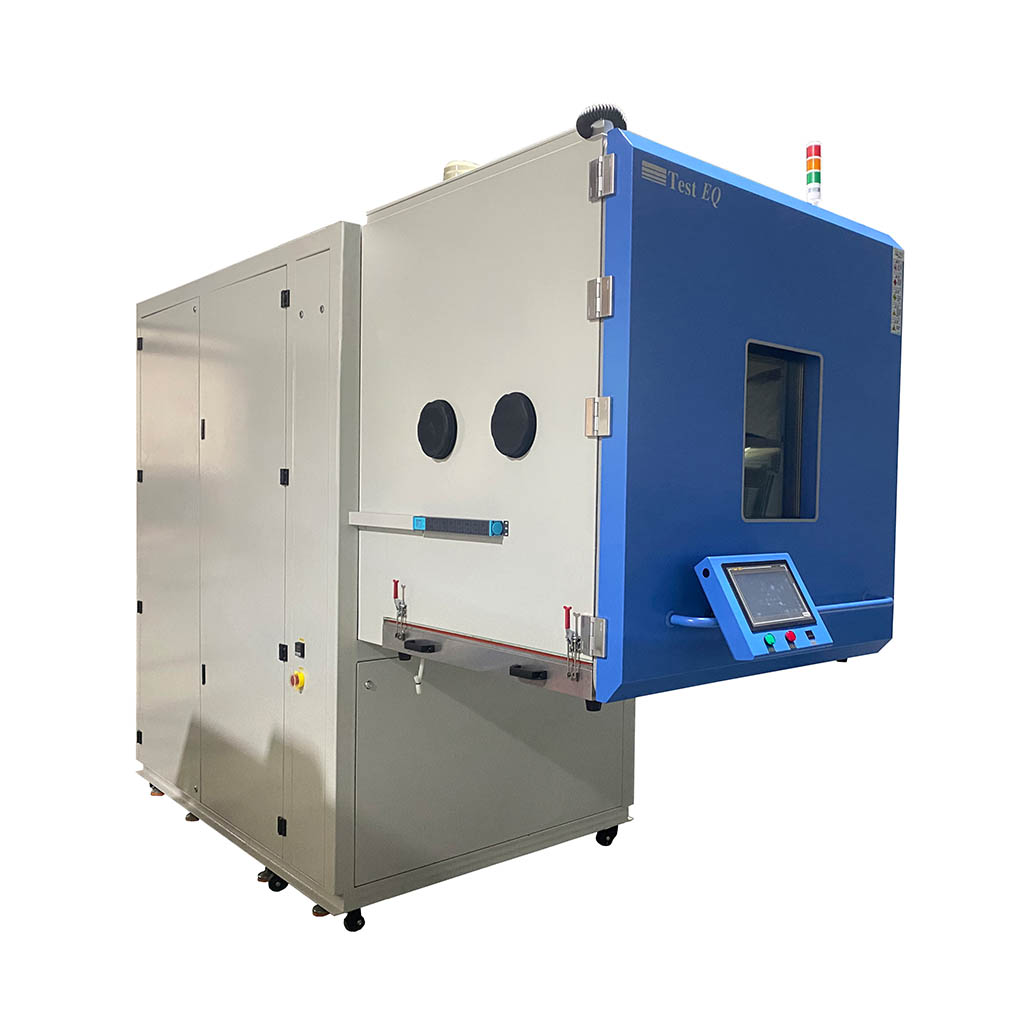
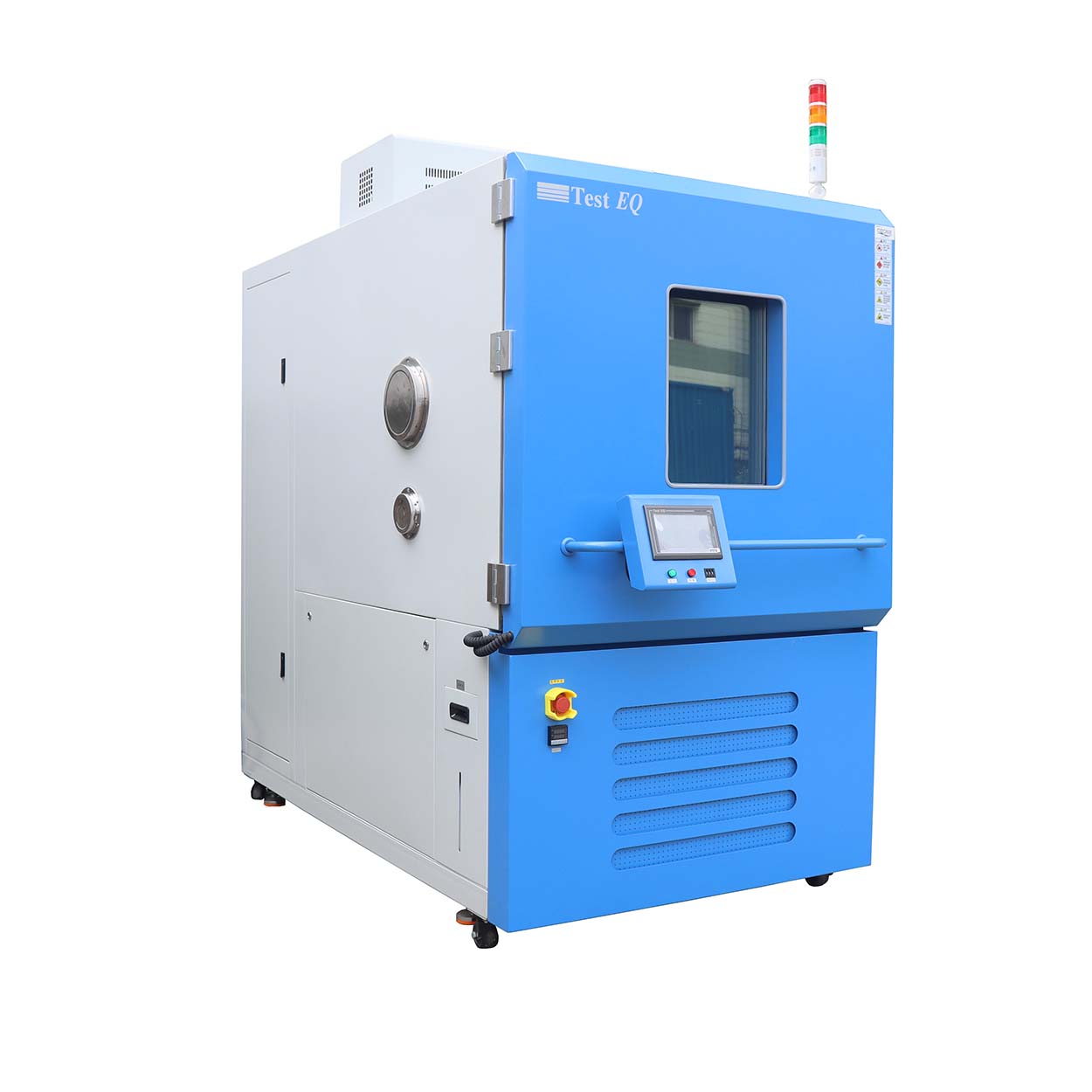
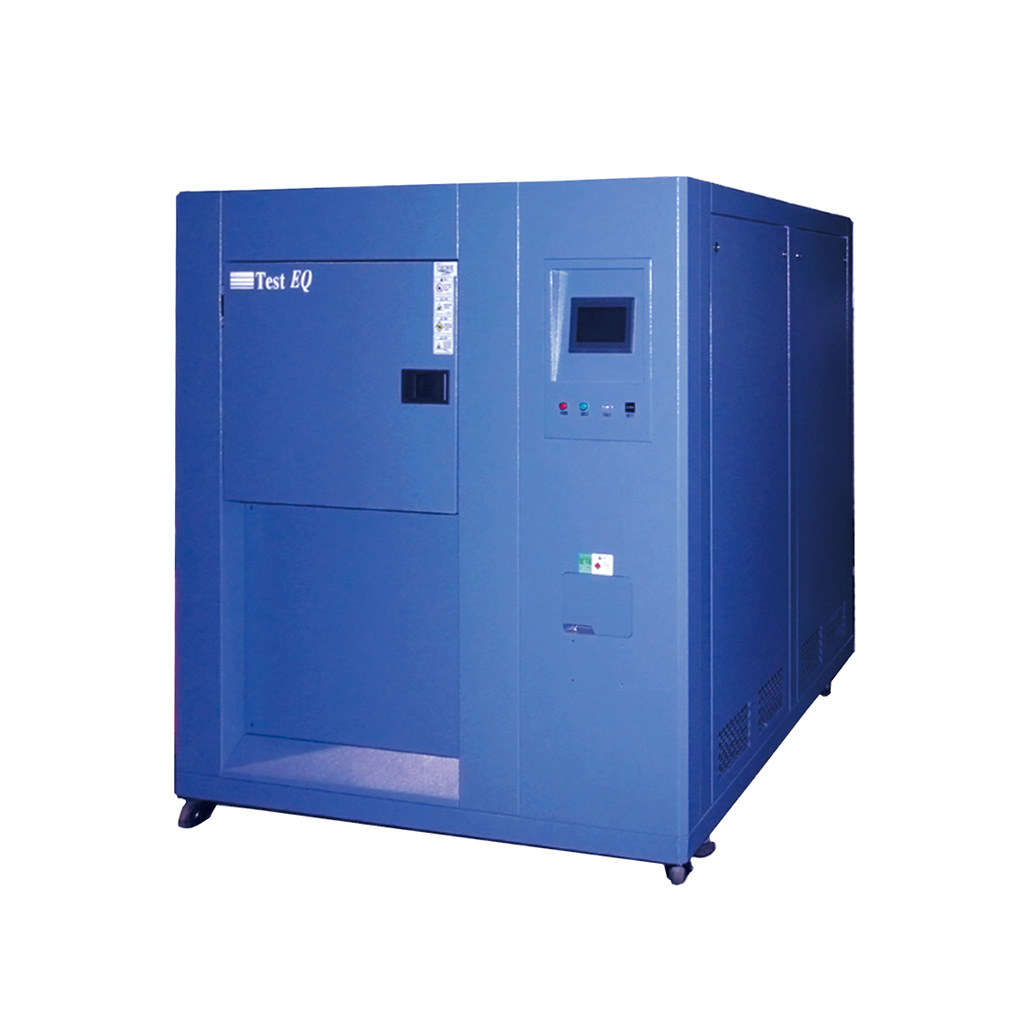
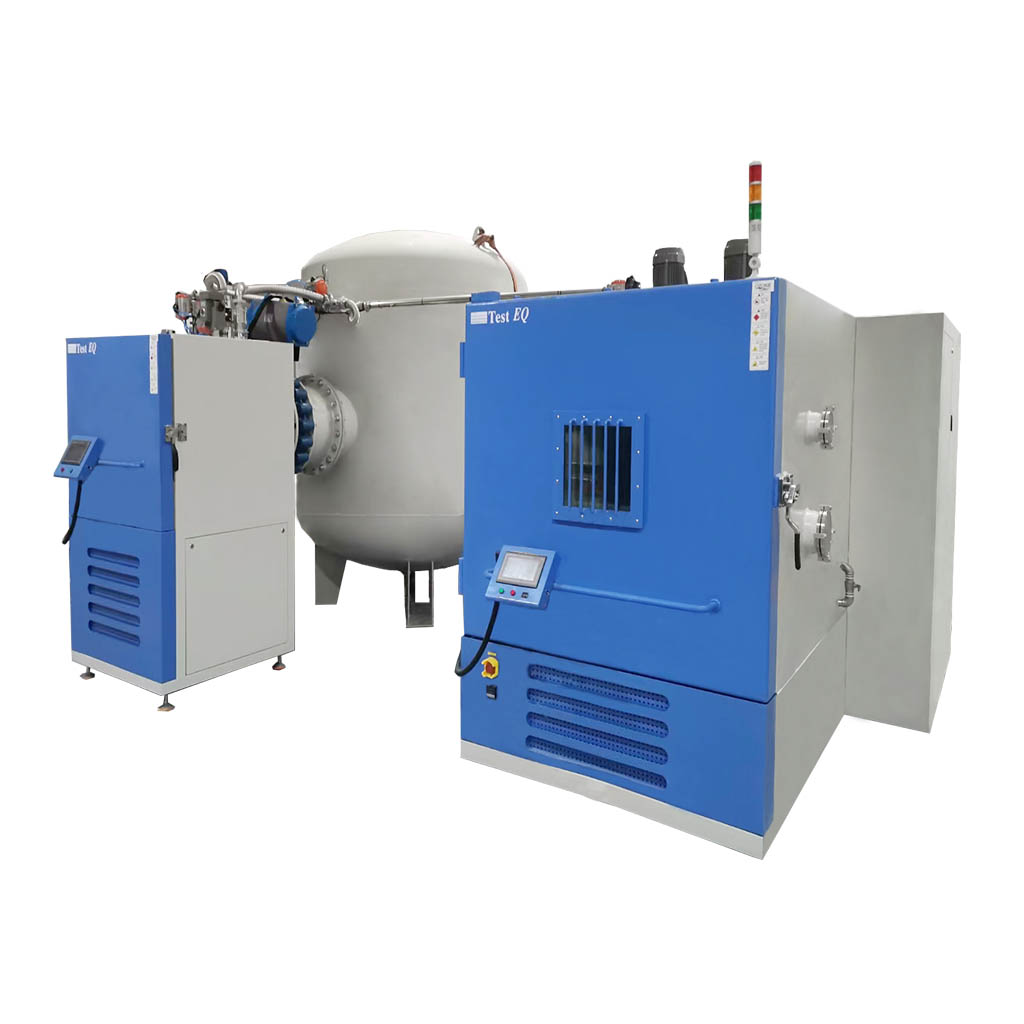
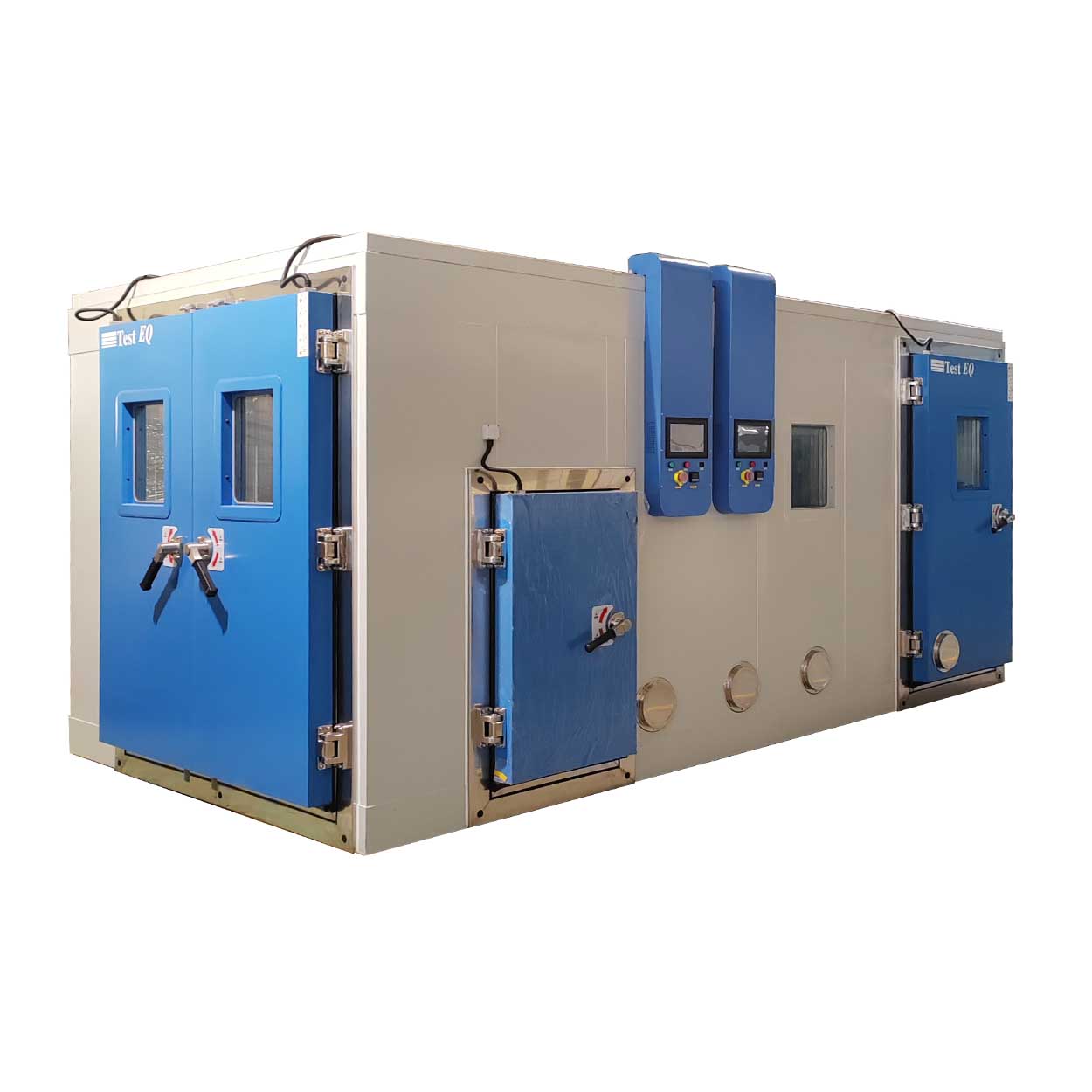
The Climatic Test Chamber is designed to simulate controlled environmental conditions including temperature, humidity, and cyclic climate changes for product reliability and durability testing.
Our systems support precise temperature and humidity control, ensuring compliance with international testing standards for accelerated environmental simulation.
What Is a Climatic Test Chamber?
A climatic test chamber is an environmental simulation system designed to replicate controlled temperature and humidity conditions for product reliability testing.
It is widely used to evaluate how materials, components, and finished products perform under extreme environmental stress conditions such as:
High and low temperature cycling
Humidity exposure
Condensation and thermal stress
Long-term aging simulation
This type of testing is essential for ensuring product stability before market release.
Working Principle of Climatic Test Chamber
Temperature Control System
The chamber uses a closed-loop refrigeration and heating system to achieve precise temperature regulation.
Humidity Generation System
Humidity is generated through steam or ultrasonic humidification systems, ensuring stable RH control across test cycles.
Airflow Circulation Design
Uniform airflow ensures consistent environmental conditions throughout the chamber space, eliminating test deviation.
Sensor Feedback Control
High-precision sensors continuously monitor temperature and humidity to maintain stability within tight tolerance ranges.
Why Climatic Testing Matters:
Climatic testing helps manufacturers identify:
Moisture-induced failures
Thermal expansion / contraction issues
Corrosion risks
Seal degradation
Material deformation
Early-life product failures
By simulating real environmental exposure, climatic testing improves product quality and field reliability.
Climatic Chamber vs Environmental Chamber:
| Feature | Climatic Test Chamber | Environmental Chamber |
|---|
| Focus | Temperature + Humidity | Broad Environmental Simulation |
| Typical Use | Climate Simulation | Multi-Stress Testing |
| Common Industries | Electronics / Auto / Lab | Aerospace / Defense / R&D |
Industry Standards for Climatic Testing
Climatic test chambers are designed to comply with international testing standards, including:
IEC 60068 Environmental Testing Standards
MIL-STD-810 Environmental Engineering Considerations
ISO 16750 Road Vehicle Electrical Testing
JEDEC Temperature and Humidity Reliability Standards
Compliance ensures test results are globally recognized and technically valid.
Climatic Test Chamber vs Other Environmental Chambers
Climatic Chamber vs Thermal Shock Chamber
Climatic Chamber vs Temperature Cycling Chamber
Why Choose TestEQ Climatic Chambers
Aerospace-grade refrigeration technology
Industry-leading temperature/humidity stability
Advanced airflow uniformity design
Long-life compressor and refrigeration system
Custom engineering for demanding test requirements
Proven deployment in high-reliability industries
Optional Configurations:
Rapid temperature change upgrade
LN₂ / CO₂ assisted cooling
Low humidity package (<10%RH)
Multi-zone independent control
Remote monitoring / Ethernet / IoT
Explosion-proof design for battery testing
FAQ:
1.What is a climatic test chamber?
A climatic test chamber simulates controlled temperature and humidity conditions to evaluate product reliability under environmental stress.
2.What is the difference between a climatic chamber and an environmental chamber?
A climatic chamber typically focuses on temperature and humidity simulation, while environmental chambers may include additional stress factors such as vibration, altitude, or salt spray.
3.What industries use climatic test chambers?
Industries include electronics, automotive, aerospace, defense, battery manufacturing, pharmaceuticals, and materials research.
4.What humidity range can a climatic chamber achieve?
Most standard chambers provide humidity control from 10%RH to 98%RH, with lower humidity options available upon request.
5.How do choose the right climatic chamber?
Selection depends on:
Internal Linking Module
Recommended Equipment
For accelerated reliability and ESS testing with rapid temperature transitions up to 25°C/min. Ideal for electronics, automotive, semiconductor and aerospace applications.
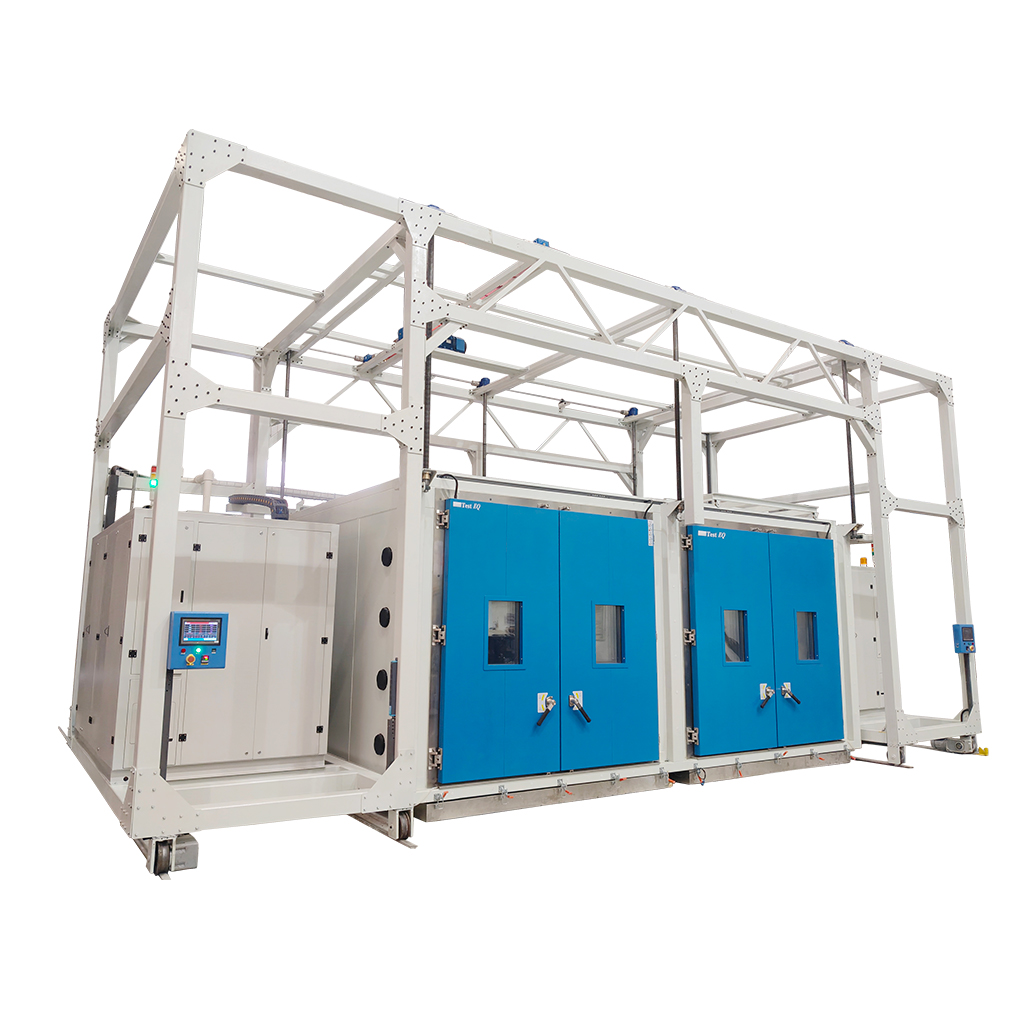
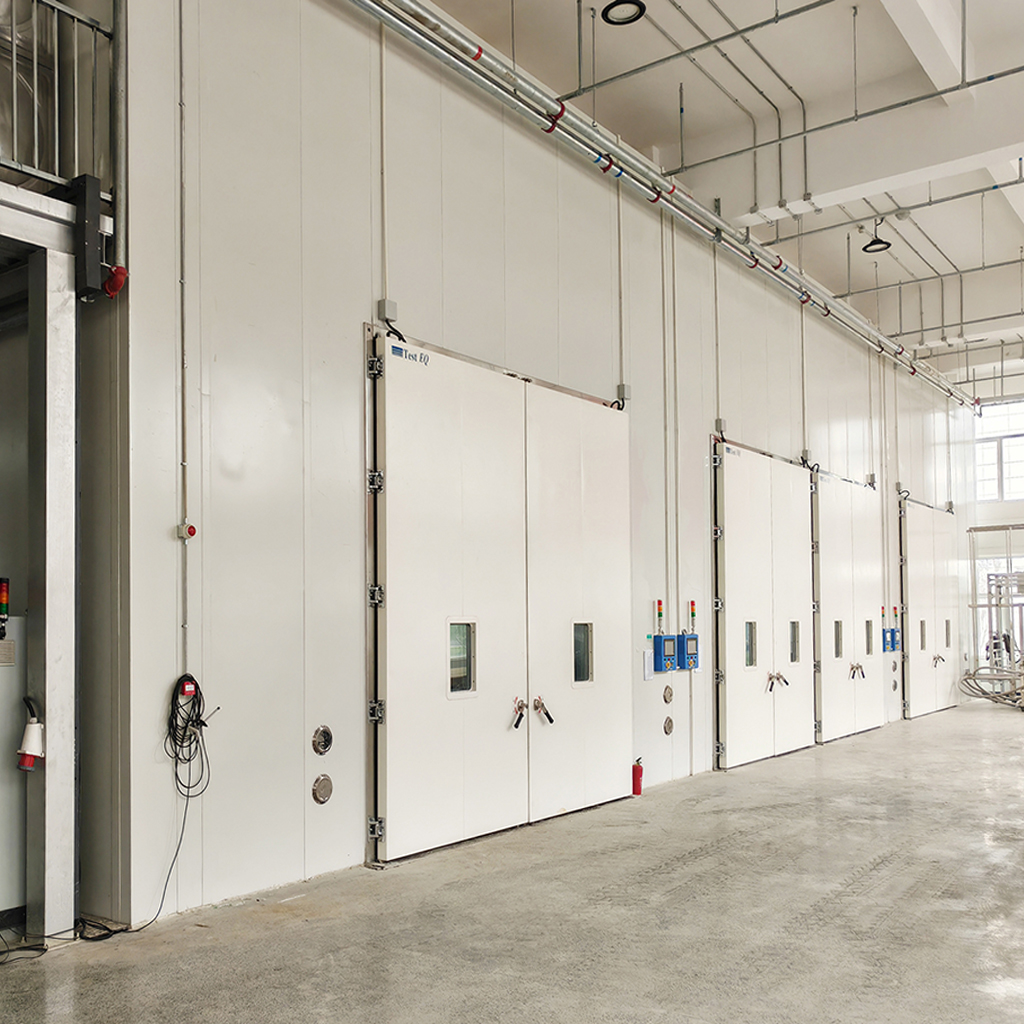
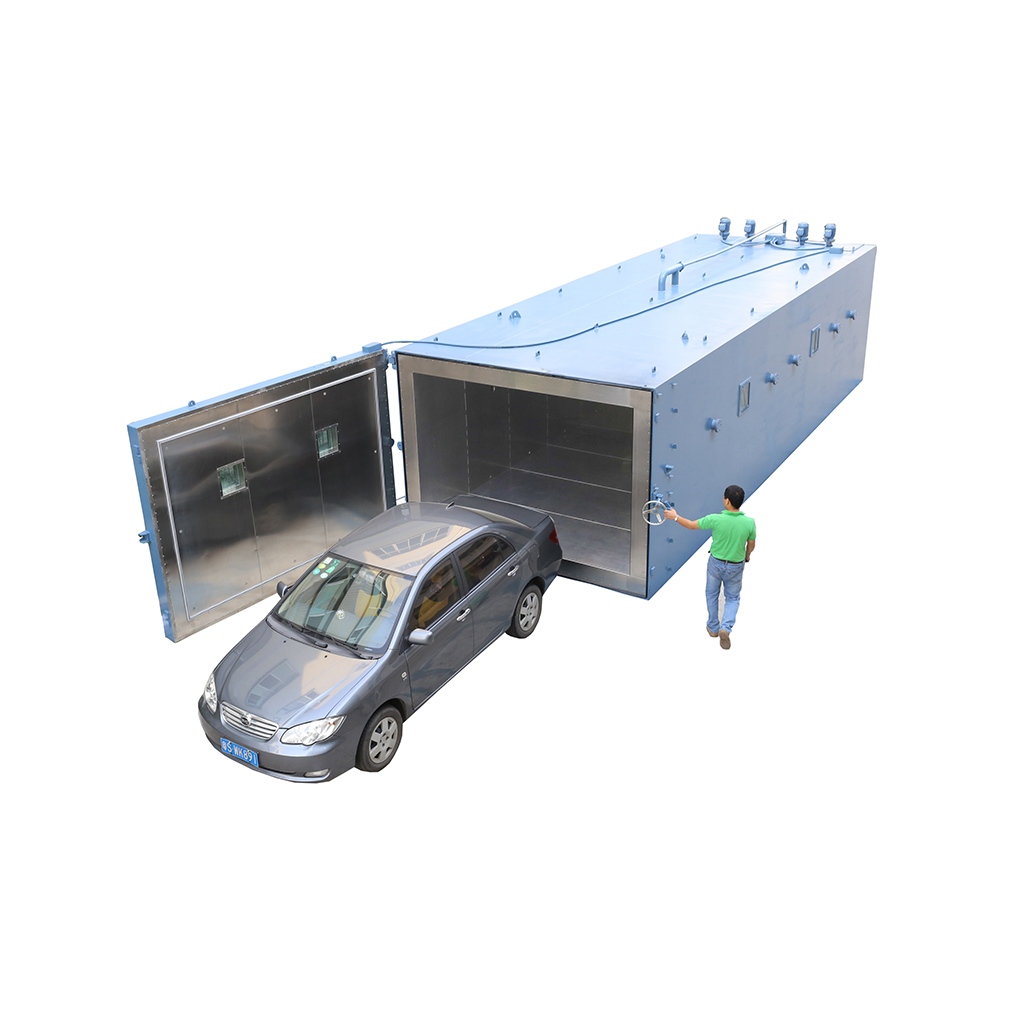
Designed for large-scale environmental simulation of complete products, battery packs, automotive components and industrial equipment under temperature and humidity conditions.
Related Standards
Automotive environmental testing standard covering temperature cycling, humidity testing and durability validation of vehicle electronic components.
Comprehensive international environmental testing standard covering temperature, humidity, thermal cycling, vibration and reliability qualification testing.
Technical Resources
Learn the fundamentals of environmental simulation, temperature humidity testing, and reliability qualification for industrial products.
Discover THB testing principles, JEDEC standards, test procedures, failure mechanisms and reliability applications for semiconductor and electronic products.