HAST Test Chamber for Semiconductor and Electronics Reliability Testing
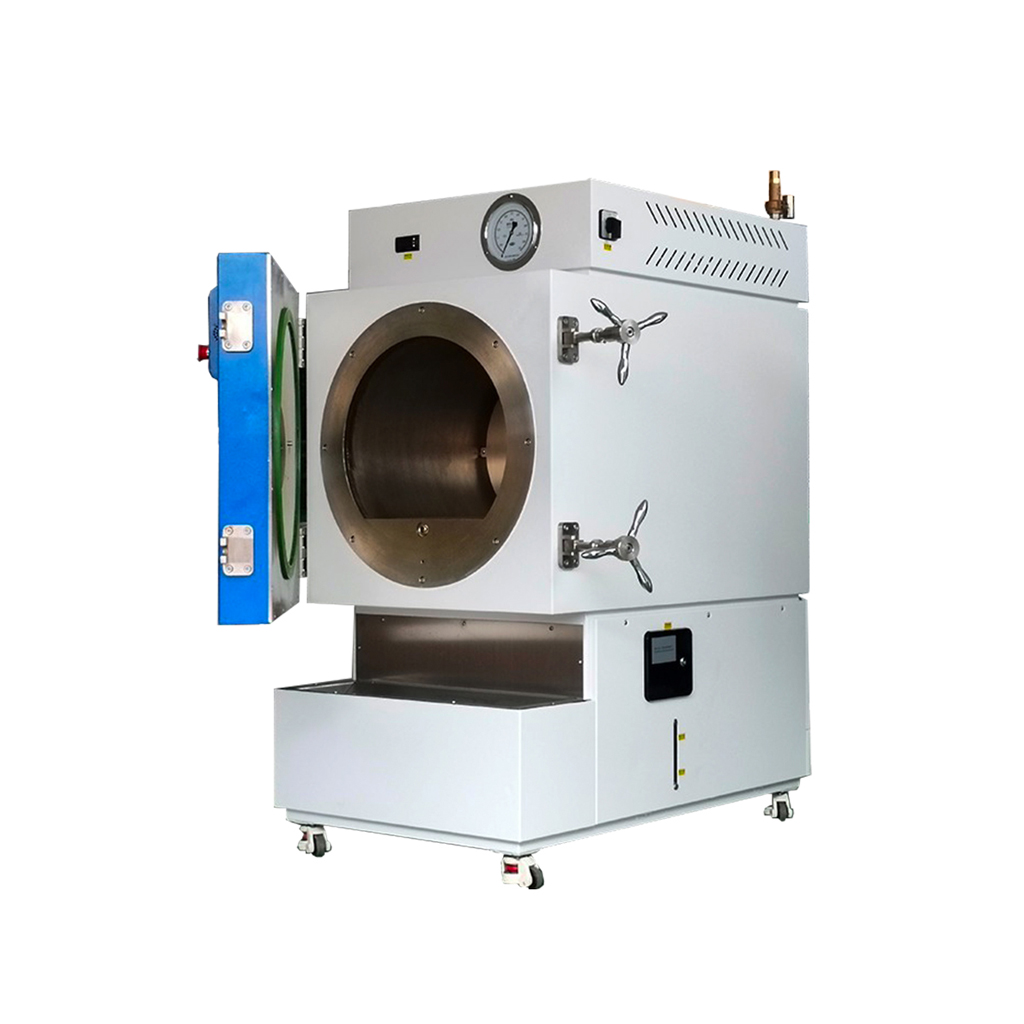
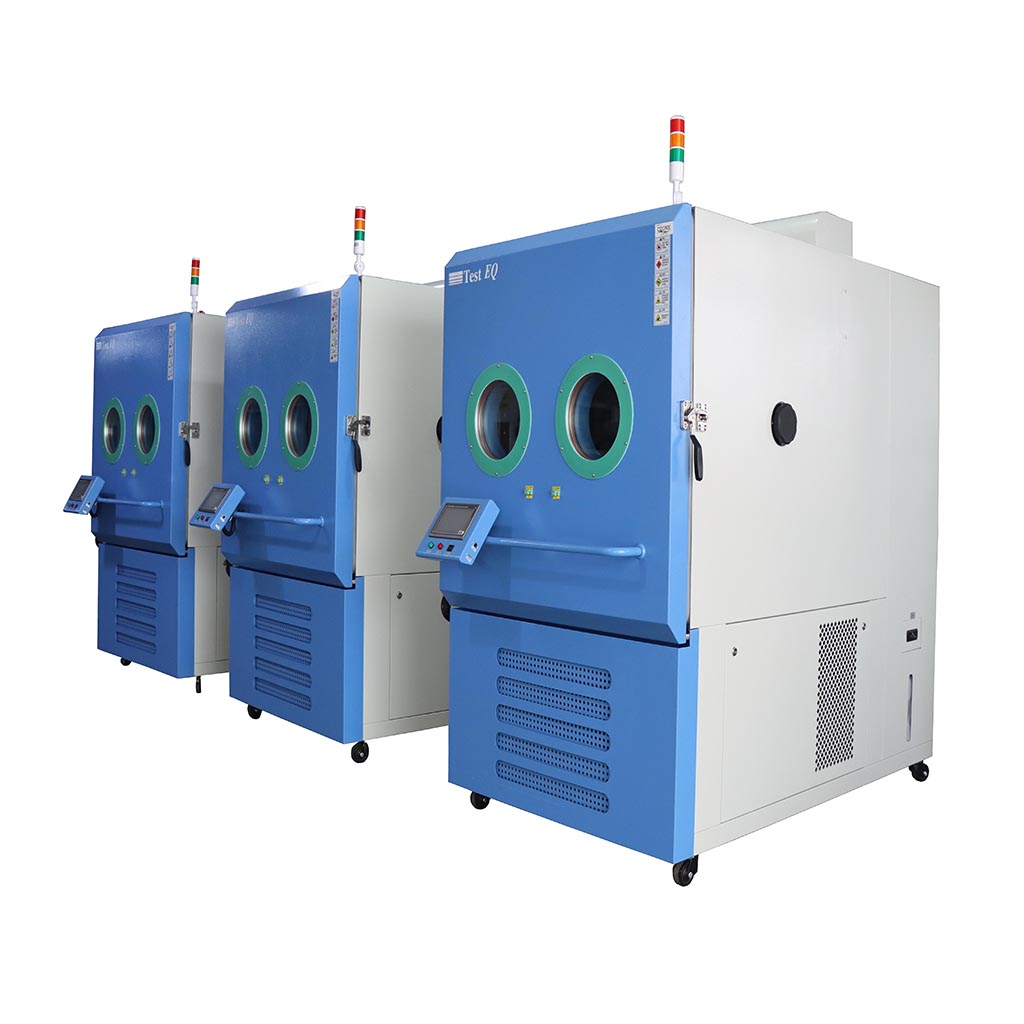
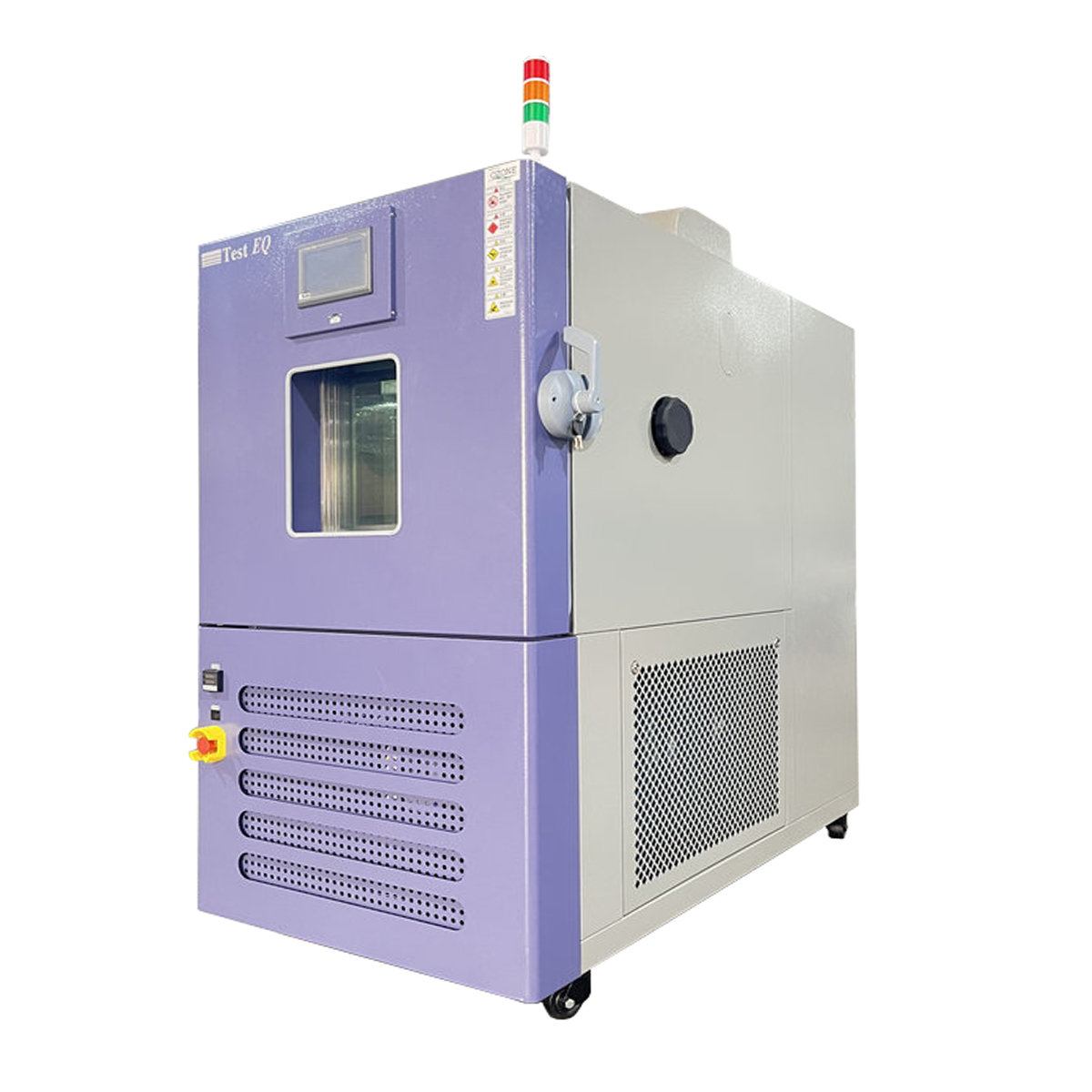
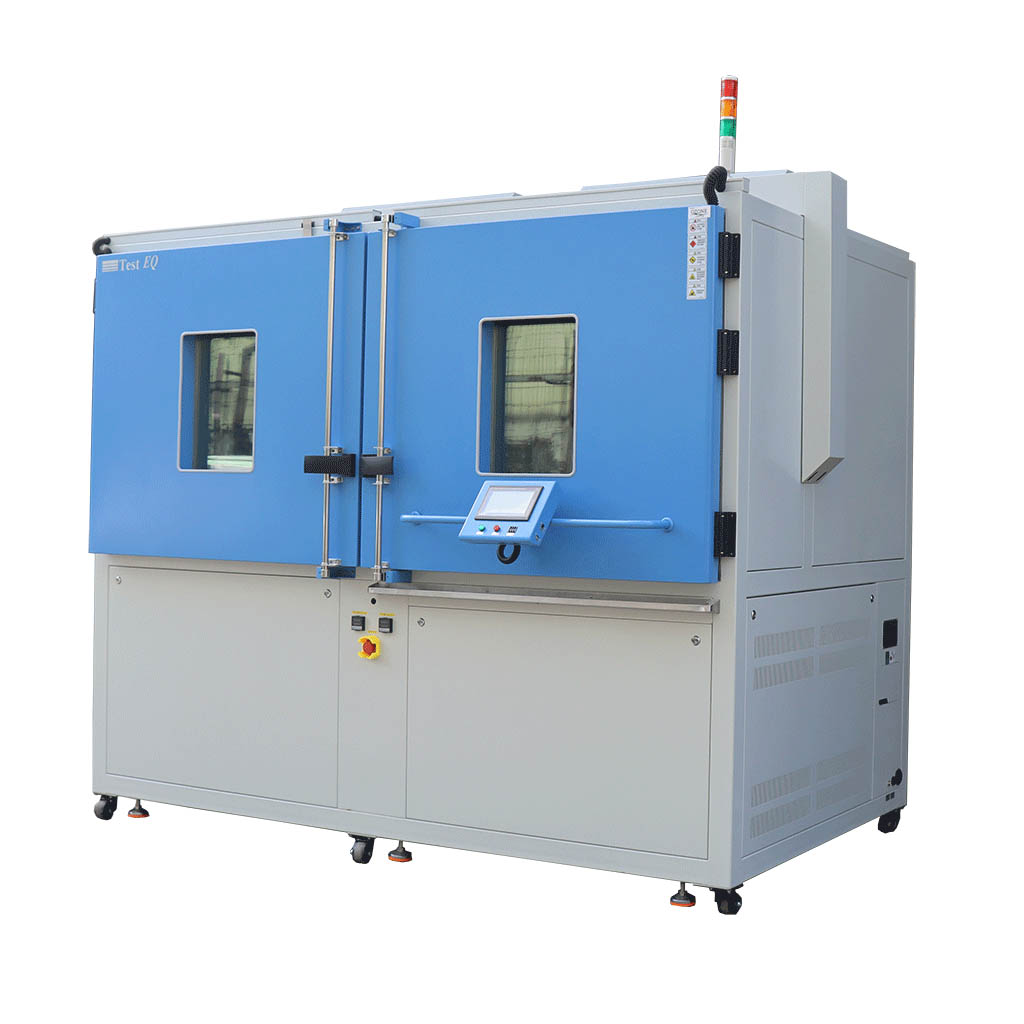
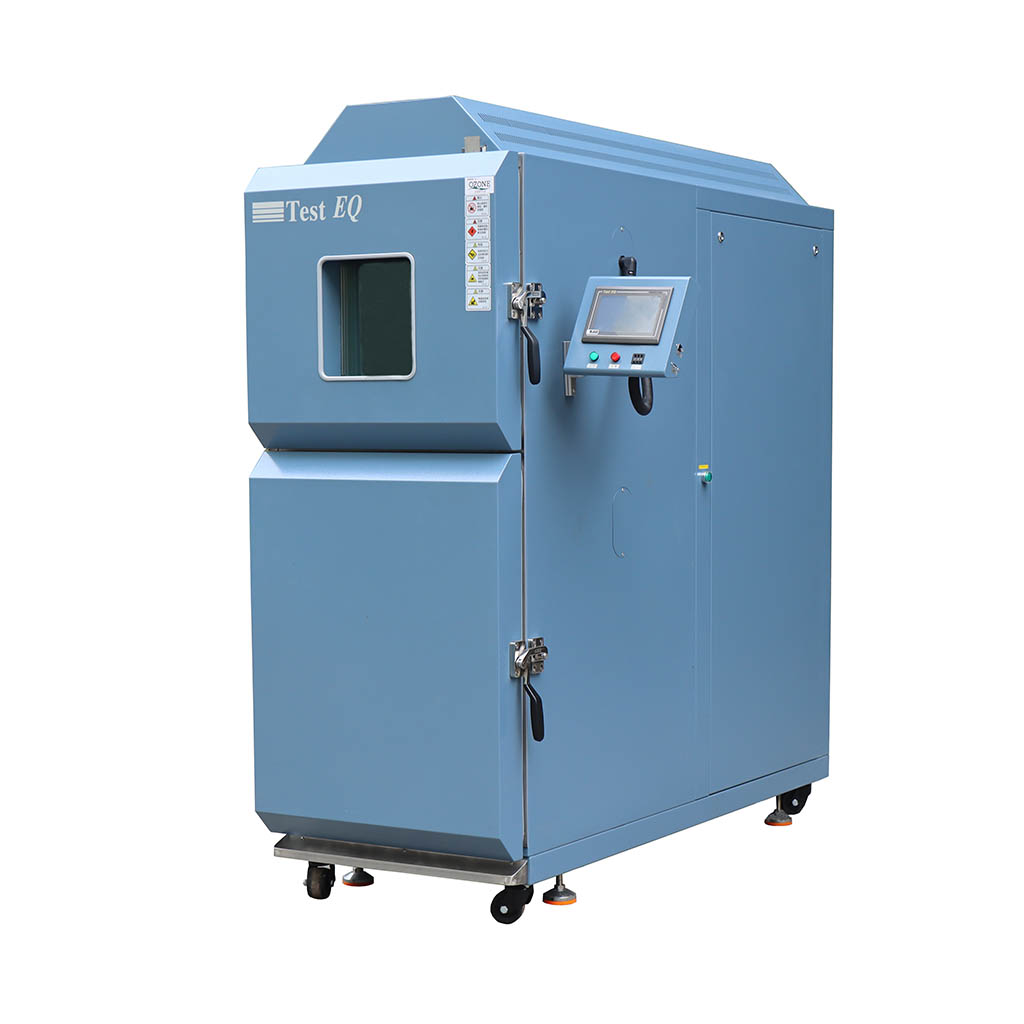
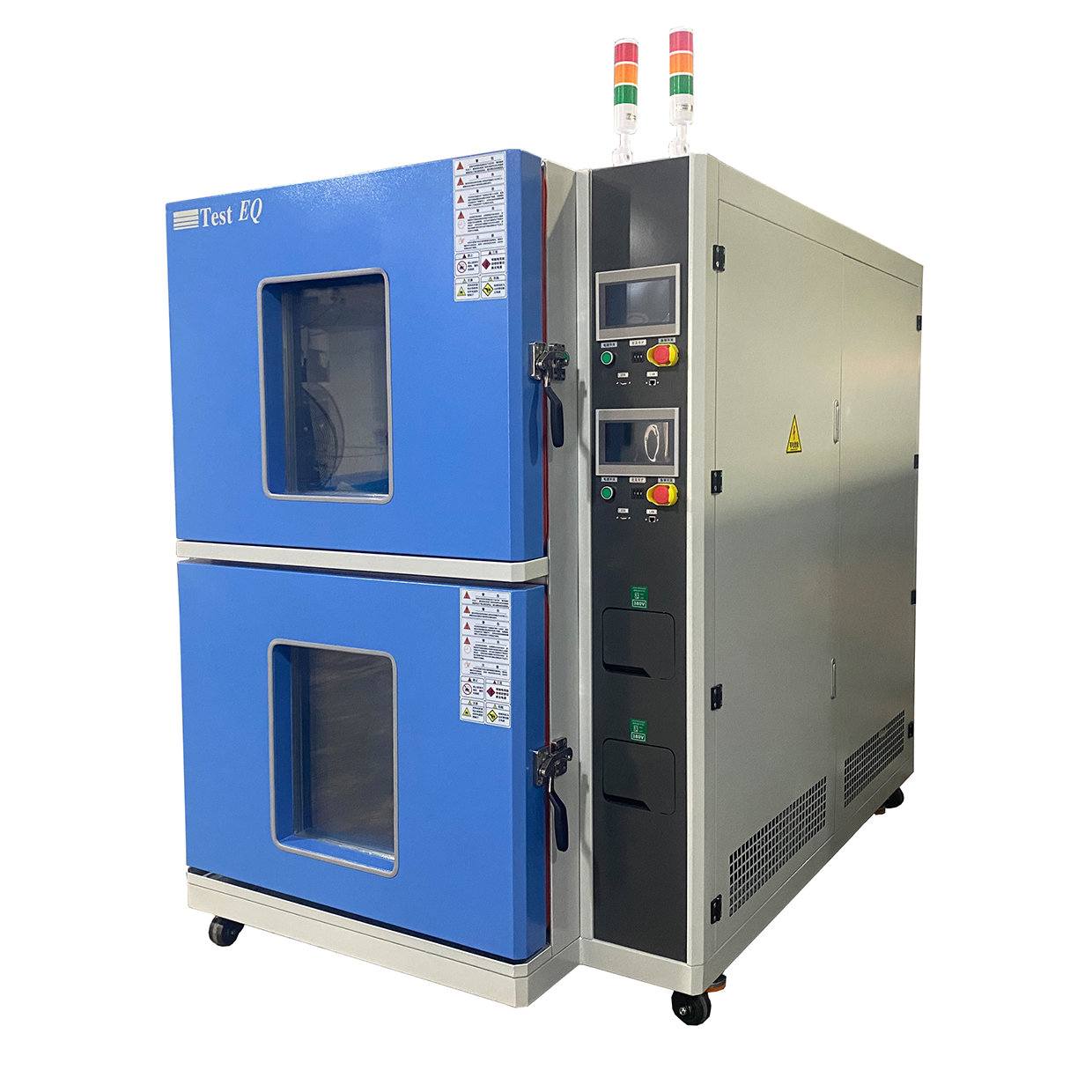
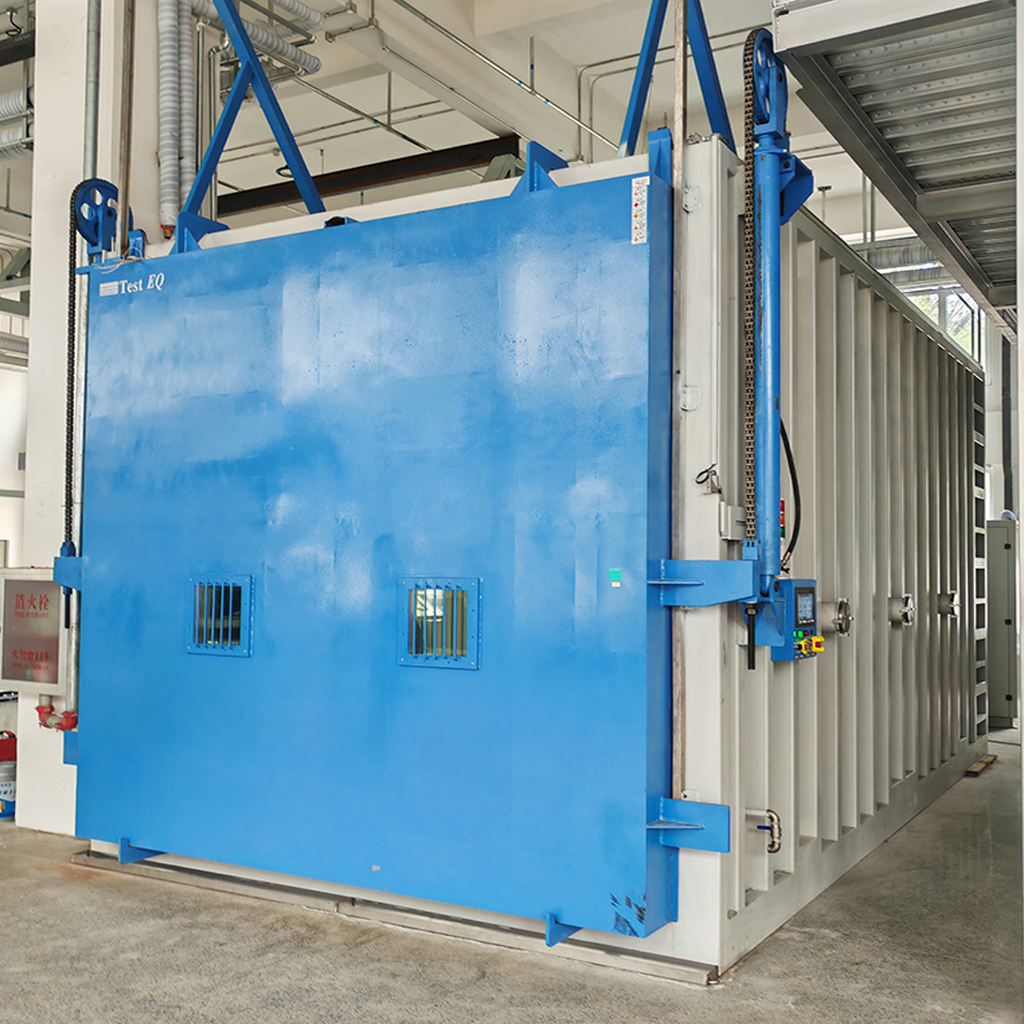
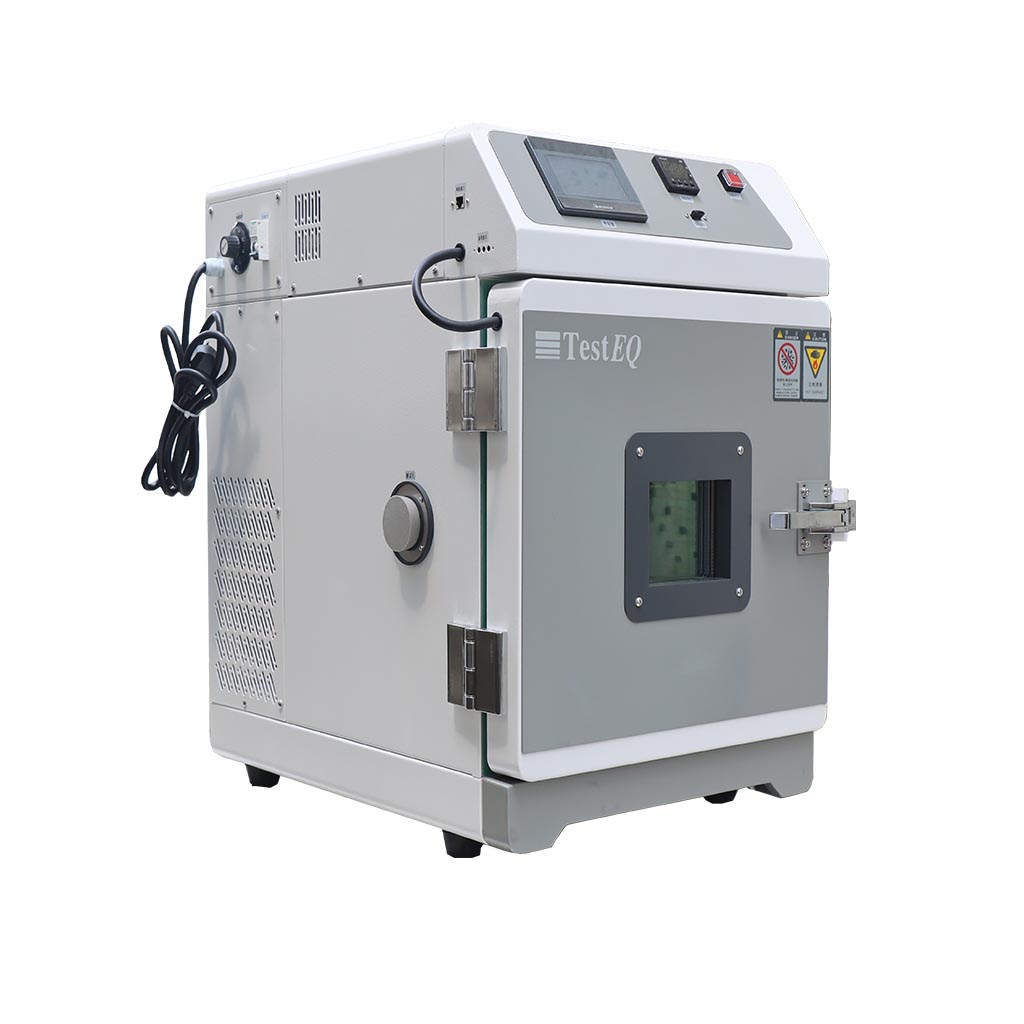
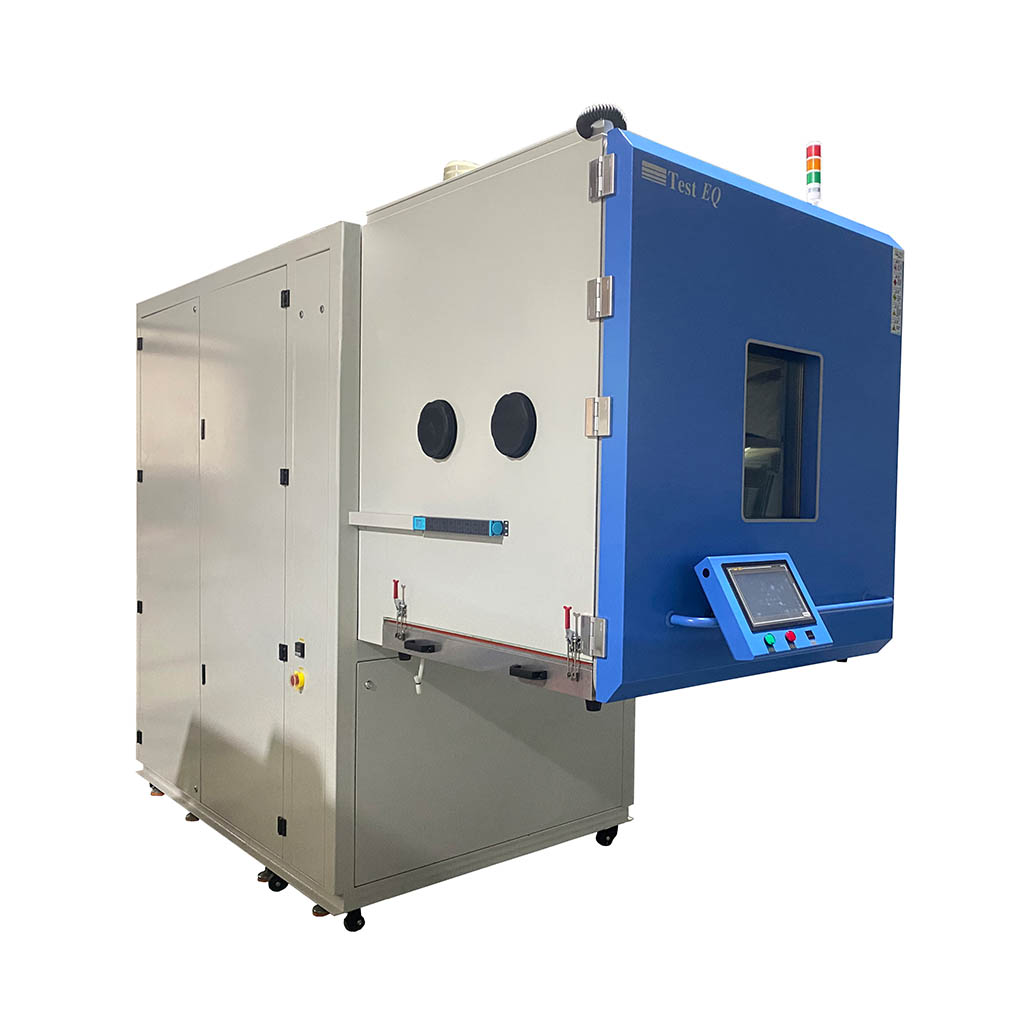
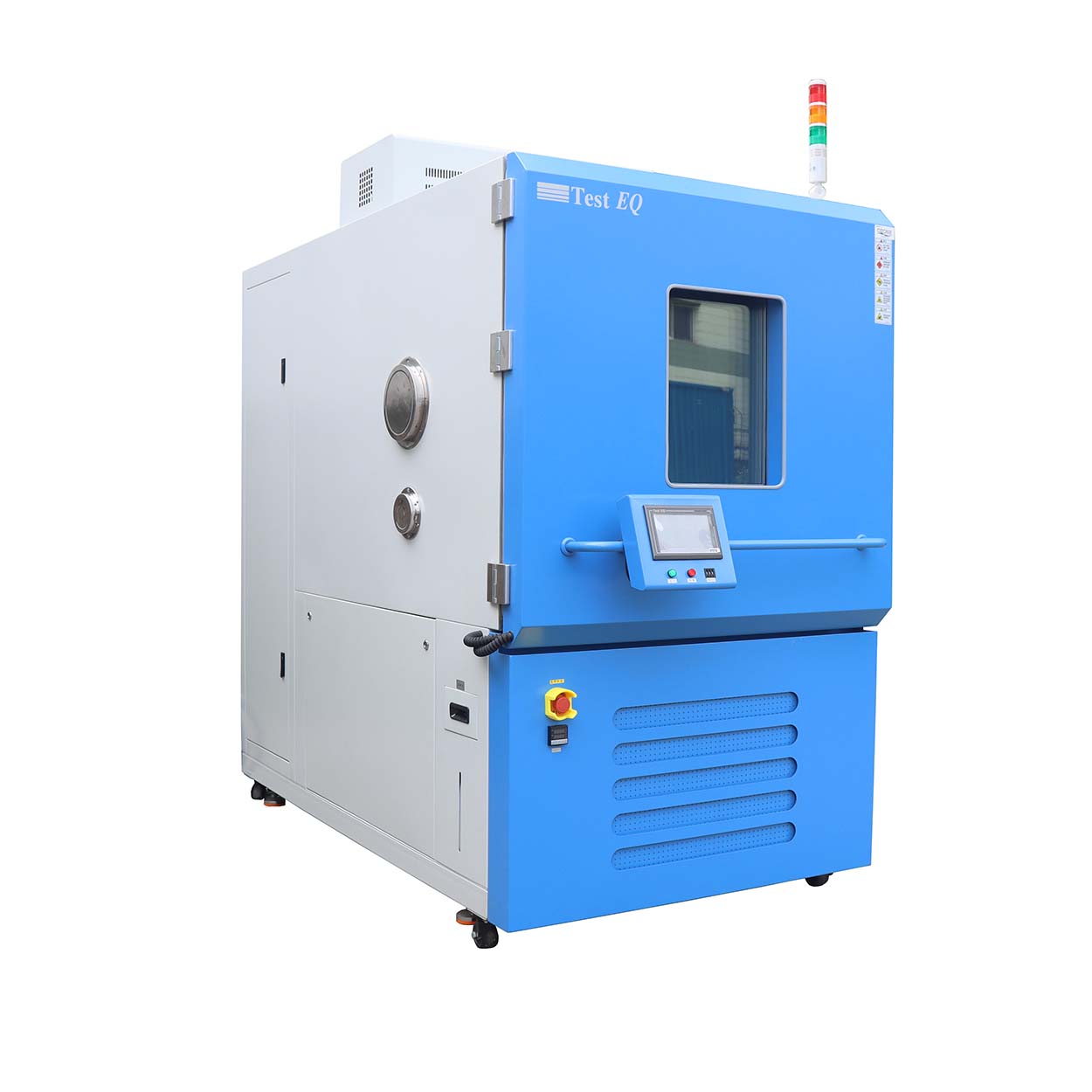
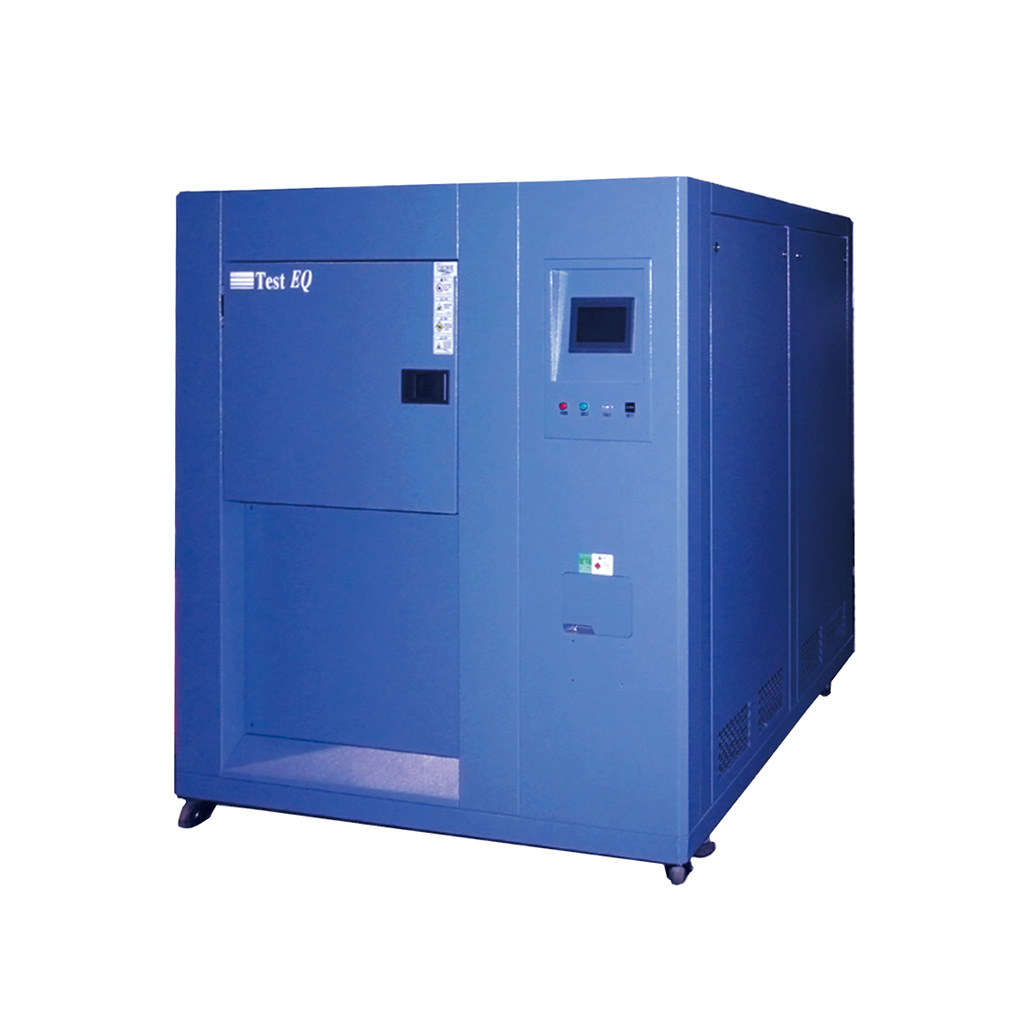
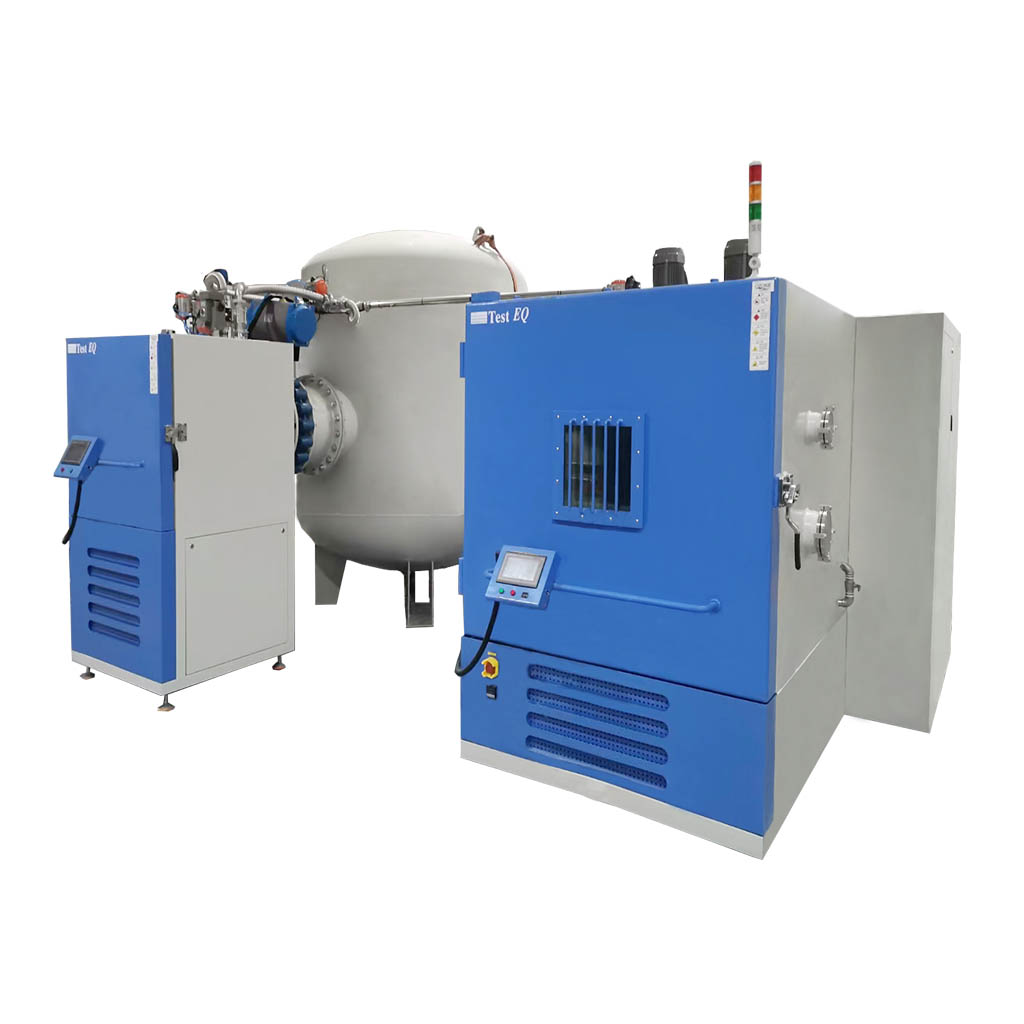
TestEQ HAST Test Chambers are designed for Highly Accelerated Stress Testing of semiconductor packages, ICs, electronic components, PCB assemblies, automotive electronics, and other moisture-sensitive products.
The system combines controlled temperature, humidity, and pressure conditions to accelerate moisture-related reliability testing and support faster product qualification.
Designed to support JESD22-A110, JESD22-A102, IEC 60068-2-66, and related reliability requirements, TestEQ provides standard and customized HAST chamber configurations for semiconductor manufacturers, electronics companies, laboratories, and reliability test centers.
What is HAST Testing?
HAST (Highly Accelerated Stress Test) is an environmental reliability testing method that uses elevated temperature, humidity, and pressure to accelerate moisture-related degradation mechanisms in electronic devices and semiconductor packages.
Compared with conventional temperature-humidity testing such as 85°C/85%RH (85/85), HAST introduces elevated pressure and higher stress conditions to accelerate moisture penetration and related failure mechanisms. It helps reliability engineers evaluate potential issues such as corrosion, delamination, insulation resistance degradation, package degradation, and other moisture-related failures within a shorter test period.
The TestEQ HAST Test Chamber is engineered for semiconductor packages, ICs, electronic components, automotive electronics, and other moisture-sensitive products. Designed to support JEDEC JESD22-A110 HAST testing requirements, the system provides controlled temperature, humidity, and pressure conditions for repeatable reliability evaluation and product qualification.
TestEQ offers standard and customized HAST chamber configurations based on test temperature, pressure range, chamber capacity, biased or unbiased HAST requirements, sample fixtures, and laboratory integration needs.
HAST Testing Conditions
HAST testing combines elevated temperature, humidity, and pressure to accelerate moisture-related reliability failures.
Typical HAST testing parameters may include:
• Temperature: commonly 110°C–130°C depending on the test method
• Humidity: typically 85% RH or saturated vapor conditions
• Pressure: elevated pressure above atmospheric conditions
• Test Duration: commonly 24–96 hours depending on the qualification requirement
• Test Mode: Biased HAST or Unbiased HAST
• Application: semiconductor packages, ICs, electronic components, automotive electronics, PCB assemblies, LEDs, connectors, and other moisture-sensitive products
Actual test conditions should always be established according to the applicable test standard, product qualification requirement, and customer specification.
For semiconductor qualification, JESD22-A110 is a key reference for HAST testing. For environmental reliability testing, IEC 60068-2-66 is another important standard for pressure-accelerated damp heat testing.
How to Choose a HAST Test Chamber for Semiconductor Reliability Testing?
Selecting the right HAST test chamber requires evaluating testing standards, temperature and humidity control, pressure capability, chamber capacity, and system reliability. A suitable system should support standards such as JESD22-A110 and IEC 60068 while providing stable high-temperature, high-humidity, and pressure conditions for repeatable semiconductor reliability testing. Engineers should also consider safety features, control accuracy, sample compatibility, and manufacturer support to ensure reliable test results for IC packages, electronic components, and advanced semiconductor applications.
HAST vs PCT vs THB Testing
HAST, PCT, and THB are commonly used to evaluate moisture-related reliability of semiconductor packages, electronic components, and other moisture-sensitive products. The main differences are testing pressure, electrical bias, acceleration mechanism, and typical application.
| Testing Method | HAST | PCT | THB |
|---|
| Full Name | Highly Accelerated Stress Test | Pressure Cooker Test | Temperature Humidity Bias |
| Main Purpose | Accelerated evaluation of moisture-related reliability failures | Evaluation of moisture resistance and package integrity | Evaluation of moisture-related electrical degradation under bias |
| Temperature | Elevated temperature, typically around 110–130°C depending on the standard | High temperature, commonly around 120–130°C | Typically around 85°C |
| Humidity | High humidity / saturated vapor conditions depending on the test method | Saturated steam | Commonly 85% RH |
| Pressure | Elevated pressure | Elevated steam pressure | Atmospheric pressure |
| Electrical Bias | Biased or unbiased configurations available | Normally no electrical bias | Electrical bias is a key part of the test |
| Acceleration Mechanism | Temperature + humidity + pressure | Temperature + saturated steam + pressure | Temperature + humidity + electrical bias |
| Typical Test Duration | Relatively short accelerated testing | Short to medium duration depending on qualification requirements | Generally longer-duration reliability testing |
| Typical Applications | Semiconductor packages, ICs, electronic components, automotive electronics | Package moisture resistance and material evaluation | Semiconductor devices, LEDs, automotive electronics, and electronic components |
| Common Standards | JESD22-A110, IEC 60068-2-66 | JESD22-A102 and related moisture resistance methods | JESD22-A118 and related THB requirements |
| Main Advantage | High acceleration for moisture-related failure mechanisms | Strong moisture and pressure stress | Evaluates moisture-related electrical degradation under bias |
| Best Suited For | Accelerated semiconductor and electronics reliability qualification | Moisture resistance and package evaluation | Long-duration biased humidity reliability testing |
Which Test Should You Choose?
The appropriate testing method depends on the product, failure mechanism, applicable qualification standard, electrical bias requirements, and required test duration.
• Choose HAST when accelerated temperature, humidity, and pressure stress is required for semiconductor or electronic component reliability testing.
• Choose PCT when the primary objective is evaluating moisture resistance under high-temperature saturated steam and pressure.
• Choose THB when electrical bias must be combined with elevated temperature and humidity to evaluate electrical degradation and corrosion-related failures.
TestEQ provides HAST testing systems that can be configured for biased or unbiased HAST, customized fixtures, pressure control, data monitoring, and laboratory integration according to the applicable reliability testing requirements.
HAST vs Temperature Humidity Testing:
| Feature | HAST Testing | Temperature Humidity Test |
|---|
| Temperature | Higher (110–130°C) | Lower (85°C typical) |
| Pressure | Elevated | Normal |
| Test Time | Short (hours–days) | Long (weeks–months) |
| Application | Semiconductor | General electronics |
Designed for Semiconductor Reliability:
HAST testing is critical for identifying:
Moisture ingress failures
Corrosion of metal interconnects
Delamination in IC packaging
Insulation breakdown
Electrochemical migration
It is widely required in JEDEC qualification standards for semiconductor devices.
Why Choose TestEQ for HAST Testing Equipment?
Reliability Testing Engineering
TestEQ develops environmental reliability testing systems for semiconductor, electronics, automotive, aerospace, and research applications.
HAST-Specific Configuration
The HAST system can be configured for saturated or controlled humidity, biased or unbiased testing, automatic pressure control, customized fixtures, and data monitoring.
Standards-Oriented Design
TestEQ HAST chambers are designed around major JEDEC and IEC reliability testing requirements, including JESD22-A110 and IEC 60068-2-66.
Custom Engineering
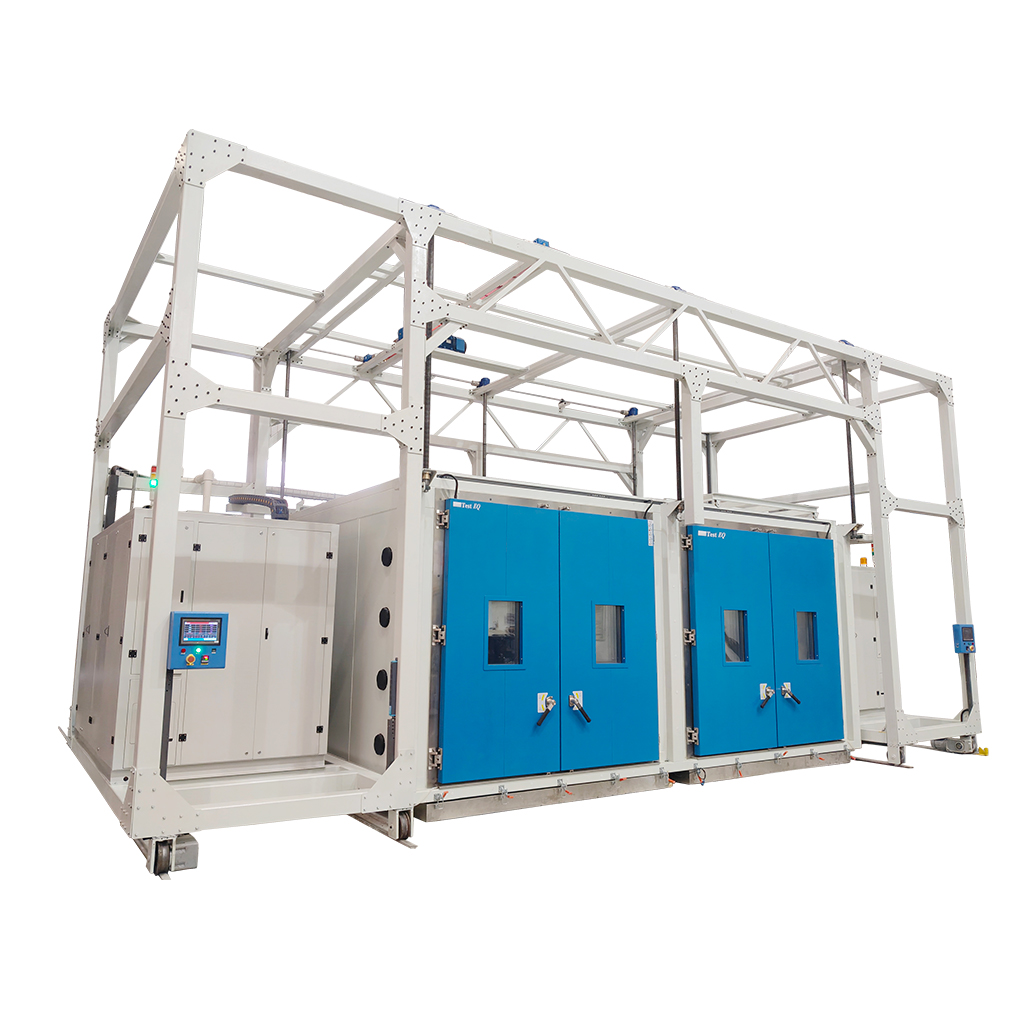
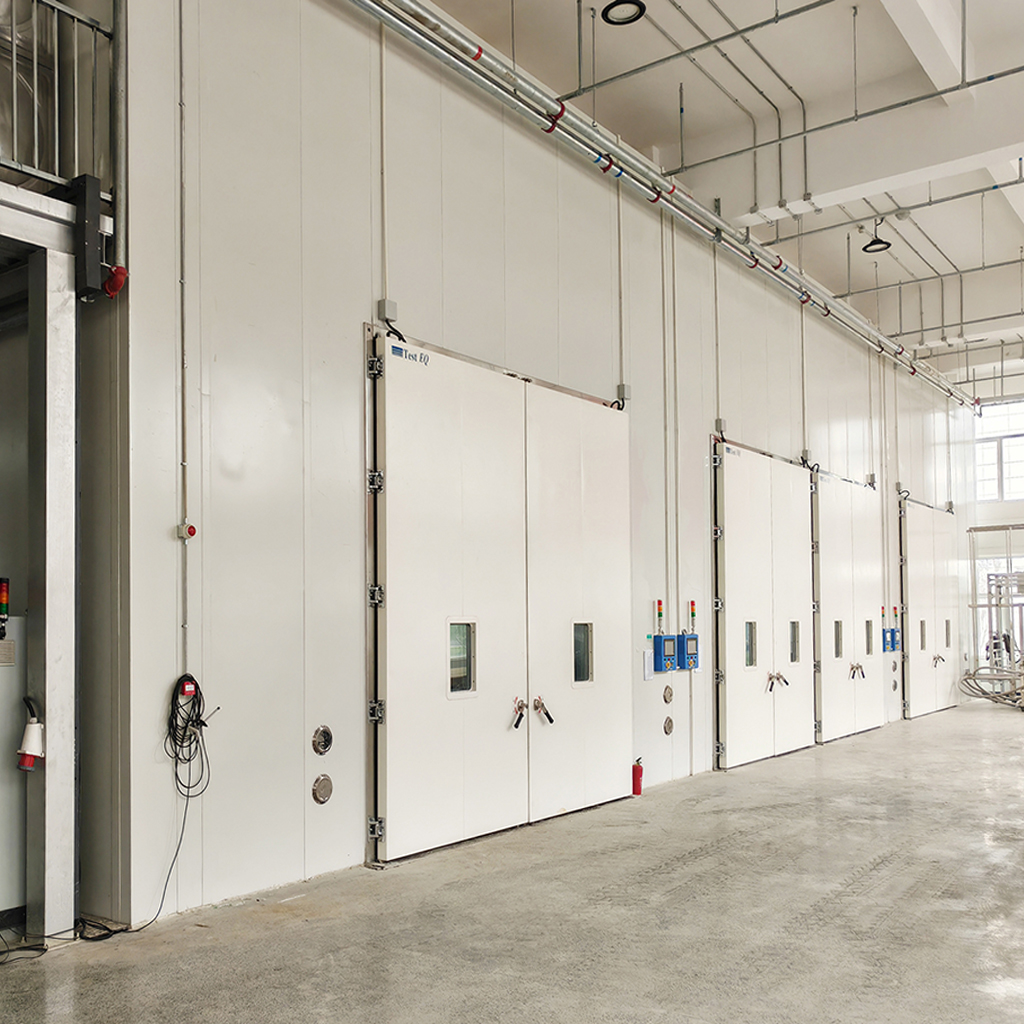
Chamber capacity, sample fixtures, electrical interfaces, monitoring systems, laboratory layout, and other technical requirements can be customized for specific qualification programs.
Global Project Support
TestEQ supports laboratories, manufacturers, research organizations, and reliability test centers requiring HAST testing equipment for international testing programs.
Complete Reliability Testing Solutions
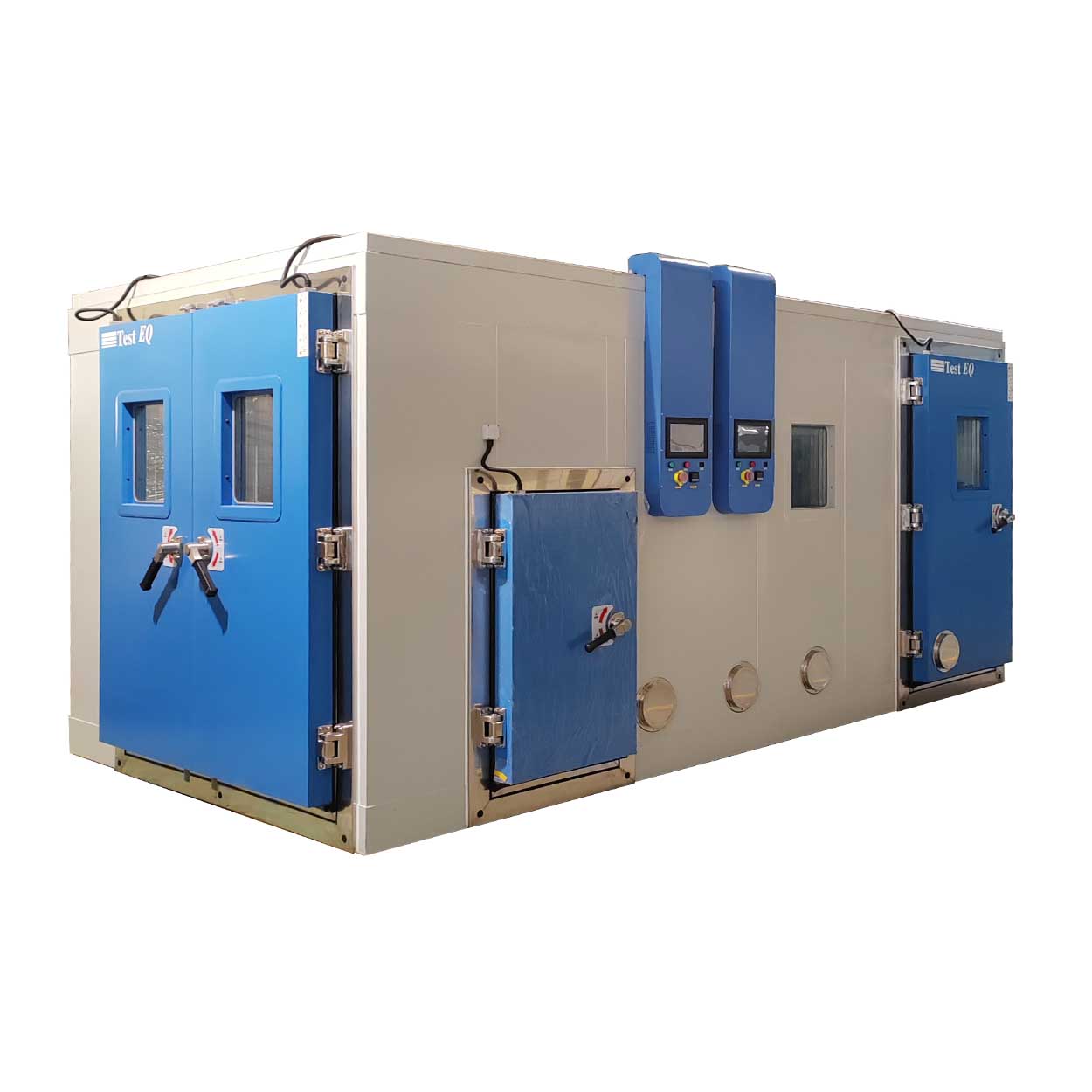
HAST chambers can be integrated with temperature humidity testing, thermal cycling, ESS, THB, and other environmental reliability systems to build a complete reliability testing laboratory.
Optional Configurations:
Biased HAST (with electrical loading)
Unbiased HAST mode
Automatic pressure control system
Data logging & remote monitoring
Multi-sample testing fixtures
Custom chamber sizes and layouts
HAST Testing Standards
TestEQ HAST Test Chambers are designed to support major reliability testing requirements for semiconductor, electronic component, and automotive electronics applications.
Primary HAST Standards
• JEDEC JESD22-A110 — Highly Accelerated Temperature and Humidity Stress Test
• JEDEC JESD22-A102 — Accelerated Moisture Resistance
• IEC 60068-2-66 — Damp Heat, Accelerated, Pressure Test
Related Reliability Standards
Depending on the application and qualification program, HAST systems may also be integrated into reliability testing programs involving:
• AEC-Q100
• AEC-Q101
• AEC-Q200
• MIL-STD-202
• MIL-STD-750
• Automotive electronic component qualification requirements
Testing conditions should be established according to the applicable standard and product qualification specification.
HAST Test Chamber FAQ
1. What is a HAST test chamber?
A HAST test chamber is a pressurized environmental reliability testing system that combines high temperature, humidity, and pressure to accelerate moisture-related failures in electronic components and semiconductor devices.
2. What standards does a HAST chamber support?
Typical HAST applications include JEDEC JESD22-A110, JESD22-A102, and IEC 60068-2-66. The required configuration should be selected according to the applicable product qualification standard.
3. What temperature is used for HAST testing?
Typical HAST testing uses elevated temperatures such as 110°C–130°C, although the actual temperature depends on the applicable test method and product qualification requirements.
4. Can the HAST chamber perform biased HAST testing?
Yes. TestEQ HAST systems can be configured for biased HAST applications with electrical loading and customized fixtures.
5. What is the difference between HAST and THB?
HAST uses elevated pressure together with temperature and humidity to accelerate moisture-related failures, while THB generally uses temperature, humidity, and electrical bias at atmospheric pressure for longer-duration reliability evaluation.
6. What is the difference between HAST and PCT?
HAST and PCT both use elevated temperature and humidity under pressure, but their test methods and application requirements differ. HAST is widely used for semiconductor reliability qualification, while PCT is commonly used for moisture resistance evaluation.
7. Can TestEQ customize a HAST test chamber?
Yes. TestEQ can customize chamber capacity, fixtures, electrical bias systems, monitoring functions, water management, pressure control, and laboratory integration according to the application.
8. How do I choose the right HAST chamber?
Consider the applicable standard, sample quantity, chamber capacity, temperature and pressure requirements, biased or unbiased testing, fixture configuration, safety requirements, and required testing throughput.
9. How long does HAST testing take?
HAST qualification commonly uses significantly shorter test durations than conventional long-term humidity testing. Actual duration should be determined according to the applicable qualification standard and test condition.
10. Can TestEQ provide a HAST chamber quotation?
Yes. TestEQ can provide standard or customized HAST chamber configurations based on sample dimensions, quantity, required testing standard, temperature, humidity, pressure, electrical bias, and laboratory requirements.
Internal Linking Module
Recommended Equipment
Standard and walk-in temperature humidity chambers for 85°C/85% RH aging, moisture resistance, and long-duration environmental reliability testing.
Thermal cycling systems designed to evaluate electronic components, semiconductor devices, automotive electronics, and other products under repeated temperature changes.
Environmental Stress Screening chambers for identifying latent manufacturing defects through accelerated temperature cycling and environmental stress testing.
Related Standards
Learn the JEDEC JESD22-A110 HAST requirements, test conditions, pressure parameters, failure mechanisms, and semiconductor reliability qualification methods.
Explore IEC 60068-2-66 requirements for accelerated damp heat testing under pressure and its applications in electronic and semiconductor reliability testing.
Understand Temperature Humidity Bias testing requirements and how THB differs from HAST for semiconductor and electronic component reliability evaluation.
Technical Resources
Understand how Highly Accelerated Stress Testing works and how HAST chambers accelerate moisture-induced failures for semiconductor and electronics reliability validation.
Compare HAST and Temperature Humidity Bias (THB) testing in terms of pressure, duration, failure mechanisms, and application scenarios to select the right reliability test method.