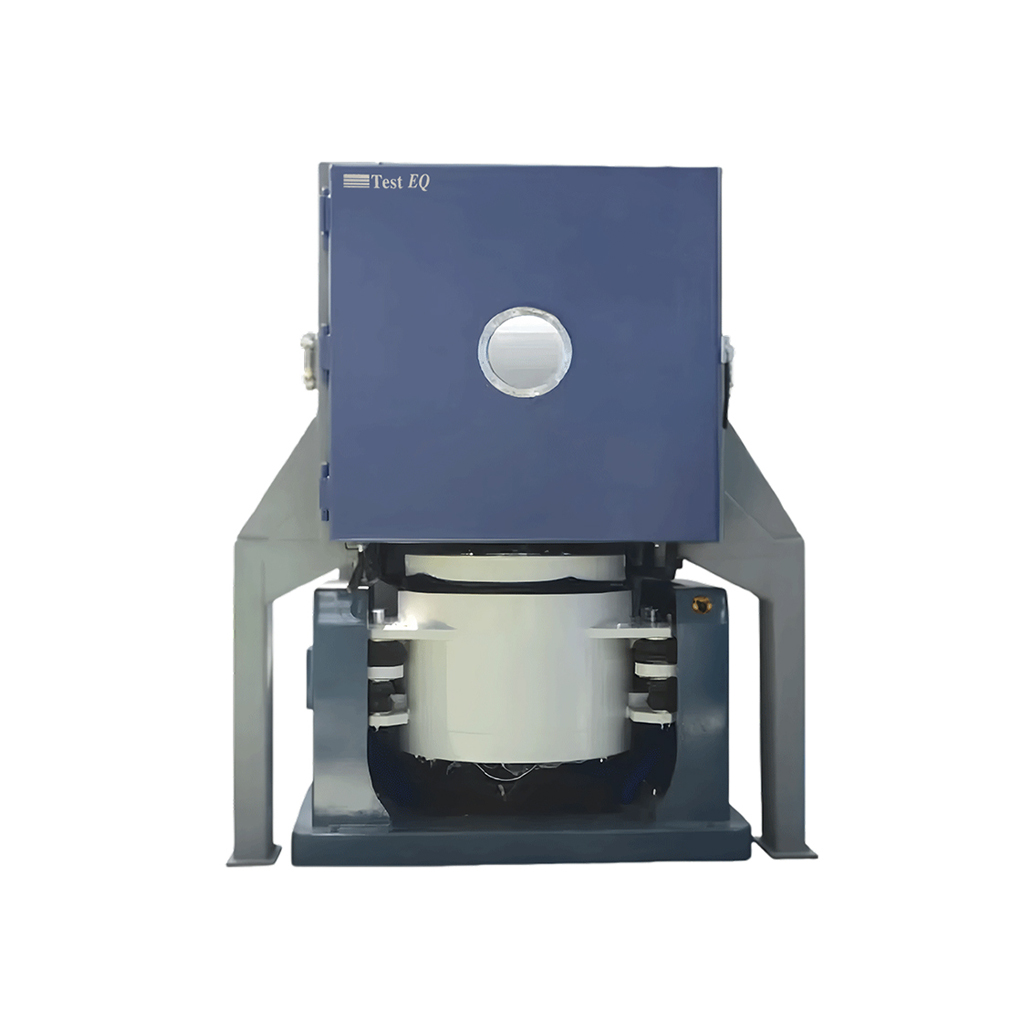
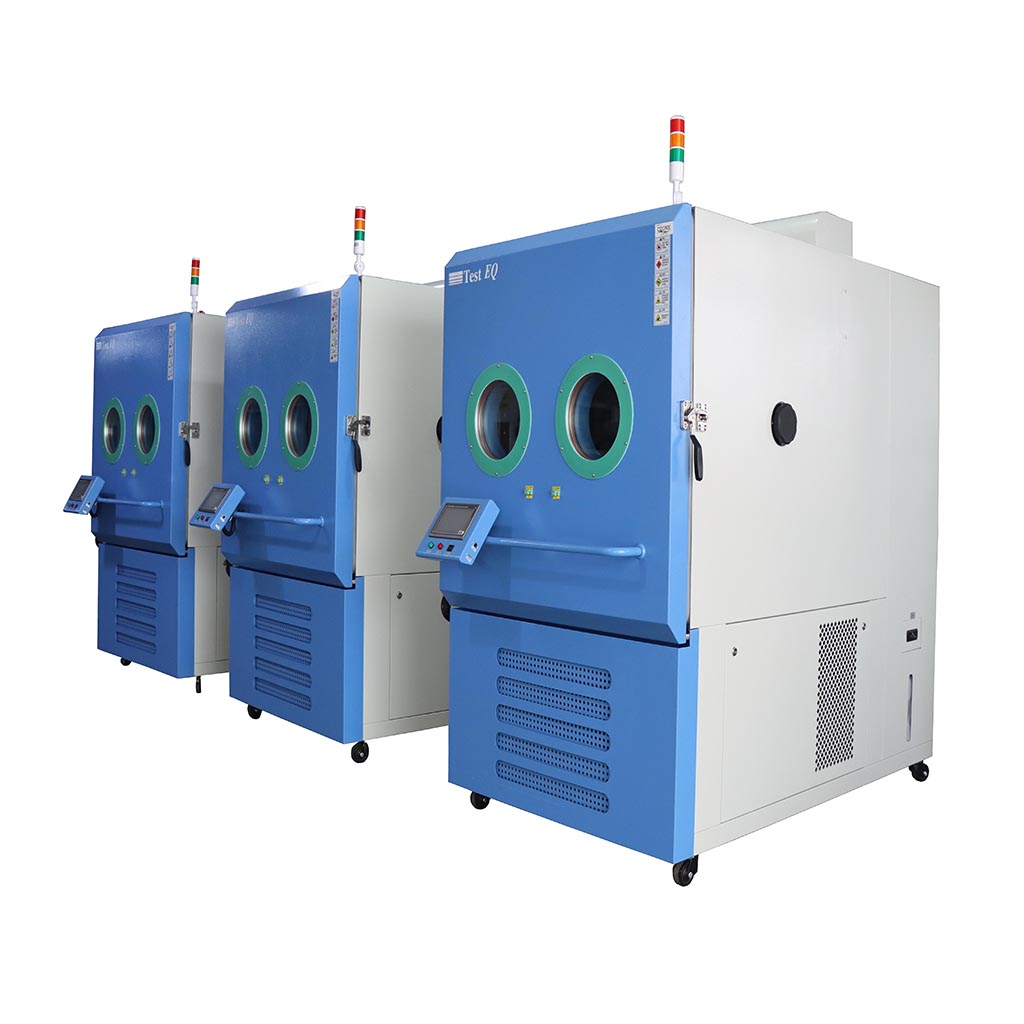
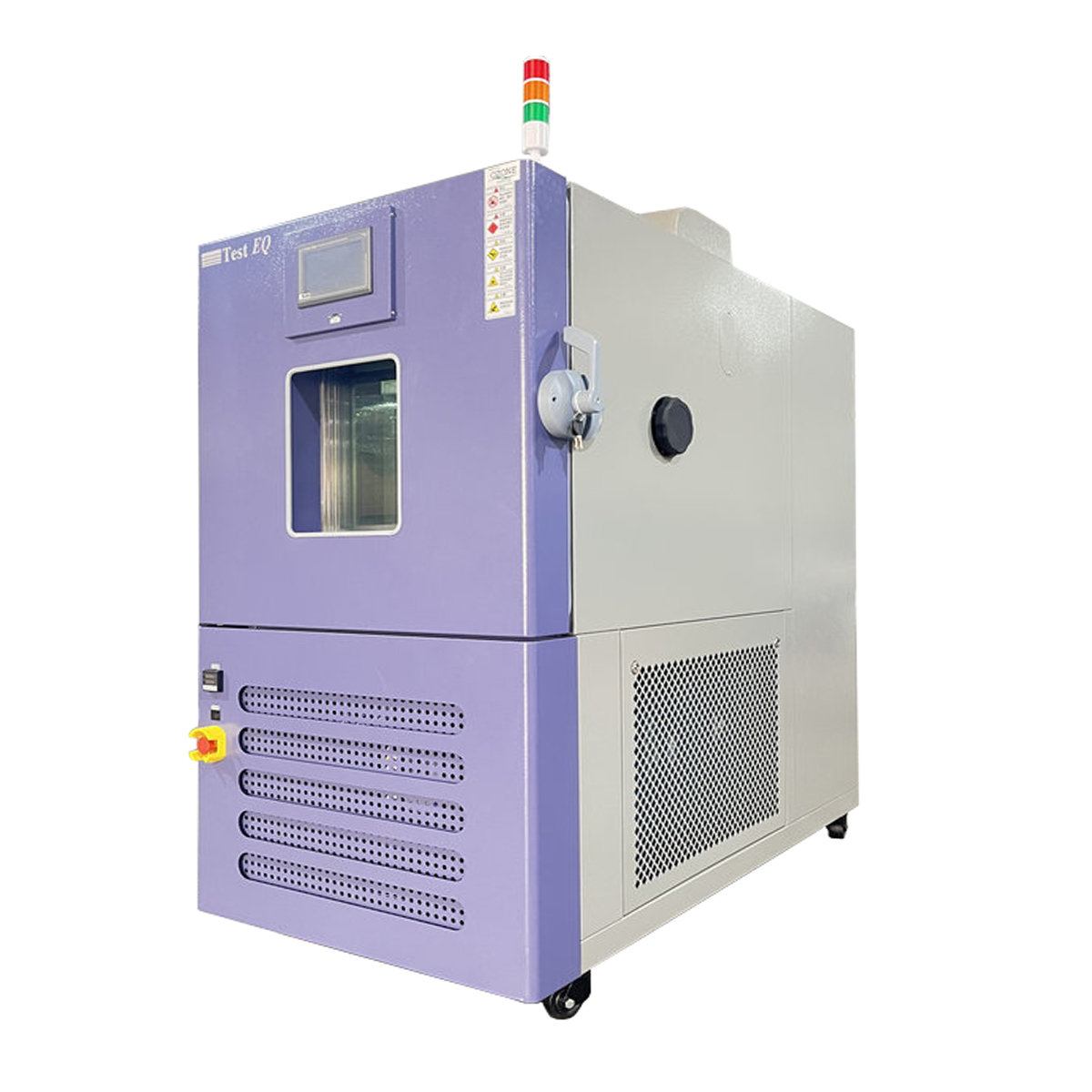
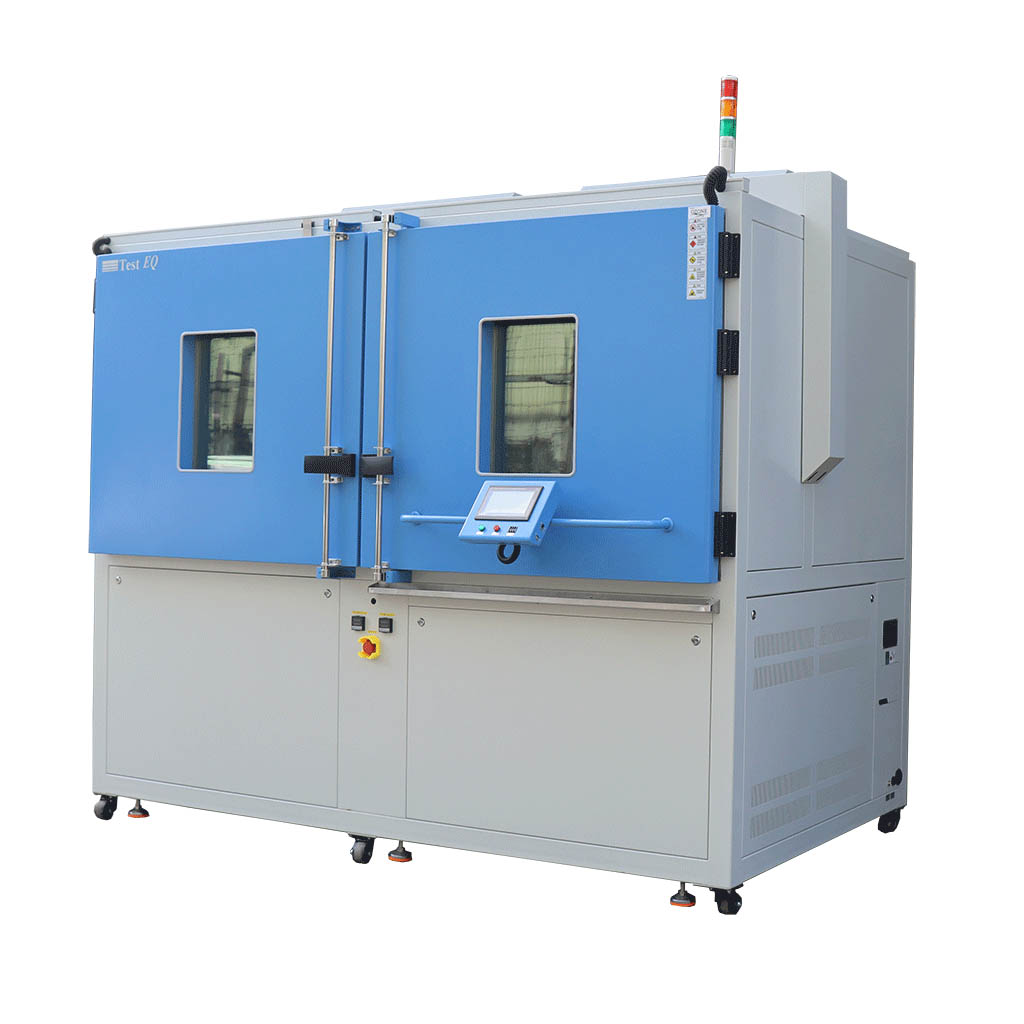
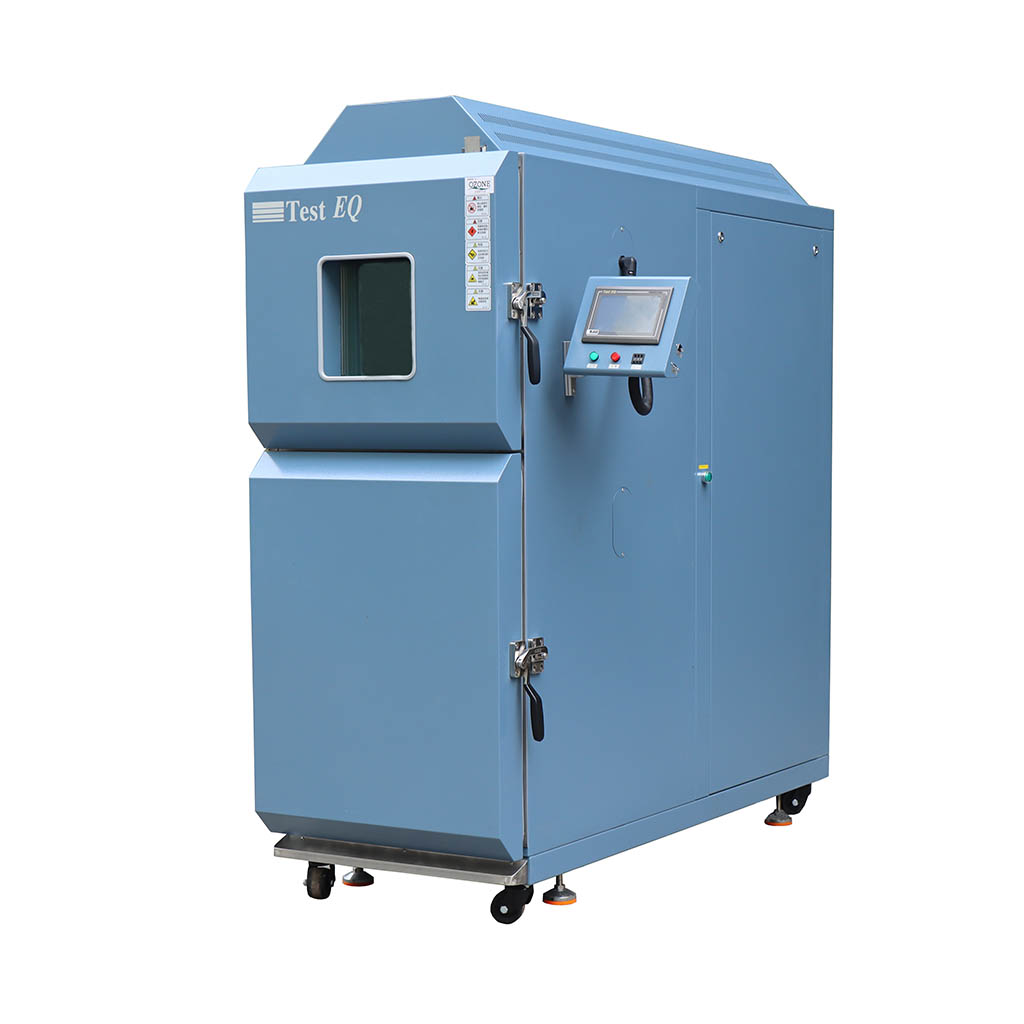
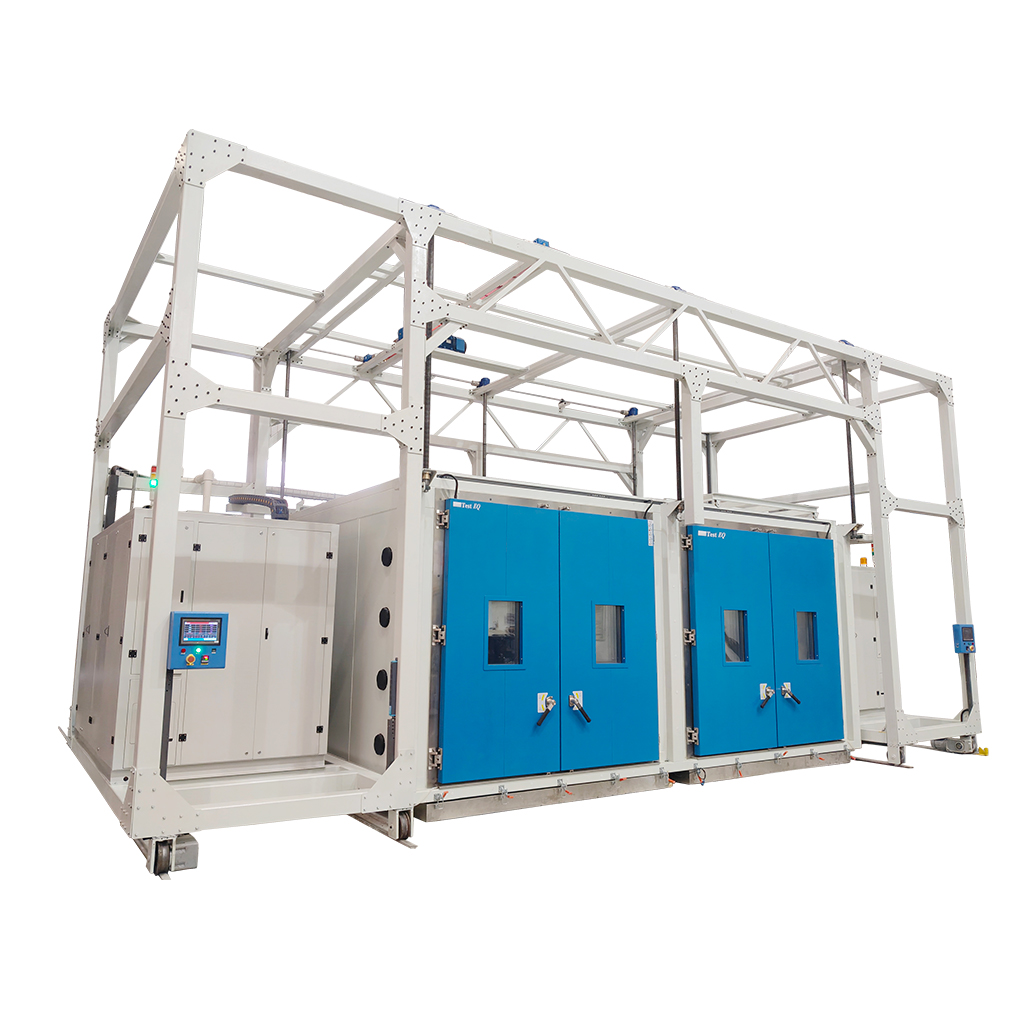
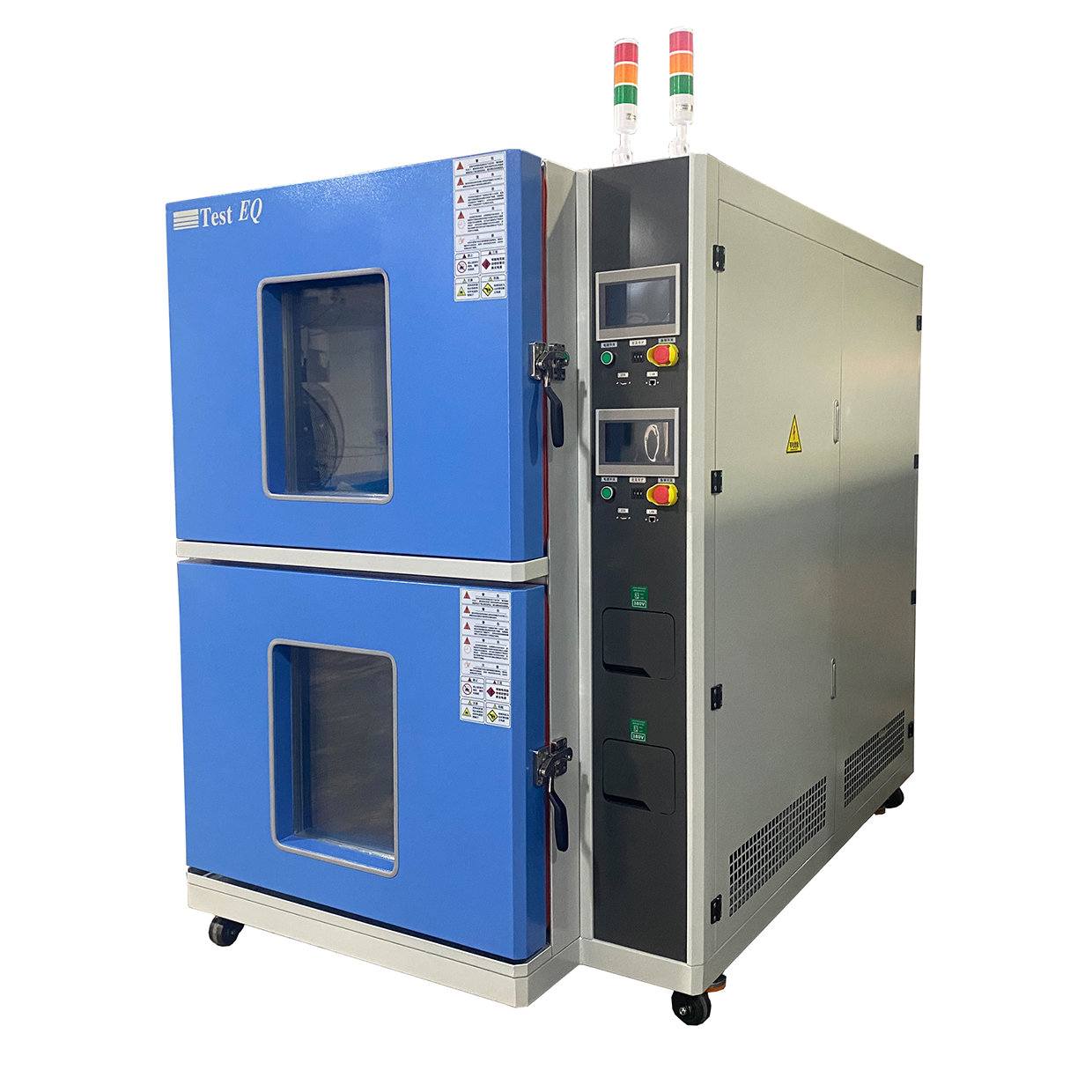
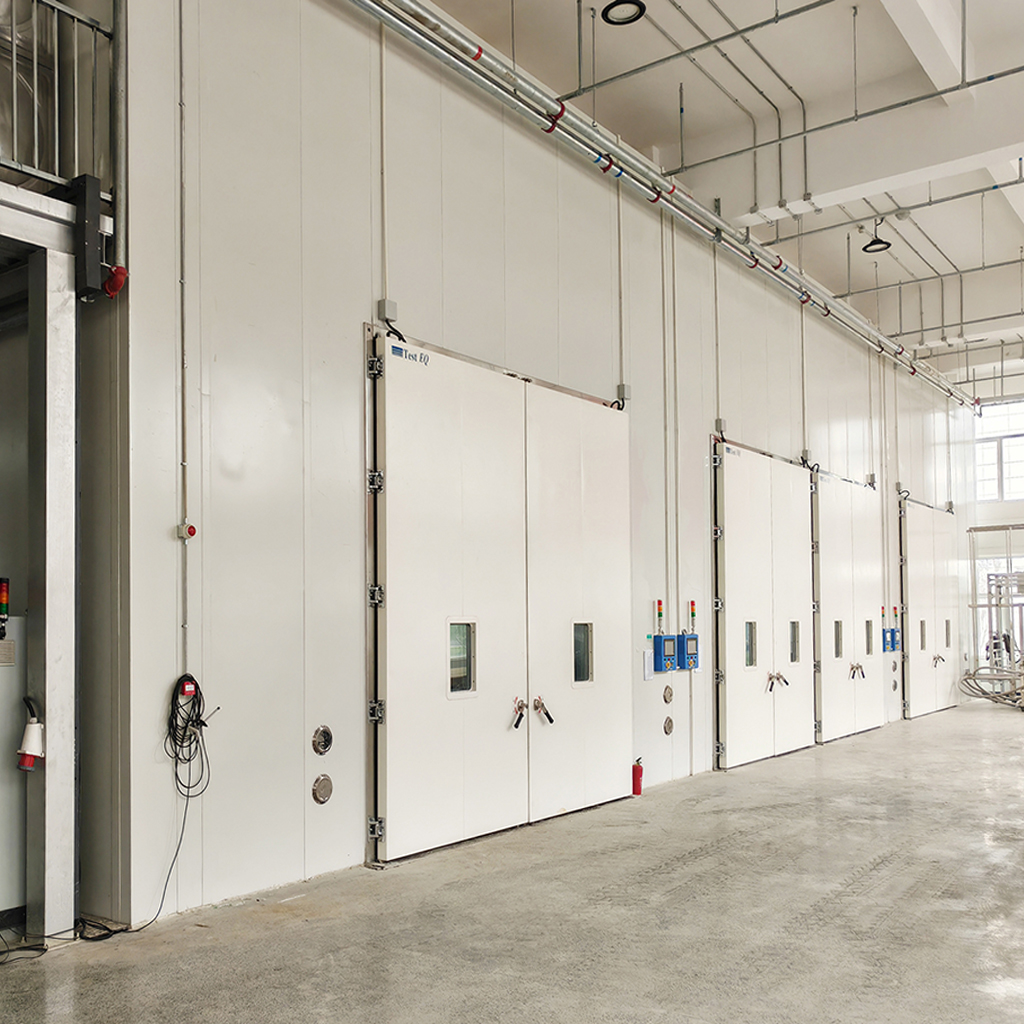
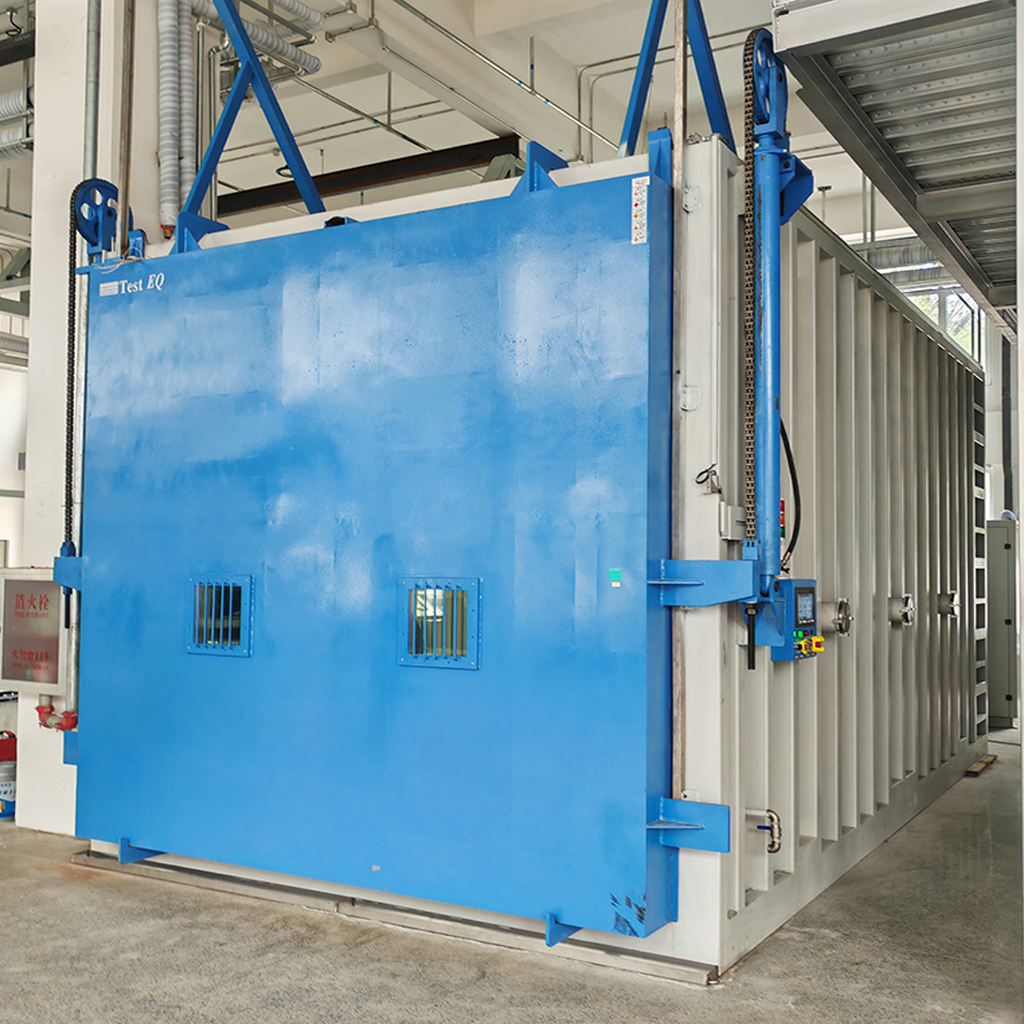
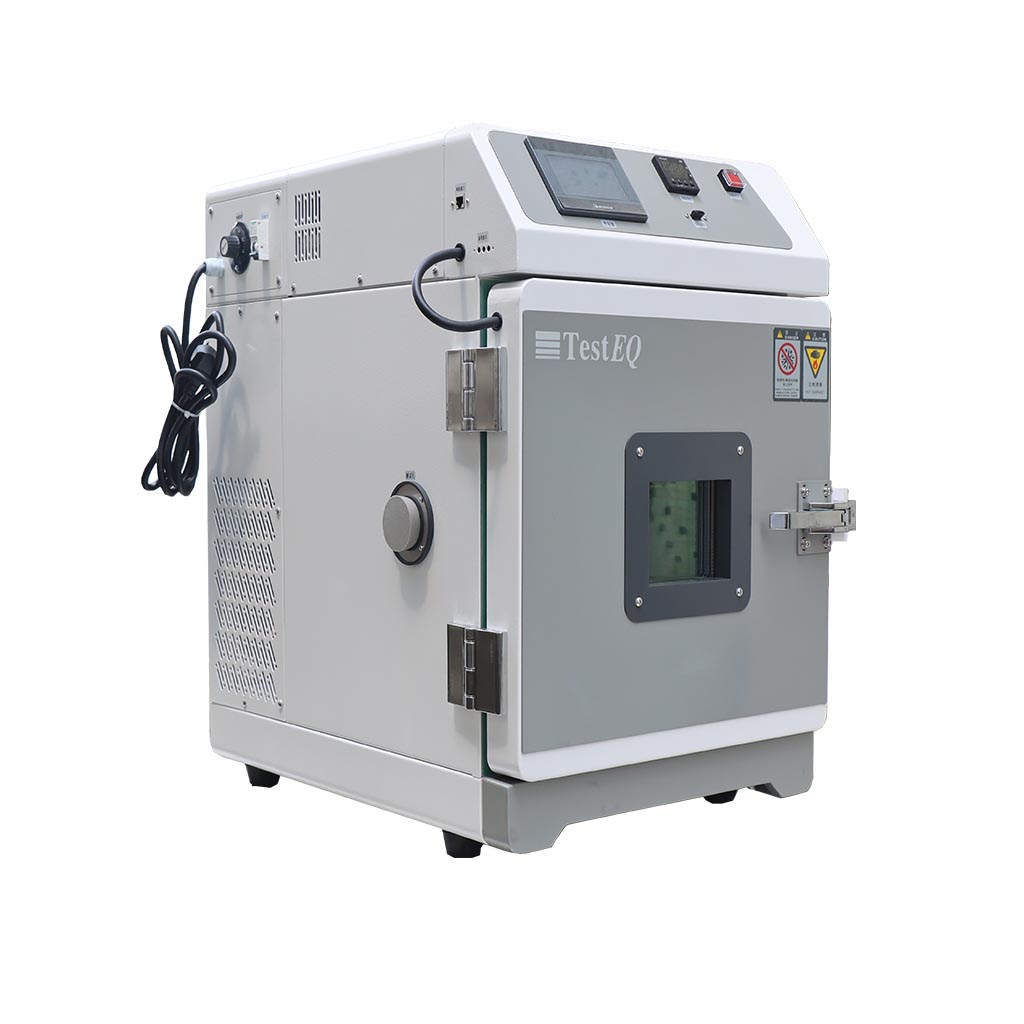
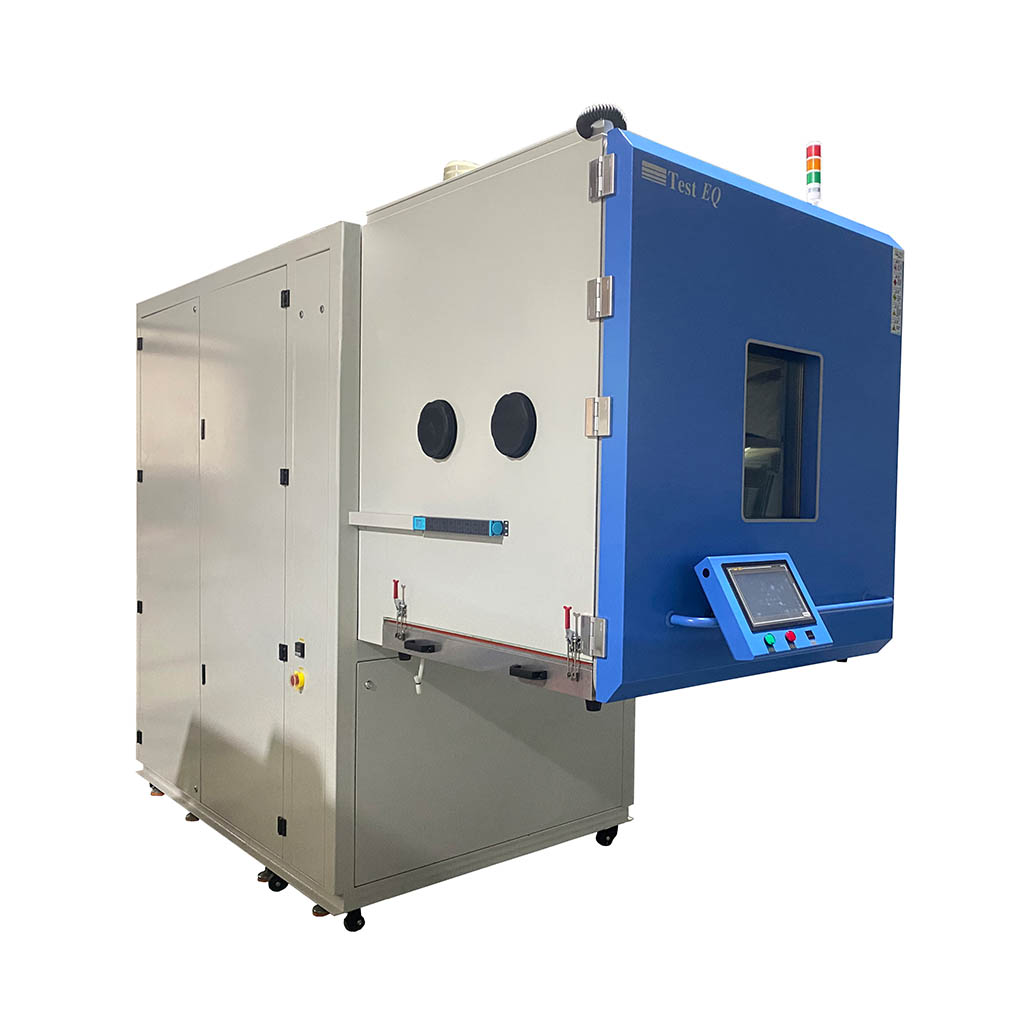
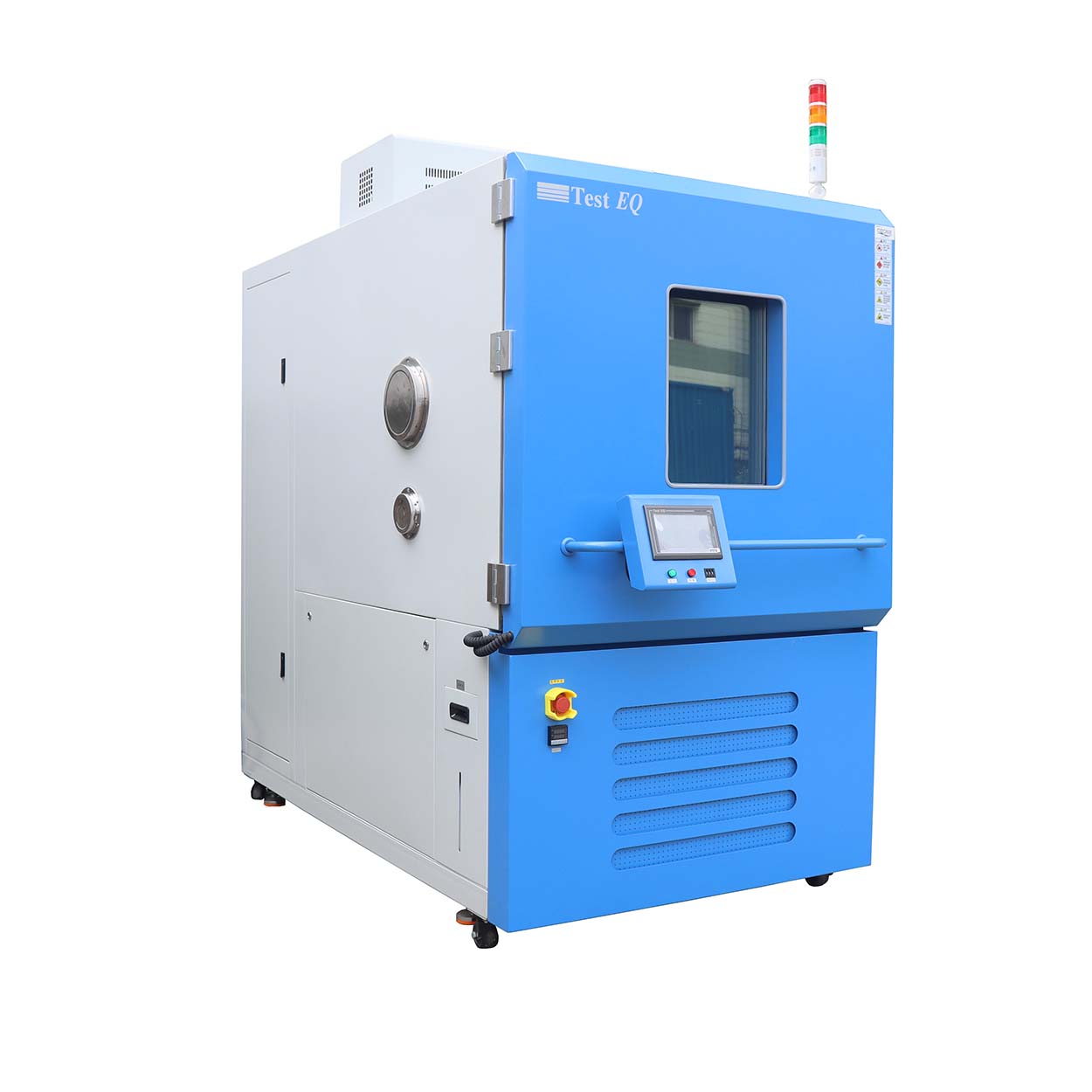
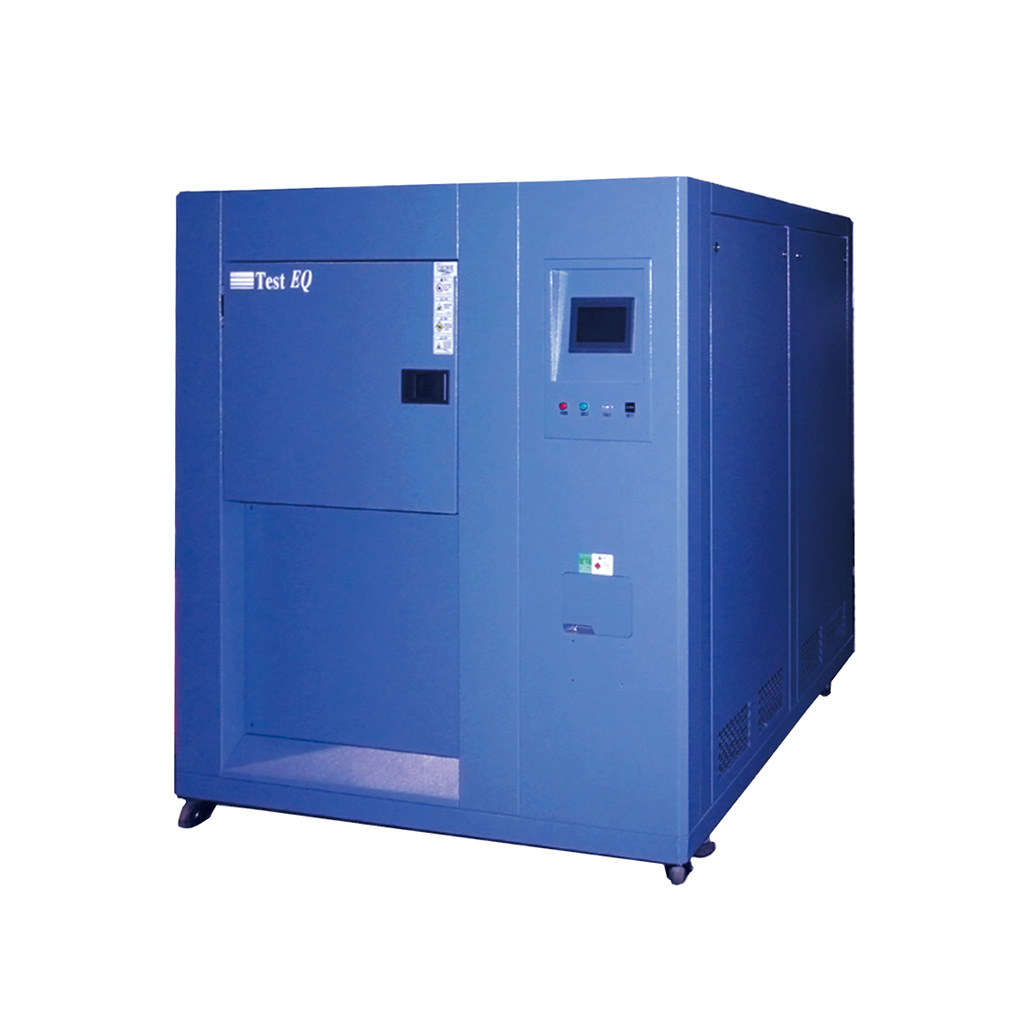
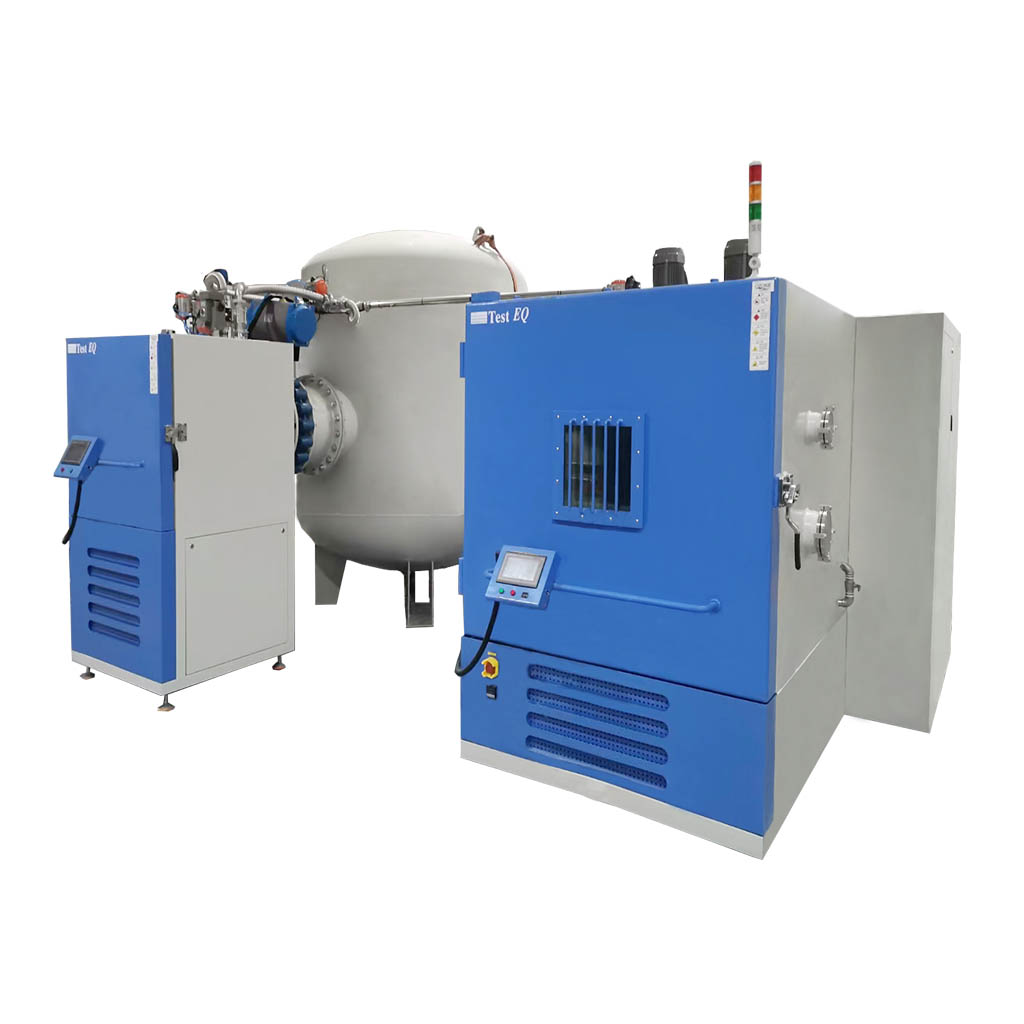
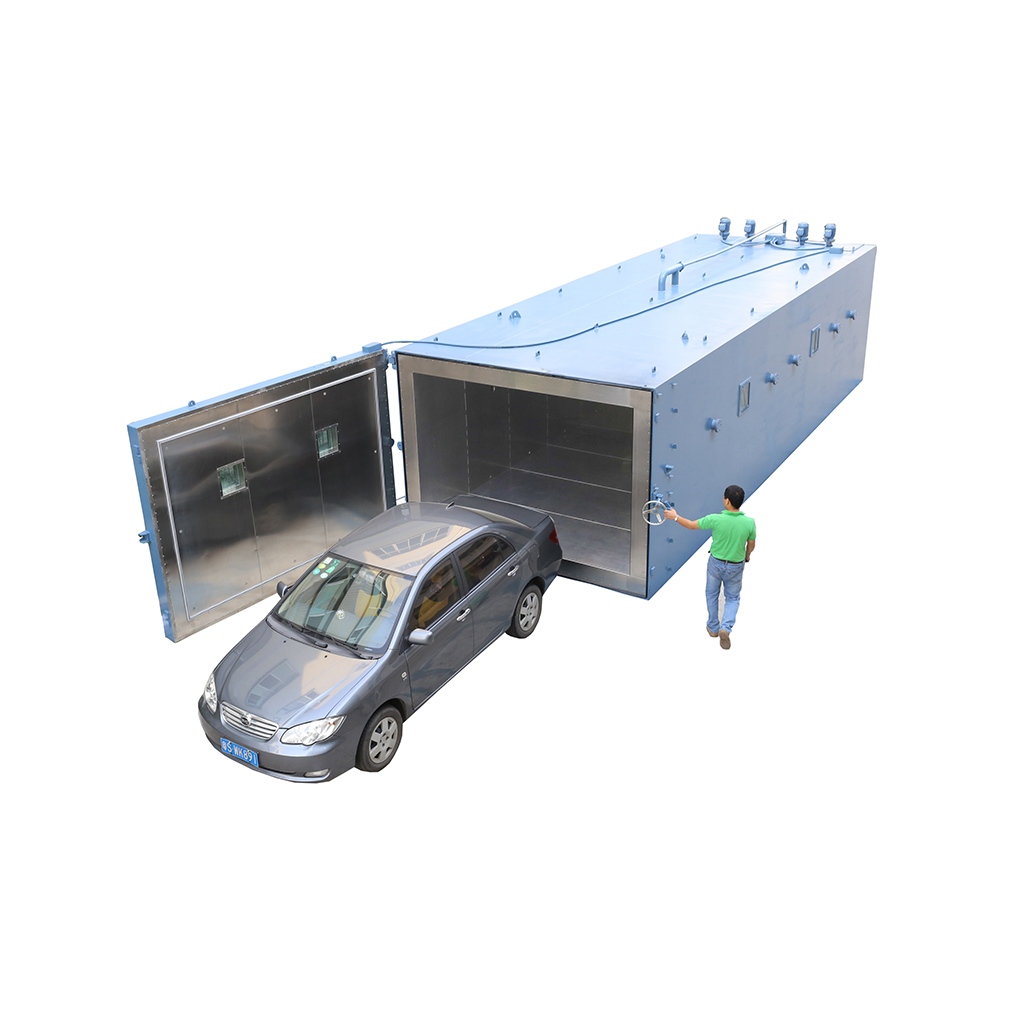
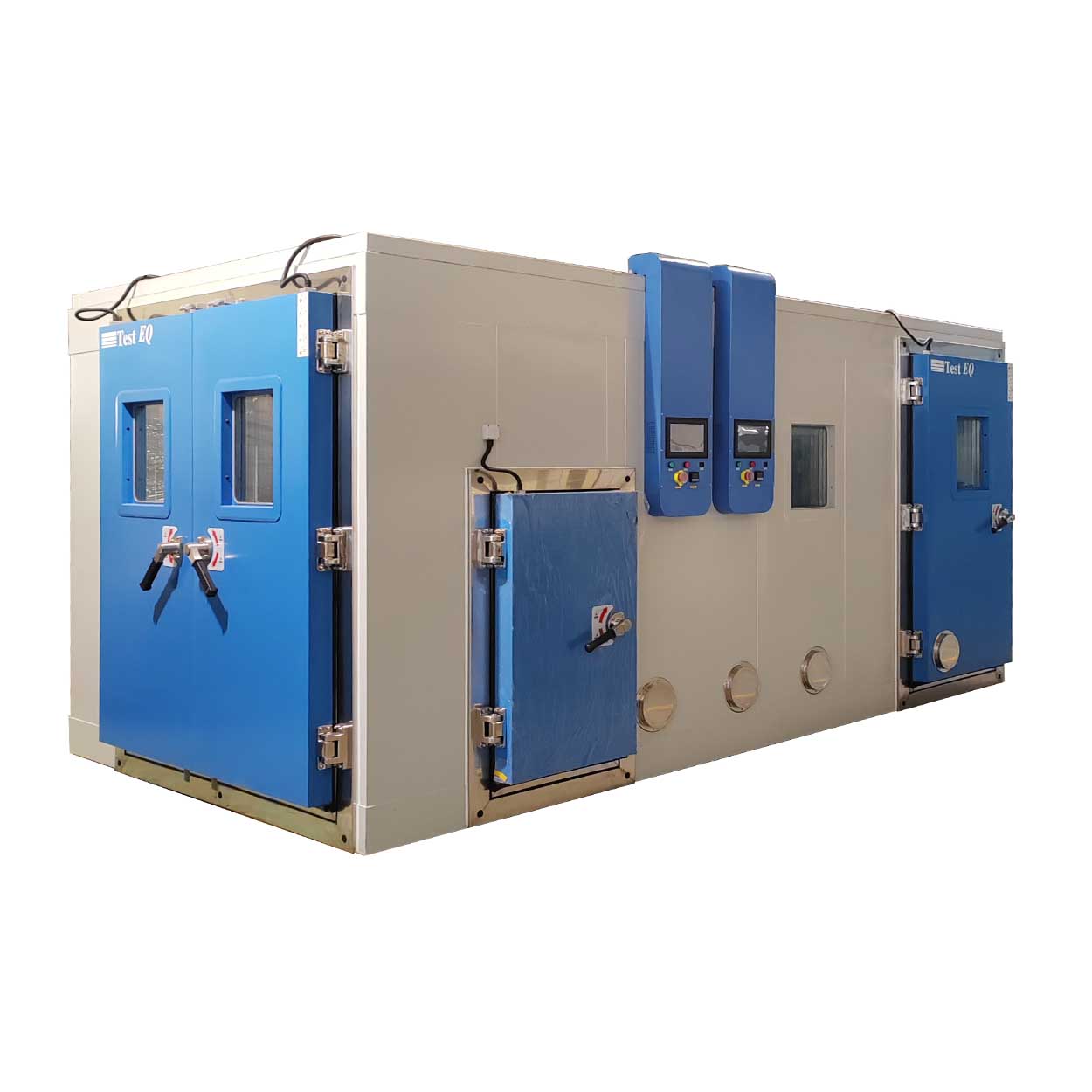
Four Combined Environmental Test Chamber for Temperature, Humidity, Vibration and Altitude Testing
A Four Combined Environmental Test Chamber integrates four environmental stress factors into one coordinated test platform:
Temperature + Humidity + Vibration + Altitude
The system is designed for products that must operate or survive under combined climatic, mechanical and reduced-pressure conditions.
TestEQ provides customized four-combined environmental testing systems for aerospace, aviation, automotive, EV, defense electronics and high-reliability electronic equipment.
What Is a Four Combined Environmental Test Chamber?
A four combined environmental test chamber is an integrated environmental simulation system capable of controlling temperature and humidity while applying mechanical vibration and altitude or low-pressure conditions.
The four environmental factors can be programmed according to the required qualification sequence.
The system may include:
• Temperature conditioning
• Humidity control
• Low-pressure / altitude simulation
• Electrodynamic vibration
• Customized specimen fixtures
• Environmental monitoring
• Programmable test control
Why Combine Four Environmental Stresses?
Products used in aerospace and high-altitude environments may encounter several environmental stresses at the same time.
Temperature affects material properties and thermal expansion.
Humidity can influence corrosion and electrical insulation.
Vibration creates mechanical loading.
Reduced pressure can affect heat transfer, sealing, insulation and component behavior.
Testing these conditions together can provide a more representative environmental qualification program when required by the product specification.
Four Environmental Factors
1. Temperature
The chamber controls heating and cooling according to the programmed test profile.
2. Humidity
Relative humidity can be controlled when moisture exposure is part of the qualification requirement.
3. Vibration
An integrated or externally coupled shaker applies the required mechanical excitation.
4. Altitude
Pressure control simulates reduced atmospheric pressure corresponding to high-altitude conditions.
The exact altitude range depends on the chamber design and required test procedure.
How Four-Combined Testing Works
A four-combined test can be programmed as a coordinated sequence rather than four independent tests.
For example, a qualification program may include:
1. Temperature stabilization
2. Humidity conditioning
3. Reduced-pressure simulation
4. Vibration application
5. Environmental transition
6. Continuous product monitoring
7. Recovery and inspection
The actual sequence should be defined by the applicable qualification procedure.
Why Multi-Environment Testing Matters:
Modern products are no longer exposed to a single stress factor. Instead, they operate under combined environmental conditions such as:
High altitude with low pressure
Humidity with thermal cycling
Mechanical vibration under temperature extremes
Rapid environmental transitions during operation
The four-combined system helps identify:
Hidden structural fatigue
Electrical instability under stress coupling
Seal failure and moisture penetration
Vibration-induced micro-cracks
This makes it a critical tool for reliability engineering and product qualification testing.
Four Combined Environmental Test Chamber vs Three Combined Test Chamber
| Environmental Test System | Temperature | Humidity | Vibration | Altitude / Low Pressure | Typical Application |
|---|
| Temperature Vibration Test Chamber | ✓ | — | ✓ | — | Thermal-mechanical reliability testing |
| Temperature Humidity Vibration Test Chamber | ✓ | ✓ | ✓ | — | AGREE and combined climatic-vibration testing |
| Four Combined Environmental Test Chamber | ✓ | ✓ | ✓ | ✓ | Aerospace, avionics and high-reliability environmental qualification |
Engineering Selection Guide
Temperature + Vibration: Choose a Temperature Vibration Test Chamber when humidity and altitude are not required.
Temperature + Humidity + Vibration: Choose a Temperature Humidity Vibration Test Chamber for three-factor climatic and mechanical testing.
Temperature + Humidity + Vibration + Altitude: Choose a Four Combined Environmental Test Chamber when reduced-pressure or altitude simulation is part of the qualification program.
How to Specify a Four Combined Test Chamber
Temperature
Specify:
• Minimum temperature
• Maximum temperature
• Ramp rate
• Dwell time
• Number of cycles
Humidity
Specify:
• Relative humidity range
• Humidity transition
• Exposure duration
Vibration
Specify:
• Frequency
• Acceleration
• Displacement
• Force
• Axis
• Vibration profile
Altitude
Specify:
• Equivalent altitude
• Minimum pressure
• Pressure transition rate
• Holding time
• Decompression requirements
Product
Provide:
• Product dimensions
• Product mass
• Fixture
• Cable routing
• Operating condition
• Monitoring requirements
Testing Capabilities:
This system enables advanced testing scenarios such as:
Thermal + vibration coupling fatigue testing
Humidity + altitude material degradation analysis
Multi-stress accelerated life testing (ALT)
Aerospace mission simulation environments
EV battery environmental reliability validation
Advantages Over Separate Test Systems:
Compared with traditional independent chambers, the four-combined system offers:
Reduced testing time by up to 40%
Improved environmental correlation accuracy
Lower laboratory space requirements
Eliminated sample transfer errors between systems
Higher reproducibility of real-world conditions
Why Choose TestEQ for Four Combined Environmental Testing?
A four-combined environmental test chamber is more than a large environmental chamber. It requires the coordinated integration of temperature, humidity, vibration and altitude simulation. TestEQ focuses on engineering the complete environmental testing system around the customer's qualification requirements.
TestEQ combines temperature, humidity, vibration and altitude simulation into one coordinated test platform, allowing engineers to evaluate products under multiple environmental stresses within the same qualification program.
The chamber is configured according to the actual test requirements, including specimen dimensions, payload, vibration profile, temperature range, humidity conditions and altitude requirements. This avoids selecting equipment based only on nominal chamber volume.
The vibration interface, fixture structure and chamber configuration can be designed around the selected electrodynamic shaker. Vertical, horizontal and application-specific configurations can be considered according to the test setup.
The system can incorporate reduced-pressure simulation for applications where altitude is a critical environmental factor. Pressure range, transition requirements and holding conditions can be configured according to the qualification program.
Temperature, humidity, pressure and vibration parameters can be managed as part of a programmable test sequence. This enables engineers to reproduce defined multi-stress profiles instead of conducting four isolated tests.
TestEQ systems can be configured according to applicable environmental qualification requirements, including IEC 60068, MIL-STD-810H, RTCA DO-160 and ISO 16750, as well as customer-specific test procedures.
The applicable test method should be confirmed before final equipment configuration.
Chamber dimensions, access configuration, specimen fixtures, shaker interfaces, cable routing and monitoring requirements can be customized for complex test specimens and non-standard qualification programs.
Four-combined environmental testing is particularly relevant to aerospace, avionics, defense electronics, automotive, EV and high-reliability electronic equipment where multiple environmental stresses may occur during actual operation.
By integrating multiple environmental functions into one platform, TestEQ can help engineering and procurement teams reduce the complexity of managing separate environmental test systems when the qualification program requires synchronized environmental conditions.
TestEQ can support the equipment selection process from initial test requirement analysis through chamber configuration, fixture design and system delivery. Customers can provide the applicable standard, test profile and specimen information so the equipment can be configured around the actual qualification objective.
Standards Compliance:
The Four-Combined Environmental Test Chamber
Designed to support temperature, humidity, vibration and combined environmental stress testing according to IEC 60068 requirements for electronic components, aerospace systems and industrial products.
Configured for military and aerospace qualification testing, including temperature, humidity, vibration, altitude and harsh environmental simulation based on MIL-STD-810H test methods.
Suitable for automotive and EV component reliability evaluation, supporting environmental stress tests for vehicle electronics, battery systems and automotive assemblies according to ISO 16750 requirements.
Supports aerospace equipment qualification by simulating combined environmental conditions such as temperature variation, altitude, humidity and vibration required by RTCA DO-160 standards.
Applicable for semiconductor package and electronic device reliability verification, supporting thermal, humidity and mechanical stress evaluations based on JEDEC JESD22 test requirements.
TestEQ provides customized environmental test solutions with flexible control parameters, fixture designs and test profiles to meet specific customer requirements, laboratory procedures and industry qualification standards.
Frequently Asked Questions About Four Combined Environmental Test Chambers
1. What Is a Four Combined Environmental Test Chamber and What Environmental Stresses Does It Simulate?
A Four Combined Environmental Test Chamber is an integrated environmental simulation system designed to apply four major stresses: temperature, humidity, vibration, and altitude or low pressure. By combining these conditions within one coordinated test system, engineers can evaluate product reliability under complex environmental conditions rather than testing each stress independently.
2. How Does a Four Combined Environmental Test Chamber Differ From a Temperature Humidity Vibration (THV) Test Chamber?
The main difference is the addition of altitude or low-pressure simulation. A THV chamber combines temperature, humidity, and vibration, while a Four Combined Environmental Test Chamber adds controlled pressure reduction to simulate high-altitude operating conditions. This makes the four-combined configuration suitable for applications where atmospheric pressure is an additional reliability factor.
3. Can Temperature, Humidity, Vibration, and Altitude Be Applied Simultaneously During One Test?
Yes. A properly configured Four Combined Environmental Test Chamber can coordinate temperature, humidity, vibration, and altitude conditions within the same test sequence. However, the actual combination and operating limits depend on the test standard, specimen characteristics, chamber volume, vibration system, pressure requirements, and the specific qualification profile.
4. What Products and Industries Require Four Combined Environmental Testing?
Four Combined Environmental Test Chambers are commonly used for products exposed to multiple environmental stresses, including aerospace components, avionics, defense electronics, automotive systems, EV components, communication equipment, sensors, and high-reliability electronic assemblies. They are particularly relevant when products must operate reliably under combined thermal, moisture, mechanical vibration, and altitude conditions.
5. What Temperature, Humidity, Vibration, and Altitude Specifications Should Be Defined Before Purchasing?
Before selecting a Four Combined Environmental Test Chamber, engineers should define the required temperature range, humidity range, vibration profile, acceleration or displacement, frequency range, altitude or pressure range, specimen dimensions, specimen weight, fixture requirements, and test sequence. These parameters determine the chamber size, refrigeration capacity, pressure system, vibration configuration, and overall system architecture.
6. What Vibration Profiles Can Be Integrated Into a Four Combined Environmental Test Chamber?
Depending on the test application, the vibration system can be configured for profiles such as sinusoidal vibration, random vibration, swept-sine testing, or other application-specific vibration sequences. The required vibration force, frequency range, displacement, acceleration, payload, and fixture design should be specified together with the environmental chamber requirements.
7. Which Standards and Qualification Tests Can Be Supported by a Four Combined Environmental Test Chamber?
A Four Combined Environmental Test Chamber can be engineered around applicable environmental and product qualification requirements, including relevant MIL-STD-810, RTCA DO-160, IEC 60068, automotive, aerospace, defense, and customer-specific test procedures. The applicable standard should be confirmed during system specification because the required temperature, humidity, vibration, altitude, pressure transition, and test sequence can vary significantly between methods.
8. How Do I Select and Customize a Four Combined Environmental Test Chamber for My Test Requirements?
Selection should be based on the complete test profile rather than chamber volume alone. Key considerations include test standard, specimen size and weight, temperature and humidity requirements, altitude simulation range, vibration performance, fixture configuration, cooling capacity, pressure control, control-system functions, and required combined-test sequences. TestEQ can configure the chamber, vibration interface, fixtures, low-pressure system, monitoring functions, and control strategy according to the required qualification procedure.
Internal Linking Module
Recommended Equipment
Designed for simultaneous temperature, humidity and vibration reliability testing. Ideal for aerospace electronics, automotive ECUs, military equipment and advanced electronic assemblies requiring multi-stress environmental validation.
Supports synchronized temperature, humidity and vibration testing with compatibility for major electrodynamic shaker systems. Suitable for MIL-STD-810H, RTCA DO-160 and automotive reliability verification programs.
Recommended Standards
MIL-STD-810H defines environmental testing procedures including temperature, humidity, vibration, shock and altitude simulation. It is one of the most widely adopted standards for military, aerospace and mission-critical equipment qualification.
Understand the key testing requirements and engineering considerations behind temperature, humidity and vibration combined testing. This guide compares major international standards including IEC 60068, MIL-STD-810H, RTCA DO-160 and ISO 16750, helping engineers select the appropriate reliability test method for product qualification and validation.
Aerospace environmental qualification standard covering temperature, altitude, vibration and other conditions for airborne equipment.
Recommended Resources
Learn the differences between IEC 60068, MIL-STD-810H and ISO 16750 standards for combined environmental testing, including temperature, humidity and vibration reliability validation.
A complete engineering guide explaining how temperature, humidity, vibration and altitude stresses can be integrated into a single testing platform for accelerated reliability testing and qualification.
A practical guide to selecting chamber configuration, temperature range, humidity, vibration and altitude capabilities according to the test requirement.