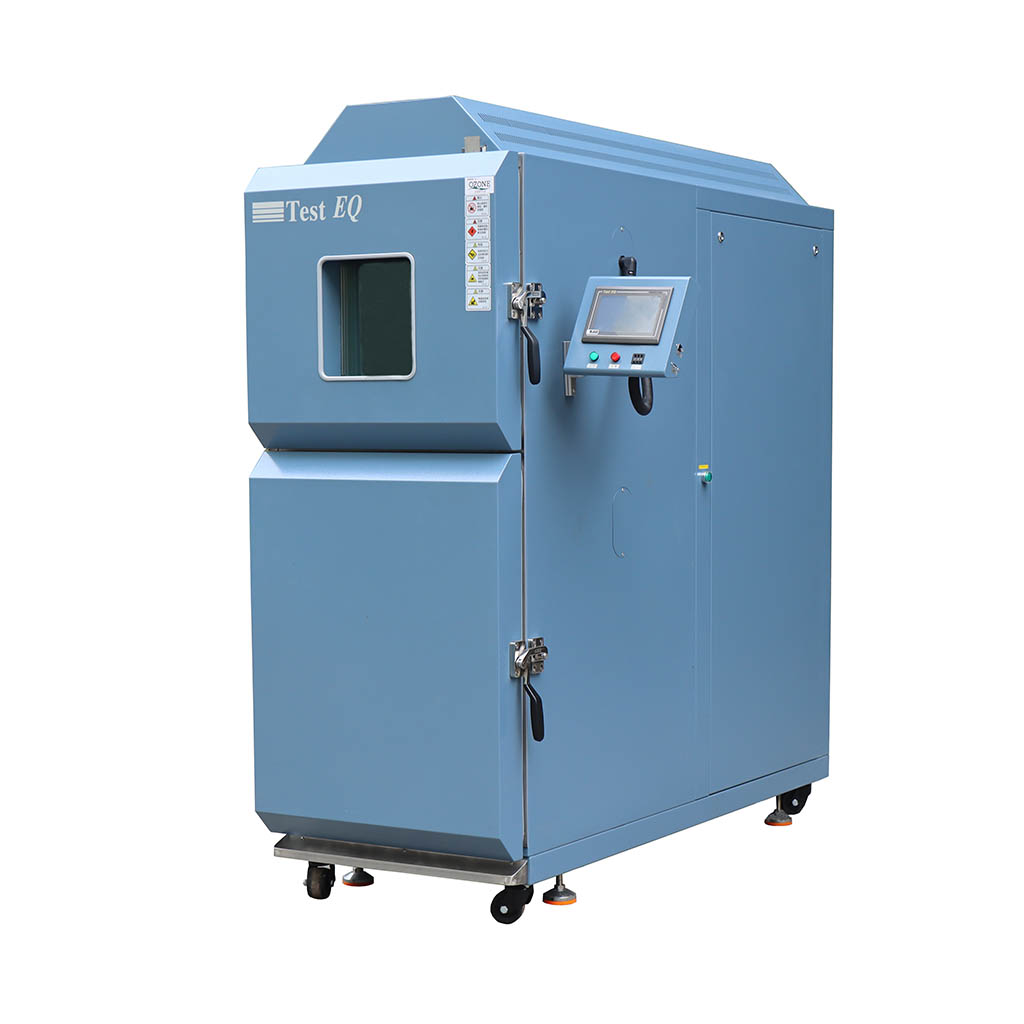
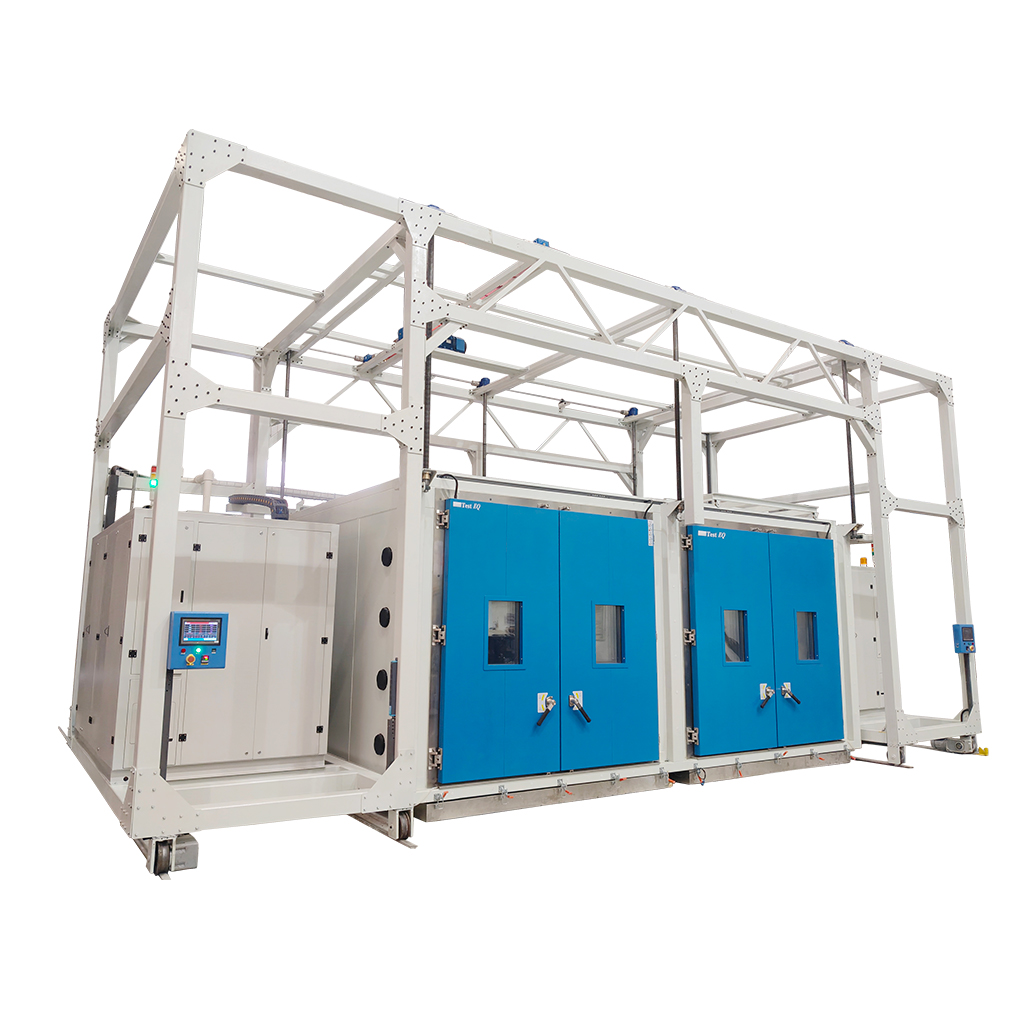
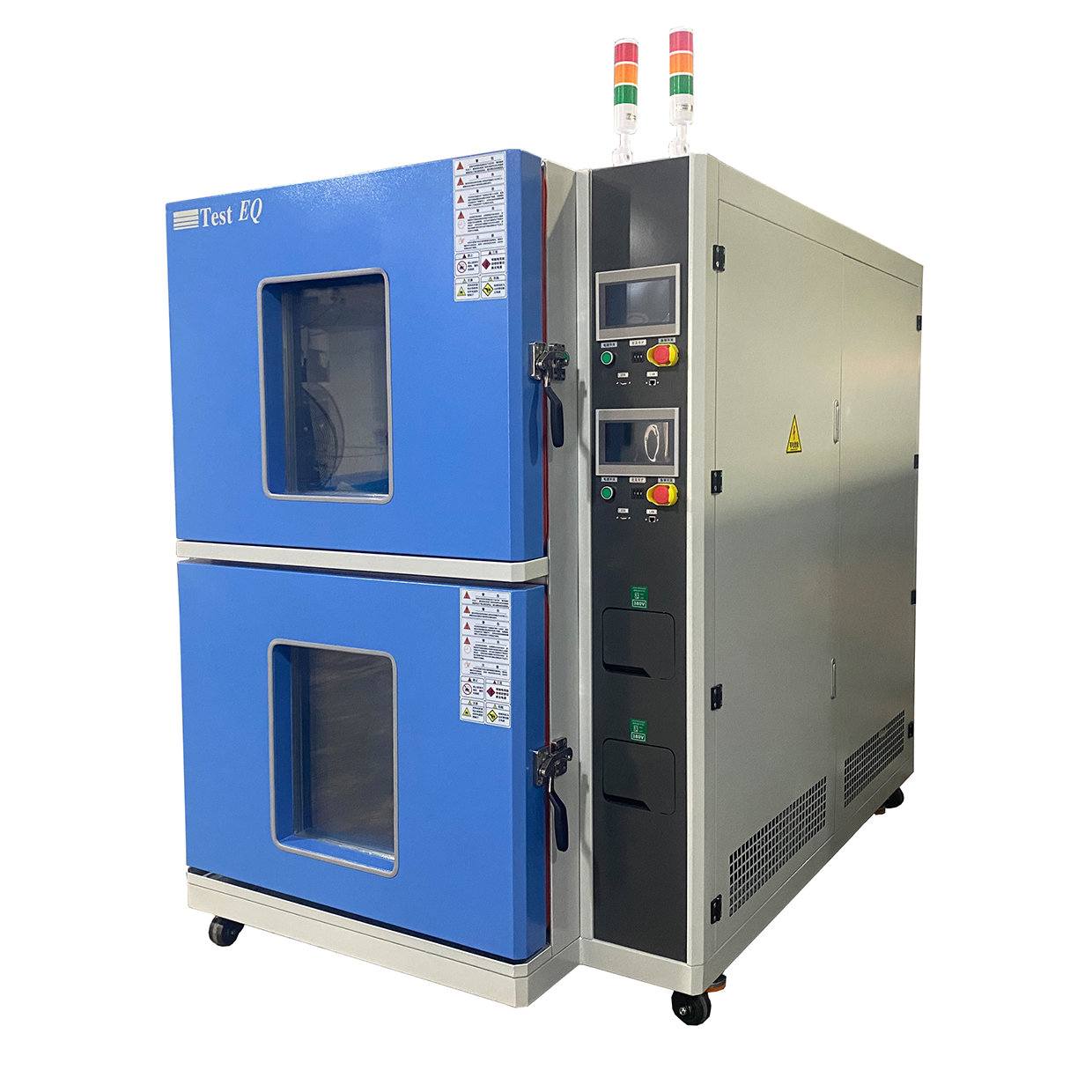
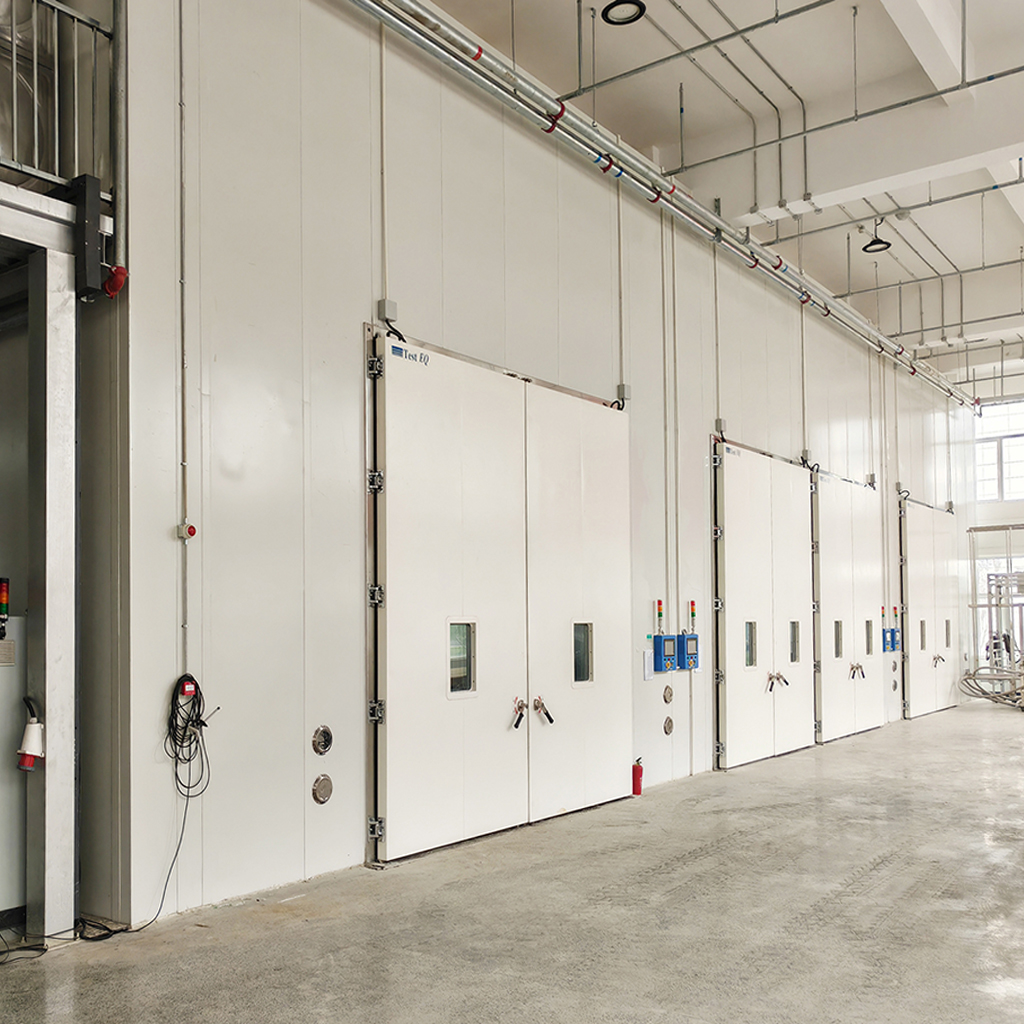
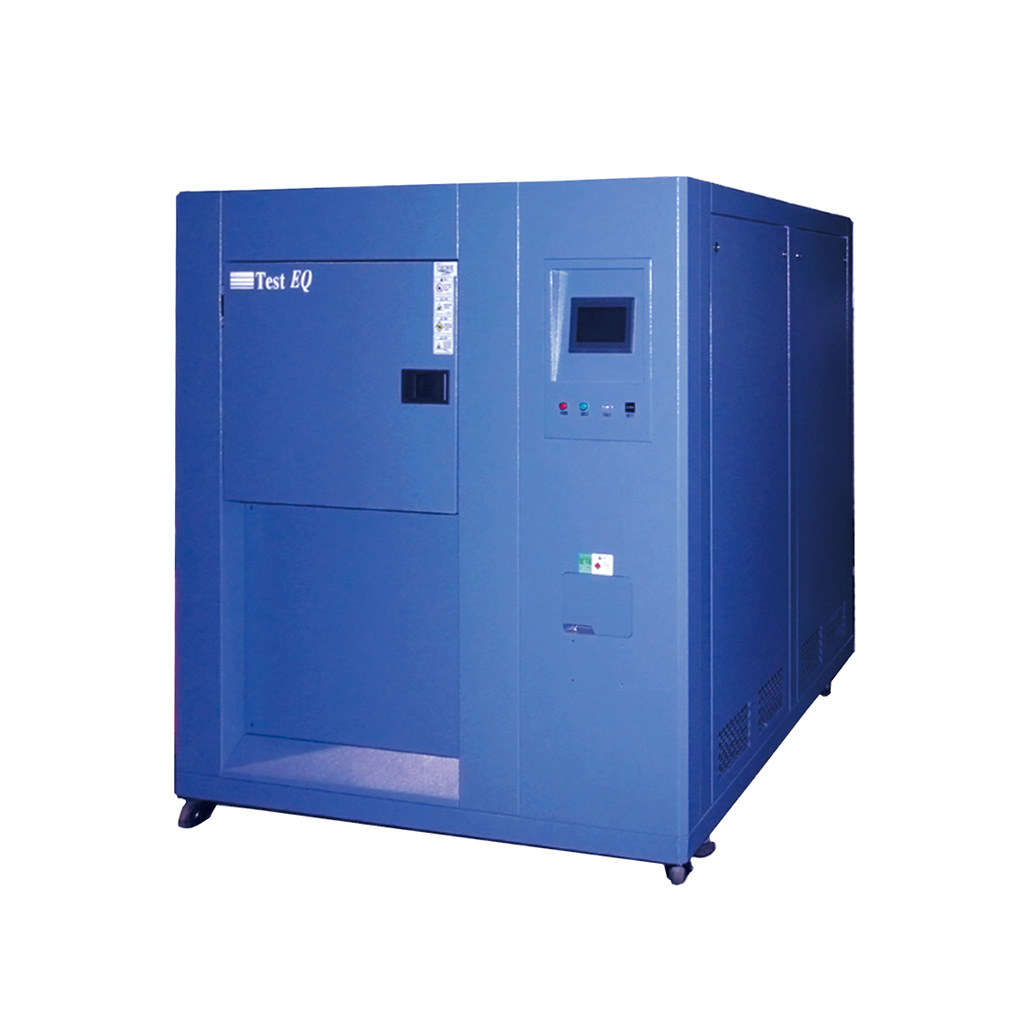
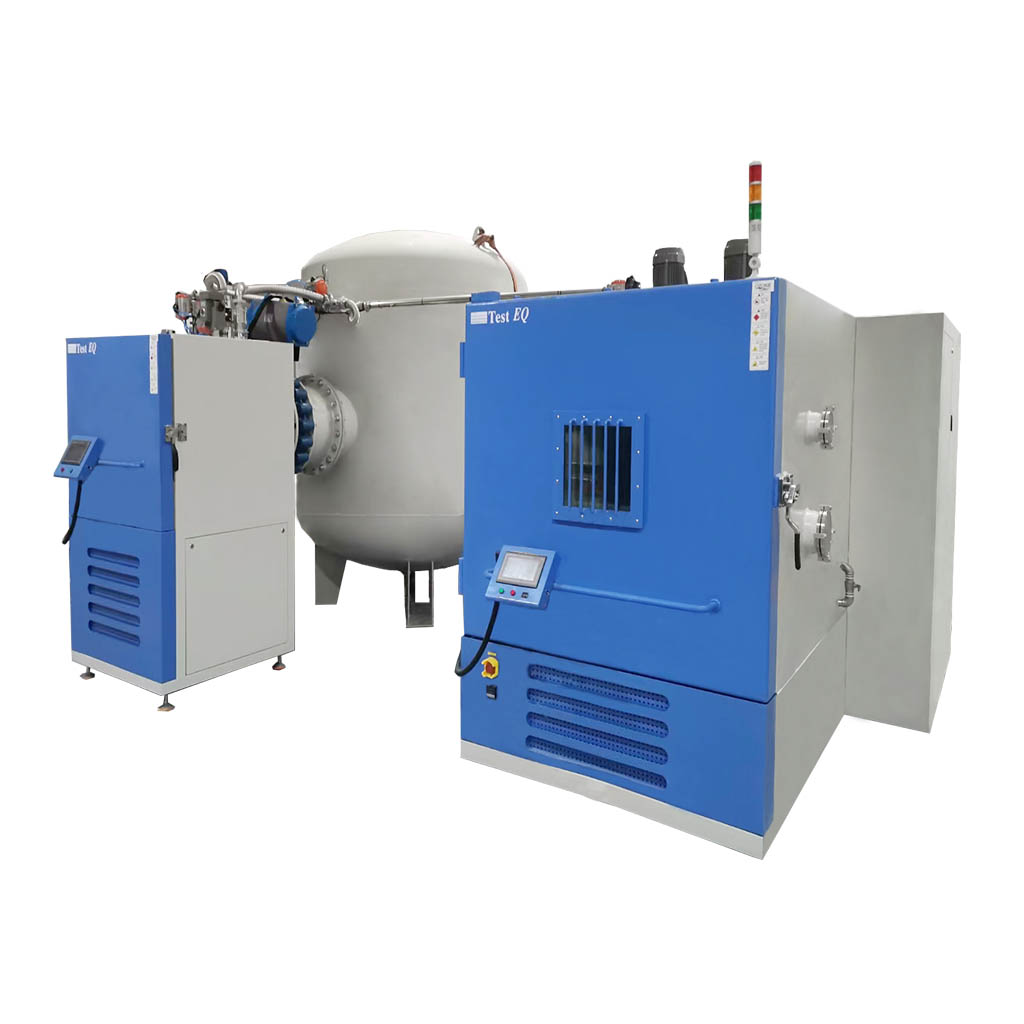
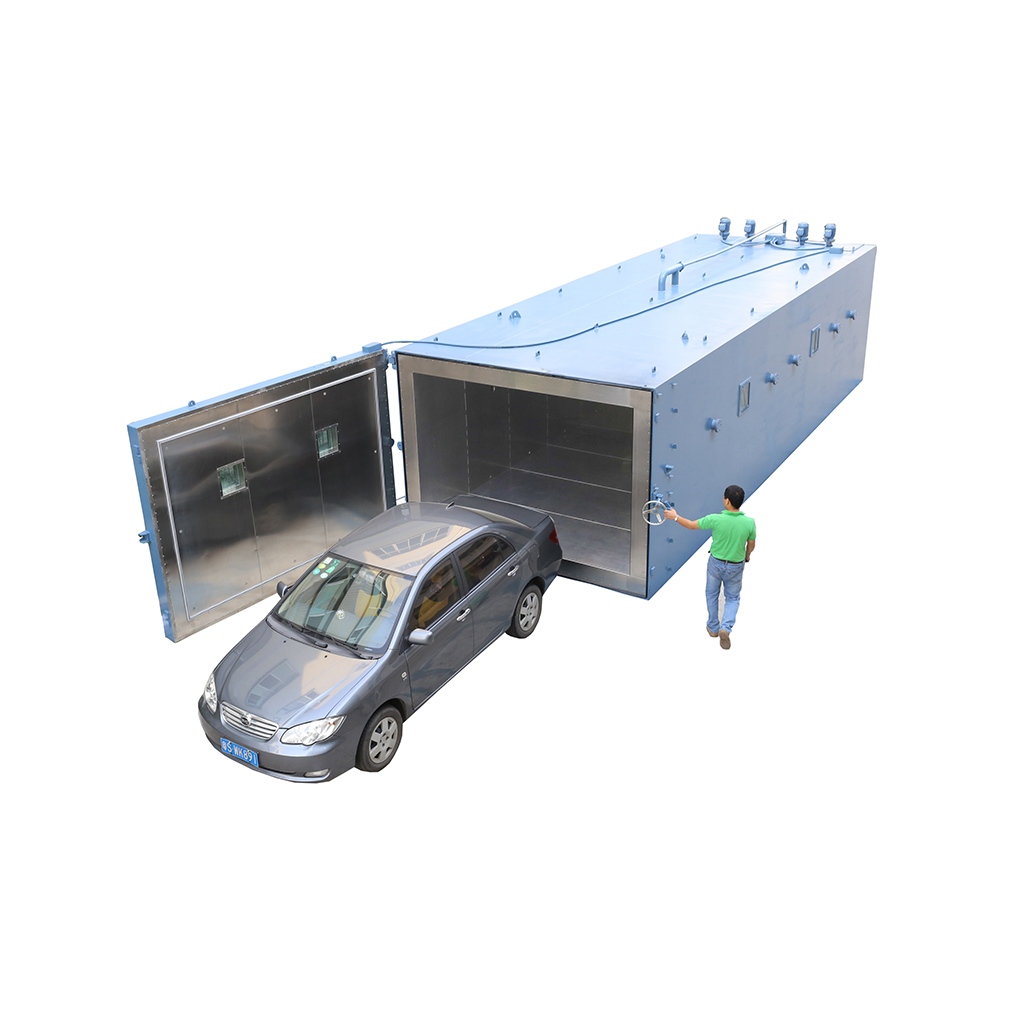
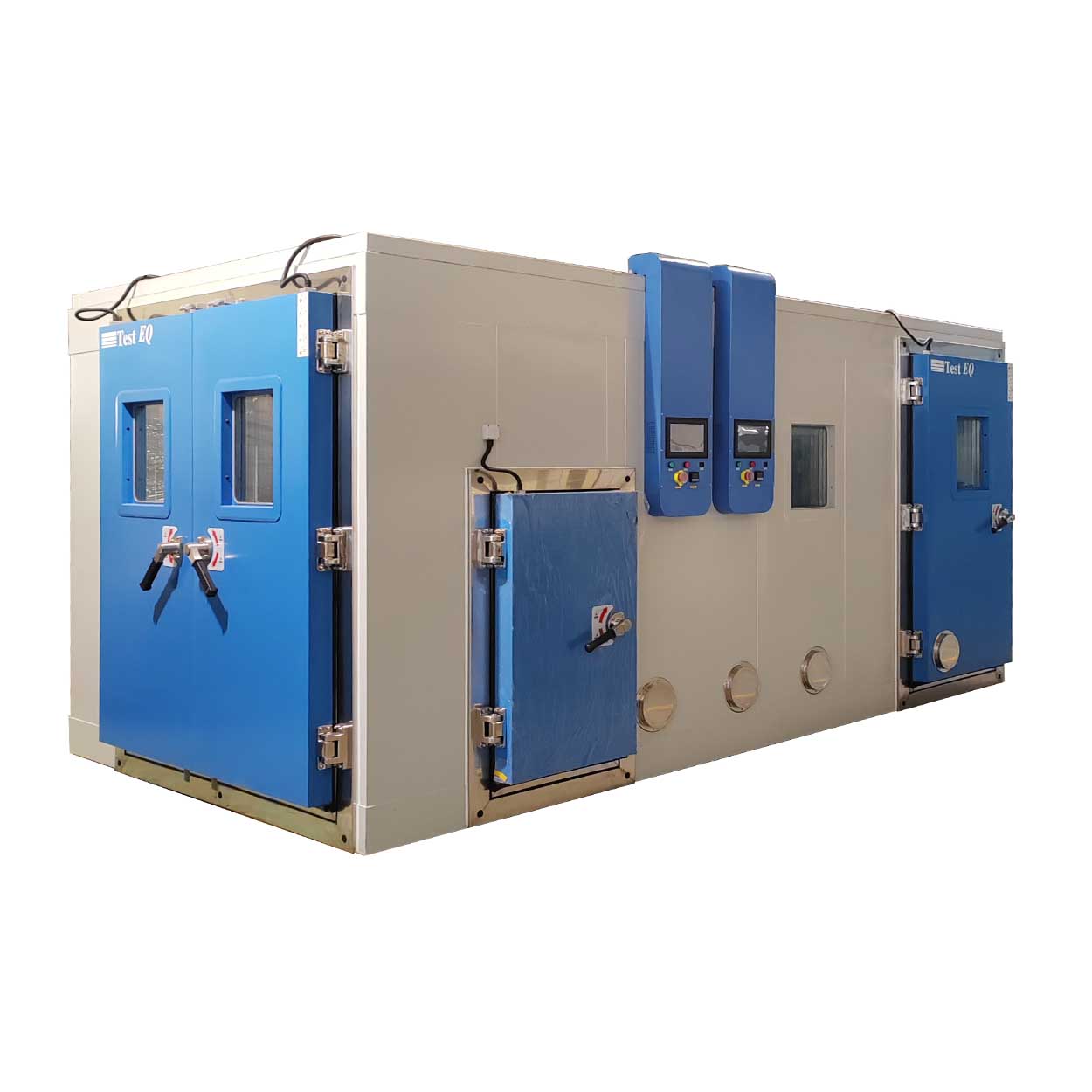
What Is a Mixed Gas Corrosion Test Chamber?
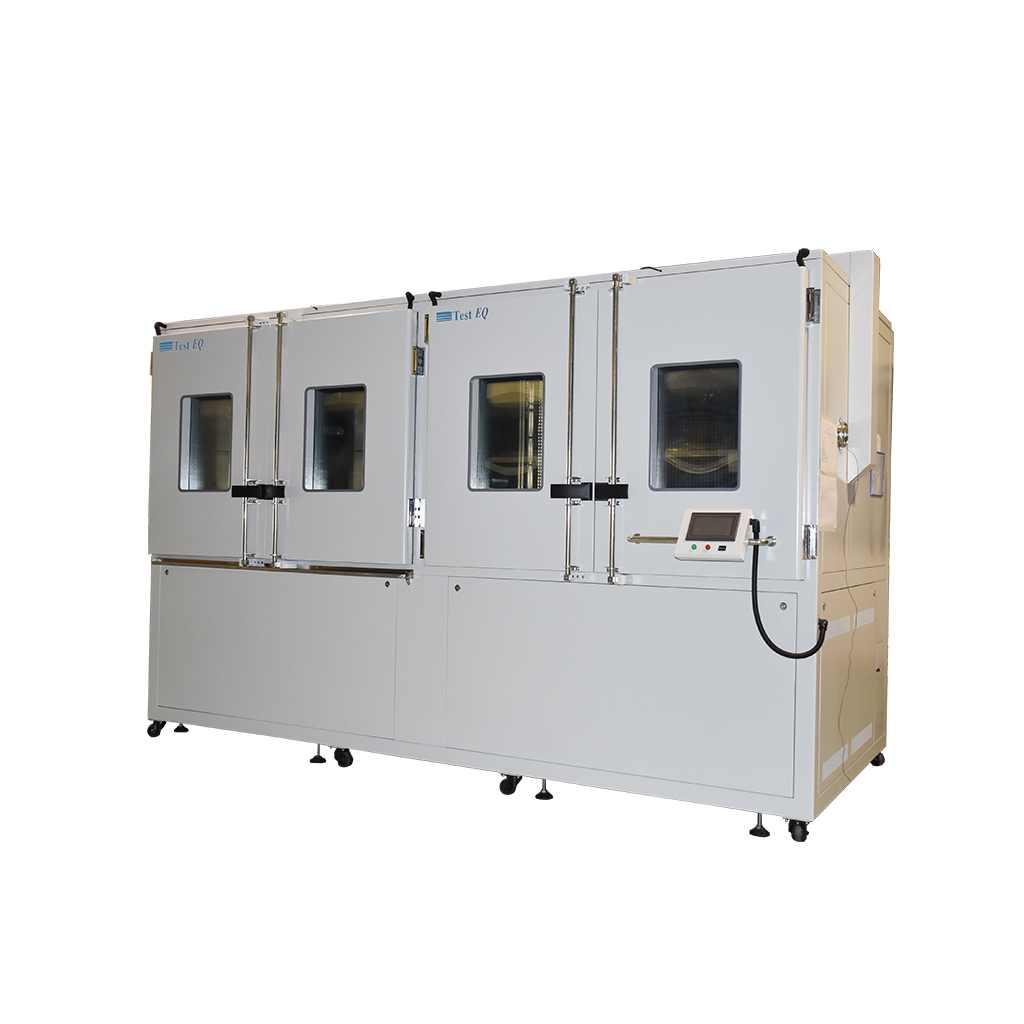
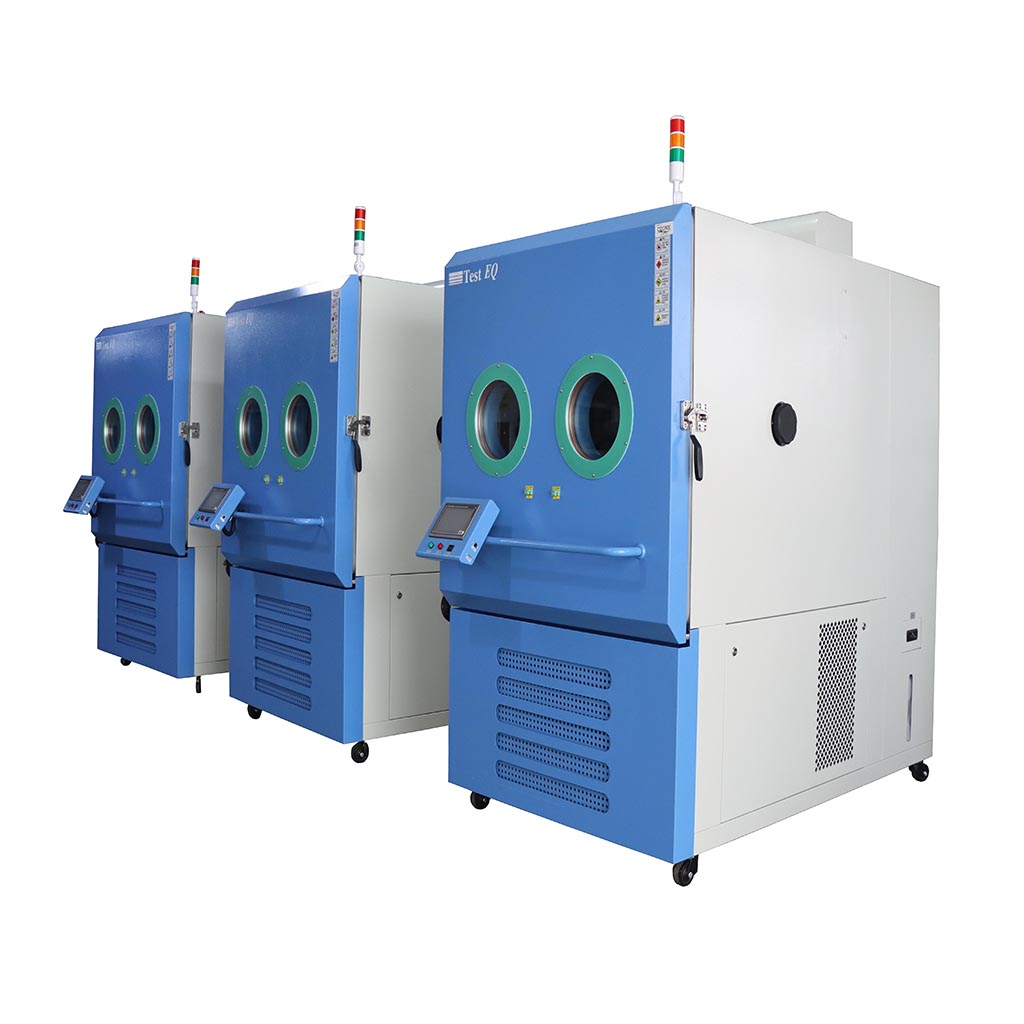
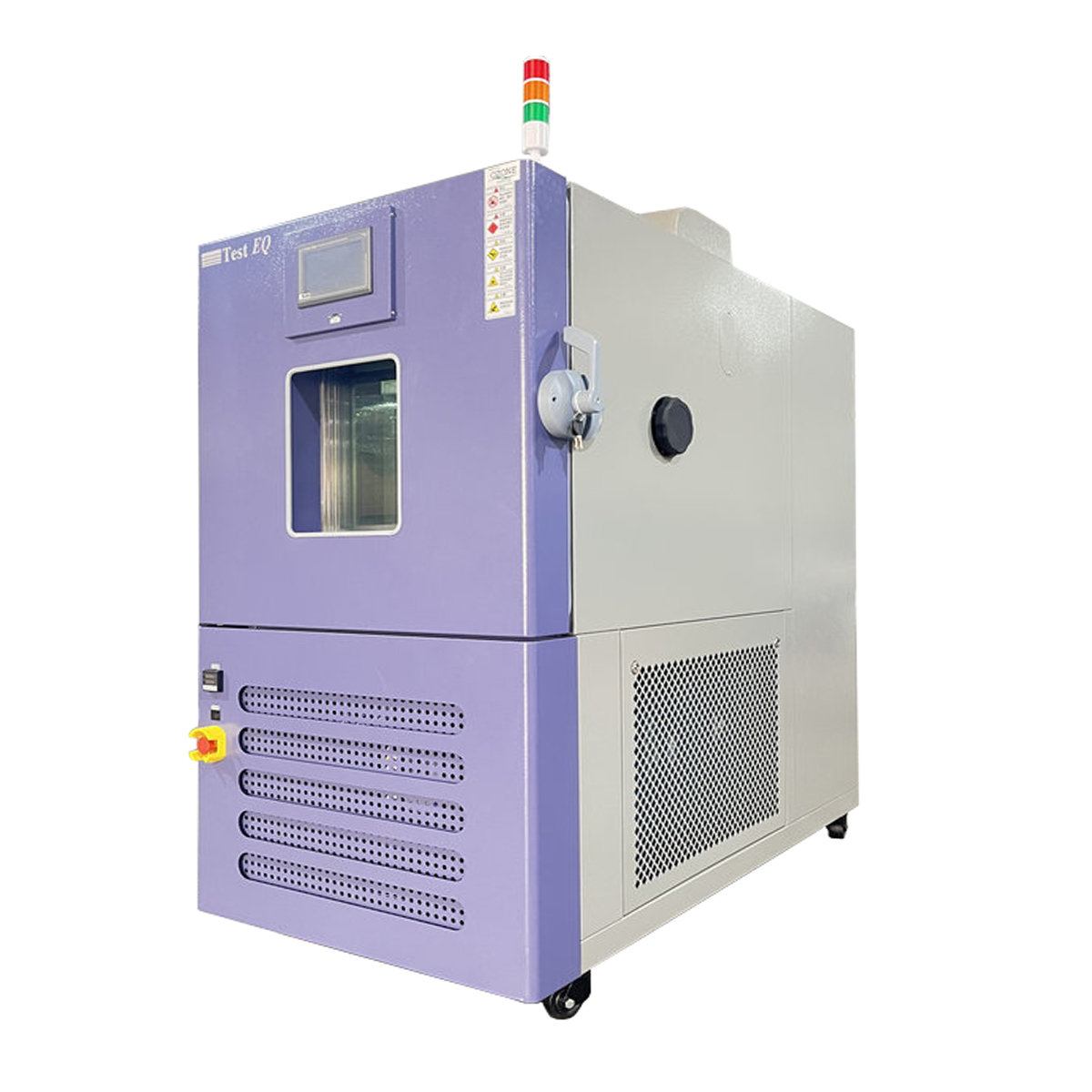
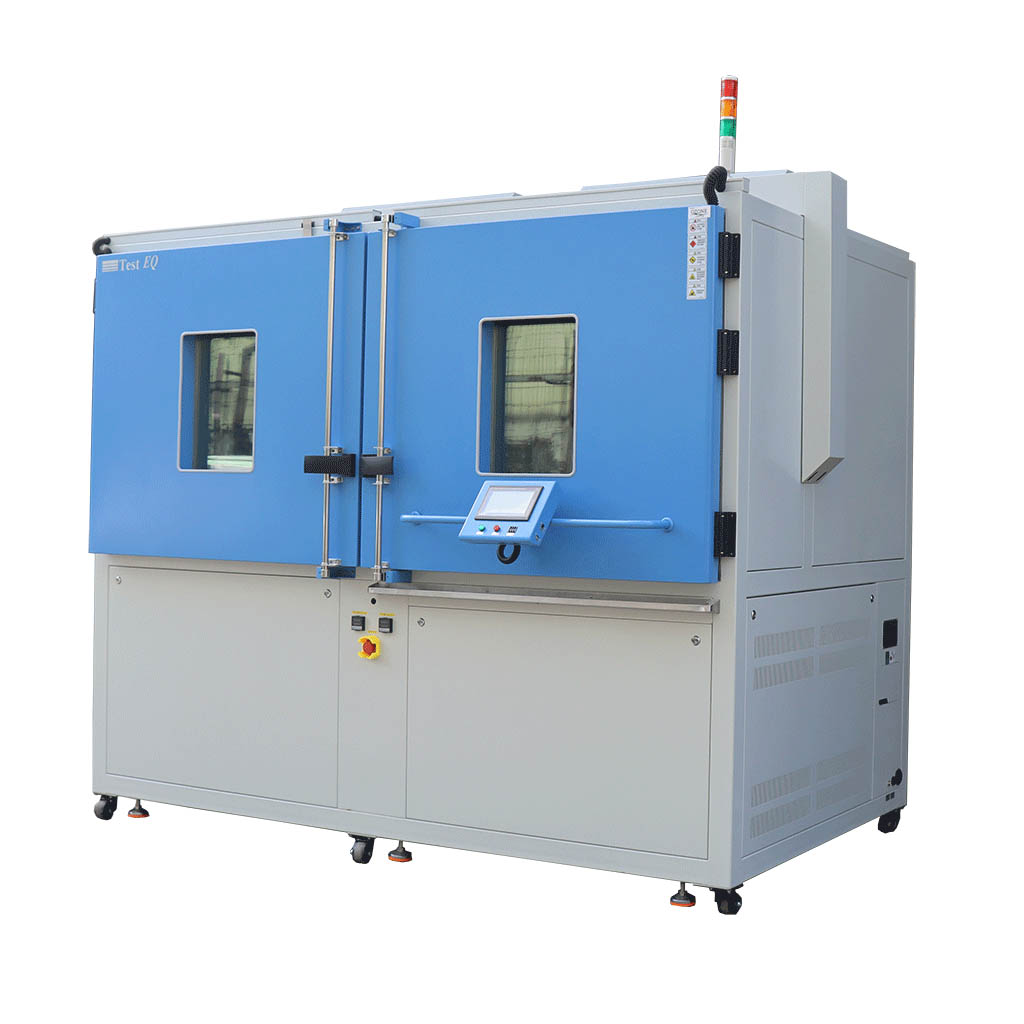
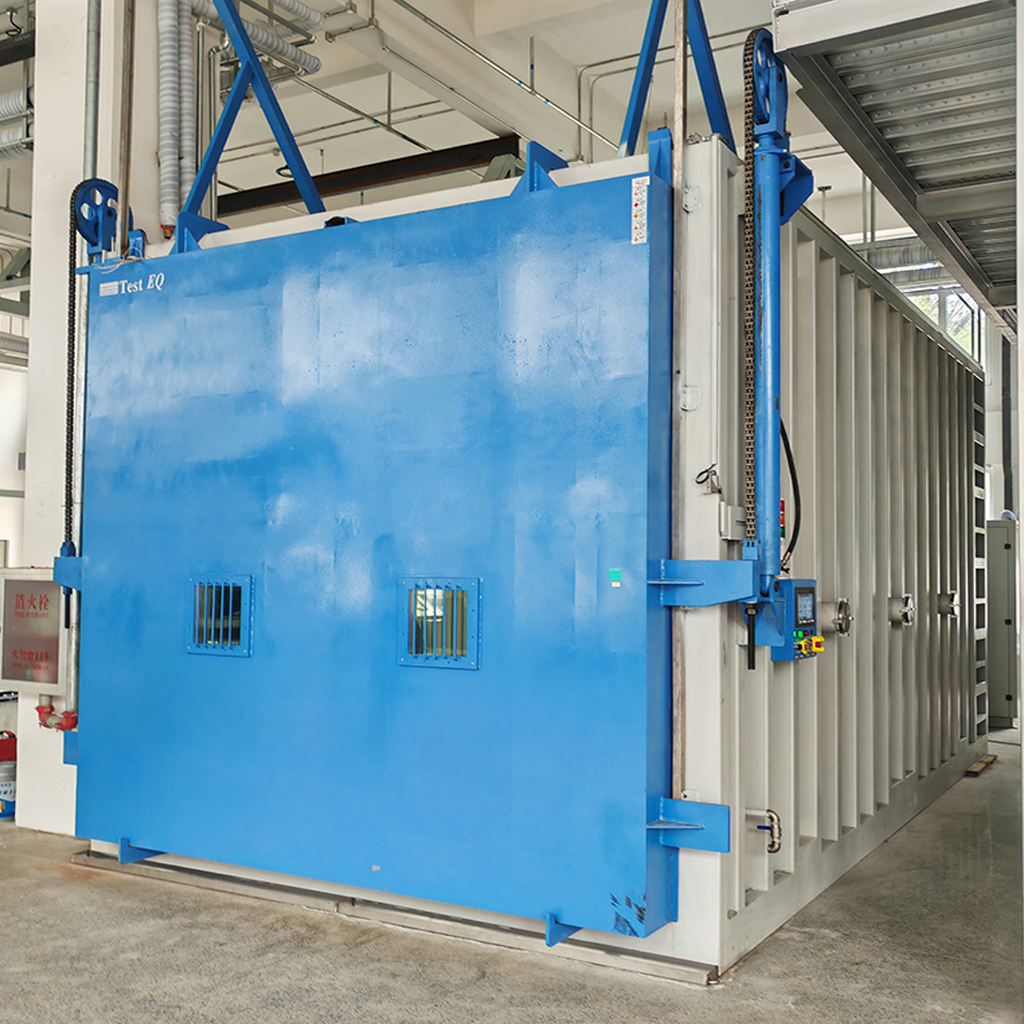
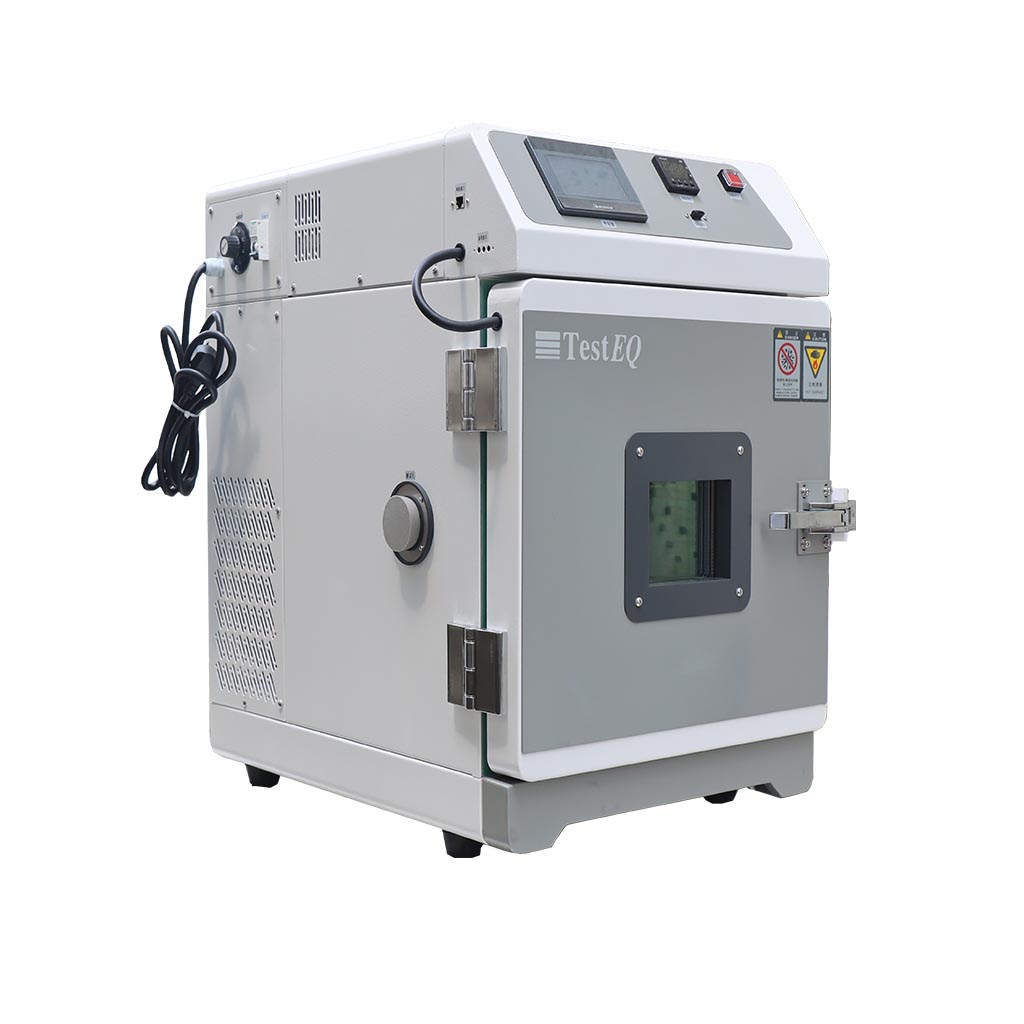
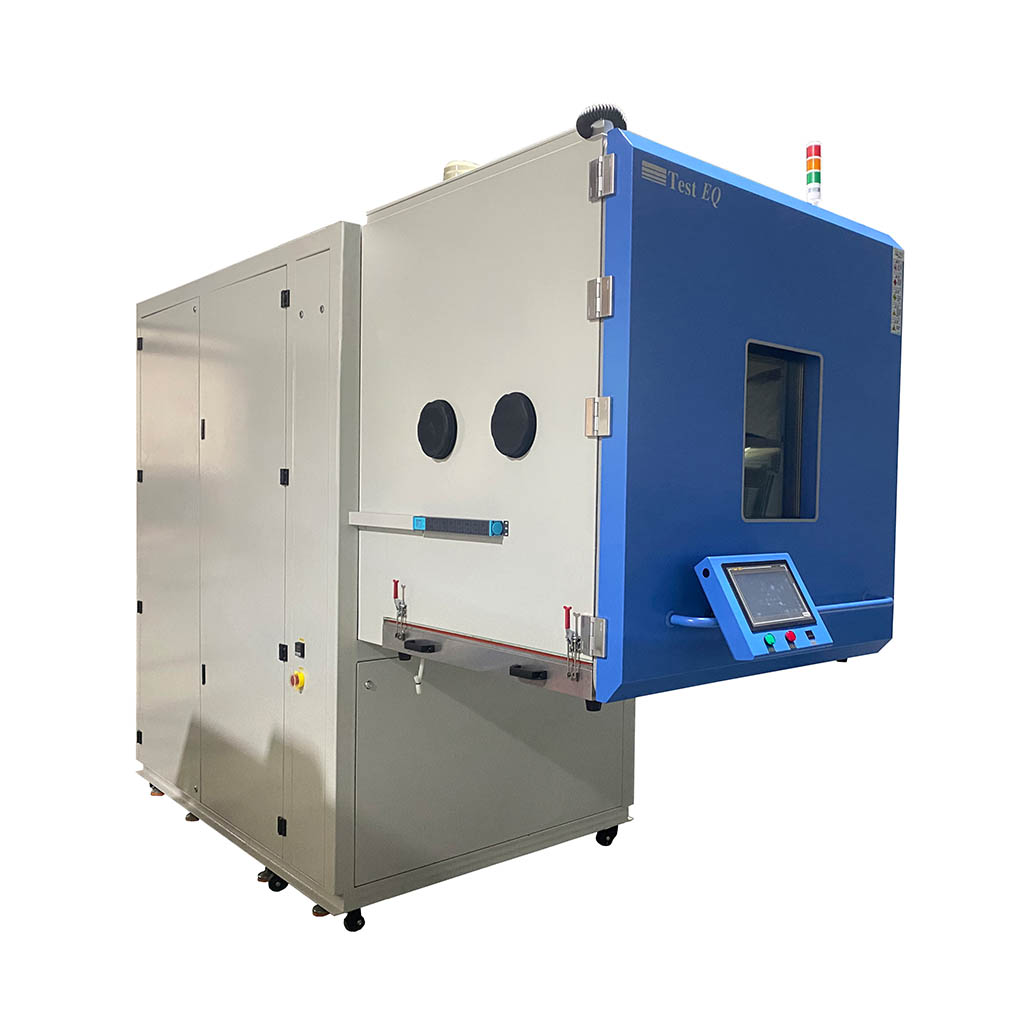
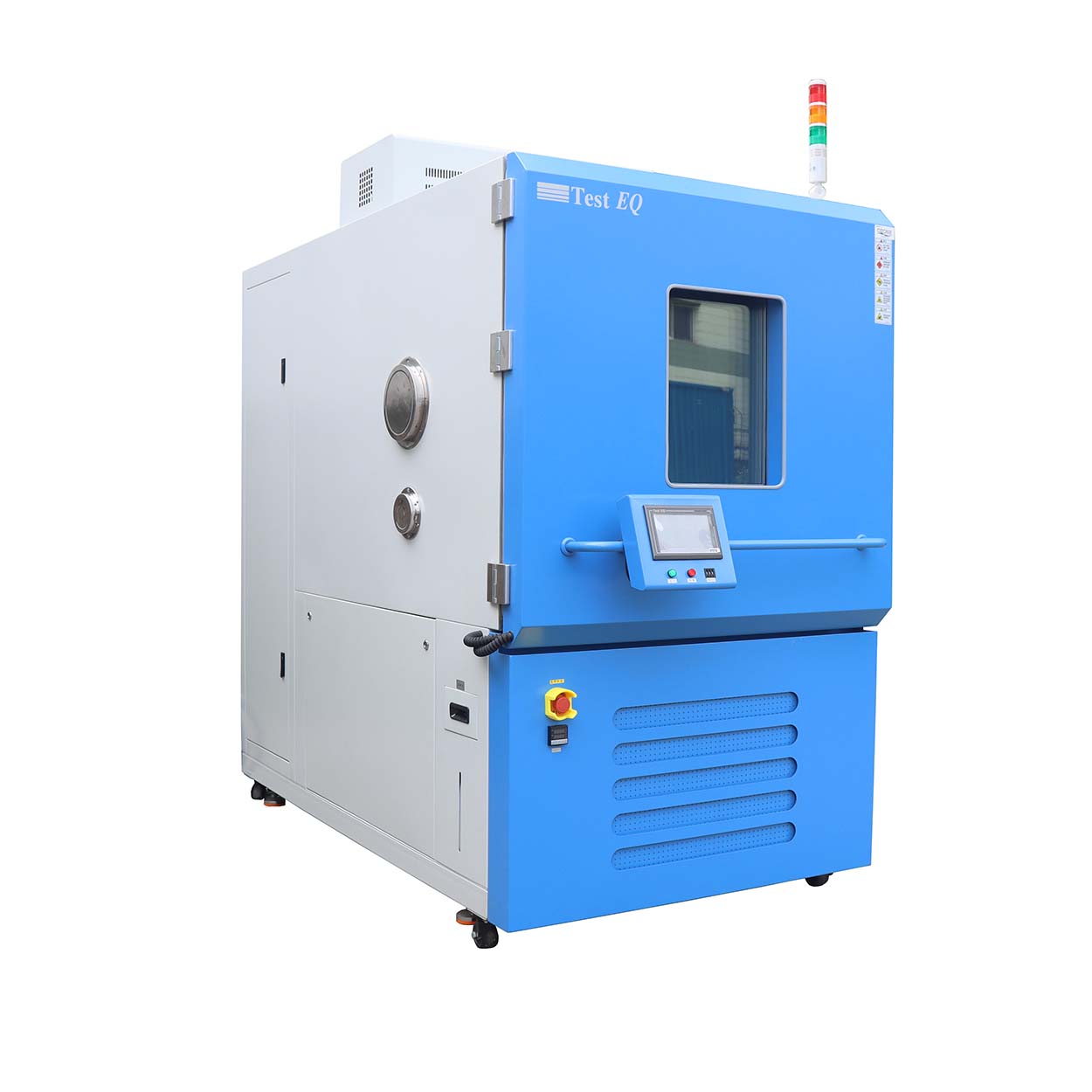
A Mixed Gas Corrosion Test Chamber is an environmental reliability testing system designed to evaluate the corrosion resistance of electronic components, metals, coatings, and assemblies under controlled mixed flowing gas environments.
Unlike traditional salt spray corrosion tests, mixed gas corrosion testing simulates real industrial atmospheric conditions by exposing specimens to controlled concentrations of corrosive gases including hydrogen sulfide (H₂S), sulfur dioxide (SO₂), nitrogen dioxide (NO₂), and chlorine (Cl₂).
The chamber precisely controls gas concentration, temperature, humidity, and airflow to reproduce long-term corrosion mechanisms in a shortened laboratory test period.
Working Principle of Mixed Gas Corrosion Test Chamber
A Mixed Gas Corrosion Test Chamber works by creating a precisely controlled corrosive atmosphere containing multiple gases, temperature, humidity, and airflow conditions to simulate real-world environmental corrosion processes.
Unlike conventional corrosion tests that use a single corrosive medium, a mixed gas corrosion chamber introduces controlled concentrations of gases such as hydrogen sulfide (H₂S), sulfur dioxide (SO₂), nitrogen dioxide (NO₂), and chlorine (Cl₂) into the test area. These gases interact with the surface of materials and electronic components, accelerating corrosion mechanisms that may occur during long-term field exposure.
The testing process begins with specimen preparation and placement inside the chamber. The control system then regulates gas concentration, temperature, relative humidity, and gas flow rate according to specific testing requirements or international standards such as IEC 60068-2-60 and ASTM B827.
During the test cycle, the chamber continuously monitors environmental parameters and maintains a stable mixed gas atmosphere. The corrosive gases react with metal surfaces, coatings, connectors, and electronic components, allowing engineers to evaluate corrosion resistance, material durability, and product reliability.
After completing the exposure cycle, samples are inspected for corrosion damage, including surface degradation, electrical performance changes, coating failure, and contact reliability issues. The test results help manufacturers improve material selection, protective coating design, and product lifetime reliability.
Features
1.Precision Gas Dosing
•Delivers exact concentrations of corrosive gases (e.g., H₂S, SO₂, Cl₂ with N₂ carrier gas; NO₂ with synthetic air) for repeatable test conditions.
•Supports simultaneous dosing of up to four gases, enabling multi-pollutant interaction studies.
2.Observability & Safety
•Acrylic (PMMA) viewing window allows real-time monitoring of specimens without compromising test integrity.
•Pressure monitoring system and gas sampling port ensure operator safety and compliance with industrial hygiene standards.
3.Advanced Environmental Control
•Integrated air exchange module maintains consistent gas distribution and replicates dynamic atmospheric conditions.
4.Standards Compliance
•Certified for IEC 60068-2-60, 60068-2-42/43, ISO 21207, and other global protocols, guaranteeing internationally recognized results.
Mixed Gas Corrosion Test vs Salt Spray Test
Salt spray testing mainly evaluates corrosion resistance under continuous salt mist exposure, while mixed gas corrosion testing simulates atmospheric pollutants found in industrial environments.
Mixed gas testing is commonly used for:
- Electronic components
- PCB assemblies
- Connectors
- Semiconductor devices
- Automotive electronics
It provides a more realistic evaluation of corrosion caused by sulfur compounds and atmospheric pollutants.
Why Choose TestEQ?
1. Professional Environmental Testing Solution Provider
TestEQ specializes in environmental test chambers and reliability testing systems, providing solutions for automotive, aerospace, semiconductor, electronics, and research industries.
2. Advanced Testing Technology
TestEQ applies advanced temperature control, humidity control, refrigeration, and monitoring technologies to ensure accurate and stable test performance.
3. Compliance with Global Testing Standards
Our test chambers are designed to meet international standards, including IEC 60068, MIL-STD-810, JEDEC, ISO, and ASTM testing requirements.
4. Customized Chamber Design Capability
We provide customized environmental chambers based on different test requirements, sample sizes, temperature ranges, and industry applications.
5. Reliable Quality and Manufacturing Experience
With years of experience in environmental testing equipment manufacturing, TestEQ delivers reliable products with strict quality control and engineering support.
6. Complete Technical Support and Service
From test requirement analysis and chamber selection to installation and after-sales support, TestEQ helps customers achieve efficient and reliable testing solutions.
Standards Compliance
TestEQ Mixed Gas Corrosion Test Chamber supports internationally recognized corrosion testing standards including:
IEC 60068-2-60:
Mixed flowing gas corrosion test method for electronic components and materials.
IEC 60068-2-42:
Sulfur dioxide corrosion testing for electronic components.
IEC 60068-2-43:
Hydrogen sulfide corrosion testing.
ASTM B827:
Standard practice for conducting mixed flowing gas environmental tests.
ISO 21207:
Accelerated corrosion testing under controlled environmental conditions.
FAQ
1. What is a Mixed Gas Corrosion Test Chamber?
A Mixed Gas Corrosion Test Chamber is an environmental testing system used to evaluate the corrosion resistance of electronic components, materials, coatings, and assemblies under controlled corrosive gas environments. The chamber simulates industrial atmospheric conditions by precisely controlling gases such as H₂S, SO₂, NO₂, and Cl₂ together with temperature, humidity, and airflow.
2. What standards does a Mixed Gas Corrosion Test Chamber comply with?
A Mixed Gas Corrosion Test Chamber is commonly designed according to international corrosion testing standards, including IEC 60068-2-60, IEC 60068-2-42, IEC 60068-2-43, ASTM B827, and ISO 21207. These standards define test conditions, gas concentrations, temperature, humidity, and evaluation methods for corrosion reliability testing.
3. What gases are used in mixed gas corrosion testing?
Common corrosive gases used in mixed gas corrosion testing include hydrogen sulfide (H₂S), sulfur dioxide (SO₂), nitrogen dioxide (NO₂), and chlorine (Cl₂). Different gas combinations are selected according to the application requirements and corrosion mechanisms being evaluated.
4. What is the difference between a Mixed Gas Corrosion Test Chamber and a Salt Spray Chamber?
A Salt Spray Chamber mainly evaluates corrosion resistance under a saline environment, while a Mixed Gas Corrosion Test Chamber simulates atmospheric corrosion caused by industrial pollutants and reactive gases.
Mixed gas corrosion testing is especially suitable for electronic components, connectors, PCB assemblies, semiconductor devices, and automotive electronics where gas corrosion is a major reliability concern.
5. What products can be tested in a Mixed Gas Corrosion Chamber?
Mixed Gas Corrosion Test Chambers are widely used for testing electronic and industrial components, including PCBs, semiconductor packages, electrical connectors, sensors, terminals, automotive electronic systems, battery components, coatings, and precision metal parts.
6. How does a Mixed Gas Corrosion Test Chamber control the test environment?
The chamber controls multiple environmental parameters including corrosive gas concentration, temperature, humidity, airflow, and exposure duration. Advanced gas monitoring and control systems ensure stable test conditions and repeatable corrosion test results according to international standards.
7. How long does a mixed gas corrosion test usually take?
The duration of a mixed gas corrosion test depends on the selected standard, gas concentration, temperature, humidity level, and product requirements. Some accelerated corrosion tests may be completed within several hours or days, while long-term reliability evaluations may require extended exposure periods.
8. How to choose the right Mixed Gas Corrosion Test Chamber?
When selecting a Mixed Gas Corrosion Test Chamber, engineers should consider:
Applicable testing standards (IEC 60068-2-60, ASTM B827, ISO 21207)
Required corrosive gases and concentration ranges
Chamber volume and specimen size
Temperature and humidity control accuracy
Gas safety management system
Data monitoring and recording requirements
TestEQ provides customized corrosion testing solutions based on different industries, including automotive electronics, semiconductor, aerospace, and material reliability testing.
Internal Linking Module
Recommended Standards
Explore related environmental corrosion and reliability testing standards to understand test requirements and chamber selection criteria.
Learn about the IEC 60068 series of environmental testing standards, including temperature, humidity, corrosion and mechanical testing methods for electronic components and industrial products.
Understand the IEC 60068-2-60 mixed flowing gas corrosion test method, including corrosive gas exposure conditions, test procedures and reliability evaluation requirements.
Explore ASTM B827 requirements for mixed flowing gas corrosion testing and how the standard is applied for electronic components and material corrosion evaluation.
Related Products
Discover TestEQ corrosion and environmental simulation chambers designed for reliability testing across automotive, electronics and semiconductor industries.
A salt spray testing system designed to evaluate corrosion resistance of coatings, metals and components under controlled saline environments according to ASTM B117 and ISO standards.
A programmable environmental chamber used for temperature and humidity reliability testing of electronic components, automotive parts and industrial products.
A cyclic corrosion testing solution combining salt spray, humidity and drying cycles to simulate complex outdoor corrosion conditions and accelerate reliability evaluation.
Technical Resources
Read TestEQ technical guides to learn corrosion mechanisms, testing methods and environmental reliability solutions.
Compare mixed gas corrosion testing and salt spray testing methods, including test environments, applications and how engineers select the right corrosion evaluation method.
A practical guide explaining key factors when selecting a corrosion chamber, including standards compliance, test requirements, gas control and application needs.
A technical overview of major environmental testing standards used for electronics, automotive components, semiconductors and reliability verification.