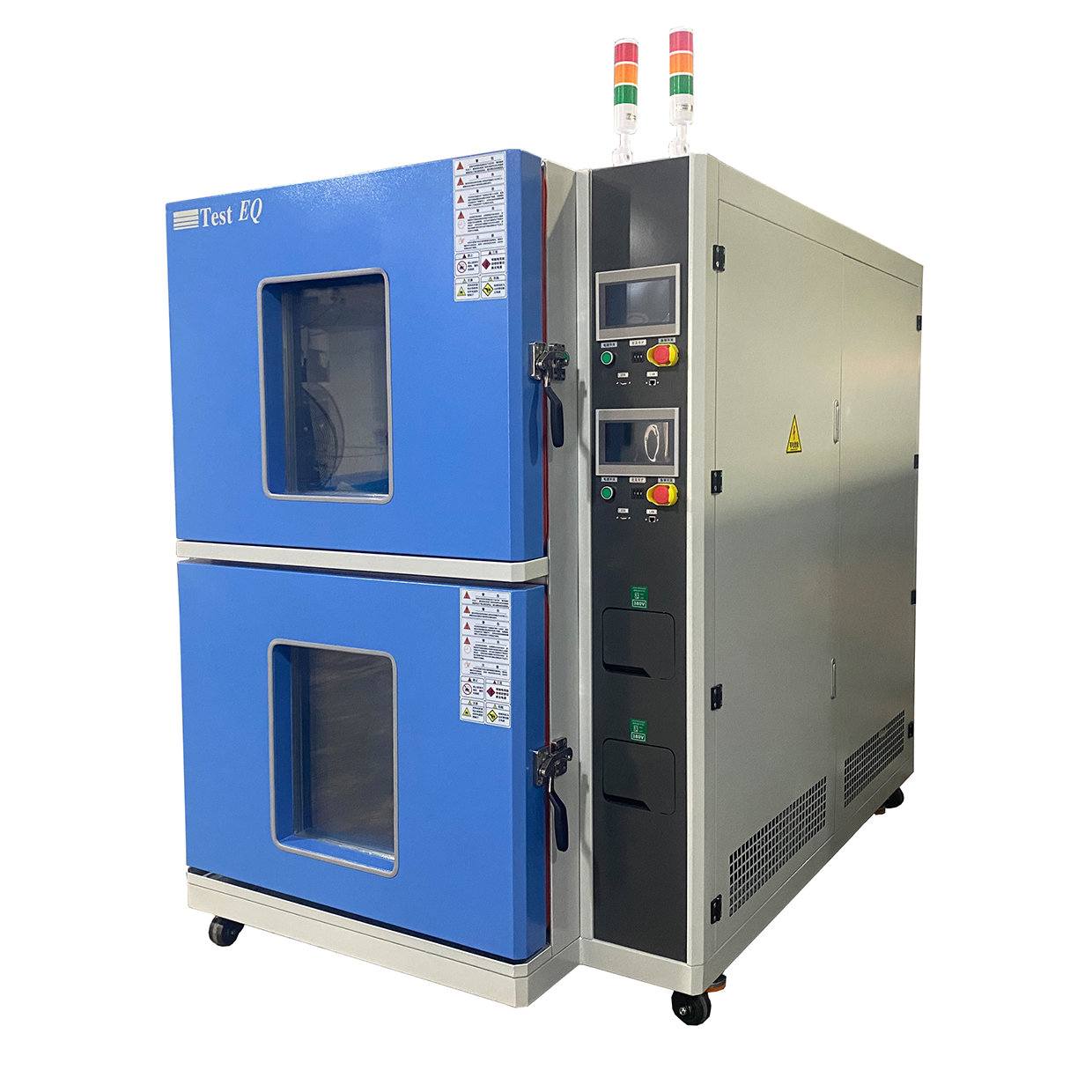
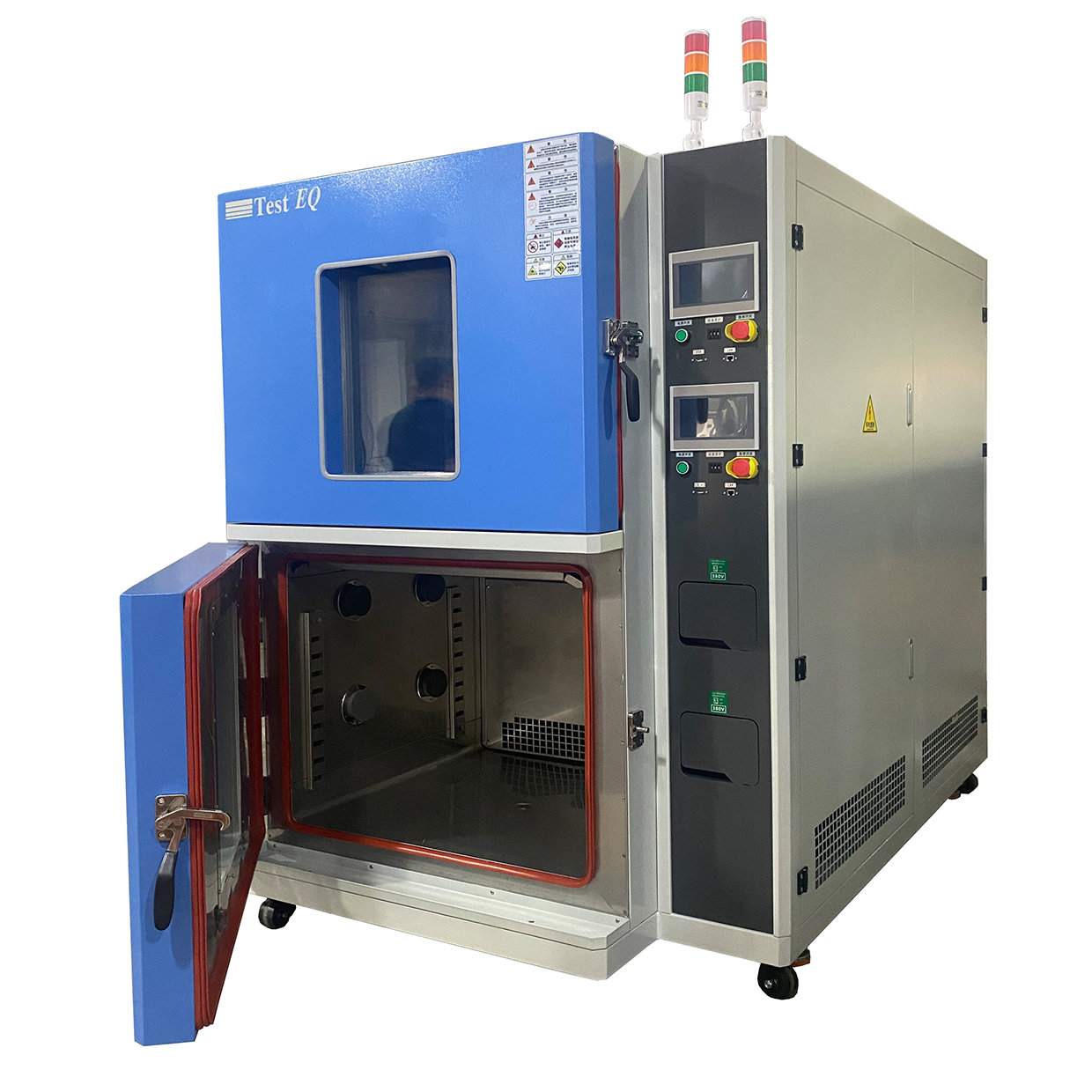
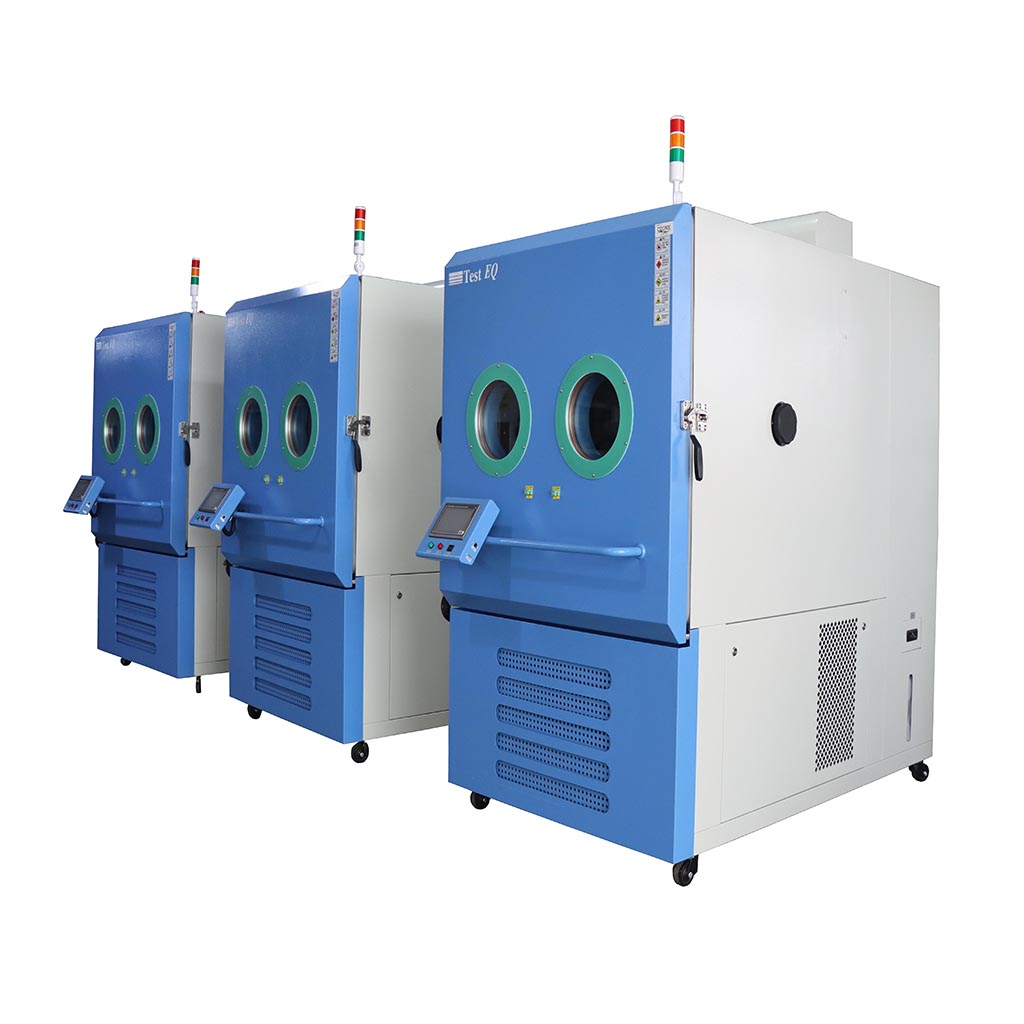
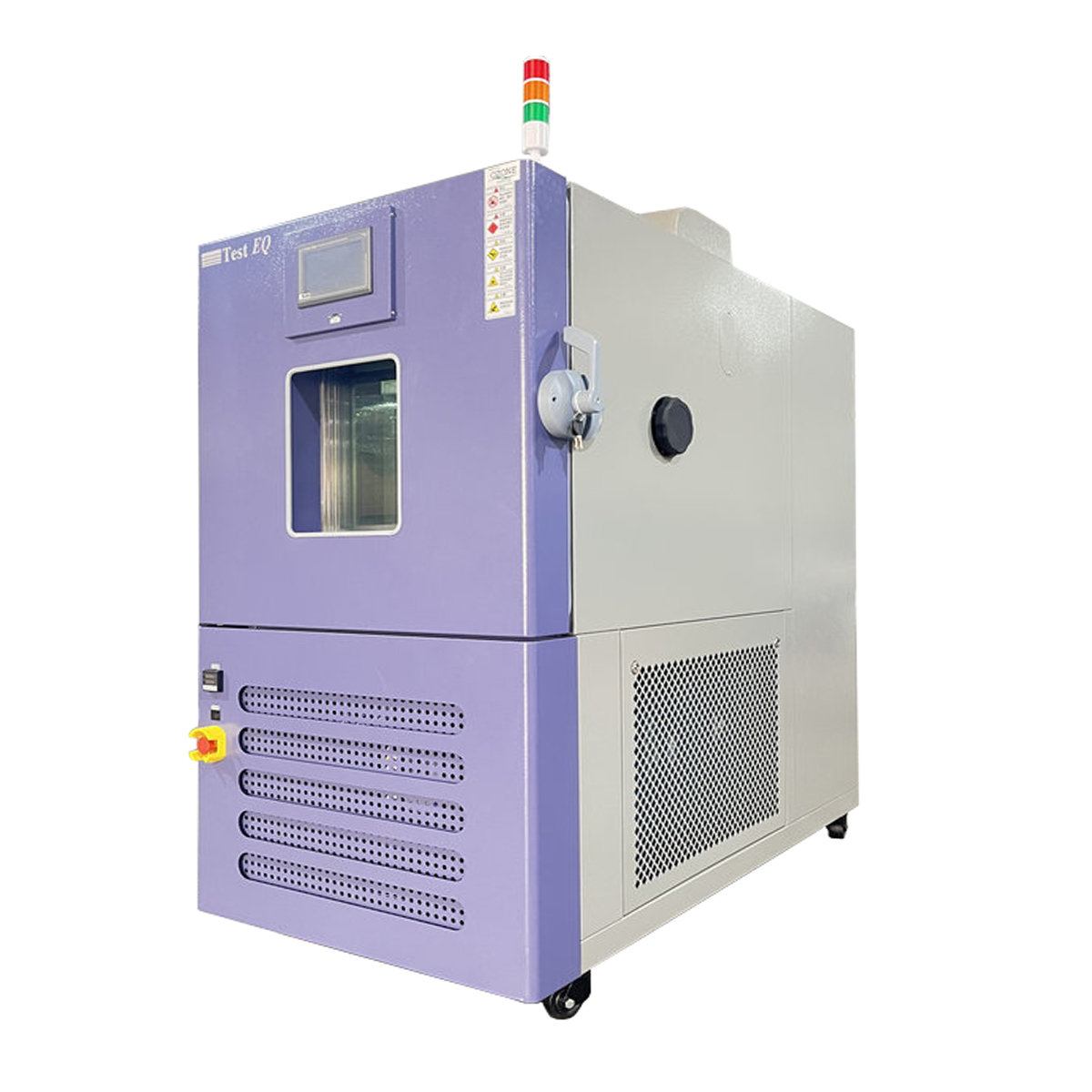
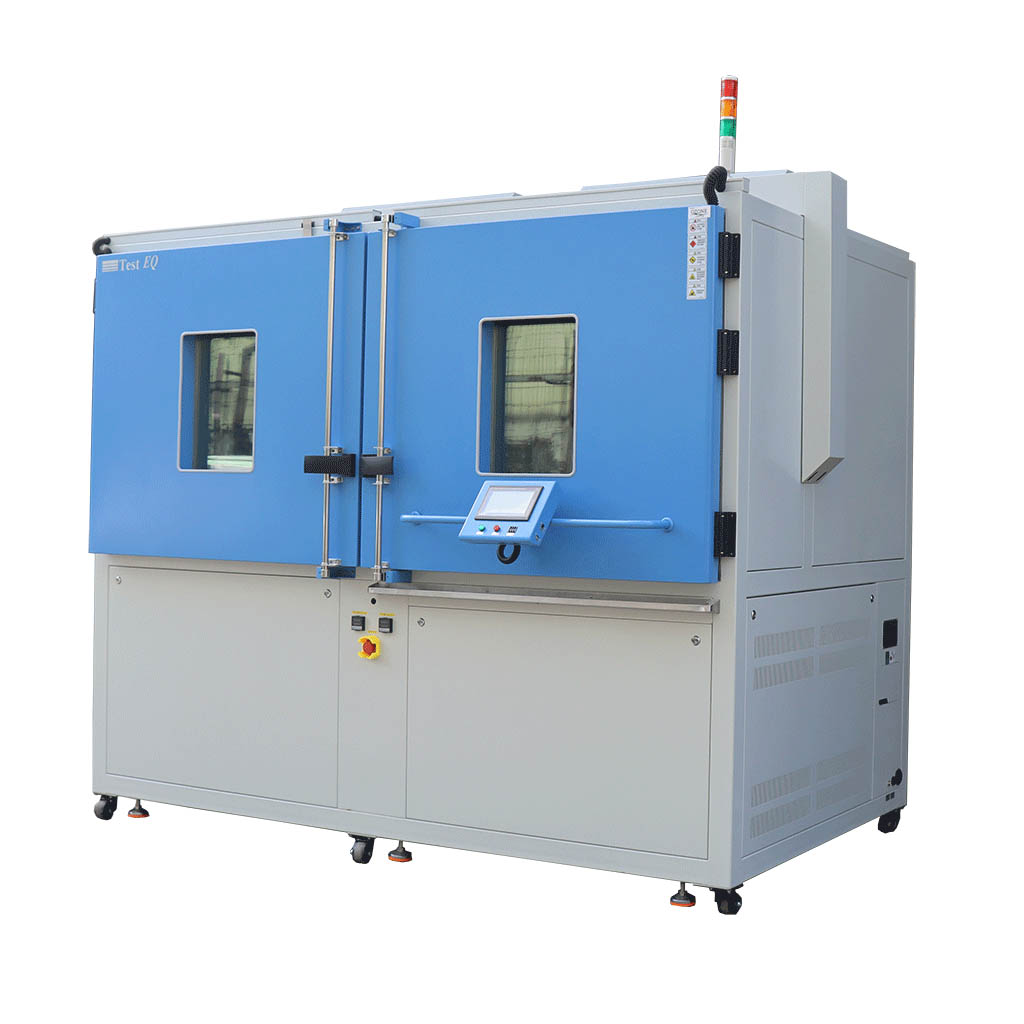
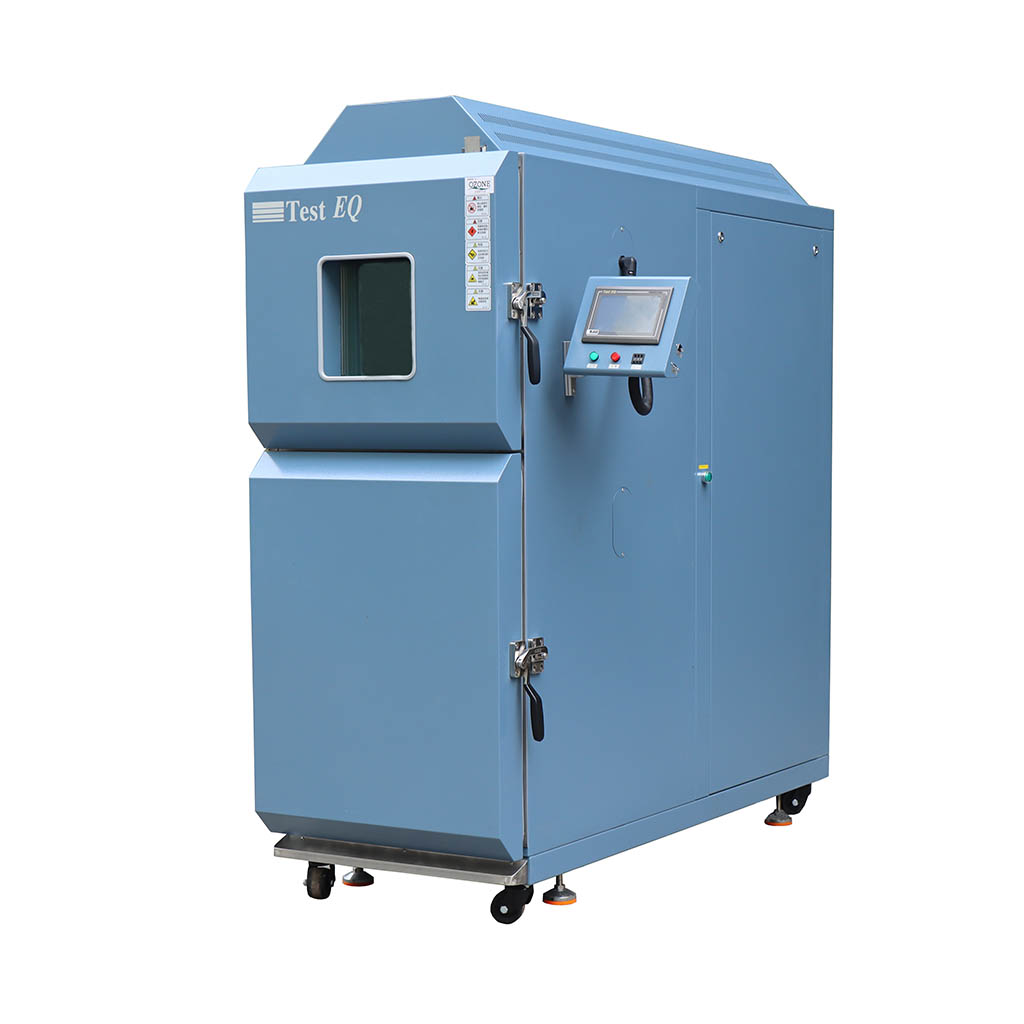
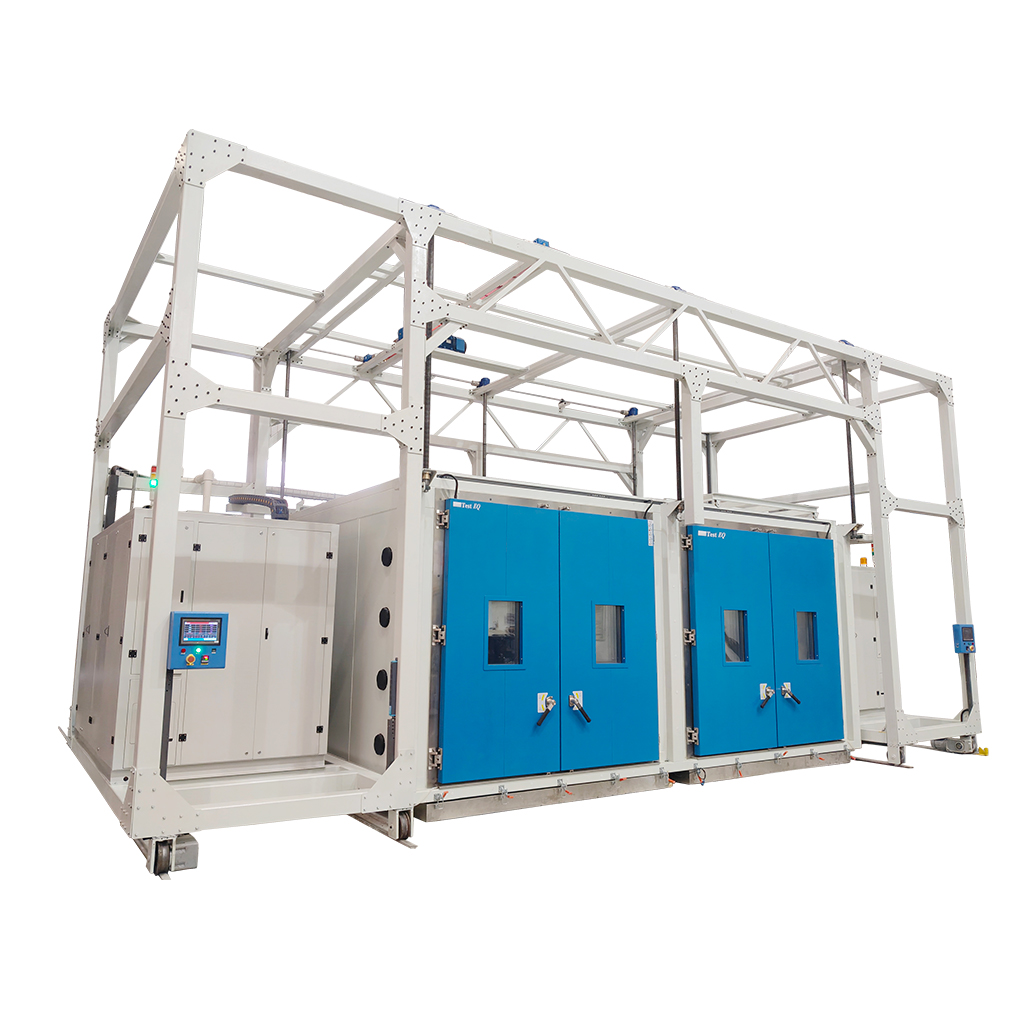
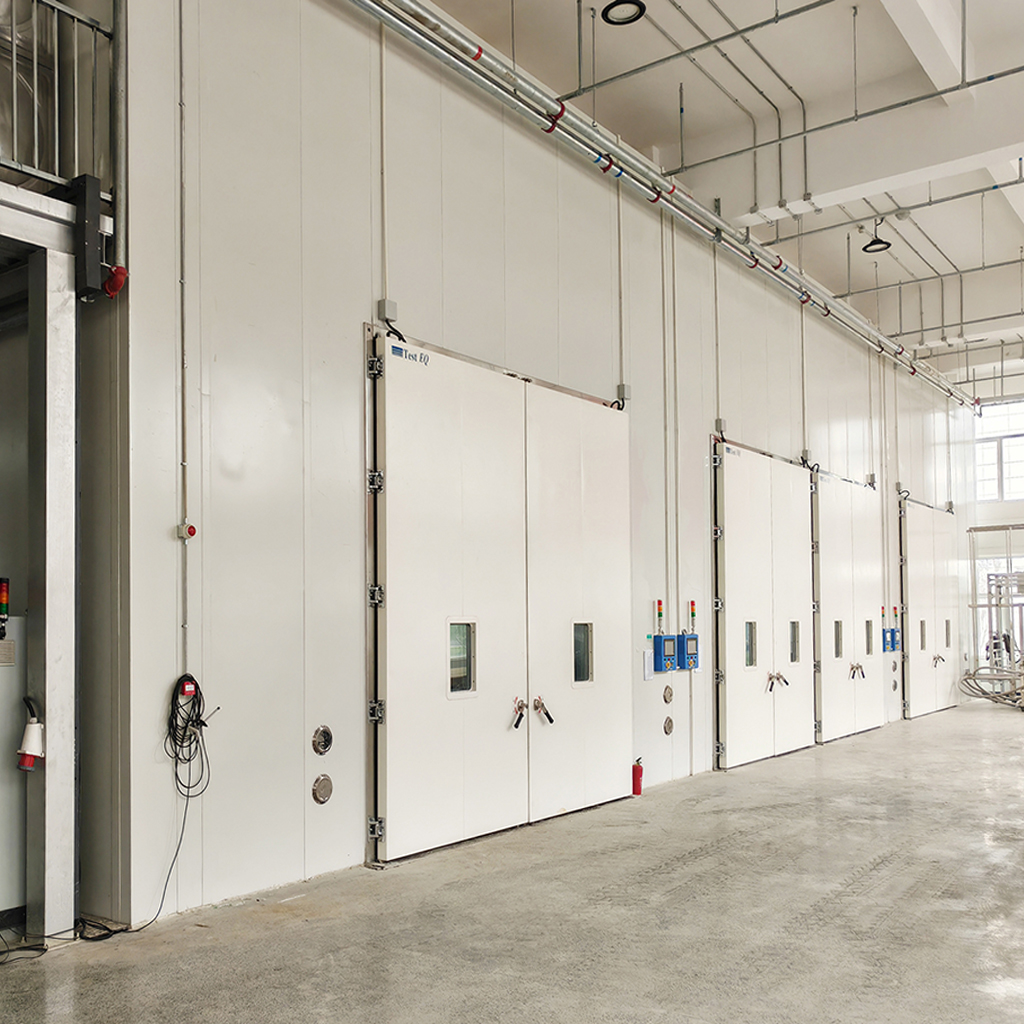
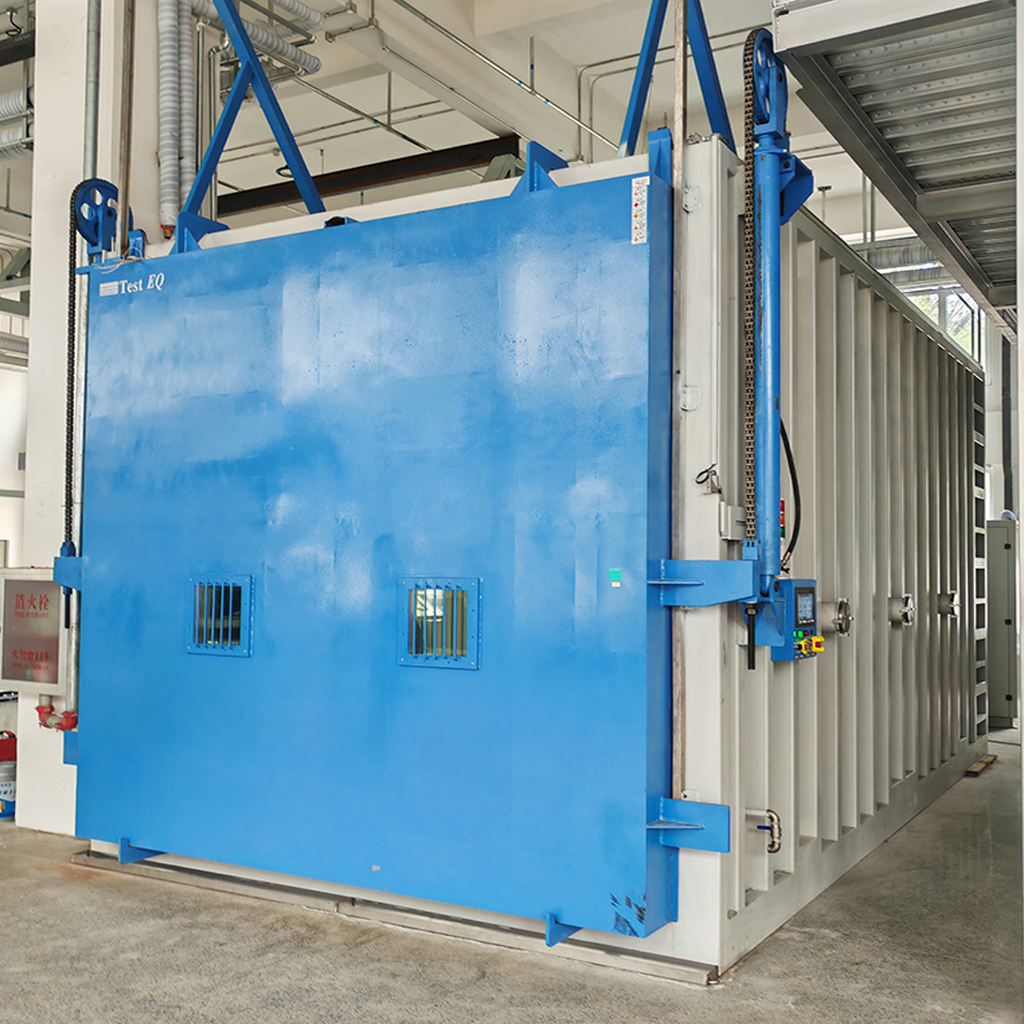
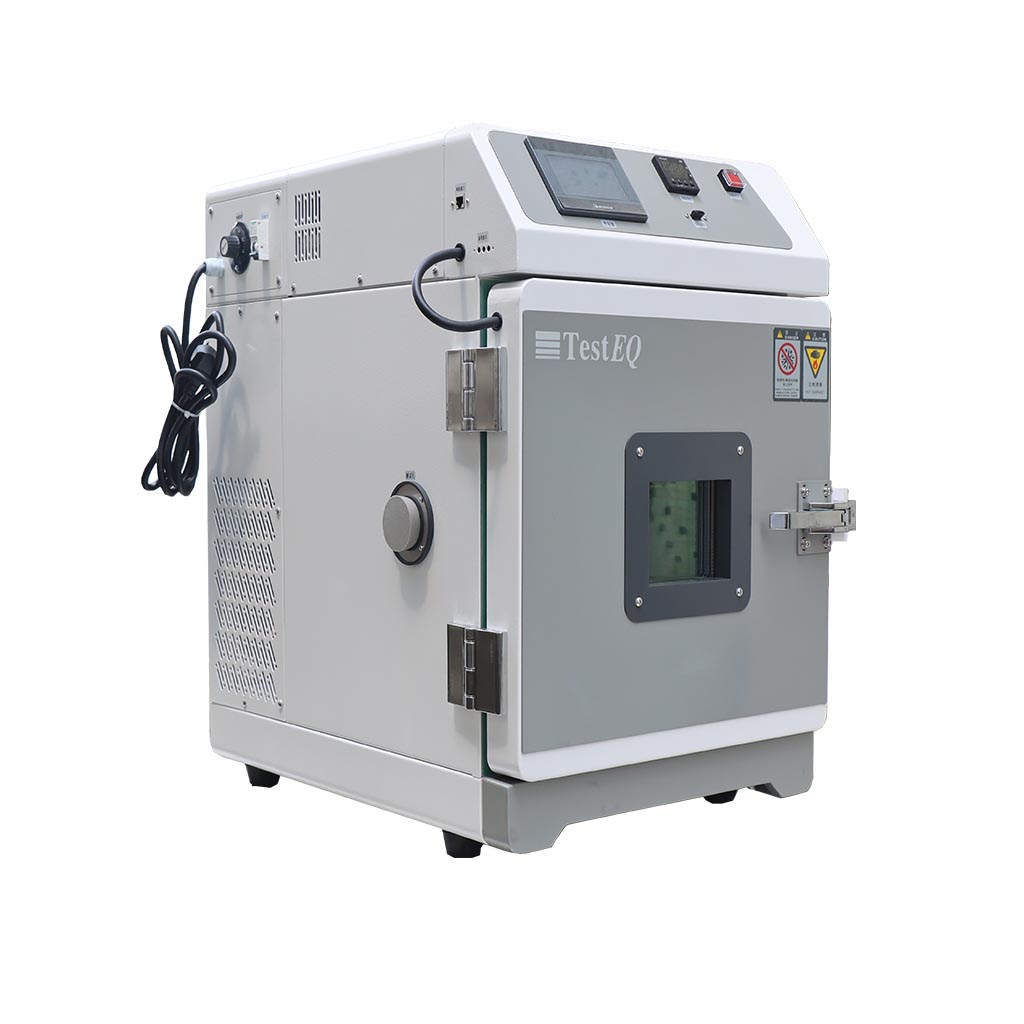
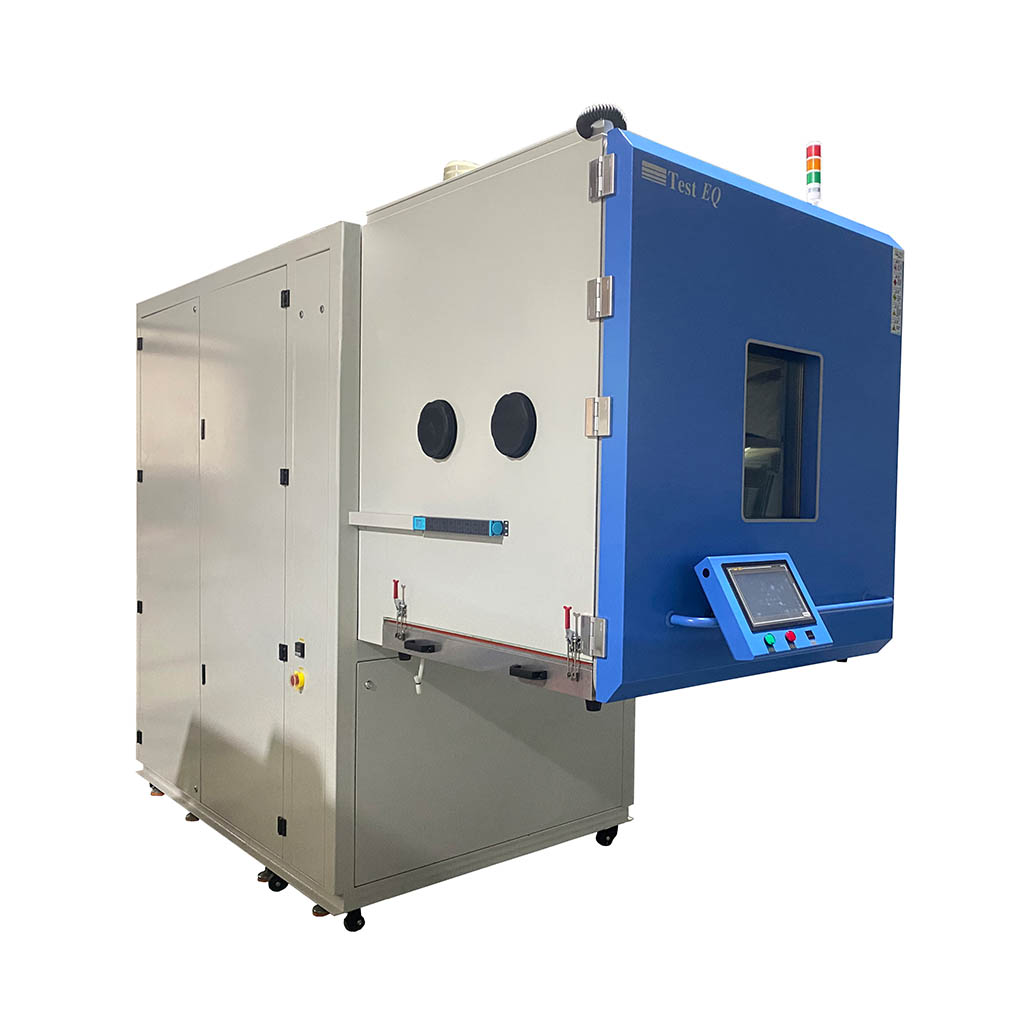
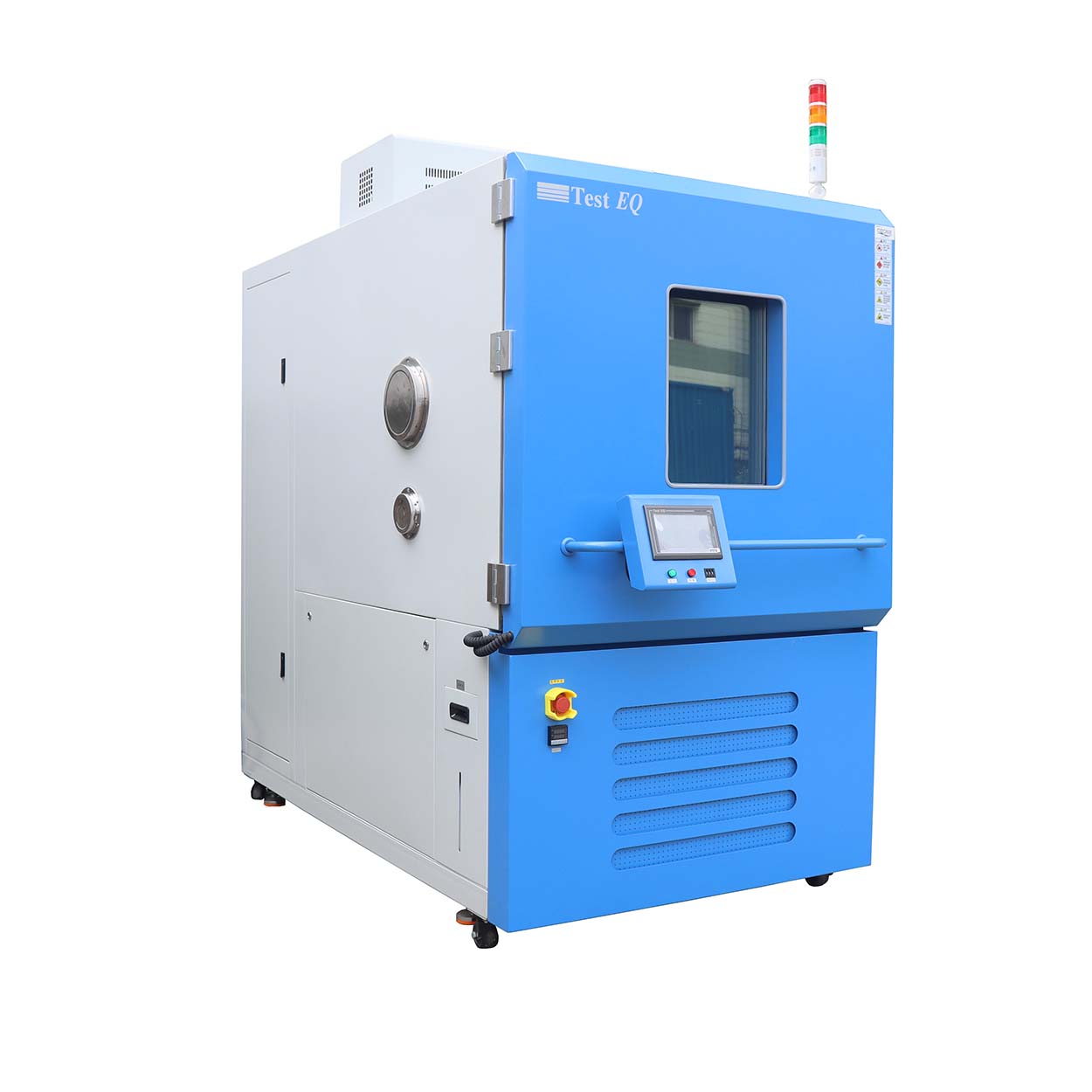
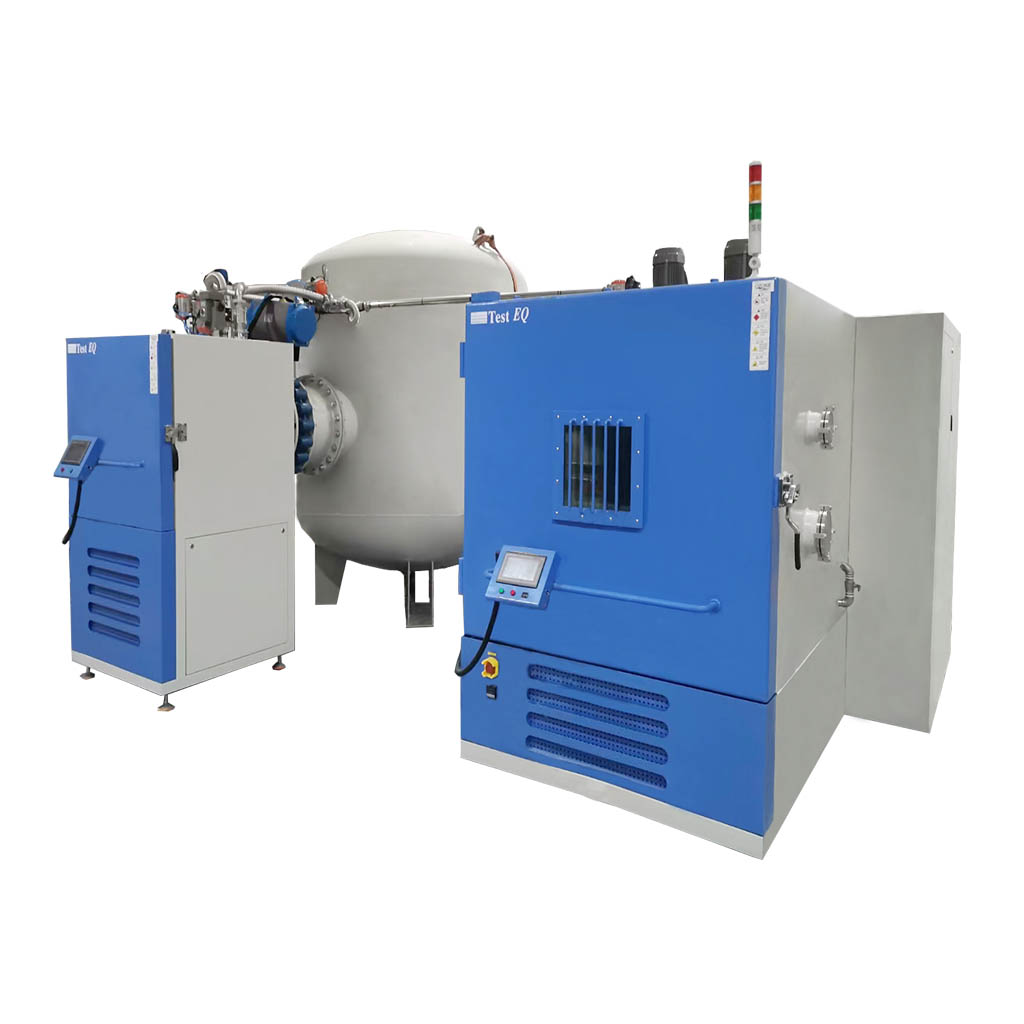
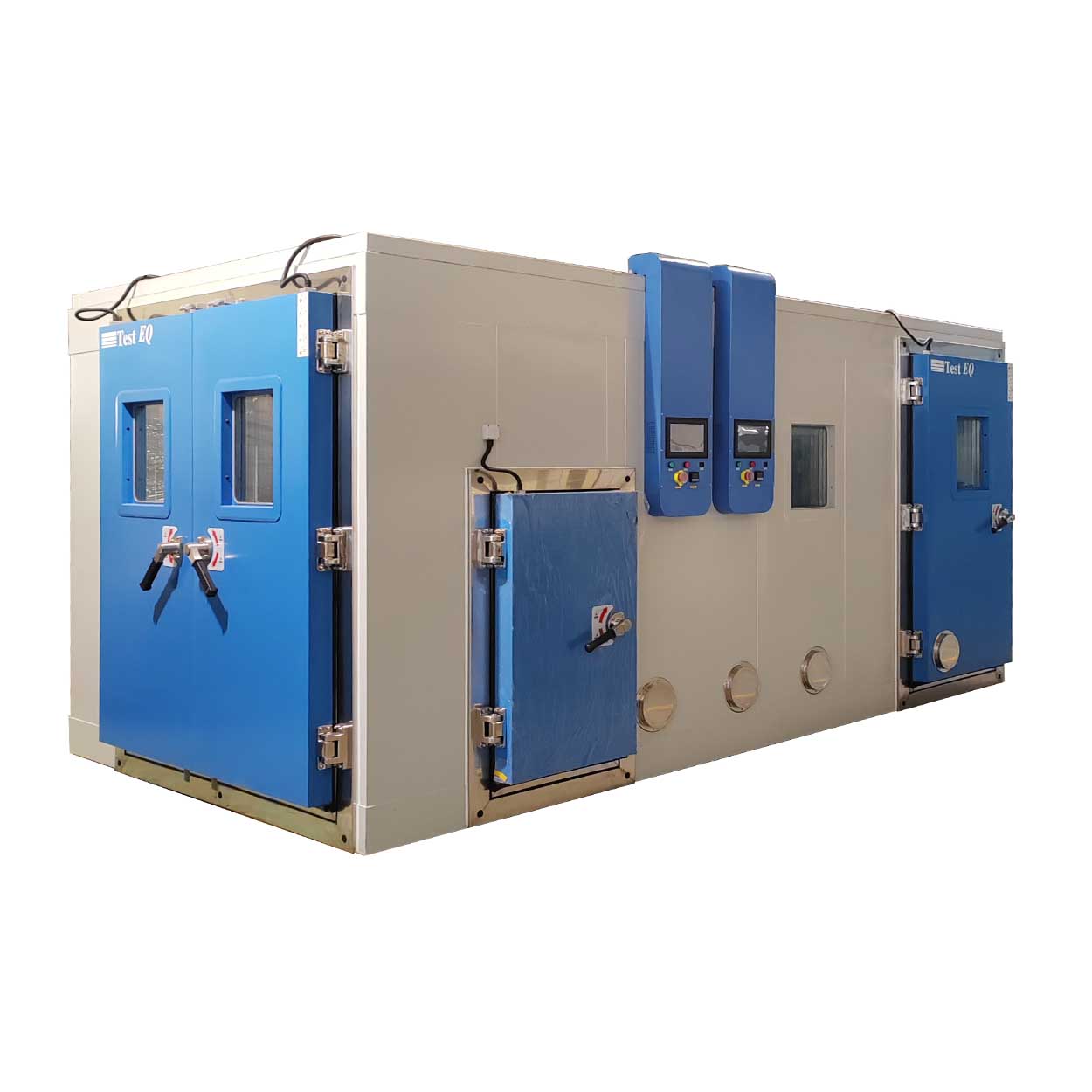
Rapid Temperature Change Chamber for High Ramp Rate Testing
A Rapid Temperature Change Chamber is designed for reliability testing that requires controlled, high-speed temperature transitions.
TestEQ rapid temperature change chambers can be configured with linear temperature ramp rates from 5°C/min to 30°C/min, depending on chamber size, temperature range, test load and application requirements.
The system is designed for semiconductor, automotive electronics, EV battery, aerospace and advanced laboratory applications where temperature transition speed and repeatability directly affect testing efficiency.
What Is a Rapid Temperature Change Chamber?
A rapid temperature change chamber is an environmental test chamber designed to change temperature quickly while maintaining controlled temperature conditions.
The main engineering objectives are:
• Fast heating
• Fast cooling
• Controlled linear ramp rate
• Temperature uniformity
• Stable recovery
• Repeatable temperature cycling
• Long-duration operation
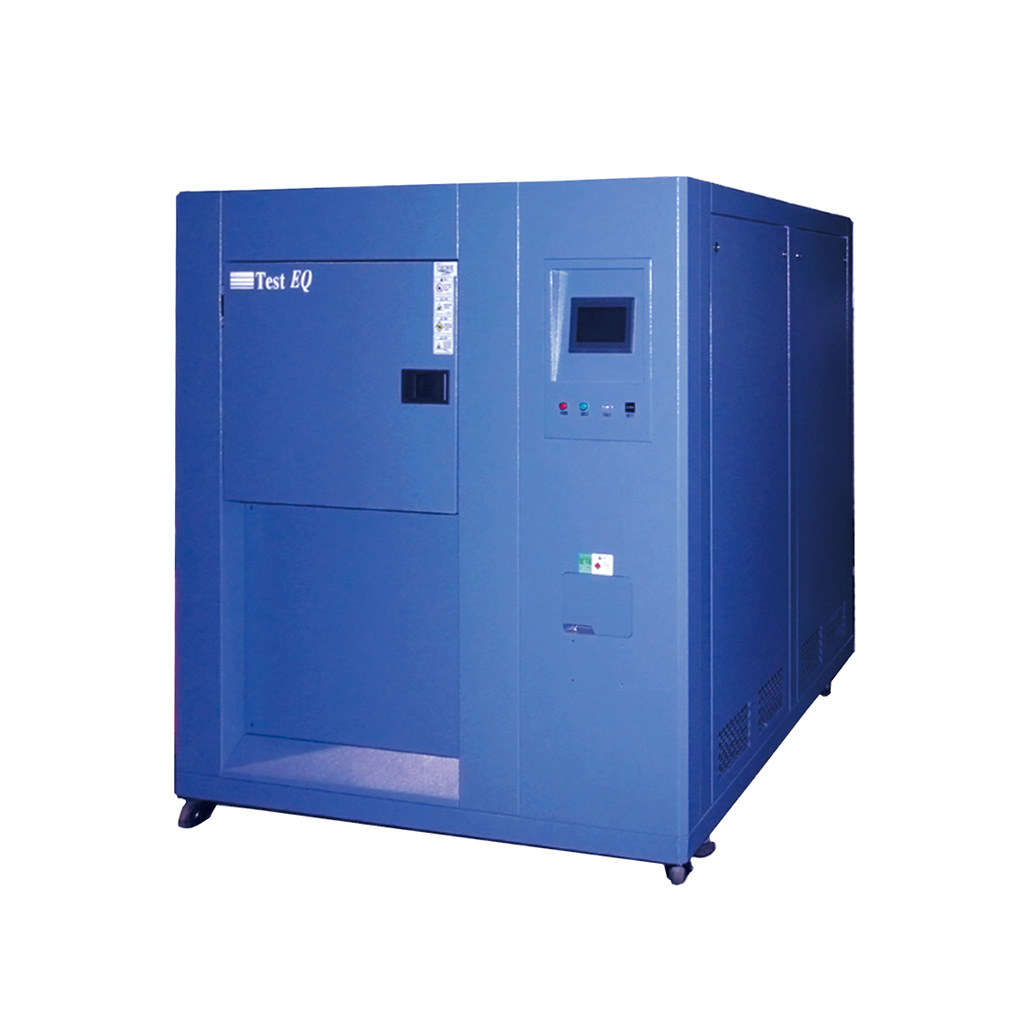
Unlike a traditional two-zone thermal shock chamber, a rapid temperature change chamber normally achieves temperature transitions within the same working space using controlled heating and refrigeration.
How Does a Rapid Temperature Change Chamber Work?
Rapid temperature change performance depends on several key technologies.
High-Performance Refrigeration System
The refrigeration system determines the cooling capability and temperature transition speed.
TestEQ chambers utilize optimized refrigeration architecture to provide:
Fast cooling response
Stable low-temperature operation
Efficient heat exchange performance
Continuous thermal cycling capability
The refrigeration system is designed to maintain stable performance during repeated temperature transitions, reducing test interruption and improving laboratory efficiency.
Advanced Airflow Circulation Technology
Temperature uniformity is critical during rapid temperature changes.
A well-designed airflow system ensures:
Uniform temperature distribution
Reduced thermal gradients
Improved test repeatability
Accurate product validation results
Optimized airflow helps prevent local overheating or cooling delay, especially when testing sensitive electronic components.
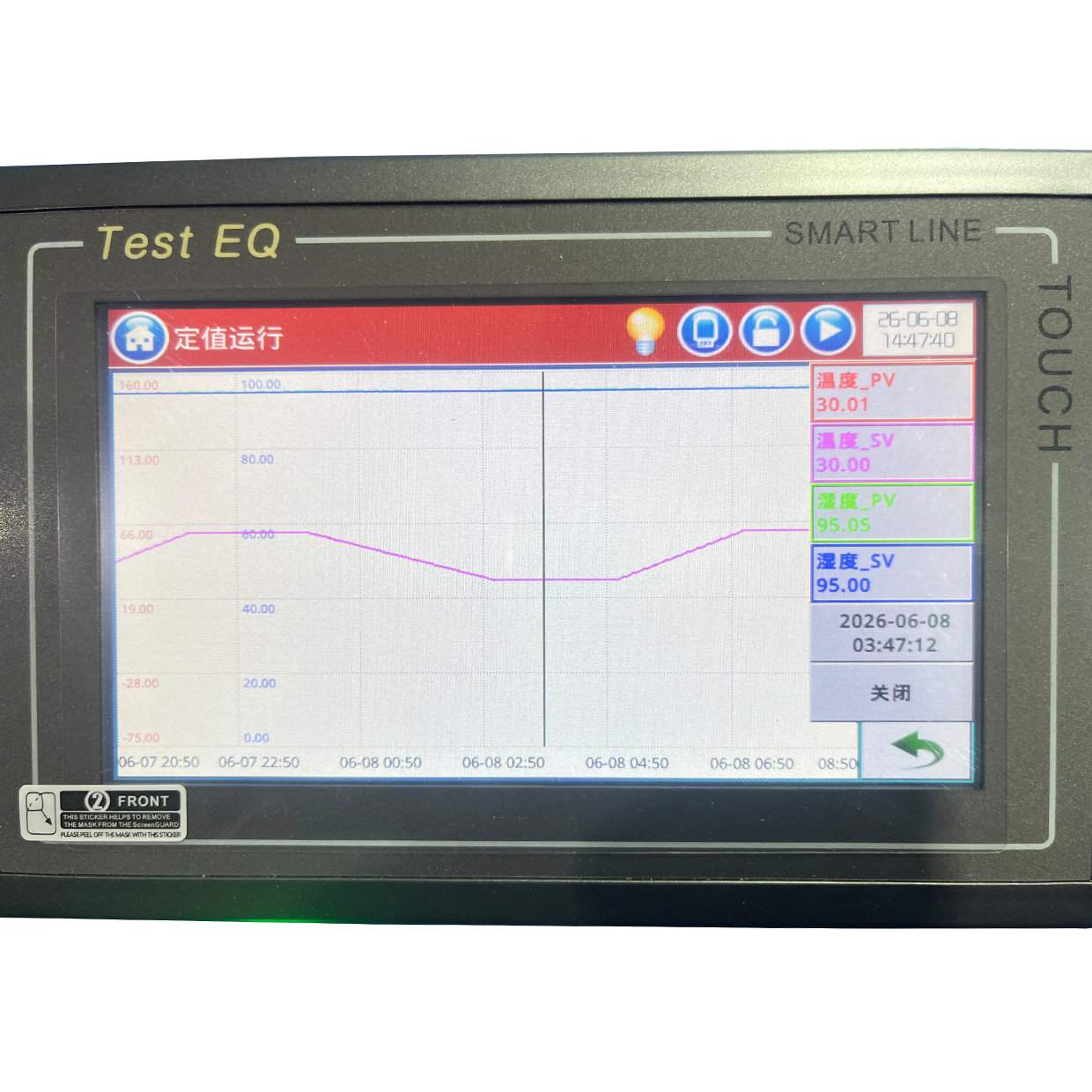
Intelligent Temperature Control System
Fast temperature transition requires accurate control algorithms.
TestEQ Rapid Temperature Change Chambers integrate intelligent control technologies including:
PID temperature control
Advanced control algorithms
Real-time temperature monitoring
Automatic system protection
These technologies help maintain stable temperature performance during demanding reliability tests.
Key Performance Features of Rapid Temperature Change Chamber
High Temperature Ramp Rate Capability
Temperature ramp rate is one of the most important indicators for rapid temperature change testing.
Depending on configuration requirements, TestEQ systems can support high-speed temperature transitions for applications requiring:
5°C/min(Linear)
10°C/min(Linear)
20°C/min(Linear)
Up to 30°C/min(Linear)
Fast ramp rates help engineers accelerate reliability validation and detect potential thermal-related failures earlier.
Wide Temperature Range
TestEQ Rapid Temperature Change Chambers support demanding temperature simulation requirements.
Typical capabilities include:
Customized temperature ranges and chamber configurations are available according to customer testing requirements.
Precise Temperature Control and Stability
For reliability laboratories, repeatability is essential.
Key performance characteristics include:
Accurate temperature control
Stable temperature recovery
Excellent chamber uniformity
Reliable long-term operation
These capabilities support consistent test results for critical electronic components and systems.
Rapid Temperature Change vs Thermal Cycling vs Thermal Shock
| Engineering Factor | Rapid Temperature Change | Thermal Cycling | Thermal Shock |
|---|
| Primary Purpose | High-rate temperature transition and accelerated thermal stress testing | Repeated temperature exposure to evaluate thermal fatigue and long-term reliability | Severe thermal shock caused by extremely rapid temperature transition |
| Typical Test Objective | Evaluate product performance under fast temperature changes | Identify fatigue, degradation and failure caused by repeated temperature cycling | Evaluate resistance to sudden and severe thermal gradients |
| Temperature Transition | Rapid and controlled | Controlled and repeatable | Extremely rapid |
| Temperature Ramp Rate | Typically high; systems may be configured up to 30°C/min depending on chamber design and load | Typically controlled according to the required test profile | Usually much faster than conventional single-zone cycling |
| Temperature Profile | Linear or programmed rapid temperature ramp | Repeated high/low temperature cycles with defined dwell periods | Rapid transition between hot and cold zones or extreme temperature conditions |
| Specimen Movement | Normally stationary | Normally stationary | Often involves rapid transfer between hot and cold zones |
| Main Stress Mechanism | Rapid thermal transition, thermal expansion/contraction and accelerated thermal stress | Repeated expansion and contraction over multiple cycles | Severe thermal gradients and sudden thermal expansion mismatch |
| Typical Failure Mechanisms | Cracking, delamination, solder fatigue, material stress and component degradation | Solder fatigue, CTE mismatch, PCB cracking, delamination, connector degradation and interconnect fatigue | Cracking, seal failure, delamination, material fracture and severe interface stress |
| Test Duration | Can be relatively short because of the high ramp rate | Often longer because reliability is evaluated over many cycles | Usually short transition periods, with repeated shock cycles as required |
| Temperature Uniformity | Important for accurate high-speed ramp testing | Important for repeatable thermal cycling | Important in both hot/cold zones and during specimen transfer |
| Thermal Recovery | Critical because the chamber must quickly reach and stabilize at the target temperature | Important for maintaining repeatable cycle profiles | Critical during rapid movement between temperature zones |
| Typical Equipment | Rapid Temperature Change Chamber | Thermal Cycling Chamber | Thermal Shock Chamber |
| Typical Applications | Semiconductor, electronics, automotive electronics, EV batteries, aerospace and accelerated reliability testing | Semiconductor packages, PCB assemblies, automotive components, EV batteries and electronic products | Electronics, automotive components, aerospace components, materials and products requiring severe thermal shock resistance |
| Typical Standards | IEC 60068-2-14, JESD22-A104, AEC-Q100, ISO 16750, MIL-STD-810 | IEC 60068-2-14, JESD22-A104, AEC-Q100, ISO 16750, MIL-STD-810 | IEC 60068-2-14 and applicable product-specific thermal shock requirements |
| Best Choice When | The test requires a high and controlled temperature ramp rate | The goal is to evaluate thermal fatigue and durability through repeated cycles | The product must withstand extreme and sudden temperature changes |
| Key Procurement Factor | Ramp rate, refrigeration/heating capacity, thermal balance, load and recovery time | Temperature range, cycle profile, cycle count, stability, uniformity and working volume | Zone temperature, transfer time, basket/load capacity, recovery time and temperature gradient |
Rapid temperature change, thermal cycling and thermal shock are related but different environmental testing methods. Rapid temperature change testing focuses on achieving a high and controlled temperature ramp rate. Thermal cycling focuses on repeated temperature exposure to evaluate thermal fatigue and long-term reliability. Thermal shock testing applies a more severe temperature transition, often through rapid transfer between hot and cold zones.
For engineers selecting equipment, the key question is not simply how fast the chamber can change temperature. The required temperature profile, ramp rate, dwell time, cycle count, specimen load, temperature uniformity and applicable test standard should determine the appropriate test system
Temperature Uniformity During Rapid Temperature Changes
High ramp rates can increase temperature gradients if airflow and thermal balance are not properly designed.
A suitable airflow system helps:
• Reduce temperature gradients
• Improve specimen exposure consistency
• Reduce local hot and cold zones
• Improve repeatability
• Stabilize temperature recovery
For semiconductor and electronic components, uniform temperature exposure is important because different specimen locations can otherwise experience different thermal stresses.
Why Choose TestEQ Rapid Temperature Change Chamber?
Engineering-Focused Design
TestEQ develops environmental simulation equipment based on real reliability testing requirements.
Our systems focus on:
Customized Testing Solutions
Every reliability test requirement is different.
TestEQ provides customized solutions including:
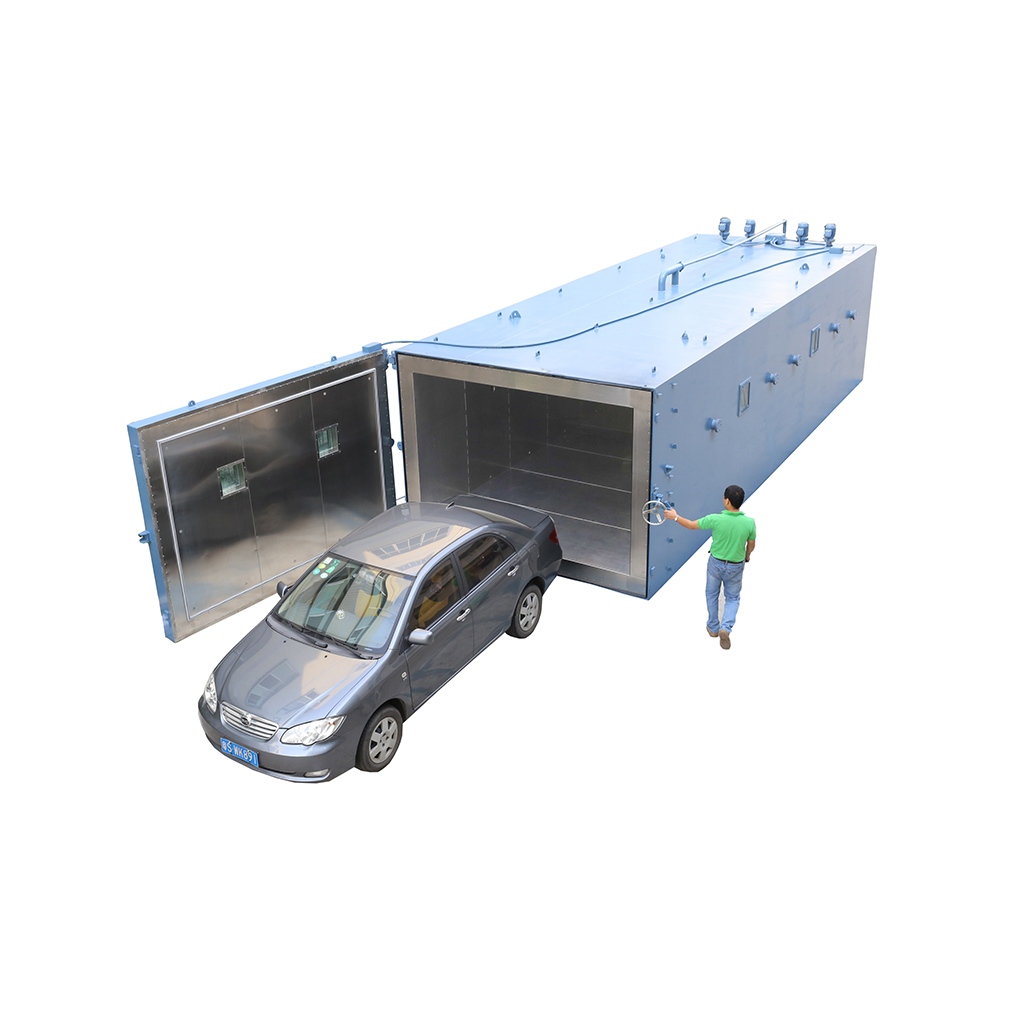
Chamber size customization
Temperature range adjustment
Ramp rate optimization
Test fixture integration
Monitoring system configuration
Reliability Testing Expertise
TestEQ supports customers in industries including:
Semiconductor
Automotive electronics
EV battery
Aerospace
Research laboratories
Our environmental simulation systems help engineers improve product reliability and accelerate validation processes.
How to Select a Rapid Temperature Change Chamber
Before purchasing, define:
1. Required ramp rate
2. Low temperature
3. High temperature
4. Chamber volume
5. Specimen weight
6. Specimen heat generation
7. Temperature uniformity
8. Cycle count
9. Dwell time
10. Applicable standard
11. Fixture requirements
12. Data acquisition requirements
A chamber's unloaded ramp-rate specification should not automatically be treated as its performance under a full test load.
Why Choose TestEQ Rapid Temperature Change Chamber?
TestEQ develops customized environmental simulation systems for reliability testing.
Rapid temperature change configurations can include:
• 5–30°C/min linear ramp capability
• Customized temperature range
• Customized chamber volume
• Optimized airflow
• Intelligent temperature control
• Remote monitoring
• Customized fixtures
• Laboratory system integration
What Standards Apply to Rapid Temperature Change Chamber Testing?
IEC 60068-2-14:Temperature change testing
JESD22-A104: Semiconductor temperature cycling
AEC-Q100: Automotive IC reliability
ISO 16750-4: Automotive electrical equipment environmental testing
MIL-STD-810: Military environmental testing
RTCA DO-160: Aircraft equipment environmental testing
Frequently Asked Questions
1.What is a Rapid Temperature Change Chamber?
A Rapid Temperature Change Chamber is an environmental test chamber designed to achieve fast and controlled temperature transitions for reliability testing applications.
2.What is the difference between a rapid temperature change chamber and a thermal shock chamber?
A rapid temperature change chamber provides controlled temperature ramping, while a thermal shock chamber creates sudden temperature changes through hot and cold zone transfer.
3.Which industries use rapid temperature change chambers?
Common applications include semiconductor reliability testing, automotive electronics validation, EV battery testing, aerospace qualification, and laboratory research.
4.What ramp rate can a rapid temperature change chamber achieve?
Depending on system configuration, rapid temperature change chambers can support ramp rates from several degrees per minute up to high-speed transition requirements.
5.What testing standards are commonly associated with Rapid Temperature Change Chambers?
Rapid Temperature Change Chambers are commonly used for reliability validation based on industry standards such as JESD22-A104 for semiconductor temperature cycling, AEC-Q100 for automotive electronic components, MIL-STD-810 for aerospace applications, and other environmental reliability testing requirements.
6.How do engineers select the right Rapid Temperature Change Chamber for their application?
Engineers typically consider factors such as temperature range, ramp rate requirements, test volume, product size, temperature uniformity, control accuracy, and required testing standards when selecting a Rapid Temperature Change Chamber.
7.Can Rapid Temperature Change Chambers be customized for specific testing requirements?
Yes. Rapid Temperature Change Chambers can be customized according to different laboratory and production testing needs, including chamber size, temperature performance, test fixtures, monitoring systems, and integration with automated testing platforms.
8.What are the benefits of using a Rapid Temperature Change Chamber for reliability testing?
A Rapid Temperature Change Chamber helps reduce product validation time, identify potential thermal-related failures earlier, improve test repeatability, and support more efficient reliability evaluation for electronic components and advanced systems.
Internal Linking Module
Related Products
Explore TestEQ Environmental Reliability Testing Systems
TestEQ provides advanced environmental simulation equipment designed for semiconductor, automotive electronics, EV battery, aerospace, and industrial reliability validation. Explore related testing systems for different temperature, humidity, and thermal stress requirements.
Thermal Cycling Chambers are designed for repeated temperature cycling tests to evaluate thermal fatigue, material reliability, and component durability in semiconductor and electronic applications.
Thermal Shock Test Chambers provide rapid transfer between hot and cold zones to evaluate extreme temperature stress according to aerospace, automotive, and reliability testing requirements.
Temperature Humidity Chambers simulate combined temperature and humidity environments for electronics, automotive components, and industrial product reliability testing.
Related Standards
Testing Standards for Rapid Temperature Change and Reliability Validation
Rapid temperature testing is commonly performed according to international reliability standards. TestEQ chambers can be configured to support industry requirements for semiconductor, automotive, aerospace, and electronic component qualification.
JESD22-A104 defines semiconductor temperature cycling test methods used to evaluate package reliability under repeated temperature changes.
AEC-Q100 provides automotive IC qualification requirements, including temperature cycling evaluation for automotive semiconductor reliability.
IEC 60068 defines environmental testing methods for evaluating product performance under temperature, humidity, vibration, and other environmental stresses.
Related Resources
Technical Guides for Rapid Temperature Change Testing
Learn more about rapid temperature transition technology, temperature ramp rate control, and reliability testing methods through TestEQ engineering resources.
Learn how rapid temperature change chambers achieve high-speed thermal transitions through refrigeration systems, airflow optimization, and intelligent temperature control.
Understand temperature ramp rate measurement methods, testing requirements, and how high-speed temperature transitions affect product reliability.
Compare thermal cycling and thermal shock testing methods to select the right environmental testing solution for different reliability validation requirements.