Semiconductor Equipment Parts Thermal Vacuum Cleaning System
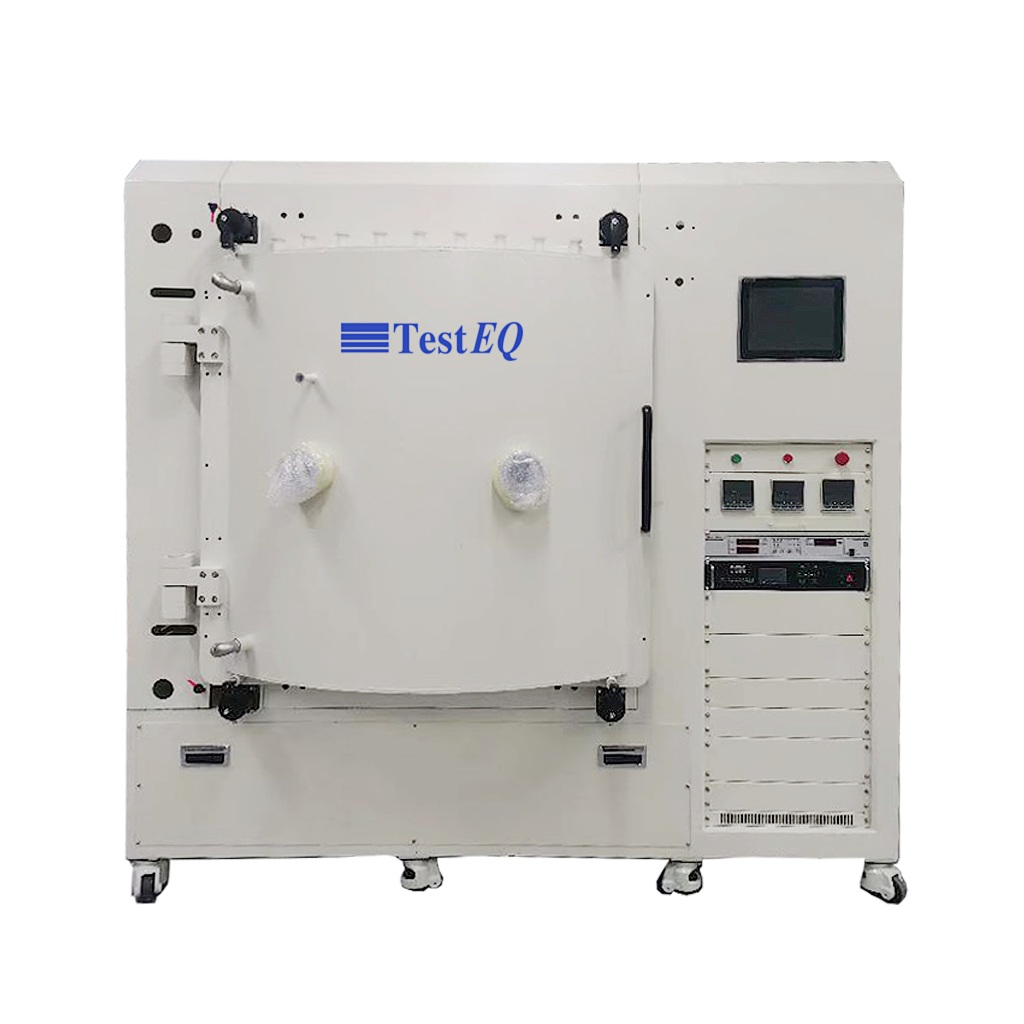
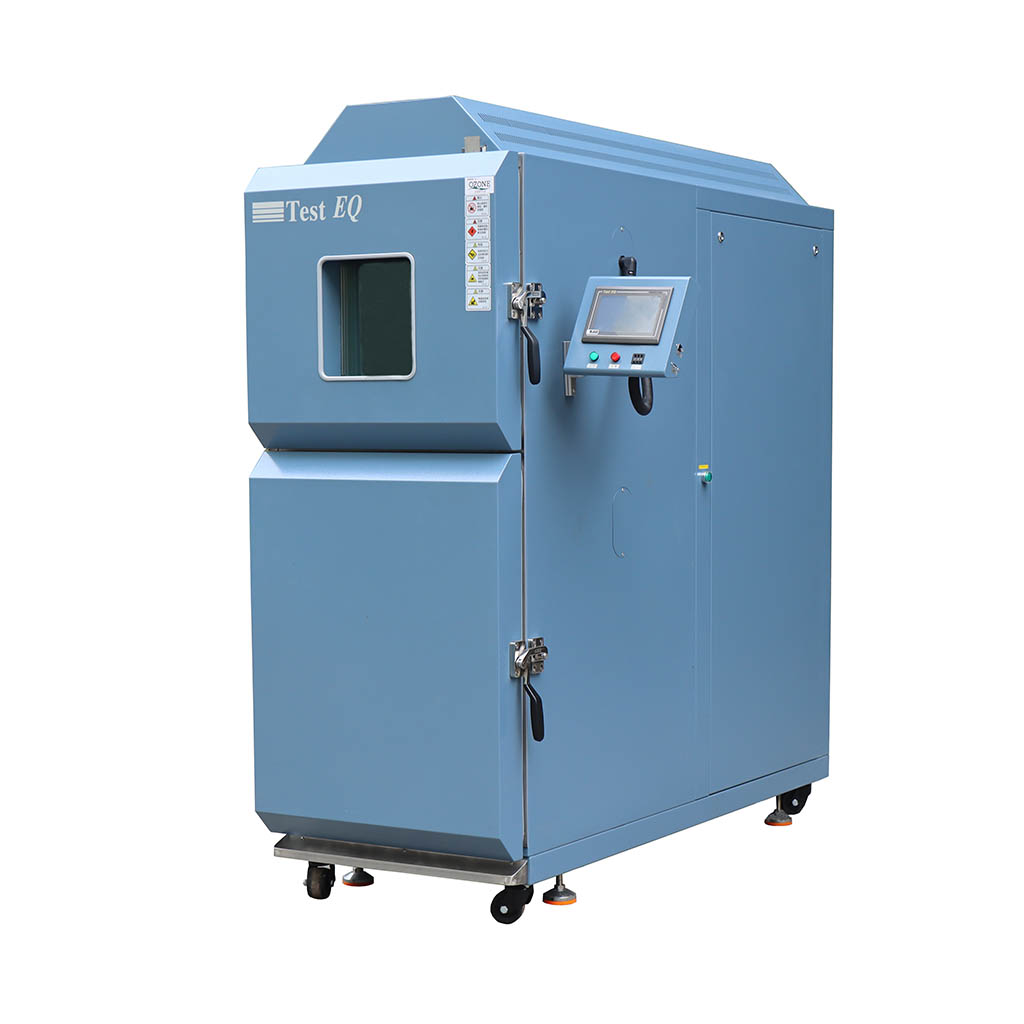
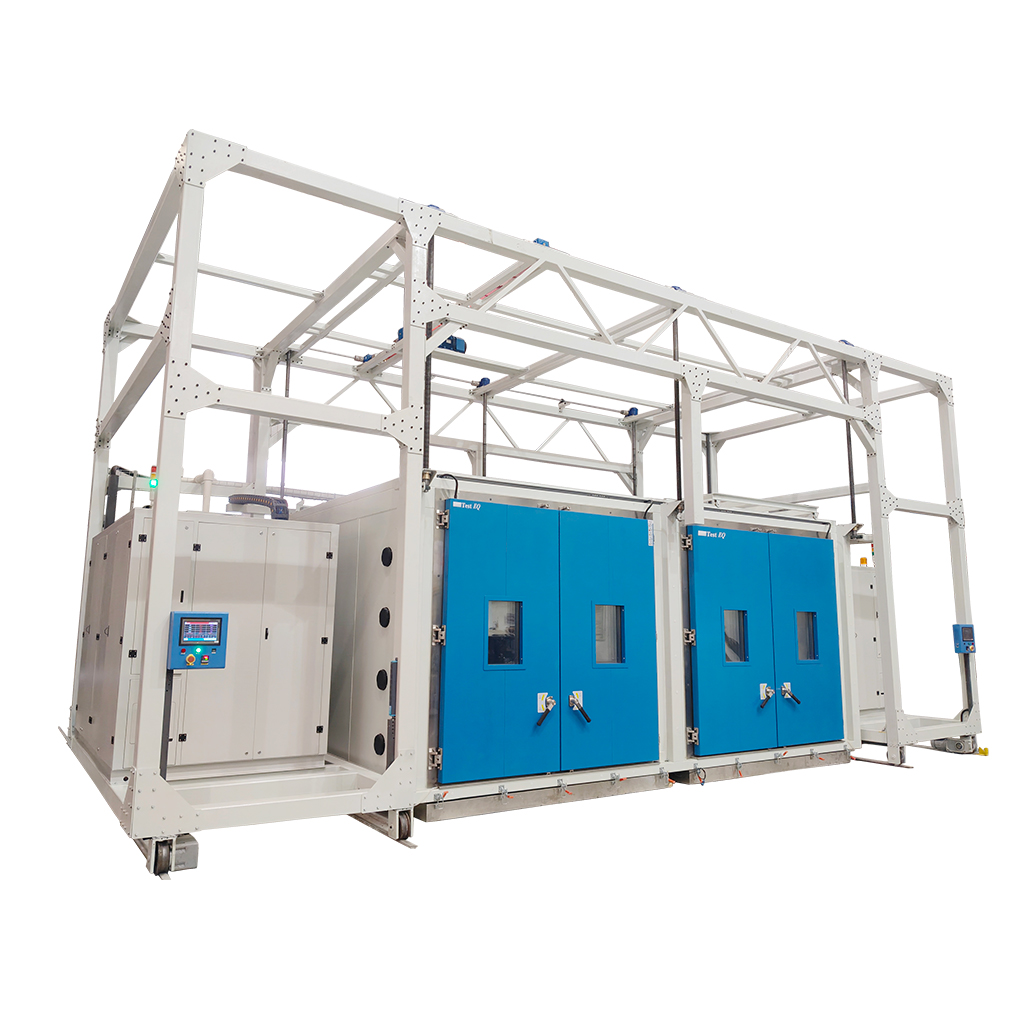
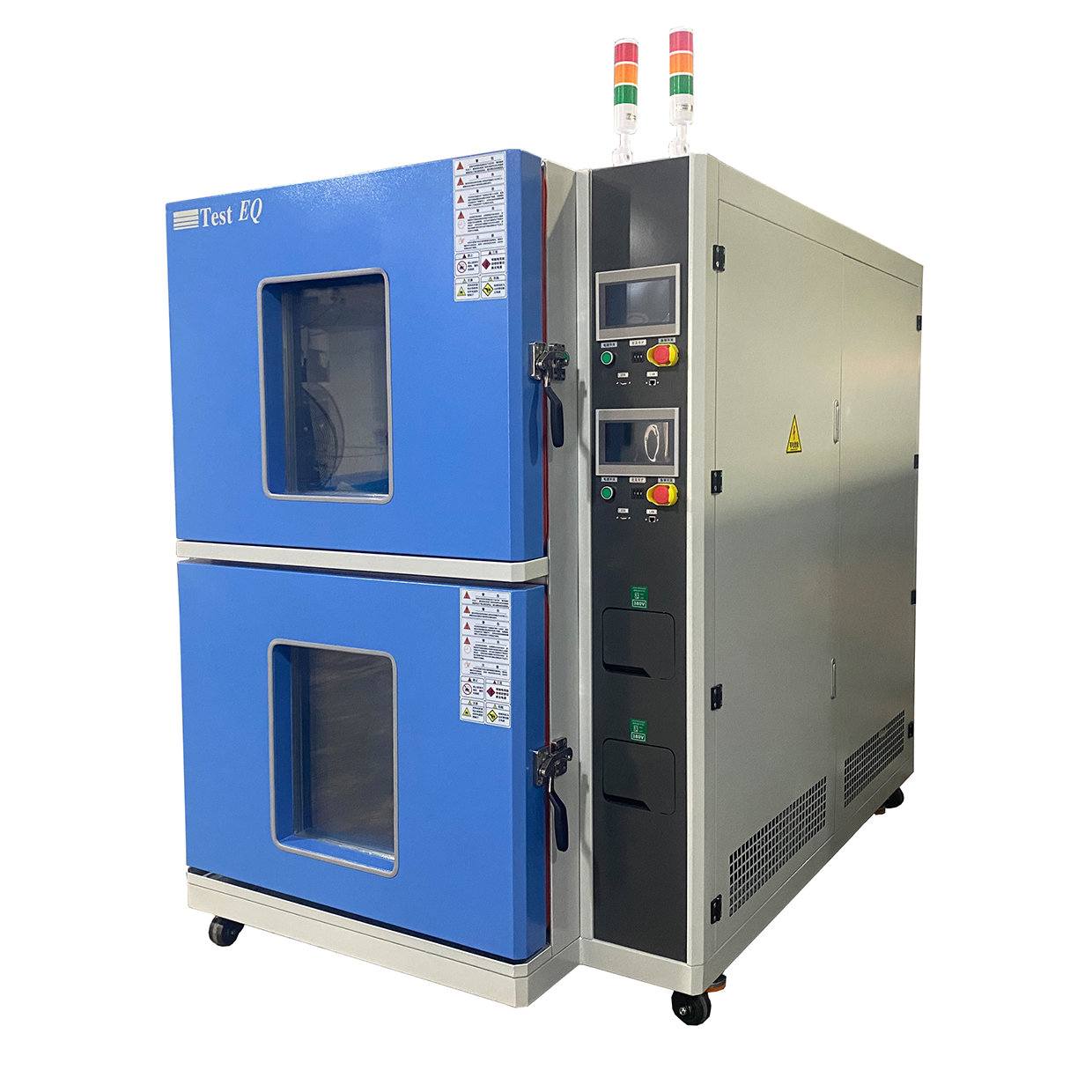
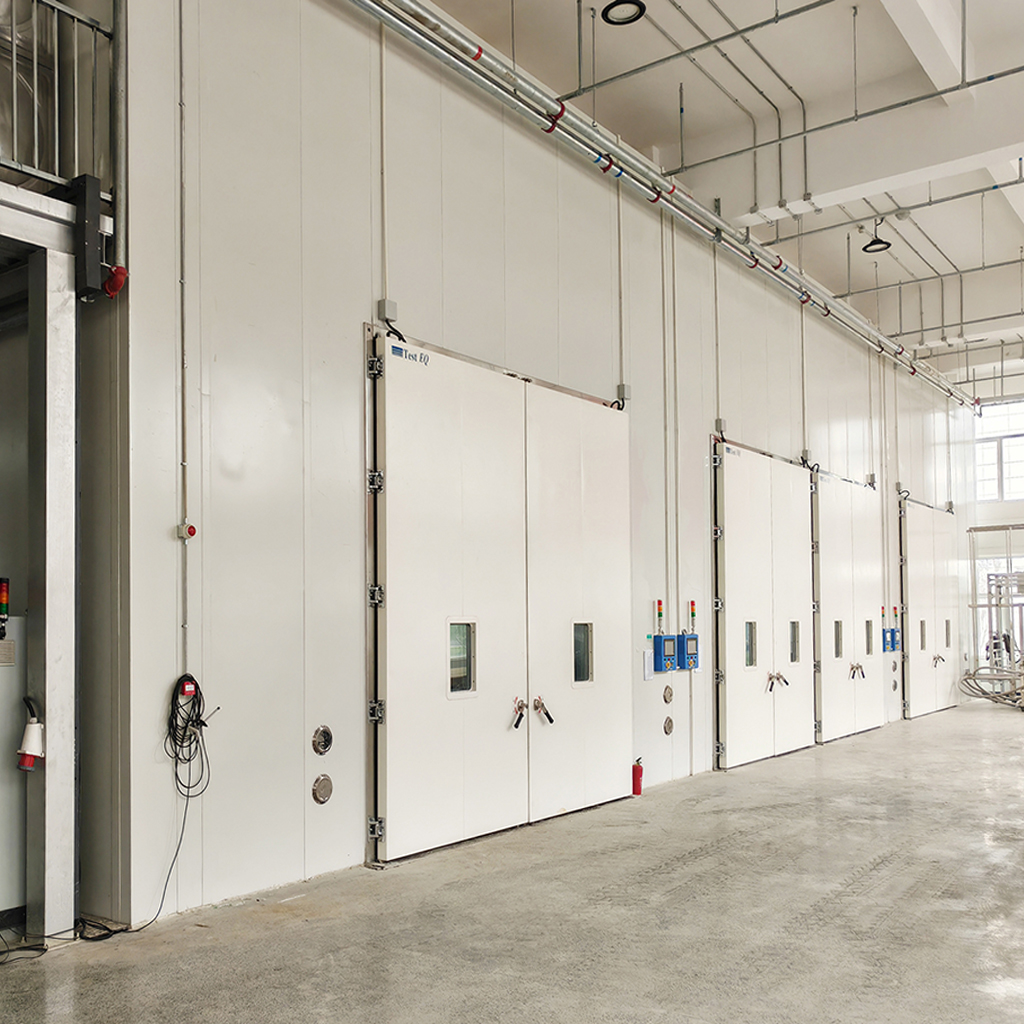
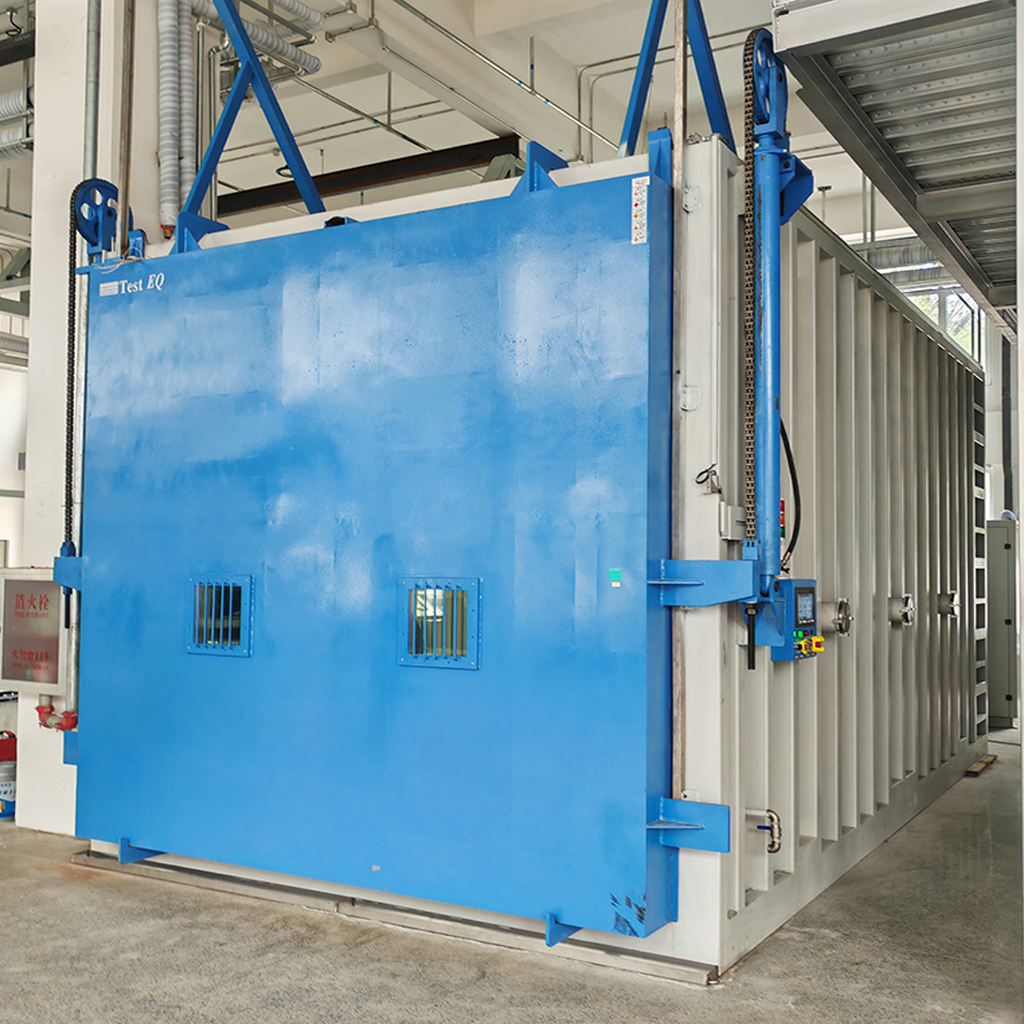
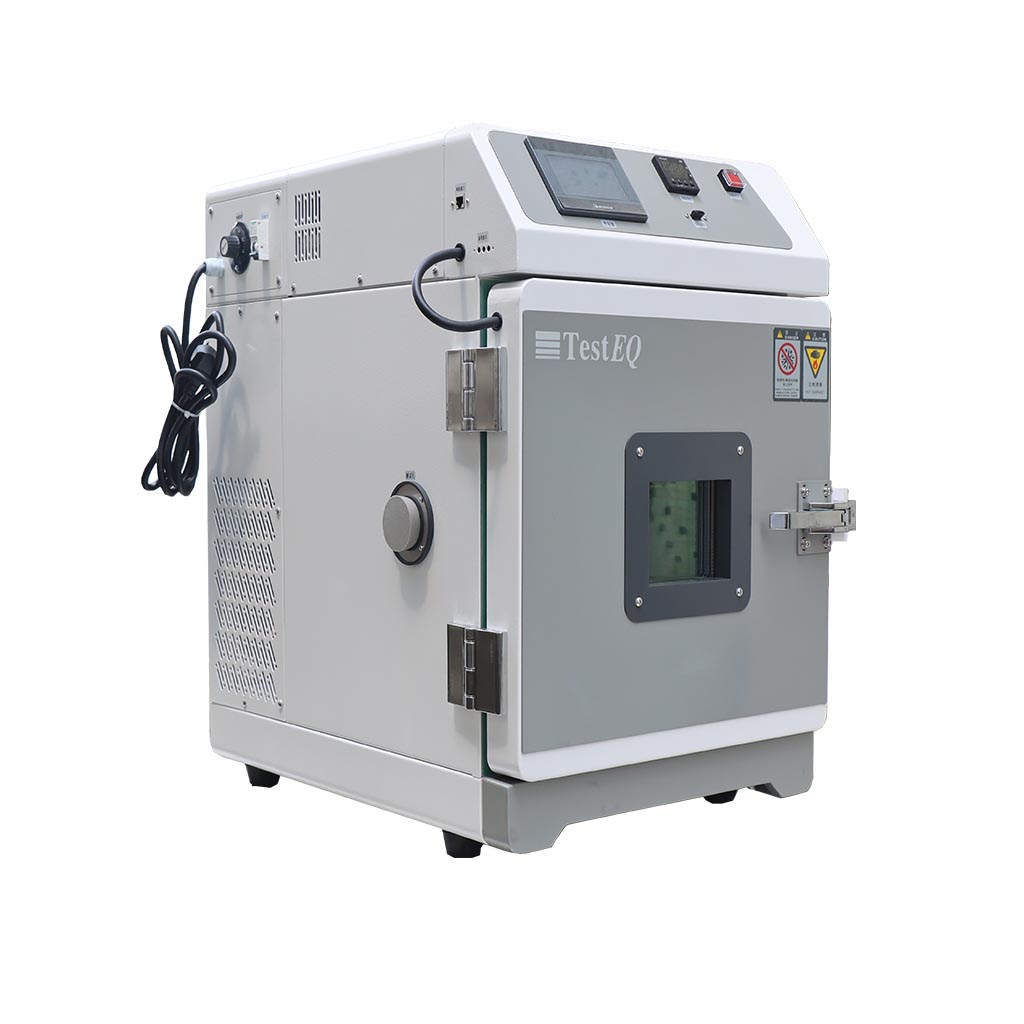
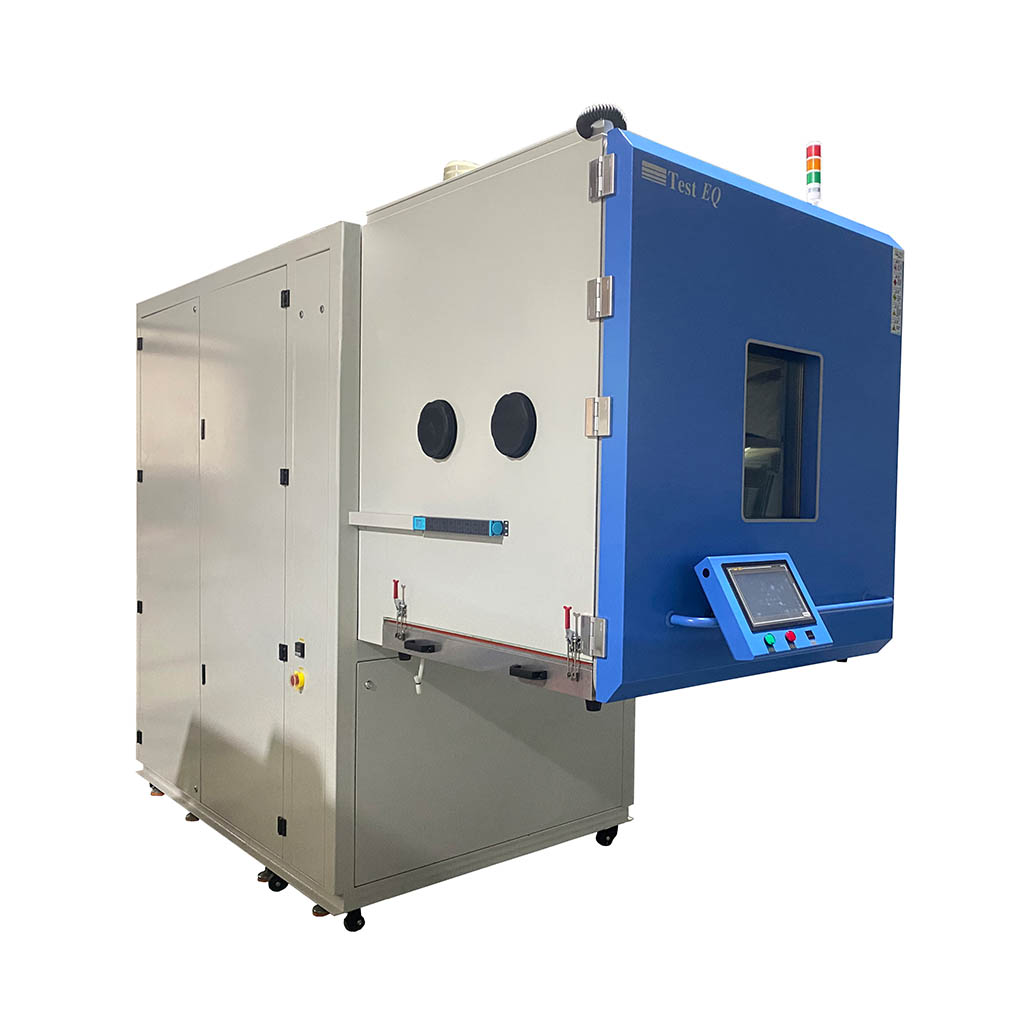
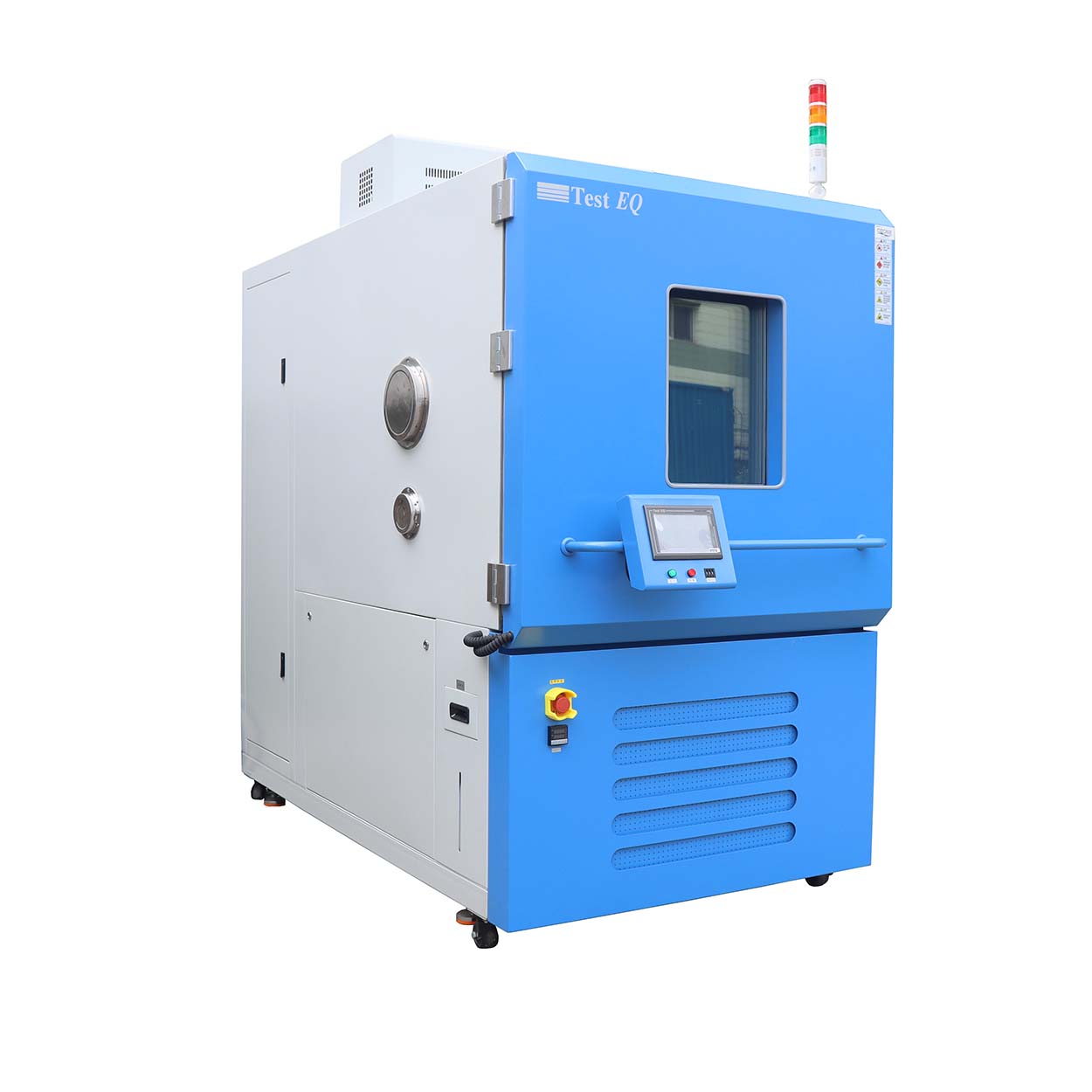
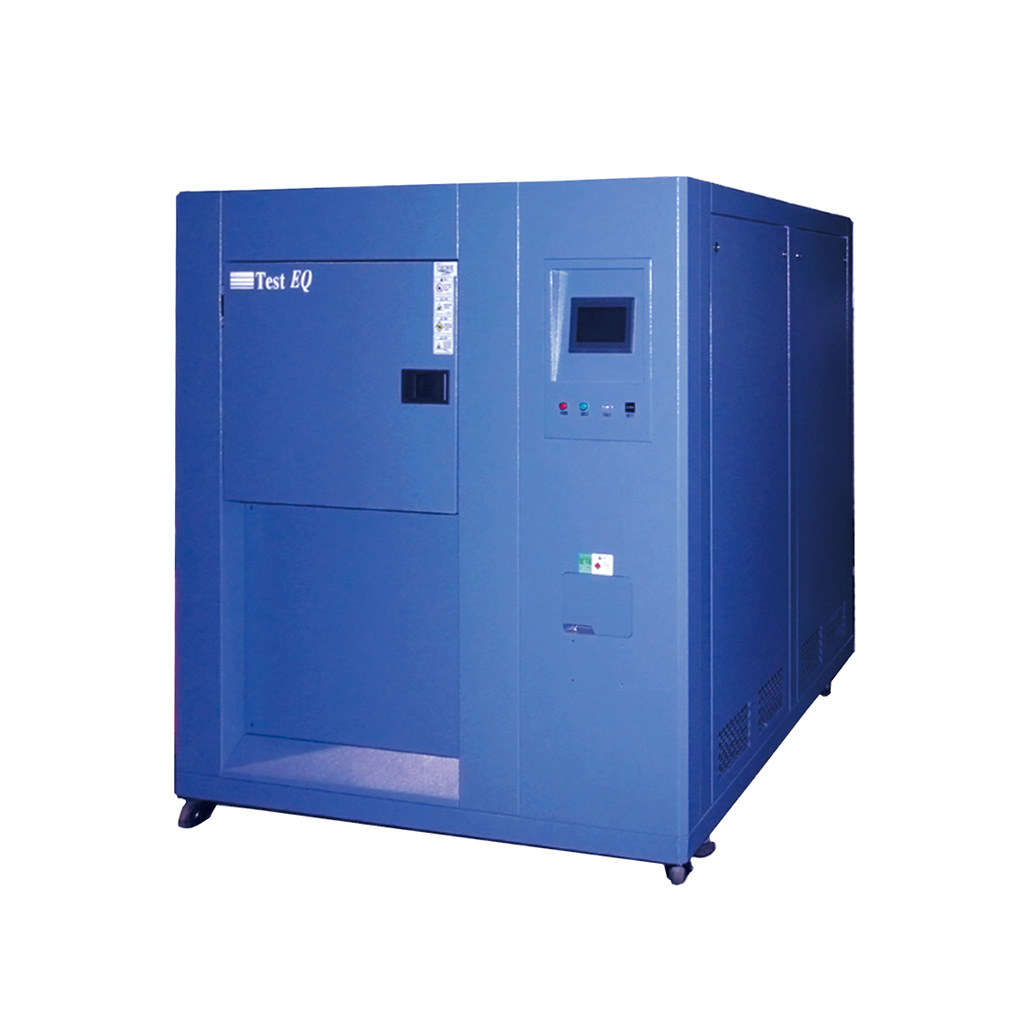
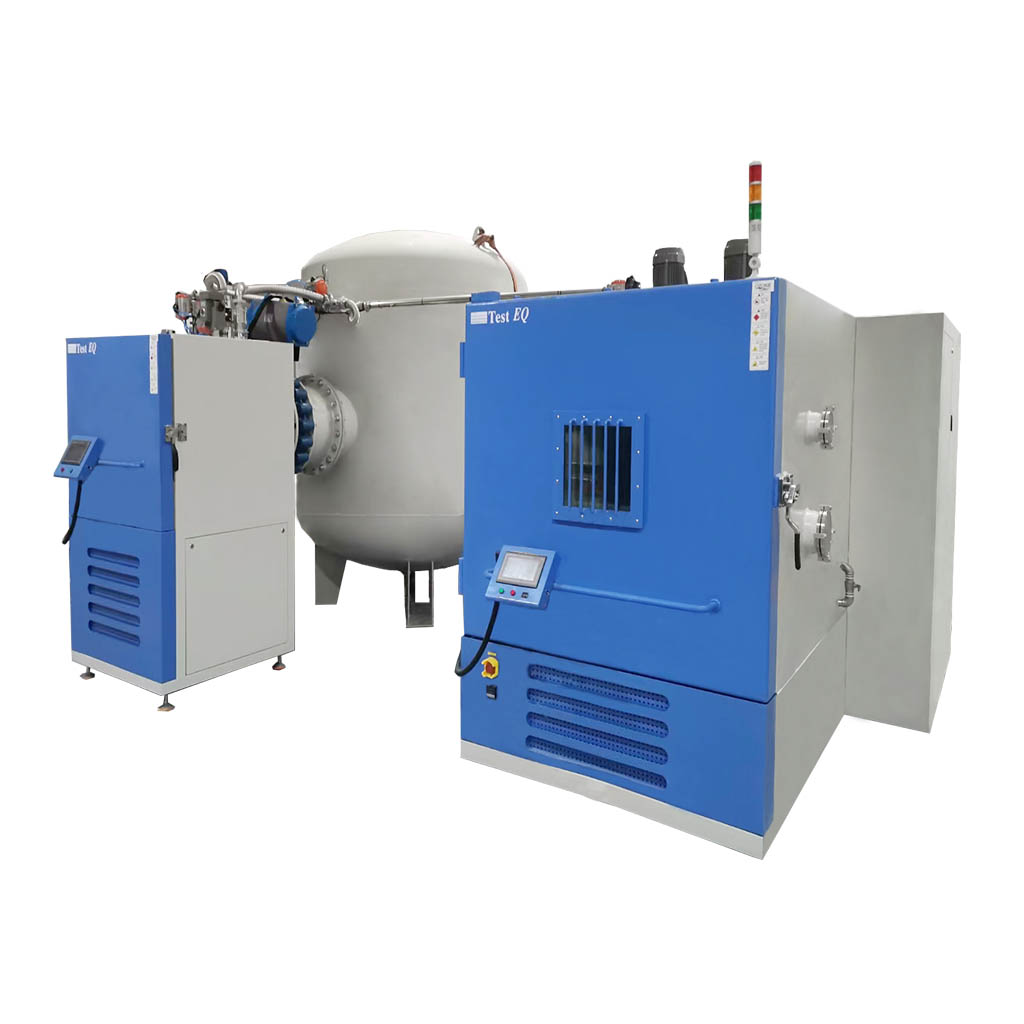
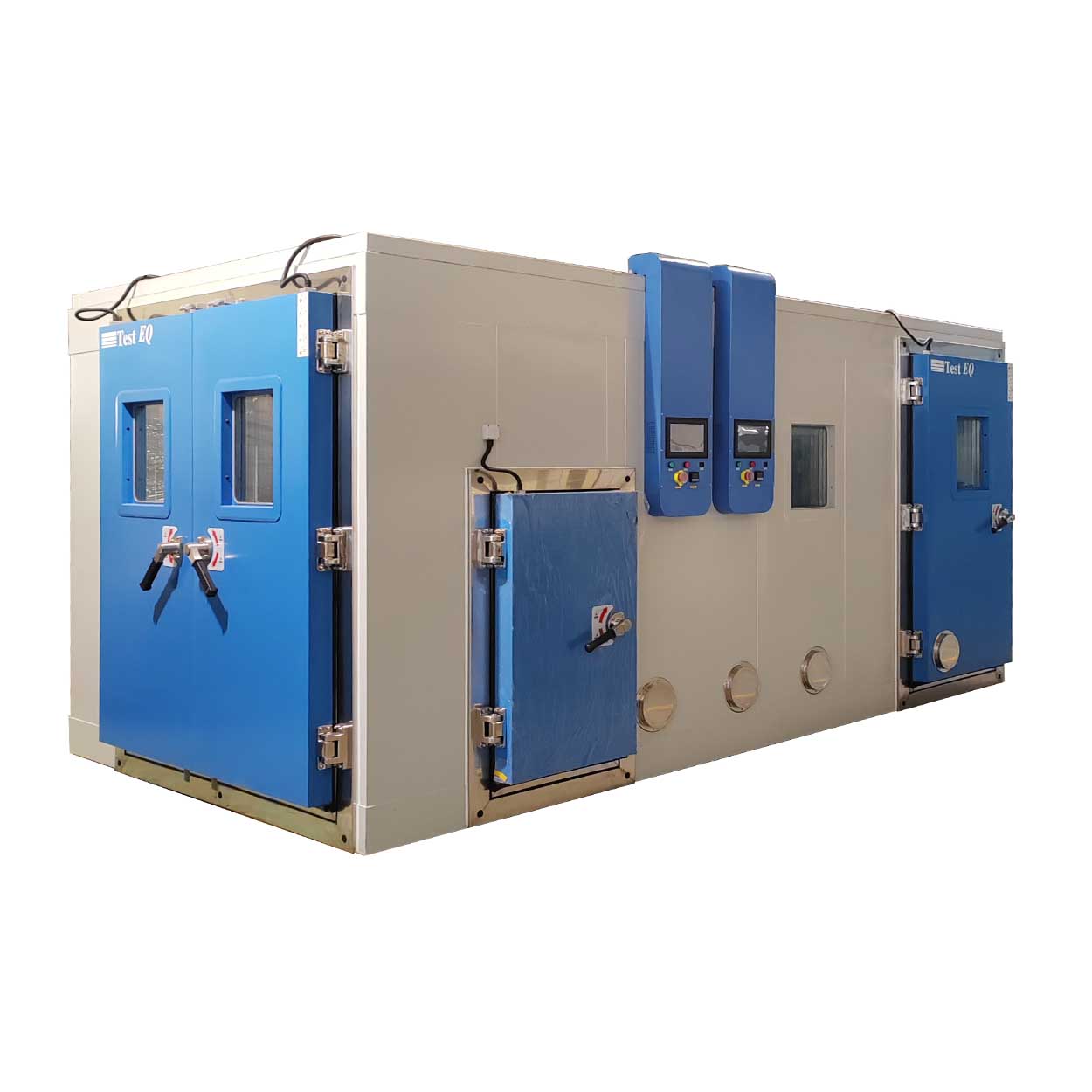
TestEQ Semiconductor Equipment Parts Thermal Vacuum Cleaning System is engineered for controlled thermal cleaning, vacuum drying, bake-out and outgassing removal of semiconductor manufacturing equipment components.
The system combines controlled heating, vacuum extraction and optional inert-gas purging to remove residual moisture, volatile compounds, hydrocarbons and other process-related contaminants from precision semiconductor equipment parts.
It is designed for semiconductor fabs, equipment manufacturers, component refurbishment facilities and high-purity manufacturing environments where repeatable thermal processing and contamination control are critical.
What Is a Semiconductor Equipment Parts Cleaning System?
A semiconductor equipment parts cleaning system is an industrial process system designed to prepare semiconductor manufacturing components for reuse or installation by controlling contamination, moisture and volatile residues.
For applications where conventional cleaning is followed by residual moisture or volatile contamination, thermal vacuum processing can provide a controlled secondary treatment.
The combination of heat and reduced pressure promotes desorption and removal of volatile substances from component surfaces and internal features.
For high-purity applications, the cleaning process should be defined according to the contamination type, material, allowable temperature, required vacuum level and cleanliness target.
How Thermal Vacuum Cleaning Works
The TestEQ system uses a controlled sequence of loading, evacuation, heating, vacuum treatment, optional gas purging and cooling.
1. Component Loading
Semiconductor equipment parts are loaded into the vacuum chamber using dedicated fixtures or trays.
The fixture design can be customized according to component dimensions, weight, thermal characteristics and process requirements.
2. Chamber Evacuation
The chamber is evacuated using a vacuum pumping system selected according to the required pressure range, chamber volume and process load.
Controlled evacuation reduces the partial pressure of moisture and volatile contaminants and prepares the chamber for thermal processing.
3. Controlled Heating
The components are heated according to a defined temperature recipe.
Heating increases molecular mobility and promotes the desorption of absorbed moisture and volatile residues.
The temperature profile should be selected according to the component material, surface treatment, coatings, seals and contamination characteristics.
4. Vacuum Bake-Out
During the thermal vacuum stage, released contaminants are continuously extracted through the vacuum system.
Vacuum bake-out is particularly useful when components must achieve a lower level of residual moisture or volatile contamination before entering a high-purity or vacuum process environment.
5. Optional Inert Gas Purging
Nitrogen or another compatible inert gas can be integrated into the process where required.
Gas purging can support controlled pressure cycling, cooling or removal of residual volatile substances depending on the process design.
6. Controlled Cooling
After the thermal process is completed, the system can perform controlled cooling before the chamber is returned to atmospheric pressure.
The cooling and venting sequence can be programmed as part of the process recipe.
Semiconductor Equipment Parts Cleaning Applications
The system can be engineered for different semiconductor manufacturing equipment maintenance and component preparation processes.
Process Chamber Components
Vacuum thermal processing can be used as part of a component preparation process for chamber parts that require controlled drying or removal of volatile residues.
Precision Metal Components
Metal components may require controlled thermal treatment after cleaning to remove residual moisture or volatile contamination before reinstallation.
Vacuum-Compatible Assemblies
For vacuum-compatible assemblies, the process can be configured to reduce absorbed moisture and outgassing before the component enters a vacuum environment.
Refurbished Semiconductor Equipment Parts
Component refurbishment operations may require repeatable drying and thermal conditioning after cleaning.
A programmable vacuum and temperature process can provide better process consistency than uncontrolled oven drying.
How Does Thermal Vacuum Cleaning Work?
A Thermal Vacuum Cleaning System removes contaminants through a controlled combination of heating, vacuum extraction, and purification processes. The main working steps include:
1. Loading and Vacuum Chamber Sealing
Components are placed inside the cleaning chamber, and the chamber is sealed to create a controlled vacuum environment. This prevents external contamination and ensures stable cleaning conditions.
2. Vacuum Pressure Reduction
The system reduces internal pressure to accelerate the evaporation and release of volatile contaminants, including moisture, oils, and organic residues.
3. Controlled Thermal Activation
Precise heating increases the molecular activity of contaminants, helping release trapped substances from complex surfaces, gaps, and internal structures without damaging sensitive components.
4. Contaminant Evaporation and Extraction
Released contaminants are converted into volatile compounds and removed through the vacuum pumping system, achieving efficient dry cleaning without chemical solvents.
5. Purification and Gas Purging
Optional inert gas purging can be applied to remove remaining particles and improve surface cleanliness, reducing the risk of secondary contamination.
6. Cooling and Clean Component Removal
After completing the cleaning cycle, the system performs controlled cooling before the components are removed, ensuring stable temperature conditions and high-purity surface treatment.
Thermal Vacuum Cleaning vs Traditional Cleaning Methods
| Process | Main Function | Typical Limitation |
|---|
| Conventional Hot-Air Drying | Surface moisture removal | Less effective for absorbed moisture or volatile contamination |
| Ultrasonic Cleaning | Removal of physical and particulate contamination | Requires subsequent rinsing and drying |
| Solvent Cleaning | Removal of organic contaminants | Requires solvent management and residue control |
| Plasma Cleaning | Surface modification and organic contaminant removal | May affect sensitive surfaces or materials |
| Thermal Vacuum Processing | Reduction of moisture, volatile residues and outgassing | Requires controlled vacuum and thermal engineering |
Thermal vacuum processing should not be considered a universal replacement for chemical, ultrasonic or plasma cleaning.
For semiconductor equipment parts, it is often better understood as a controlled thermal-vacuum process used before or after the primary cleaning stage, depending on the contamination and cleanliness requirements.
Engineering Parameters
| Engineering Parameter | Semiconductor Application Configuration |
|---|
| Temperature Range | Ambient to 450°C, subject to component and process requirements |
| Temperature Control | Precision programmable temperature control |
| Vacuum System | Configured according to required vacuum pressure range |
| Chamber Material | SUS304, SUS316L, or application-specific materials |
| Heating Method | Radiant and/or conduction heating |
| Process Mode | Thermal + Vacuum + Optional Inert Gas Assist |
| Control System | PLC + HMI |
| Operation Mode | Automatic or semi-automatic |
| Recipe Management | Customized process recipes |
| Data Logging | Optional process data acquisition and logging |
| Nitrogen Purging | Optional nitrogen or inert-gas purging |
| Loading System | Customized fixtures, trays, or component loading systems |
| Chamber Size | Engineered according to component dimensions and throughput requirements |
Actual temperature range, ultimate vacuum, pumping speed, heating rate, thermal uniformity and cycle time should be confirmed according to the customer's component, contamination level and required process specification.
Process Control for Semiconductor Applications
For semiconductor equipment parts, equipment capability should not be evaluated only by maximum temperature or nominal vacuum level.
Important engineering parameters include:
• Temperature uniformity
• Heating and cooling rate
• Vacuum stability
• Pump-down performance
• Pumping speed
• Outgassing characteristics
• Chamber cleanliness
• Internal material selection
• Fixture design
• Gas purity
• Recipe repeatability
• Data logging
• Alarm and interlock functions
These parameters directly influence process repeatability and the ability to establish a controlled cleaning or bake-out process.
Vacuum Bake-Out and Outgassing Control
Vacuum bake-out is commonly used to remove absorbed moisture, cleaning residues and volatile substances from components intended for high-purity or vacuum environments.
The required process depends on the relationship between:
Temperature + Vacuum + Time + Material + Contamination
A higher temperature does not automatically produce a better cleaning result.
The process must remain within the thermal limits of the component while providing sufficient time and vacuum conditions for contaminant desorption.
For critical applications, residual gas analysis or other cleanliness verification methods may be considered as part of the complete process qualification.
Semiconductor Cleanliness Considerations
A thermal vacuum system alone does not define semiconductor cleanliness.
The complete process should consider:
• Chamber material
• Internal surface condition
• Fixture material
• Gas purity
• Pumping system configuration
• Cross-contamination control
• Component handling
• Loading and unloading procedures
• Temperature profile
• Vacuum profile
• Cleaning chemistry used before bake-out
• Final cleanliness verification
TestEQ can engineer the chamber and process architecture around the customer's contamination-control requirements.
Custom Semiconductor Equipment Parts Cleaning System
Semiconductor equipment components vary significantly in size, geometry, material and contamination type.
TestEQ provides customized system engineering for applications requiring:
Custom chamber dimensions
Custom temperature range
Custom vacuum level
Multi-stage pumping
Nitrogen or inert-gas purge
Programmable thermal recipes
Automated loading and unloading
Component-specific fixtures
Vacuum monitoring
Temperature mapping
Data acquisition
Recipe management
Safety interlocks
Remote monitoring
The system architecture can be developed around the customer's component dimensions, process sequence, throughput and cleanliness requirements.
Why Thermal Vacuum Cleaning is Superior
Compared with traditional cleaning methods:
No chemical solvent residue
Lower environmental impact
Higher cleaning precision
Suitable for micro-structures
Safer for sensitive components
This makes it ideal for next-generation precision manufacturing
Industry Benefits
Improves product reliability
Reduces contamination-related failure rates
Enhances semiconductor yield rate
Extends lifespan of precision components
Supports clean manufacturing compliance
Related Standards and Technical References
For semiconductor applications, the applicable cleanliness, material compatibility, vacuum and process requirements should be selected according to the customer's manufacturing process and component specification.
Relevant technical areas may include:
• SEMI semiconductor manufacturing requirements
• ISO 14644 cleanroom and contamination control
• ASTM E595 outgassing evaluation
• Customer-specific semiconductor equipment specifications
Standards should be applied according to the actual process objective rather than presented as blanket certification of the cleaning system.
Why TestEQ Thermal Vacuum Cleaning System
TestEQ develops thermal and environmental simulation equipment for demanding industrial and reliability applications.
For semiconductor equipment parts processing, the system can be engineered around the complete process rather than a standard chamber specification.
Key engineering considerations include:
• Vacuum system selection
• Thermal uniformity
• Low-outgassing chamber construction
• Component fixture design
• Process recipe control
• Automated operation
• Data logging
• Customized chamber dimensions
• Integration with customer production or refurbishment processes
Semiconductor Equipment Parts Cleaning System: Engineering FAQs
1.What is a semiconductor equipment parts cleaning system?
It is a specialized industrial system used to clean, dry, thermally treat or vacuum bake semiconductor manufacturing equipment components. The exact process depends on the contamination type and required cleanliness level.
2.What is vacuum bake-out?
Vacuum bake-out uses controlled heating under reduced pressure to promote the removal of absorbed moisture and volatile contaminants from components.
3.Can thermal vacuum cleaning remove semiconductor equipment residues?
It can assist in removing volatile residues, moisture and outgassing contaminants. The achievable result depends on the contaminant, material, temperature, vacuum level and process duration. It should not be treated as a universal replacement for chemical or plasma cleaning.
4.What semiconductor equipment parts can be processed?
The system can be configured for compatible chamber components, metal parts, fixtures, vacuum components and other precision equipment parts. Component compatibility should be confirmed before defining the process.
5.What temperature can the system reach?
The current configurable range is up to 450°C for applicable designs. The final temperature specification should be determined according to the component material, coatings, seals and process requirements.
6.What vacuum level is required for semiconductor parts?
There is no single vacuum level suitable for every application. Required pressure depends on the contaminant, component material, process objective and cleanliness target. TestEQ can configure the vacuum system according to the required process range.
7.Can the system use nitrogen?
Yes. An optional nitrogen or compatible inert-gas purge system can be integrated for process control, venting or cooling applications.
8.Can TestEQ customize the chamber?
Yes. Chamber dimensions, temperature range, vacuum architecture, fixtures, automation, gas purging, data logging and control functions can be customized according to the application.
Internal Linking Module
Recommended Equipment
High-vacuum thermal simulation equipment for aerospace and high-reliability component testing.
Controlled thermal processing equipment for semiconductor wafer and component baking, drying and high-temperature treatment.
Related Standards
Military standard defining environmental engineering and testing procedures including thermal, vibration, shock, humidity, and vacuum conditions. Commonly used for defense, aerospace, and ruggedized electronics qualification.
International standard specifying environmental testing procedures for electronic and electrotechnical products, including temperature cycling, humidity exposure, and mechanical stress tests.
Semiconductor industry reliability standards used to evaluate electronic component durability under thermal cycling, humidity stress, and accelerated life testing conditions.