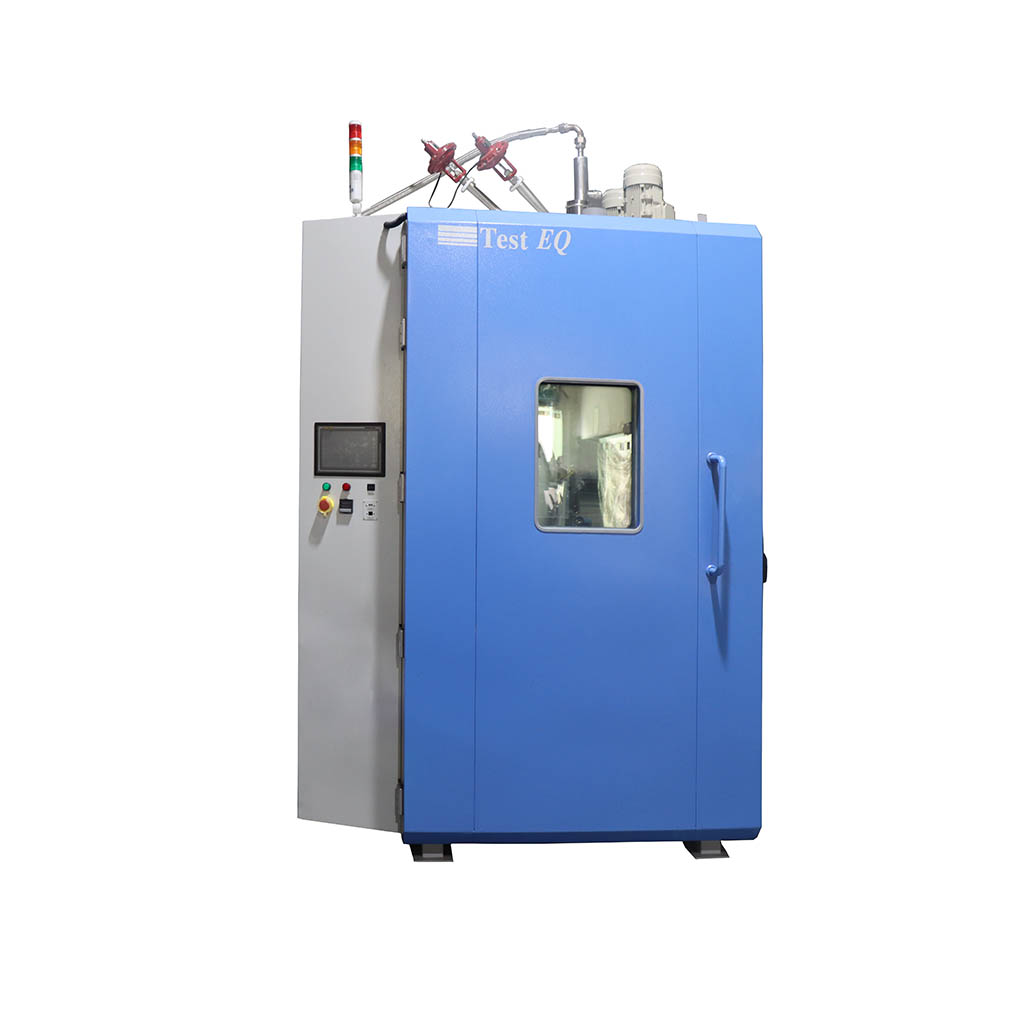
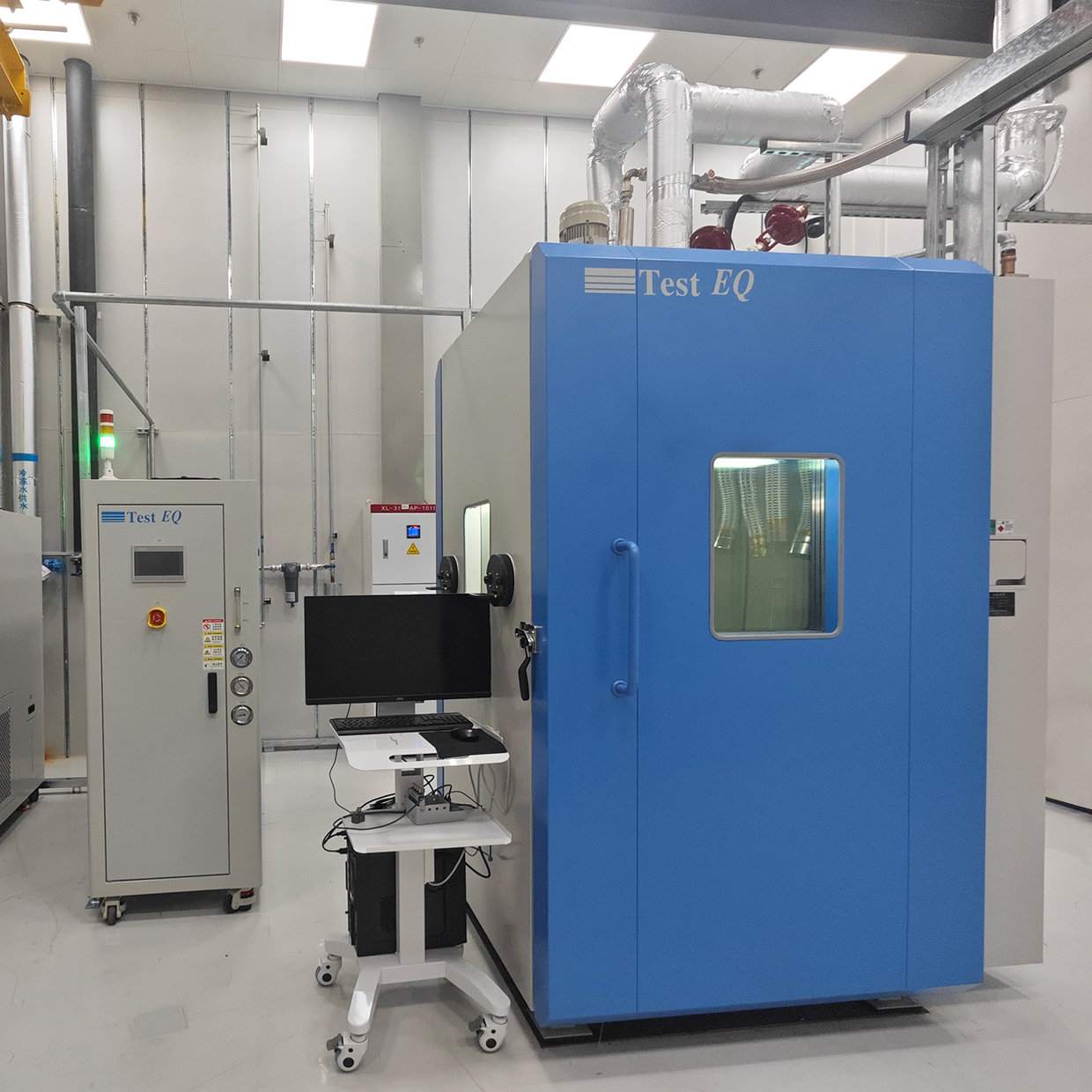
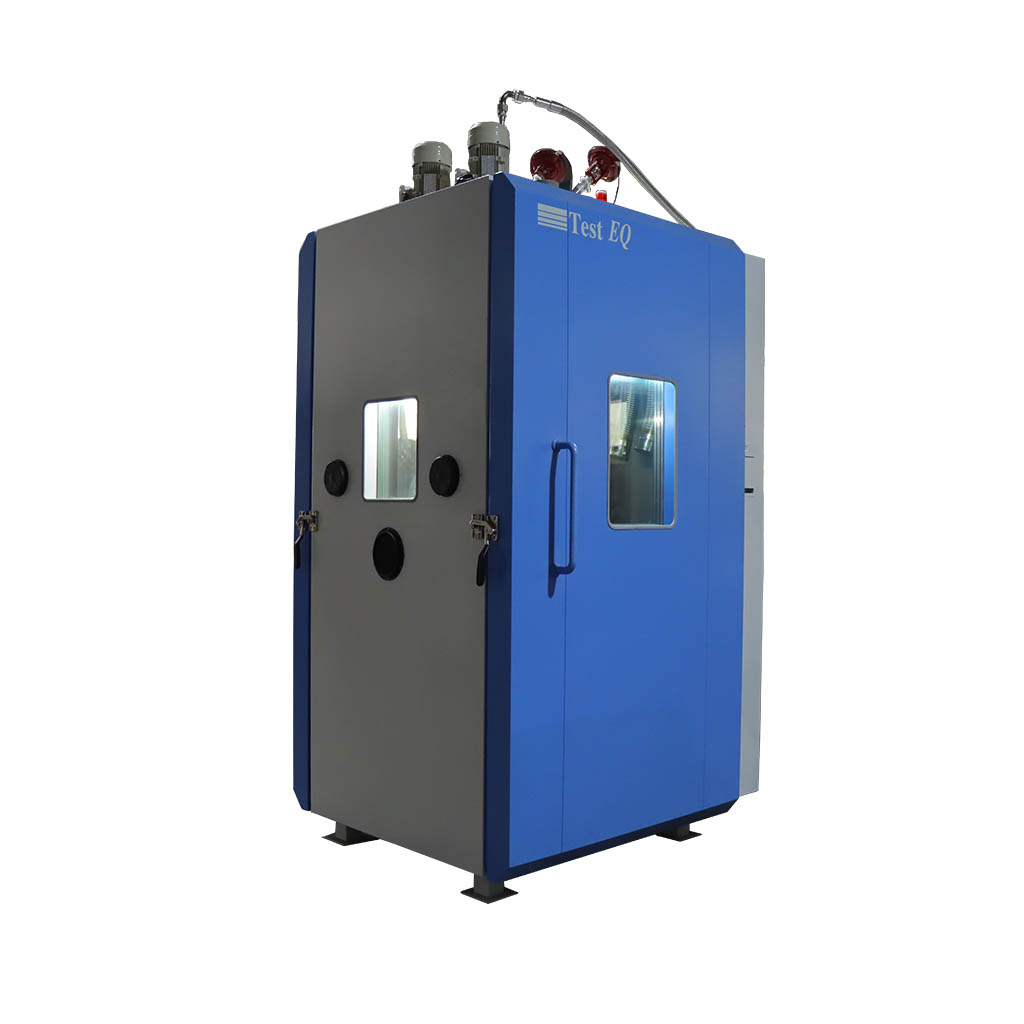
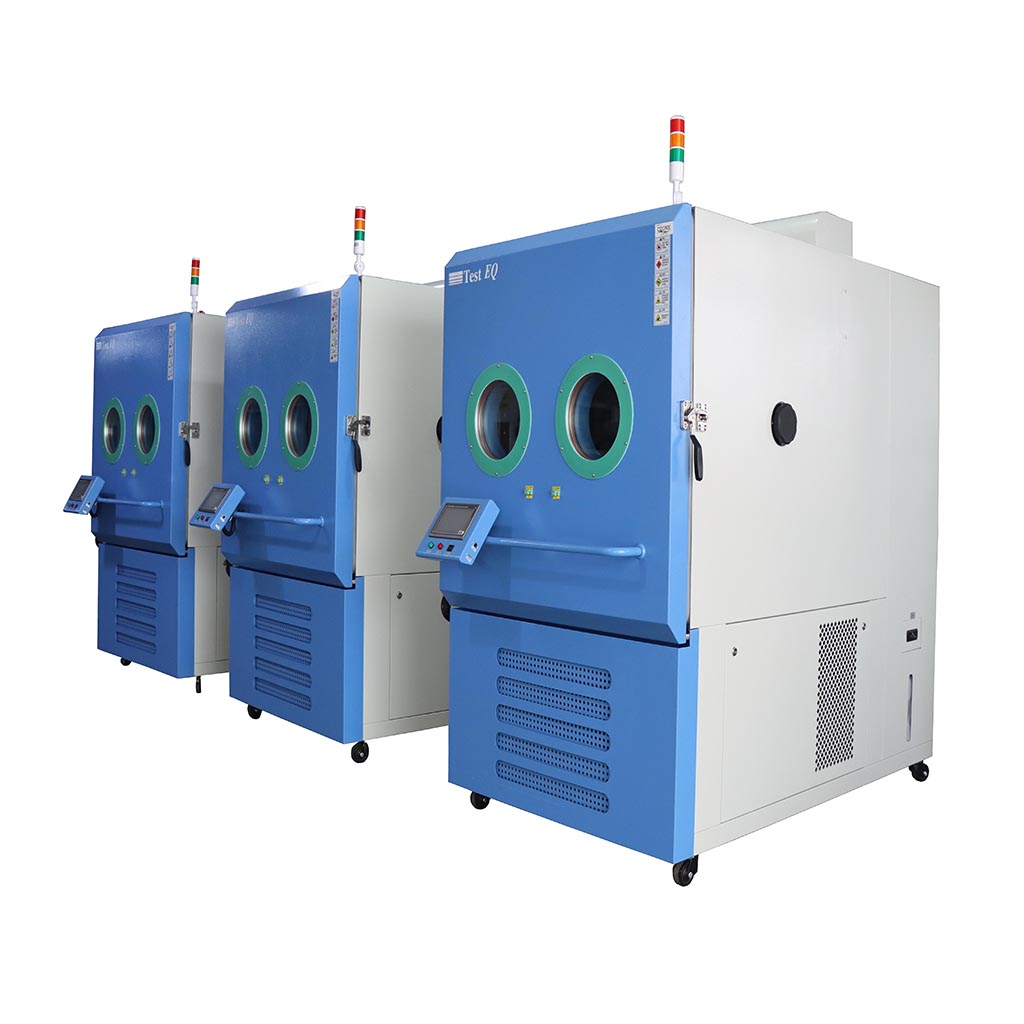
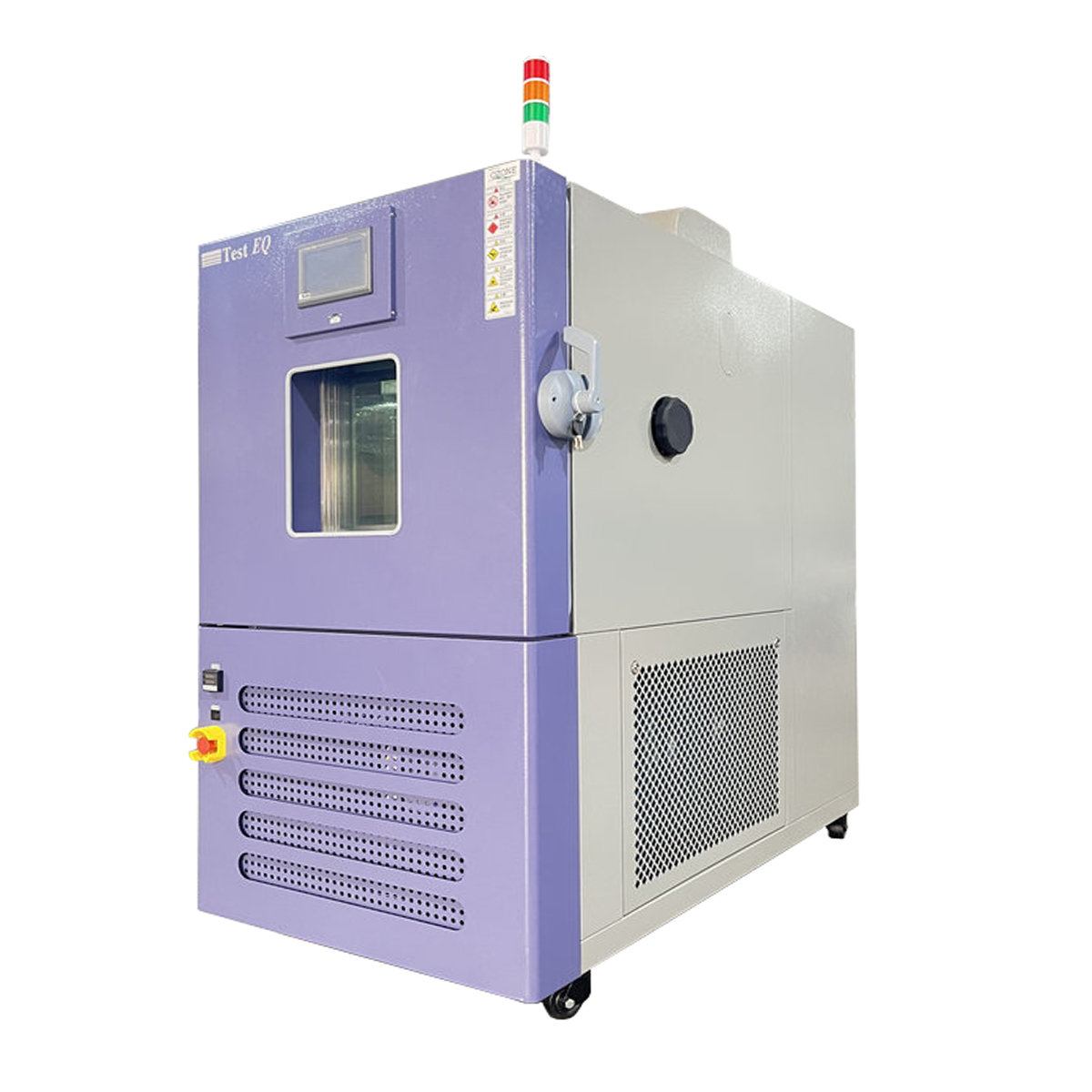
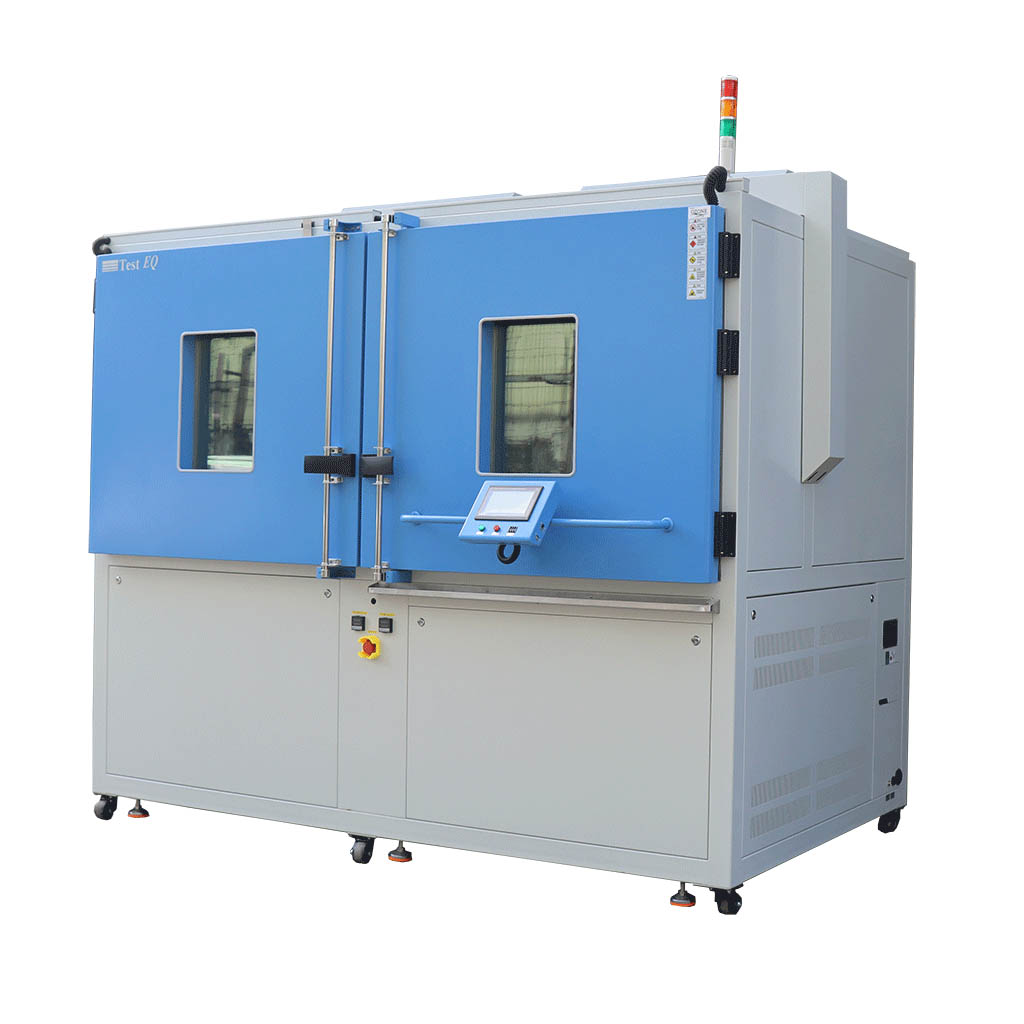
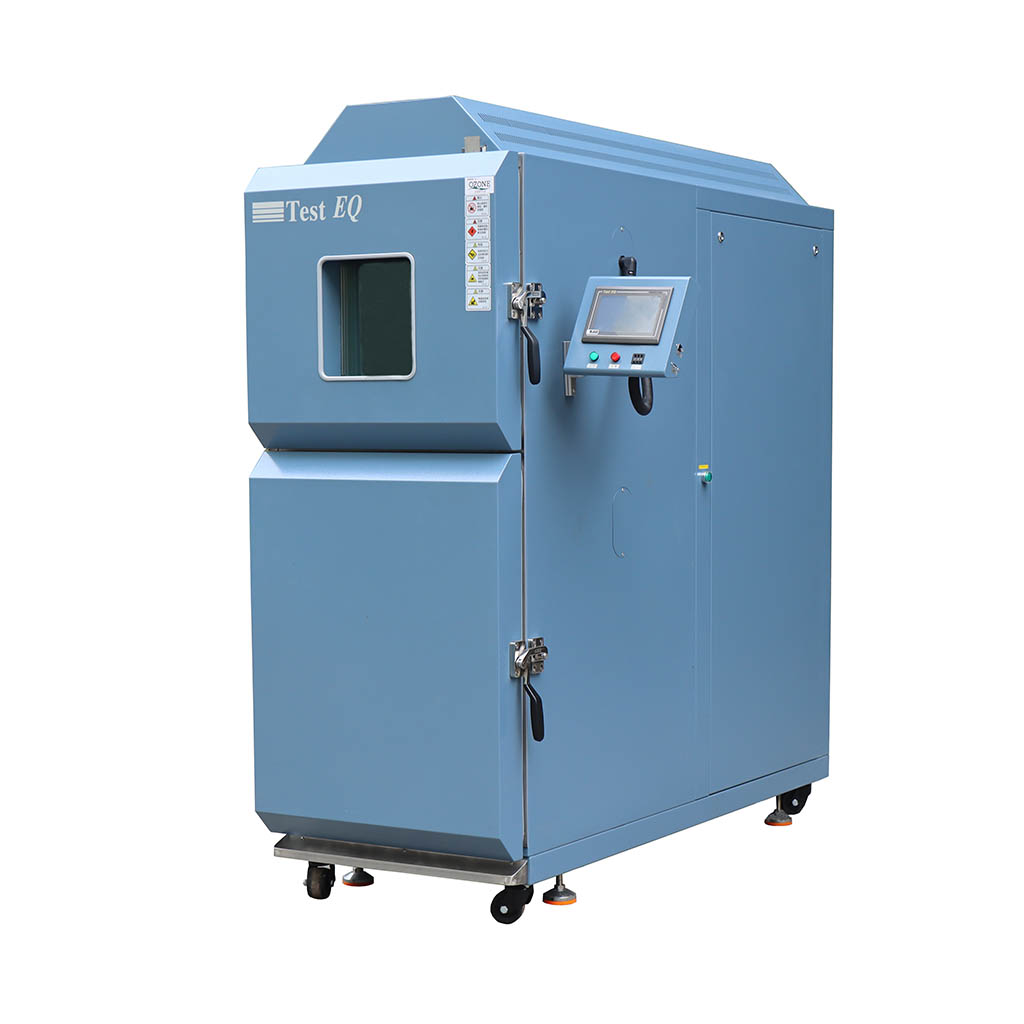
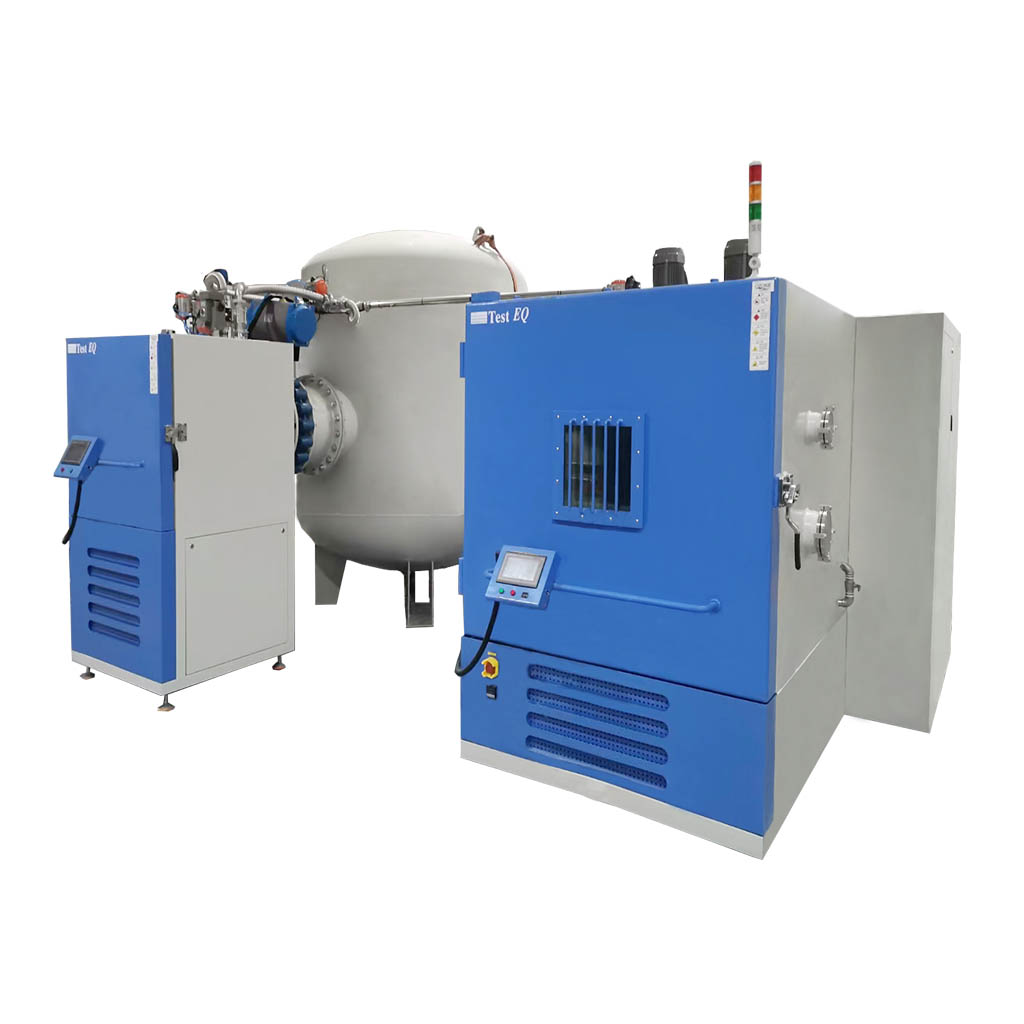
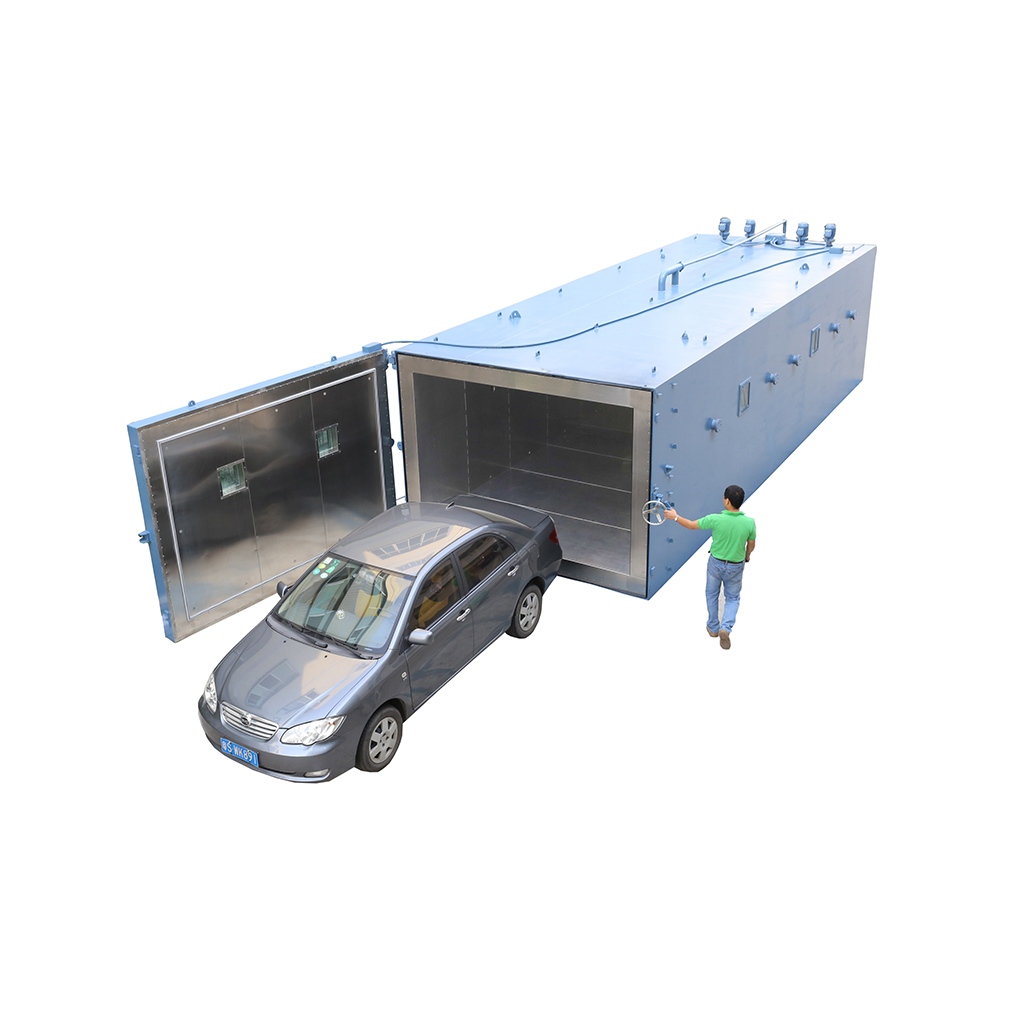
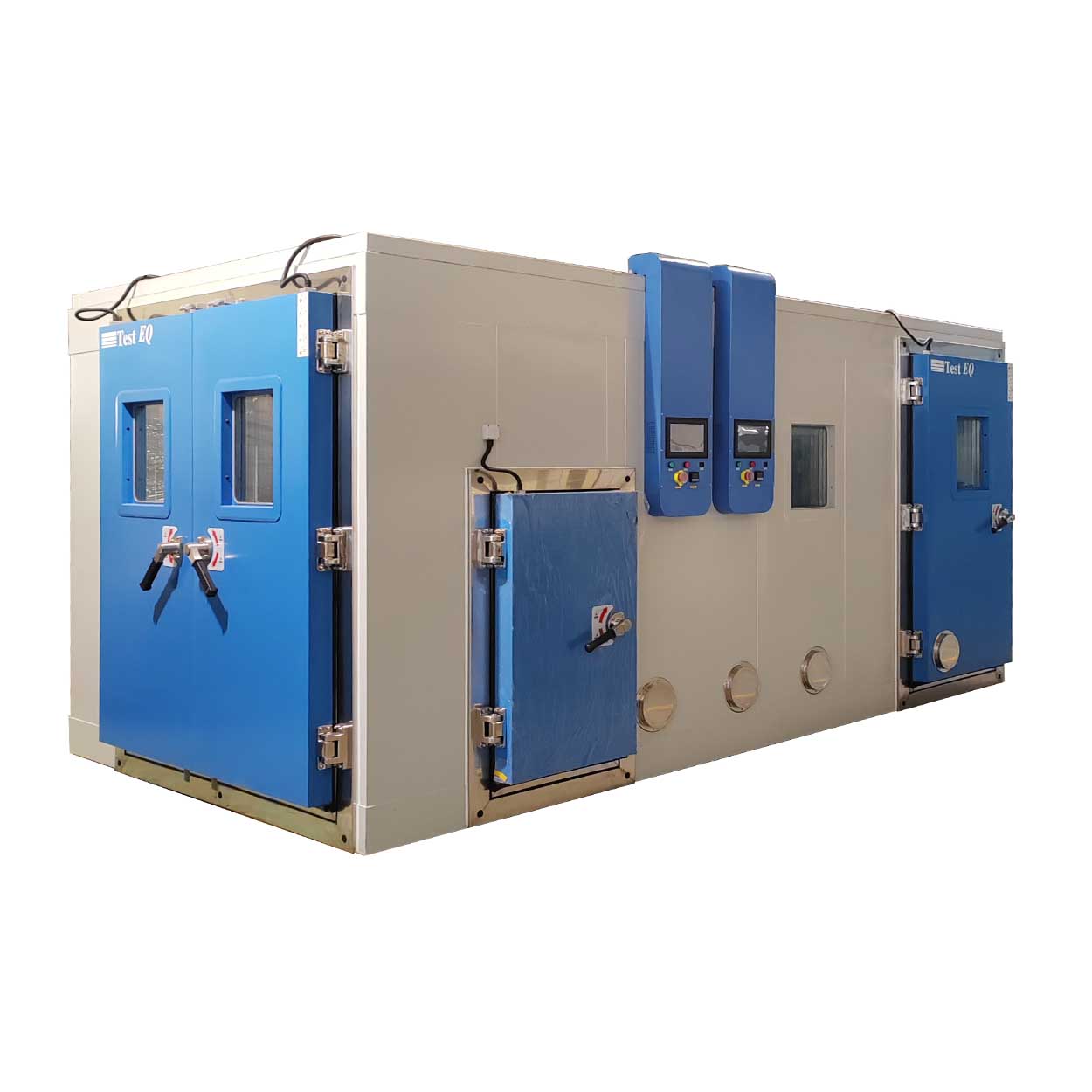
HALT HASS Test Chamber for Accelerated Reliability Testing
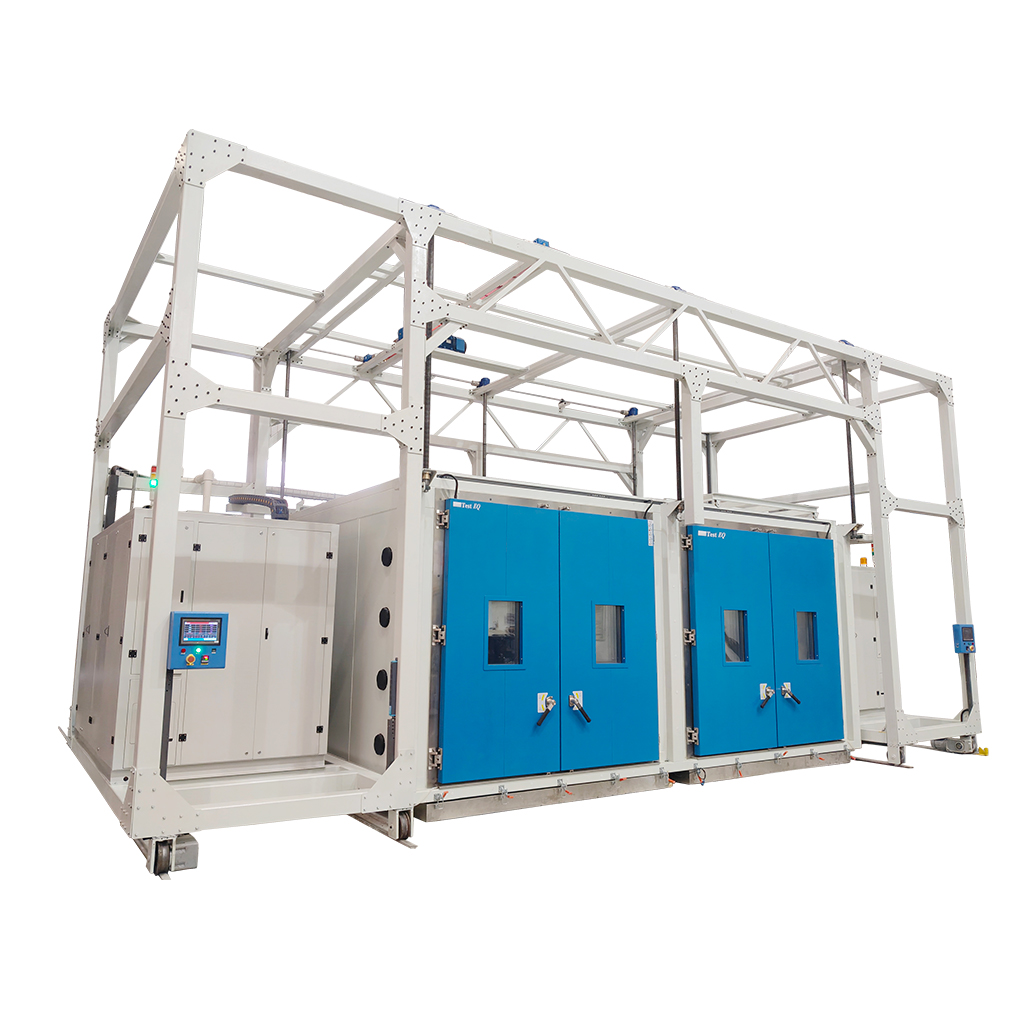
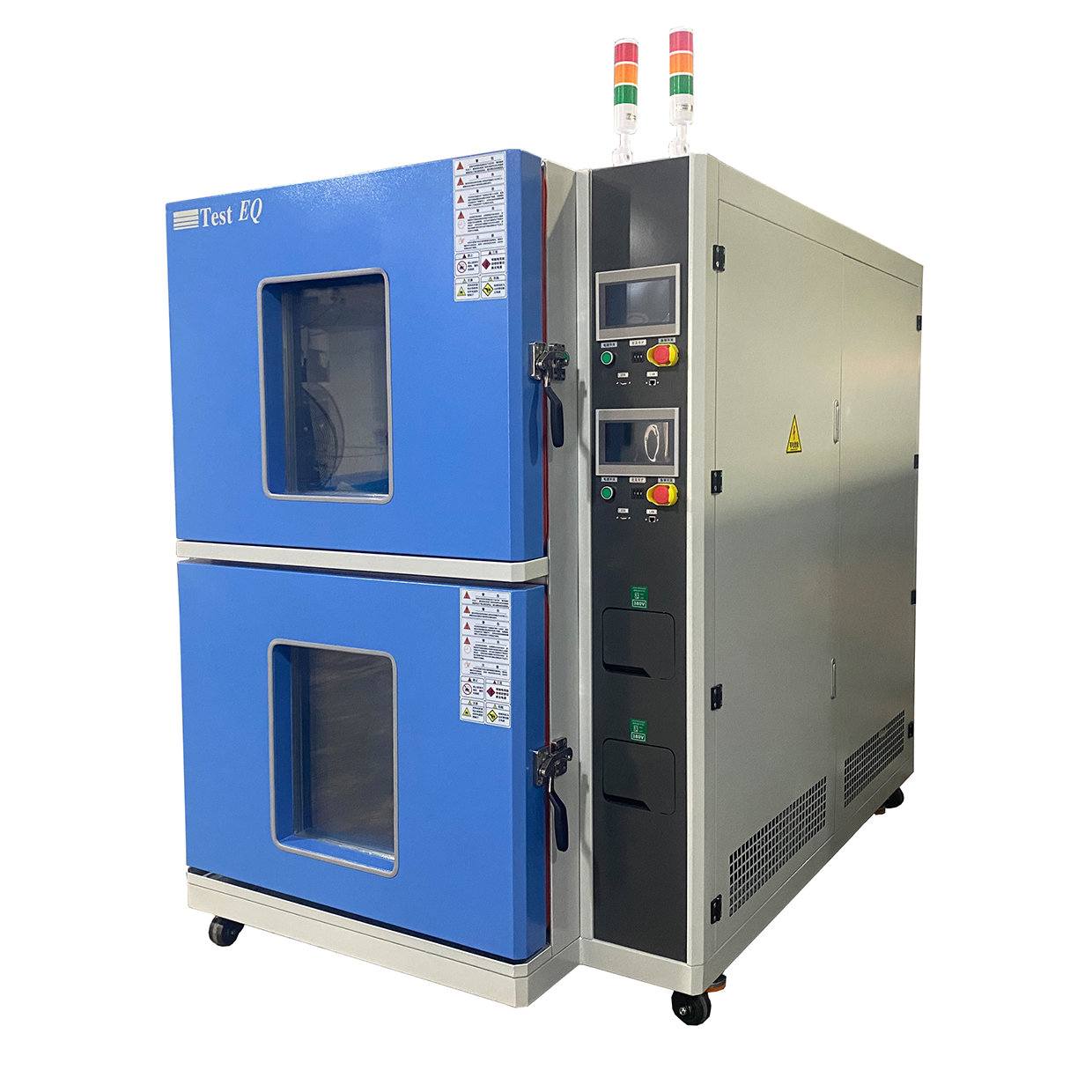
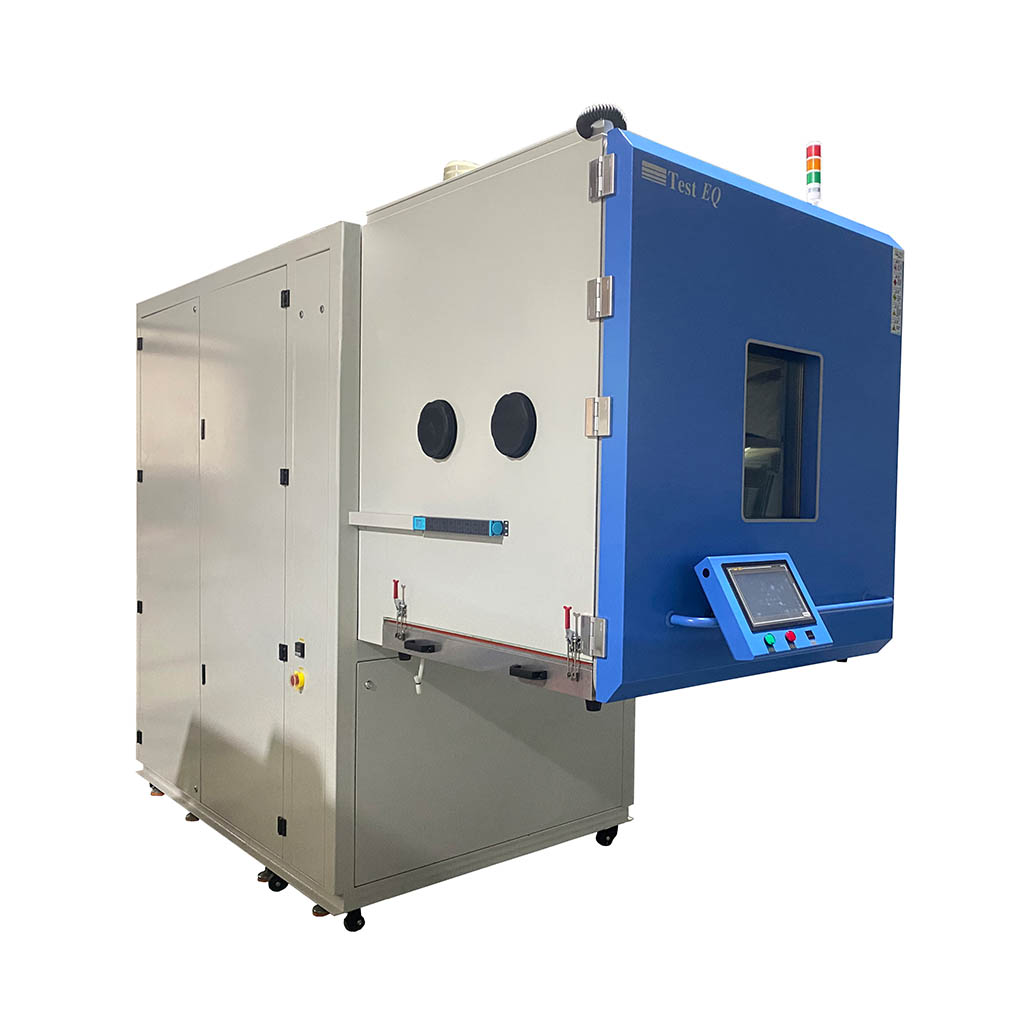
The HALT HASS Test Chamber is an integrated environmental and multi-axis vibration testing system designed to accelerate failure discovery during product development and controlled production screening.
By combining rapid temperature transitions with multi-axis repetitive shock vibration, the system helps reliability engineers identify design weaknesses, determine operating and destruct limits, and evaluate product robustness under combined stress conditions.
HALT is primarily used during the R&D stage to discover failure mechanisms and improve design margins, while HASS is applied after product reliability limits have been established to screen production units for latent defects.
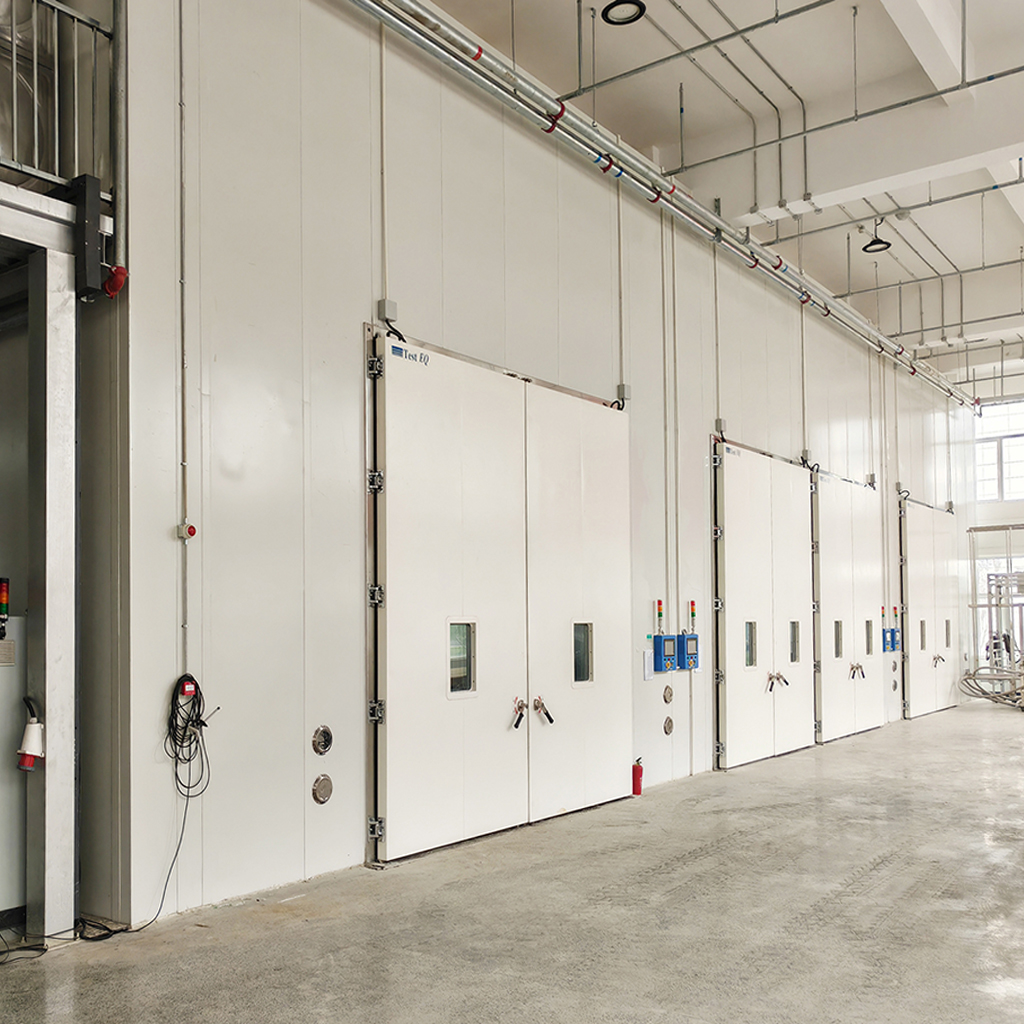
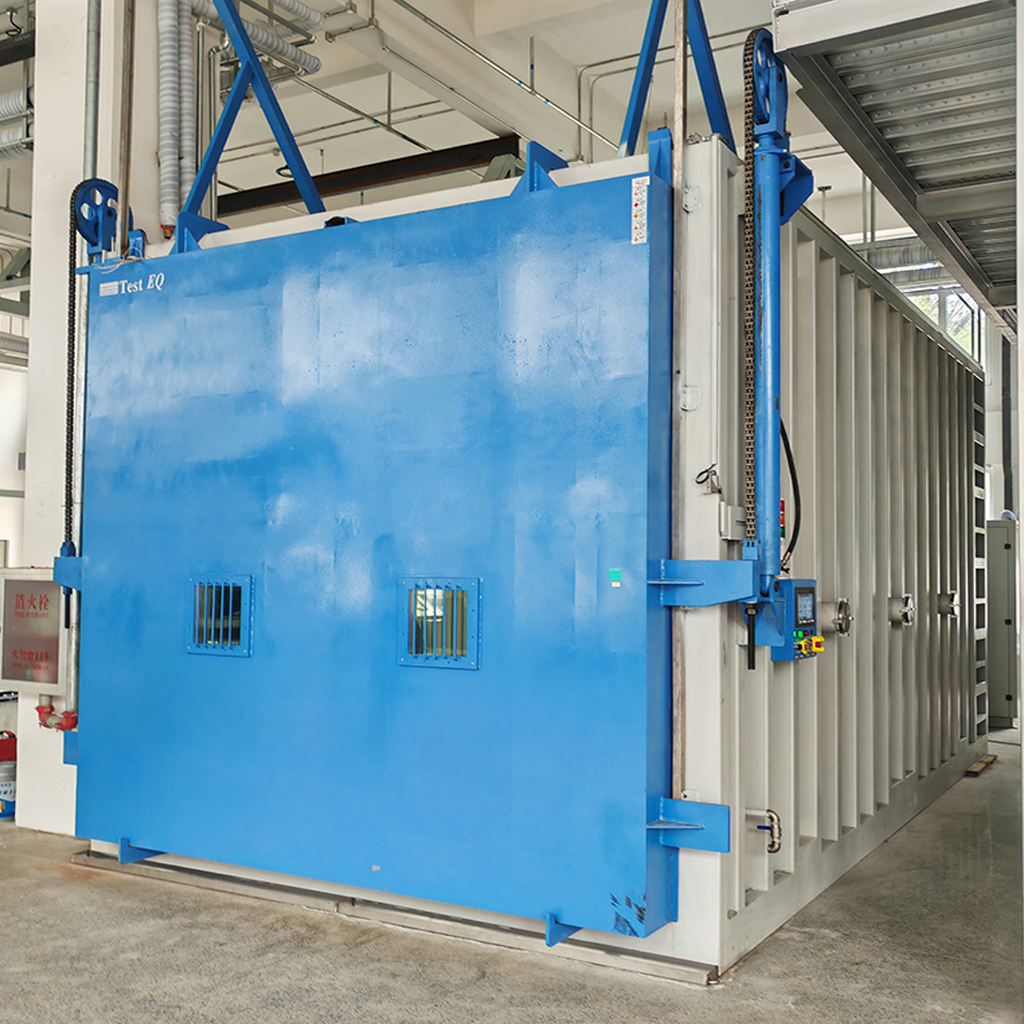
TestEQ HALT HASS chambers can be configured according to temperature range, temperature transition rate, vibration level, DUT size and weight, fixture requirements, monitoring requirements, and application-specific reliability objectives.
What Is HALT and HASS Testing?
Used in production to screen out early-life failures and ensure product reliability.
HALT HASS Testing Process
A HALT HASS program should be developed around the product's reliability objectives, expected failure mechanisms, and required stress conditions. The chamber provides the controlled environment needed to apply and monitor these stresses.
Step 1 — Define the Test Objective
Identify the product functions, critical components, expected environmental stresses, and reliability risks that need to be investigated.
Step 2 — Establish the Initial Operating Condition
Begin with a controlled temperature and vibration condition that allows engineers to establish baseline product performance.
Step 3 — Apply Temperature Stress
Increase or decrease temperature progressively to identify low-temperature and high-temperature operating limits and potential failure mechanisms.
Step 4 — Apply Vibration Stress
Introduce multi-axis repetitive shock vibration while monitoring the DUT for functional degradation, intermittent failures, structural weaknesses, or other abnormal behavior.
Step 5 — Apply Combined Thermal and Vibration Stress
Where required, apply thermal and mechanical stresses together to investigate interactions that may not appear during single-stress testing.
Step 6 — Monitor Product Performance
Temperature, vibration response, electrical behavior, functional status, and failure events can be monitored during testing.
Step 7 — Identify and Analyze Failure Mechanisms
When a failure occurs, engineers investigate the root cause and determine whether the failure is related to design margin, material selection, assembly, structure, electronics, or another factor.
Step 8 — Improve and Retest the Product
Design modifications are implemented and the product is retested to verify whether the identified weakness has been resolved.
Step 9 — Establish Controlled Screening Conditions
For HASS applications, validated stress conditions can be developed for production screening without exceeding the established product capability.
Failure Mechanisms Identified by HALT HASS Testing
HALT HASS testing is designed to expose weaknesses that may remain hidden during conventional single-stress environmental testing.
Depending on the product architecture and stress profile, testing may help identify:
Solder joint cracking and fatigue
PCB and component fatigue
Connector intermittency
Loose fasteners and mechanical connections
Structural resonance
Thermal expansion mismatch
Material embrittlement or degradation
Wiring and cable fatigue
Enclosure and sealing weaknesses
Component parameter drift
Manufacturing and assembly defects
Interaction failures between thermal and mechanical stresses
The objective is not simply to generate a pass/fail result. The failure information should be analyzed and fed back into the product design or manufacturing process to improve reliability.
Technical Performance Note
Temperature transition rate and vibration performance can vary according to temperature range, DUT mass, fixture configuration, chamber volume, vibration table configuration, and operating conditions.
For engineering evaluation and procurement, TestEQ recommends specifying performance requirements together with the intended DUT load and test profile. Detailed performance data can be provided according to the customer's required operating conditions.
Combined Stress Testing Technology:
HALT HASS chambers integrate:
Thermal stress → expansion & contraction
Vibration stress → mechanical fatigue
Combined stress environment → accelerated failure
This combination enables detection of:
HALT vs HASS:
| Feature | HALT | HASS |
|---|
| Stage | R&D | Production |
| Purpose | Find design limits | Screen defects |
| Stress Level | Extreme | Controlled |
| Goal | Improve design | Ensure quality |
HALT vs Thermal Cycling: What Is the Difference?
| Feature | HALT/HASS Testing | Thermal Cycling |
|---|
| Primary stress | Thermal + mechanical vibration | Temperature cycling |
| Main objective | Failure discovery and screening | Thermal reliability evaluation |
| Typical development stage | R&D / production screening | Qualification / reliability testing |
| Temperature transition | Typically rapid and highly controlled | Defined by the applicable test method |
| Vibration | Multi-axis vibration can be integrated | Normally not part of the thermal cycling method |
| Stress level | HALT may exceed normal operating limits | Based on specified test conditions |
| Main output | Failure mechanisms and design margins | Product performance and thermal durability |
| Typical applications | Reliability growth and stress screening | Qualification and environmental reliability |
HALT/HASS and thermal cycling serve different engineering purposes. The appropriate method depends on the product, failure mechanisms, reliability objective, and applicable test requirements.
Why Choose TestEQ for HALT HASS Testing Systems?
TestEQ develops integrated environmental reliability testing systems for applications requiring rapid thermal stress, multi-axis vibration, and controlled reliability evaluation.
Key advantages include:
Integrated temperature and multi-axis vibration testing
High-speed temperature transition capability
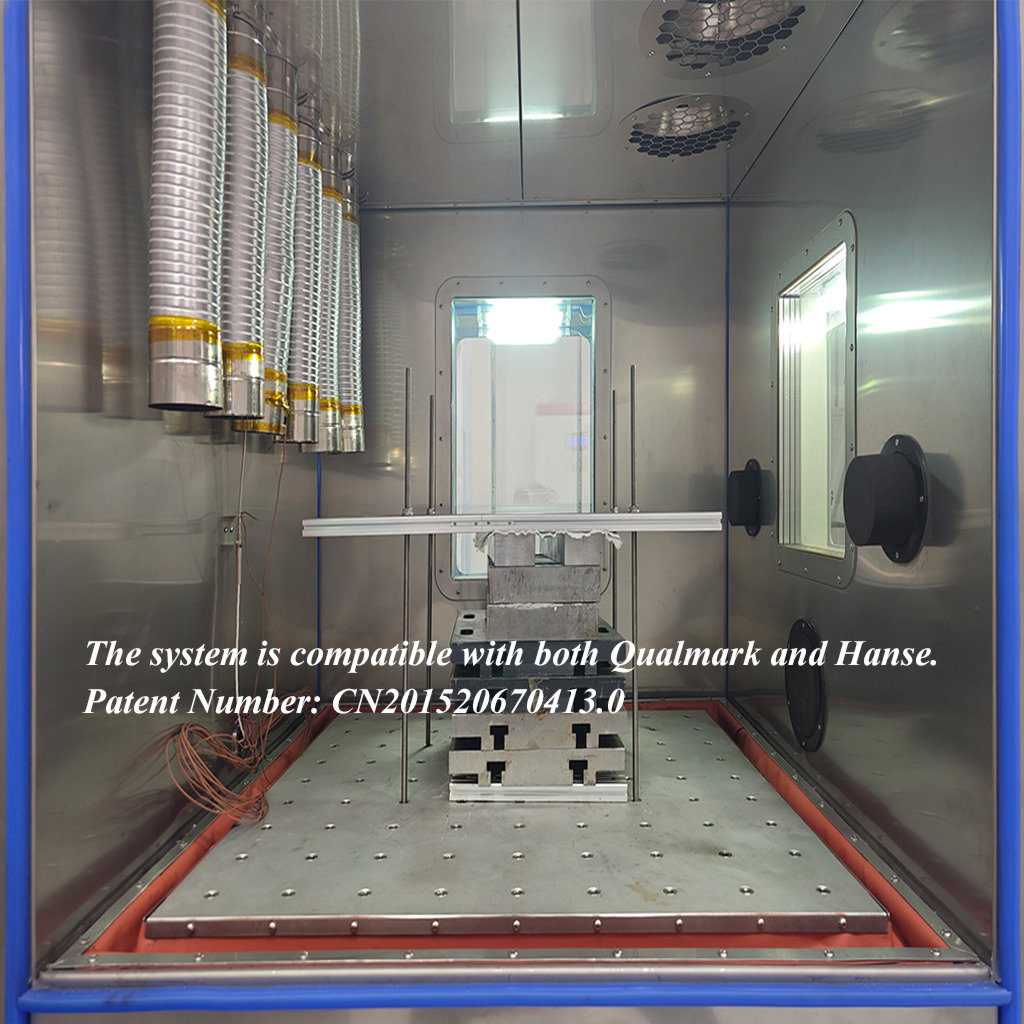
6-DOF pneumatic repetitive shock vibration system
DUT-specific fixture engineering
Real-time temperature and vibration monitoring
Custom chamber volume and table configurations
Liquid nitrogen boost cooling for demanding temperature profiles
Optional DUT power feedthrough and functional monitoring
Remote monitoring and data integration options
Engineering support for semiconductor, automotive, aerospace, and electronics applications
Each system can be configured according to the required DUT load, temperature profile, vibration level, chamber volume, fixture design, and reliability test objective.
How to Select a HALT HASS Test Chamber
When selecting a HALT HASS test chamber, engineers should evaluate the complete testing system rather than temperature range alone.
Important specifications include:
Required temperature range
Heating and cooling rate
DUT dimensions and weight
Working chamber volume
Vibration frequency range
Vibration acceleration
Vibration table size
Number of vibration actuators
DUT fixture configuration
Temperature and vibration monitoring
Electrical feedthrough requirements
Safety interlocks
Data acquisition and reporting
Required test standards or customer specifications
Temperature ramp rate and vibration performance should be evaluated under the intended DUT load and fixture configuration. Unloaded maximum specifications may not represent actual test performance.
Optional Configurations:
Extended vibration range (up to 70 Grms)
Liquid nitrogen cooling (LN₂ boost)
Large-volume HALT chambers
Remote monitoring & IoT integration
Custom fixtures for DUT mounting
Related Standards and Reliability Guidelines
HALT and HASS are reliability engineering methodologies rather than a single compliance test defined by one universal standard. Applicable requirements depend on the product, industry, customer specification, and reliability program.
TestEQ HALT HASS chambers can be configured to support reliability testing programs that reference applicable environmental, mechanical, semiconductor, automotive, aerospace, and industry-specific requirements.
Commonly related standards and guidelines include:
Environmental Testing
• IEC 60068 series
• IEC 60068-2-14
• IEC 60068-2-6
• IEC 60068-2-27
Military and Aerospace
• MIL-STD-810
• MIL-STD-883
• MIL-STD-202
• RTCA DO-160
Automotive
• ISO 16750
• SAE J1211
• OEM-specific environmental and reliability requirements
Semiconductor and Electronics
• JEDEC JESD22
• IEC 60749
• IPC reliability requirements
The applicable test method, stress level, temperature profile, vibration profile, and acceptance criteria should always be determined from the product specification and the applicable standard or customer requirement.
FAQ:
1.What is HALT testing?
HALT (Highly Accelerated Life Testing) is a method used to expose products to extreme stress conditions to identify design weaknesses.
2.What is HASS testing?
HASS (Highly Accelerated Stress Screening) is used in manufacturing to screen out defective products before shipment.
3.What is the difference between HALT and HASS?
HALT is used during product development, while HASS is used during production screening.
4.Why combine temperature and vibration?
Because real-world failures are caused by multiple stresses acting together, not individually.
5.What industries use HALT HASS chambers?
Aerospace, automotive, semiconductor, telecom, and electronics industries.
6.What products are suitable for HALT testing?
HALT (Highly Accelerated Life Testing) is widely used for products that require high reliability under extreme environmental conditions. Typical applications include automotive ECUs, battery management systems (BMS), aerospace avionics, industrial control systems, communication equipment, medical devices, semiconductor electronics, and consumer electronics. HALT helps engineering teams identify latent design weaknesses before products enter mass production.
7.Can HALT replace traditional environmental testing?
No. HALT is not intended to replace traditional environmental qualification testing. Instead, it complements conventional testing by exposing products to extreme temperature changes and multi-axis vibration beyond normal operating limits. After design improvements identified during HALT, products should still undergo qualification testing according to standards such as IEC 60068, MIL-STD-810, or JESD22.
8.How is vibration generated in a HALT chamber?
A HALT chamber typically generates vibration using a six-degree-of-freedom (6-DOF) pneumatic repetitive shock table. Unlike conventional electrodynamic shakers, this system delivers broadband random vibration across multiple axes simultaneously, enabling engineers to reveal structural weaknesses, solder joint failures, loose connections, and other hidden defects more efficiently.
9.What temperature ramp rate is recommended for HALT testing?
The appropriate temperature transition rate depends on the product, test objective, DUT load, and reliability program. HALT commonly uses rapid temperature transitions to accelerate stress discovery, but the required rate should be selected based on the intended failure mechanisms rather than simply using the maximum chamber capability. TestEQ can configure temperature transition performance according to the required HALT profile and DUT conditions.
Internal Linking Module
Recommended Equipment for HALT & HASS Reliability Testing
Designed for production-level environmental stress screening (ESS), helping manufacturers detect latent defects before products reach the market.
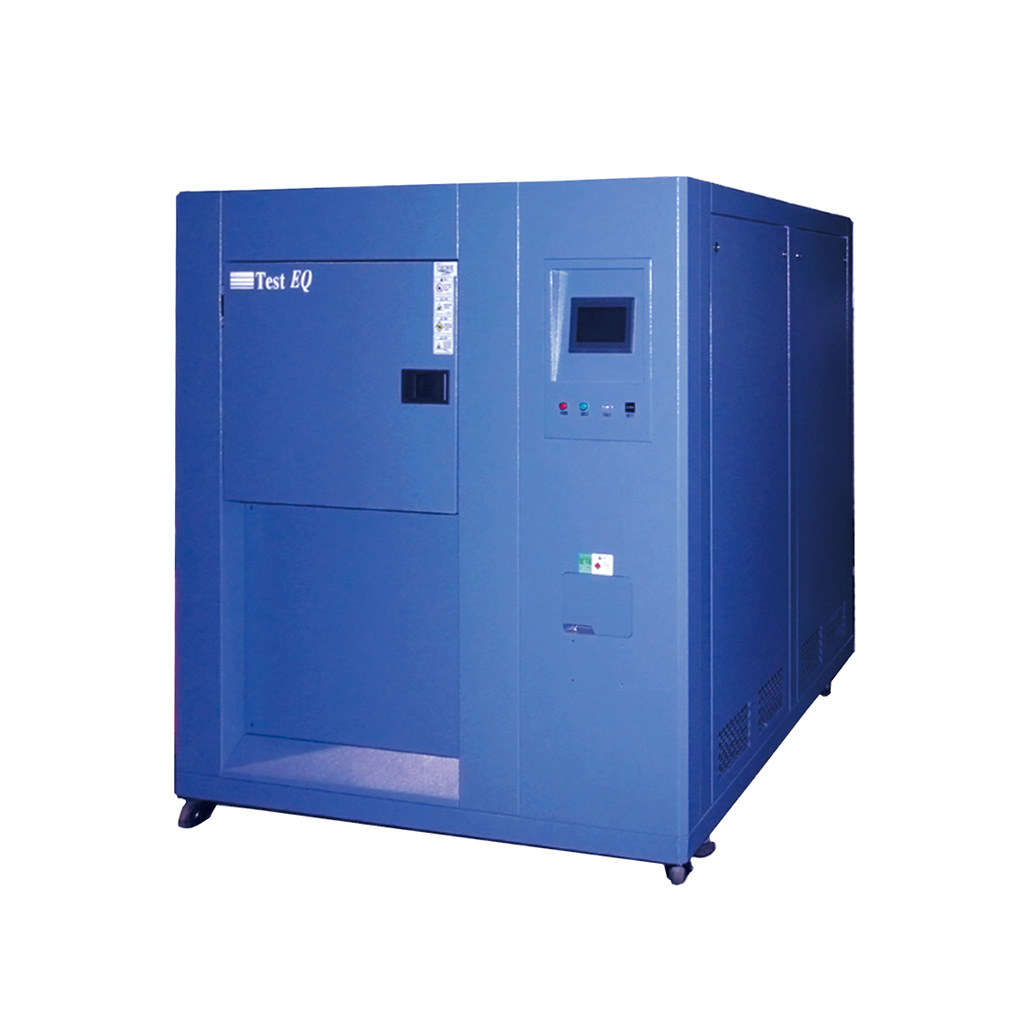
Provides rapid transfer between extreme hot and cold temperatures to evaluate material durability and thermal fatigue resistance.
Recommended Standards for HALT & HASS Testing
Explore the fundamental principles, testing procedures, and industry best practices for implementing effective HALT and HASS reliability programs.
Learn the international testing requirements for thermal shock evaluation, including test methods, procedures, and compliance guidance.
Recommended Technical Resources for HALT & HASS
Compare the objectives, testing methods, and applications of HALT and HASS to choose the most appropriate reliability testing strategy.
Discover how Highly Accelerated Life Testing helps identify design weaknesses early, shorten development cycles, and improve product reliability.