| Feature | Thermal Shock | Thermal Cycling |
|---|
| Temperature Transition | Instant | Gradual |
| Stress Type | Extreme | Controlled |
| Application | Military, electronics, materials | Electronics, PCBs |
| Standards | MIL-STD | JESD22, IEC 60068 |
Tip: For electronics, thermal shock testing ensures solder joints, PCB laminates, and sensitive components withstand rapid temperature changes
Thermal Shock Testing for PCB Assemblies
PCB assemblies can be evaluated under repeated temperature shock conditions to identify potential reliability issues in:
Solder joints
Components
Connectors
Coatings
PCB materials
Mechanical interfaces
For PCB testing, the chamber should be selected according to the assembled product size and actual thermal load.
Thermal Shock Testing for Automotive Electronics
Automotive electronic components can experience significant temperature variation during vehicle operation and environmental exposure.
Thermal shock testing may be applied to:
Automotive test requirements should be defined according to the applicable OEM or industry specification.
How to Choose a Thermal Shock Test Chamber for Electronics
For electronics testing, consider:
Component dimensions
Number of specimens
Specimen weight
Thermal mass
Required temperature range
Transition requirement
Number of cycles
Test standard
Two-zone or three-zone configuration
Data acquisition requirements
For sensitive components where mechanical movement should be minimized, a three-zone configuration may be considered.
Why Choose TestEQ:
Industry-leading expertise in environmental testing systems
Advanced thermal balance and airflow technology
Stable performance under extreme conditions
Custom engineering solutions for electronics applications
Energy-efficient operation for continuous testing
Recommended Thermal Shock Configurations
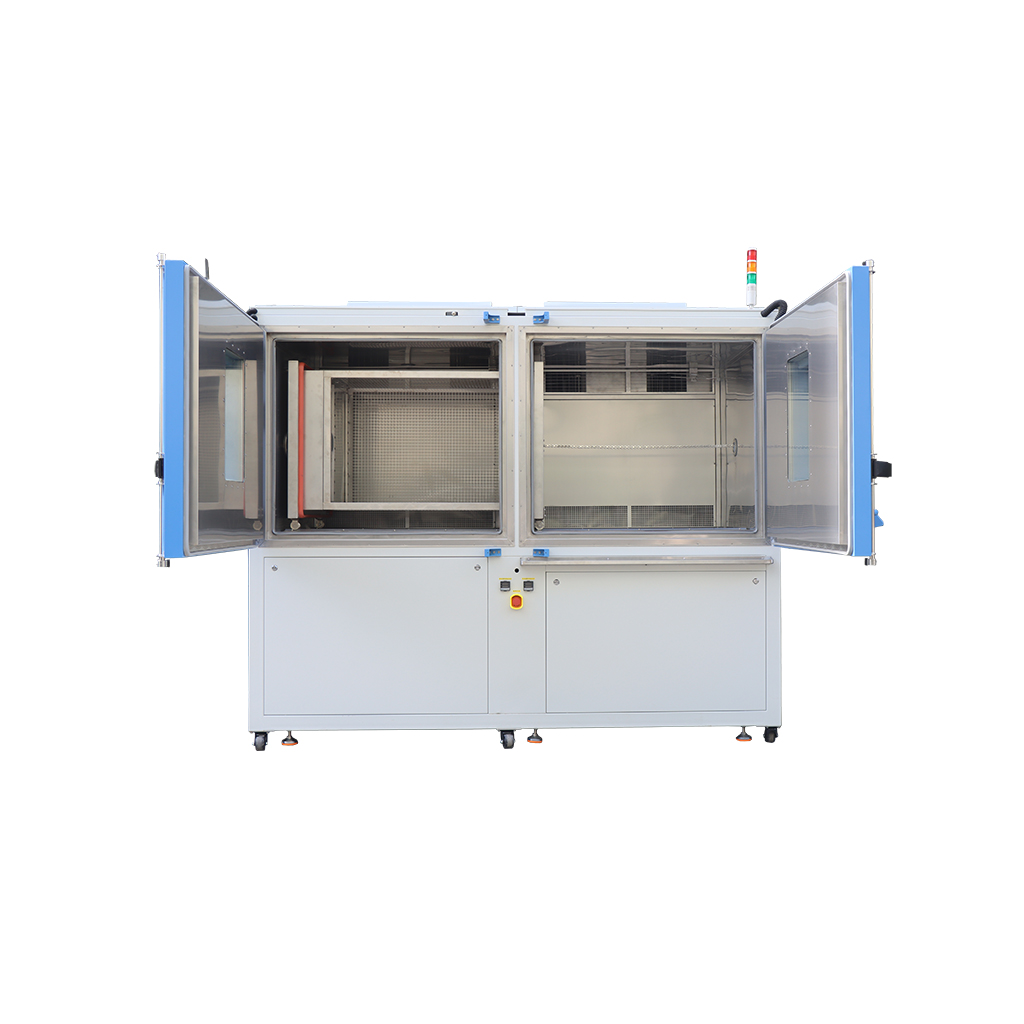
Two-Zone Thermal Shock Chamber
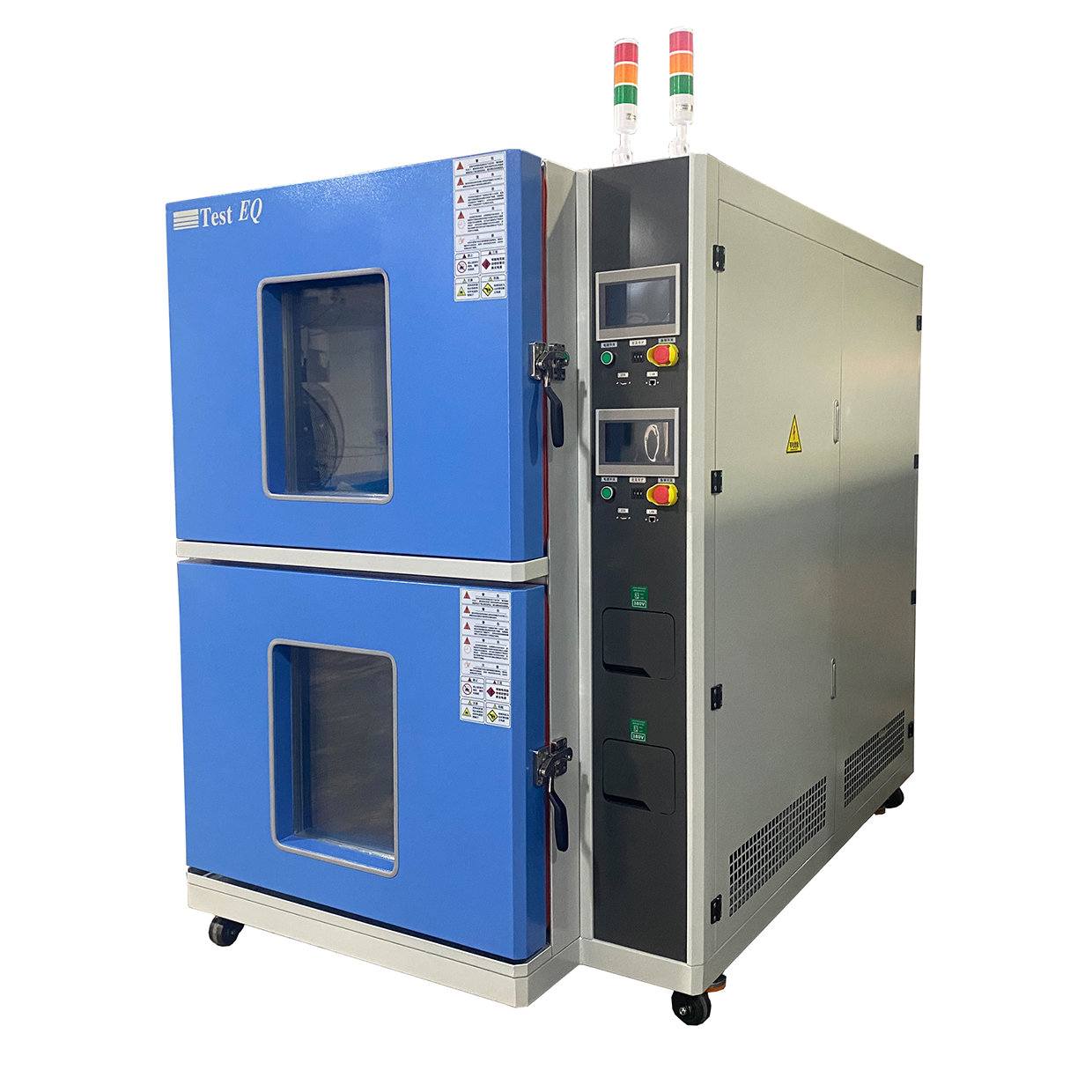
Suitable for general electronic component reliability testing where rapid basket transfer is acceptable.
Three-Zone Thermal Shock Chamber
Suitable for applications where the specimen should remain stationary during temperature transitions.
Customized Thermal Shock System
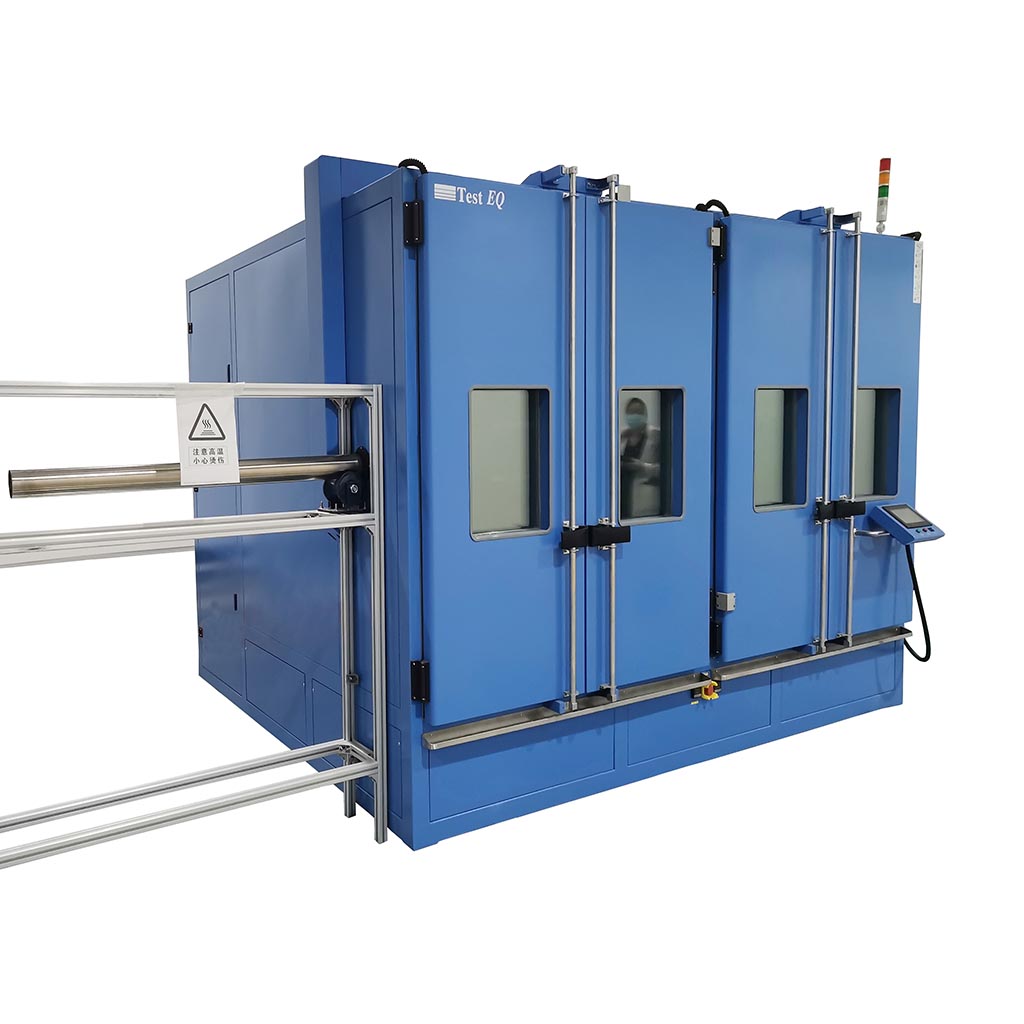
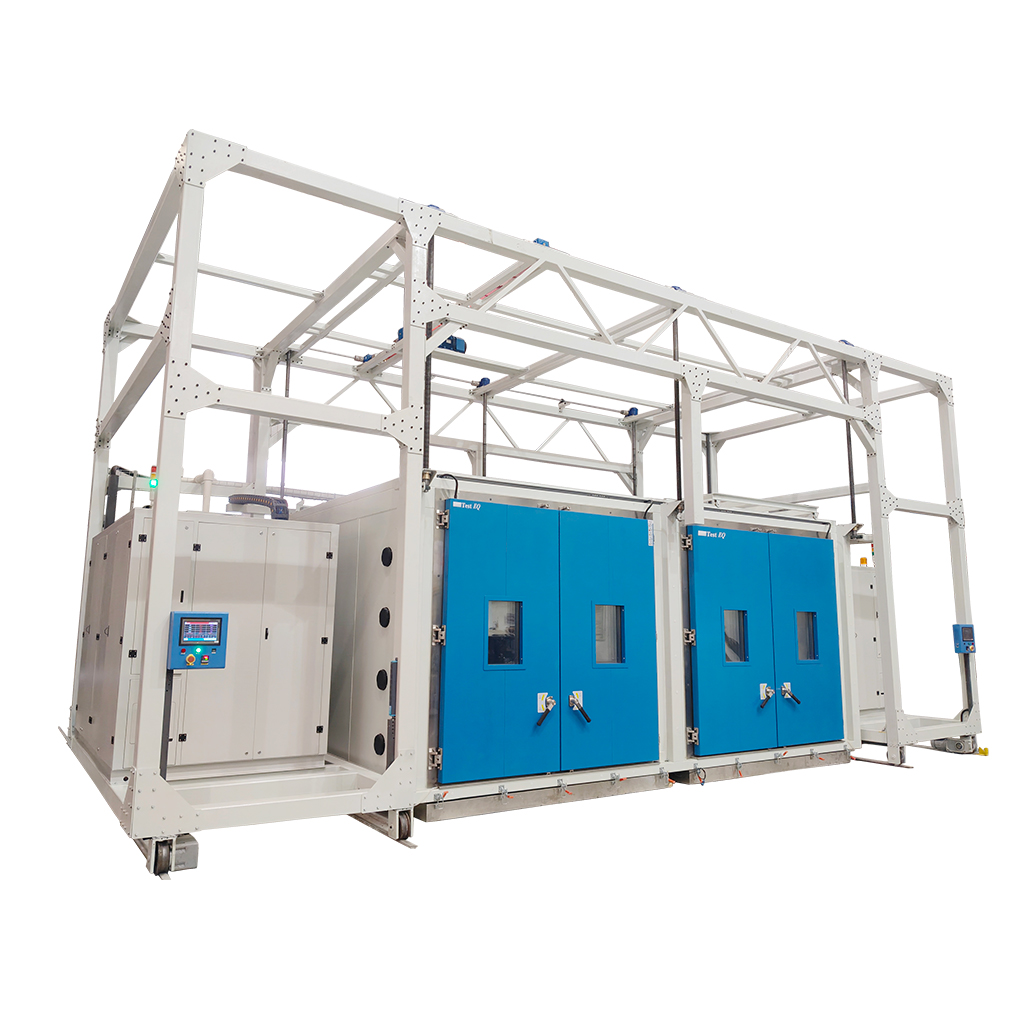
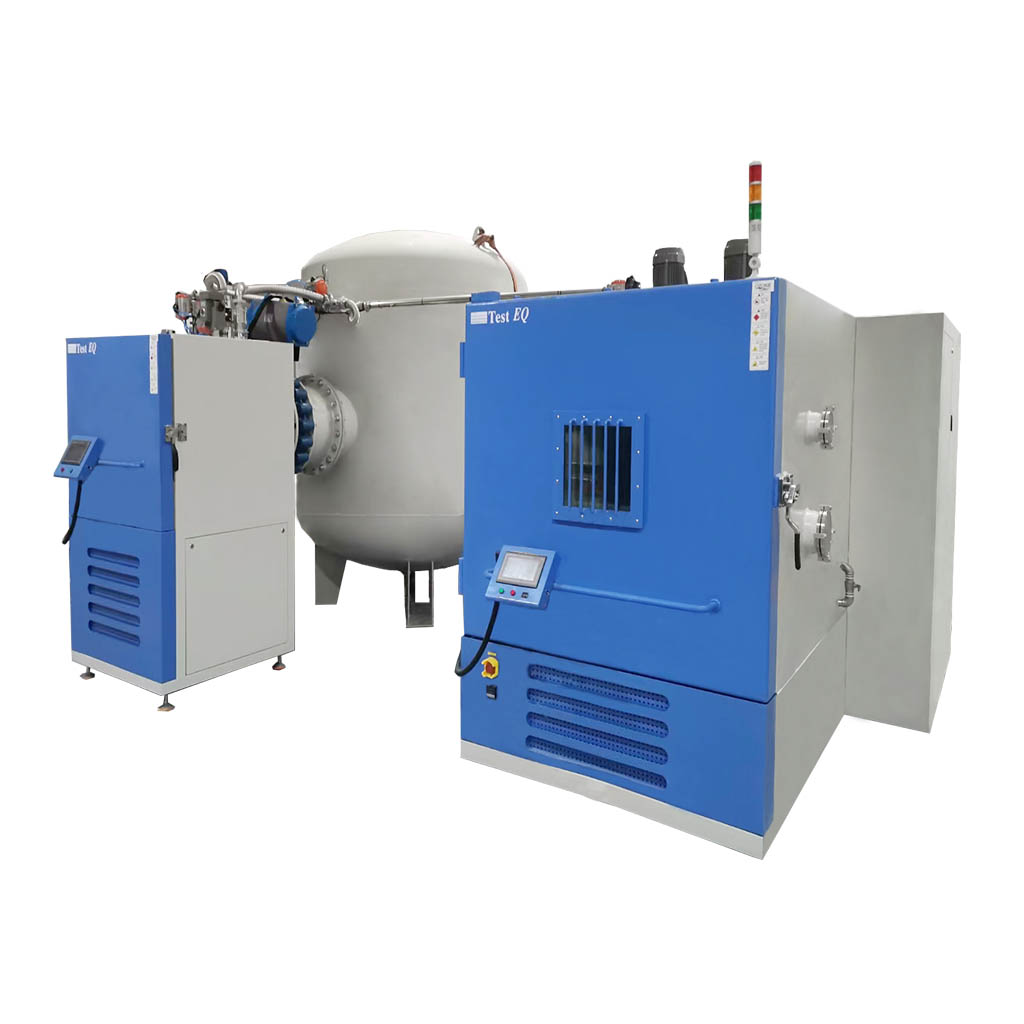
Suitable for large assemblies, special test loads or customer-specific test profiles.
Designed to Meet and Exceed Global Aerospace Benchmarks:
Standards Expertise: Fully compliant with GJB150.5, RTCA/DO-160, MIL-STD-810, MIL-STD-202, and other critical aerospace/defense protocols.
Data Integrity: Precise control and logging ensure your test data is audit-ready and defensible, supporting certification and qualification processes.
Custom Profiles: TestEQ engineers can help develop and validate custom test profiles tailored to your specific mission profile requirements.
Thermal Shock Test Standards for Electronics Applicable Standards
| Standard | Application |
|---|
| IEC 60068-2-14 | Temperature change testing |
| JESD22-A104 | Semiconductor temperature cycling |
| MIL-STD-810H Method 503 | Military thermal shock testing |
| MIL-STD-202 Method 107 | Electronic component thermal shock |
FAQ:
Q1: What is a thermal shock test chamber?
A thermal shock chamber evaluates how electronic components react to rapid and extreme temperature changes, helping identify early failures.
Q2: What is the difference between thermal shock and thermal cycling?
Thermal shock involves instant temperature transitions, while thermal cycling uses gradual temperature changes.
Q3: Which electronics can be tested in this chamber?
PCBs, semiconductor devices, automotive modules, aerospace components, and consumer electronics.
Q4: What standards does this chamber meet?
MIL-STD-810, IEC 60068, JESD22, and other global testing standards.
Q5: How to choose the right chamber for electronics testing?
Consider temperature range, transition speed, chamber size, test standards, and component type.
Q6: How does a thermal shock test chamber detect electronic component failures?
A thermal shock test chamber detects potential failures by exposing components to repeated rapid temperature transitions that create thermal stress. This process helps identify issues such as solder joint fatigue, material expansion mismatch, package cracking, and connection reliability problems before products enter mass production.
Q7: What is the typical temperature range of an electronic thermal shock test chamber?
Thermal shock test chambers for electronics typically provide a wide temperature range, with high-temperature zones reaching +150°C to +200°C and low-temperature zones reaching -40°C to -75°C depending on the chamber configuration. The required range depends on the application, component specifications, and reliability testing requirements.
Q8: What is the difference between two-zone and three-zone thermal shock chambers?
A two-zone thermal shock chamber transfers specimens between a hot zone and a cold zone to achieve rapid temperature changes. A three-zone thermal shock chamber adds an ambient zone, allowing more stable specimen transfer and improved temperature control during testing. The choice depends on testing requirements, sample type, and required temperature transition performance.
Internal Linking Module
Recommended Equipment
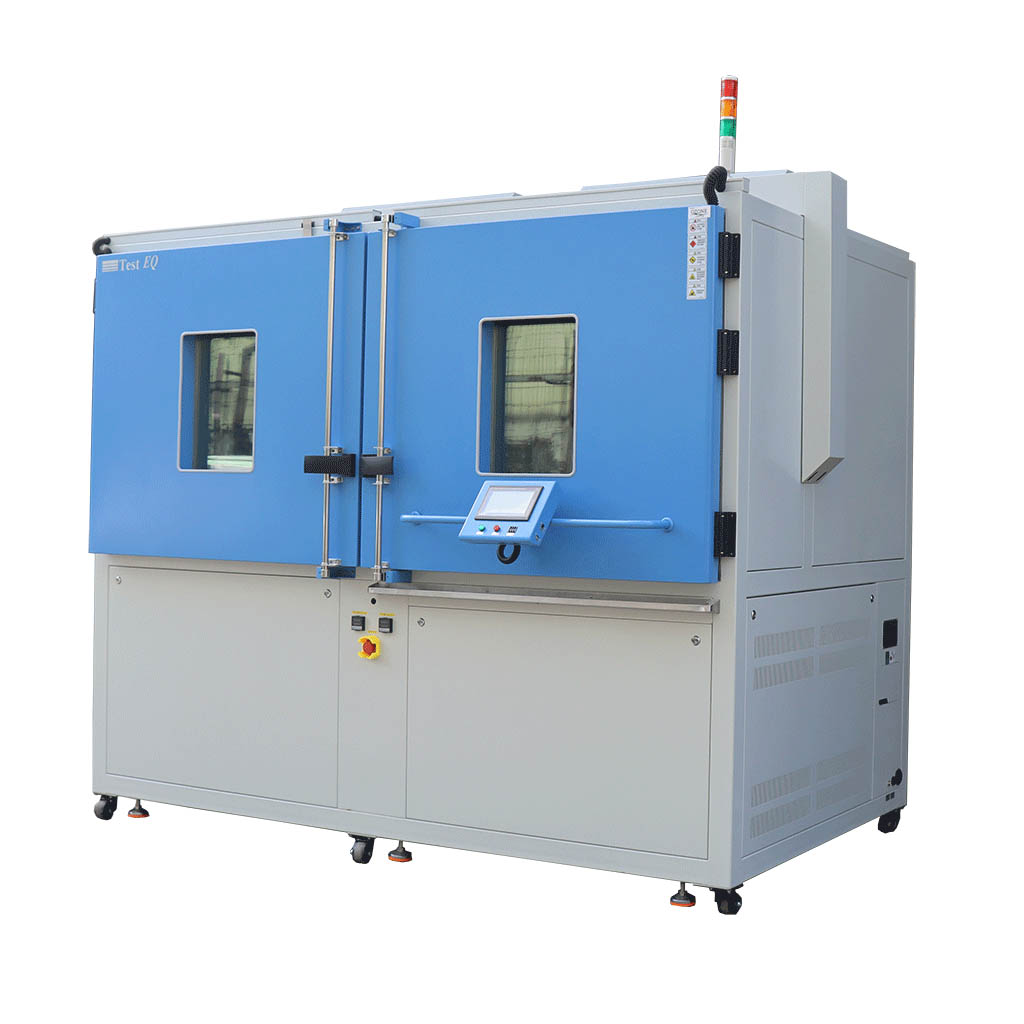
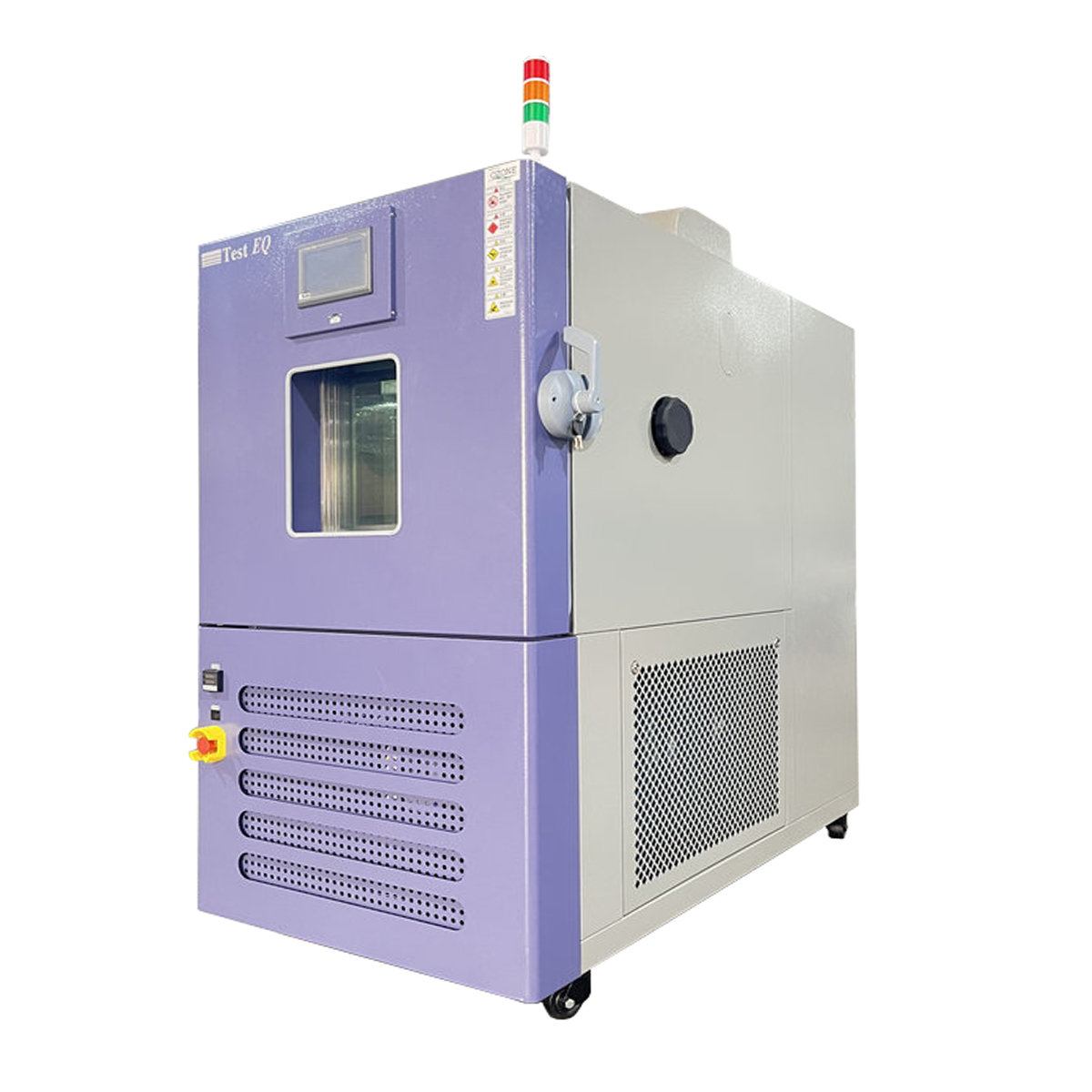
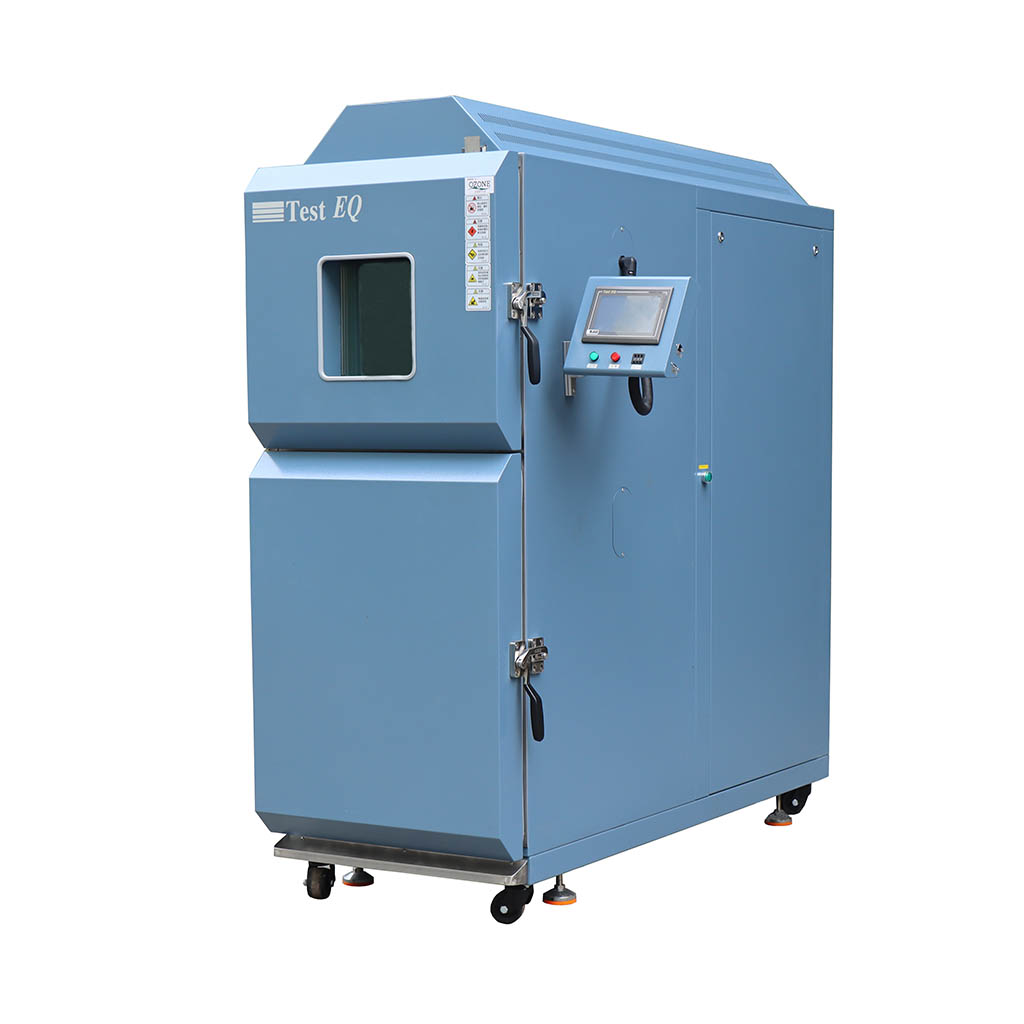
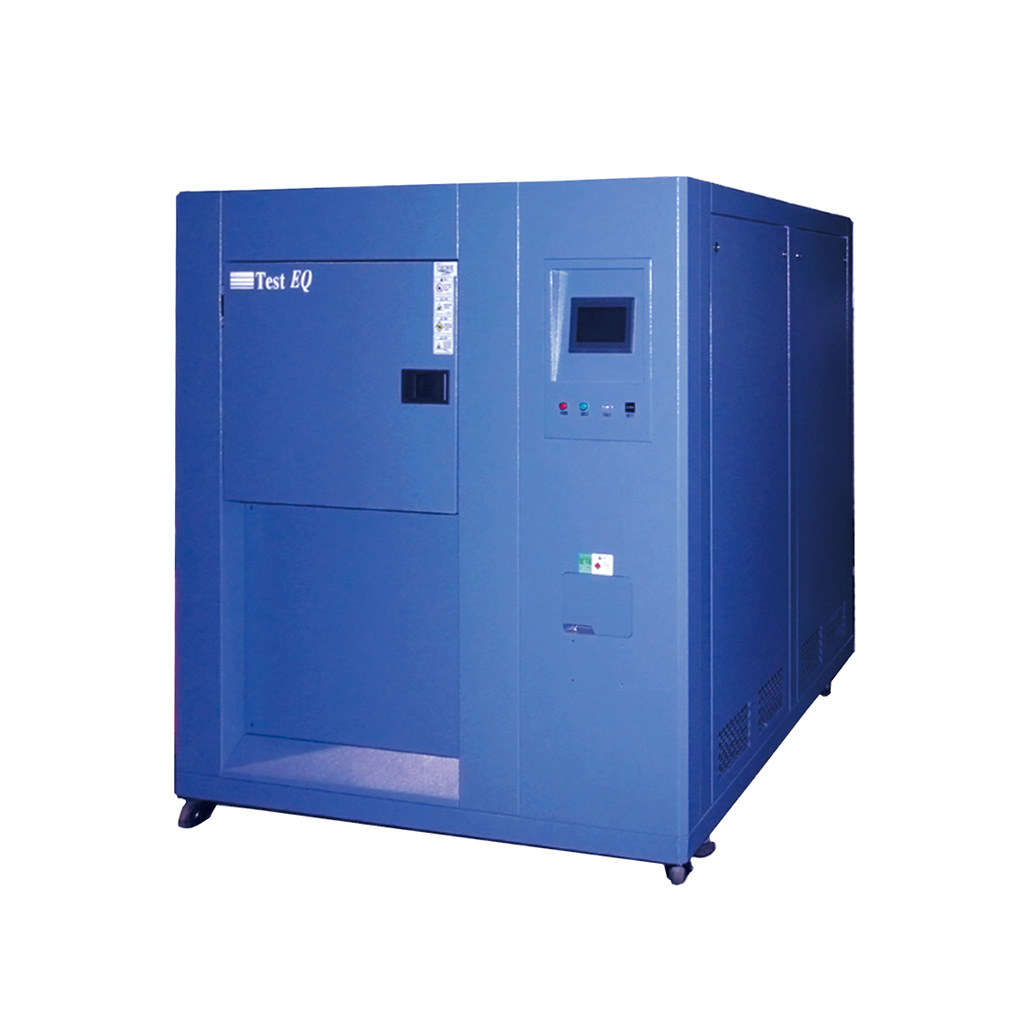
General-purpose thermal shock testing for electronics, automotive components, aerospace equipment, semiconductor devices and other reliability applications.
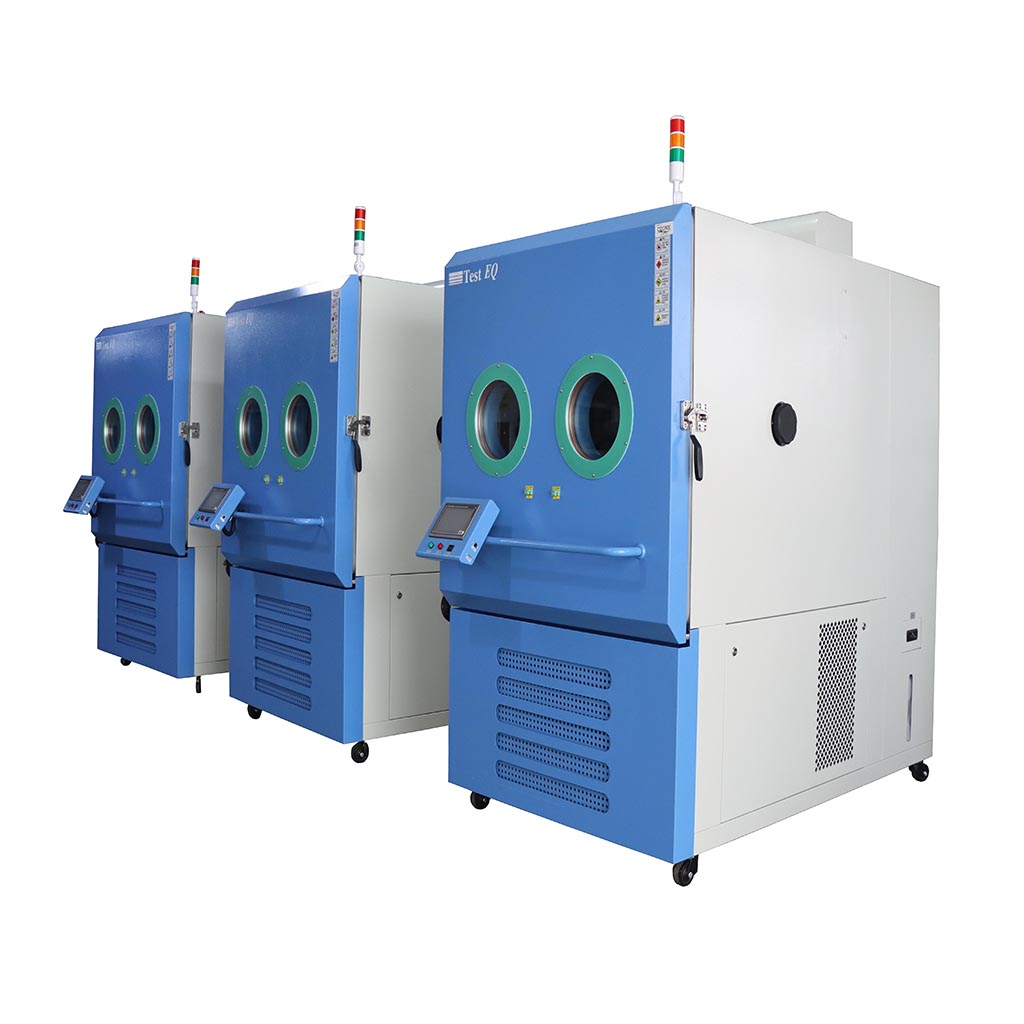
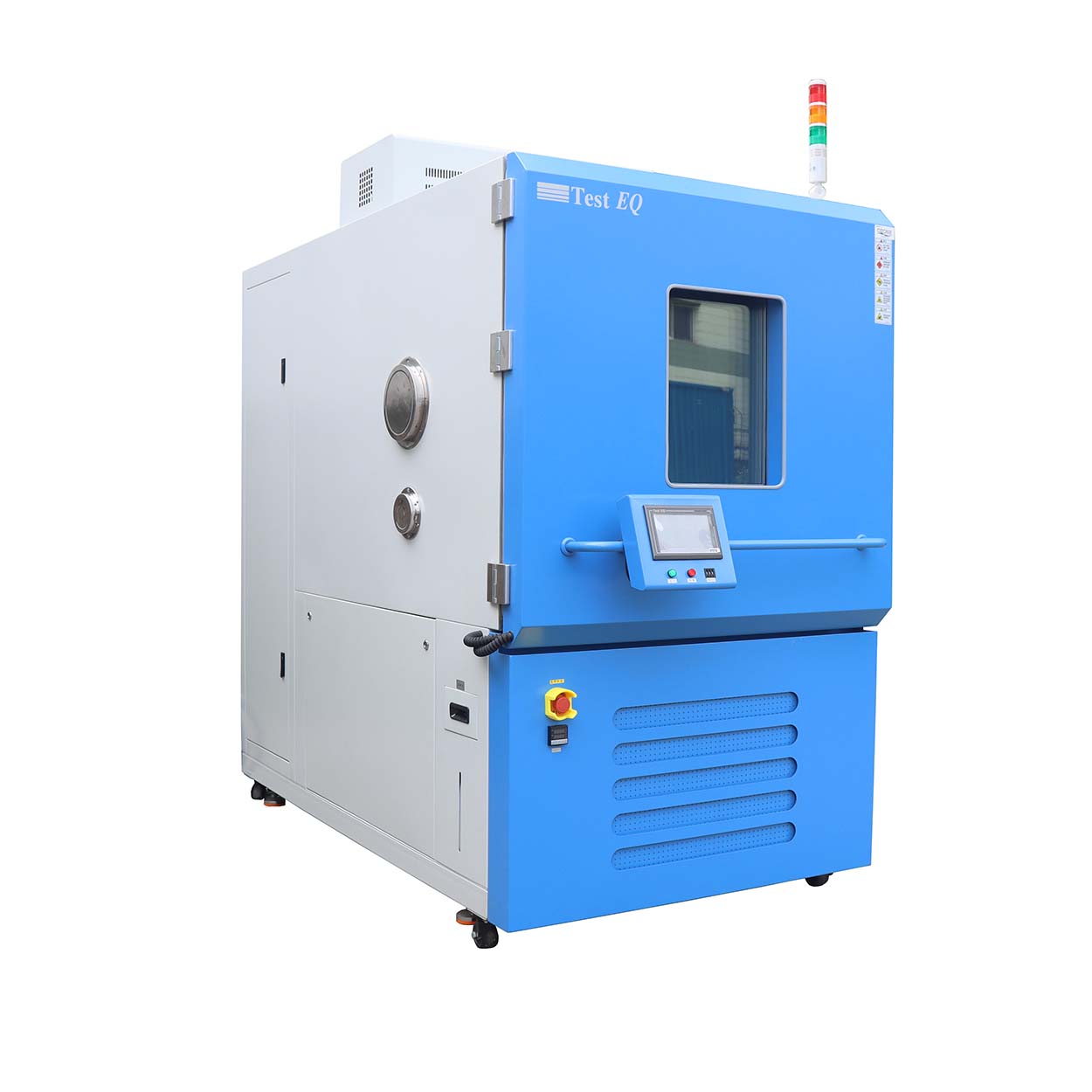
Designed for gradual temperature cycling and ESS reliability testing, this chamber provides programmable ramp rates up to 25°C/min and is widely used for semiconductor, PCB, and automotive electronics qualification.
Suitable for long-term climatic testing under controlled temperature and humidity conditions. It is commonly used for electronic components, sensors, batteries, and reliability verification.
Related Standards
IEC 60068-2-14 specifies environmental test methods for rapid temperature changes and thermal shock testing, helping manufacturers evaluate material expansion and structural reliability.
JEDEC JESD22 defines reliability qualification methods for semiconductor devices, including thermal cycling, thermal shock, and accelerated stress testing.
MIL-STD-810H Method 503.7 addresses temperature shock testing involving rapid transitions between high and low temperature environments for applicable equipment and test programs.
Related Resources
Learn how thermal shock testing works, common failure mechanisms, and why rapid temperature transitions are essential for improving electronic product reliability.
Compare thermal shock and thermal cycling based on temperature transition, test configuration, failure mechanisms, cycle requirements and typical electronics reliability applications.
Discover how HAST testing accelerates moisture and temperature stress to evaluate semiconductor packages, IC devices, and electronic assemblies for long-term reliability.