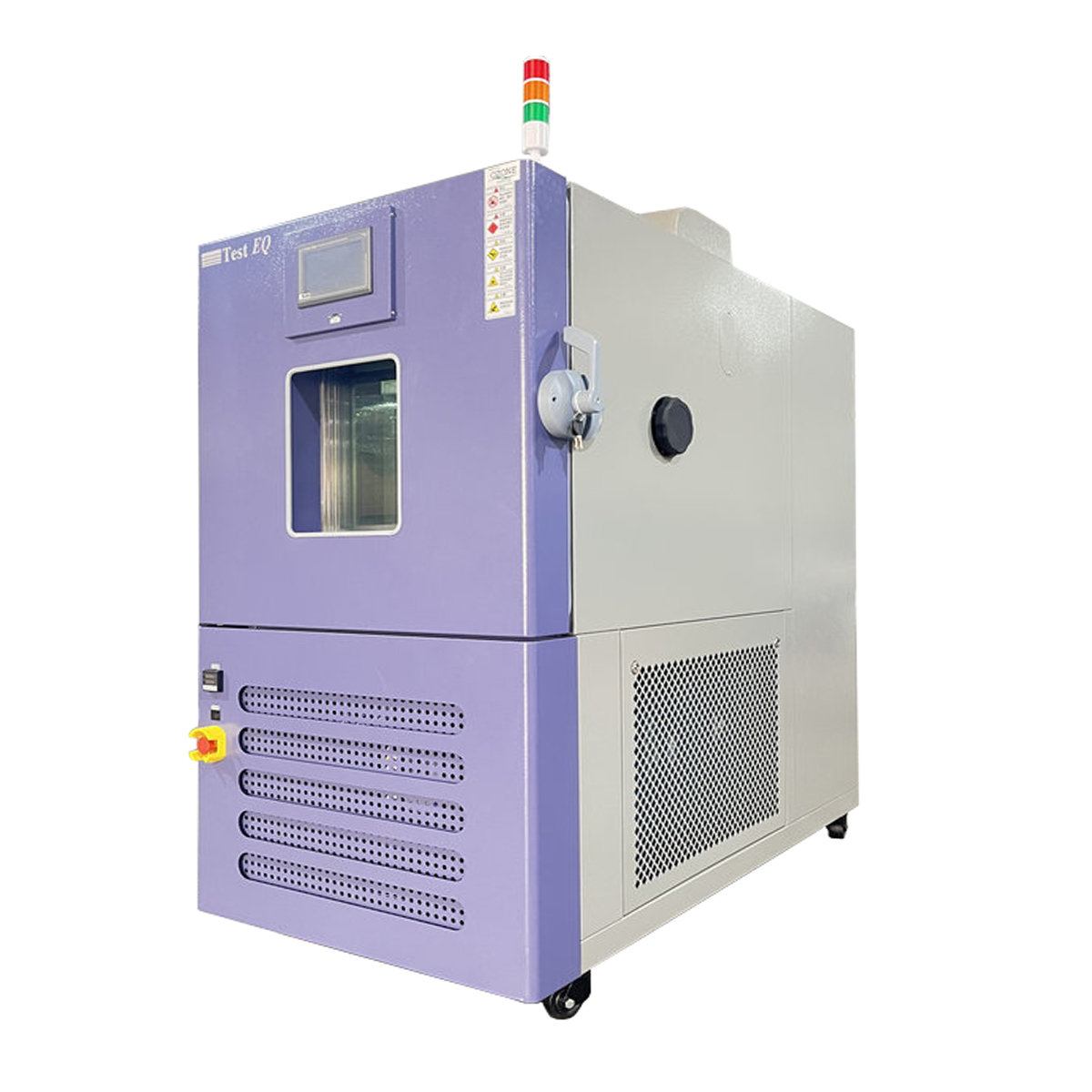
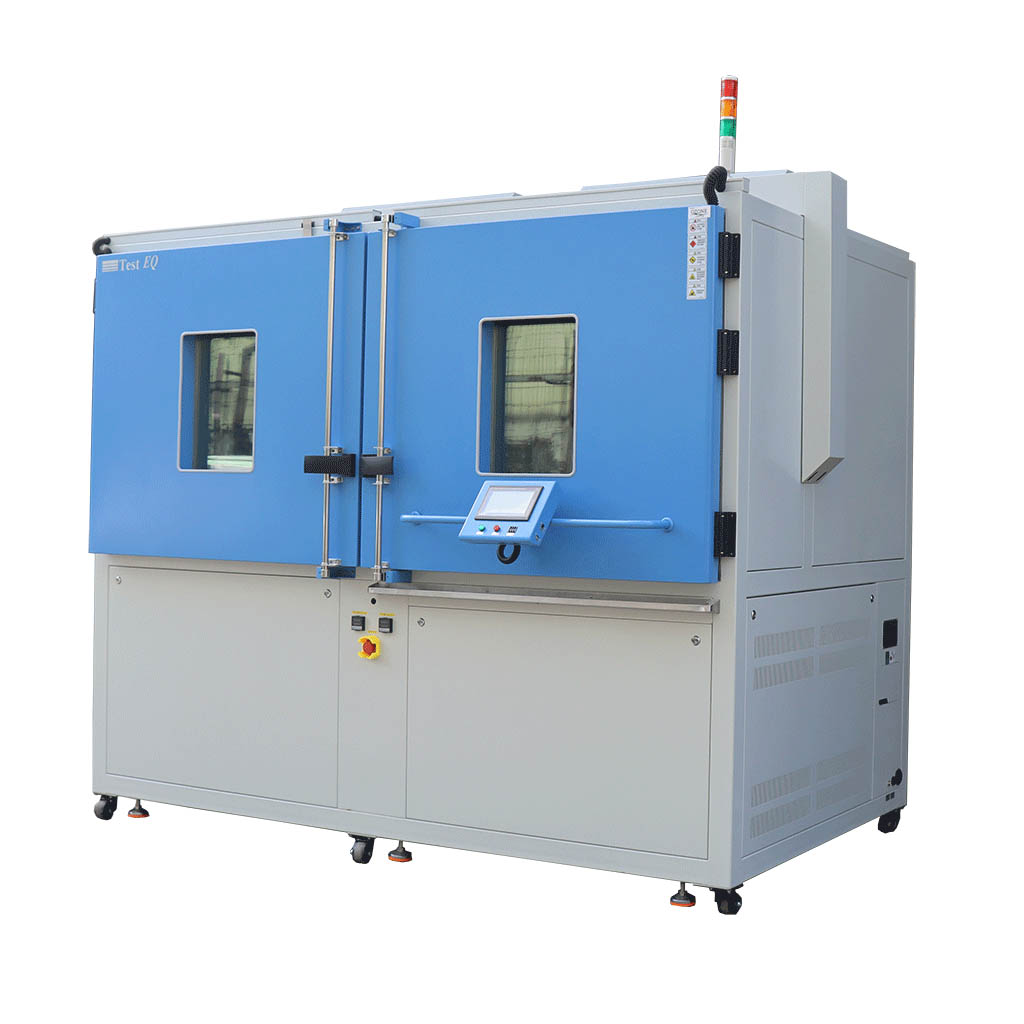
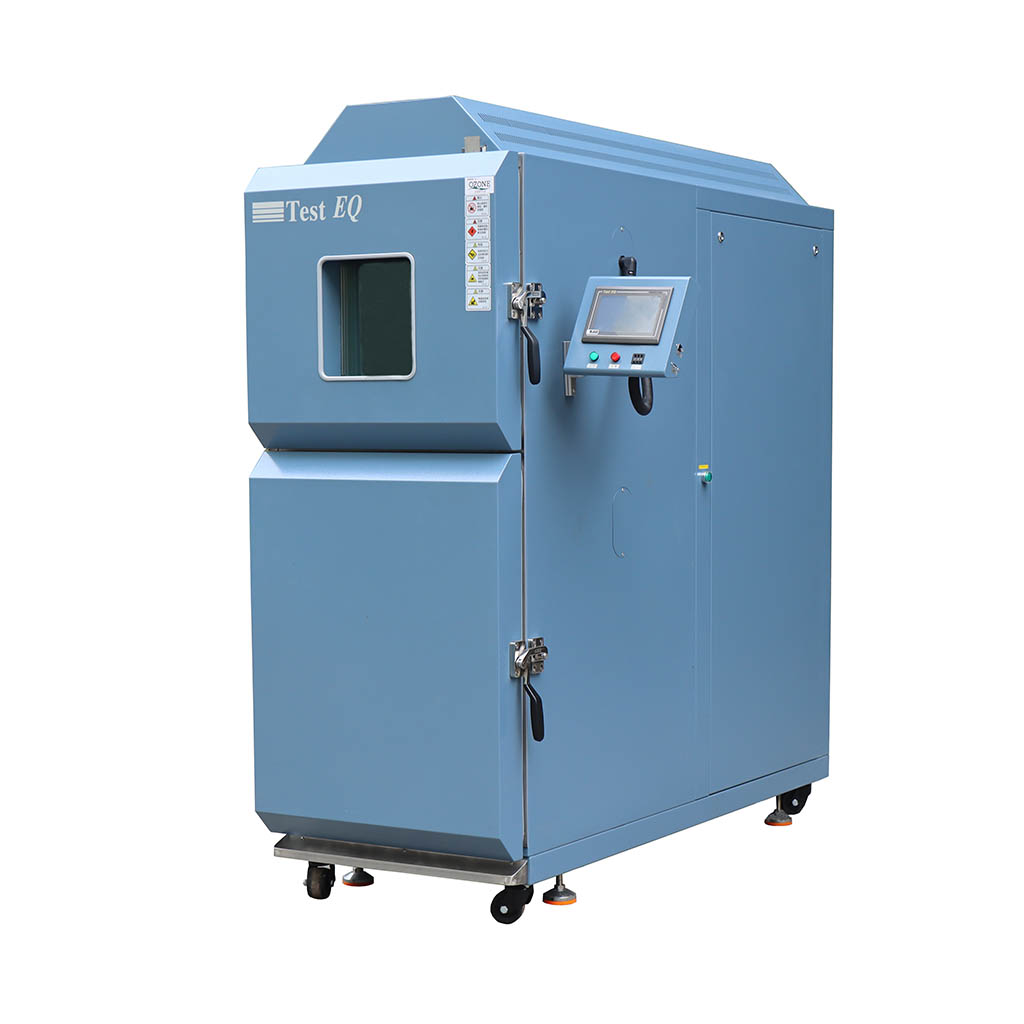
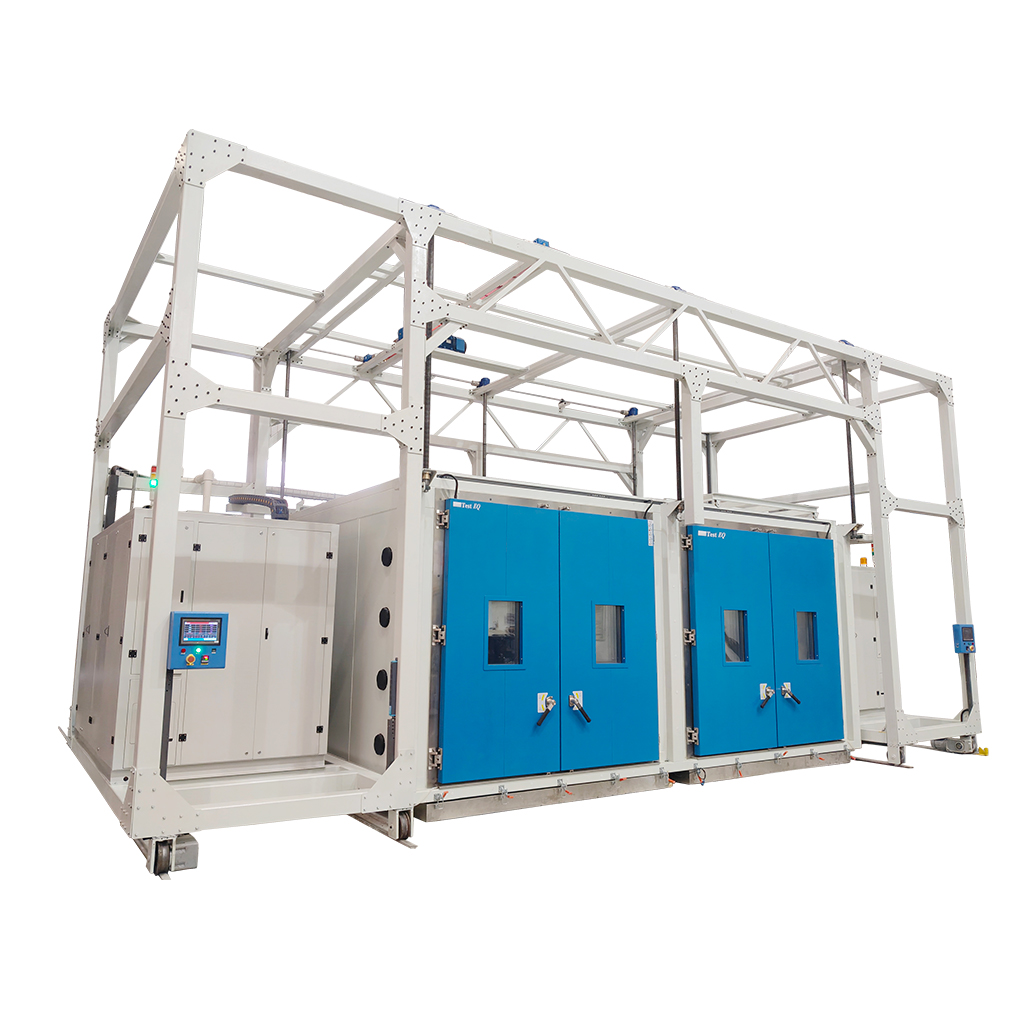
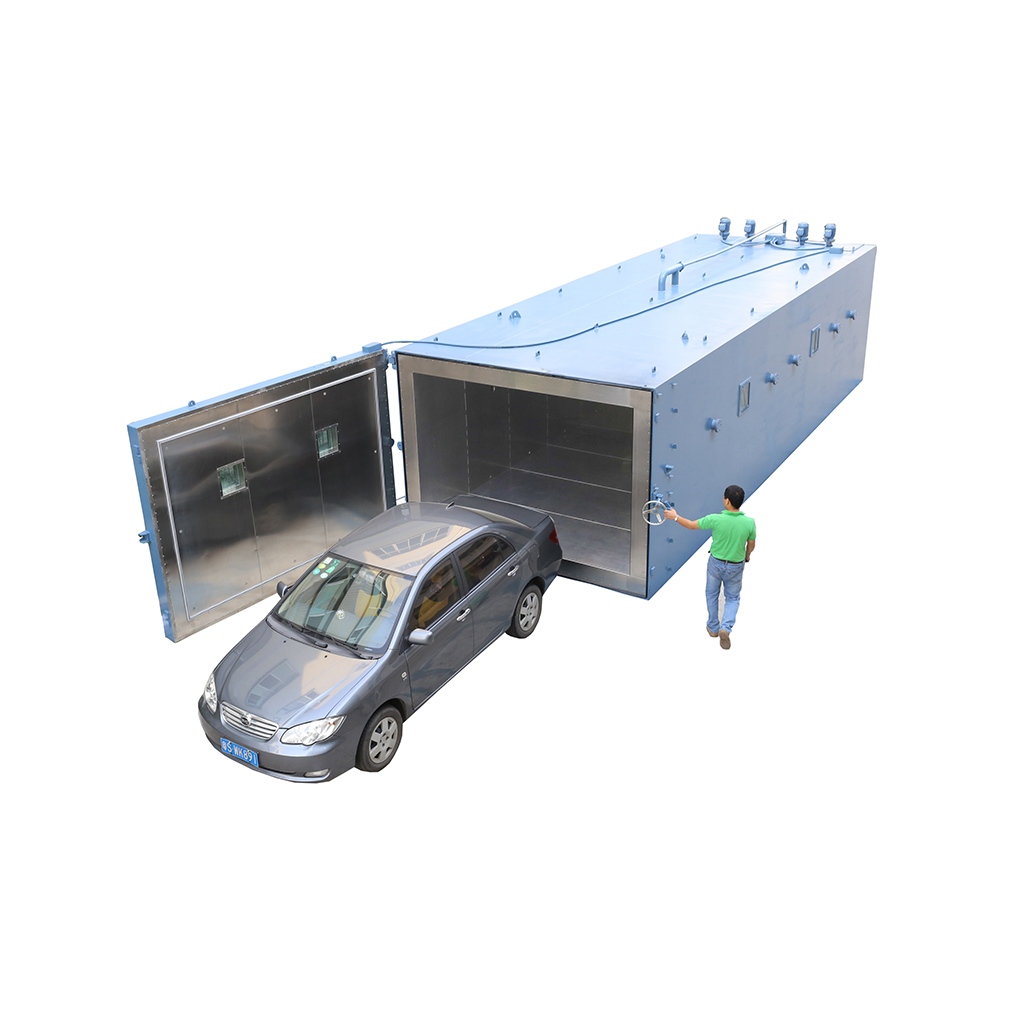
Walk-In Environmental Chamber for Large-Scale Testing
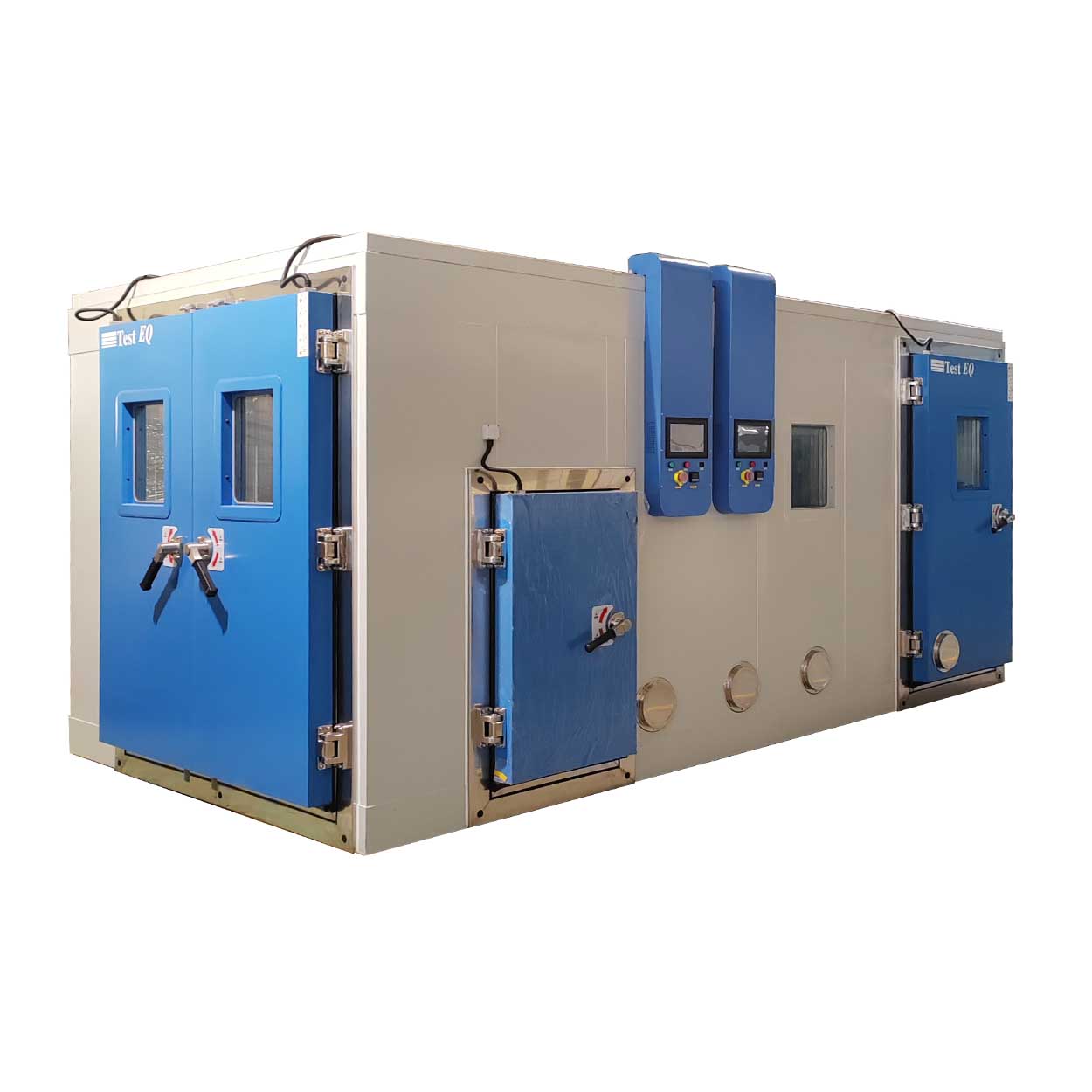
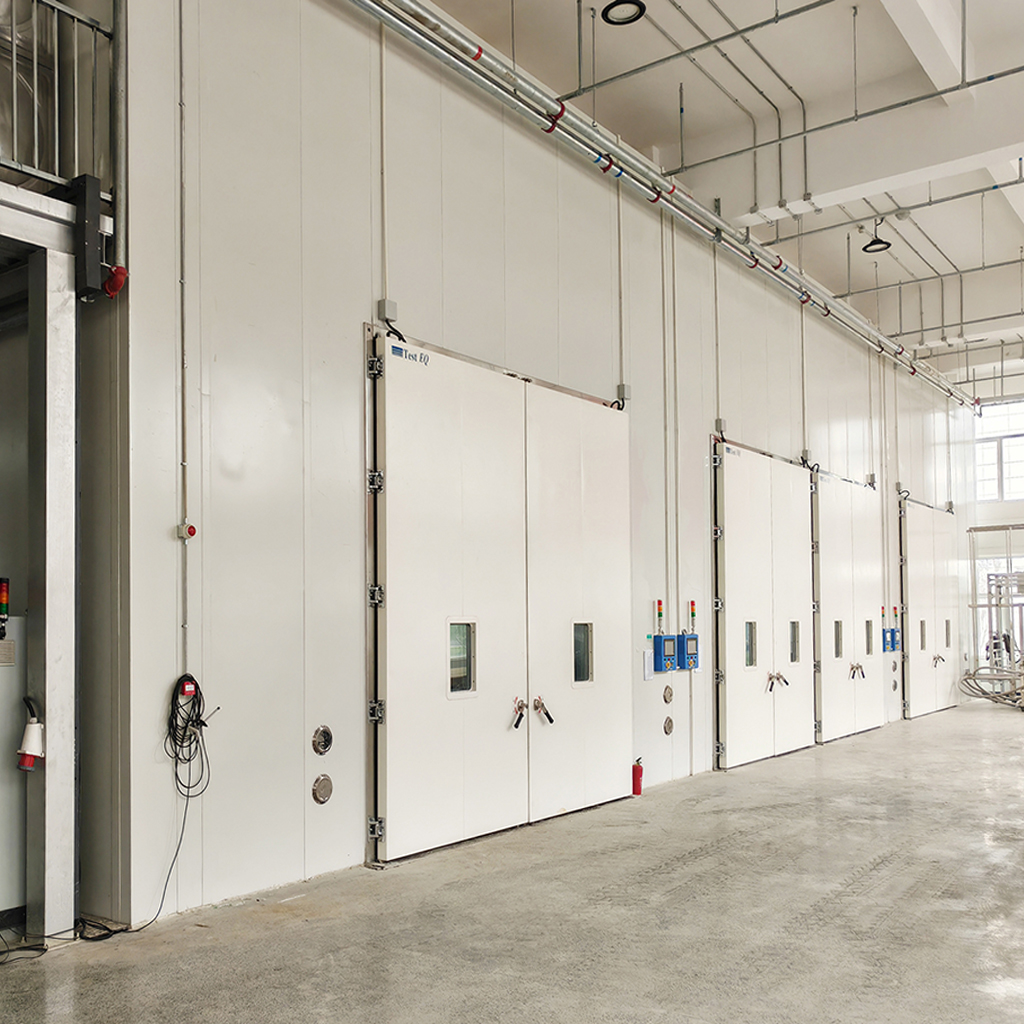
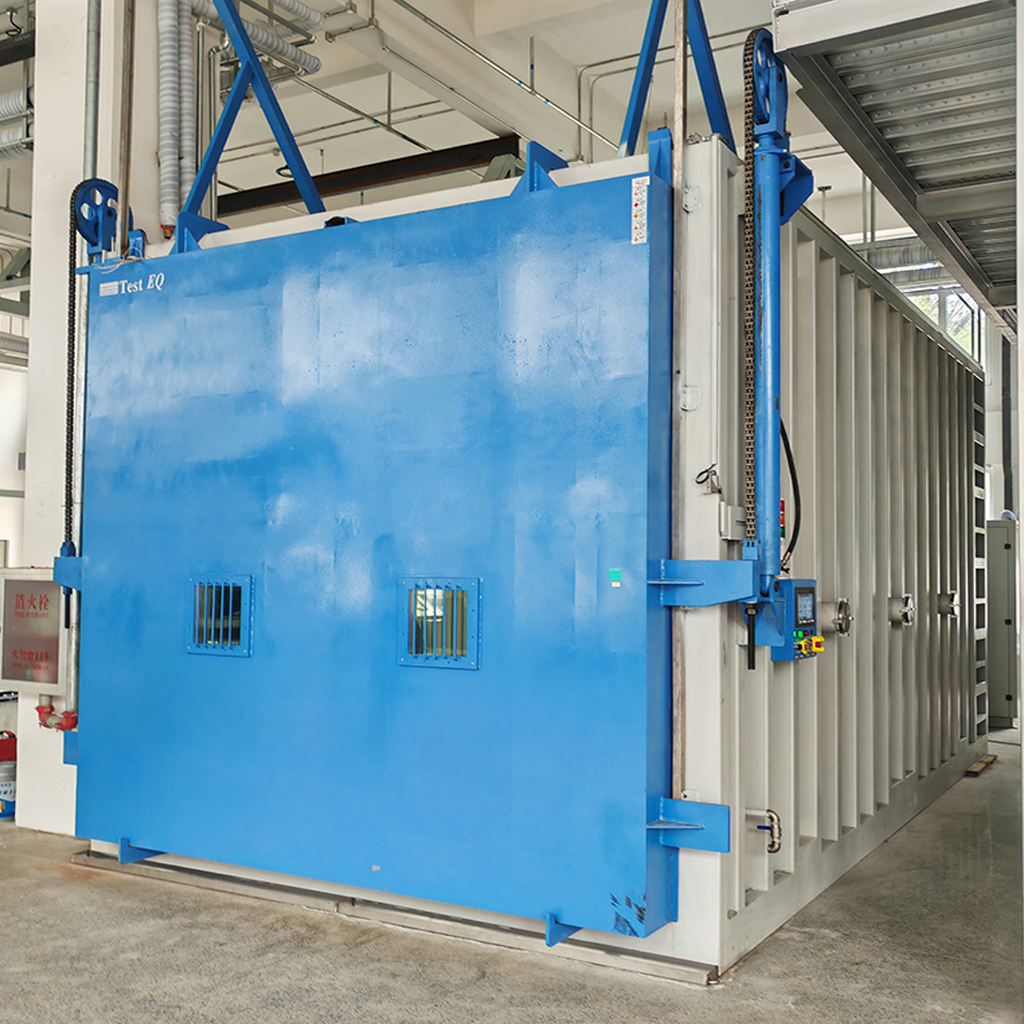
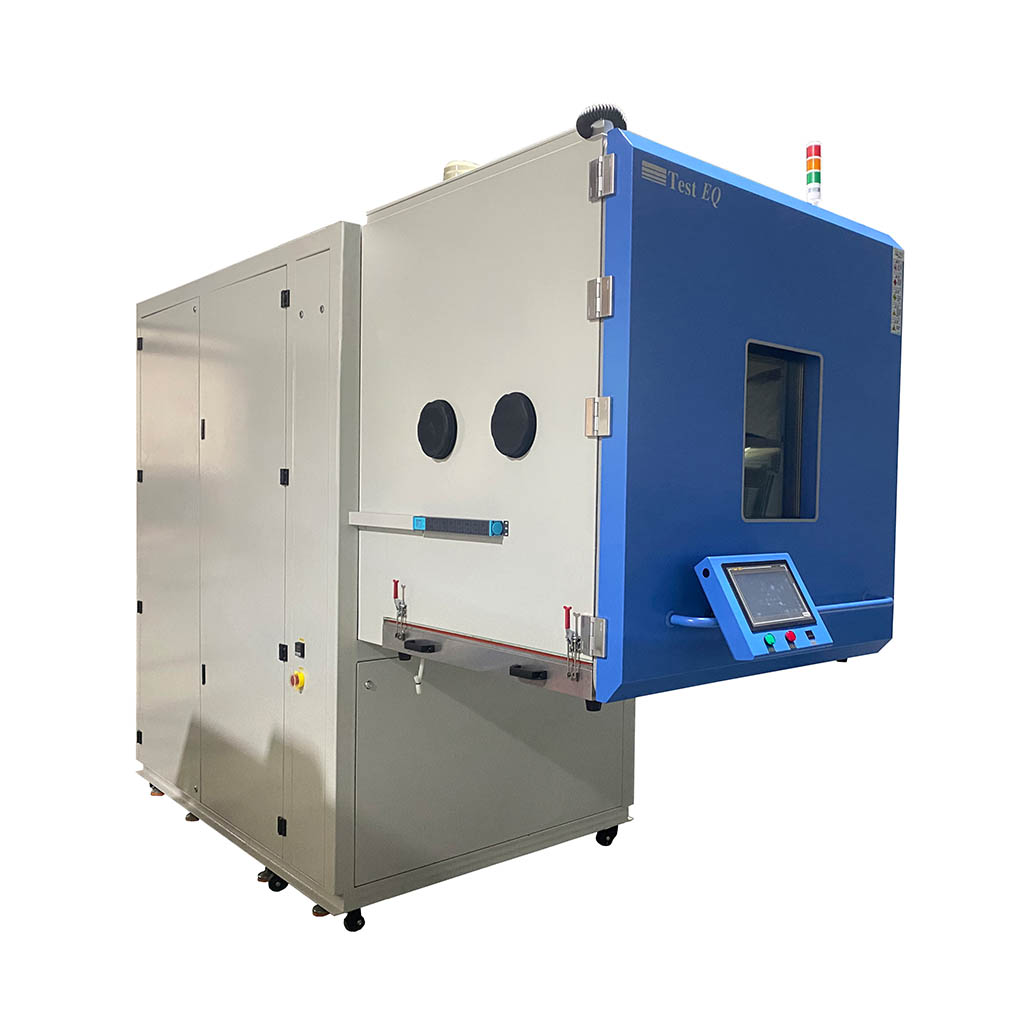
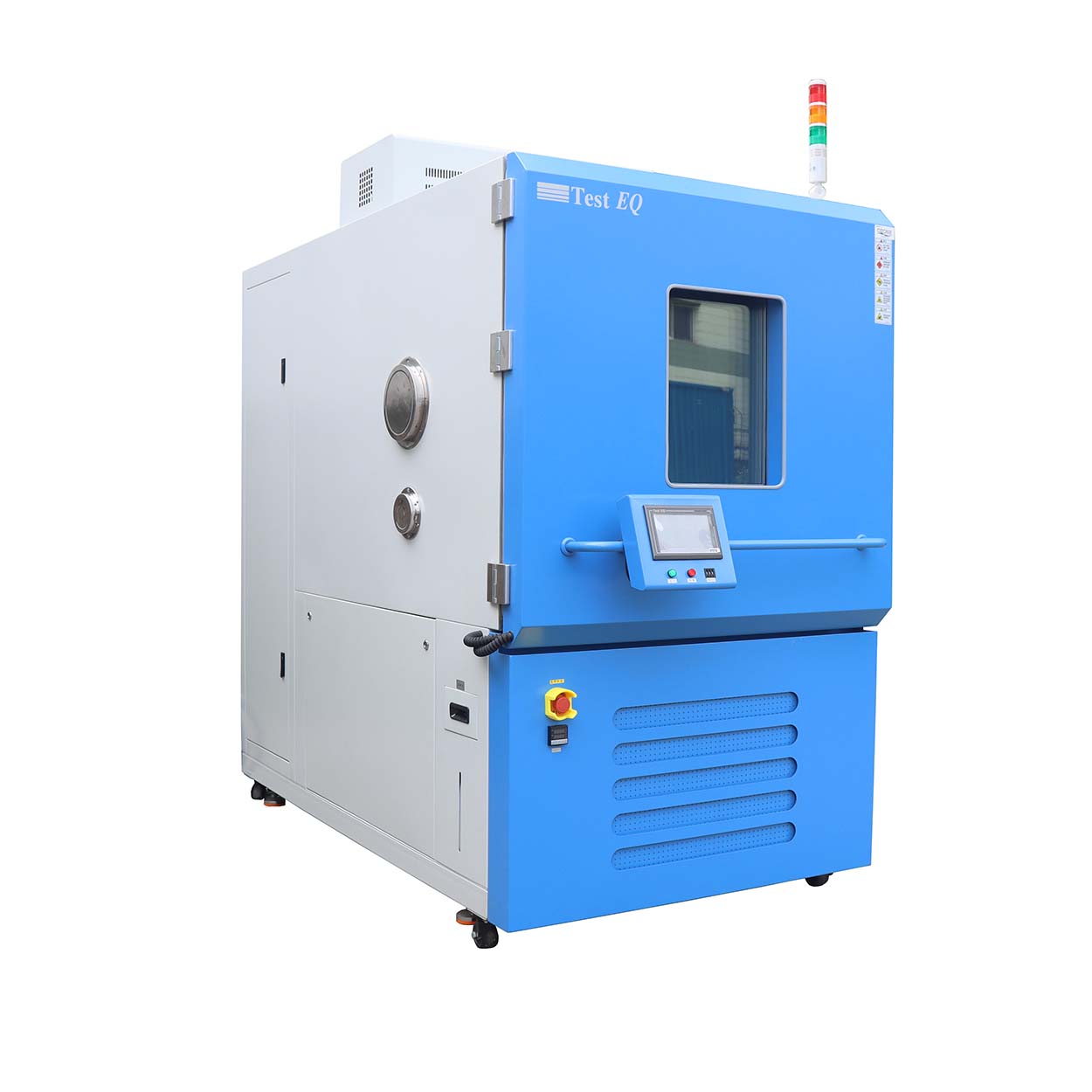
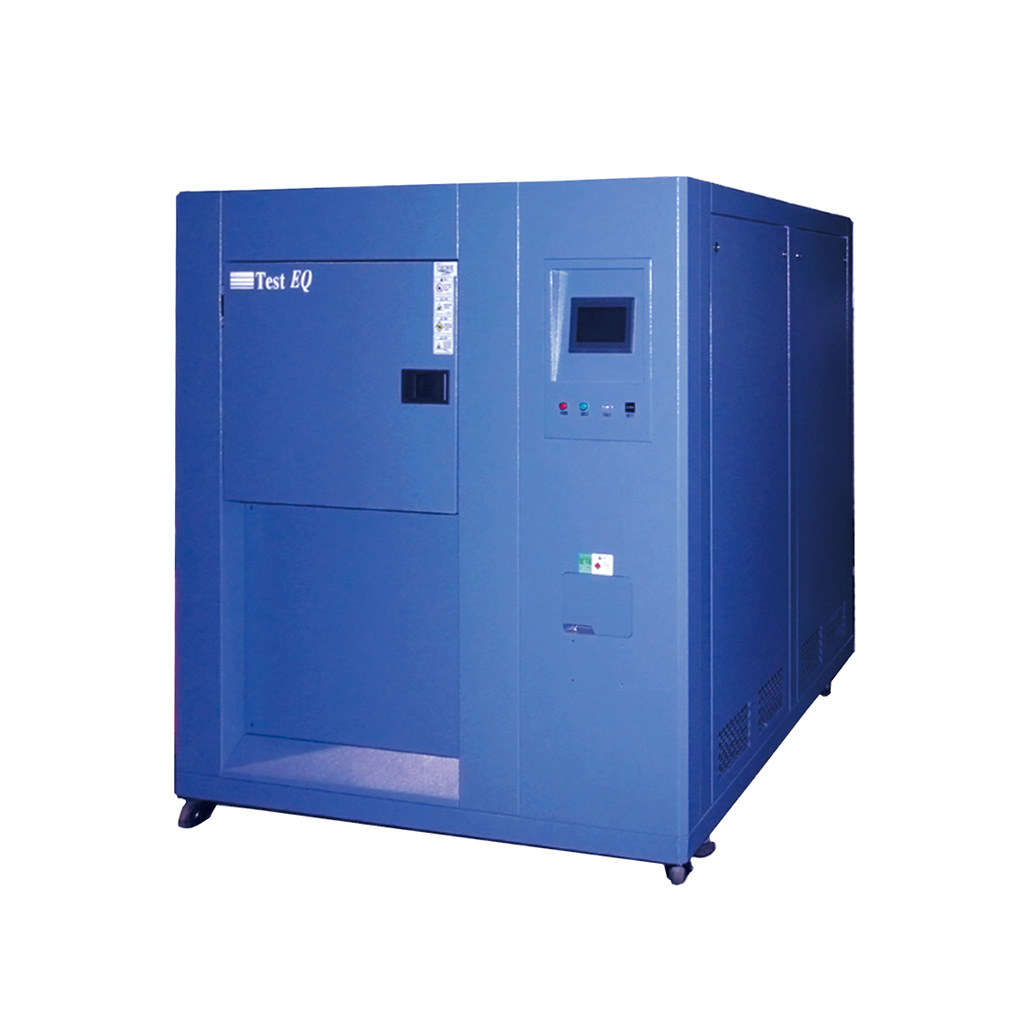
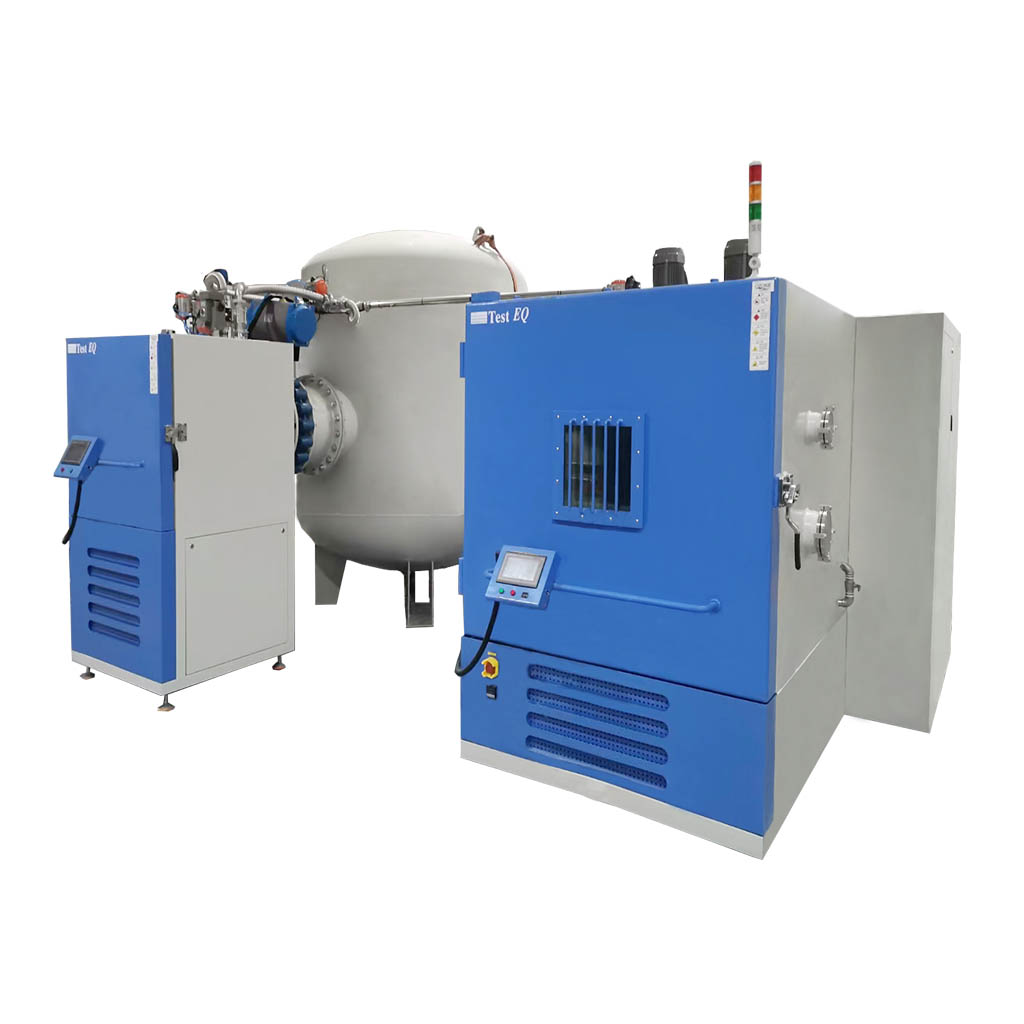
TestEQ walk-in environmental chambers are designed for large products, assemblies, EV battery systems, aerospace equipment, automotive components and other applications that cannot be accommodated by standard environmental test chambers.
With customizable chamber dimensions, temperature and humidity control, and modular construction, our walk-in environmental chambers provide controlled environmental conditions for reliability testing, qualification testing and product validation.
What Is a Walk-In Environmental Chamber?
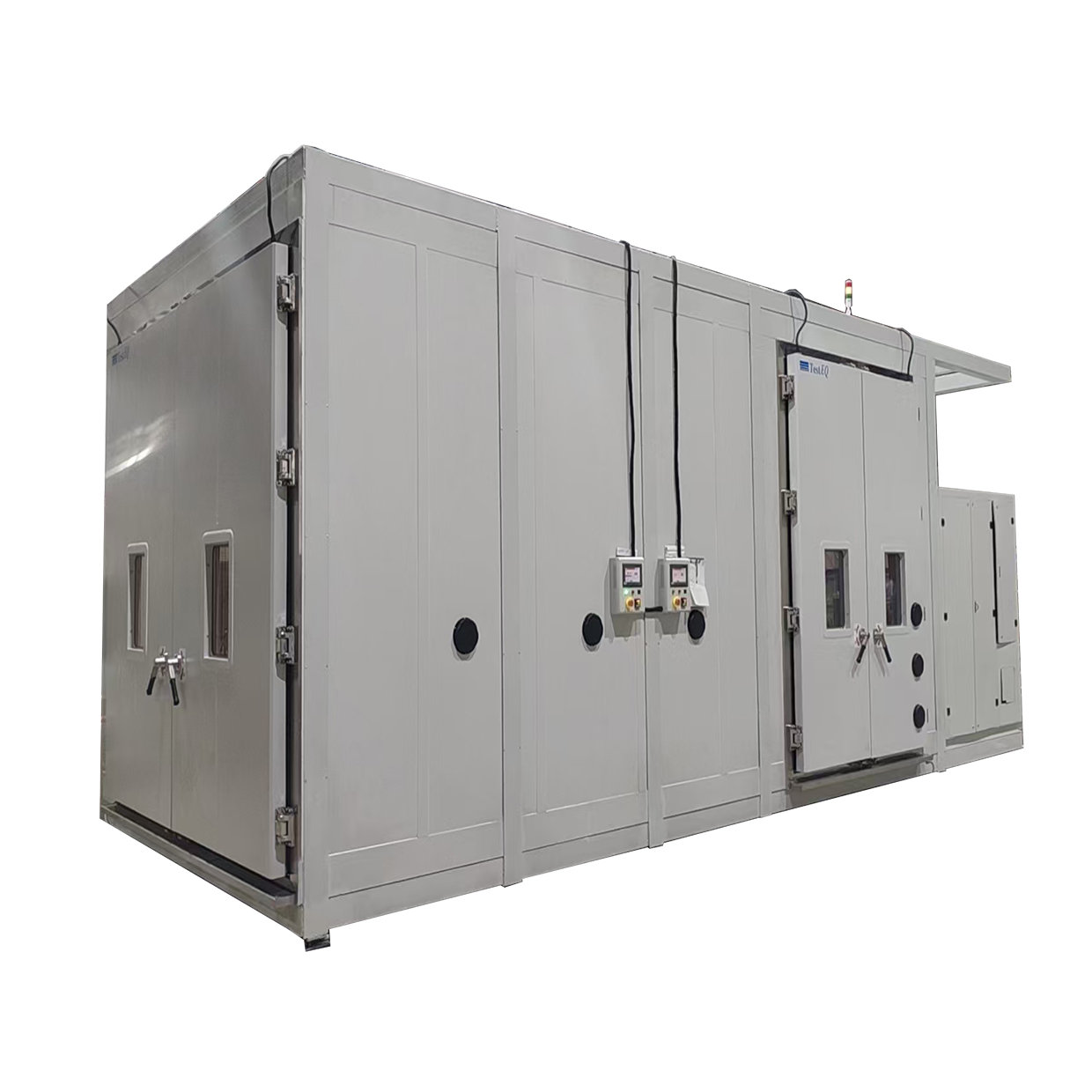
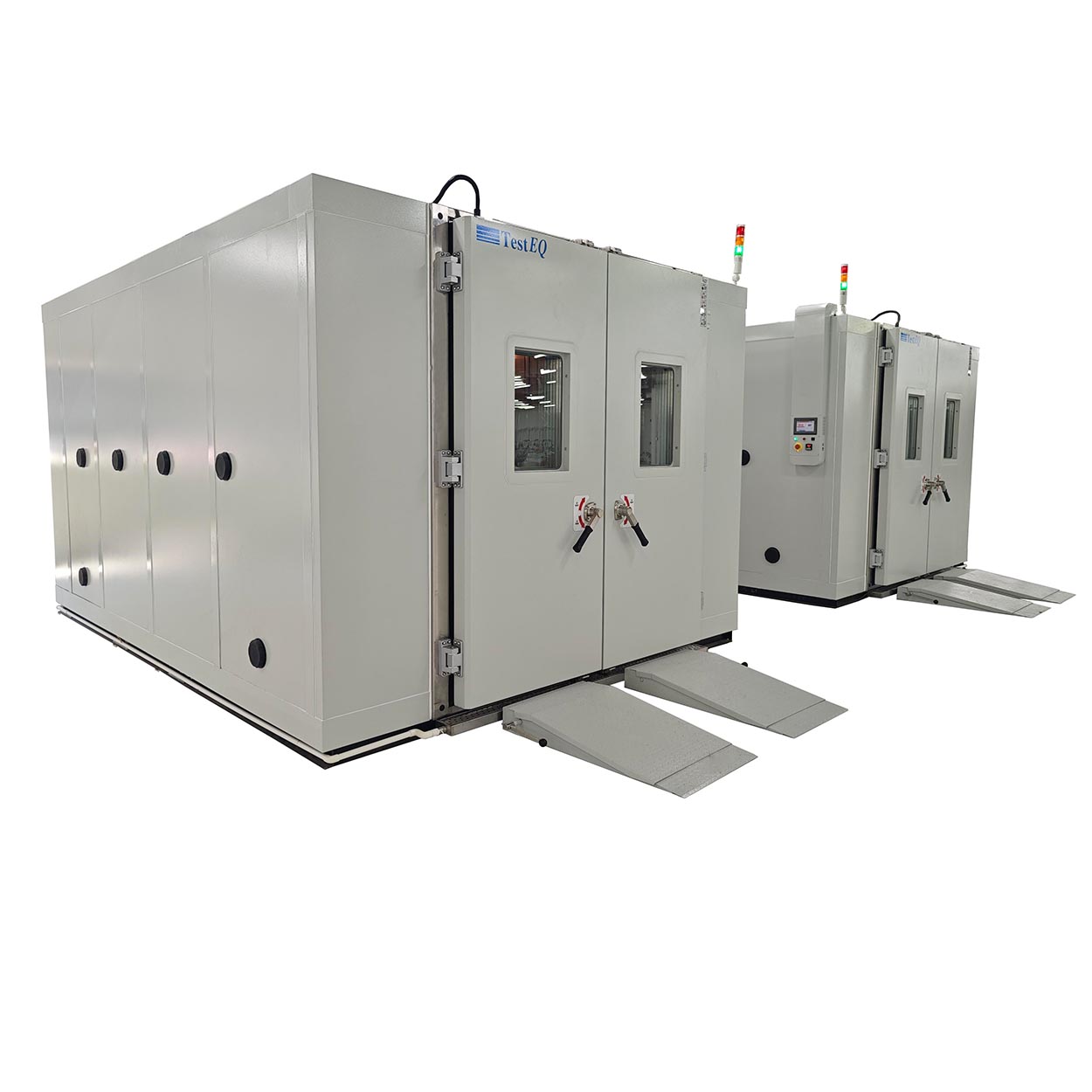
A walk-in environmental chamber is a large-scale environmental testing system that allows engineers to enter the test space and evaluate full-size products, assemblies or multiple products under controlled environmental conditions.
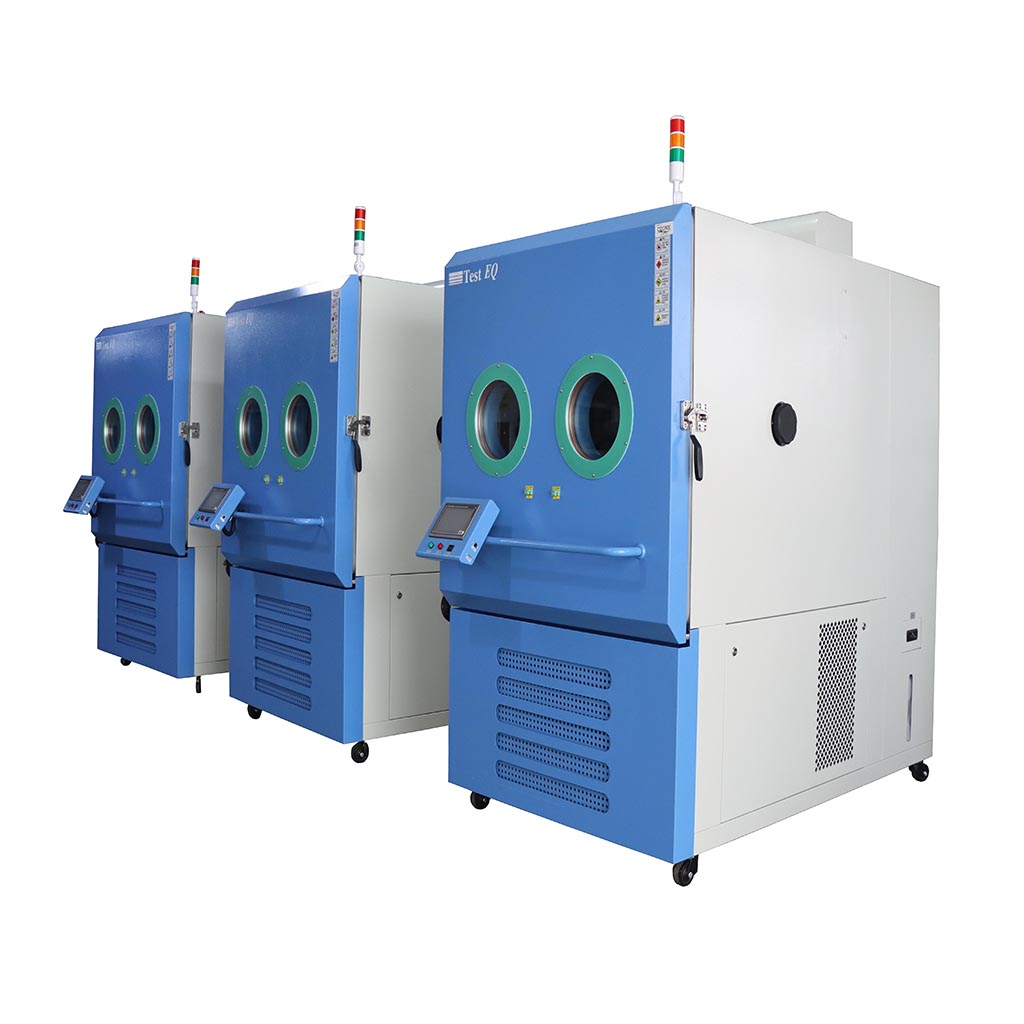
Unlike standard reach-in chambers, walk-in systems provide significantly larger test volumes and can be engineered around the dimensions and operating requirements of the test object.
What Can Be Tested in a Walk-In Environmental Chamber?
Walk-in chambers are suitable for applications where the test object is too large or too numerous for a conventional chamber.
Typical applications include:
How Walk-In Environmental Chambers Work
A walk-in chamber integrates:
Refrigeration system (low-temperature control)
Heating system (high-temperature simulation)
Humidity generation system
Air circulation system (uniform distribution)
PLC / AI control system
Key principle:
Environmental conditions are uniformly distributed in a controlled sealed chamber to simulate real-world climate stress.
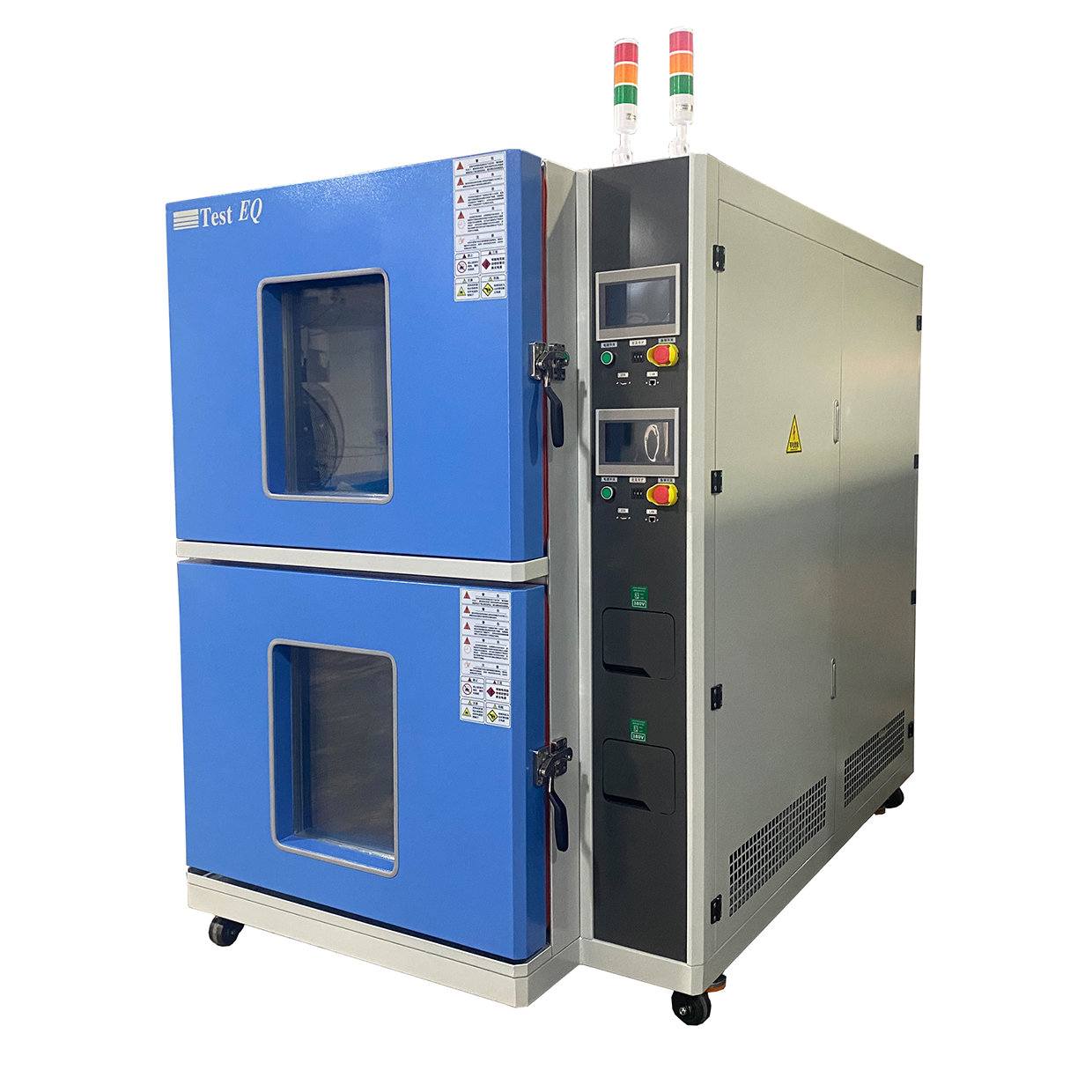
Walk-In vs Standard Environmental Chamber:
| Feature | Walk-In Environmental Chamber | Standard Environmental Chamber |
|---|
| Test Volume | Several m³ and above | Hundreds to thousands of liters |
| Test Samples | Large products and assemblies | Components and smaller products |
| Operator Access | Walk-in access | Front access |
| Chamber Dimensions | Customized | Standard models |
| Typical Applications | EV battery packs, vehicles, aerospace systems | Electronics, components, materials |
| Expansion & Customization | Highly customizable | More standardized |
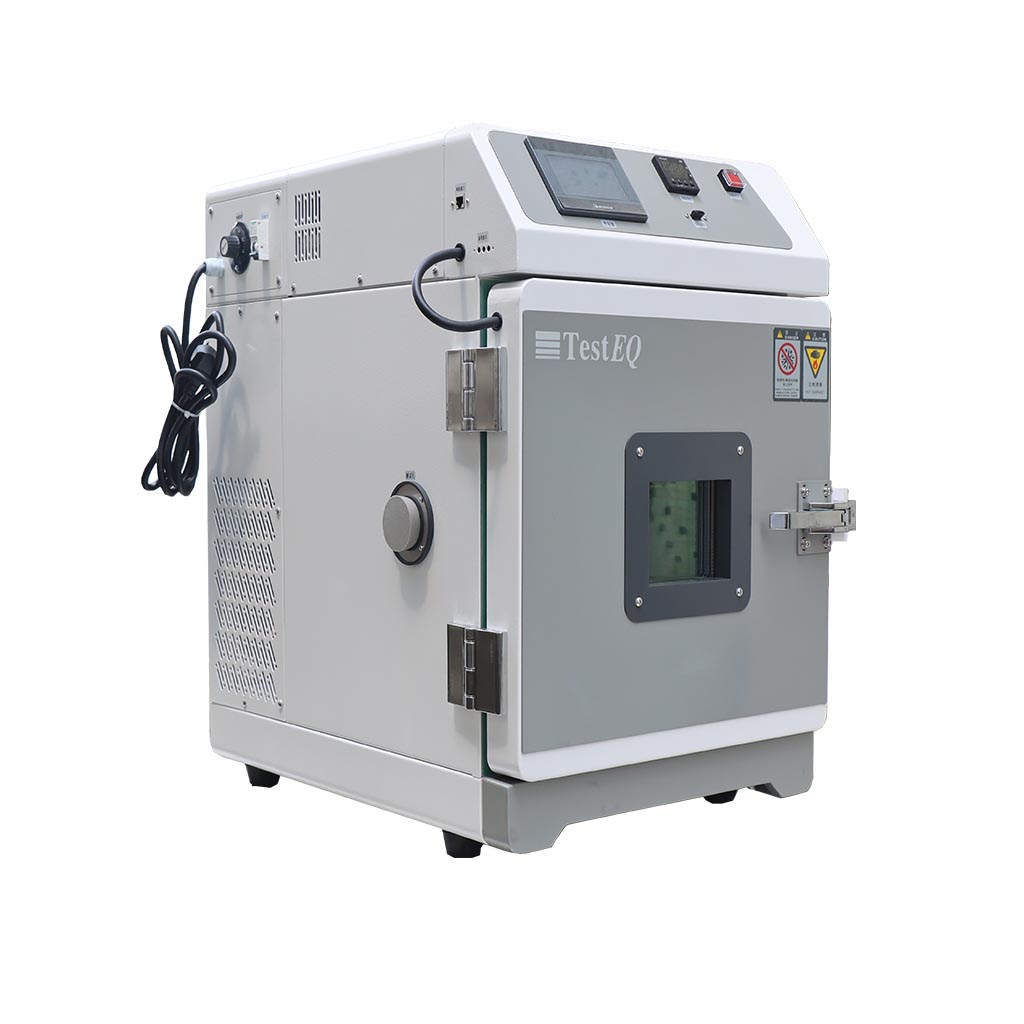
Walk-In vs Benchtop Environmental Chamber
A walk-in environmental chamber and a benchtop environmental chamber serve very different testing requirements.
A walk-in chamber is designed for large products, large assemblies and batch testing.
A benchtop chamber is designed for small components and laboratory-scale testing.
[Internal Link: Benchtop Environmental Chamber]
The correct configuration depends primarily on DUT size, quantity, required environmental conditions and laboratory space.
Walk-In Environmental Chamber Design
TestEQ walk-in systems can include:
Modular insulated panels
Airtight testing doors
Safety locks
Observation windows
Interior lighting
Temperature control system
Humidity generation system
Air circulation system
Programmable PLC control
Data acquisition and monitoring
Additional configurations may include:
How to Choose a Walk-In Environmental Chamber
Before purchasing a walk-in chamber, define:
Product dimensions
Required chamber volume
Maximum product weight
Required temperature range
Required humidity range
Temperature transition rate
Test duration
Required airflow and uniformity
Applicable test standard
Site installation requirements
These parameters determine the refrigeration capacity, heating capacity, airflow design, insulation structure and chamber dimensions.
Industry Standards Compliance
Depending on the application and chamber configuration, walk-in environmental chambers may be designed for testing based on:
IEC 60068 Environmental Testing Standards
MIL-STD-810 Environmental Engineering Tests
MIL-STD-810H Military & aerospace
ASTM D4332 Conditioning of Containers
ISO 16750 Road Vehicle Environmental Testing
JESD22 Semiconductor reliability
The chamber should always be configured according to the exact test method rather than the standard name alone.
Why TestEQ Walk-In Environmental Chambers
TestEQ provides customized environmental testing systems for large-scale reliability testing.
Our engineering team supports:
• Custom chamber dimensions
• Temperature and humidity configuration
• Large-volume airflow design
• Special door and access solutions
• Battery testing configurations
• Data monitoring systems
• Factory performance verification
• OEM/ODM engineering projects
Optional Configurations:
Rapid temperature change (custom ramp rate)
Integrated humidity control system
LN₂ cooling system (ultra-low temperature)
Multi-zone independent control
Remote monitoring & IoT system
Explosion-proof design (battery testing)
FAQ:
1.What is a walk-in environmental chamber?
A walk-inenvironmental chamber is a large testing room that allows engineers to enter and test full-size products under controlled temperature and humidity conditions.
2.What industries use walk-in chambers?
Industries include automotive, aerospace, battery, electronics, and energy systems.
3.Can the chamber be customized?
Yes, chamber size, temperature range, humidity, and configurations can be fully customized.
4.What is the difference between walk-in and reach-in chambers?
Walk-in chambers are large enough for personnel entry, while reach-in chambers are compact and designed for smaller samples.
5.What temperature range is available?
Typically from -70°C to +150°C, with customization options available.
6. What testing standards are commonly used with walk-in environmental chambers?
Walk-in environmental chambers are commonly used for environmental reliability testing based on international standards such as IEC 60068, MIL-STD-810H, ISO 16750, and JESD22. The chamber configuration can be designed according to specific test requirements, including temperature cycling, humidity exposure, and long-duration reliability validation.
7. How do engineers select the right walk-in environmental chamber size?
Engineers should consider the product dimensions, test quantity, required airflow conditions, temperature uniformity, and future expansion needs when selecting a walk-in environmental chamber. Custom chamber designs can support large components, battery packs, vehicles, and complete systems.
8. Can walk-in environmental chambers be integrated with other testing systems?
Yes. Walk-in environmental chambers can be integrated with additional systems such as vibration testing, altitude simulation, battery safety monitoring, data acquisition systems, and customized test fixtures to create complete environmental reliability testing solutions.
Internal Linking Module
Recommended Equipment
Used for rapid temperature shock testing, suitable for reliability verification of electronic, automotive, and aerospace components.
Used for Environmental Stress Screening (ESS), it accelerates the exposure of product defects and improves product reliability upon delivery.
Related Standards (Testing Standards)
Internationally recognized environmental testing standards covering various reliability testing methods, including temperature, humidity, and vibration.
Military environmental adaptability testing standards are widely used in the verification of aerospace and military equipment.
Resources (Technical Resources)
Detailed analysis of the principles, applications, and common failure modes of temperature cycling testing.
Help engineers quickly select the appropriate type of environmental test chamber (walk-in/standard/customized).