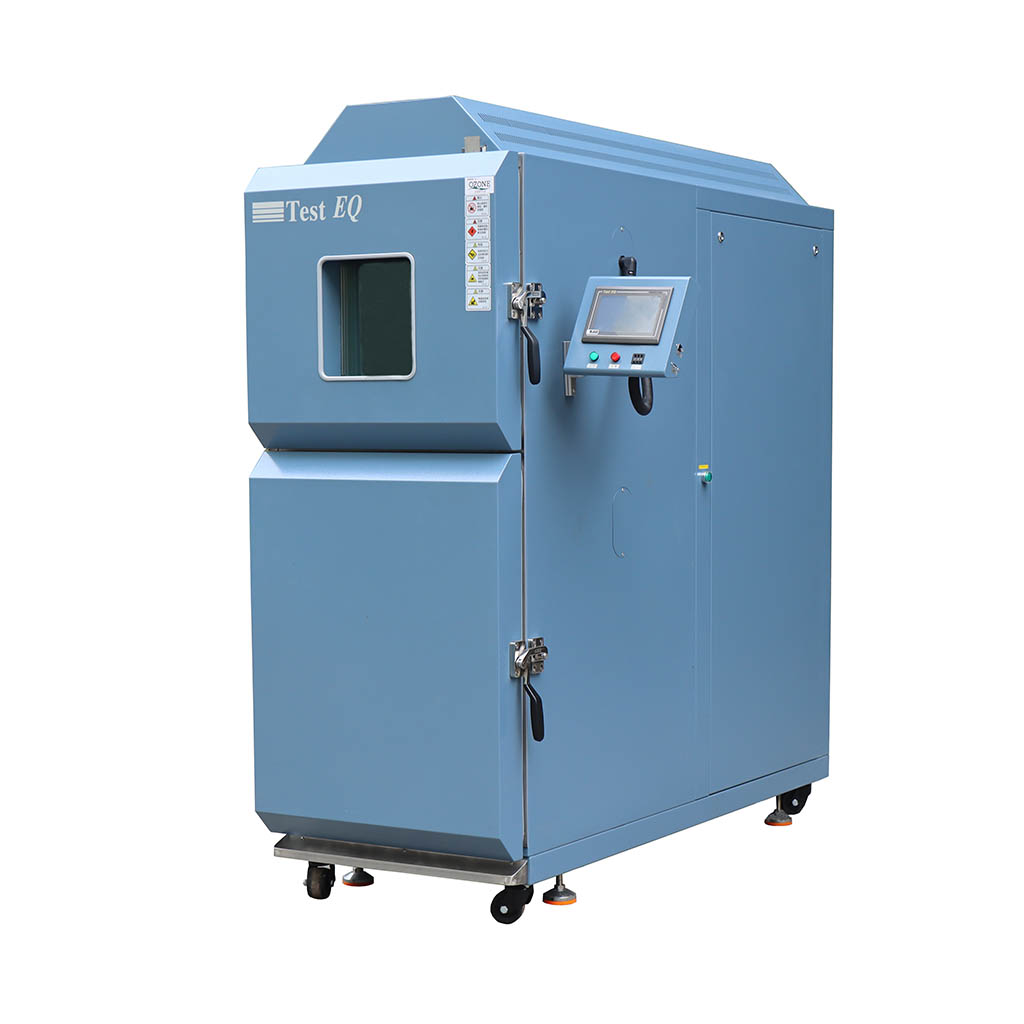
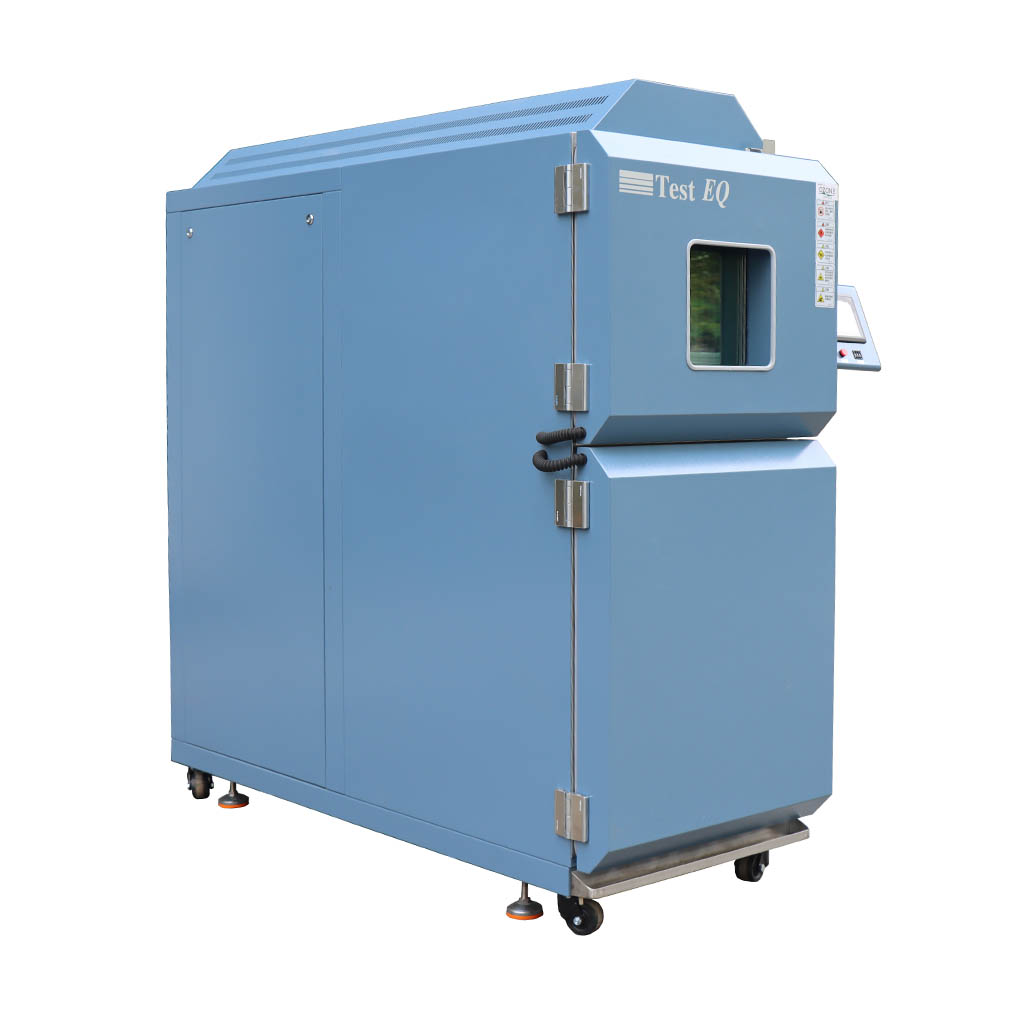
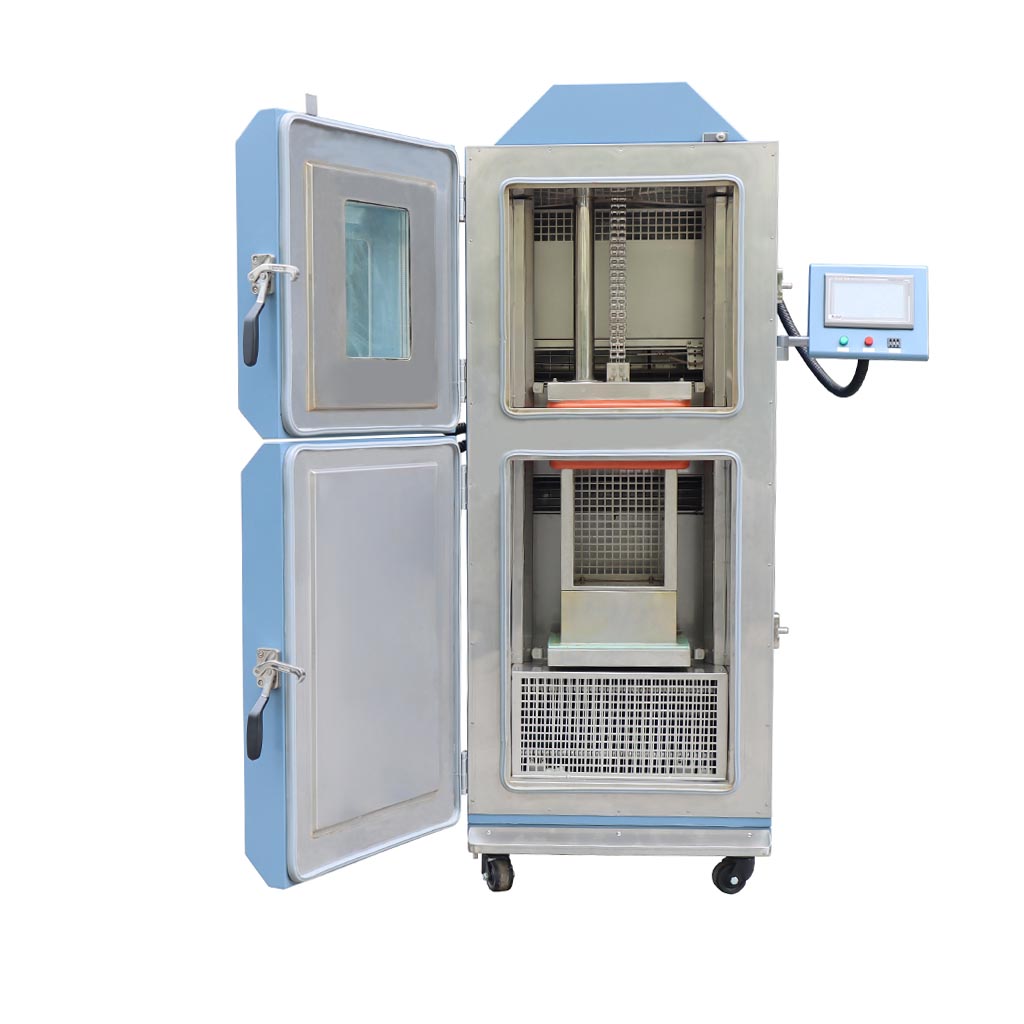
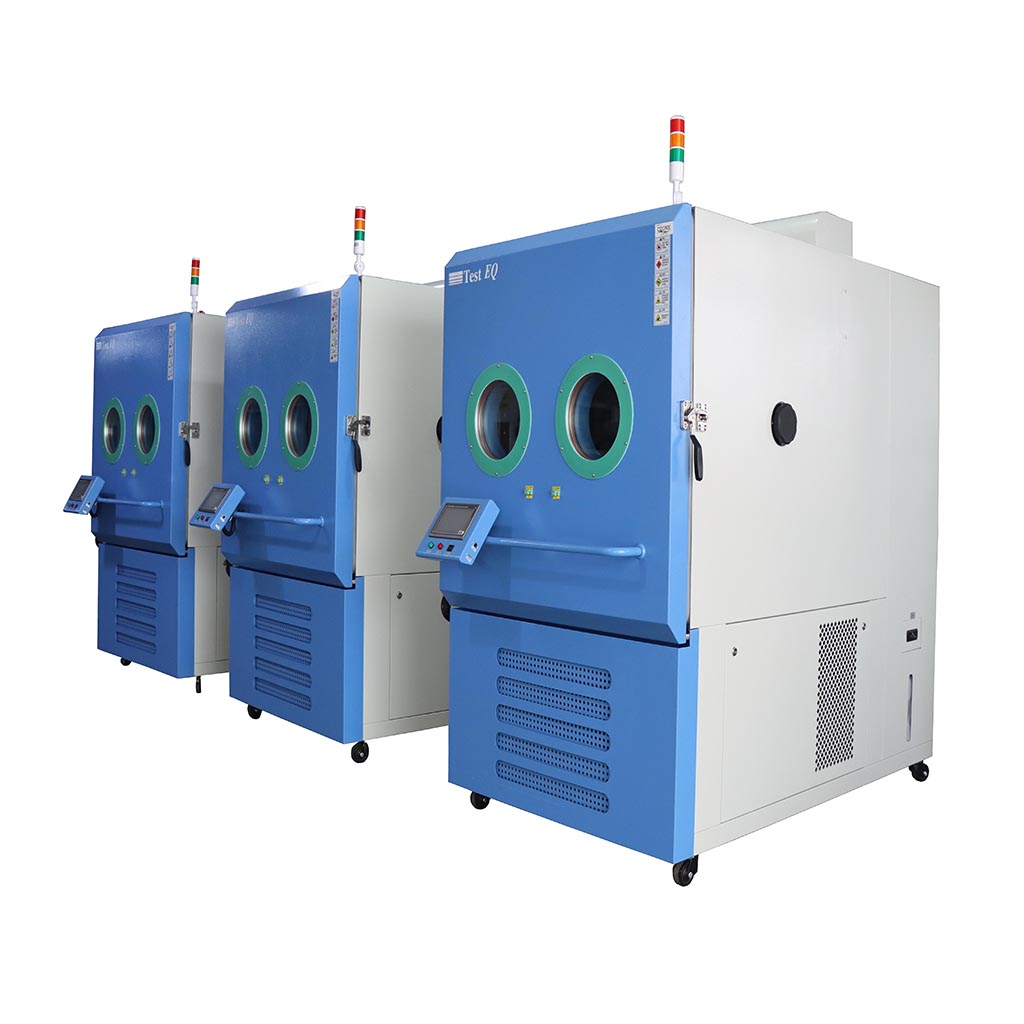
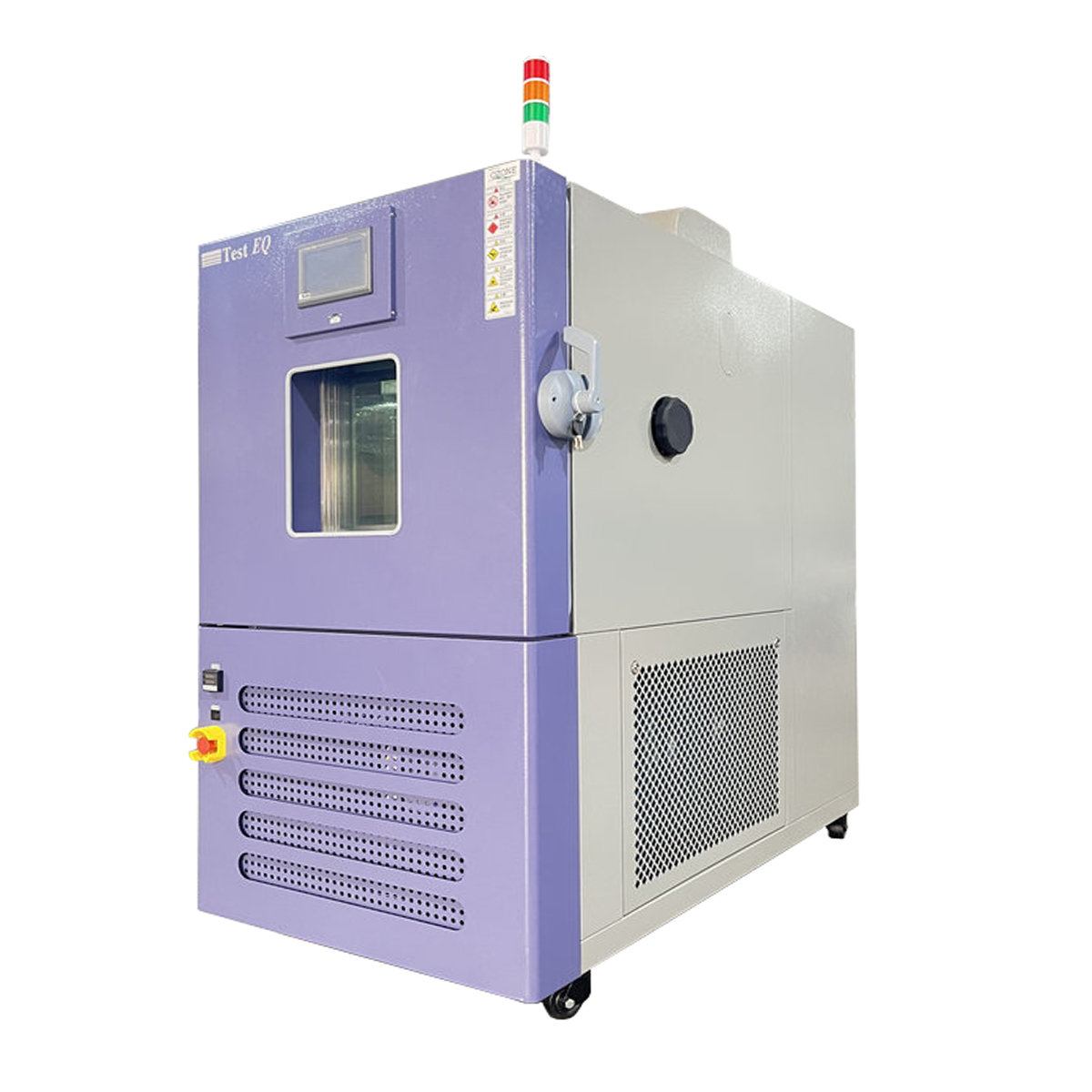
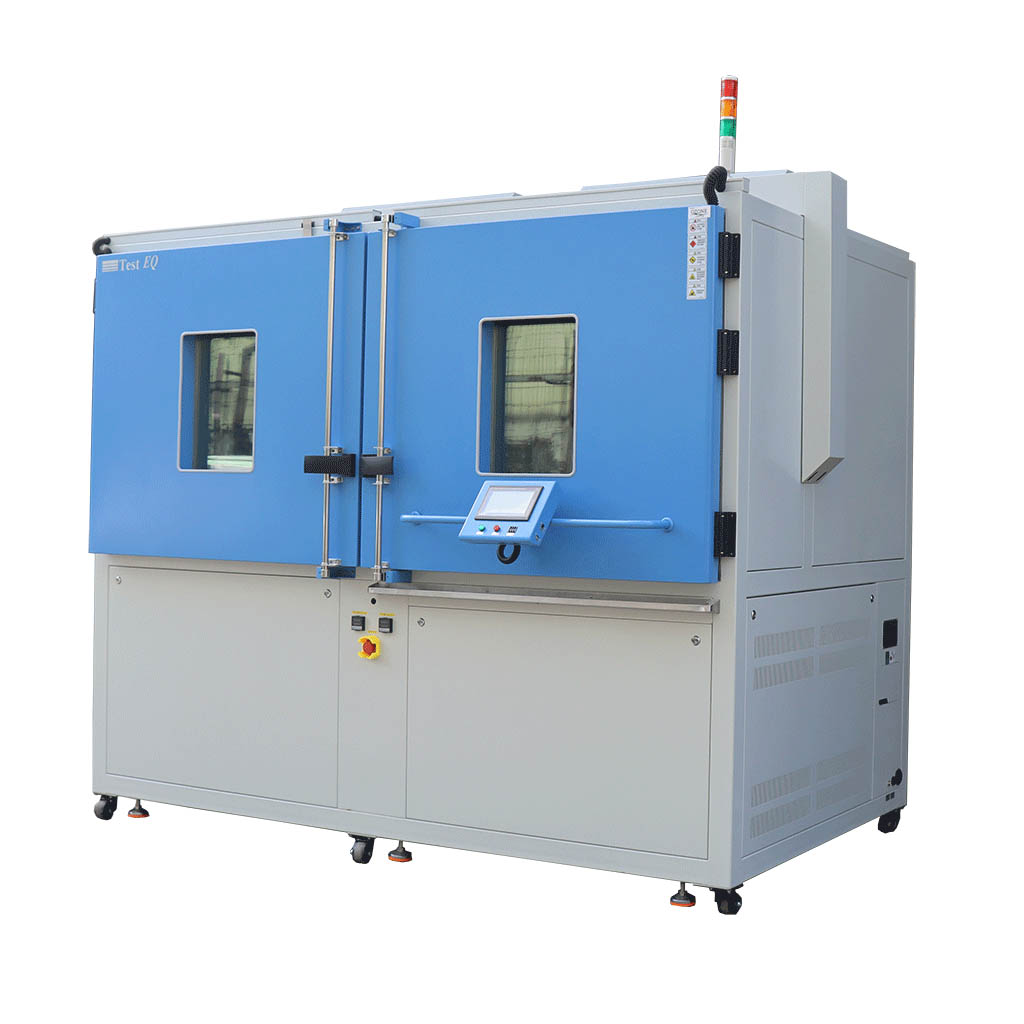
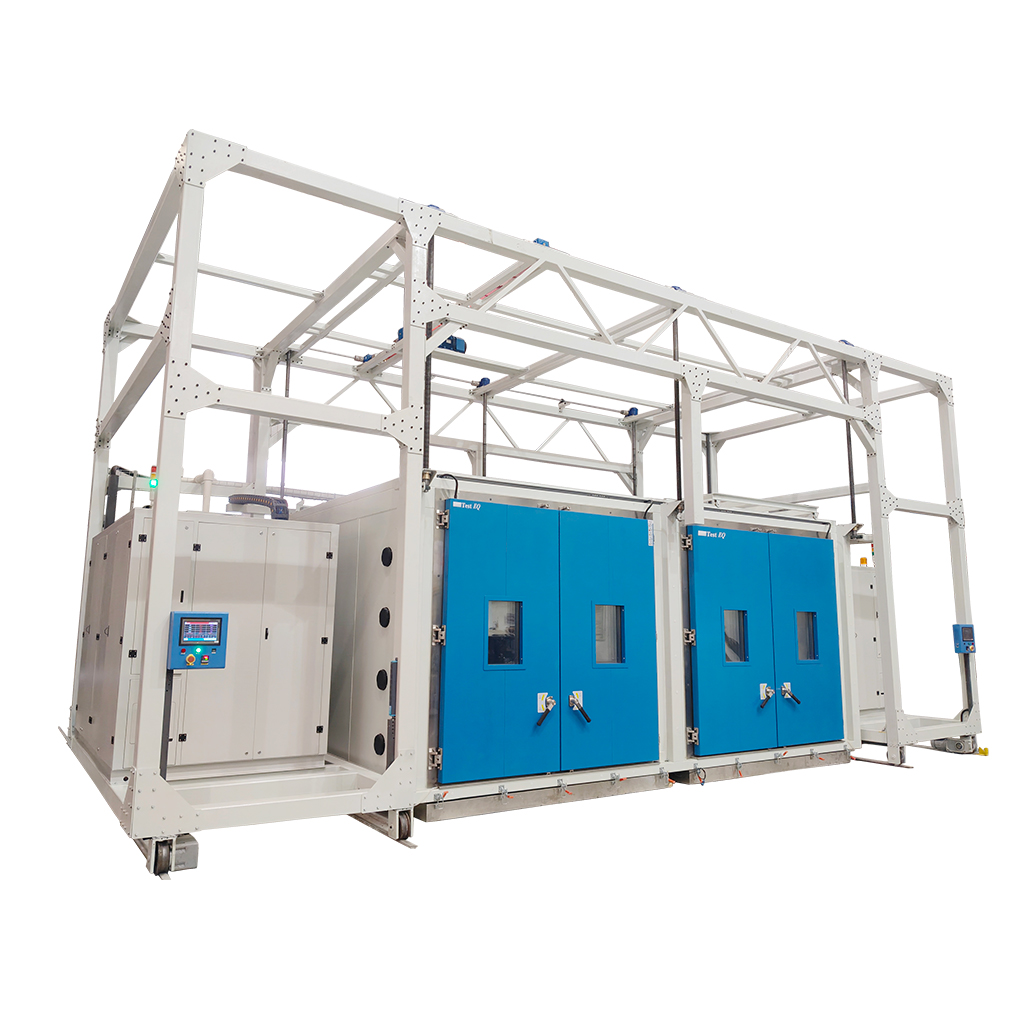
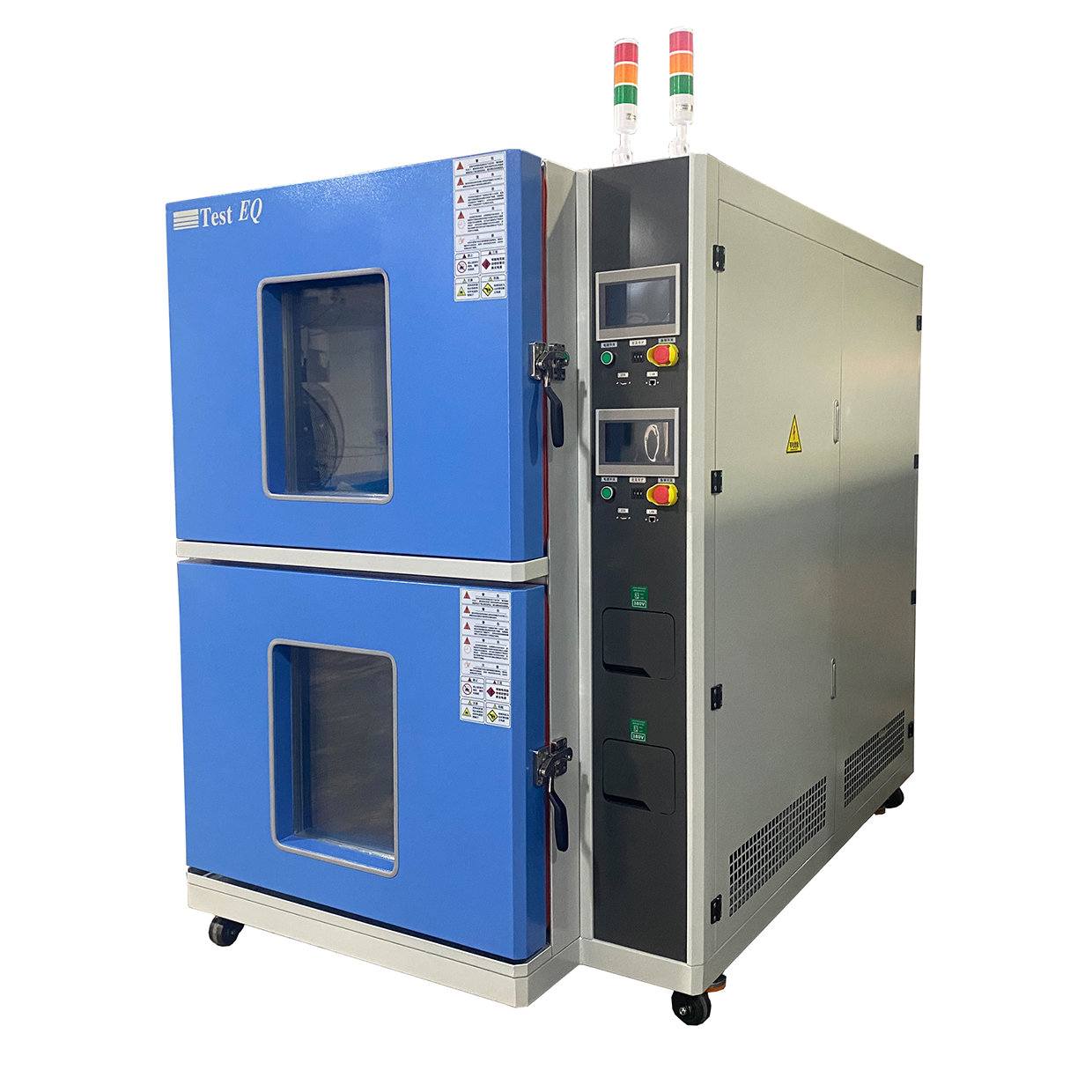
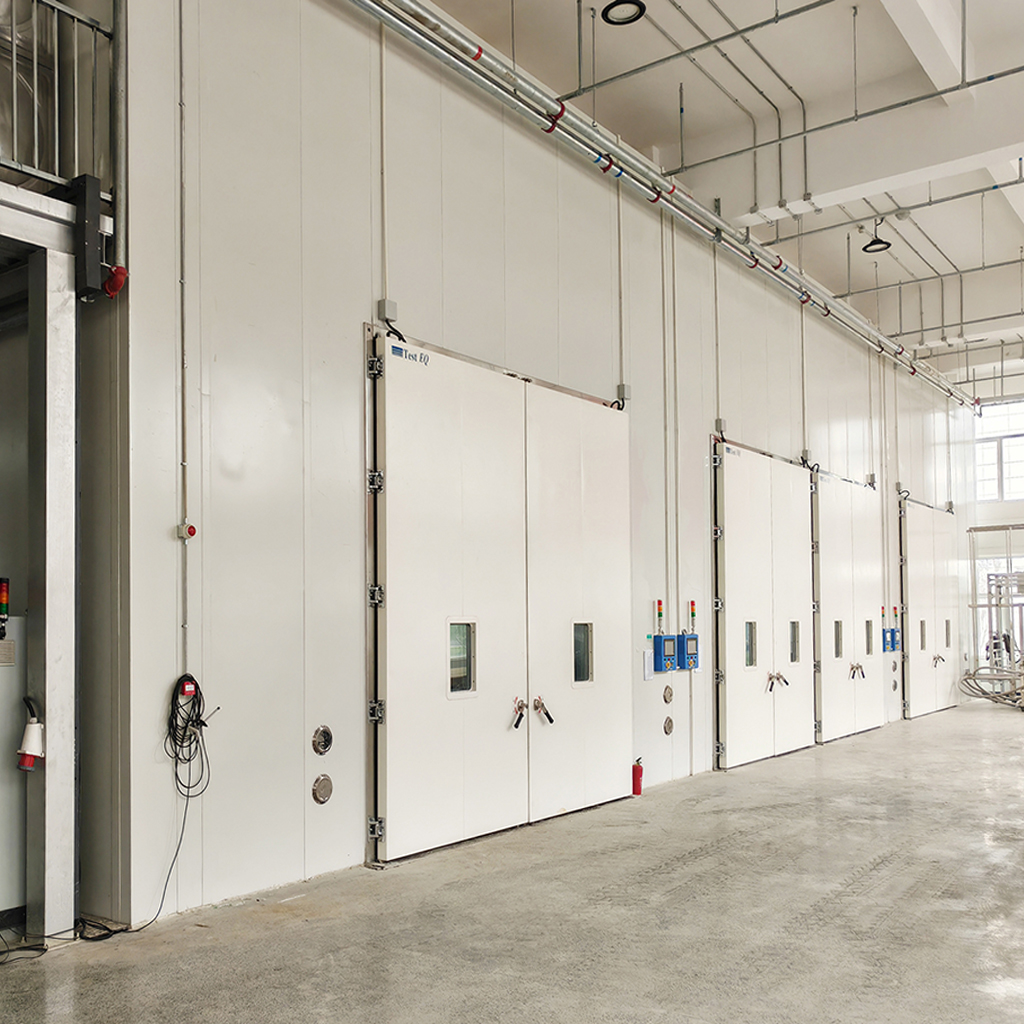
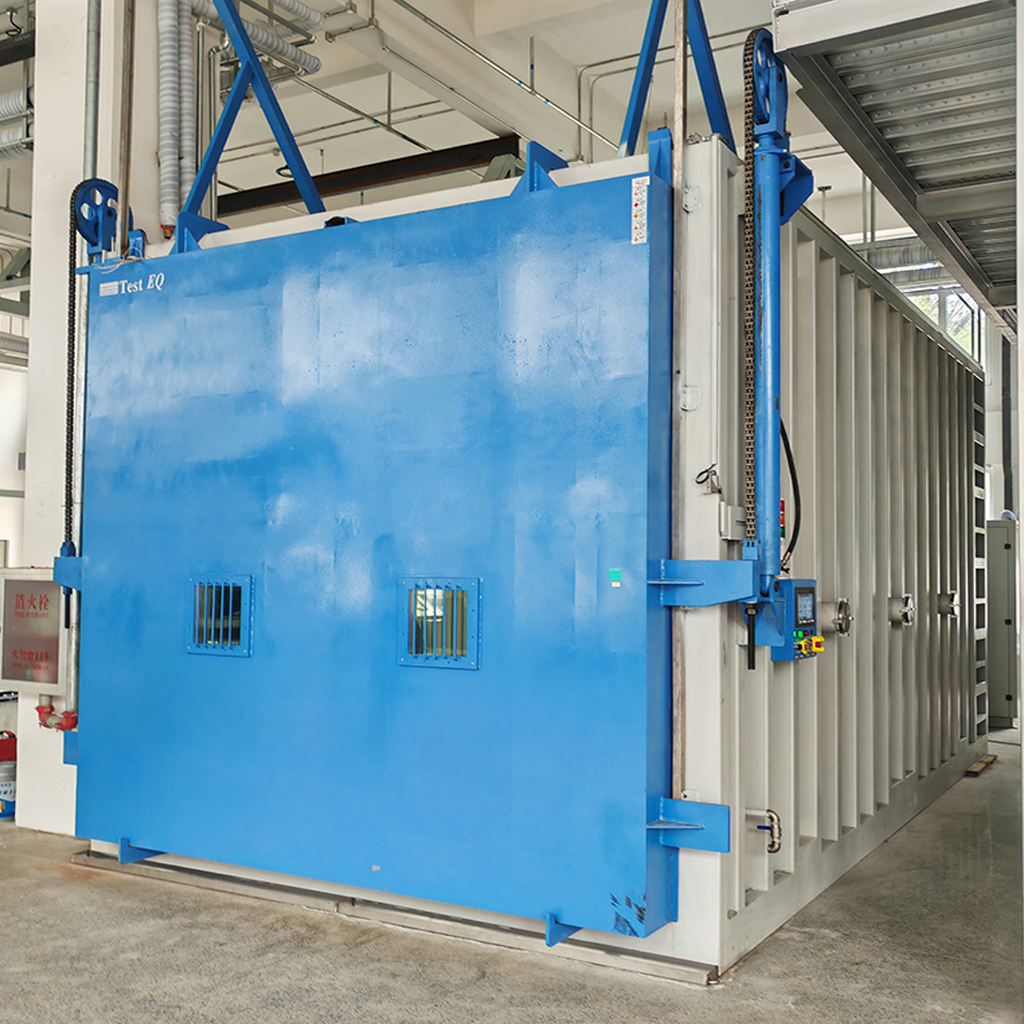
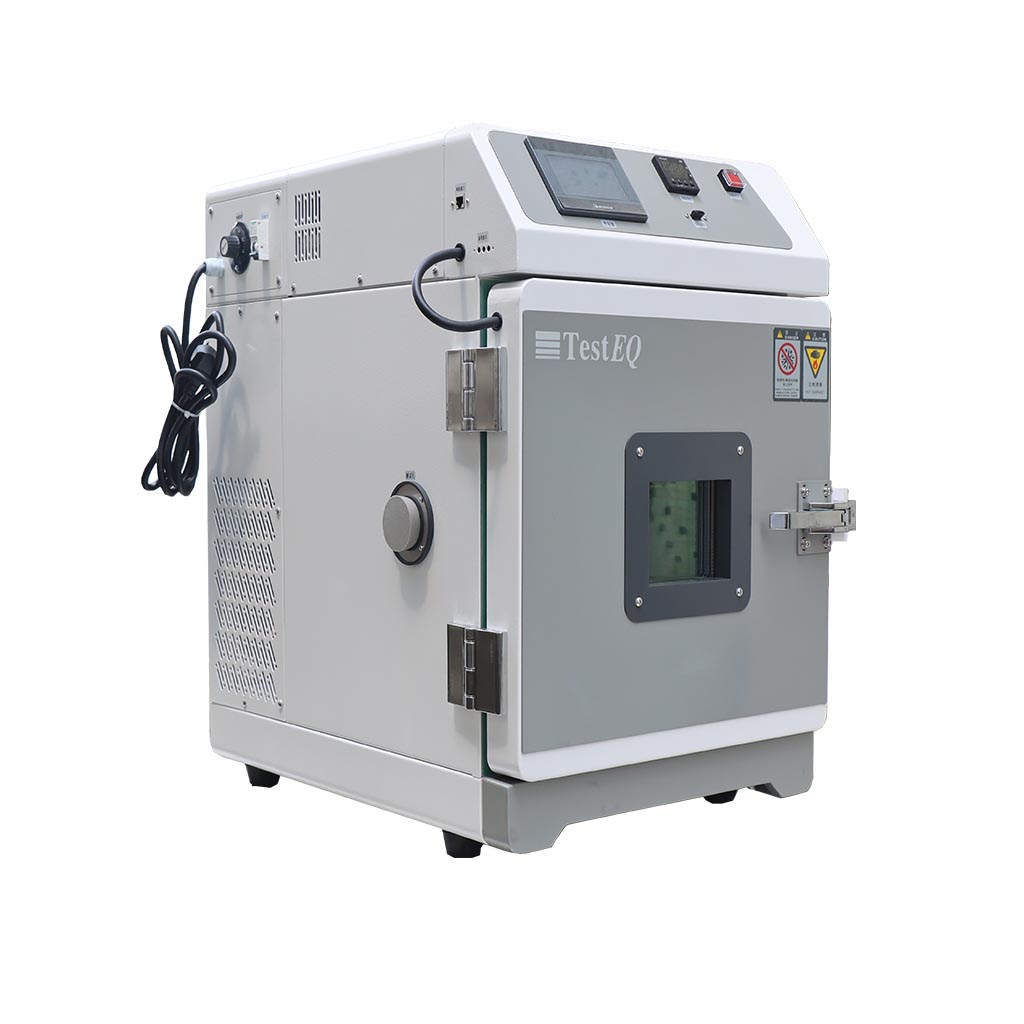
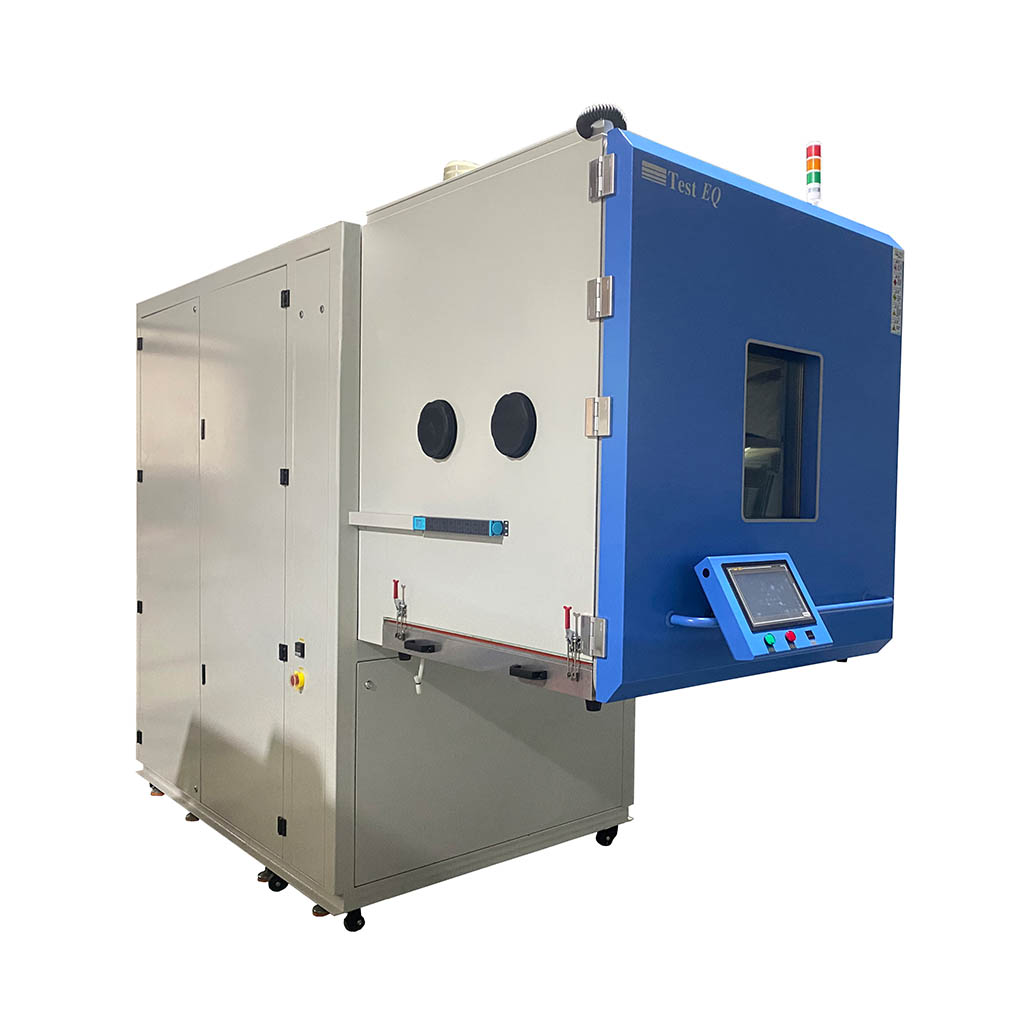
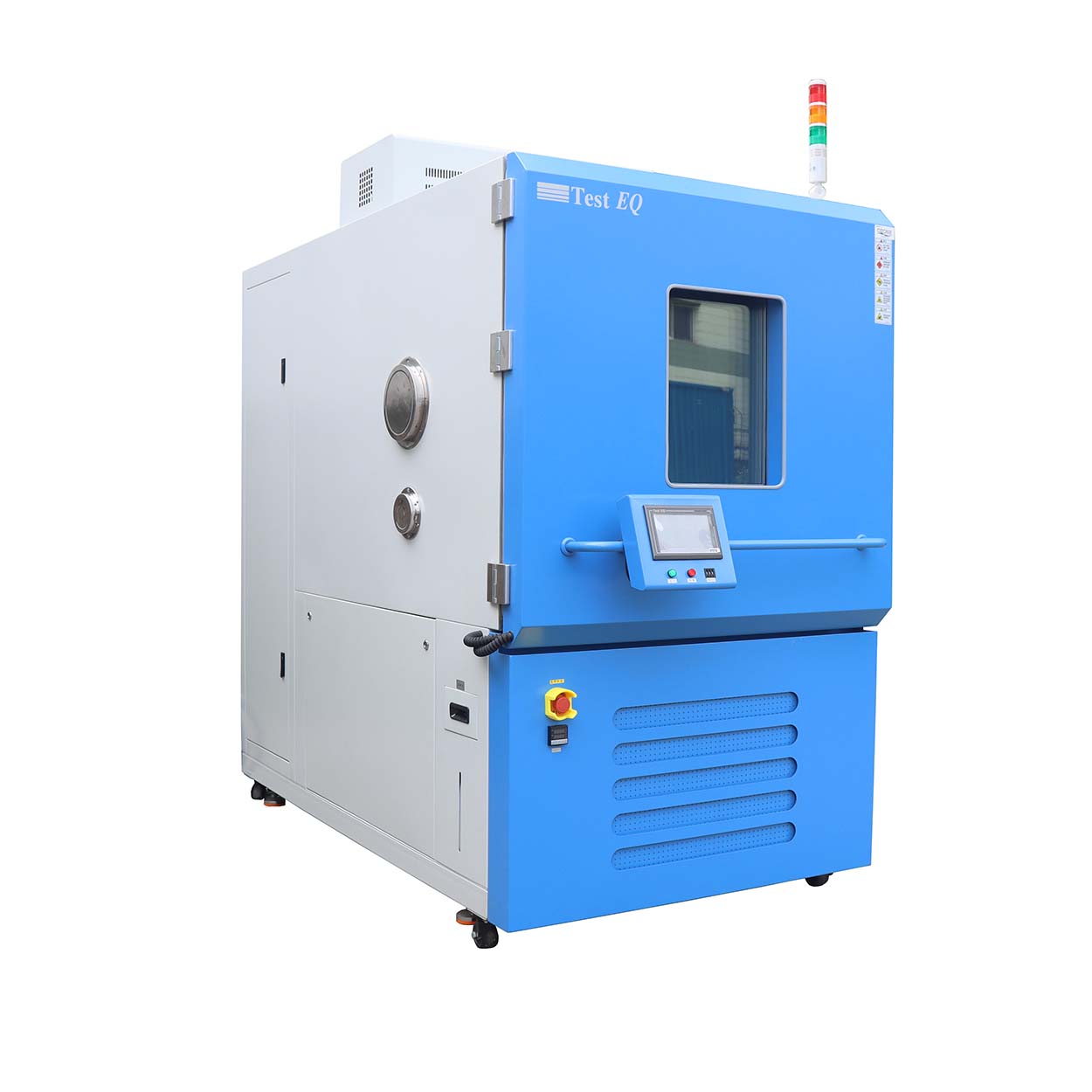
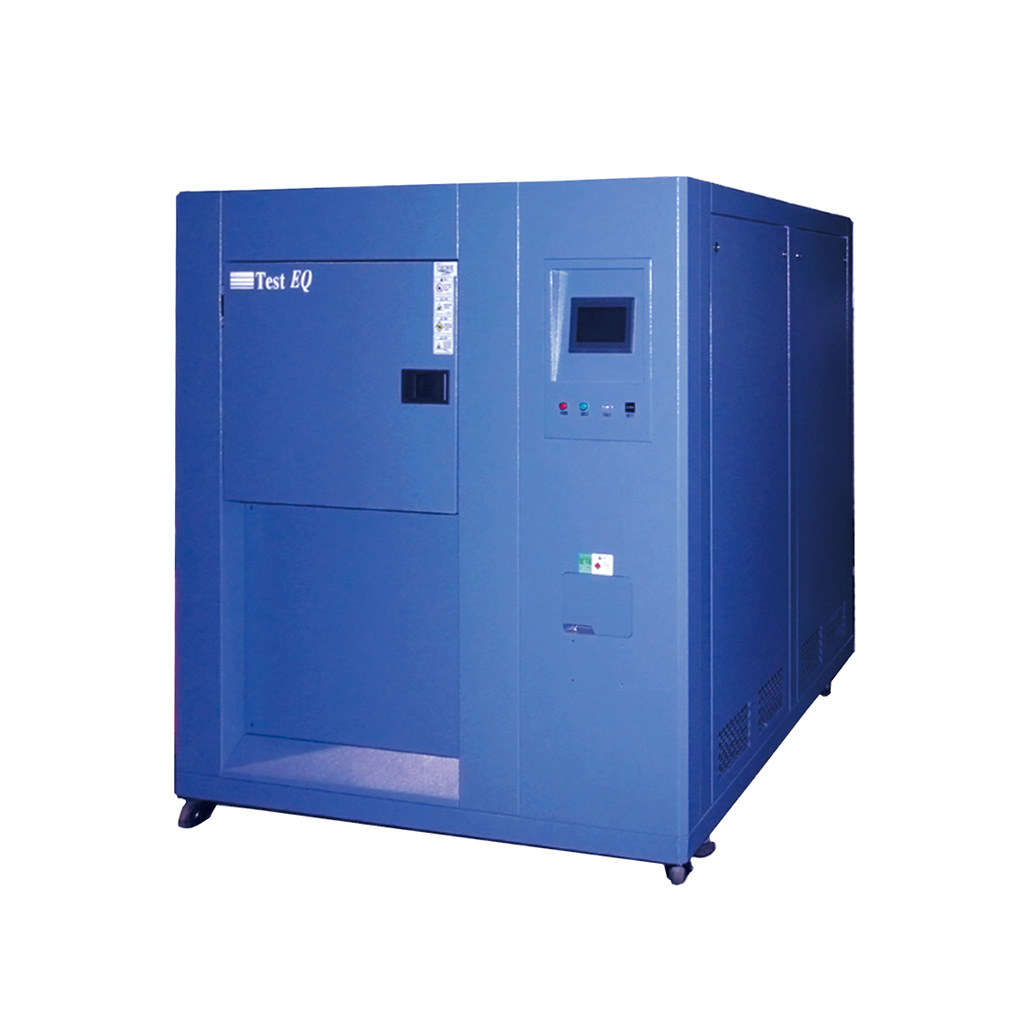
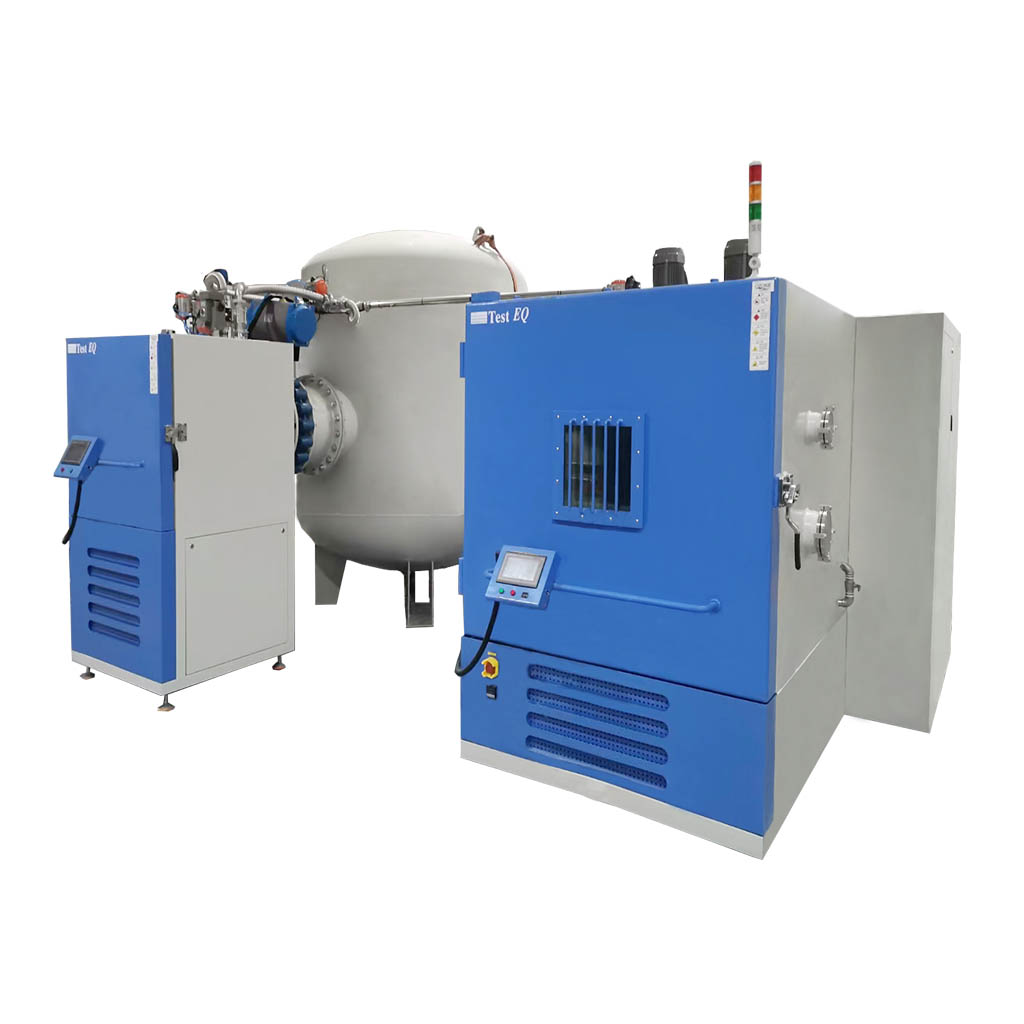
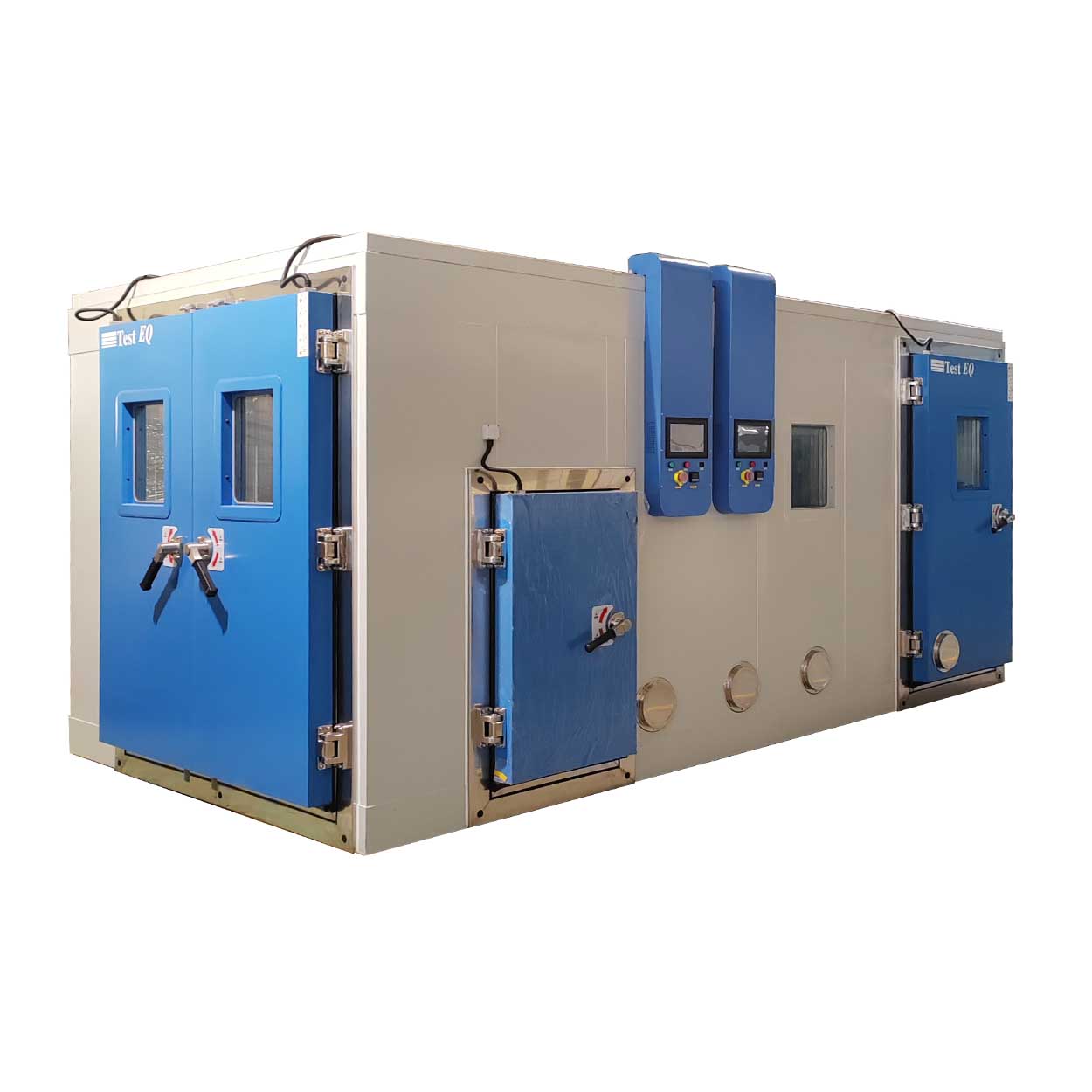
TestEQ thermal shock test chambers are designed to evaluate products and components under rapid transitions between high and low temperature environments. The systems are suitable for reliability qualification, design verification, production testing and failure analysis where thermal stress is a critical concern.
TestEQ offers configurable 2-zone and 3-zone thermal shock chambers for electronics, semiconductor components, automotive electronics, aerospace equipment, batteries and industrial products.
Depending on the configuration and test requirements, systems can be engineered for temperature ranges from -70°C to +200°C, rapid temperature transfer, controlled recovery and repeated thermal shock cycles.
For projects requiring a specific temperature profile, test load or transfer requirement, the chamber should be configured according to the applicable test method and actual specimen characteristics.
Thermal shock testing is a reliability evaluation method that exposes products to extreme and rapid temperature transitions between hot and cold environments. The purpose is to identify material stress failures such as:
This method is widely used in aerospace, automotive electronics, semiconductors, and battery systems.
Different products require different chamber architectures. TestEQ provides multiple thermal shock configurations for different specimen sizes, test methods and reliability requirements.
For a detailed comparison, see the [Two-Zone Thermal Shock Test Chamber], [Three-Zone Thermal Shock Chamber], and [Thermal Shock Chamber for Electronics] product solutions.
A thermal shock chamber exposes a test specimen to rapid changes between controlled hot and cold environments.
In a typical two-zone system, the specimen is transferred mechanically between a high-temperature zone and a low-temperature zone. The rapid transfer creates a significant thermal gradient across the specimen.
In a three-zone system, the specimen remains in a dedicated test zone while hot or cold air is introduced around it. This configuration can reduce mechanical movement of the specimen during repeated testing.
The appropriate chamber architecture depends on the required test method, specimen characteristics, transition requirements and laboratory workflow.
Neither configuration is universally better. Selection should be based on the applicable test method, specimen size, thermal mass, transition requirement and laboratory workflow.
Designed for High-Reliability Testing:
Thermal shock testing is essential for identifying:
• Material expansion mismatch failures
• Solder joint cracking
• Component structural weaknesses
• Early-life product failures
This makes it critical for high-reliability industries such as aerospace, defense, and semiconductors.
Why TestEQ Thermal Shock Chamber:
TestEQ designs environmental simulation and reliability testing systems for electronics, semiconductor, automotive, aerospace, EV battery and research applications.
Our thermal shock solutions can be configured around:
Required temperature range
Rapid temperature transfer
Specimen size and thermal load
Two-zone or three-zone architecture
Applicable reliability standards
Laboratory workflow
Custom testing requirements
For complex projects, TestEQ can provide customized chamber engineering rather than relying only on standard catalog configurations.
How to choose a thermal shock chamber?
Before requesting a quotation, define:
Required high and low temperature
Temperature transition or transfer requirement
Test specimen dimensions
Specimen weight
Thermal mass
Required number of cycles
Applicable test standard
Required chamber volume
Two-zone or three-zone configuration
Data recording and monitoring requirements
Providing these parameters allows the chamber manufacturer to recommend a configuration based on the actual test condition rather than nominal chamber specifications.
Optional Configurations:
• 2-zone or 3-zone thermal shock system
• Liquid nitrogen (LN₂) cooling (up to -196°C)
• Large-volume custom chambers
• Remote monitoring (Modbus / IoT integration)
• Semiconductor testing mode (JEDEC optimized)
Thermal Shock Testing Standards
TestEQ thermal shock chambers can be configured for test programs based on requirements from commonly used environmental and reliability standards, including:
MIL-STD-810H Method 503.7-Temperature Shock Testing
IEC 60068-2-14-Temperature Change Testing
JESD22-A104-Temperature Cycling Standard
ISO 16750
Customer-specific reliability specifications
The applicable test procedure should be confirmed before final chamber configuration. Temperature range, transition time, stabilization, specimen load and cycle requirements can vary between test programs.
Thermal Shock Test Chamber FAQs:
1.What is a thermal shock test chamber?
A thermal shock test chamber is an environmental testing system used to expose products or components to rapid transitions between high and low temperature conditions to evaluate thermal stress and reliability.
2.What is the difference between thermal shock and thermal cycling?
Thermal shock generally emphasizes rapid temperature transitions, while thermal cycling typically uses controlled temperature changes over repeated cycles. The exact distinction depends on the applicable test method.
3.What industries use thermal shock testing?
Industries include aerospace, automotive, electronics, defense, and materials science.
4.What standards does this chamber comply with?
It supports MIL-STD-810, IEC 60068, JESD22, and other global testing standards.
5.What is the difference between 2-zone and 3-zone systems?
2-zone uses direct transfer, 3-zone includes intermediate buffer for higher precision.
6.What temperature range can a thermal shock chamber achieve?
TestEQ configurations can be engineered for temperature ranges such as -70°C to +200°C. The final specification depends on the chamber model, transition requirement and test load.
7.Should I choose a two-zone or three-zone chamber?
A two-zone system is commonly selected for rapid basket transfer and general thermal shock testing. A three-zone system can be advantageous when keeping the specimen stationary is important.
8.Can the chamber be customized?
Yes. Chamber volume, temperature range, transition performance, specimen loading, control systems and other engineering parameters can be customized according to the test requirement.
Internal Linking Module
Related Thermal Shock Test Equipment
If you are comparing thermal shock testing systems, selecting a chamber configuration, or planning a complete environmental reliability testing setup, explore the following TestEQ solutions:
Designed for semiconductor packages, PCB assemblies, connectors, sensors and automotive electronic components.
A practical configuration for rapid temperature transfer and general component-level thermal shock testing.
Designed for applications where the test specimen remains in a dedicated test zone during thermal transitions.
Designed for liquid immersion and ice-water shock testing of automotive components, EV battery components, sealed electronics and waterproof products.
For long-term temperature, humidity, climate cycling and environmental reliability testing.
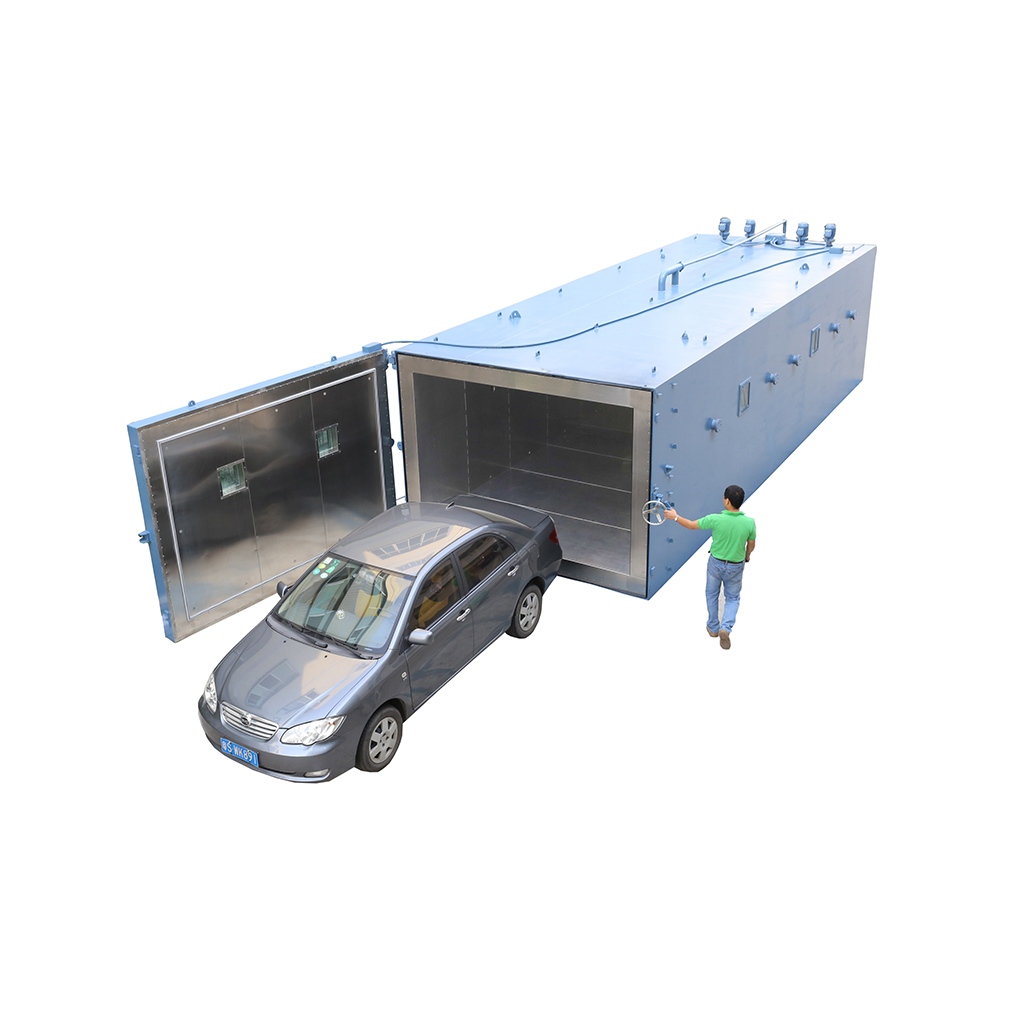
For large specimens or specialized testing requirements, customized environmental test chamber configurations are also available.
Applicable Thermal Shock Testing Standards
Thermal shock chamber configuration should be based on the applicable test method, temperature profile, specimen characteristics and required test conditions.
Covers temperature-change testing for evaluating the effects of specified temperature transitions on test specimens.
Provides temperature shock testing procedures for equipment exposed to rapid changes between high and low temperature environments.
Commonly referenced for semiconductor and electronic component temperature cycling reliability testing.
Relevant to environmental testing of electrical and electronic equipment used in road vehicles.
The applicable standard and test procedure should be confirmed before final chamber selection and configuration.
Thermal Shock Testing Resources
Learn more about thermal shock chamber selection, operation, maintenance and environmental reliability testing:
A practical engineering guide covering temperature range, humidity, chamber volume, test load, applicable standards and configuration selection.
Understand the differences between thermal shock and temperature cycling, including transition conditions, test objectives and typical chamber configurations.
Learn which chamber parameters engineers should evaluate, including temperature range, transfer time, specimen size, thermal mass and test standard.