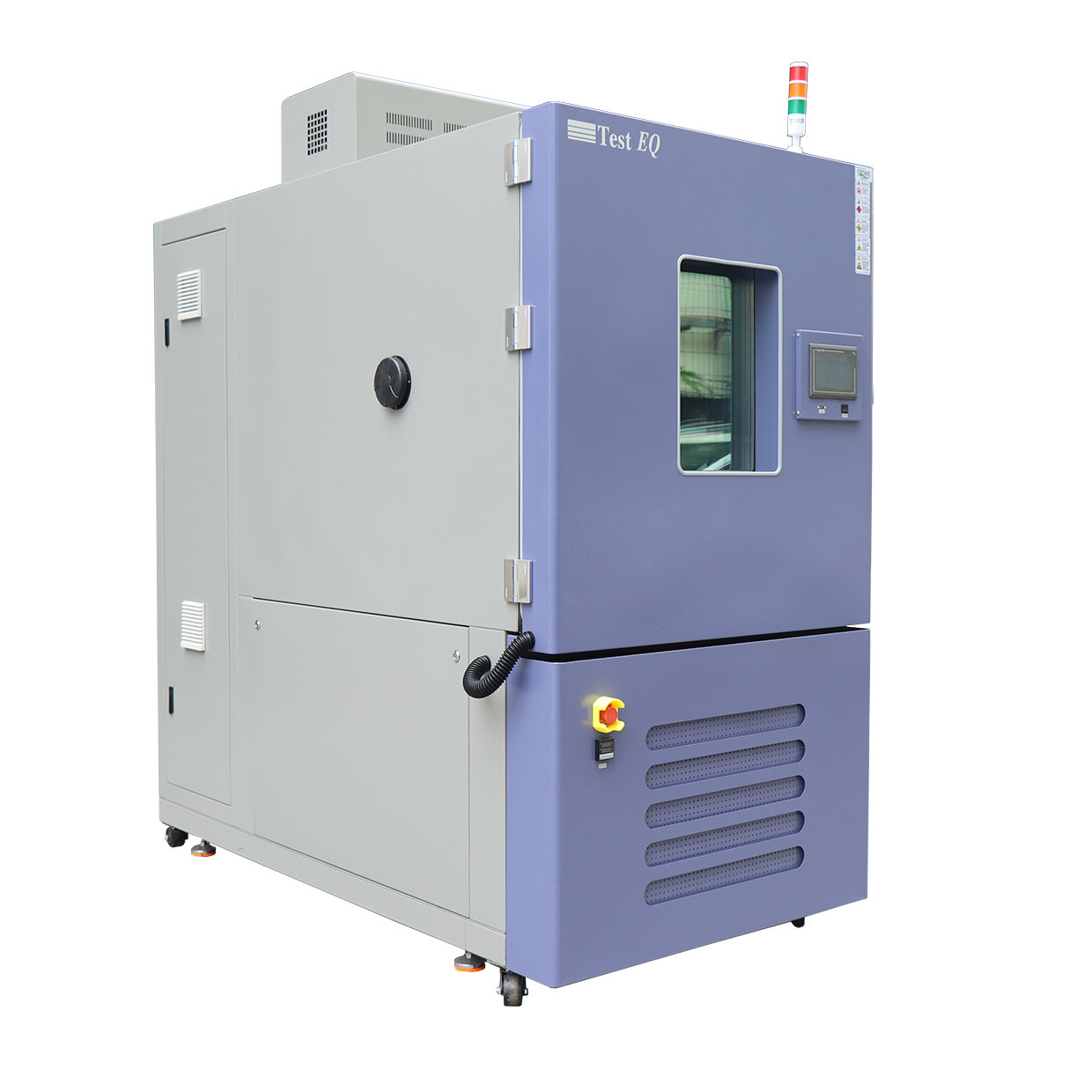
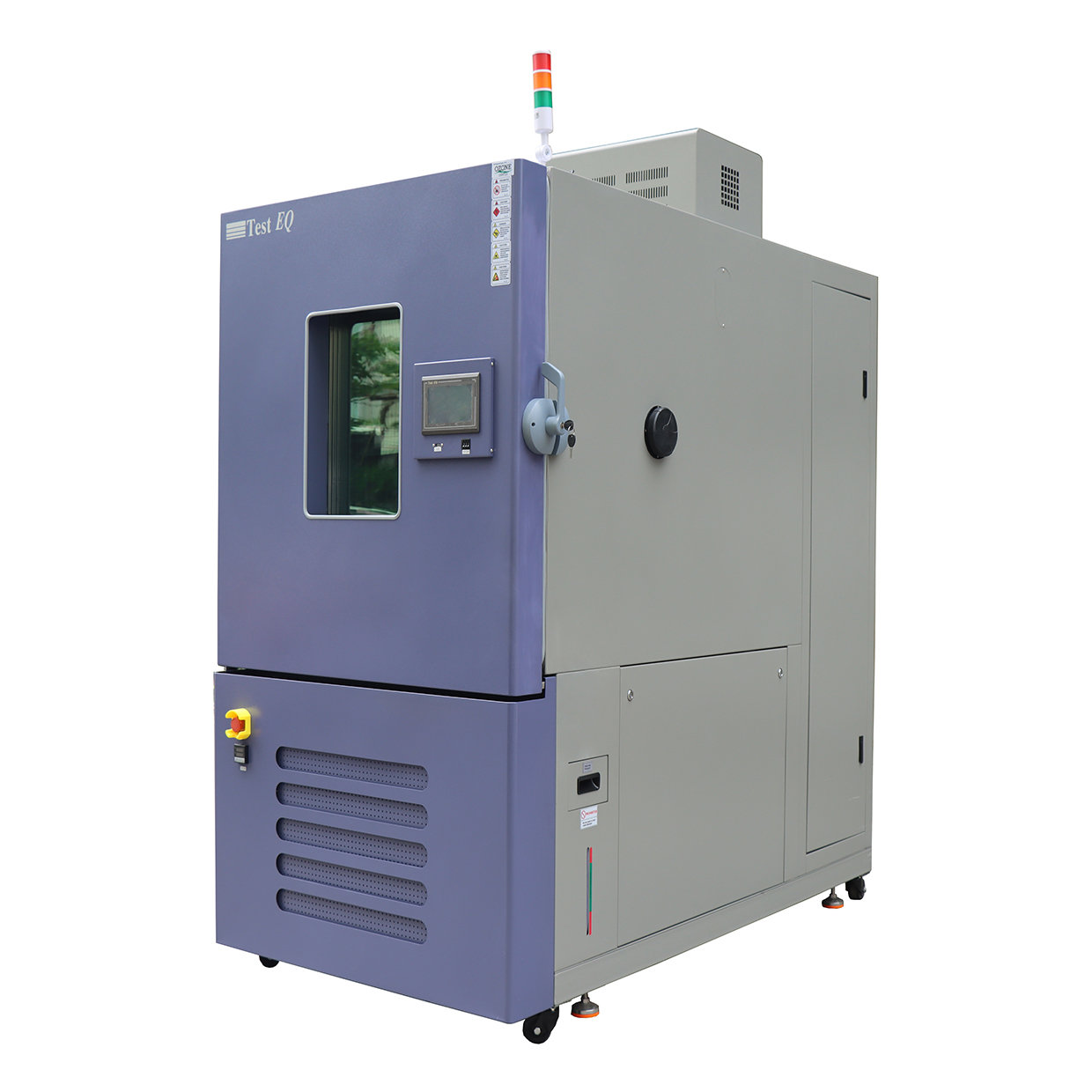
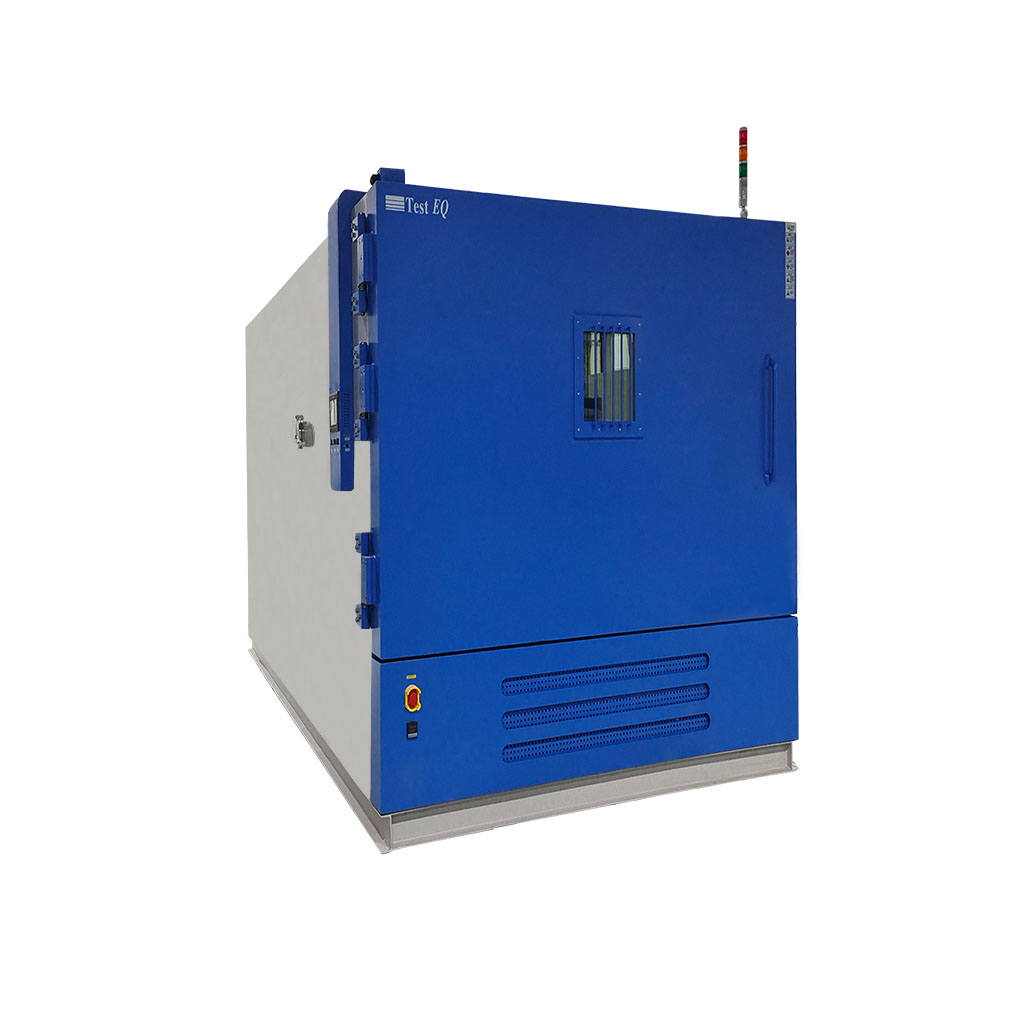
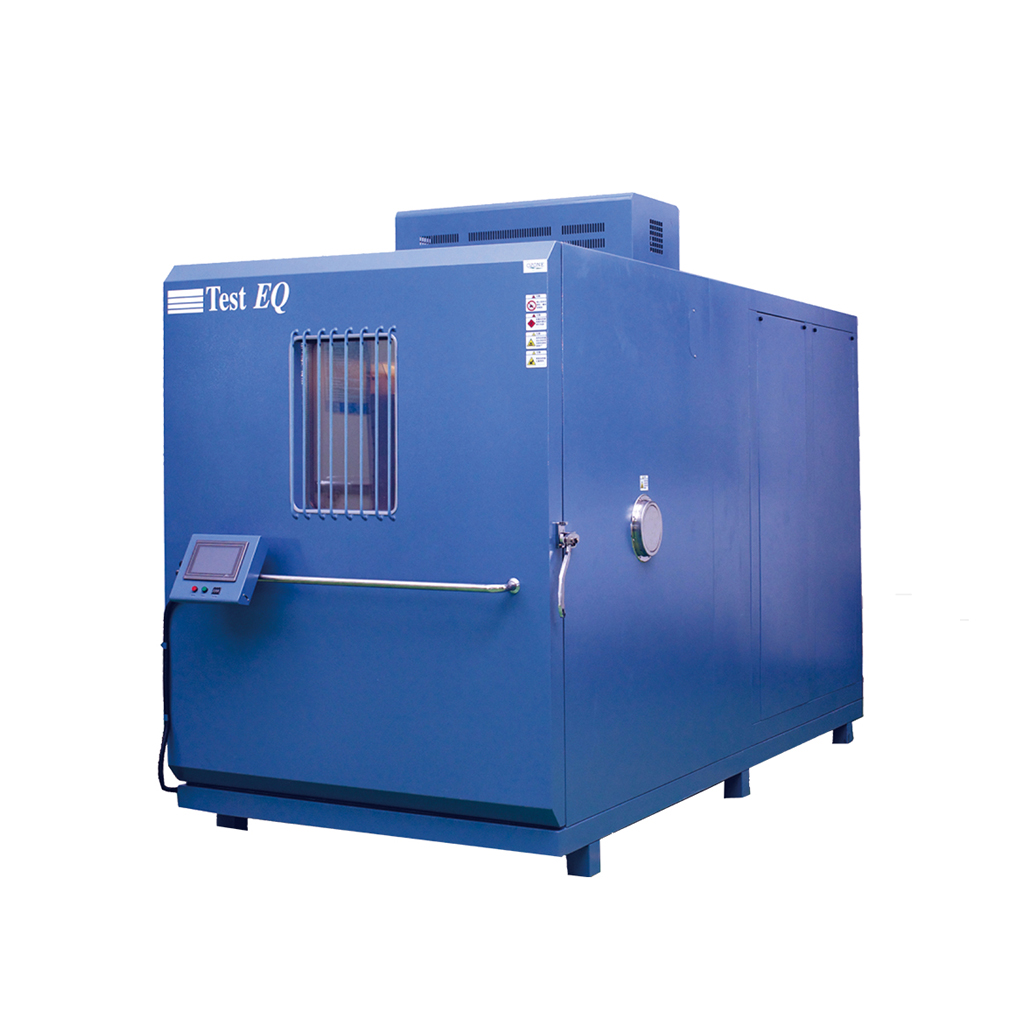
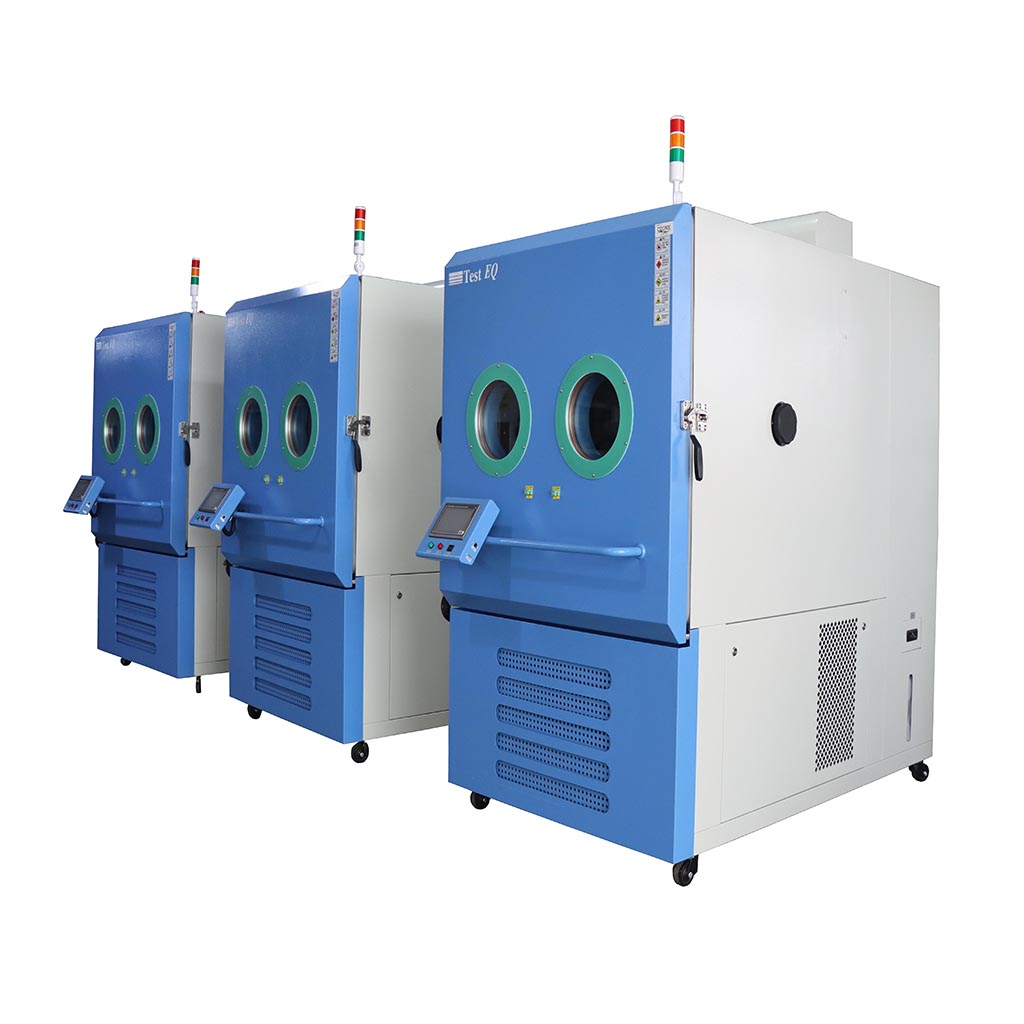
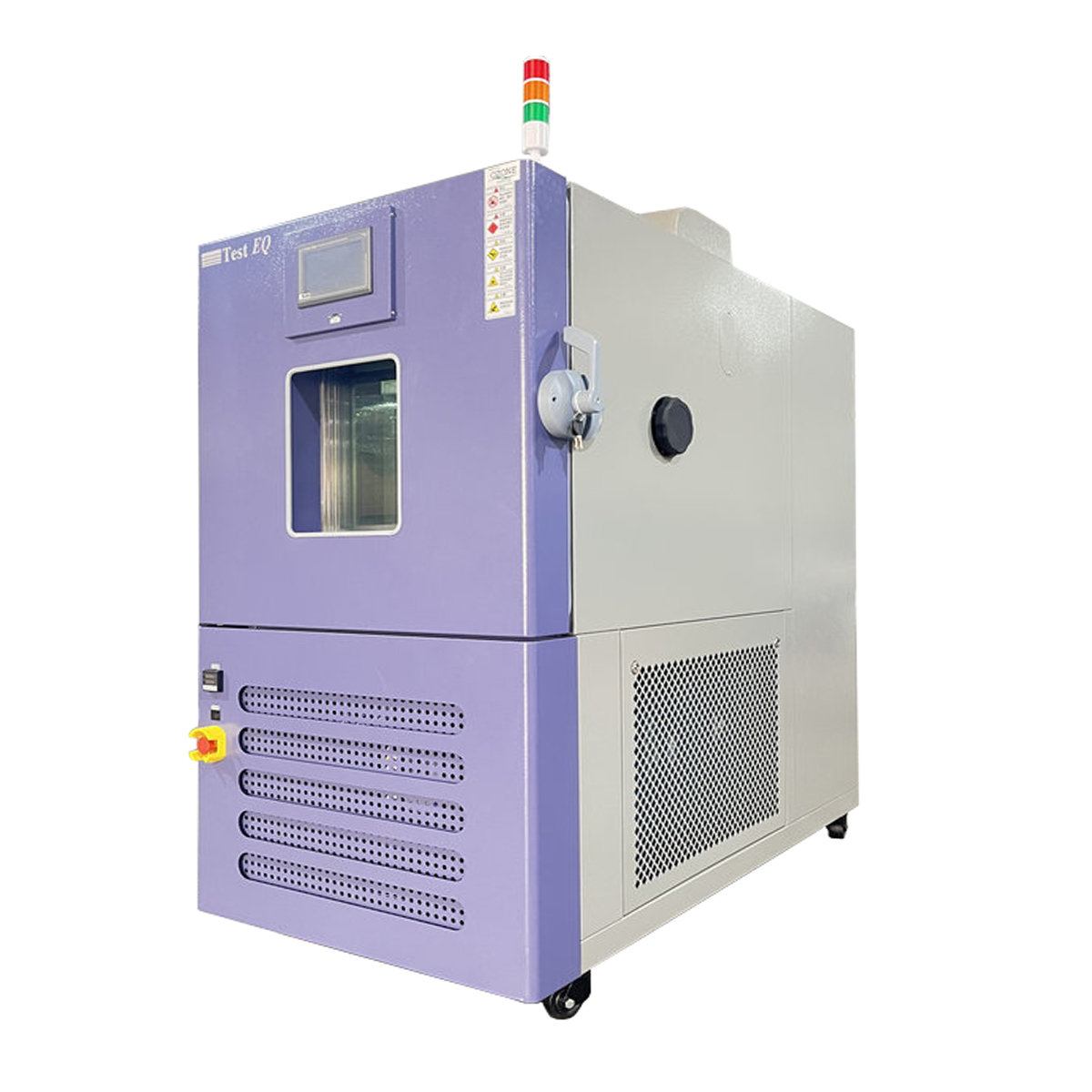
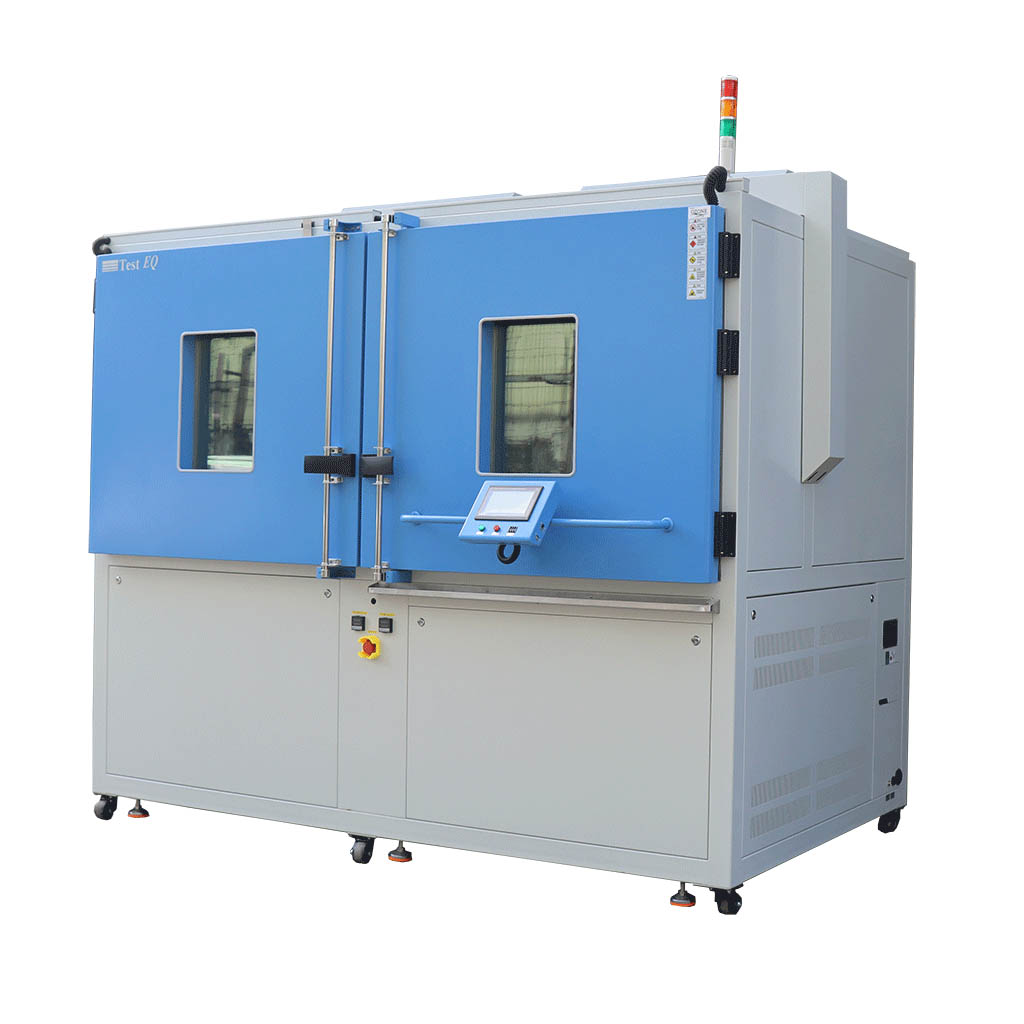
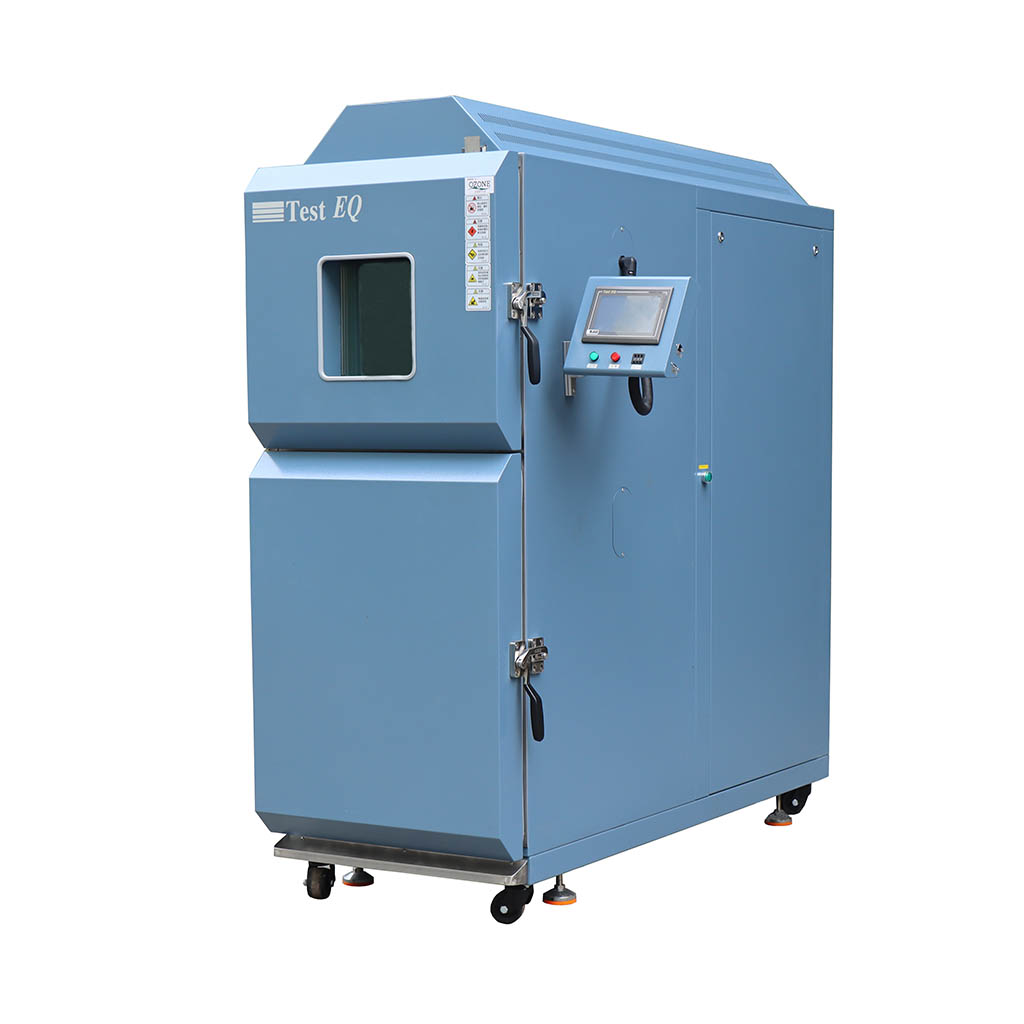
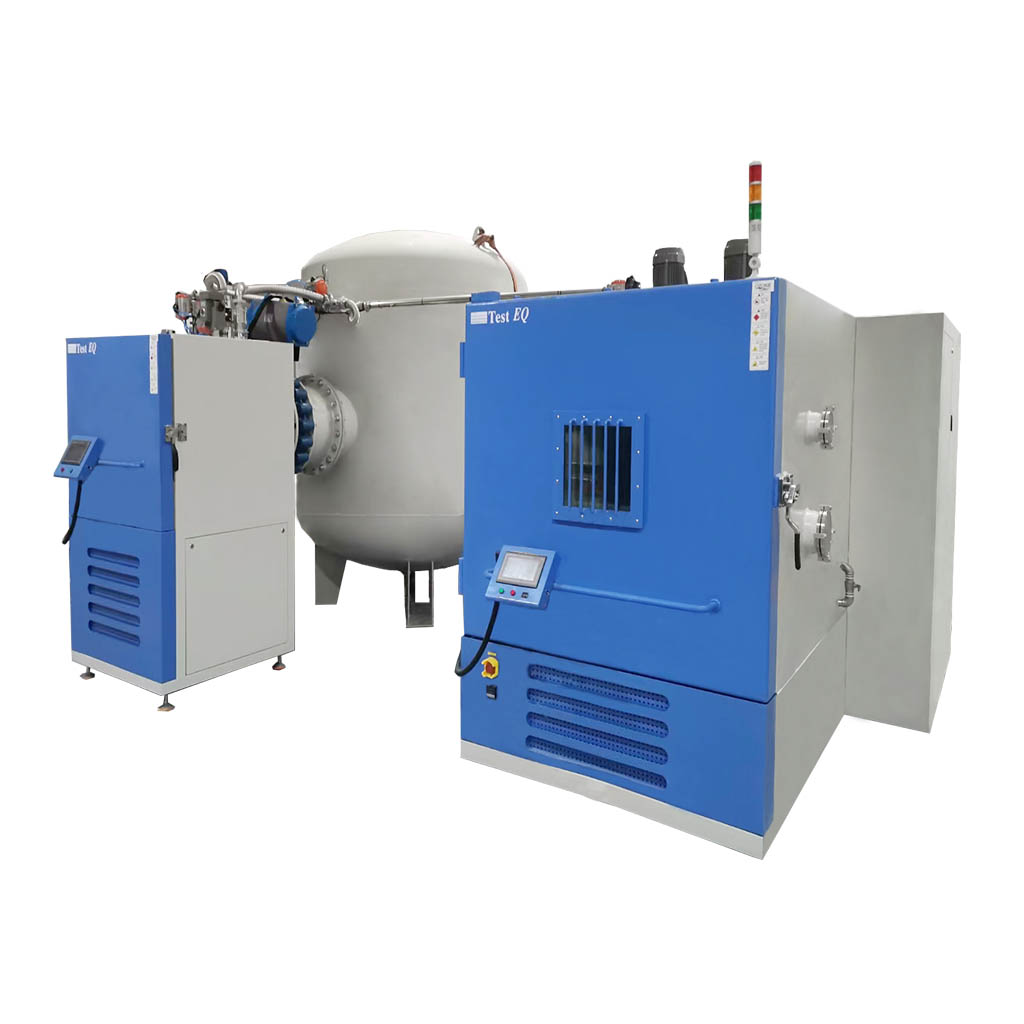
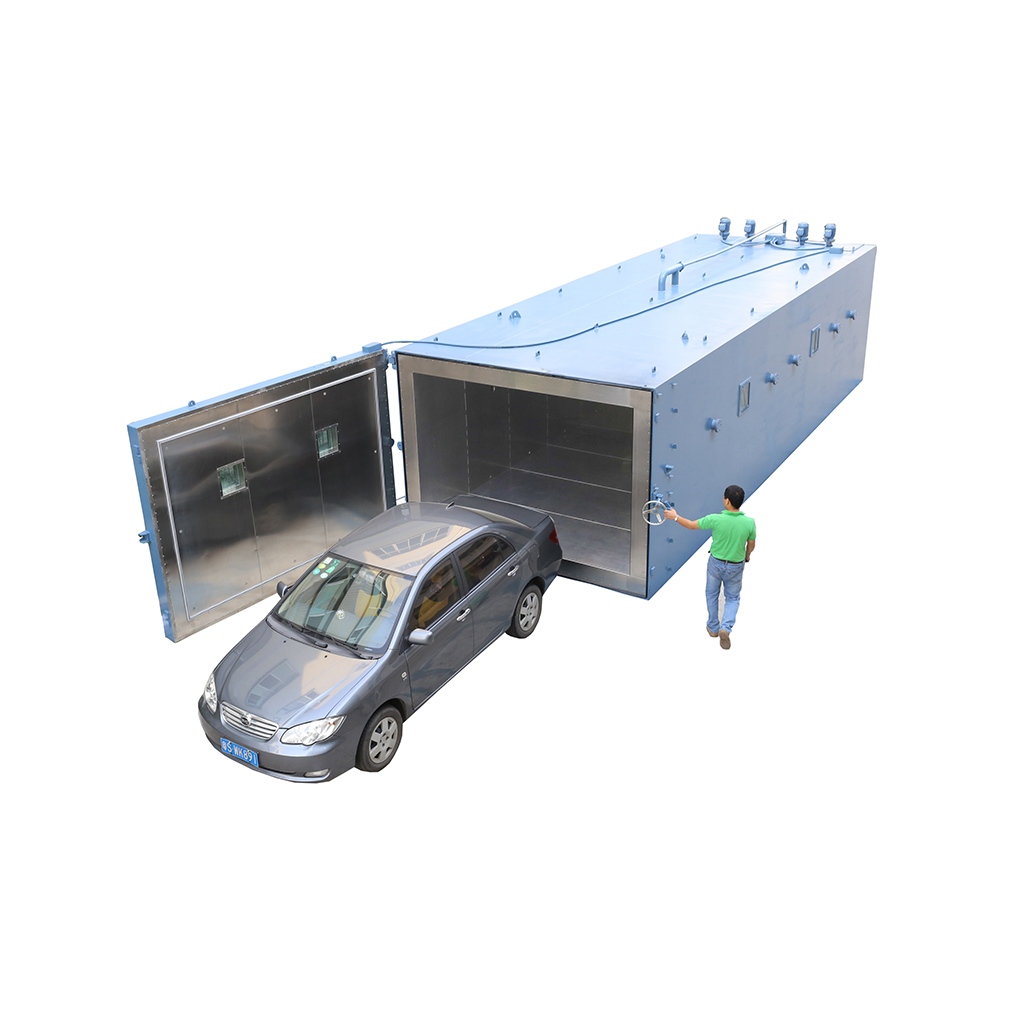
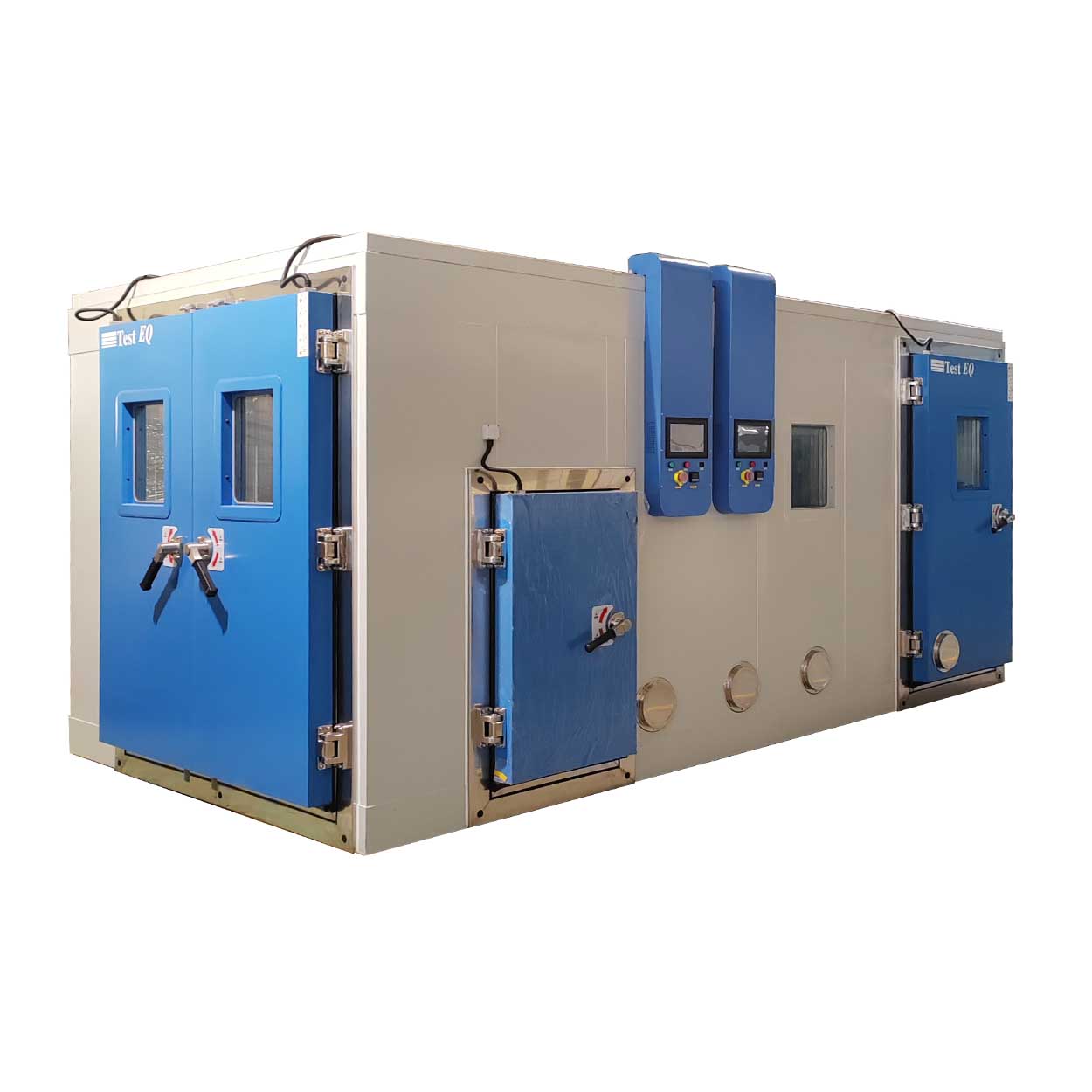
Climatic Test Chamber for Temperature & Humidity Reliability Testing
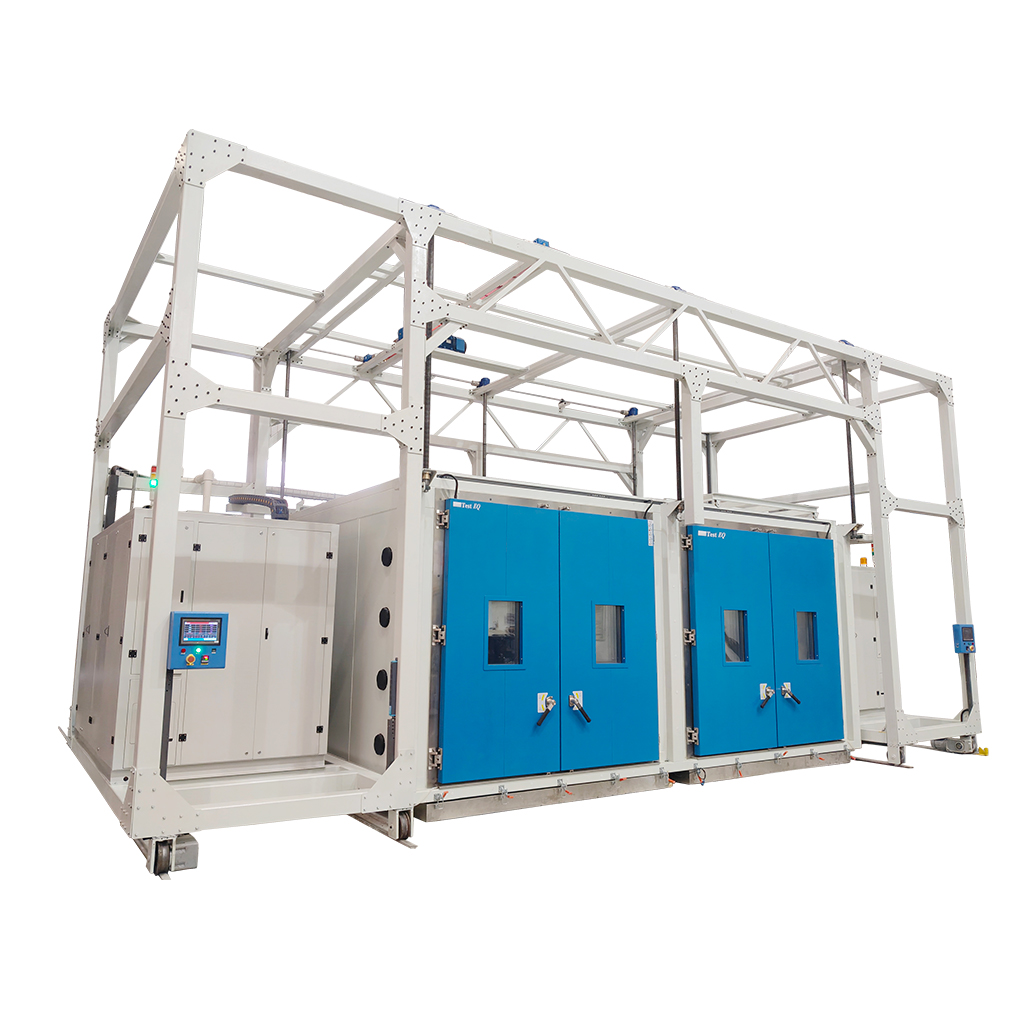
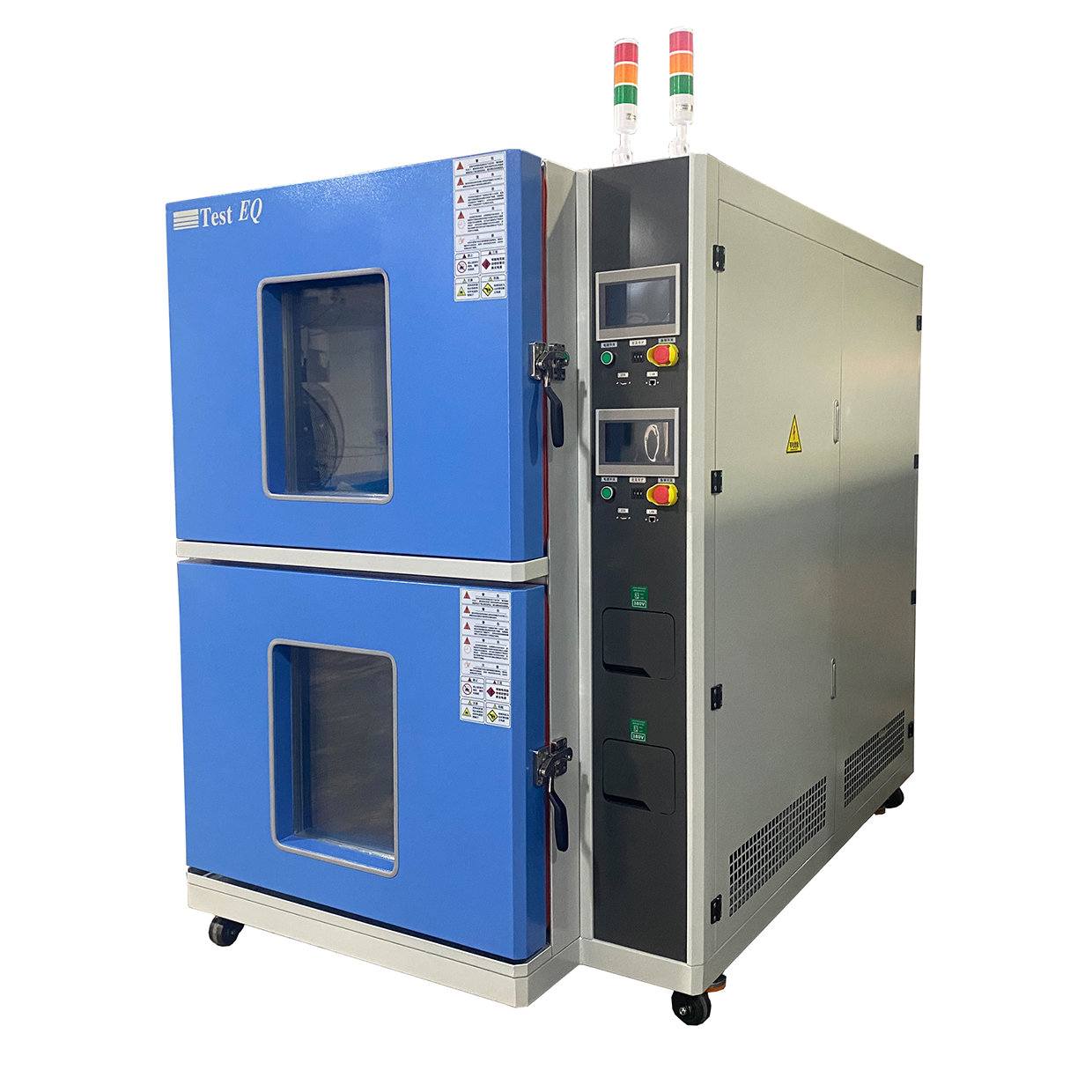
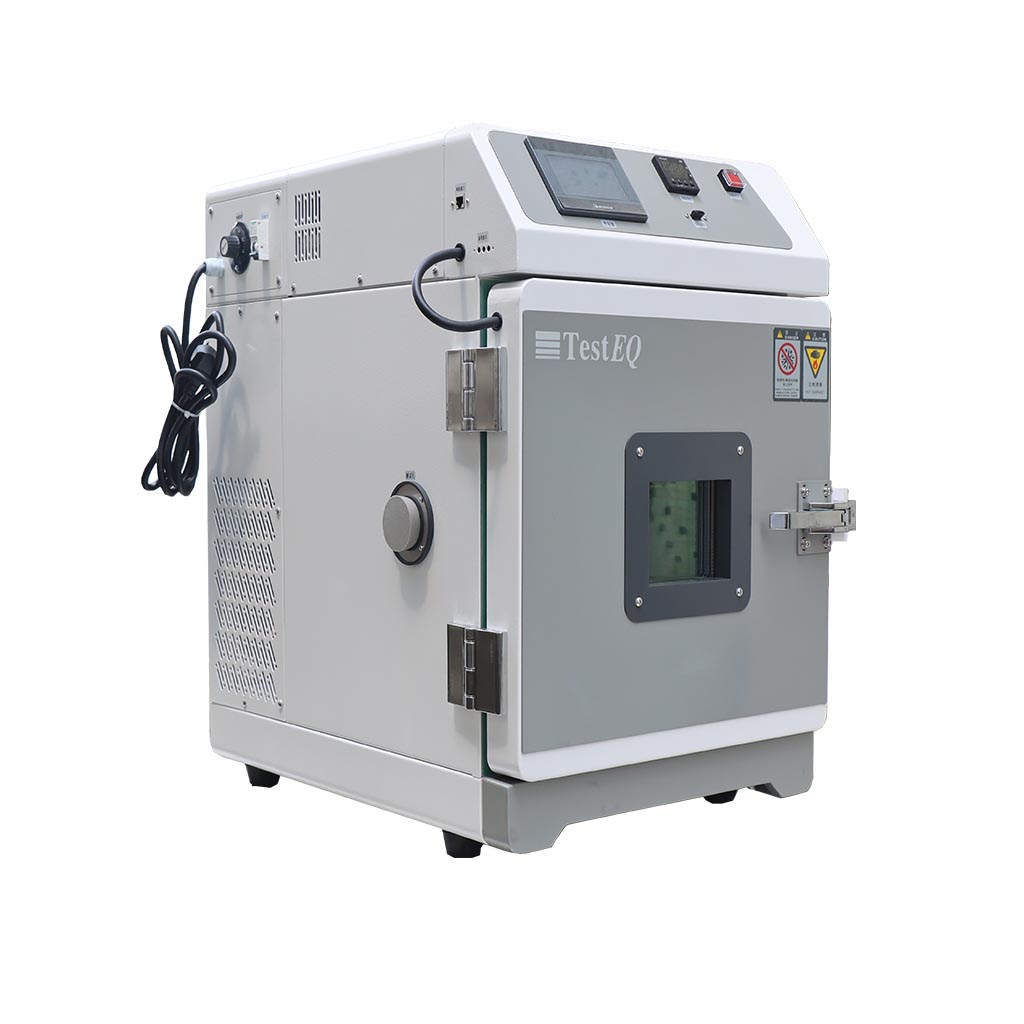
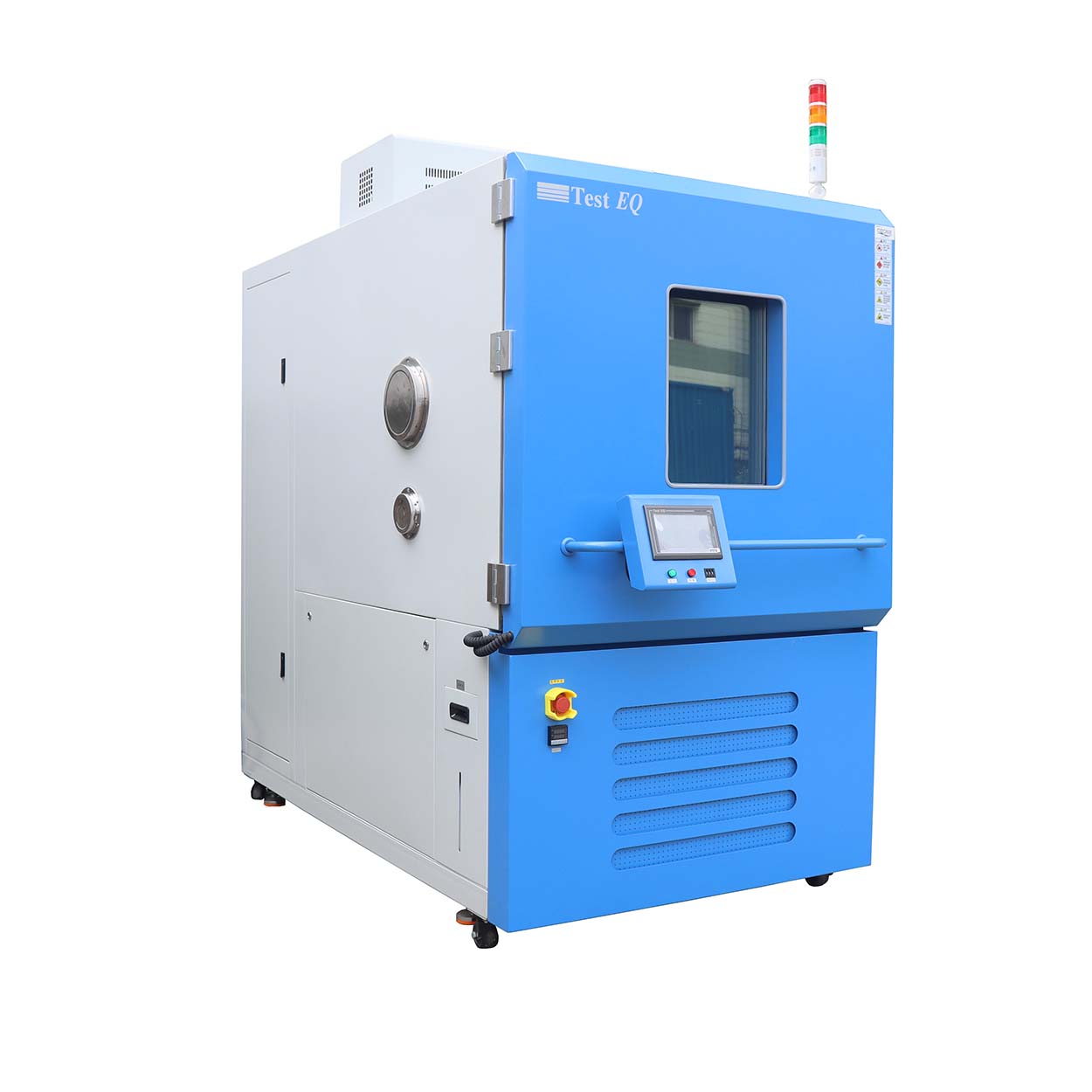
TestEQ Climatic Test Chambers are designed for controlled temperature and humidity testing of electronic components, automotive parts, batteries, aerospace equipment, materials, and other products requiring environmental reliability validation.
Standard systems provide temperature ranges from -70°C to +180°C and humidity control from 10%RH to 98%RH, with programmable temperature and humidity profiles for long-duration reliability testing, environmental qualification, aging, and cyclic climate testing.
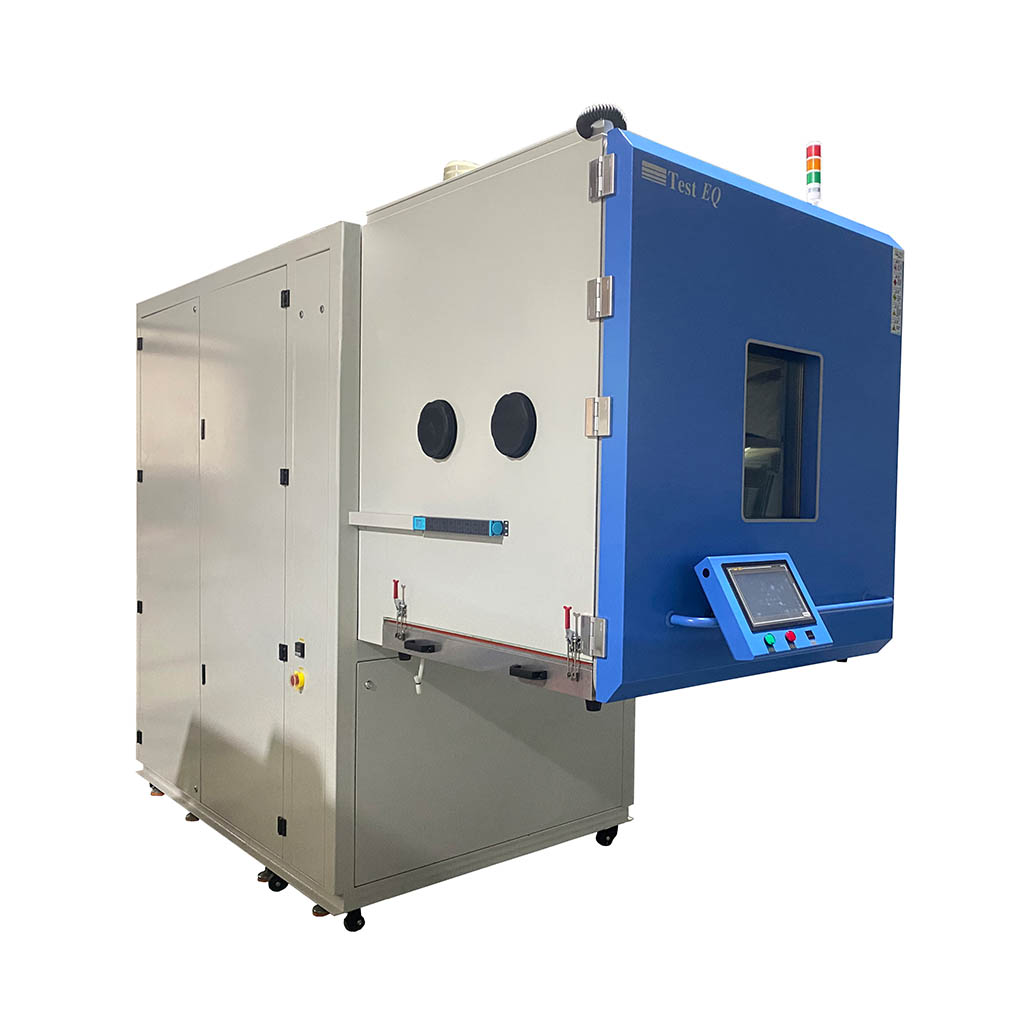
TestEQ provides standard, benchtop, large-capacity, and custom climatic test chamber configurations based on product dimensions, test standards, temperature range, humidity requirements, and test cycle profiles.
What Is a Climatic Test Chamber?
A climatic test chamber is an environmental simulation system used to reproduce controlled temperature and humidity conditions.
It allows engineers to expose products to defined environmental conditions and evaluate their performance, durability, reliability, and potential failure mechanisms.
Typical climatic tests include:
• High-temperature testing
• Low-temperature testing
• Temperature cycling
• Humidity exposure
• Damp heat testing
• Condensation testing
• Environmental aging
• Reliability qualification
• Accelerated environmental testing
Unlike a simple temperature chamber, a climatic test chamber combines temperature control with humidity control to reproduce more realistic environmental conditions.
How Does a Climatic Test Chamber Work?
A climatic test chamber uses an integrated heating, refrigeration, humidification, airflow circulation, and control system.
Temperature Control
A refrigeration system provides low-temperature operation while electrical heating provides high-temperature control. The controller continuously adjusts heating and cooling output according to the programmed test profile.
Humidity Control
A humidification system introduces controlled moisture into the chamber. Temperature and humidity sensors continuously monitor the chamber environment and provide feedback to the control system.
Airflow Circulation
A controlled airflow system distributes conditioned air throughout the working space to improve temperature and humidity uniformity.
Programmable Control
Engineers can define temperature, humidity, dwell time, ramp conditions, and repeated cycles through programmable test profiles.
This allows the chamber to perform repeatable environmental reliability tests without continuous manual adjustment.
What Can Climatic Testing Detect?
Temperature and humidity testing can help identify environmental failure mechanisms such as:
• Moisture-induced electrical failure
• Corrosion
• Insulation degradation
• Seal and gasket deterioration
• Material expansion and contraction
• Condensation-related damage
• Adhesive degradation
• Component aging
• Early-life reliability failures
The test results can be used to improve product design, material selection, packaging, and manufacturing quality.
Climatic Test Chamber vs Environmental Test Chamber
| Comparison | Standard Climatic Chamber | Environmental Test Chamber |
|---|
| Primary Purpose | Simulates controlled temperature and humidity conditions | Simulates one or more environmental conditions affecting a product |
| Main Test Parameters | Temperature and relative humidity | Temperature, humidity, altitude, vibration, corrosion, dust, water, and other environmental stresses depending on configuration |
| Temperature Control | ✓ Yes | ✓ Yes, depending on chamber type |
| Humidity Control | ✓ Yes | ✓ Yes for climatic/environmental chambers with humidity control |
| Temperature Cycling | ✓ Yes | ✓ Yes, depending on configuration |
| Damp Heat Testing | ✓ Yes | ✓ Yes when humidity control is included |
| Corrosion Testing | ✗ Not normally designed for salt spray or cyclic corrosion | ✓ Available with dedicated corrosion test chambers |
| Dust / Water Testing | ✗ Not normally included | ✓ Available with dedicated dust or rain test systems |
| Altitude / Low Pressure | ✗ Not normally included | ✓ Available with altitude or combined environmental chambers |
| Vibration Testing | ✗ Not normally included | ✓ Available with combined environmental and vibration systems |
| Typical Applications | Temperature-humidity reliability, environmental aging, damp heat, temperature cycling, stability testing | Environmental qualification, reliability testing, corrosion, dust, water, altitude, vibration, thermal and combined environmental testing |
| Typical Industries | Electronics, semiconductors, automotive, batteries, aerospace, materials and R&D laboratories | Automotive, aerospace, defense, batteries, electronics, telecommunications, industrial equipment and research laboratories |
| Typical Standards | IEC 60068, JEDEC JESD22, ISO 16750, MIL-STD-810 and related temperature/humidity methods | Depends on the environmental stress; may include IEC 60068, ISO 16750, MIL-STD-810, ASTM and other industry-specific standards |
| System Complexity | Generally focused on temperature and humidity control | Can range from a basic temperature chamber to highly customized multi-environment systems |
| Best Choice When | Your primary requirement is controlled temperature and humidity testing | Your test program requires environmental stresses beyond temperature and humidity |
| Relationship | A climatic chamber can be considered a type of environmental test chamber | Environmental test chamber is the broader category and can include climatic chambers |
Which one should you choose?
If your primary test requirement is controlled temperature and humidity, a Climatic Test Chamber is usually the appropriate solution. If your qualification program requires additional environmental stresses such as altitude, vibration, corrosion, dust, or water ingress, a specialized Environmental Test Chamber or combined environmental testing system may be more suitable. The actual chamber should always be selected according to the required test conditions, product dimensions, test profile, and applicable standard.
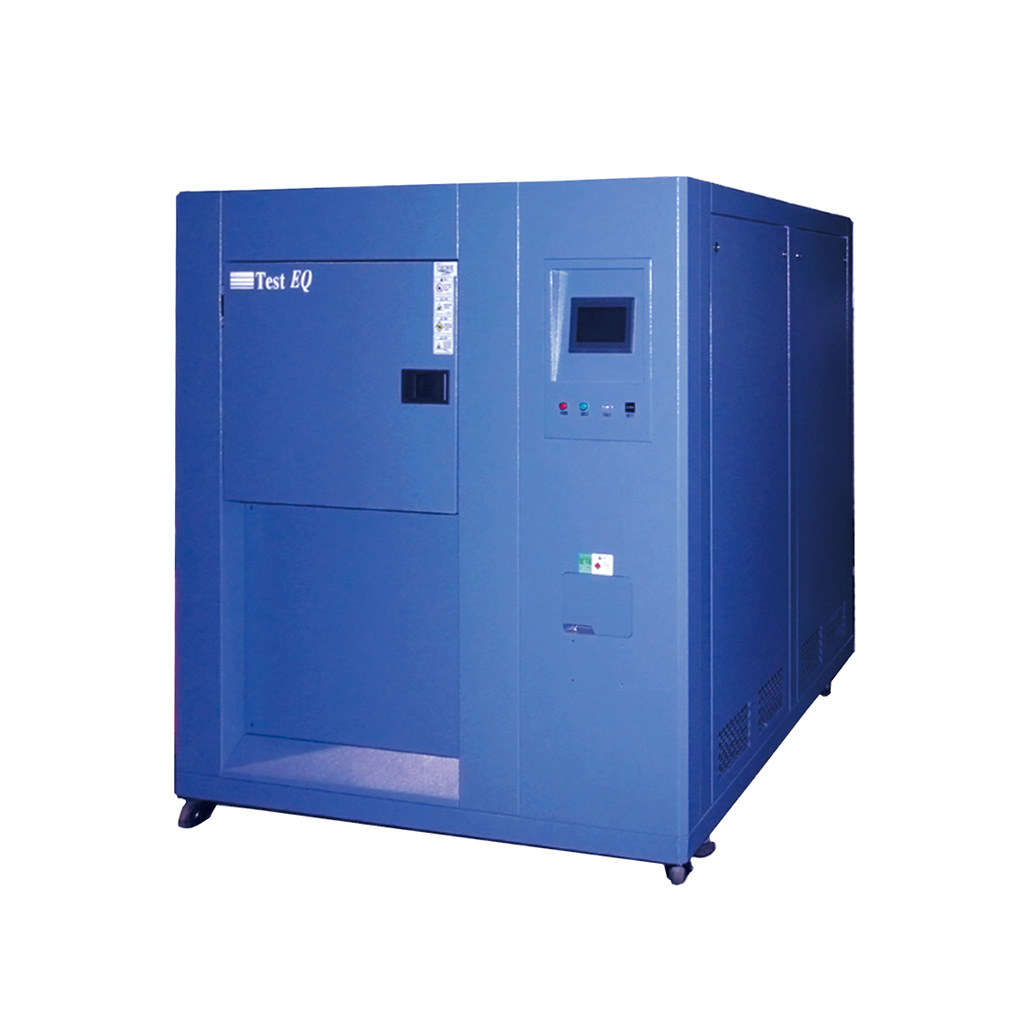
Climatic Chamber vs Thermal Cycling Chamber
| Comparison | Climatic Chamber | Thermal Cycling Chamber |
|---|
| Main Purpose | Temperature & humidity environmental testing | Rapid temperature cycling |
| Temperature | Controlled high/low temperature | Designed for repeated temperature changes |
| Humidity Control | Yes | Usually no |
| Temperature Cycling | Yes, with humidity control | Yes, optimized for cycling speed |
| Temperature Change Rate | Standard/controlled ramp | Typically faster |
| Typical Tests | Damp heat, humidity, aging, environmental reliability | Thermal cycling, temperature change, ESS |
| Typical Applications | Electronics, automotive, batteries, aerospace | Electronics, semiconductors, automotive, components |
| Best Choice When | Temperature + humidity are required | Fast repeated temperature changes are the priority |
Choose a Climatic Chamber when temperature and humidity control are required. Choose a Thermal Cycling Chamber when rapid and repeated temperature changes are the primary test requirement.
Custom Climatic Test Chamber Solutions
Not every reliability test can be completed with a standard laboratory chamber.
TestEQ can customize climatic test chambers according to:
• Product dimensions
• Test sample quantity
• Required chamber volume
• Temperature range
• Humidity range
• Temperature change rate
• Test cycle profile
• Door and access requirements
• Cable ports and electrical feedthroughs
• Product fixtures
• Remote monitoring
• Data recording
• Safety systems
• Special atmosphere requirements
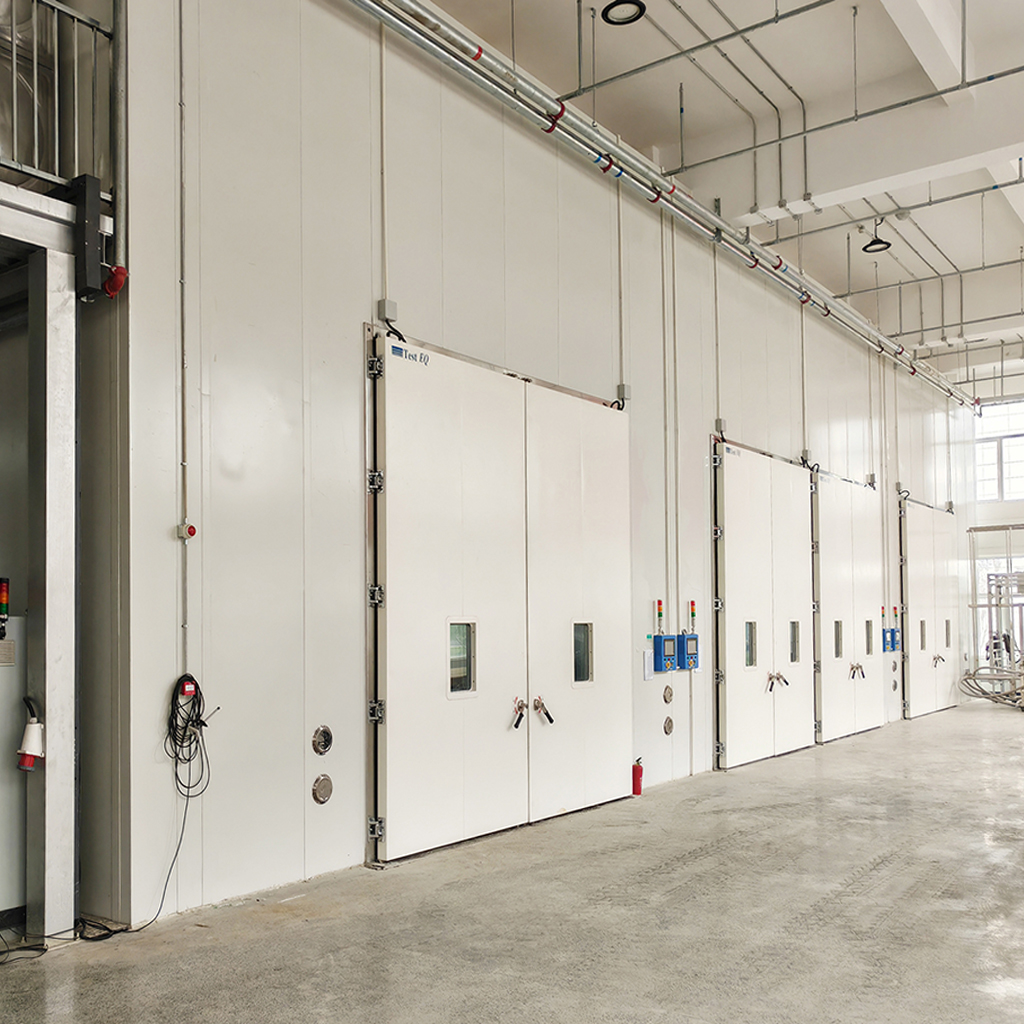
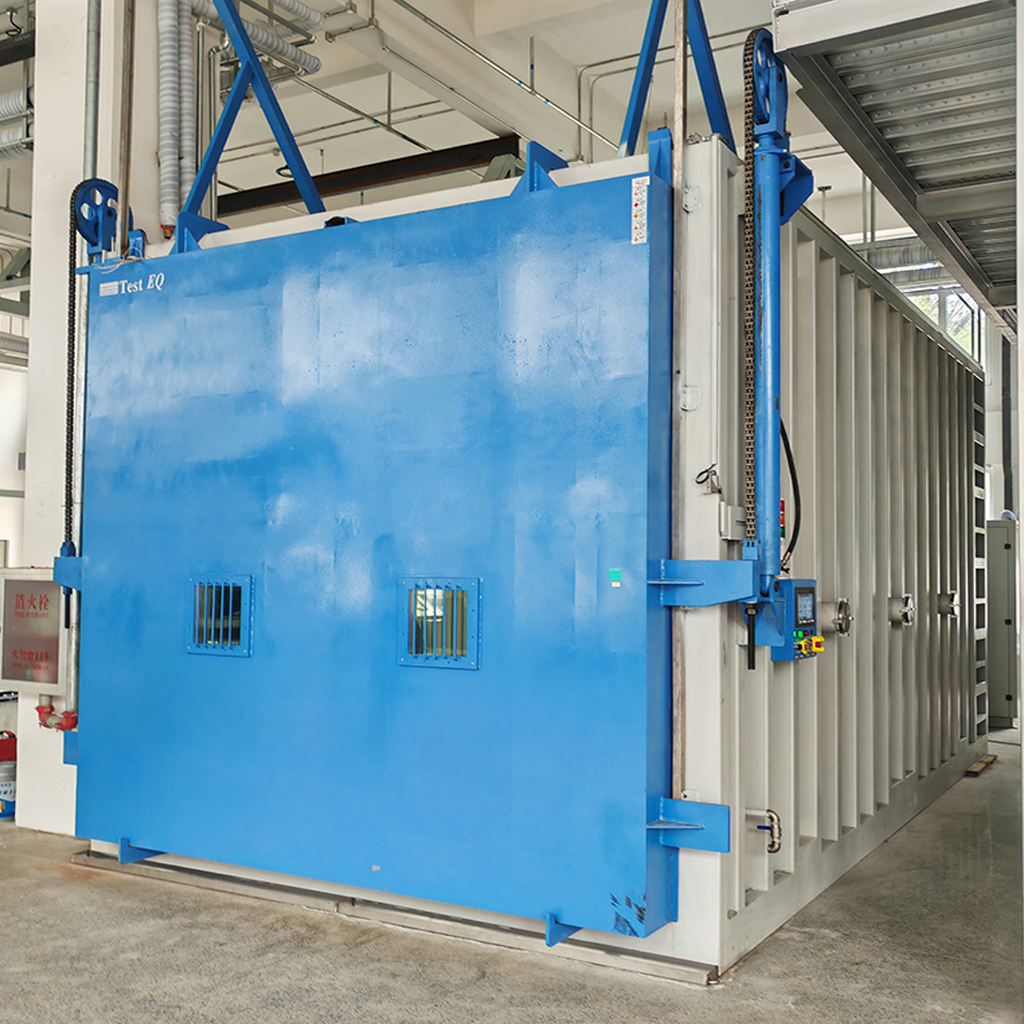
Custom systems can be developed from laboratory-scale chambers to large environmental simulation systems.
Why Choose TestEQ for Climatic Test Chamber Solutions?
TestEQ provides environmental simulation equipment for reliability testing, qualification testing, and product development.
Our climatic chamber solutions focus on:
Engineering-Based Customization
Chamber dimensions, environmental ranges, fixtures, control systems, and test profiles can be adapted to specific customer requirements.
Temperature and Humidity Control
The system is designed to maintain stable temperature and humidity conditions during long-duration testing and cyclic environmental profiles.
International Test Requirements
Test systems can be configured around international environmental testing requirements including IEC 60068, ISO 16750, MIL-STD-810, and JEDEC.
Laboratory to Industrial Scale
TestEQ supports standard laboratory chambers as well as larger environmental simulation systems for automotive, battery, aerospace, electronics, and industrial applications.
Technical Support
Our engineering team can evaluate your sample dimensions, test standard, temperature range, humidity range, and cycle requirements before recommending a suitable configuration.
Optional Configurations:
Depending on the application, TestEQ climatic chambers can be configured with:
• Low-humidity package
• Rapid temperature change capability
• LN₂ or CO₂ assisted cooling
• Remote monitoring
• Ethernet communication
• Data logging
• Multi-zone temperature control
• Product-specific fixtures
• Safety monitoring systems
• Battery testing safety configuration
• Custom chamber dimensions
• Walk-in configuration
How to Select the Right Climatic Test Chamber
Before purchasing a climatic chamber, engineers and procurement teams should define:
1. Product Size
Determine the sample dimensions, quantity, fixtures, and required working space.
2. Temperature Range
Define the lowest and highest required test temperatures.
3. Humidity Range
Determine the required relative humidity range and whether low-humidity testing is required.
4. Test Standard
Identify the applicable IEC, ISO, MIL-STD, JEDEC, automotive, aerospace, or customer-specific test method.
5. Test Profile
Define temperature ramp, dwell time, humidity conditions, number of cycles, and total test duration.
6. Chamber Configuration
Choose between benchtop, floor-standing, large-capacity, or walk-in systems according to the application.
7. Safety Requirements
Battery, energy-storage, or other high-risk applications may require additional safety monitoring, ventilation, fire suppression, or explosion-protection configurations.
Climatic Test Chamber Standards
TestEQ climatic test chambers can be configured for testing associated with major international environmental and reliability standards, including:
IEC 60068
IEC 60068 provides a broad framework for environmental testing, including low temperature, dry heat, temperature change, damp heat, and other environmental conditions.
IEC 60068-2-1
Low-temperature testing for evaluating product performance under cold environmental conditions.
IEC 60068-2-2
Dry-heat testing for evaluating product performance at elevated temperatures.
IEC 60068-2-14
Testing related to temperature change and thermal cycling.
IEC 60068-2-78
Damp-heat steady-state testing under controlled high-humidity conditions.
ISO 16750
Environmental testing requirements for electrical and electronic equipment used in road vehicles.
JEDEC JESD22
Semiconductor reliability test methods covering temperature, humidity, bias, thermal cycling, and related environmental stresses.
MIL-STD-810
Environmental engineering and laboratory testing requirements for equipment subjected to environmental stresses.
For a specific qualification requirement, chamber configuration should be selected according to the applicable test method, sample size, temperature/humidity profile, and acceptance criteria.
Frequently Asked Questions
1.What is a climatic test chamber?
A climatic test chamber is a controlled environmental simulation system that regulates temperature and humidity to evaluate product reliability, durability, aging, and environmental resistance.
2.What is the difference between a climatic chamber and an environmental test chamber?
A climatic chamber primarily controls temperature and humidity. An environmental test chamber is a broader category that can include temperature, humidity, altitude, vibration, thermal shock, corrosion, and other environmental stresses.
3.What temperature range can a climatic test chamber achieve?
TestEQ standard configurations can provide temperature ranges from approximately -40°C to +180°C or -70°C to +180°C, depending on the chamber model and configuration.
4.What humidity range can a climatic test chamber achieve?
Standard configurations can provide approximately 10%RH to 98%RH. Special low-humidity configurations can be considered for applications requiring lower relative humidity.
5.What tests can be performed in a climatic test chamber?
Typical tests include temperature testing, humidity testing, temperature cycling, damp heat, condensation, environmental aging, reliability qualification, and accelerated environmental testing.
6.Which industries use climatic test chambers?
Common applications include electronics, semiconductors, automotive, EV batteries, aerospace, defense, materials, industrial equipment, laboratories, and research and development.
7.How do I choose the right climatic test chamber?
Selection should be based on product size, required temperature and humidity range, test standard, test profile, sample quantity, chamber volume, and any special safety or fixture requirements.
8.Can TestEQ manufacture custom climatic test chambers?
Yes. TestEQ can engineer custom chamber dimensions, temperature and humidity ranges, fixtures, control systems, monitoring functions, and special configurations according to the customer's test requirements.
9.How can I request a climatic test chamber quotation?
Provide your product dimensions, sample quantity, required temperature range, humidity range, applicable test standard, and test cycle. TestEQ's engineering team can use this information to recommend a suitable configuration.
Internal Linking Module
Recommended Equipment
For accelerated reliability and ESS testing with rapid temperature transitions up to 25°C/min. Ideal for electronics, automotive, semiconductor and aerospace applications.
Designed for large-scale environmental simulation of complete products, battery packs, automotive components and industrial equipment under temperature and humidity conditions.
Explore TestEQ temperature and humidity test chambers for controlled environmental reliability testing, aging, and qualification applications.
Related Standards
Automotive environmental testing standard covering temperature cycling, humidity testing and durability validation of vehicle electronic components.
Comprehensive international environmental testing standard covering temperature, humidity, thermal cycling, vibration and reliability qualification testing.
Learn about JEDEC JESD22 reliability test methods for semiconductor temperature, humidity, thermal cycling, and environmental testing.
Technical Resources
Learn the fundamentals of environmental simulation, temperature humidity testing, and reliability qualification for industrial products.
Discover THB testing principles, JEDEC standards, test procedures, failure mechanisms and reliability applications for semiconductor and electronic products.
Understand the differences between thermal cycling and temperature cycling, including test conditions, applications, and chamber selection.